Nov 04, 2026
Author:Amanda Lyu
Small dogs may not drink as much water as larger breeds, but finding the right drinking setup is just as important. A Chihuahua, Yorkshire Terrier, Pomeranian, or Maltese may struggle with a fountain that is too tall, too deep, or too noisy.
While many pet water fountains are marketed for both cats and dogs, not every design works equally well for smaller breeds.
The best dog water fountain for small dogs should make drinking easy and comfortable. That means choosing the right drinking height, accessible water surface, gentle circulation, and a design that is simple to keep clean.
But does a small dog really need a smaller fountain? Is ceramic better than plastic? And can a fountain designed for cats also work for small dogs?
This guide explains the seven features that matter most, how to choose the right capacity, and what to consider when comparing WOPET water fountains for smaller pets.
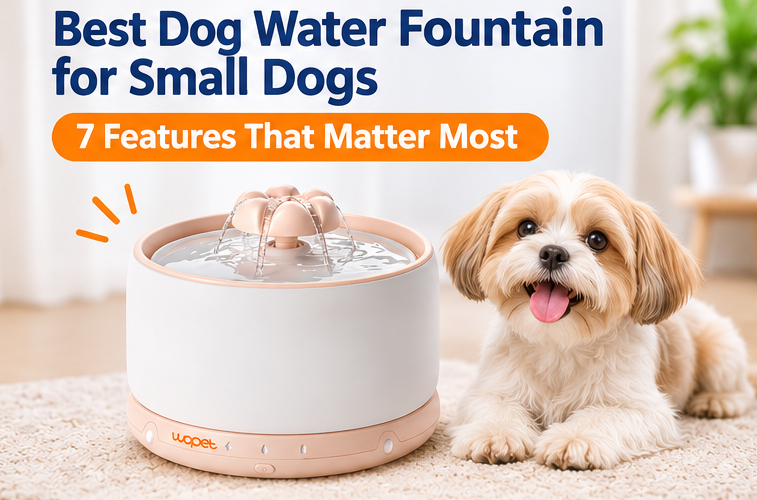
A good small dog water fountain should provide comfortable access to clean drinking water without requiring the dog to stretch, climb, or place its muzzle into an awkward position.
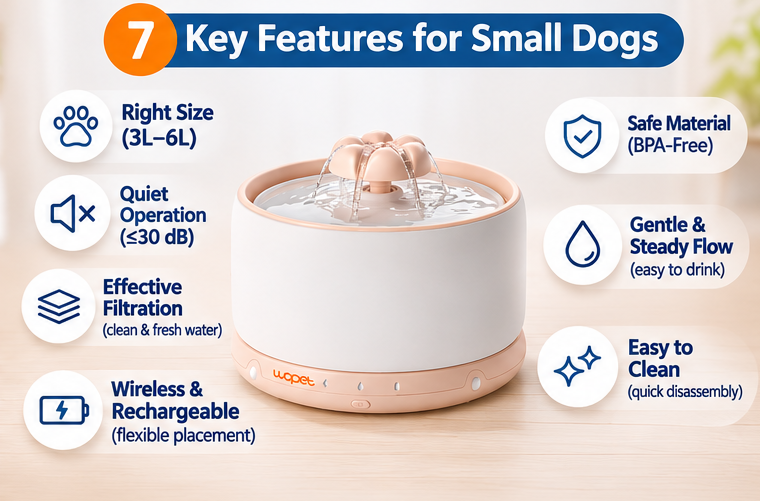
The most important features are:
Low drinking height: Water should be easy to reach from a natural standing position.
Accessible drinking basin: The water surface should accommodate a small muzzle comfortably.
Appropriate reservoir capacity: Enough water for daily needs without unnecessary bulk.
Gentle water circulation: A flow pattern that does not frighten or overwhelm the dog.
Quiet operation: Especially helpful for noise-sensitive breeds.
Safe, durable materials: Smooth, cleanable water-contact surfaces.
Easy maintenance: Components that can be cleaned and inspected regularly.
The best fountain is not necessarily the smallest model available. A slightly larger reservoir can still work well for a small dog if the drinking area is appropriately designed.
Drinking height is one of the most important considerations for small dog breeds.
A fountain designed for a large dog may have a raised basin or drinking outlet that is difficult for a Chihuahua or Yorkshire Terrier to reach.
Small dogs should not need to stand on their hind legs or stretch excessively to access water.
A comfortable drinking position allows your dog to approach the fountain naturally.
Look for a design that lets your dog:
Stand with all four paws on the floor.
Reach the water without excessive neck extension.
Drink without pressing against a tall rim.
Approach the basin without climbing onto the fountain.
This is particularly important for puppies, senior dogs, and pets with mobility limitations.
Before buying, compare the fountain's drinking-surface height with the height of a water bowl your dog already uses comfortably.
Do not rely only on the product's overall dimensions. The height of the accessible water surface is more useful than the total height of the fountain.
If the manufacturer does not provide this measurement, check product photos carefully or contact customer support.
Small dogs generally have smaller muzzles and shorter reach than large breeds.
A shallow, accessible drinking basin can make it easier for them to lap water without reaching into a deep container.
However, shallow does not mean the fountain should provide only a thin layer of water.
There must still be enough accessible water for comfortable drinking.
| Feature | Shallow Drinking Basin | Deep Drinking Basin |
|---|---|---|
| Water accessibility | Often easier for small dogs | Depends on rim height and water level |
| Drinking posture | May allow a more natural reach | May require reaching farther |
| Splashing | Depends on flow and basin shape | Depends on flow and basin shape |
| Best consideration | Accessibility | Sufficient reachable water |
| Main concern | Water surface may be limited | Water may sit too far below the rim |
A deep reservoir does not necessarily mean a deep drinking basin.
Many fountains store water in a reservoir underneath a shallower drinking tray.
When shopping, focus on the part of the fountain your dog actually drinks from.
Breeds such as Pugs, Shih Tzus, and some other brachycephalic dogs may have different muzzle shapes from Chihuahuas or Yorkshire Terriers.
For these dogs, look for a drinking area that provides enough room around the face and does not require reaching into a narrow opening.
Observe whether your dog can drink comfortably rather than assuming one basin shape works for every small breed.
Small dogs typically need less water than large dogs because of their lower body weight.
That does not mean a tiny reservoir is always the best choice.
A fountain with adequate capacity can be convenient, especially when more than one pet shares the same drinking station.
A commonly used starting estimate for healthy adult dogs is approximately 50–60 mL of total daily water intake per kilogram of body weight.
Actual needs vary with diet, exercise, temperature, age, and health.
The following examples are approximate planning estimates, not fixed drinking requirements.
| Dog Weight | Estimated Total Daily Water Intake |
|---|---|
| 2 kg / 4.4 lb | 100–120 mL |
| 3 kg / 6.6 lb | 150–180 mL |
| 5 kg / 11 lb | 250–300 mL |
| 7 kg / 15.4 lb | 350–420 mL |
| 10 kg / 22 lb | 500–600 mL |
Some of this water may come from food, especially wet diets.
Always provide free access to fresh drinking water. Do not limit your dog's water based on these estimates.
A 2L fountain may provide substantial reservoir capacity for one small adult dog.
However, the appropriate size depends on your dog's actual water consumption and how frequently you refill the fountain.
Not necessarily.
A 3L reservoir can work for a Chihuahua if the drinking surface is easy to reach and the fountain is stable.
The main concern is not whether the reservoir is larger than the dog's daily water needs.
It is whether the fountain provides comfortable access and can be cleaned consistently.
A larger reservoir may be convenient when:
Two or more small dogs share the fountain.
Cats and small dogs use the same drinking area.
You prefer additional stored water between refills.
The fountain is placed in a frequently used household location.
Regardless of reservoir size, refresh the water regularly rather than waiting until the tank becomes empty.
Some dogs enjoy moving water, while others prefer a calm drinking surface.
Small dogs can be sensitive to unfamiliar movement, splashing, or the sound of flowing water.
A fountain with gentle circulation may be easier for a cautious dog to approach.
A fountain may deliver water through a bubbling outlet, a small stream, a flowing spout, or a circulating basin.
Each design creates a different drinking experience.
For a small dog that is new to fountains, consider a model with a calm, accessible water surface.
If the fountain has adjustable flow settings, start with a lower setting and observe your dog's response.
Not necessarily.
Strong flow is not a reliable indicator of better filtration or cleaner drinking water.
The appropriate flow depends on the fountain's circulation design and your dog's preferences.
A gentle, consistent flow may be more comfortable than a strong stream that splashes near the dog's face.
Yes, some cat water fountains may also work for small dogs.
However, suitability depends on drinking height, basin accessibility, flow design, and the individual dog's behavior.
Do not assume that a fountain is suitable simply because it is marketed for small pets.
A quiet dog water fountain can be especially helpful for timid or noise-sensitive pets.
Some small dogs may hesitate to approach a fountain that produces loud buzzing, rattling, or splashing sounds.
Common causes include:
Low water levels.
Loose components.
Trapped air in the circulation system.
Dirty filters or blocked water channels.
Vibrations against hard flooring.
Wear in circulation components.
Different fountain designs use different water-moving mechanisms, so maintenance procedures vary by model.
Look for a fountain with a circulation system designed for relatively quiet operation.
Read the manufacturer's information about operating modes and cleaning requirements.
Also consider placement.
A fountain positioned on a stable, level surface may produce less vibration than one sitting unevenly on hard flooring.
Avoid assuming that cordless fountains are always quieter than corded models. Power source alone does not determine operating noise.
Small dog water fountains are commonly made from ceramic, stainless steel, plastic, or combinations of these materials.
Each material has practical advantages.
Ceramic fountains often provide a smooth, nonporous glazed surface when properly manufactured.
Potential benefits include:
Smooth drinking surfaces.
A substantial, stable feel.
Easy-to-wipe accessible areas.
A design that fits many indoor spaces.
However, ceramic can chip or crack if dropped or struck.
Avoid using damaged ceramic components, particularly when cracks or chips affect water-contact surfaces.
Stainless steel can provide a durable, corrosion-resistant surface when properly manufactured.
It is often easy to clean, although scratches, mineral deposits, and poorly maintained components can still create problems.
Plastic fountains are often lightweight and available in many shapes and sizes.
Choose products made from materials intended for pet drinking-water contact.
Inspect plastic surfaces for deep scratches, cracks, or damage, and replace components when necessary.
There is no universally best material.
Ceramic may appeal to owners who prioritize smooth surfaces and a substantial base.
Stainless steel may be attractive for durability.
Plastic can be practical when lightweight construction or a particular basin design is important.
Whichever material you choose, regular cleaning matters more than appearance alone.
A small dog's fountain still requires regular cleaning.
Even if the dog drinks relatively little water, saliva, food particles, loose hair, and environmental debris can accumulate in the reservoir.
Circulating water does not eliminate the need for maintenance.
Look for:
Accessible reservoir surfaces.
Removable drinking trays where applicable.
Filters that are easy to reach.
Water channels that can be inspected.
Clear manufacturer cleaning instructions.
Readily available replacement filters.
Check the fountain every day.
Make sure the water level is sufficient, remove visible debris, and refresh the drinking water regularly.
If the water becomes cloudy, develops an unusual odor, or contains visible contamination, replace it and clean the fountain.
As a general starting point, thoroughly clean the fountain at least weekly, or more frequently when needed.
Follow the manufacturer's instructions for your specific model.
Many disposable pet fountain filters require periodic replacement.
Some models recommend intervals around two to four weeks, but replacement schedules vary.
Use the correct filter for your fountain and follow the manufacturer's instructions.
A filter should not be treated as a substitute for cleaning the reservoir.
WOPET offers several ceramic pet water fountains that may be worth uating for smaller dogs.
The W03 series is primarily marketed for cats, so owners should confirm drinking height, basin accessibility, and individual dog suitability before purchasing.
These are product options to consider, not independently tested rankings for small-dog use.
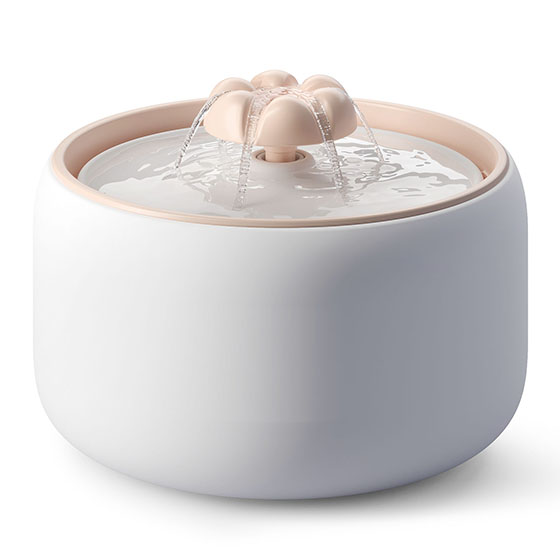
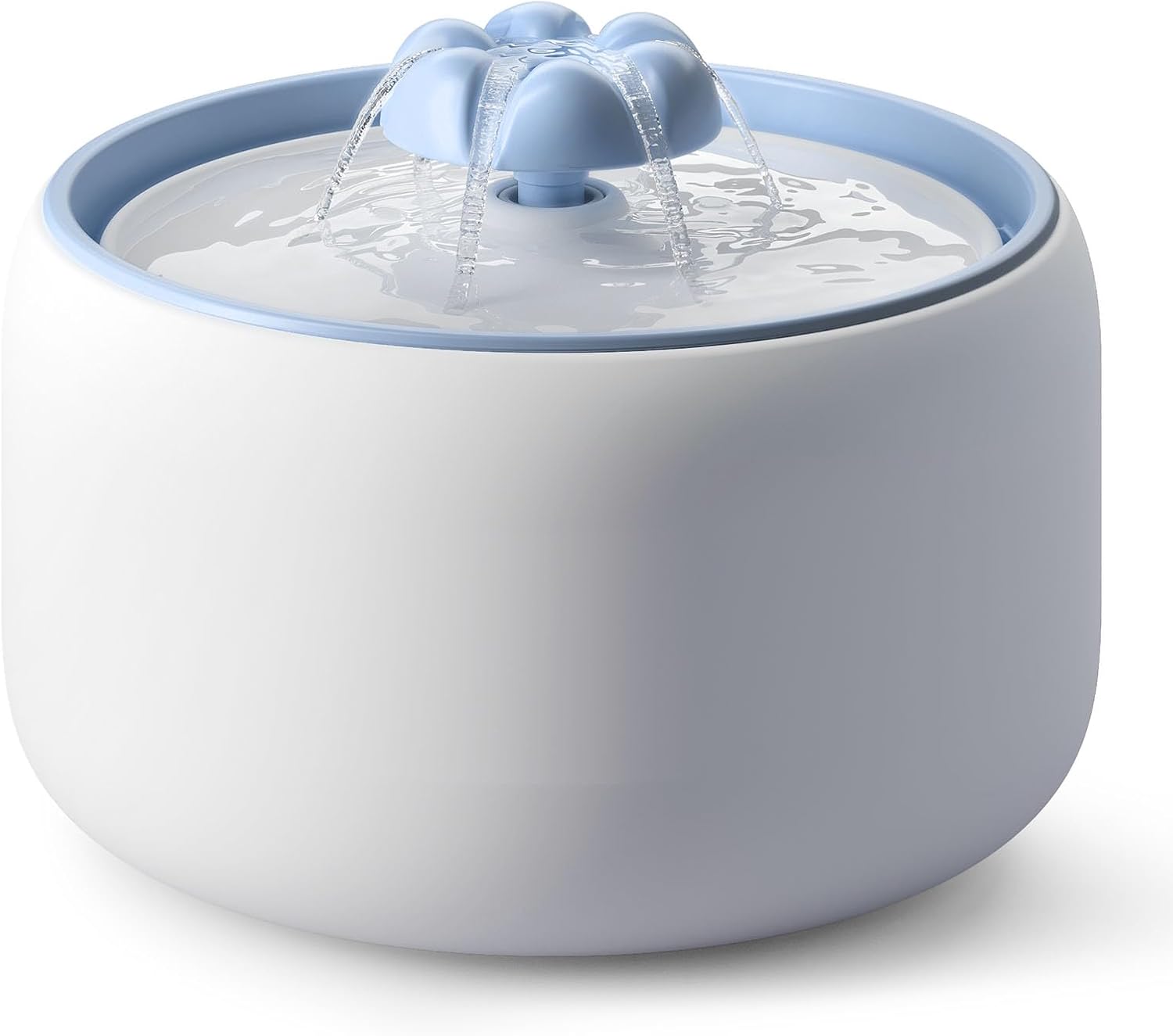
The WOPET W03 Lite is a ceramic pet water fountain designed around a compact drinking setup.
For small dog owners interested in ceramic construction, it may be worth considering if the drinking area is accessible to their pet.
Why Consider It?
Ceramic water-contact design.
A compact-style fountain option.
Suitable for uating against a small dog's preferred drinking height.
Potentially useful for homes where cats and small dogs share water stations.
Best For: Owners interested in a ceramic fountain who can verify that the drinking area suits their small dog.
Before Buying: Check the actual drinking-surface height, reservoir capacity, operating mode, and current product specifications.
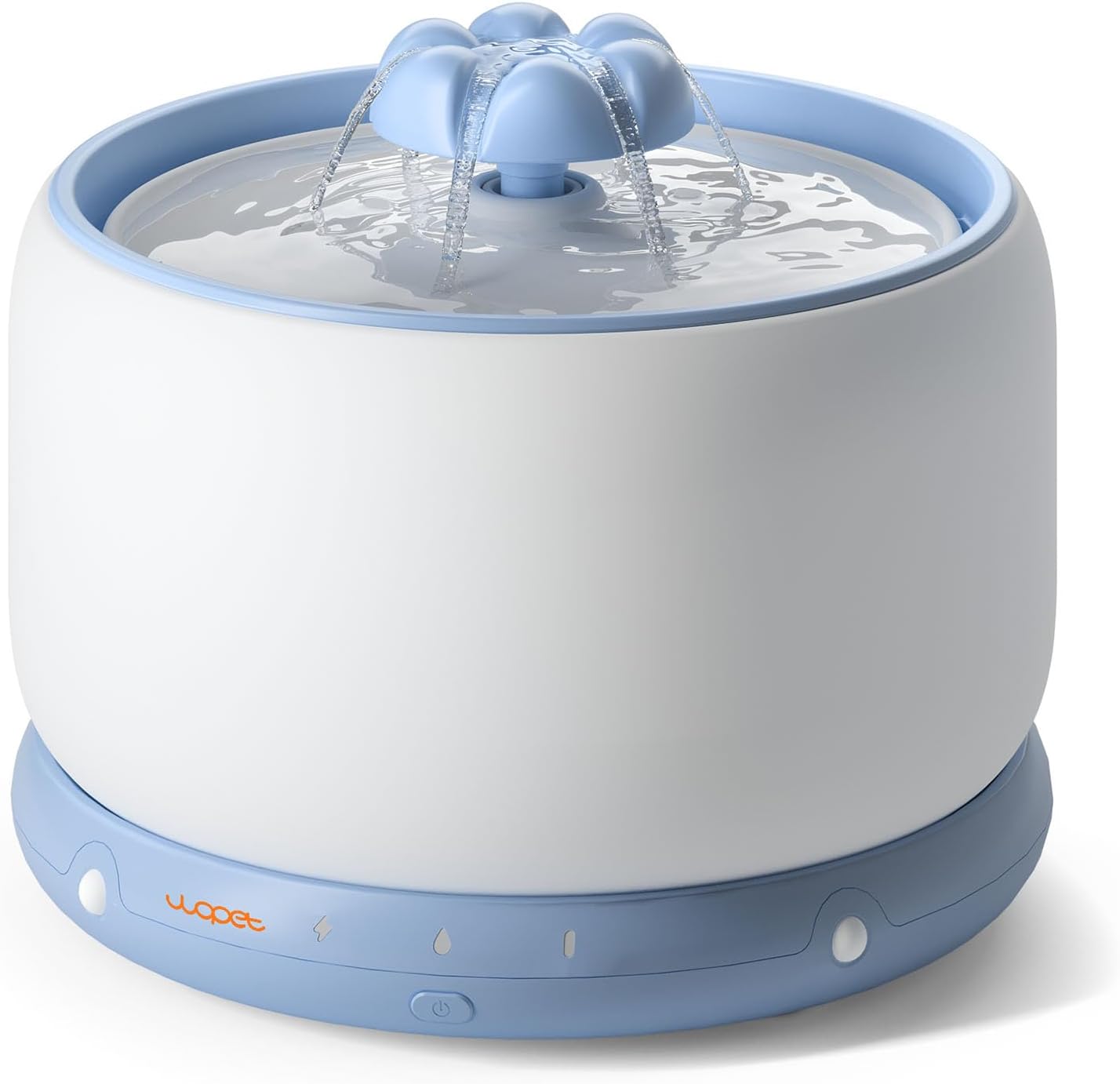
The WOPET W03 is another ceramic fountain option in the WOPET lineup.
Its wireless design may appeal to owners who want more freedom when choosing a drinking location.
Why Consider It?
Ceramic fountain design.
Cordless placement convenience.
An alternative to continuously corded operation.
Potentially useful for a shared cat-and-small-dog household.
Best For: Owners who prioritize placement flexibility and whose dogs can comfortably reach the drinking area.
Before Buying: Verify the current model's charging requirements, circulation modes, and suitability for your dog's size.
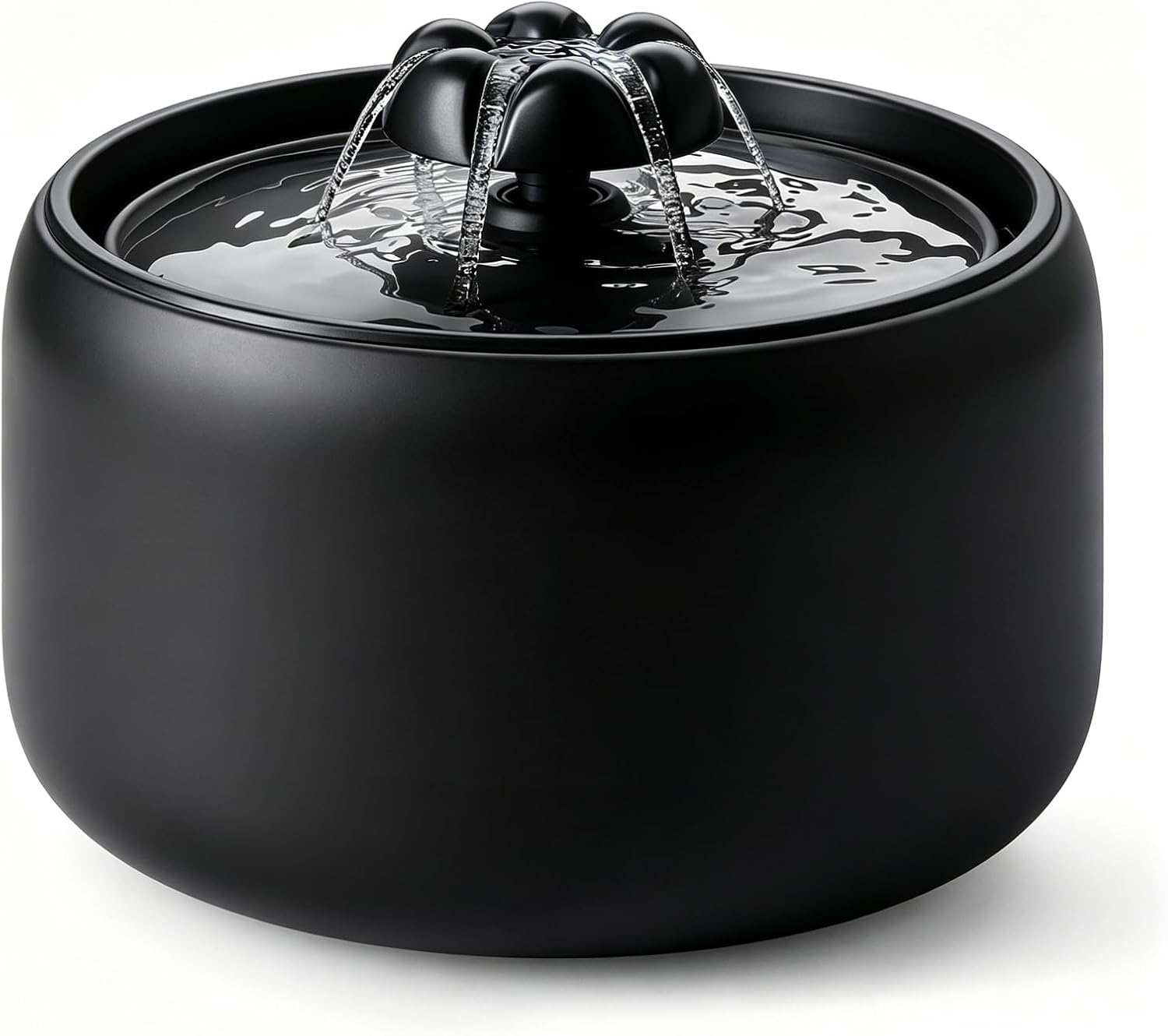
The WOPET W03L provides another option for shoppers comparing ceramic pet water fountains.
When uating it for a small dog, focus on the actual basin design rather than relying only on product category or reservoir size.
Why Consider It?
Ceramic construction.
An additional WOPET fountain design to compare.
Potential suitability for smaller pets, depending on drinking-area accessibility.
Best For: Small dog owners comparing ceramic fountain dimensions and everyday maintenance requirements.
Before Buying: Confirm the exact W03L variant, reservoir size, power configuration, and accessible drinking height. Specifications may differ across versions.
Rather than choosing by product name alone, compare these practical factors:
| Buying Factor | What to Check |
|---|---|
| Drinking height | Can your dog reach the water naturally? |
| Basin shape | Is the drinking area comfortable for its muzzle? |
| Capacity | Does the reservoir suit your household? |
| Water flow | Is the circulation gentle enough for your dog? |
| Power design | Does it suit your preferred placement? |
| Maintenance | Can you clean the water-contact surfaces easily? |
| Replacement parts | Are compatible filters and parts available? |
For a Chihuahua or Yorkshire Terrier, accessible drinking height may matter more than extra capacity.
For two small dogs sharing one fountain, reservoir capacity and comfortable access become more important.
Explore the current WOPET pet water fountain collection and check the product dimensions before making a decision.
Some small dogs approach a new fountain immediately.
Others may hesitate because of the unfamiliar sound, movement, or appearance.
A gradual introduction can help.
Allow your dog to explore the new fountain without removing its familiar water source.
Choose a quiet location where your dog already feels comfortable.
Allow sniffing and exploration without pressure.
Do not push your dog's face toward the water.
If the fountain's design permits it, allow your dog to become familiar with the drinking area before activating circulation.
Then introduce the normal operating mode.
Use calm praise when your dog approaches or drinks from the fountain.
Avoid forcing interaction.
Continue providing a familiar bowl until your dog consistently uses the fountain.
Some dogs may always prefer a regular bowl, and that is perfectly acceptable.
The goal is reliable hydration, not forcing every pet to use a particular product.
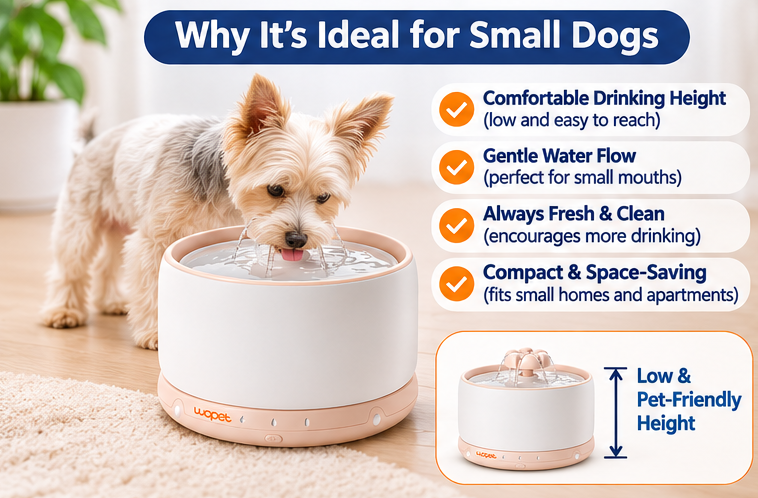
Small dogs do not necessarily need the smallest possible fountain.
Accessibility and maintenance matter more than minimizing reservoir capacity.
A fountain can have an appropriate reservoir size but still be difficult for a Chihuahua to reach.
Always check the height of the accessible drinking surface.
Some cat fountains are suitable for small dogs, but others may have narrow outlets or inconvenient drinking positions.
Check the design carefully.
Ceramic, stainless steel, and plastic all require maintenance.
Choose a material and design that you can clean consistently.
A fountain that sounds quiet to a person may still be unfamiliar to a cautious dog.
Observe your dog's response and introduce the fountain gradually.
Replacement filters are part of the long-term cost of owning a fountain.
Check their availability before purchasing.
Never leave a dog without a familiar drinking option while it is adjusting to a fountain.
Before purchasing, ask yourself:
Can my dog reach the drinking surface while standing comfortably?
Is the basin wide enough for its muzzle?
Does the fountain provide enough accessible water for lapping?
Is the reservoir capacity appropriate for my household?
Is the water flow suitable for a cautious or noise-sensitive dog?
Can the fountain remain stable in its intended location?
Are the water-contact materials easy to inspect and clean?
Can I access replacement filters and parts?
Will my dog have another clean water source available?
A fountain that meets these needs is more likely to fit your dog's daily routine than one chosen only for its appearance or advertised capacity.
The best fountain for a Chihuahua has a low, accessible drinking surface, a comfortable basin, gentle circulation, and a stable design.
A larger reservoir can still work if the dog can reach the water easily.
Some are.
However, drinking height, basin dimensions, and flow design should be checked before buying.
A fountain marketed for cats is not automatically suitable for every small dog.
A shallow, accessible drinking area may be easier for some small dogs to use.
However, it must still provide enough water for comfortable lapping.
A rough planning estimate is 250–300 mL of total water per day, but actual needs vary.
Water from food contributes to total intake, and dogs may need more during exercise or hot weather.
Ceramic fountains can be a practical choice when they have smooth, intact surfaces and an accessible drinking area.
They still require regular cleaning and inspection for chips or cracks.
A fountain may be appropriate for some puppies when the drinking area is accessible, the design is stable, and the puppy can use it safely under supervision.
Very young puppies may do better with a simple, shallow water bowl.
Some small dogs show interest in moving water, while others prefer still water.
Individual preference matters more than breed size alone.
Check the water daily and clean the fountain whenever contamination appears.
Follow the manufacturer's recommended cleaning and filter replacement schedule.
Yes, provided both dogs can access the fountain comfortably and neither prevents the other from drinking.
Additional water bowls may be helpful in multi-pet households.
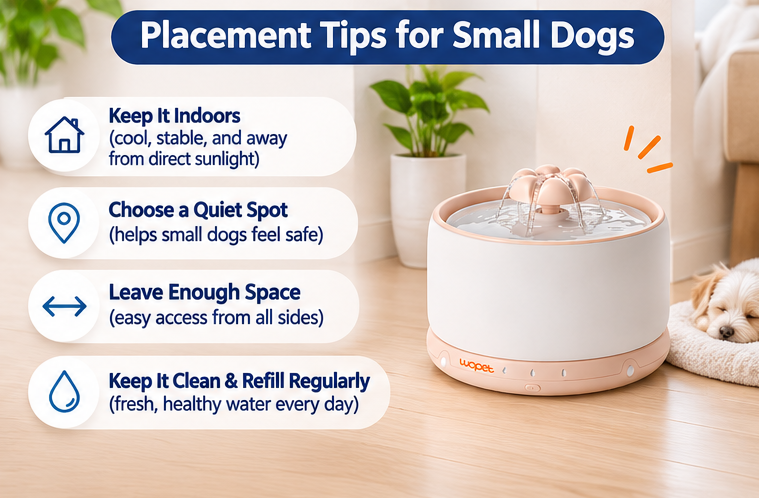
The best dog water fountain for small dogs is not simply the smallest fountain on the market.
It is a fountain that makes drinking comfortable, provides dependable access to fresh water, and is easy to maintain.
For breeds such as Chihuahuas, Yorkies, Pomeranians, and Maltese, focus first on drinking height and basin accessibility.
Then consider gentle circulation, quiet operation, reservoir capacity, materials, and cleaning requirements.
WOPET ceramic fountains such as the W03 Lite, W03, and W03L may be worth comparing, provided their dimensions and operating features suit your individual dog.
Whichever fountain you choose, continue to provide clean drinking water, maintain the fountain regularly, and observe your dog's drinking behavior.
A well-chosen fountain should make everyday hydration easier—not more complicated.
Read more:
Label:
Popular Post
The Ultimate Guide to Tabby Cats: Patterns, Personalities, and More
Mar 27, 2025

Top 8 Reasons Why Does My Cat Sleep Between My Legs?
Mar 03, 2025

What to Do If My Dog's Poop Is Black But Not Tarry
Feb 04, 2023
Superfecundation Cats: When Kittens in One Litter Have Different Fathers
Jul 11, 2025
How Long Does Dry Cat Food Last Once Opened? A Comprehensive Guide
Mar 19, 2025
[Blue] W03L 3L Premium Ceramic Cat Water Fountain
Model: W03 LITE
$59.99
$69.99
Basin Pet Water Fountain-W600
Model: W600
$43.99
$69.99

[Basic] Ceramic Pet Water Fountain with Power Cable
Model: W03L
$59.99
$99.00

[Black] W03L 3L Premium Ceramic Cat Water Fountain
Model: W03L Black
$59.99
$69.99

WOPET 8L Pet Water Fountain For Multiple Cats or Large Dogs A08
Model: A08
$49.99
$59.99
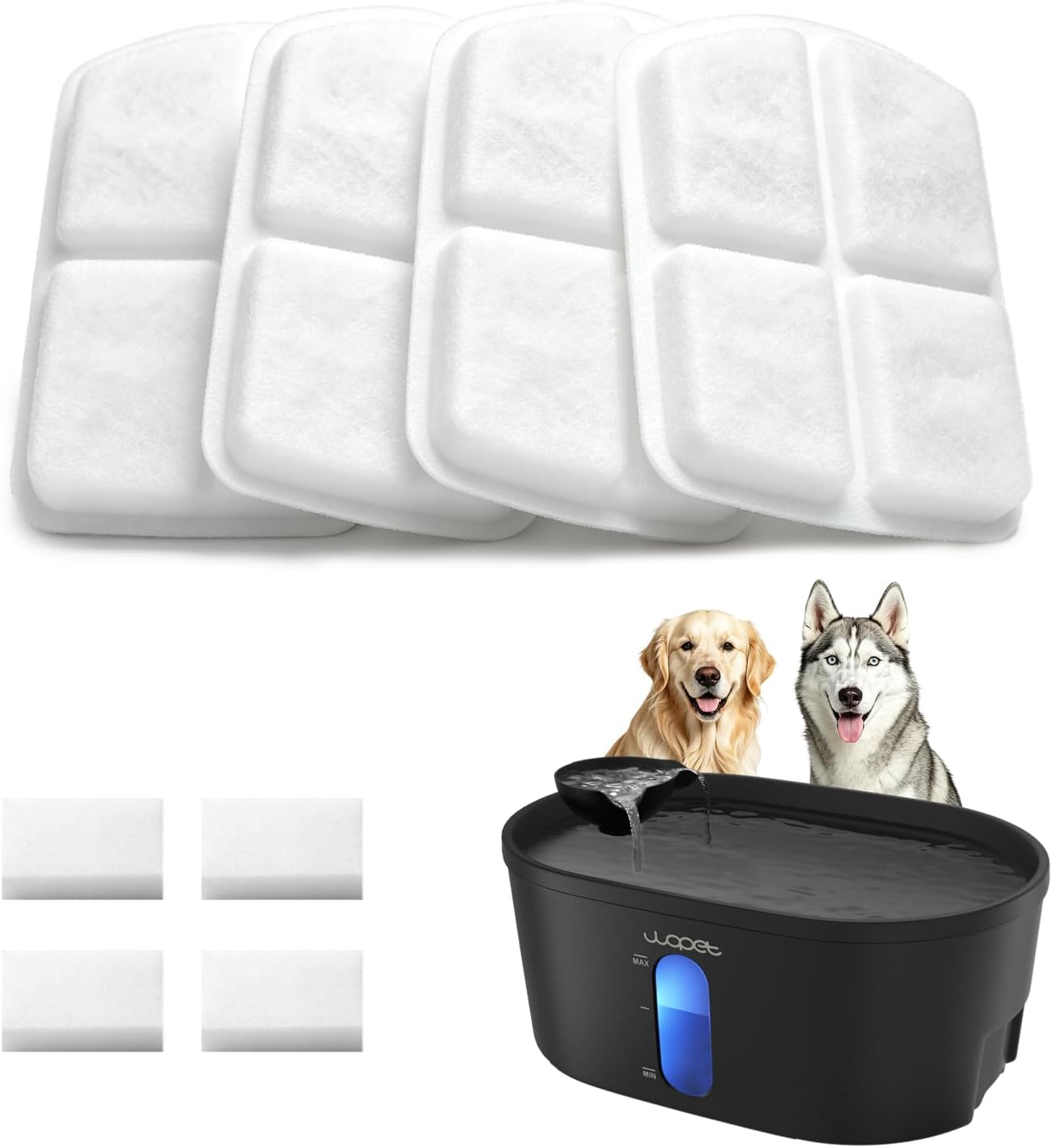
WOPET A08 Dog Water Fountain Filters
Model: A08 Filter
$19.99
$29.99

DOWNLOAD APP

WOpet life




Copyright © 2026 WOPET. All Rights Reserved.