Oct 28, 2026
Author:Amanda Lyu
Choosing the best dog water fountain isn't just about finding a stylish bowl that circulates water. It's about making sure your dog has convenient access to fresh drinking water while choosing a design that fits your household, cleaning routine, and budget.
From large-capacity fountains for big dogs to cordless models that offer more placement flexibility, today's pet water fountains come with a variety of features.
But which ones actually matter?
In this guide, we'll explain how dog water fountains work, compare common materials, and help you choose the right fountain for your dog's size, drinking habits, and daily routine.
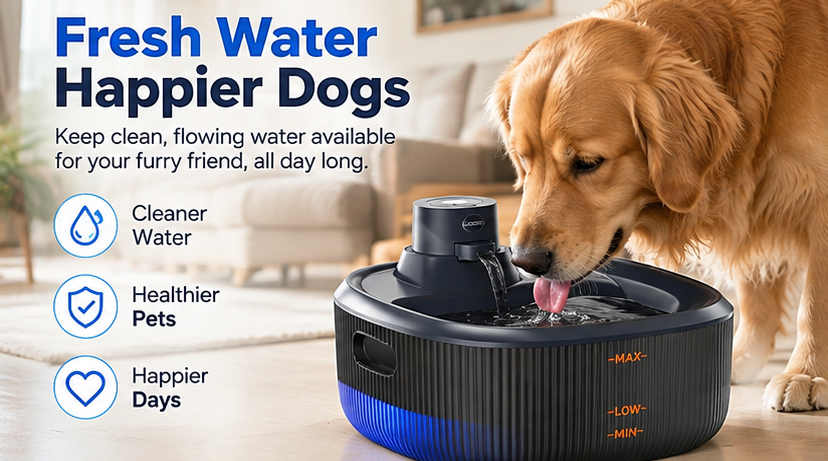
A dog water fountain is a pet drinking system that circulates water through a pump or another powered water-moving mechanism.
Unlike a traditional water bowl, which holds still water, a fountain continuously or periodically moves water through a drinking area.
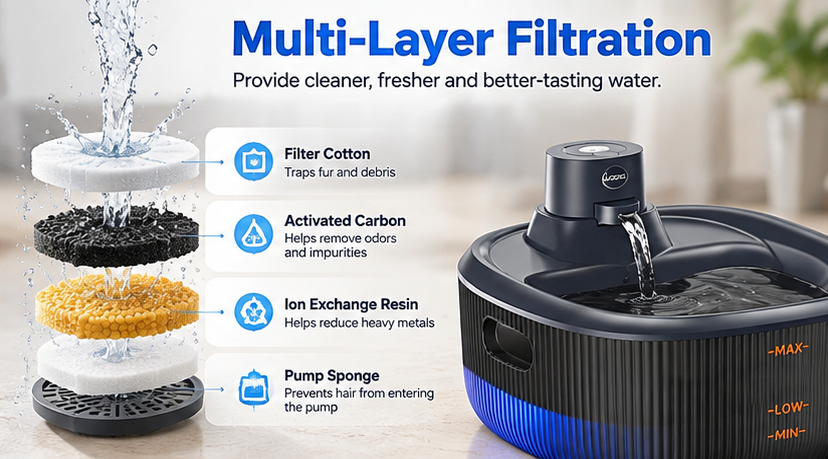
Many models also include filtration components designed to capture debris and help maintain water quality.
Dog water fountains are available in different sizes, materials, and configurations, including:
Plastic dog water fountains
Ceramic dog water fountains
Stainless steel dog water fountains
Corded automatic dog water fountains
Rechargeable and cordless dog water fountains
Large-capacity fountains for multiple pets
The best choice depends on your dog's needs rather than any single feature.
A water fountain can offer several practical benefits, although not every dog will prefer one over a regular bowl.
Some dogs are curious about flowing water and may prefer it to still water.
A fountain provides a different drinking experience that can be appealing to these pets.
However, a fountain does not guarantee increased water intake. Dogs have individual preferences, and some are perfectly comfortable drinking from traditional bowls.
Dog water bowls can collect hair, dust, food particles, and other debris throughout the day.
A fountain with an appropriate filtration system may help capture some of these particles.
Filtration does not sterilize water or eliminate the need for regular cleaning.
A large dog or a household with multiple pets may require frequent water-bowl refills.
A fountain with a larger reservoir can provide additional water storage, making daily routines more convenient.
The reservoir still needs to be checked and replenished regularly.
A rechargeable fountain may work well in a room without a conveniently located outlet.
A ceramic fountain may appeal to owners who prioritize a smooth, nonporous drinking surface.
A large plastic fountain may be more practical for a busy multi-dog household.
There is no universally best design for every situation.
Before purchasing a dog water fountain, uate these seven important features.
Capacity is one of the first things to consider.
A small dog may be comfortable using a compact fountain, while a large dog or multi-pet household may benefit from a larger reservoir.
When comparing capacity, consider:
Your dog's body size
Number of pets using the fountain
Typical daily water consumption
How often you can refill the reservoir
Available space in your home
Remember that a large reservoir does not mean water can be left unchanged indefinitely.
Dog water fountains commonly use plastic, ceramic, or stainless steel.
Each material has advantages and limitations.
Plastic
Plastic fountains are often lightweight, affordable, and available in larger sizes.
Choose food-contact-safe materials and inspect surfaces for scratches or damage that may make cleaning more difficult.
Ceramic
Ceramic fountains can provide a smooth, relatively scratch-resistant surface when properly glazed.
However, ceramic is heavier and may chip or break if dropped.
Stainless Steel
Stainless steel is generally durable, nonporous, and easy to clean when properly manufactured.
Surface quality, construction, and maintenance still matter.
The best material is one you can clean consistently and that suits your dog's needs.
Many automatic dog water fountains include filters that capture particles such as pet hair and food debris.
Some filters also incorporate activated carbon or other filtration media.
When uating filtration, ask:
What contaminants is the filter designed to address?
How frequently must it be replaced?
Are replacement filters readily available?
How much do replacement filters cost?
Is the filtration assembly easy to remove?
A filtration system should support routine maintenance, not replace it.
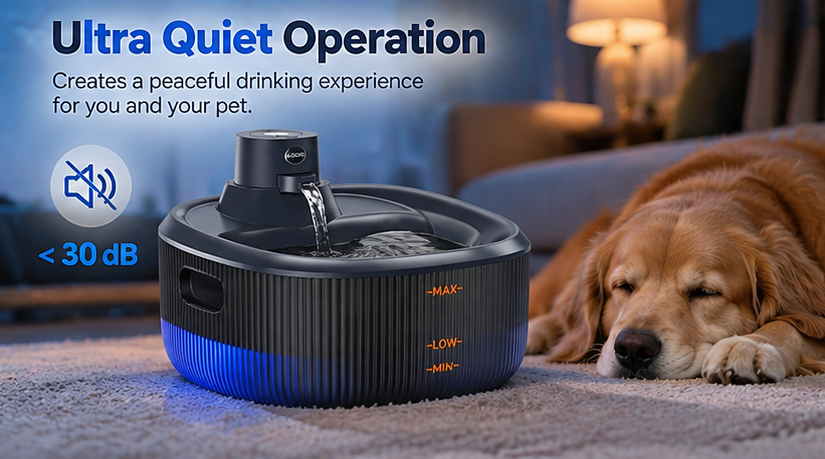
A noisy fountain can be distracting for both pets and owners.
Noise may come from the water flow, motor, vibration, or a low reservoir level.
Look for a design that minimizes unnecessary vibration and allows easy access to moving components.
Keep in mind that even a quiet fountain may become louder when the water level drops or the system needs cleaning.
A fountain that is difficult to disassemble may be inconvenient to maintain.
Look for:
Removable drinking trays
Accessible water channels
Smooth interior surfaces
Easy-to-remove filtration components
Clear cleaning instructions
Replacement parts when needed
Cleaning convenience is especially important in homes with several pets.
Most pet water fountains use either a corded power connection or a rechargeable power system.
Corded fountains are suitable for locations with a reliable nearby outlet.
Rechargeable fountains can offer more flexibility when placing the fountain in a room.
When considering a cordless design, check its charging requirements, operating modes, and expected battery performance.
Battery life varies according to the specific model and usage conditions.
A fountain should allow your dog to drink comfortably.
Consider the height and width of the drinking area, especially for large breeds, senior dogs, or pets with mobility limitations.
A stable base is also important for enthusiastic drinkers.
Different dogs have different drinking requirements.
| Dog Type | What to Prioritize |
|---|---|
| Small dogs | Accessible drinking height, compact size, easy cleaning |
| Medium dogs | Adequate capacity, stable design, convenient filtration |
| Large dogs | Spacious drinking area, higher water capacity, sturdy construction |
| Multiple dogs | Large reservoir, accessible drinking space, easy maintenance |
| Senior dogs | Comfortable drinking height, stability, convenient placement |
Choosing the right material can affect cleaning, durability, weight, and cost.
| Feature | Plastic | Ceramic | Stainless Steel |
|---|---|---|---|
| Weight | Usually lightweight | Usually heavy | Varies |
| Breakage risk | Generally low | Can chip or break | Generally low |
| Scratch resistance | Varies by plastic | Good when properly glazed | Generally good |
| Cleaning | Depends on design and condition | Smooth glazed surfaces can be easy to clean | Often easy to clean |
| Portability | Often convenient | Less convenient | Depends on design |
| Common consideration | Inspect for scratches | Inspect for chips | Check construction quality |
No material is automatically the best for every dog.
Choose based on your household, cleaning preferences, and the quality of the specific product.
Power configuration is another important buying decision.
Corded fountains operate using an external power supply.
Advantages:
No battery charging routine
Suitable for a permanent water station
Continuous power when electricity is available
Limitations:
Placement depends on outlet access
Cords may require additional management
Operation can stop during a power outage
Rechargeable fountains use stored battery power for some or all operating functions, depending on their design.
Advantages:
More flexibility in placement
Fewer visible cords around the drinking area
Convenient for certain home layouts
Limitations:
Batteries require charging
Operating time varies
Some models use intermittent rather than continuous flow
Also note that wireless pump technology and battery-powered cordless operation are not necessarily the same feature. Always check the manufacturer's specifications.
Instead of assuming that one fountain works for every dog, it is more useful to match specific features to different households.
Here are several WOPET options to consider.
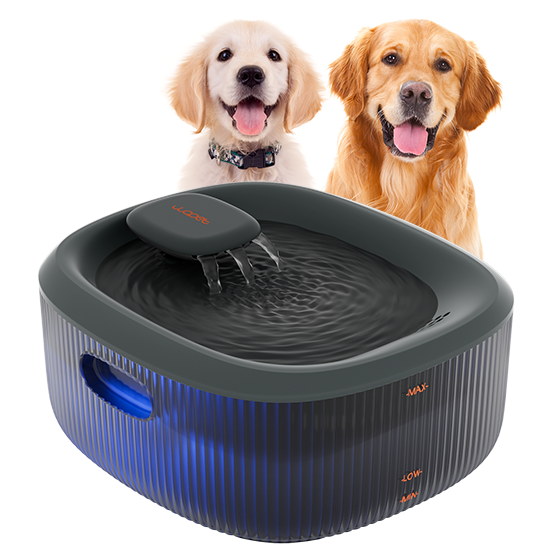
The WOPET W600 is an option for pet owners looking for a dedicated dog water fountain for daily home use.
When considering the W600, uate its drinking area, filtration setup, cleaning process, and available placement space.
Best suited for: Owners seeking a practical everyday water station.
Buy WOPET W600 DOG WATER FOUNTAIN ON AMAZON
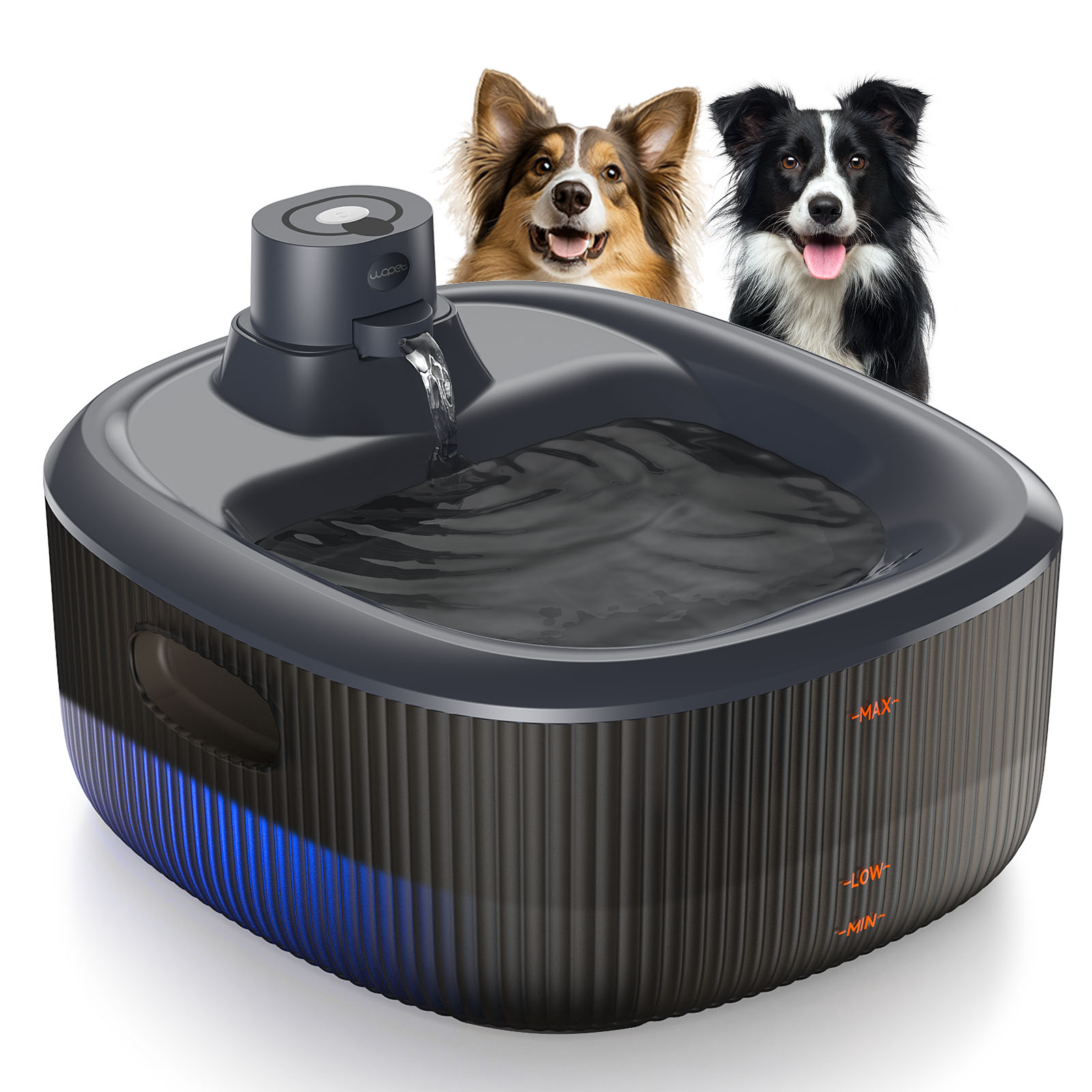
The WOPET W600 Pro is an option worth exploring for owners interested in a wireless or rechargeable drinking setup.
For homes where a power outlet is not conveniently located, a cordless design can offer useful placement flexibility.
Before purchasing, confirm the product's current battery specifications, charging method, and supported operating modes.
Best suited for: Owners prioritizing flexible fountain placement.
Buy WOPET W600 PRO DOG FOUNTAIN ON AMAZON
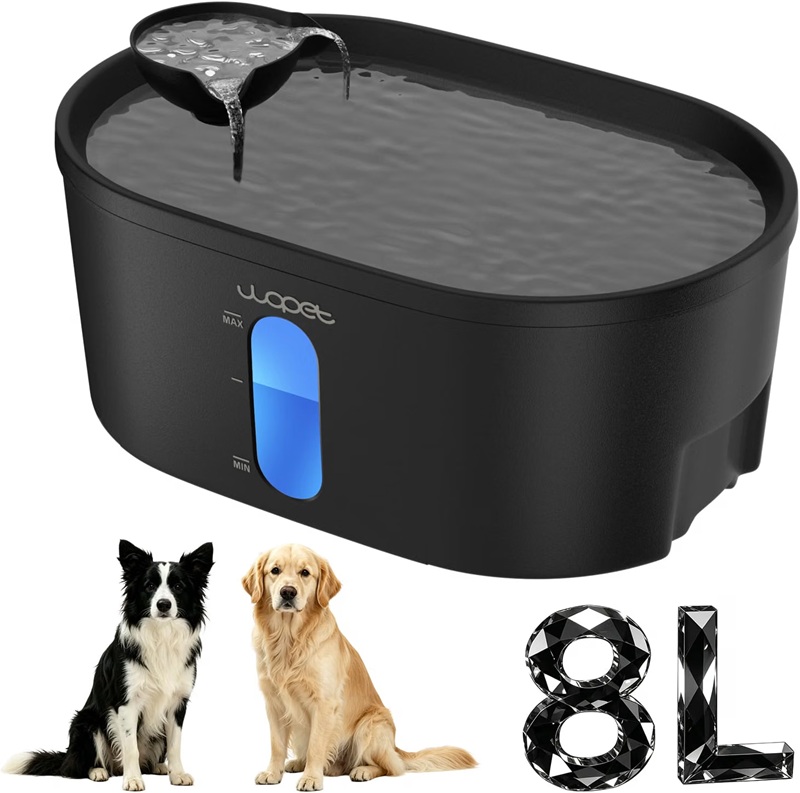
Large dogs and homes with several pets often benefit from additional water capacity.
The WOPET A08 is designed with larger pets and multi-pet households in mind.
Its large-capacity positioning makes it particularly relevant for owners who want to reduce frequent refilling.
Best suited for: Large dogs and households with multiple pets.
Buy WOPET A08 DOG WATER FOUNTAIN ON AMAZON
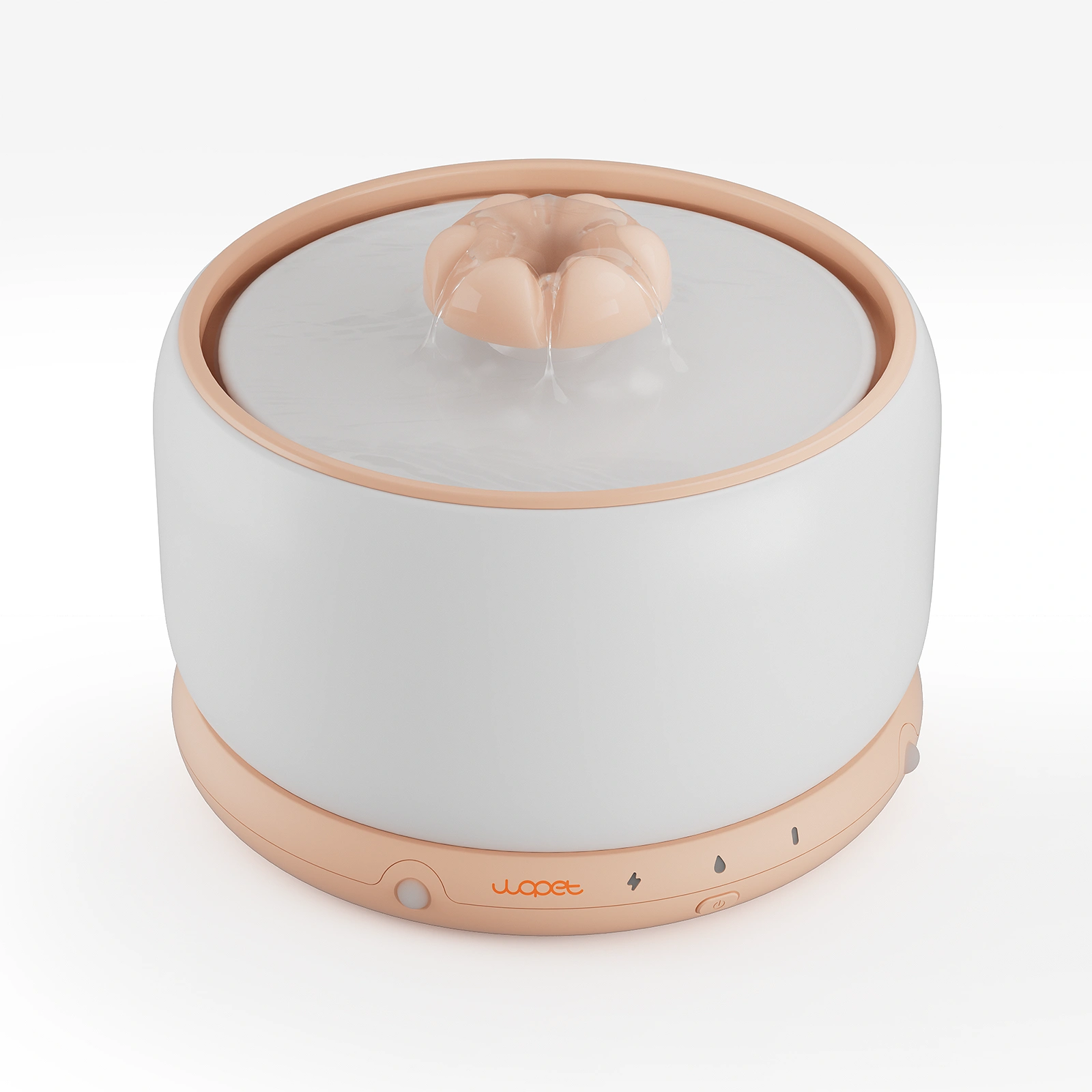
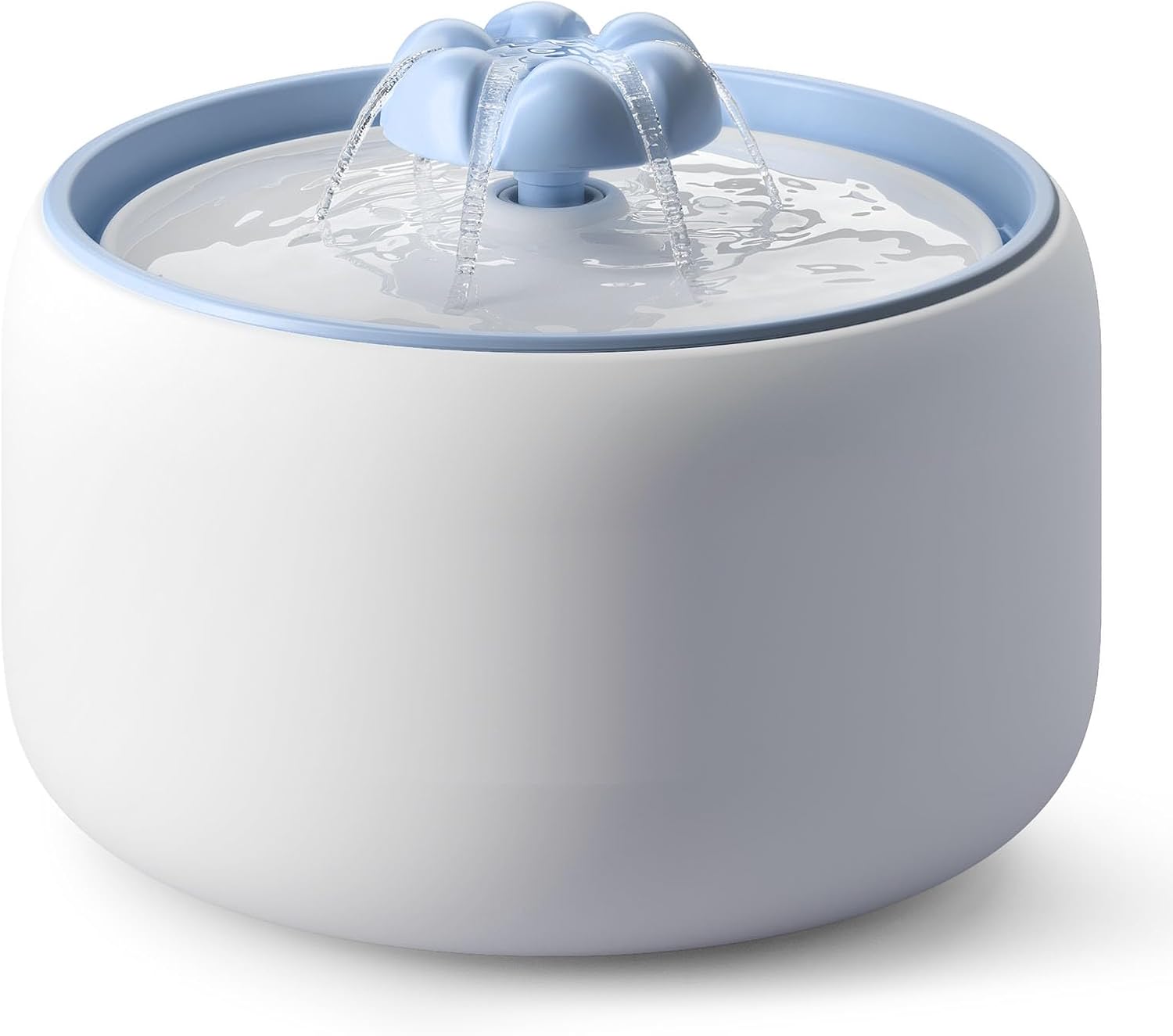
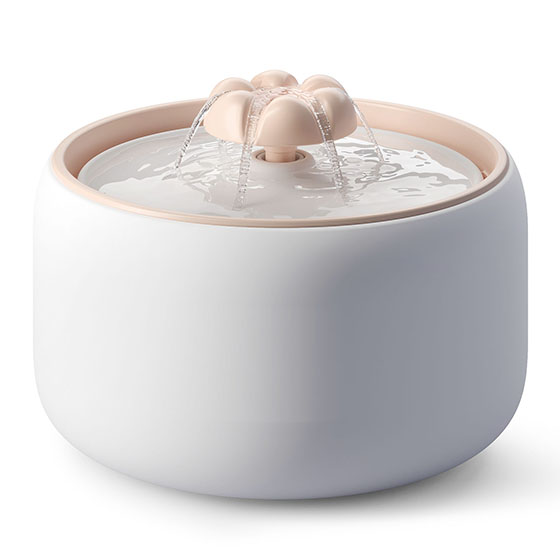
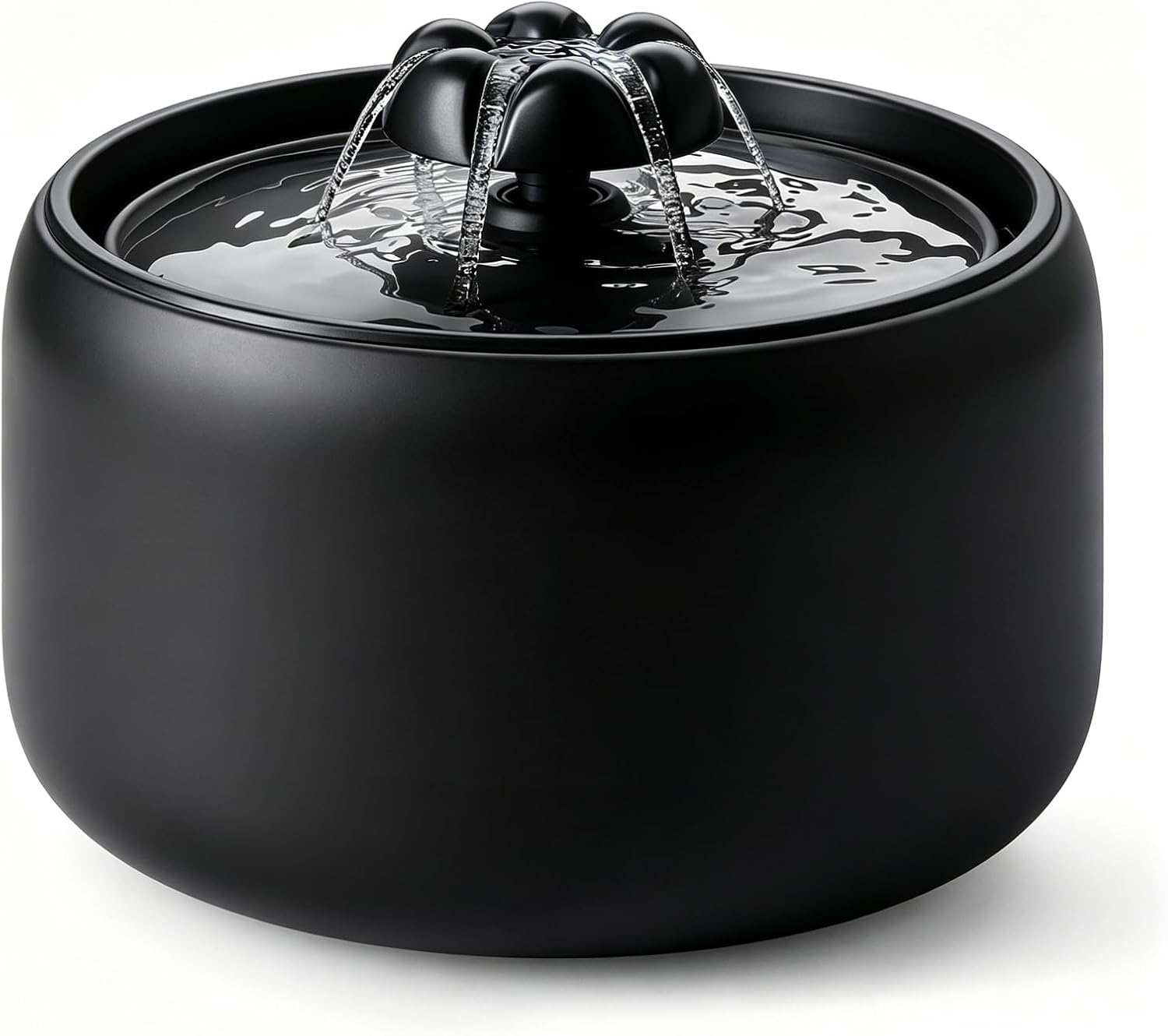
For owners interested in ceramic drinking surfaces, the WOPET W03 is another option to consider.
Ceramic can be appealing to households that prioritize material feel, appearance, and easy-to-wipe surfaces.
Check the fountain's dimensions and drinking height to make sure it is appropriate for your dog.
Best suited for: Cats and smaller dogs where the fountain dimensions are suitable.
Buy WOPET W03 DOG WATER FOUNTAIN ON AMAZON
Even the best dog water fountain requires regular maintenance.
Follow the manufacturer's instructions for your specific model.
Before cleaning, turn off the fountain and disconnect it from its power source.
For rechargeable models, follow the manufacturer's instructions for safe cleaning around electrical components.
Discard the remaining water.
Inspect the drinking area and reservoir for debris, residue, or visible buildup.
Disassemble the parts identified as removable in the product manual.
Avoid forcing components apart.
Use an appropriate mild cleaning solution and clean the water-contact surfaces thoroughly.
Rinse components to remove cleaning residue.
Do not immerse electrical components unless the manufacturer explicitly states that doing so is safe.
Inspect filters and other accessible components.
Replace consumable filters according to the manufacturer's recommendations.
Reassemble the fountain, refill it with fresh drinking water, and verify that the water flows as intended.
If the fountain does not operate normally, consult the manufacturer's troubleshooting instructions.
A larger reservoir is useful, but the drinking area must also be comfortable for your dog.
An inexpensive fountain can become more costly over time if filters need frequent replacement.
Filters may capture certain particles, but they do not eliminate microbial growth or the need for washing.
Not all rechargeable fountains operate in the same way.
Check charging frequency, operating modes, and battery-related limitations.
Some dogs may need time to become comfortable with moving water.
Others may continue to prefer a traditional bowl.
Introduce a fountain gradually and keep a familiar water source available during the transition.
A dog water fountain may be worth considering if you want a dedicated drinking station with circulating water, filtration options, or a larger reservoir.
It can be particularly convenient for households with multiple pets or owners looking for specific placement and maintenance features.
However, a traditional water bowl can also be a suitable choice when it is kept clean and regularly filled.
The most important goal is reliable access to safe, fresh drinking water.
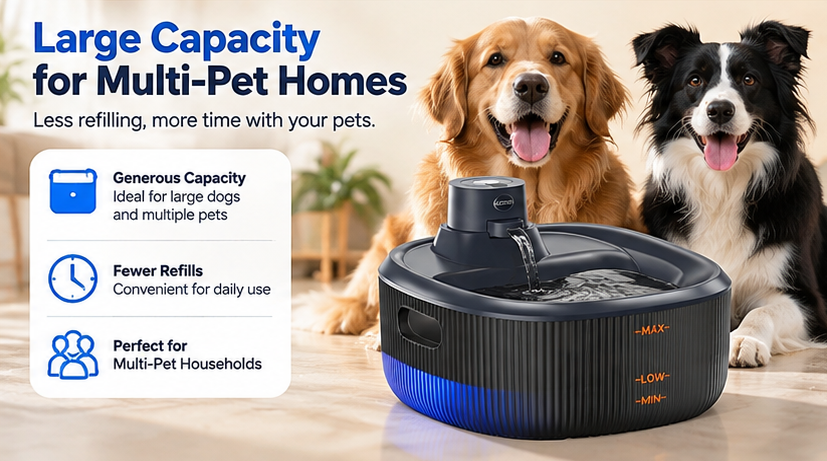
Look for a fountain with sufficient water capacity, a stable base, and a comfortable drinking area. Larger-capacity options such as the WOPET A08 may be worth considering.
Not necessarily. Fountains offer moving water and may include filtration, while bowls are simple and easy to maintain. The better option depends on your dog and household.
Some dogs appear to enjoy moving water, but preferences vary. A fountain is not guaranteed to increase water consumption.
Check the water daily and clean the fountain according to the manufacturer's instructions. More frequent cleaning may be needed when debris, residue, or multiple pets are involved.
A properly designed fountain used according to the manufacturer's instructions can be a suitable option. Follow charging, cleaning, and electrical safety guidance.
Choose based on the dog's water requirements, the number of pets, the size of the drinking area, and how frequently you can refill the reservoir.
Electricity consumption depends on the model's rated power and operating schedule. Check the specifications rather than assuming all fountains consume the same amount.
Yes, some households successfully use shared water stations. Make sure every pet can access the water comfortably, and provide additional drinking locations when needed.
The best dog water fountain is not necessarily the most expensive or the one with the most features.
It is the fountain that suits your dog's size, drinking preferences, and everyday needs while remaining convenient for you to maintain.
Prioritize appropriate capacity, safe materials, accessible drinking areas, effective maintenance, and a suitable power configuration.
Whether you are considering a compact ceramic fountain or a large-capacity model for several dogs, the right choice should make daily hydration simple and reliable.
At WOPET, we believe practical pet-care products should support comfortable routines for pets and their families.
Explore WOPET dog water fountains to compare designs and find a water station that fits your home.
American Kennel Club (AKC). How Much Water Should a Dog Drink?
VCA Animal Hospitals. Dehydration in Dogs.
U.S. Food and Drug Administration (FDA). Animal & Veterinary.
Label:
Popular Post

The Ultimate Guide to Tabby Cats: Patterns, Personalities, and More
Mar 27, 2025

Top 10 Most Expensive Cat Breeds in The World
May 07, 2025
Can Cats Have Ice Cream? Dangers, Safe Flavors & Healthy Cat Treats
Sep 02, 2025

My Cat Only Eats A Little at A Time - What to Do?
Feb 27, 2023

Top 8 Reasons Why Does My Cat Sleep Between My Legs?
Mar 03, 2025
[Blue] W03L 3L Premium Ceramic Cat Water Fountain
Model: W03 LITE
$59.99
$69.99

Basin Pet Water Fountain-W600
Model: W600
$43.99
$69.99
[Basic] Ceramic Pet Water Fountain with Power Cable
Model: W03L
$59.99
$99.00
[Black] W03L 3L Premium Ceramic Cat Water Fountain
Model: W03L Black
$59.99
$69.99

WOPET 8L Pet Water Fountain For Multiple Cats or Large Dogs A08
Model: A08
$49.99
$59.99
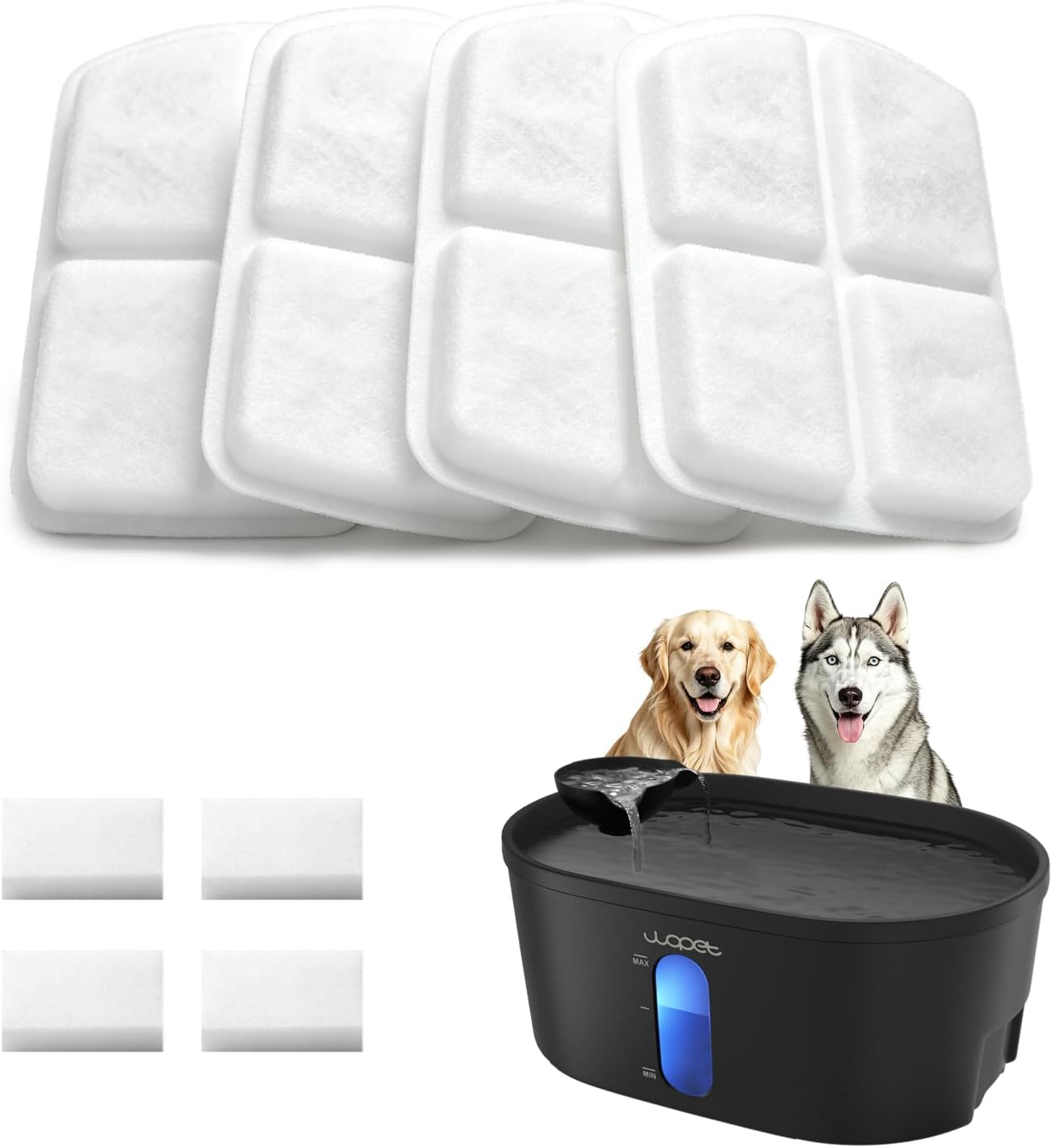
WOPET A08 Dog Water Fountain Filters
Model: A08 Filter
$19.99
$29.99

DOWNLOAD APP

WOpet life




Copyright © 2026 WOPET. All Rights Reserved.