Nov 03, 2026
Author:Amanda Lyu
You walk over to your dog water fountain and notice something unusual: the water has stopped flowing.
Maybe the fountain is completely silent. Perhaps you can hear the motor running, but no water comes out. Or the water flow has gradually become weaker over the past few days.
If your dog water fountain pump is not working, don't assume the entire fountain needs replacing.
Many water circulation problems are caused by relatively simple issues, such as low water levels, clogged filters, accumulated pet hair, incorrect assembly, or power interruptions.
However, some problems involve electrical components or internal mechanisms that should only be handled by the manufacturer or an authorized technician.
The first step is identifying the symptoms.
This guide explains 10 common reasons a dog water fountain stops pumping water, how to troubleshoot them safely, and when to stop attempting repairs.
It also covers an important distinction: not every modern pet water fountain uses a conventional submersible pump. Some wireless fountains use magnetic-drive or other circulation systems that require different maintenance procedures.

A dog water fountain depends on several components working together.
Depending on the model, these may include:
A water reservoir
A drinking basin or tray
A filter
Water inlets and outlets
A circulation mechanism
A power adapter or rechargeable battery
Electronic controls
Removable covers and seals
If any part becomes blocked, incorrectly positioned, or unable to operate, the water flow may stop.
In many cases, the problem falls into one of four categories:
Water supply problems: The reservoir is too low, or water cannot reach the circulation mechanism.
Blockages: Hair, debris, mineral deposits, or a dirty filter restrict water movement.
Power problems: The fountain is not receiving sufficient power, or its battery is discharged.
Mechanical or electronic problems: Components are misaligned, damaged, or no longer operating correctly.
The safest troubleshooting process begins with the simplest checks before moving toward more complex possibilities.
Before disassembling your fountain, check the following:
Is the fountain switched on?
Is the reservoir filled to the required operating level?
Is the power adapter connected, or is the battery sufficiently charged?
Is the filter correctly installed?
Are visible water passages blocked?
Are the removable components properly aligned?
Is the fountain operating in a scheduled or intermittent mode?
Are there signs of leakage, overheating, or electrical damage?
Safety first: Turn off and disconnect the fountain before inspecting or removing components.
Never run a conventional pump dry, immerse unapproved electronic components, or open a sealed motor housing.
While troubleshooting, provide your dog with a separate clean water bowl so drinking water remains available.
Low water levels are one of the easiest problems to check.
Many fountains require a minimum amount of water for normal circulation.
When the reservoir falls below that level, the circulation system may draw in air, produce unusual sounds, or stop moving water.
Some models also include low-water protection features that interrupt operation.
Turn off the fountain.
Check the reservoir level.
Add safe drinking water to the recommended level.
Confirm that the reservoir is seated correctly.
Restart the fountain according to the manual.
Do not fill beyond the maximum level.
Prevention tip: Check the reservoir daily, especially in homes with large dogs or multiple pets.
A dirty filter can restrict water flow.
Over time, filters may collect:
Pet hair
Food particles
Dust
Sediment
Other debris
Depending on the fountain's design, a severely clogged filter may reduce circulation or prevent normal flow.
Switch off the fountain and remove the filter according to the manufacturer's instructions.
Inspect it for visible buildup.
If the filter is disposable or has reached its replacement interval, install a compatible new filter.
Some filters require rinsing before installation.
Follow the product instructions rather than assuming every filter can be washed and reused.
Important: Do not operate the fountain without a required filter unless the manufacturer explicitly permits it.
Dogs naturally shed hair.
In multi-pet homes, hair and other debris can accumulate even faster.
Small pieces of debris may collect around water inlets, outlets, and accessible channels.
This can cause weak or interrupted water flow.
Disconnect power.
Empty the reservoir.
Remove approved washable components.
Inspect accessible water passages.
Gently remove visible hair and debris.
Rinse and reassemble the components.
A small soft brush may help clean narrow areas.
Avoid sharp tools that could damage seals or plastic surfaces.
Even when the filter looks clean, residue can collect inside the circulation system.
Depending on the design, this may interfere with normal water movement.
Some traditional pumps have removable covers that allow access to serviceable components.
If the manufacturer permits disassembly:
Remove the pump.
Open only approved serviceable covers.
Remove visible debris.
Clean accessible passages with a soft brush.
Rinse approved washable parts.
Reassemble according to the manual.
Do not force open sealed housings.
Some modern fountains use magnetic-drive arrangements rather than conventional removable submersible pumps.
For these systems, the correct cleaning procedure may be different.
Clean only the removable water-contact components identified in the user manual.
Do not open sealed drive electronics or immerse charging components.
Key takeaway: Always identify your fountain's circulation design before attempting pump maintenance.
Air can sometimes interfere with normal water movement.
This may happen after:
Cleaning
Refilling
Reassembly
Running below the minimum water level
Moving the fountain
In conventional pump systems, trapped air may prevent normal priming.
Turn off the fountain and check the water level.
Confirm that the circulation components are correctly installed.
If the manufacturer provides a priming or air-release procedure, follow it.
Do not repeatedly run a noisy or dry pump in an attempt to force water through.
If the fountain continues to make unusual sounds, stop operation and consult the manual.
If the fountain is completely silent and shows no sign of operation, check its power source.
Possible issues include:
Unplugged adapter
Faulty outlet
Loose connection
Damaged power cable
Power adapter failure
Possible issues include:
Discharged battery
Incomplete charging
Poor charging connection
Incorrect operating mode
Battery or electronic control failure
For corded models, verify that the outlet works and inspect the approved external connections.
For rechargeable models, charge the fountain according to the manufacturer's instructions.
Check any available battery or status indicators.
Use only compatible charging equipment.
Stop immediately if you notice damaged wiring, overheating, burning smells, or moisture around electrical connections.
Do not attempt to repair damaged electrical components yourself.
A fountain may stop circulating water after cleaning if removable components are installed incorrectly.
Depending on the model, incorrect alignment can affect:
Water outlets
Reservoir seating
Filter holders
Drinking trays
Removable circulation parts
Magnetic coupling between approved components
Turn off the fountain.
Review the assembly instructions.
Remove and reinstall the approved removable parts.
Check that each component fits into its intended position without force.
Pay particular attention to any alignment marks or installation guides provided by the manufacturer.
If a component does not fit correctly, do not force it into place.
Hard water can leave mineral deposits on fountain surfaces.
These deposits may appear white, chalky, or crusty.
Over time, buildup may restrict narrow water passages.
Begin with routine cleaning using warm water, mild dish soap, and a soft brush.
For stubborn deposits, consult the manufacturer's instructions for an approved descaling method.
Do not automatically use vinegar or commercial descalers.
Some cleaning chemicals can damage seals, surfaces, or electronic components.
Never mix bleach with vinegar or other acidic cleaners.
After any approved cleaning treatment, rinse thoroughly before returning the fountain to use.
A fountain that produces a new buzzing, rattling, grinding, or vibrating sound may have an operating problem.
Possible causes include:
Low water level
Trapped air
Loose components
Debris
Incorrect alignment
Contact with the supporting surface
Internal mechanical problems
Switch off the fountain.
Check the reservoir level and inspect accessible components.
Confirm that the fountain sits on a stable, level surface.
Remove visible debris and reassemble correctly.
If the noise continues or becomes louder, stop using the fountain and contact the manufacturer.
Unusual noise should not be ignored, particularly if water flow has also stopped.
If you have completed the basic checks and the fountain still does not operate, a component may have failed.
Possible failures include:
Pump motor failure
Internal electronic control problems
Battery failure
Damaged circulation components
Failed power adapter
Problems with sealed magnetic-drive electronics
First, confirm that the fountain is assembled correctly and receiving the required power.
Then consult the manufacturer's troubleshooting instructions.
If the issue remains unresolved, contact customer support.
Use only compatible replacement components approved for the model.
Do not attempt to open sealed electronics or bypass protective systems.
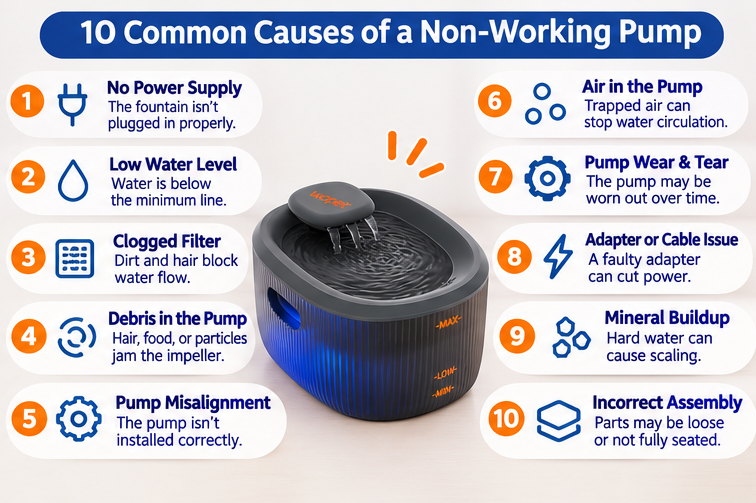
If you're unsure where to begin, follow this general troubleshooting sequence.
Place a clean water bowl near your dog's usual drinking area.
This ensures your dog can continue drinking while the fountain is unavailable.
Disconnect the power source or switch off the rechargeable unit.
Refill to the manufacturer's recommended level if necessary.
Check for clogging, damage, or incorrect installation.
Replace the filter if required.
Inspect accessible inlets, outlets, and water channels.
Remove hair and residue using approved cleaning methods.
Follow the cleaning procedure for your specific pump or magnetic-drive design.
Make sure the reservoir, filter holder, outlet, and other removable parts are installed correctly.
Verify the adapter connection or battery charge.
Check the fountain's operating mode if applicable.
Fill the fountain to the required level.
Restart it according to the manual.
Observe whether water flows normally.
If the fountain still does not work, stop troubleshooting and contact the manufacturer.
Avoid repeated operation when the unit is noisy, overheating, leaking near electrical parts, or otherwise behaving abnormally.
One important distinction is that not every dog water fountain uses the same circulation mechanism.
A conventional submersible pump typically operates while positioned in water.
Depending on the design, it may contain serviceable components that require periodic cleaning.
Common troubleshooting areas include:
Water level
Pump inlet
Impeller area, if serviceable
Filter condition
Power adapter
Water outlet
Some fountains use magnetic coupling or other mechanisms to circulate water.
Their electronics and removable water-contact components may be separated differently from those of traditional pumps.
Common troubleshooting areas include:
Battery or power status
Water level
Removable component alignment
Accessible water passages
Filter condition
Magnetic coupling alignment, where applicable
Electronic controls
| Troubleshooting Area | Traditional Pump | Magnetic-Drive / Wireless System |
|---|---|---|
| Low water level | Check | Check |
| Dirty filter | Inspect | Inspect |
| Debris buildup | Clean accessible pump areas | Clean approved water passages |
| Power problems | Check adapter and cable | Check applicable power and charging components |
| Component alignment | Check pump and outlet | Check approved removable components |
| Internal disassembly | Only if permitted | Do not open sealed electronics |
| Replacement | Compatible pump where serviceable | Manufacturer-approved component |
The correct approach depends on the actual product design, not simply whether the fountain is described as wireless.
This symptom deserves a separate explanation because it is common in troubleshooting searches.
If you hear the circulation system operating but see no water, several problems may be possible.
Check whether the reservoir is filled correctly and whether the water inlet is obstructed.
Hair, residue, or mineral deposits may restrict the outlet.
Clean accessible passages.
Inspect the filter and replace it if necessary.
Follow the manufacturer's approved priming or air-release procedure.
Check the reservoir, outlet, and circulation component positions.
If the fountain still makes noise but does not circulate water after basic maintenance, stop operation and contact support.
Important: Do not leave a fountain running continuously when no water is circulating, especially if its conventional pump may be operating without adequate water.
| Symptom | Possible Causes | Recommended First Action |
|---|---|---|
| No sound and no water flow | Power, battery, controls | Check power and operating mode |
| Pump sound but no water | Blockage, air, low water, misalignment | Turn off and inspect water path |
| Weak water flow | Dirty filter, hair, mineral deposits | Clean and inspect filter |
| Intermittent flow | Operating mode, water level, power | Check settings and reservoir |
| Rattling noise | Loose components, debris | Turn off and inspect |
| Buzzing without flow | Air, obstruction, circulation problem | Stop and check manual |
| Water leaking | Incorrect assembly, damaged seal | Stop and inspect seals |
| Fountain stops after cleaning | Incorrect assembly, wet connection, power issue | Check manual and connections |
| Fountain still fails after maintenance | Possible component failure | Contact manufacturer |
Regular maintenance can reduce many common causes of poor water flow.
Keep the reservoir within the recommended operating range.
Fresh water helps maintain a cleaner drinking environment.
Wash accessible water-contact surfaces regularly.
Replace disposable filters according to the manufacturer's instructions.
Check inlets and outlets for accumulated hair.
Follow the approved cleaning procedure for your fountain's design.
Conventional pumps may be damaged by dry operation.
Follow the manufacturer's charging and electrical requirements.
Incorrect assembly can interfere with water flow.
A sudden change in sound may indicate a developing problem.
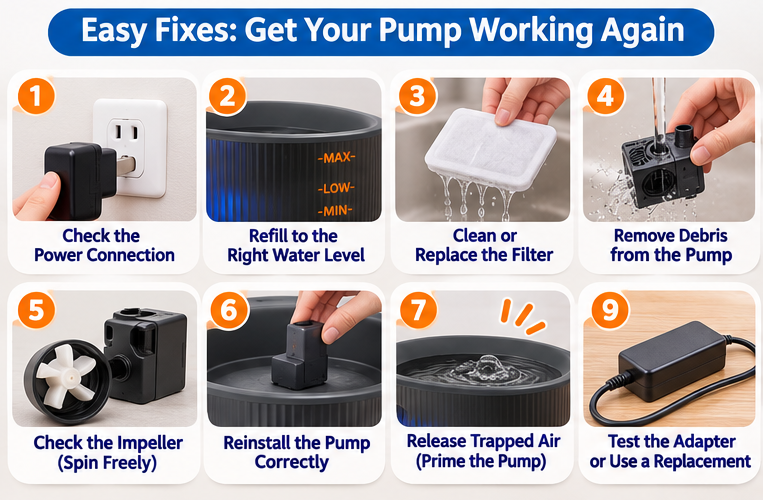
Not every fountain problem can be solved through cleaning.
Contact the manufacturer if:
The fountain does not start after approved power checks.
Water flow remains absent after cleaning and reassembly.
The unit repeatedly stops unexpectedly.
The circulation mechanism produces persistent unusual noise.
Electrical connections appear damaged.
The fountain overheats.
Water leaks near electrical components.
A sealed component appears defective.
Not necessarily.
Some models allow replacement of individual components.
Others use integrated circulation systems that require manufacturer service or specific replacement assemblies.
Check warranty coverage and component availability before purchasing a replacement.
Never install an incompatible pump or electronic part.
WOPET offers several water fountain designs for dogs and multi-pet households.
The following recommendations focus on general maintenance principles. Exact troubleshooting steps depend on the product model and its current user manual.
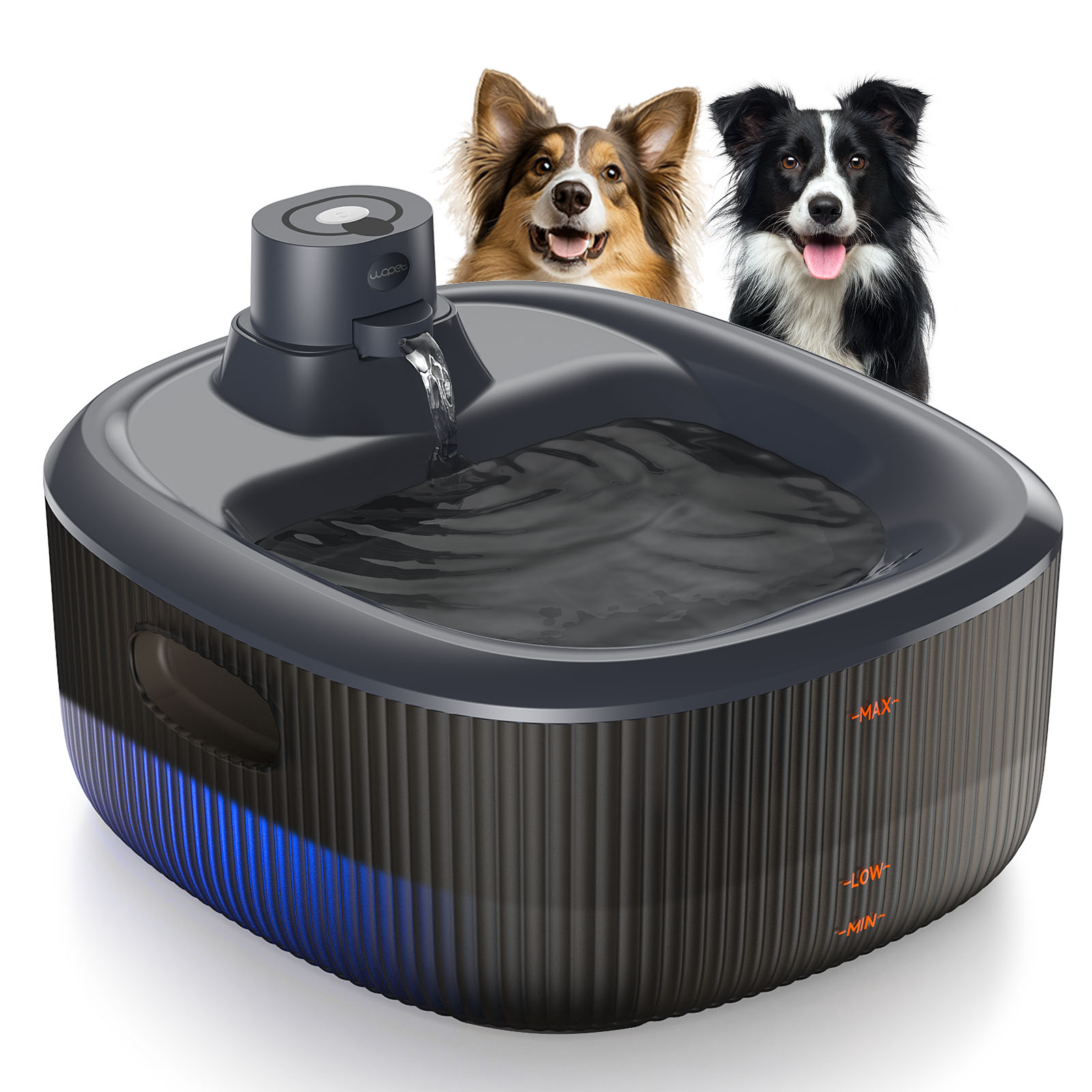
If your WOPET W600 Pro stops circulating water, begin with basic checks.
Confirm that the fountain has sufficient water.
Check its battery or power status.
Verify the selected operating mode, if applicable.
Inspect the filter for blockage.
Clean approved removable water-contact components.
Check component alignment.
Restart according to the user manual.
Because wireless fountains can use different circulation designs, do not assume that the W600 Pro has a conventional removable submersible pump.
Keep charging contacts and sealed electronic components protected during cleaning.
If the problem continues, consult WOPET support.
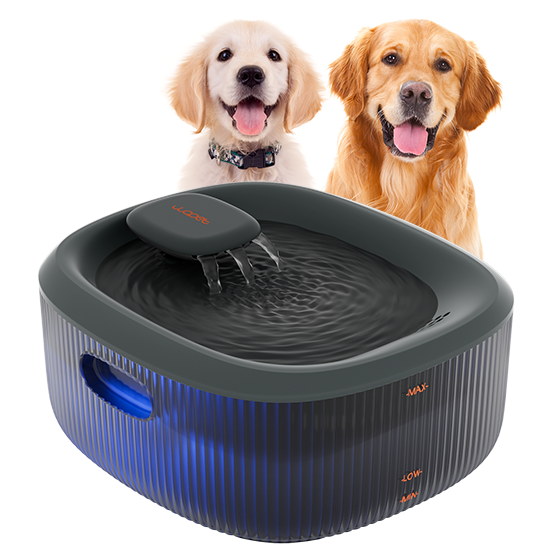
If your WOPET W600 develops weak or interrupted water flow, inspect:
Reservoir water level
Filter condition
Visible debris
Accessible water passages
Power supply, where applicable
Removable component alignment
Follow the model-specific manual for cleaning and reassembly.
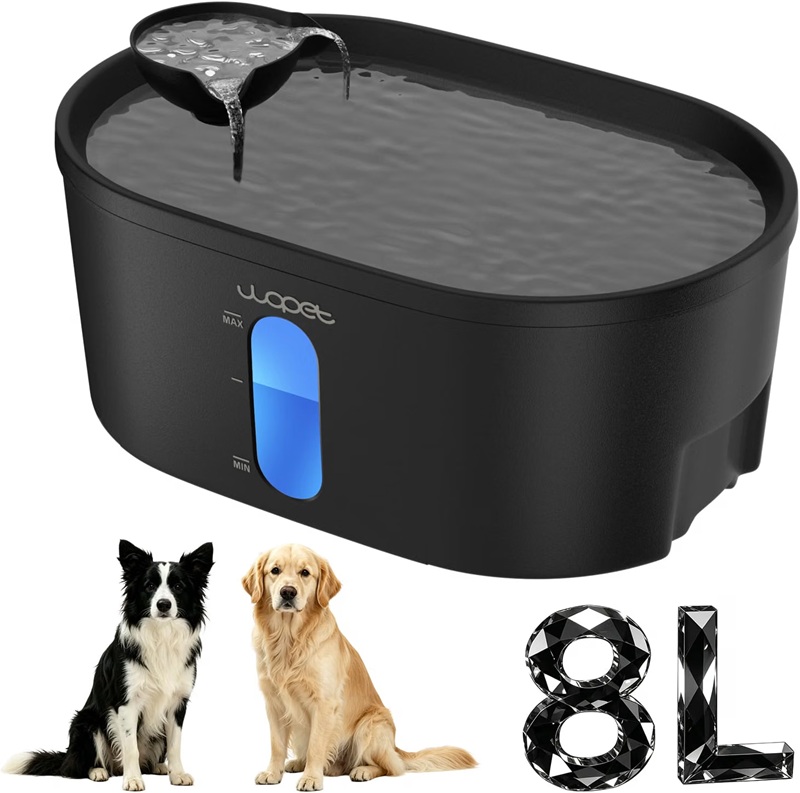
The WOPET A08 is designed for dogs and multi-cat households.
When several pets share a fountain, additional hair, saliva, and food particles may enter the water.
If circulation becomes weak, inspect the reservoir and filter for accumulated debris.
Clean the accessible water passages and check that the components are properly installed.
A more frequent cleaning schedule may be useful in multi-pet homes.
Whether you use the W600 Pro, W600, or A08, regular maintenance helps keep the drinking station clean and functioning as intended.
Explore WOPET products at https://wopet.com/.
For model-specific repair procedures, replacement parts, or warranty questions, contact WOPET customer support.
Common causes include low water levels, clogged filters, debris, power problems, incorrect assembly, or circulation component failure.
Possible causes include blocked water passages, trapped air, insufficient water, incorrect component alignment, or an internal malfunction.
Turn off and disconnect the fountain. Clean only the accessible and manufacturer-approved components. Remove visible hair and debris using a soft brush.
Yes. Depending on the fountain's design, a clogged filter may restrict water flow significantly.
Possible causes include incorrect reassembly, misaligned components, an improperly installed filter, or a power connection issue.
If the fountain still fails after checking the water level, power, filter, accessible passages, and assembly, a component may have failed. Contact the manufacturer for diagnosis.
Only if the manufacturer explicitly permits it. Some fountains require the filter for normal operation.
Possible causes include a discharged battery, incorrect operating mode, low water level, blocked passages, misaligned components, or an electronic problem.
Buzzing may be related to low water, trapped air, vibration, debris, or a circulation problem. Turn off the fountain and inspect it safely.
Only if the model is designed for user replacement and the manufacturer provides an approved compatible part and instructions.
Follow the manufacturer's schedule. Inspect accessible circulation components during routine cleaning and clean sooner if debris or reduced flow appears.
No. If the fountain is overheating, leaking near electrical parts, making unusual noises, or failing to circulate water, switch it off until the issue is resolved.
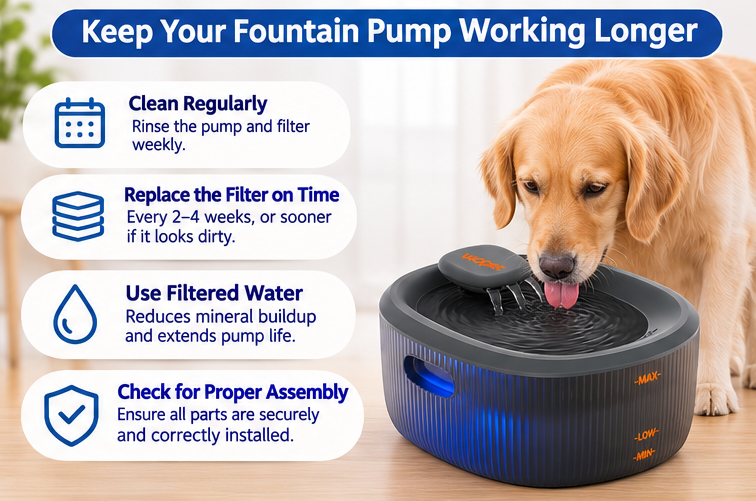
A dog water fountain that stops pumping water does not always require an expensive repair or complete replacement.
Many problems begin with simple issues such as low water levels, dirty filters, accumulated hair, or incorrectly installed components.
The safest approach is to troubleshoot systematically:
Check the water level.
Inspect the filter.
Remove visible debris.
Clean approved circulation components.
Verify power or battery status.
Check component alignment.
Follow the manufacturer's instructions.
Contact support if the problem continues.
Remember that traditional pumps and magnetic-drive circulation systems may require different maintenance procedures.
Never force open sealed electronic components or continue operating a fountain that appears unsafe.
And while the fountain is being repaired, always provide your dog with a separate bowl of clean drinking water.
With regular maintenance and appropriate troubleshooting, many common water flow problems can be prevented or resolved safely.
Read more:
Label:
Popular Post

The Ultimate Guide to Tabby Cats: Patterns, Personalities, and More
Mar 27, 2025

Top 8 Reasons Why Does My Cat Sleep Between My Legs?
Mar 03, 2025

What to Do If My Dog's Poop Is Black But Not Tarry
Feb 04, 2023

Superfecundation Cats: When Kittens in One Litter Have Different Fathers
Jul 11, 2025
How Long Does Dry Cat Food Last Once Opened? A Comprehensive Guide
Mar 19, 2025
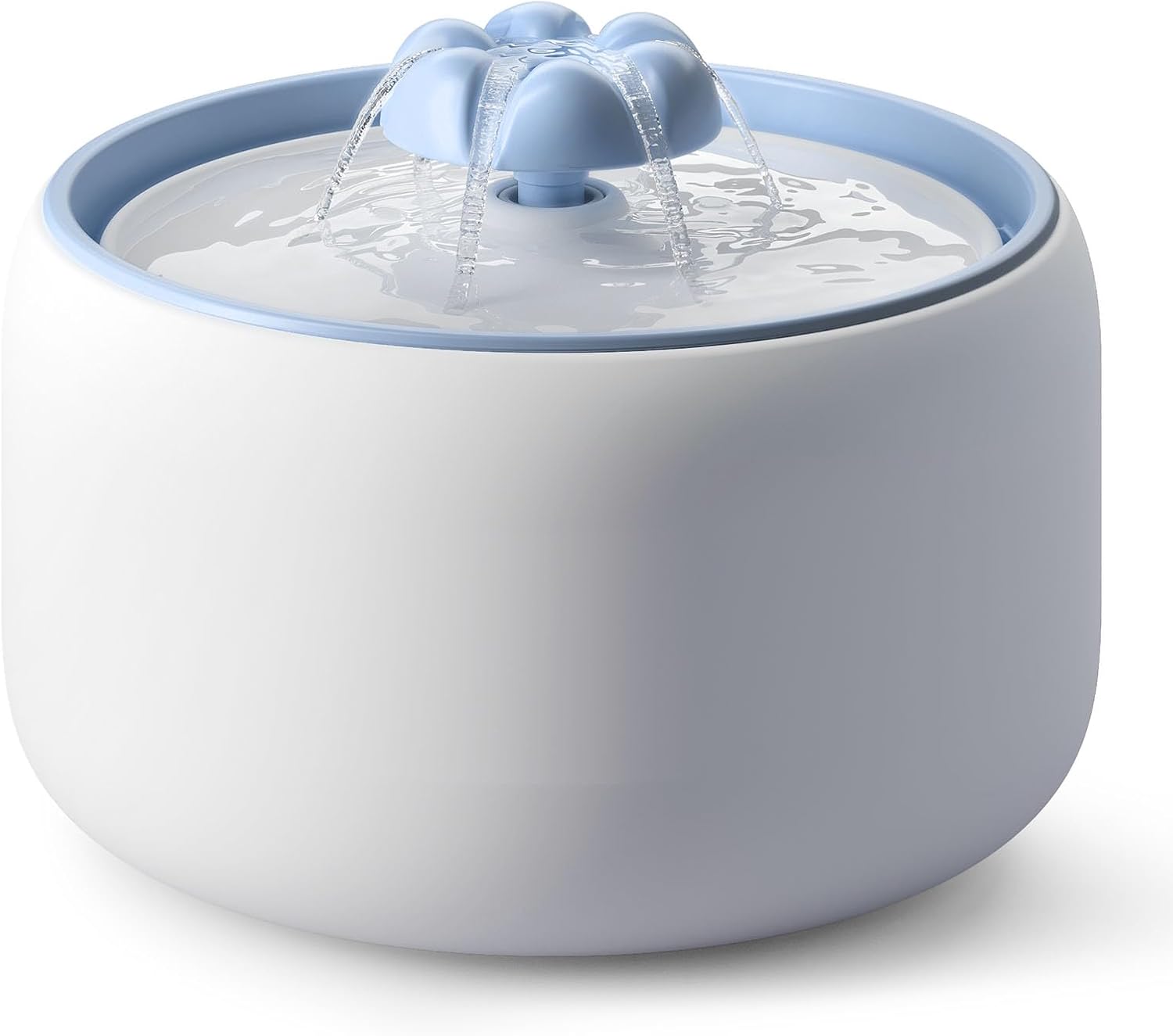
[Blue] W03L 3L Premium Ceramic Cat Water Fountain
Model: W03 LITE
$59.99
$69.99

Basin Pet Water Fountain-W600
Model: W600
$43.99
$69.99
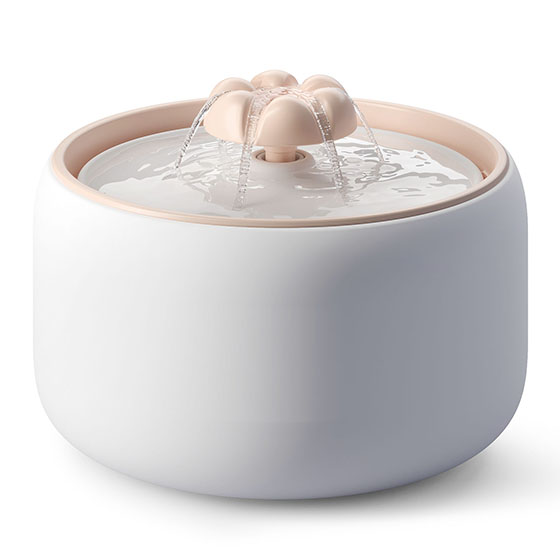
[Basic] Ceramic Pet Water Fountain with Power Cable
Model: W03L
$59.99
$99.00
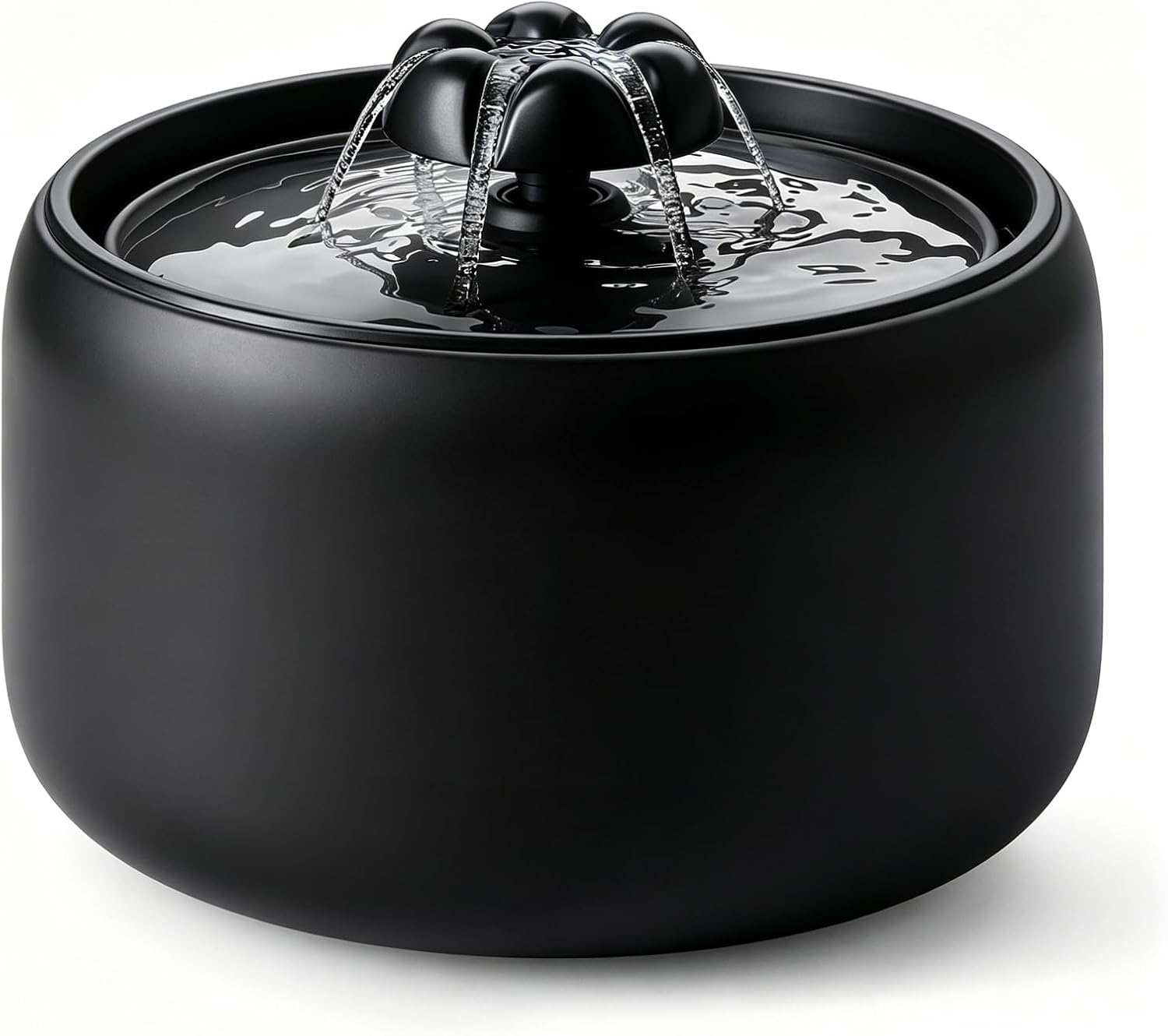
[Black] W03L 3L Premium Ceramic Cat Water Fountain
Model: W03L Black
$59.99
$69.99

WOPET 8L Pet Water Fountain For Multiple Cats or Large Dogs A08
Model: A08
$49.99
$59.99
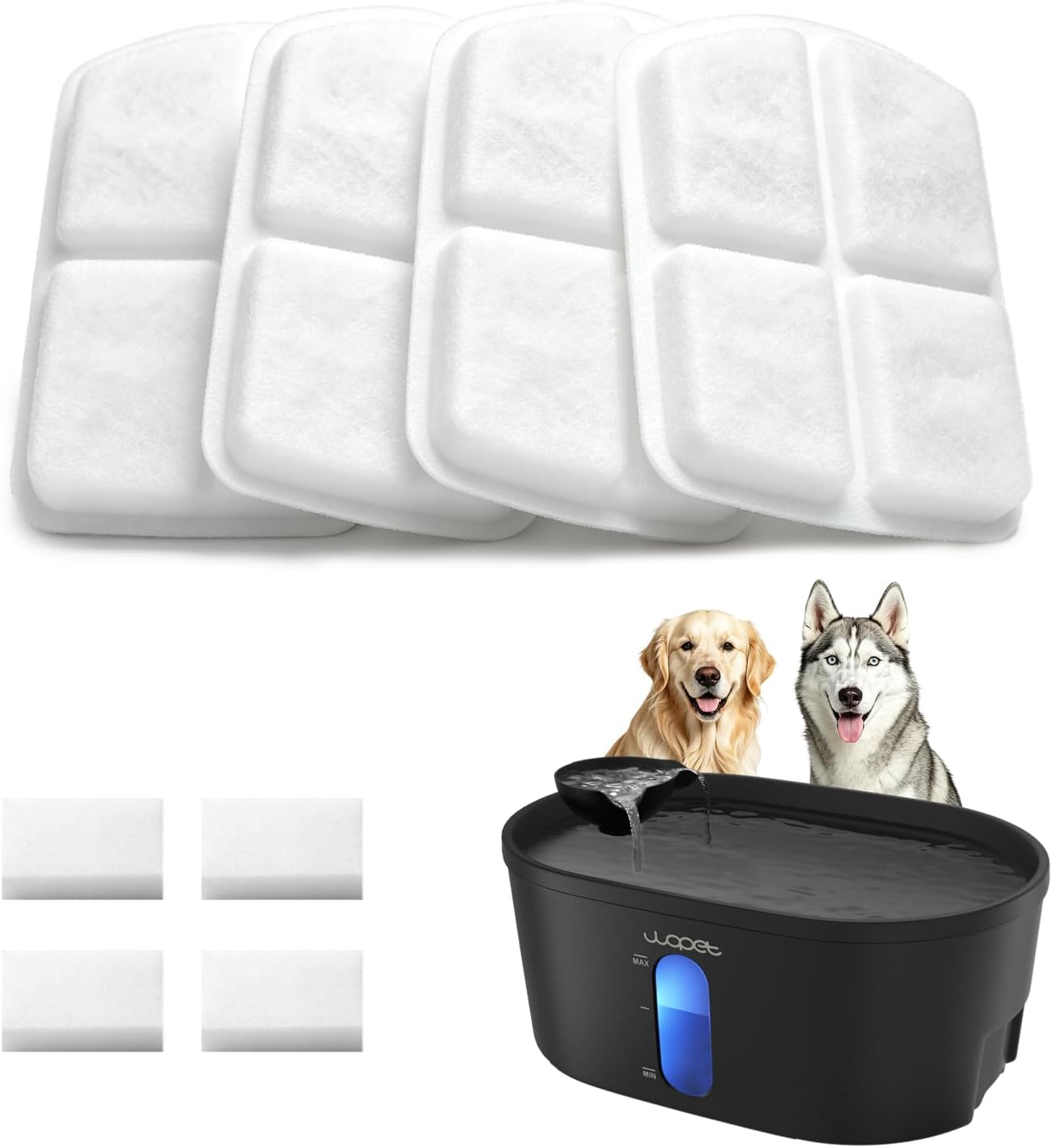
WOPET A08 Dog Water Fountain Filters
Model: A08 Filter
$19.99
$29.99

DOWNLOAD APP

WOpet life




Copyright © 2026 WOPET. All Rights Reserved.