Nov 04, 2026
Author:Lisa Martinez
A dog water fountain is designed to provide your pet with a convenient source of fresh, circulating water. But what happens when the water suddenly stops flowing, even though the fountain appears to be working?
If your dog water fountain is not flowing, the problem could be as simple as a low water level or a clogged filter. In other cases, trapped air, mineral buildup, incorrect assembly, or a malfunctioning pump may be responsible.
The good news is that many water flow problems can be resolved at home without replacing the entire fountain.
In this guide, we'll explain eight common reasons why dog water fountains stop flowing, how to identify the problem, and what you can do to get the water moving again.
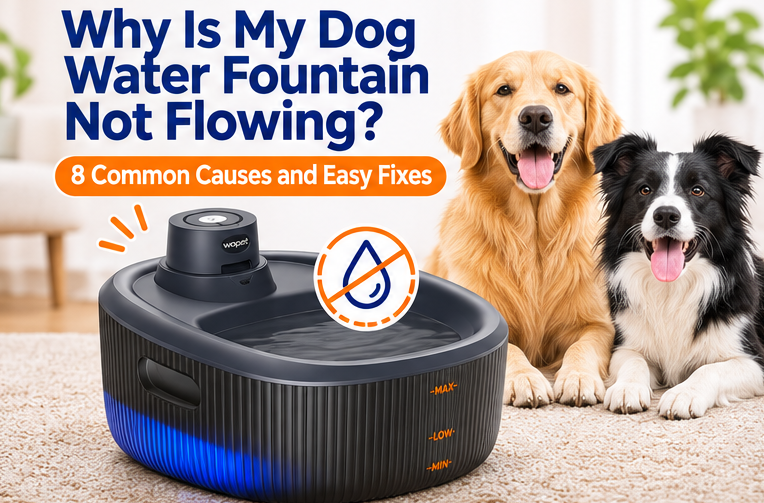
If your dog water fountain has stopped circulating water, start by checking these common causes:
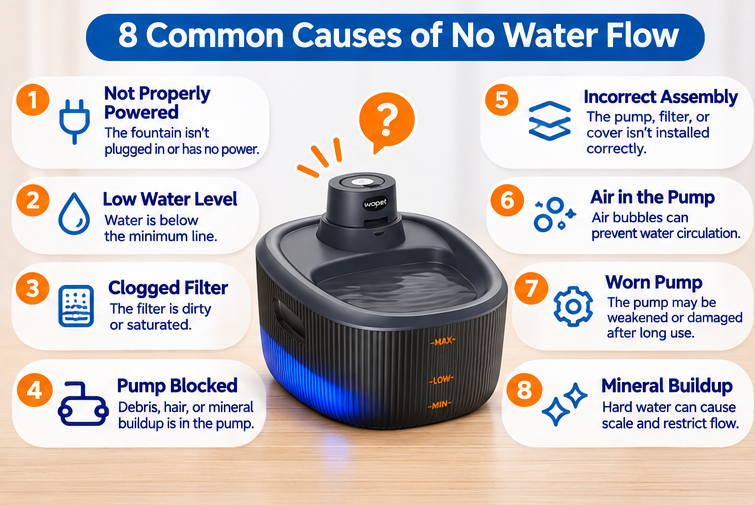
Low water level: There may not be enough water for the fountain to circulate properly.
Clogged water filter: Hair, food particles, and debris can restrict water movement.
Blocked water channels: Mineral deposits or dirt may obstruct the water path.
Dirty pump components: Debris can interfere with the pump's moving parts.
Power supply problems: The fountain may not be receiving reliable power.
Trapped air: Air inside the pump or water system can interrupt circulation.
Incorrect assembly: Misaligned components may prevent normal water flow.
Damaged pump or motor: Worn or defective components may need replacement.
Before attempting repairs, disconnect the fountain from its power source and inspect the water level, filter, and accessible water channels.
For many fountains, cleaning and reassembling these components is enough to restore normal operation.
One of the most common reasons a dog water fountain stops flowing is insufficient water in the reservoir.
Most circulating fountains need a minimum water level to operate correctly. When the water falls below that level, the pump may draw air instead of water, resulting in weak circulation or no flow at all.
Dogs can drink significant amounts of water throughout the day, particularly after exercise or during warm weather.
In homes with multiple pets, the reservoir may empty faster than expected.
Some fountains include low-water protection that automatically stops operation when the water level becomes too low.
Check the reservoir and locate the minimum water-level indicator.
Refill the fountain with clean drinking water.
Make sure the pump or water intake is positioned correctly.
Restart the fountain according to the manufacturer's instructions.
Observe whether normal circulation resumes.
Helpful tip: Check the water level at least once daily, especially if you have a large dog or several pets sharing the fountain.
A fountain with a larger reservoir may reduce the frequency of refilling, but it still requires regular monitoring.
A clogged filter is another common cause of reduced or interrupted water flow.
Dog water fountains often use filtration materials to help capture hair, food particles, and other debris.
Over time, these materials accumulate contaminants, increasing resistance as water passes through them.
You may notice:
Water flowing more slowly than usual.
A reduced stream despite a normal water level.
Visible hair or debris around the filter.
Water collecting in one section of the fountain.
Normal pump sounds but little water movement.
First, turn off and unplug the fountain.
Remove the filter according to the product instructions and inspect it for visible dirt or blockage.
If the manufacturer allows rinsing, gently rinse the filter with clean water to remove loose debris.
Replace the filter when it reaches its recommended service interval or when it remains restricted after permitted maintenance.
Do not use soap or household cleaning chemicals on disposable filter media unless specifically instructed by the manufacturer.
Important: A filter that looks clean may still be restricted internally. If the water flow remains weak after cleaning the fountain, replacing the filter may help.
For WOPET fountain owners, using compatible replacement filters is important for maintaining the intended fit and filtration performance.
Even when the filter is clean, the water pathways inside a fountain may become partially blocked.
Small particles can collect around the outlet, intake, tubing, or narrow passages.
Hard-water minerals can also accumulate on surfaces over time.
These deposits may gradually reduce water flow.
Look for:
Uneven water circulation.
Water emerging from only part of the outlet.
Visible white mineral deposits.
Dirt or pet hair inside the water channels.
Reduced flow after several weeks of use.
Disconnect the fountain from electricity.
Remove the accessible components according to the user manual.
Inspect the water intake and outlet openings.
Use a soft cleaning brush to remove visible debris.
Clean mineral deposits using a manufacturer-approved method.
Rinse all cleaned components thoroughly.
Reassemble the fountain and test the water flow.
Avoid inserting sharp objects into small openings because they can damage seals, internal channels, or other components.
If your fountain has narrow water passages, regular cleaning can help prevent recurring blockages.
The pump is responsible for circulating water in many traditional dog water fountains.
When hair, sediment, or mineral deposits accumulate around the pump intake or moving components, the pump may struggle to circulate water.
In some cases, you may hear the motor running even though little or no water comes out.
A humming sound without visible water movement.
Intermittent circulation.
Reduced flow after extended use.
Unusual vibration or rattling.
A pump that stops and starts unexpectedly.
For fountains with a removable, serviceable pump:
Turn off and unplug the fountain.
Remove the pump from the reservoir.
Open the pump cover only if the manufacturer permits it.
Remove the impeller if it is designed to be removable.
Gently clean accessible components with a soft brush.
Rinse thoroughly with clean water.
Reassemble the pump correctly.
Refill the fountain and restart it.
Never operate a pump dry unless the manufacturer explicitly states that doing so is safe.
If the pump remains noisy or fails to circulate water after cleaning, consult the manufacturer before attempting further repairs.
Note: Not every dog water fountain uses a conventional submerged pump. Some models use magnetic-drive or other circulation systems. Always follow the cleaning and troubleshooting instructions for your specific fountain rather than assuming every model has a removable impeller.
Sometimes a dog water fountain stops flowing because its circulation system is not receiving enough power.
This may be caused by a loose cable, damaged adapter, unreliable outlet, depleted battery, or poor electrical connection.
Start by checking whether the fountain's indicator lights or other controls are functioning.
For plug-in models:
Make sure the power adapter is securely connected.
Inspect the cable for visible damage.
Check whether the outlet is working.
Confirm that the correct power adapter is being used.
Look for moisture around electrical connections.
For rechargeable or battery-powered fountains:
Check the battery level.
Recharge the device according to its instructions.
Inspect the charging contacts for visible dirt or moisture.
Confirm that the charging system is functioning normally.
Do not reconnect a device if its electrical components appear damaged or wet.
If the fountain still fails to operate, contact the manufacturer for support.
Avoid using incompatible chargers or adapters, as incorrect voltage or power delivery can damage the equipment.
Air trapped inside a pump or water channel can prevent normal circulation.
This is sometimes called an airlock.
It may happen after cleaning, refilling, moving the fountain, or allowing the reservoir to run too low.
The pump runs, but water does not reach the outlet.
Water flows briefly and then stops.
You hear bubbling or irregular pump noises.
The fountain stops circulating immediately after cleaning.
Turn off the fountain.
Fill the reservoir to the recommended level.
Check that the water intake is properly submerged, where applicable.
Follow the manufacturer's priming or restart procedure.
Restart the fountain and observe the flow.
For some conventional pumps, gently repositioning the pump while it is disconnected can help release trapped air.
However, this technique is not appropriate for every design.
If your fountain uses a sealed circulation system, follow the specific instructions provided by the manufacturer.
If your dog water fountain stops flowing immediately after cleaning, incorrect assembly may be the cause.
Many fountains include removable components such as filters, covers, trays, water channels, and pump housings.
If one part is installed incorrectly, it may obstruct the water path or prevent the circulation system from functioning.
The filter is installed backward or out of position.
The water outlet is not aligned correctly.
A removable cover is not seated properly.
The pump is not positioned correctly.
A silicone seal or connector is misplaced.
A magnetic-drive component is incorrectly aligned.
Turn off the fountain and compare the assembly with the manufacturer's instructions.
Remove and reinstall the components one at a time.
Make sure all connections, covers, and water channels are correctly aligned.
Once the fountain is fully assembled, refill it and test the circulation.
Helpful tip: Taking a photo before disassembling your fountain can make reassembly easier.
If you've checked the water level, cleaned the filter, inspected the water channels, and confirmed the power supply, the circulation system itself may be faulty.
Like other small electrical appliances, dog water fountains contain components that can wear out over time.
The pump does not start despite a working power source.
The fountain repeatedly stops after troubleshooting.
The motor makes unusual grinding noises.
Water circulation remains extremely weak after cleaning.
Visible cracks or damage appear on essential components.
The pump overheats or produces an unusual burning smell.
Stop using the fountain if you notice overheating, damaged wiring, or a burning smell.
Check whether your model supports replacement parts before purchasing an entirely new fountain.
For WOPET products, consult the model-specific user manual or customer support to determine which parts are replaceable.
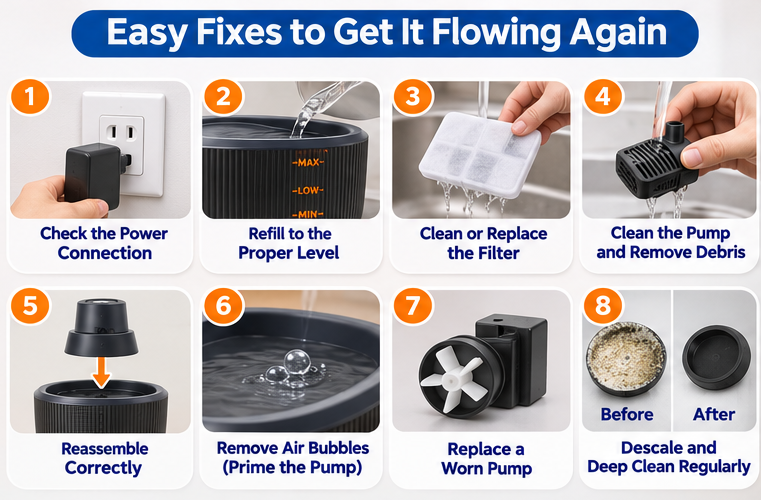
Use this quick reference table to identify the most likely cause of your fountain's water flow problem.
| Problem | Possible Cause | Recommended Solution |
|---|---|---|
| No water flowing | Low reservoir level | Refill to the recommended level |
| Pump running but no water | Airlock or blocked intake | Check water level, intake, and priming instructions |
| Weak water flow | Dirty or clogged filter | Inspect and replace the filter if needed |
| Water flowing unevenly | Blocked water channel | Clean the water outlet and passages |
| Fountain completely silent | Power supply or motor problem | Check power and contact support if necessary |
| Flow stops after cleaning | Incorrect assembly | Reinstall components correctly |
| Intermittent water flow | Loose connection or circulation issue | Inspect connections and restart |
| Unusual grinding noise | Pump wear or internal obstruction | Stop operation and inspect safely |
If multiple symptoms occur together, begin with the simplest checks before investigating more complicated mechanical problems.
A dog water fountain that still circulates water but produces a weak stream may be experiencing a partial restriction rather than a complete failure.
The most common causes include clogged filters, debris around the intake, mineral buildup, or low water levels.
In some cases, the fountain's normal operating mode may also affect the visible water flow.
For example, certain fountains use intermittent or sensor-controlled circulation instead of maintaining a continuous stream.
Before assuming that the fountain is malfunctioning, check whether it is operating in its intended mode.
Start with the following:
Confirm that the reservoir contains enough water.
Check the filter for accumulated debris.
Inspect the water intake and outlet.
Clean accessible circulation components.
Verify the fountain's operating mode.
Restart the device according to its manual.
If the water flow remains weaker than normal, check the manufacturer's troubleshooting guidance.
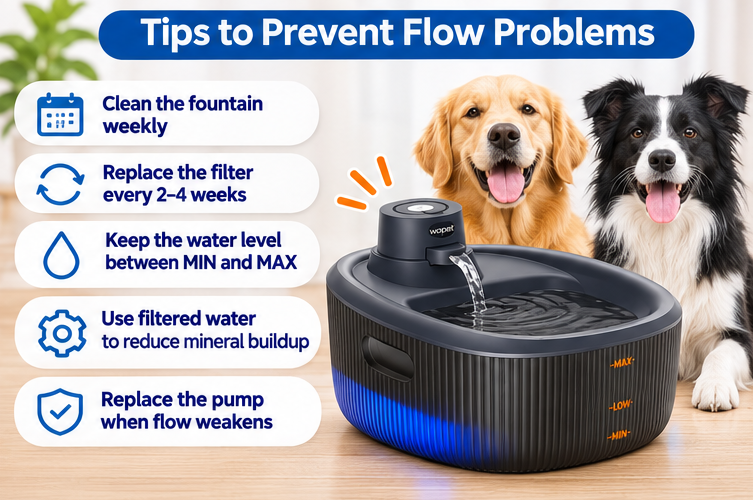
Regular maintenance is one of the best ways to reduce the likelihood of water circulation problems.
Even a well-designed fountain can become restricted if hair, food particles, and mineral deposits accumulate over time.
Dogs need reliable access to drinking water.
Check the reservoir daily and refill it before the water level becomes too low.
In warm weather or multi-pet households, you may need to check more frequently.
Replace drinking water regularly rather than simply topping up the reservoir indefinitely.
A circulating fountain is not a substitute for fresh water and proper cleaning.
As a practical starting point, inspect and clean the fountain at least weekly, or more often when needed.
Homes with multiple dogs, heavy-shedding breeds, or frequent food contamination may require more frequent cleaning.
Follow the manufacturer's cleaning instructions for the specific materials and components.
Filter replacement schedules vary by model, water quality, and usage.
Follow the manufacturer's recommended interval and replace filters sooner if they become visibly dirty or restrict water flow.
During routine cleaning, check for:
Hair around the water intake.
Mineral deposits.
Loose or damaged components.
Unusual noises.
Reduced water circulation.
Addressing these issues early can help prevent more significant flow problems.
Not every flow problem requires a new pump.
Before purchasing replacement parts, confirm that the fountain has enough water, the filter is not blocked, the power source works, and the components are correctly assembled.
If the circulation system still does not function, replacement may be appropriate.
The lifespan of a fountain pump depends on its design, operating conditions, water quality, and maintenance.
There is no single replacement schedule that applies to every dog water fountain.
If replacement parts are available, replacing a faulty component may be more economical than purchasing an entirely new fountain.
However, if the reservoir, wiring, or other essential components are damaged, replacing the fountain may be the safer option.
If your current dog water fountain frequently develops flow problems, maintenance requirements should be an important consideration when choosing your next model.
A practical fountain should make it easy to check water levels, access the filter, and clean the areas where debris accumulates.
Accessible water reservoir
A reservoir that is easy to refill and inspect makes daily maintenance more convenient.
Removable components
Fountains with accessible, easy-to-clean parts can make it simpler to remove hair and mineral deposits.
Suitable capacity
A fountain should hold enough water for your dog's size, drinking habits, and household needs.
Compatible replacement filters
Choose a model with readily available replacement filters so that routine maintenance remains manageable.
Reliable circulation design
Consider how the water circulation system works, how it should be cleaned, and what troubleshooting support the manufacturer provides.
WOPET offers pet water fountain options for different household needs, including the WOPET W600 series.
When comparing models such as the WOPET W600 and W600 Pro, consider reservoir capacity, cleaning requirements, filtration compatibility, and the circulation system used by each model.
For households with dogs and multiple cats, the WOPET A08 is another option worth exploring.
The best fountain is not necessarily the one with the most features. It is the one that provides reliable access to water while remaining practical for your daily routine.
Explore available models and product-specific specifications at WOPET.
A pump that makes noise without circulating water may have a blocked intake, trapped air, low water level, or internal debris.
Turn off the fountain, check the reservoir, inspect the filter and water channels, and follow the manufacturer's restart instructions.
If the problem continues, the pump may need servicing or replacement.
Yes. A heavily clogged filter can significantly restrict water circulation.
Inspect the filter for debris and replace it according to the manufacturer's instructions.
The most likely causes include trapped air, incorrect assembly, a misaligned water channel, or a loose connection.
Check that all components are properly installed and restart the fountain according to the manual.
A weekly cleaning is a useful starting point for many households, but the appropriate frequency depends on the fountain, number of pets, water quality, and visible contamination.
Follow the manufacturer's recommendations and clean more often if you notice slime, hair, debris, or reduced flow.
Yes. Hard water can leave mineral deposits inside water channels and around circulation components.
Over time, these deposits may reduce flow or interfere with moving parts.
Regular cleaning using manufacturer-approved methods can help control mineral buildup.
Wireless or rechargeable fountains may stop because of a depleted battery, low-water protection, a blocked water channel, or an operating mode that does not provide continuous circulation.
Check the battery, water level, operating mode, and cleaning instructions before assuming that the device is faulty.
Many fountains are designed for extended operation, but this depends on the specific model.
Always follow the manufacturer's operating instructions, maintain the recommended water level, and inspect the device regularly.
Do not leave a damaged or malfunctioning fountain running.
If basic troubleshooting does not restore water flow, stop using the fountain and contact the manufacturer.
Provide the model number, a description of the problem, and any unusual sounds or indicator lights.
Meanwhile, make sure your dog has access to a clean bowl of fresh drinking water.
A dog water fountain that stops flowing does not always need to be replaced.
In many cases, the cause is a low water level, clogged filter, blocked water channel, trapped air, or incorrect assembly.
By checking these issues systematically, you can often restore circulation without complicated repairs.
Regular cleaning, timely filter replacement, and proper water-level monitoring can also help prevent recurring problems.
If your fountain continues to malfunction after troubleshooting, consult the manufacturer rather than attempting unsafe electrical repairs.
Most importantly, always provide an alternative source of clean drinking water while the fountain is out of service.
A dependable water fountain should make hydration more convenient for your dog—not create additional maintenance challenges for you.
Read more:
Label:
Popular Post
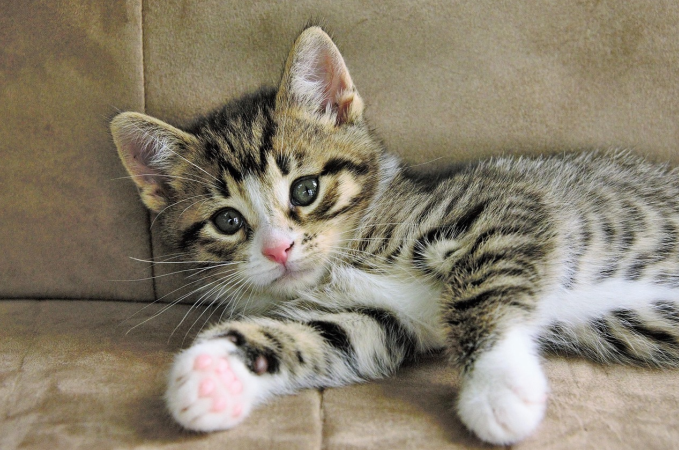
The Ultimate Guide to Tabby Cats: Patterns, Personalities, and More
Mar 27, 2025

Top 8 Reasons Why Does My Cat Sleep Between My Legs?
Mar 03, 2025

What to Do If My Dog's Poop Is Black But Not Tarry
Feb 04, 2023

Superfecundation Cats: When Kittens in One Litter Have Different Fathers
Jul 11, 2025
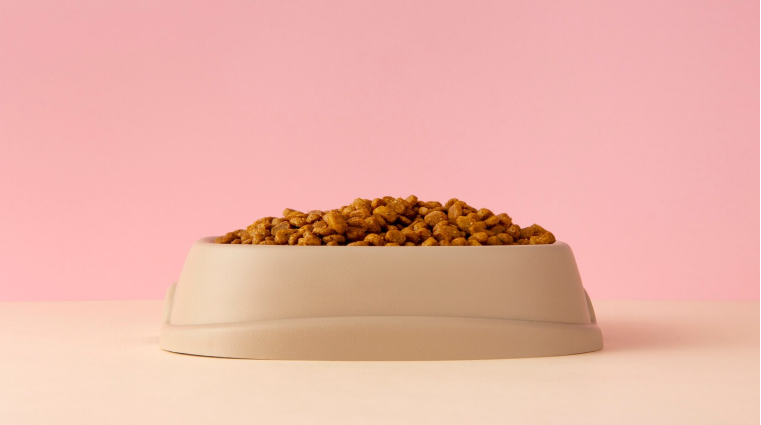
How Long Does Dry Cat Food Last Once Opened? A Comprehensive Guide
Mar 19, 2025
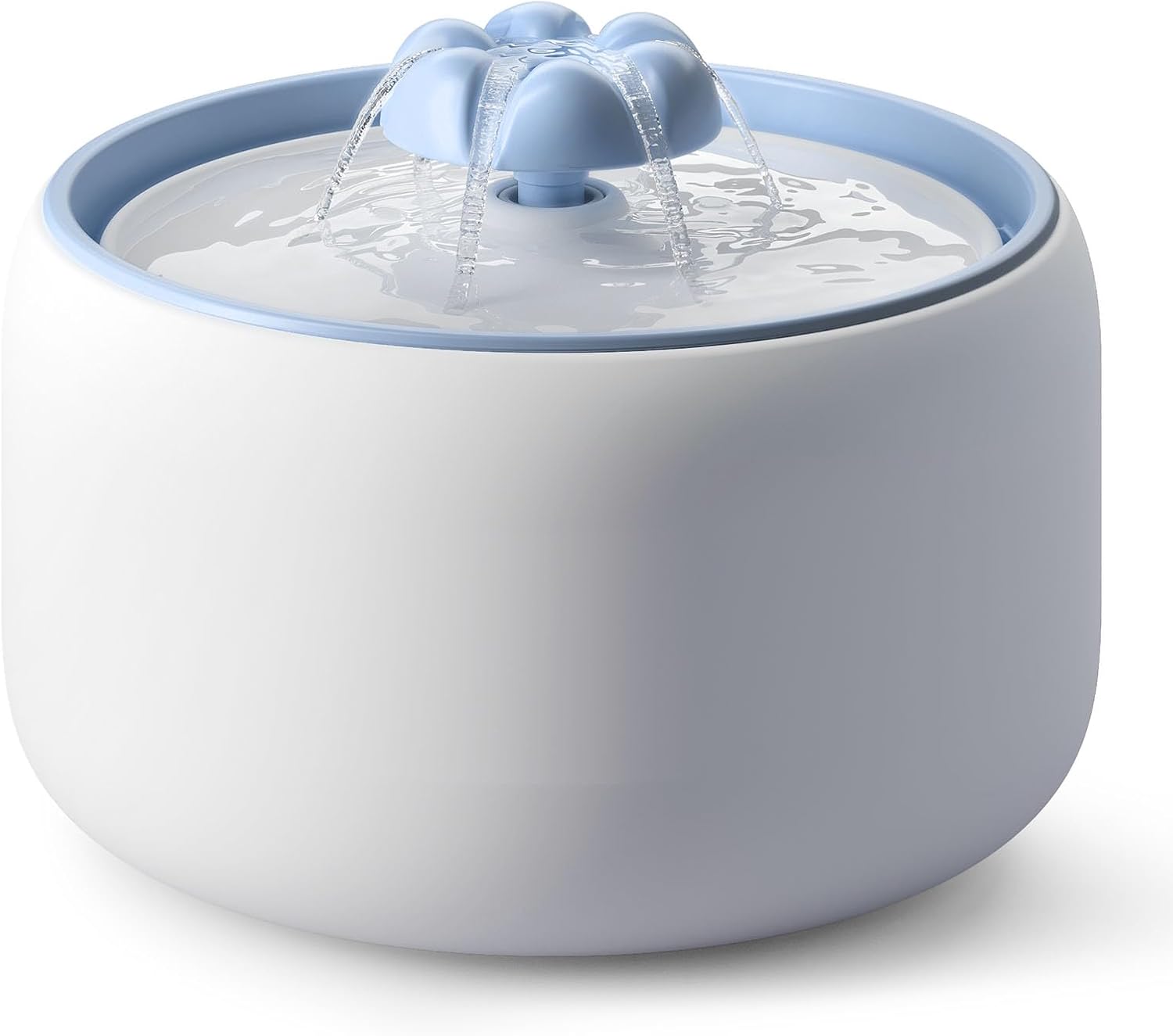
[Blue] W03L 3L Premium Ceramic Cat Water Fountain
Model: W03 LITE
$59.99
$69.99
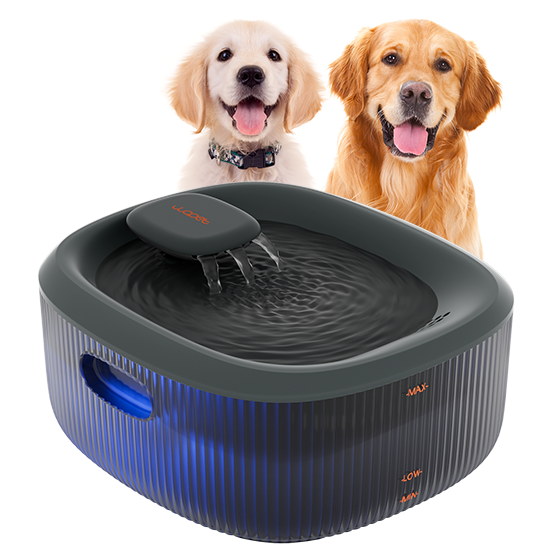
Basin Pet Water Fountain-W600
Model: W600
$43.99
$69.99
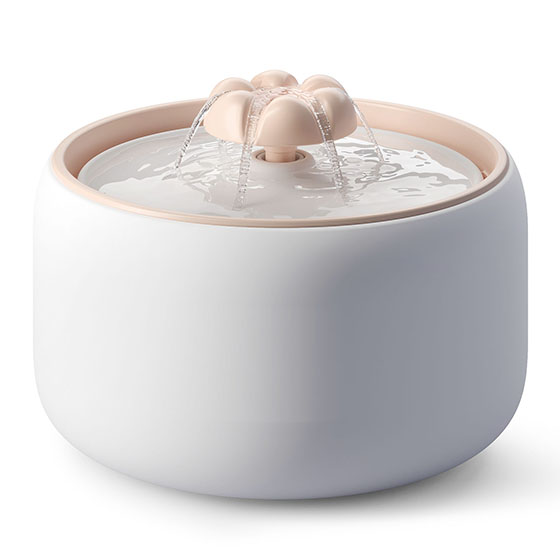
[Basic] Ceramic Pet Water Fountain with Power Cable
Model: W03L
$59.99
$99.00
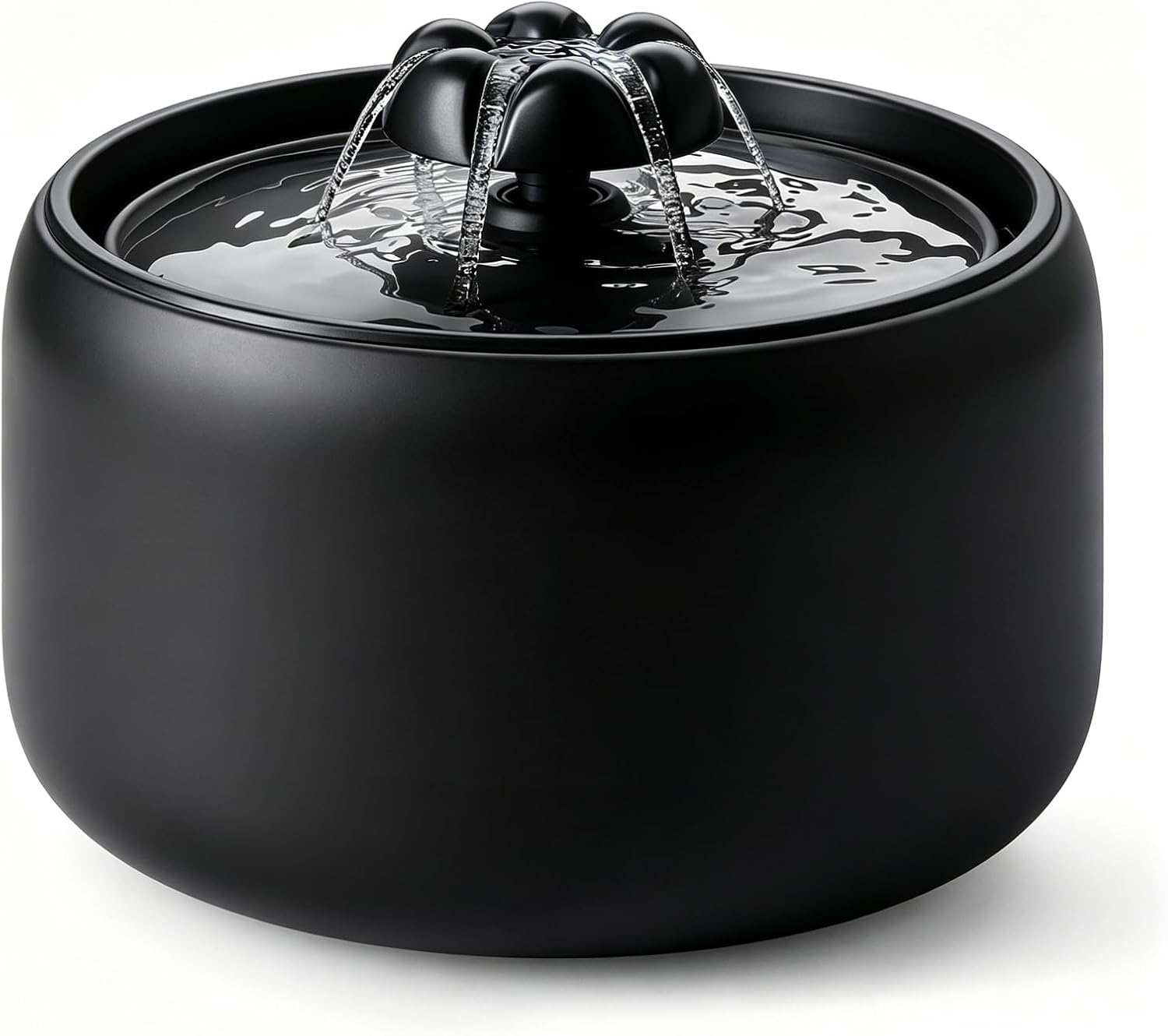
[Black] W03L 3L Premium Ceramic Cat Water Fountain
Model: W03L Black
$59.99
$69.99

WOPET 8L Pet Water Fountain For Multiple Cats or Large Dogs A08
Model: A08
$49.99
$59.99
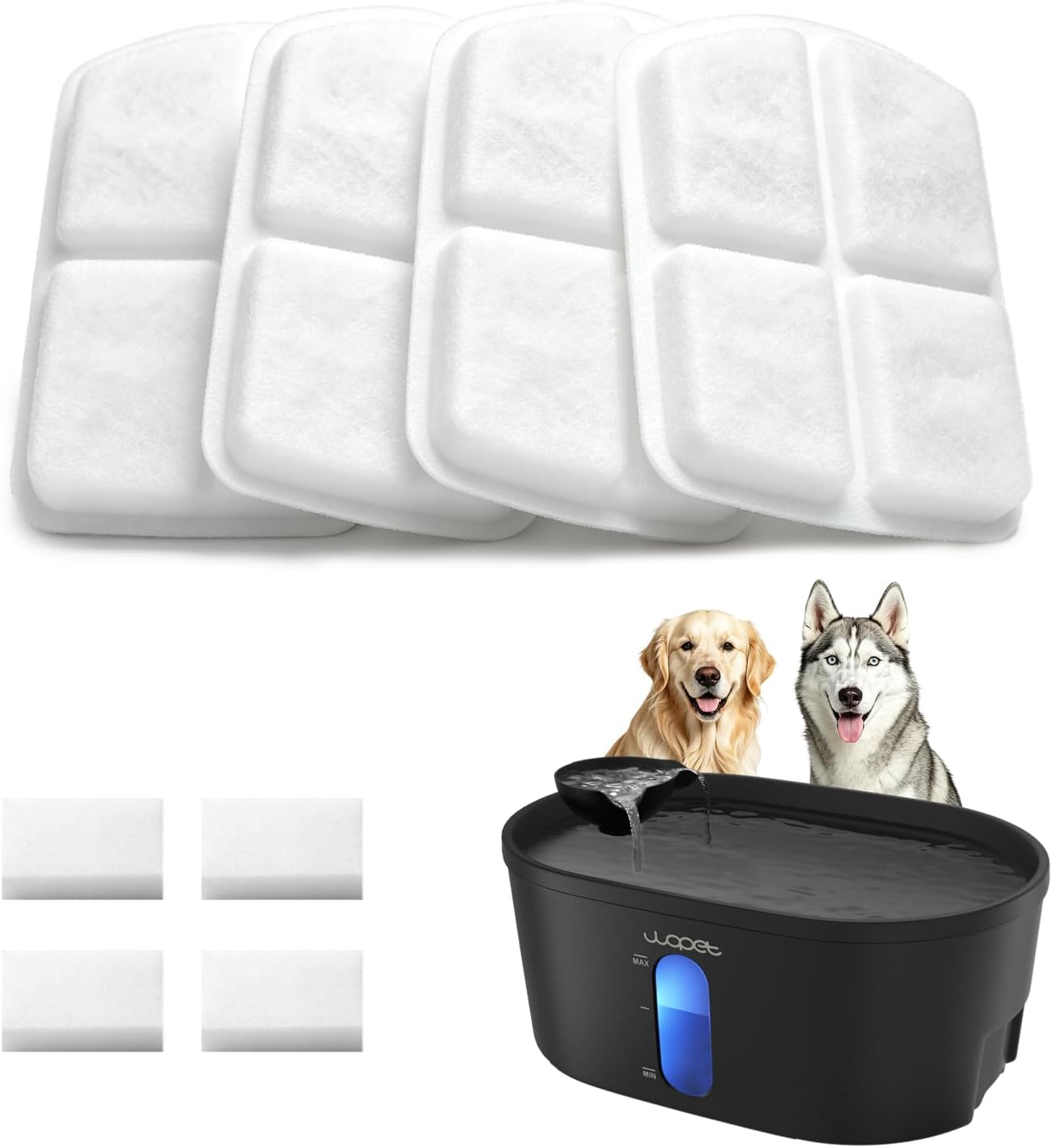
WOPET A08 Dog Water Fountain Filters
Model: A08 Filter
$19.99
$29.99

DOWNLOAD APP

WOpet life




Copyright © 2026 WOPET. All Rights Reserved.