Oct 28, 2026
Author:Sam Wonder
Quick Answer: A 3-year-old cat is approximately 28 years old in human years. At this age, your cat is considered a young adult, with most physical growth complete but plenty of energy, curiosity, and playfulness remaining.
If you've ever watched your three-year-old cat sprint across the living room, chase a toy, and then sleep for hours, you might wonder: How old is 3 in cat years, and what does that mean for your pet's health?
Understanding your cat's age isn't just a fun comparison. It can help you make better decisions about nutrition, exercise, preventive healthcare, and daily hydration.
Let's explore how cat years compare to human years and what your three-year-old feline companion needs to stay healthy.
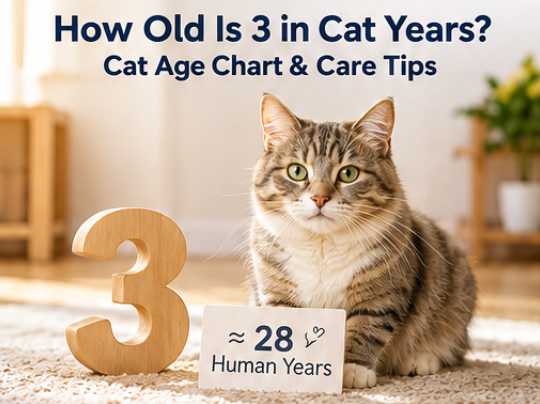
A 3-year-old cat is roughly equivalent to a 28-year-old human.
Cats age much faster during their first two years of life than they do later. Unlike the familiar idea that one pet year equals seven human years, feline aging follows a different pattern.
A commonly used conversion estimates:
First year: Approximately 15 human years
Second year: Approximately 24 human years in total
Each additional year: Around four more human years
Using this method, a three-year-old cat is approximately 28 in human years.
However, these comparisons are estimates rather than exact biological measurements. Genetics, nutrition, environment, lifestyle, and medical history can all influence how individual cats age.
Curious about how your cat's age compares with yours? Use this simple cat age conversion chart.
Cat Years to Human Years: Complete Age Chart
|
Cat age |
Approximate human equivalent |
|
6 months |
10 years |
|
1 year |
15 years |
|
2 years |
24 years |
|
3 years |
28 years |
|
4 years |
32 years |
|
5 years |
36 years |
|
6 years |
40 years |
|
7 years |
44 years |
|
8 years |
48 years |
|
9 years |
52 years |
|
10 years |
56 years |
|
11 years |
60 years |
|
12 years |
64 years |
|
13 years |
68 years |
|
14 years |
72 years |
|
15 years |
76 years |
|
16 years |
80 years |
|
17 years |
84 years |
|
18 years |
88 years |
|
19 years |
92 years |
|
20 years |
96 years |
Note: Age equivalents are estimates and do not predict the health or lifespan of an individual cat.
Yes! A three-year-old cat is still relatively young.
According to the American Animal Hospital Association (AAHA) and American Association of Feline Practitioners (AAFP), cats between one and six years old belong to the young adult life stage.
By three years old, most cats have reached physical maturity. Their personalities are often more established than during kittenhood, although individual behavior can vary significantly.
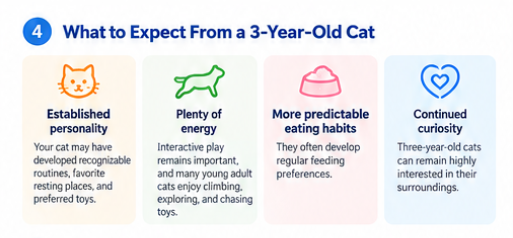
1. An established personality
Your cat may have developed recognizable routines, favorite resting places, preferred toys, and familiar ways of communicating with you.
2. Plenty of energy
Although your cat is no longer a kitten, interactive play remains important. Many young adult cats enjoy climbing, exploring, and chasing moving objects.
3. More predictable eating habits
Adult cats often develop regular feeding preferences. However, their calorie requirements still depend on body size, activity level, health, and whether they have been neutered.
4. Continued curiosity
Three-year-old cats can remain highly interested in their surroundings. New toys, puzzle feeders, and safe climbing opportunities can provide valuable mental stimulation.
A healthy adult cat needs more than food and a comfortable sleeping spot. Consistent preventive care and an enriching environment can help support long-term well-being.
At three years old, most cats should be eating a complete and balanced diet formulated for adult cats.
Choose food appropriate for your cat's health, body condition, and activity level.
A few useful feeding habits include:
Measure portions instead of relying entirely on free feeding.
Monitor your cat's weight and body condition.
Provide meals on a consistent schedule.
Consider incorporating wet food to support total water intake.
Ask your veterinarian about dietary changes if your cat has a medical condition.
Weight management matters during the young adult years because excessive calorie intake can contribute to obesity.
Hydration is an essential but sometimes overlooked part of adult cat care.
Water helps support normal digestion, temperature regulation, circulation, and other vital bodily functions.
Cats obtain water from both drinking and food. Those eating primarily dry food generally need to obtain more of their daily water from drinking than cats eating moisture-rich wet food.
According to Cornell University's College of Veterinary Medicine, some cats may drink more when offered a water fountain, although preferences differ.
Simple ways to encourage healthy drinking habits:
Keep fresh water available throughout the day.
Place water stations in quiet, accessible locations.
Clean bowls and fountains regularly.
Offer multiple water sources in multi-cat households.
Consider a cat water fountain if your cat prefers moving water.
Some cats show a preference for flowing water. A fountain can provide an alternative to a traditional bowl and may make drinking more appealing for certain cats.
For pet owners interested in a convenient hydration setup, WOPET offers cat water fountains designed for everyday use.
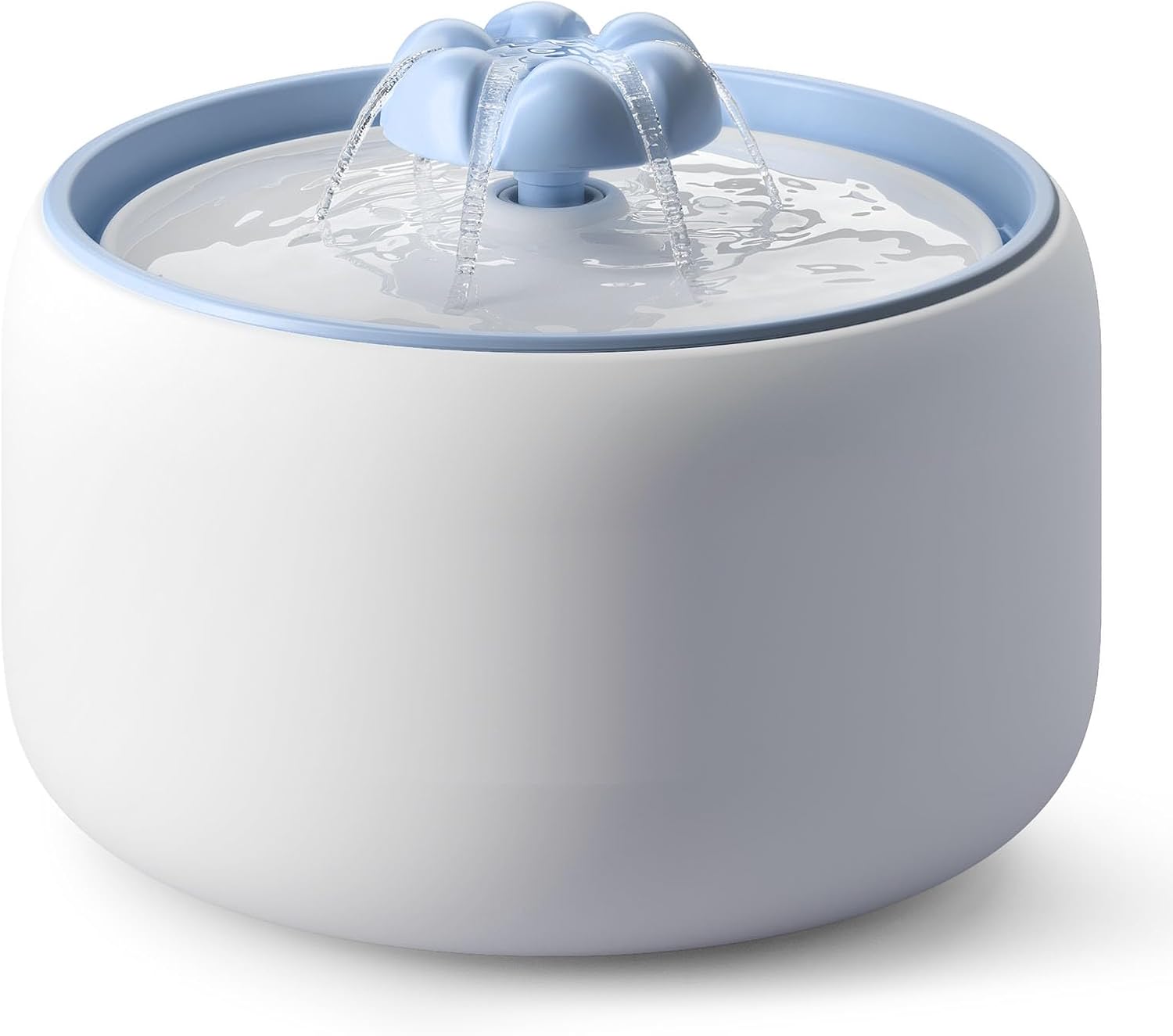
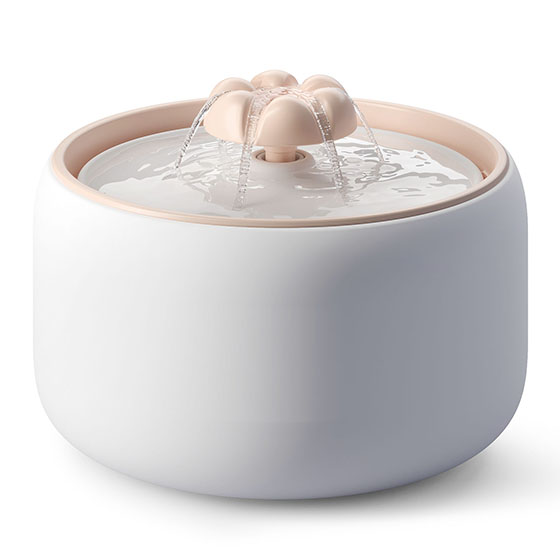
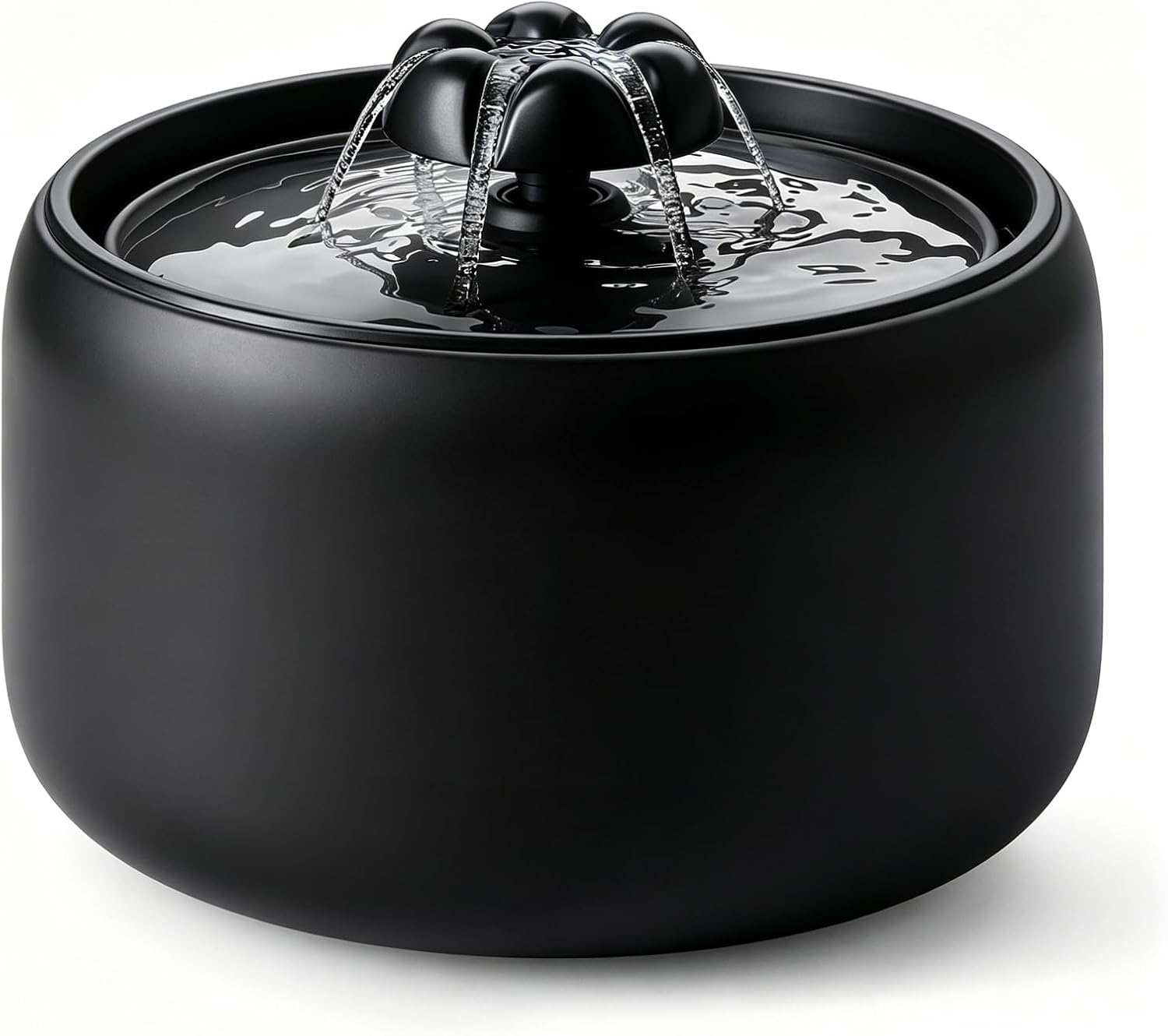
The WOPET W03 ceramic cat water fountain is one option to consider for households that value a ceramic drinking surface and a dedicated water station.
When choosing any fountain, look for easy-to-clean components, a stable design, suitable water capacity, and a water-flow style your cat is comfortable using.
A fountain does not guarantee that a cat will drink more, and it should never replace veterinary care for suspected dehydration or urinary problems.
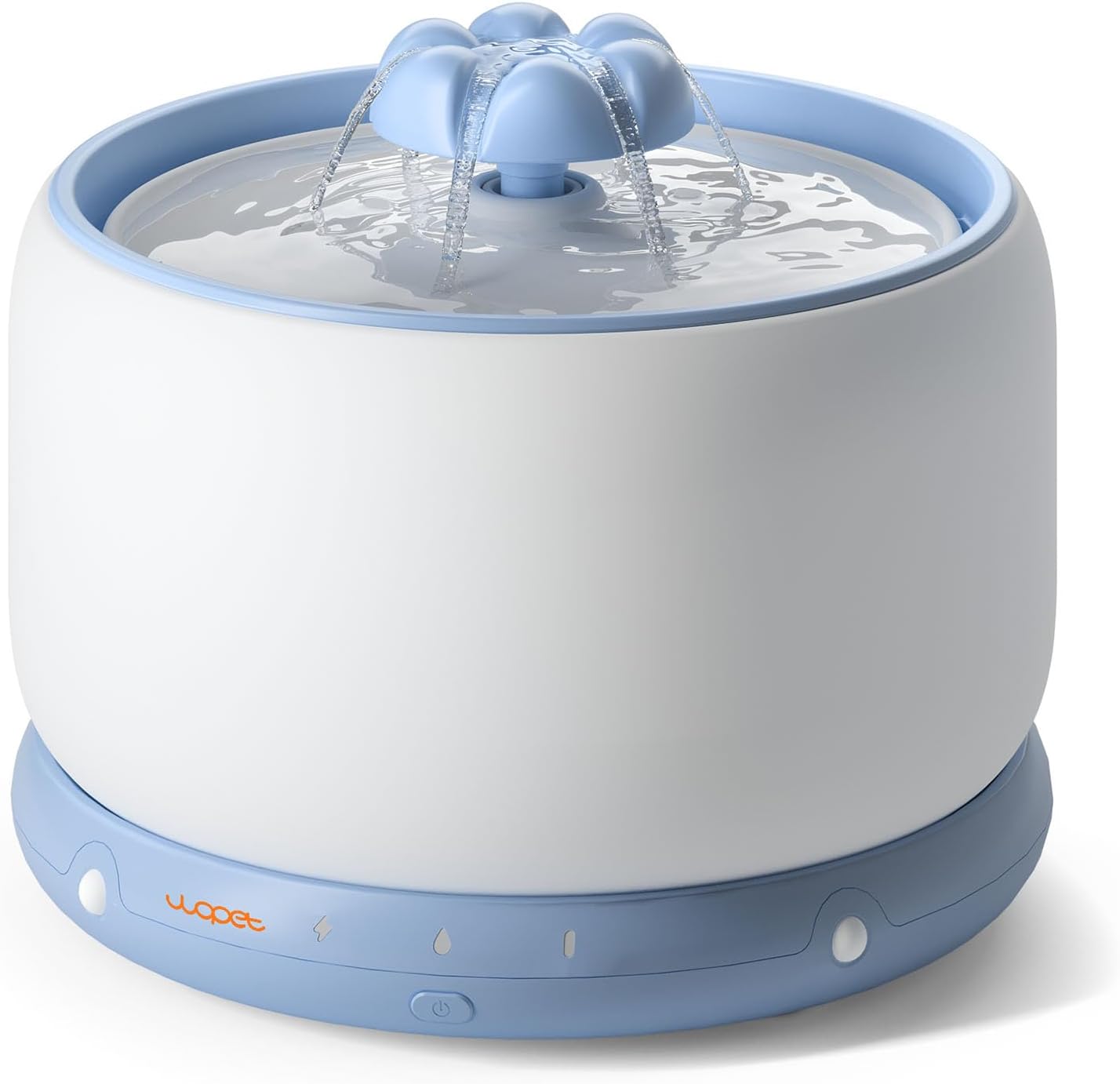
Buy WOPET W03 BLUE WIRELESS CAT FOUNTAIN ON AMAZON
Three-year-old cats still benefit from regular exercise and interactive play.
You don't need a complicated routine. Short play sessions can provide both physical activity and mental stimulation.
Try:
Wand toys that imitate prey movement.
Puzzle feeders that encourage problem-solving.
Cat trees and climbing shelves.
Rotating toys to maintain interest.
Safe hiding spots and scratching surfaces.
Observe your cat's preferences rather than forcing activity. Some cats enjoy energetic chasing games, while others prefer shorter, quieter interactions.
Even if your cat appears perfectly healthy, preventive veterinary visits remain important.
AAHA/AAFP feline life stage guidance recommends a physical examination at least annually.
During a visit, your veterinarian may uate your cat's:
Body weight and body condition.
Teeth and oral health.
Heart and respiratory health.
Skin and coat.
Vaccination and parasite-prevention needs.
Eating, drinking, and litter-box habits.
Regular examinations can help identify concerns that may not be obvious at home.
By three years old, many cats have established recognizable daily habits.
That makes changes in those habits particularly useful to notice.
Watch for persistent changes in appetite, thirst, urination, energy, grooming, or social behavior.
For example, suddenly drinking much more water than usual can sometimes be associated with a medical problem rather than a simple change in preference.
If you notice an unexplained or persistent change, contact your veterinarian.
A cat's water requirements depend on body weight, diet, activity, temperature, and health.
Cornell University's Feline Health Center provides a general estimate of approximately four fluid ounces of total daily water intake per five pounds of lean body weight.
For a 10-pound cat, this works out to roughly eight fluid ounces, or about one cup, per day.
Importantly, this includes water obtained from food, not just water consumed from a bowl or fountain.
Cats eating wet food may drink noticeably less because their meals already contain substantial moisture.
Rather than focusing only on a fixed number, monitor your cat's normal drinking habits and provide continuous access to clean water.
If your cat is drinking unusually little, appears weak, or shows signs of dehydration, seek veterinary advice promptly.
Breed can influence certain health risks, body size, and physical development, but it does not provide a reliable universal formula for converting cat years into human years.
For example, larger cat breeds may take longer to reach full physical maturity than some smaller breeds.
However, a three-year-old Maine Coon and a three-year-old domestic shorthair are both chronologically three years old.
Their individual health, genetics, and living conditions are more informative than a simple human-age comparison.
Indoor and outdoor cats follow the same chronological aging process.
However, their environments can expose them to different health risks.
Cats that roam outdoors may encounter traffic, infectious diseases, parasites, extreme weather, and conflicts with other animals.
Indoor cats avoid some of those hazards but still need physical activity, enrichment, preventive healthcare, and weight management.
A safe, stimulating environment can help support a cat's well-being regardless of lifestyle.
If your cat is three calendar years old, its approximate human-age equivalent is 28 years. This is based on a commonly used feline age conversion.
No. A three-year-old cat is classified as a young adult under AAHA/AAFP feline life stage guidelines.
Most cats are physically mature by three years old. Some larger breeds may take longer to finish developing.
There is no single conversion that applies at every age. The first cat year is commonly estimated at about 15 human years, while later years represent a smaller increase.
Many cats become more settled as they mature, but personality and energy levels vary. A healthy three-year-old cat can still be highly playful.
Healthy adult cats generally need a veterinary examination at least once a year. Your veterinarian may recommend more frequent visits depending on individual health needs.
A water fountain is optional, but it may be useful if your cat enjoys moving water. Always provide clean drinking water, maintain the fountain properly, and observe your cat's preferences.
Possible signs include lethargy, weakness, reduced appetite, and dry or tacky gums. Suspected dehydration requires prompt veterinary attention.
So, how old is 3 in cat years?
A three-year-old cat is approximately 28 in human years, making it a young adult with many potentially active years ahead.
Rather than focusing only on the number, use your cat's life stage to guide everyday care.
Balanced nutrition, regular veterinary visits, interactive play, a safe environment, and reliable access to fresh water can all contribute to your cat's quality of life.
At WOPET, we believe thoughtful pet-care routines can help make everyday life more comfortable for cats and the people who love them.
Explore WOPET cat water fountains to find a drinking setup that suits your cat's preferences and your household.
Label:
Popular Post
The Ultimate Guide to Tabby Cats: Patterns, Personalities, and More
Mar 27, 2025
Top 10 Most Expensive Cat Breeds in The World
May 07, 2025
Can Cats Have Ice Cream? Dangers, Safe Flavors & Healthy Cat Treats
Sep 02, 2025
My Cat Only Eats A Little at A Time - What to Do?
Feb 27, 2023
Top 8 Reasons Why Does My Cat Sleep Between My Legs?
Mar 03, 2025
[Blue] W03L 3L Premium Ceramic Cat Water Fountain
Model: W03 LITE
$59.99
$69.99

Basin Pet Water Fountain-W600
Model: W600
$43.99
$69.99
[Basic] Ceramic Pet Water Fountain with Power Cable
Model: W03L
$59.99
$99.00
[Black] W03L 3L Premium Ceramic Cat Water Fountain
Model: W03L Black
$59.99
$69.99

WOPET 8L Pet Water Fountain For Multiple Cats or Large Dogs A08
Model: A08
$49.99
$59.99

WOPET A08 Dog Water Fountain Filters
Model: A08 Filter
$19.99
$29.99

DOWNLOAD APP

WOpet life




Copyright © 2026 WOPET. All Rights Reserved.