Oct 28, 2026
Author:Amanda Lyu
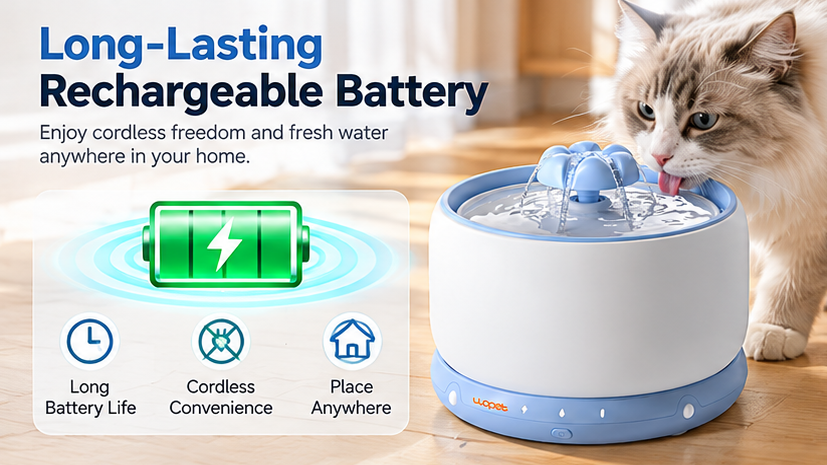
Quick answer: Choose a rechargeable cat water fountain that fits your home, your cleaning routine, and the way your cat drinks. Compare operating modes, realistic runtime, capacity, material, noise, filter supply, safety features, and support. Do not choose on battery capacity or an “up to” runtime alone.
A good fountain should be easy to clean, predictable to charge, and comfortable for your cat to use. A long feature list will not make up for a reservoir that is awkward to wash or a flow style your cat avoids.
1. Confirm What “Wireless” Means
In this category, wireless usually means the fountain operates from a rechargeable battery without remaining connected to a wall outlet. It does not necessarily mean wireless charging, Wi-Fi, app control, or cable-free maintenance.
Before buying, confirm:
• whether the battery is built in or removable;
• how the unit charges;
• whether it can run while charging;
• which voltage, amperage, cable, and adapter the manufacturer approves;
• which operating modes work on battery power.
For a plain-language explanation of the battery, pump, filter, and sensor, read how wireless pet water fountains work.
2. Compare Runtime by Operating Mode
Look for separate estimates for continuous, interval, and sensor operation. A single “up to” number may represent the most efficient mode under light use.
Ask three questions:
1. Which mode produced the stated runtime?
2. What triggers the pump, and for how long?
3. How does that behavior match where the fountain will sit?
A sensor fountain in a busy kitchen may activate more often than one in a quiet room. Read our guide to wireless cat fountain battery life before comparing days per charge.
3. Choose Capacity for the Household, Not the Claim
Reservoir capacity should account for pet size, number of pets, diet, climate, and how often someone can refill the fountain. Larger capacity can reduce refill frequency, but it does not mean water should be left unchanged for longer.
Check the level daily. Multiple pets, warm rooms, and splashing can empty a fountain faster than expected. For any absence, provide another water source and arrange check-ins rather than relying only on the capacity printed on the product page.
4. Examine the Drinking Surface
Cats have individual preferences. Useful design questions include:
• Is the drinking area wide and shallow?
• Can the cat drink when the pump is between cycles?
• Does the stream splash onto the floor?
• Are there narrow corners that trap debris?
• Can multiple pets approach without crowding?
Cat Friendly Homes suggests offering different water-source options and notes that some cats may be interested in a fountain that mimics movement. Its water-intake guidance reinforces the value of observing the individual cat rather than assuming every cat prefers the same setup.
5. Compare Materials and Finish
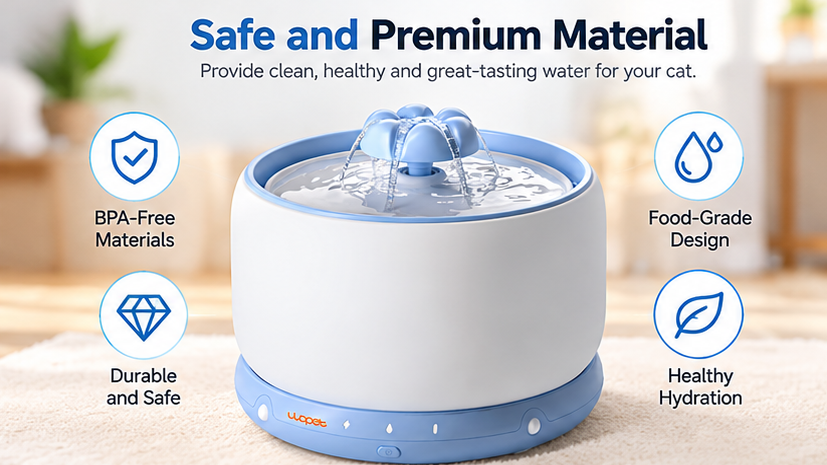
Common fountain materials include stainless steel, ceramic, and food-contact plastics. Each can work when well made and properly maintained.
Stainless steel
Stainless steel can be durable and relatively easy to inspect, but grade, finish, seams, and the number of non-steel components still matter.
Ceramic
Ceramic can feel substantial and resist movement. Inspect it regularly for cracks or chips, and confirm which pieces are dishwasher-safe.
Plastic
Plastic can reduce weight and cost and allows complex shapes. Look for smooth food-contact surfaces, clear material information, and minimal scratches or inaccessible crevices.
Material alone does not guarantee hygiene. Design and cleaning behavior are equally important.
6. Prioritize Cleaning Access
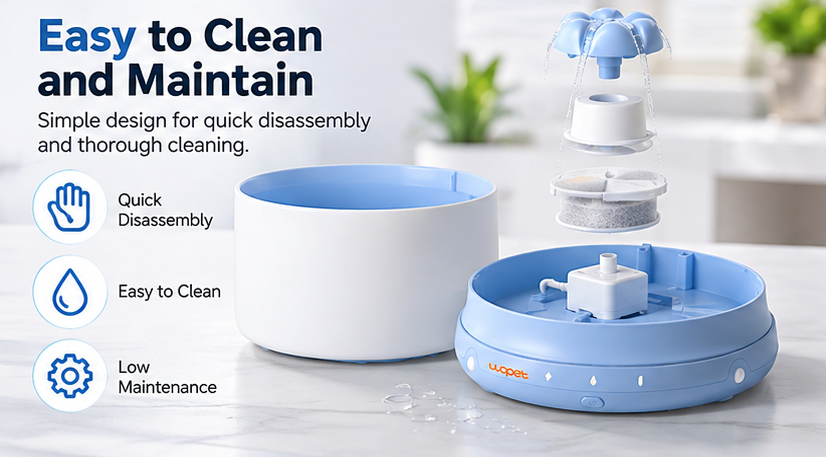
Before buying, imagine cleaning the fountain without the product photos assembled. Can you reach the reservoir corners? Can you remove the impeller? Are the water channels accessible? Are electrical components clearly separated from washable parts?
Look for:
• tool-free disassembly;
• a removable pump cover and impeller;
• smooth surfaces with few tight grooves;
• clear dishwasher-safe labeling;
• replacement instructions for filters and seals;
• a manual that explains deep cleaning.
VCA Animal Hospitals recommends fresh water and regular washing of water sources. Because a fountain contains hidden water paths, easy cleaning should be a core buying feature, not an afterthought. See VCA’s hydration tips for cats.
7. Listen for More Than a “Quiet Pump” Claim
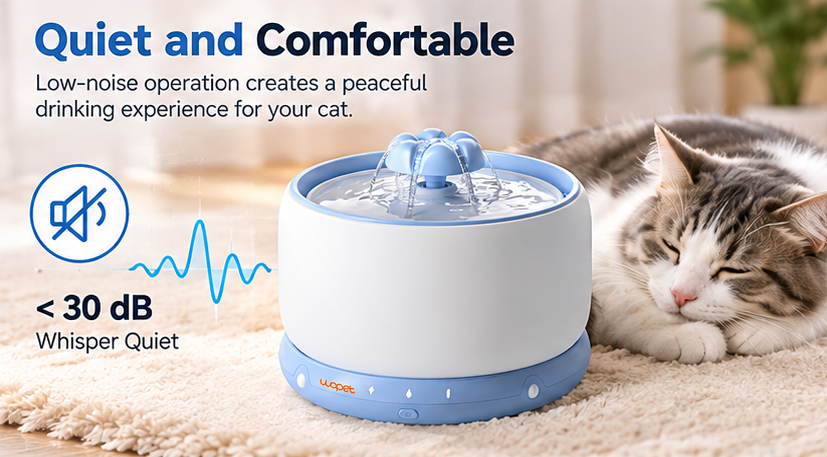
Noise comes from both the motor and falling water. A quiet pump can still produce noticeable splashing if the stream drops from a height. Low water can also make an otherwise quiet fountain gurgle.
Useful features include adjustable flow, a stable pump mount, a shallow return path, and a level indicator that is easy to see. Check whether reviews distinguish motor hum from water sound.
8. Check Filter Design and Ongoing Availability
Ask what the filter is designed to do, how often the manufacturer recommends replacement, and whether replacements are readily available.
Avoid treating a filter as a purifier. It may catch hair and debris or use carbon and other media to affect taste and odor, but it does not eliminate the need for water changes and cleaning.
Calculate ownership cost using the recommended replacement schedule—not only the purchase price. Also check whether the pump pre-filter, main filter, and any cleaning brushes are separate items.
9. Look for Practical Safety Features
Depending on the design, useful features may include:
• low-water shutoff or dry-run protection;
• a protected charging port;
• clear battery and water-level indicators;
• stable, tip-resistant construction;
• separated wet and electrical modules;
• chew-aware cable routing;
• clearly stated charging requirements.
Features reduce risk only when owners follow the instructions. Read are wireless cat water fountains safe for a complete inspection and use checklist.
10. Verify Replacement Parts, Warranty, and Support
A fountain is a small appliance with consumable and moving parts. Before buying, check whether you can obtain:
• correct replacement filters;
• an approved charging cable;
• a compatible pump, if replaceable;
• seals or small parts;
• a downloadable manual;
• troubleshooting help;
• warranty and return information.
Clear support matters when a pump stops, an indicator behaves unexpectedly, or a battery no longer holds its previous charge.
Buy WOPET W03 Blue WIreless Cat water fountain on Amazon
The Five Features That Matter Most
If a product page feels overwhelming, compare five items first: runtime in the mode you will use, access to the pump for cleaning, water access between pump cycles, replacement-filter availability, and clear charging instructions. Use the remaining features to break a tie.
Rechargeable Fountain Comparison Checklist
|
Feature |
What to verify |
Why it matters |
|
Battery runtime |
Mode-specific estimate |
Prevents misleading comparisons |
|
Charging |
Approved input and cable |
Supports predictable, safer use |
|
Capacity |
Usable volume and level visibility |
Affects refill routine |
|
Drinking surface |
Width, depth, backup access |
Affects cat comfort and access |
|
Material |
Food-contact information and finish |
Affects durability and cleaning |
|
Pump |
Noise, access, replacement |
Affects flow and maintenance |
|
Filter |
Function, schedule, availability |
Affects ongoing cost and care |
|
Safety |
Low-water protection and a protected charging port |
Helps reduce common problems |
|
Support |
Manual, parts, warranty |
Extends practical product life |
Wireless or Corded: Which Is Better?
Choose wireless when flexible placement and fewer exposed cords are high priorities and you can maintain a charging schedule. Choose corded when steady continuous flow matters more and the outlet location can be managed safely.
Neither type is automatically better for hydration. The better fountain is the one the cat accepts and the household maintains consistently.
As of September 18, 2026, WOPET lists both wireless and corded designs in its pet water fountain collection, including wireless W03 and W600 Pro models. Check the current product page for specifications, availability, and included parts before purchase.
Questions to Ask Before Checkout
• What mode will I actually use?
• How often will that mode need charging in my home?
• Can I take apart and clean the pump?
• Is the reservoir large enough without encouraging stale water?
• Will my cat have access to water between pump cycles?
• Can I buy filters and approved parts later?
• Is the charging port easy to keep dry?
• What backup water source will I provide?
If several answers are unclear, keep comparing.
Frequently Asked Questions
Is a bigger battery always better?
No. System efficiency, mode, weight, charging time, and product design also matter. Compare the documented runtime for your intended mode.
Is stainless steel better than ceramic?
Both can be suitable. Focus on construction quality, intact surfaces, cleanability, weight, and your cat’s preference rather than material alone.
Do rechargeable cat fountains work without power?
They operate without a wall connection while the battery has charge. They still require periodic charging and may stop at a low-battery cutoff.
How many filters should I buy?
Use the manufacturer’s replacement interval and consider water quality, number of pets, and debris load. Avoid stockpiling before confirming the exact compatible filter.
Should I buy a fountain if my cat already drinks from a bowl?
A fountain is optional. Some cats enjoy moving water; others prefer a bowl. You can offer both and observe actual use.
How to Make the Final Choice
A rechargeable cat water fountain should fit the household’s maintenance routine as well as the cat’s drinking preference. Compare mode-specific runtime, cleanability, drinking access, material, noise, filter supply, safety design, and support. The best purchase is not the fountain with the longest headline number; it is the one you can keep charged, clean, filled, and available every day.
Label:
Popular Post
The Ultimate Guide to Tabby Cats: Patterns, Personalities, and More
Mar 27, 2025
Top 8 Reasons Why Does My Cat Sleep Between My Legs?
Mar 03, 2025

What to Do If My Dog's Poop Is Black But Not Tarry
Feb 04, 2023
Superfecundation Cats: When Kittens in One Litter Have Different Fathers
Jul 11, 2025
How Long Does Dry Cat Food Last Once Opened? A Comprehensive Guide
Mar 19, 2025
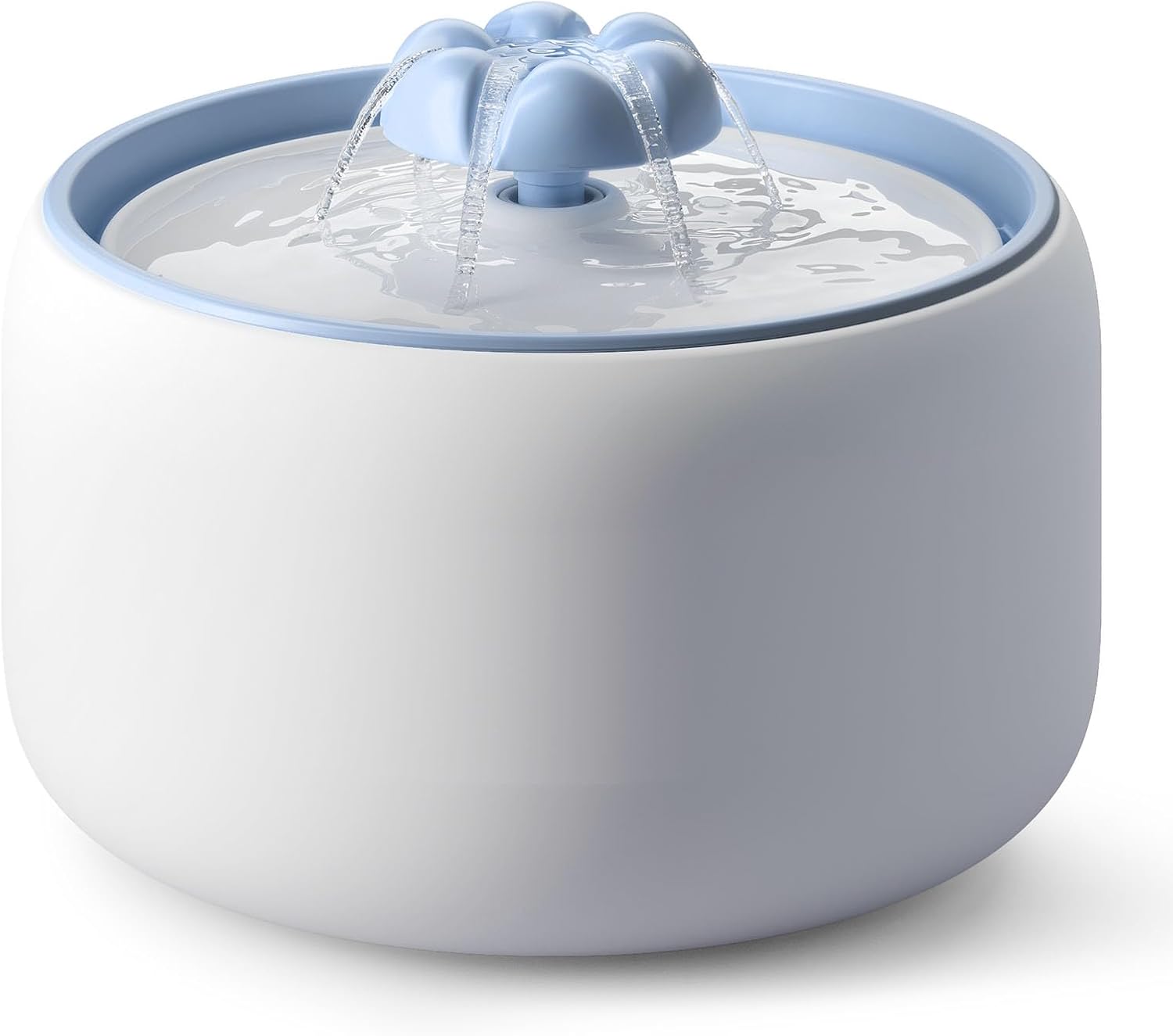
[Blue] W03L 3L Premium Ceramic Cat Water Fountain
Model: W03 LITE
$59.99
$69.99
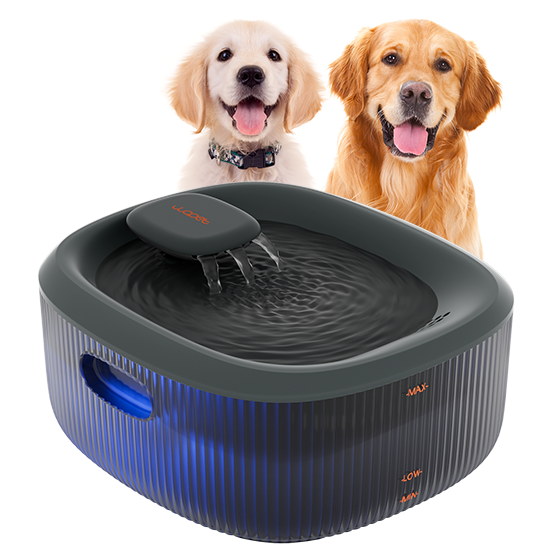
Basin Pet Water Fountain-W600
Model: W600
$43.99
$69.99
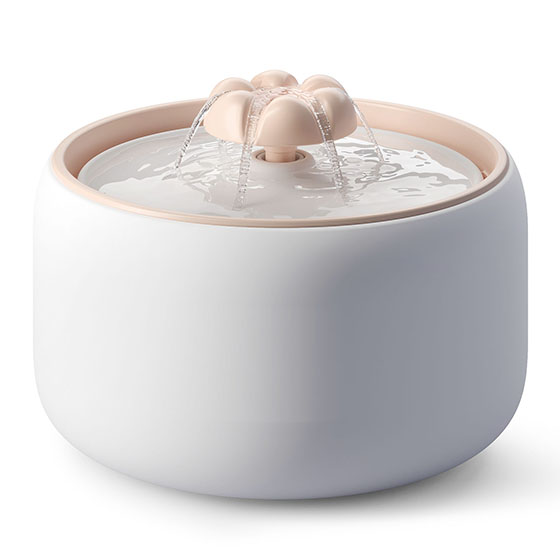
[Basic] Ceramic Pet Water Fountain with Power Cable
Model: W03L
$59.99
$99.00
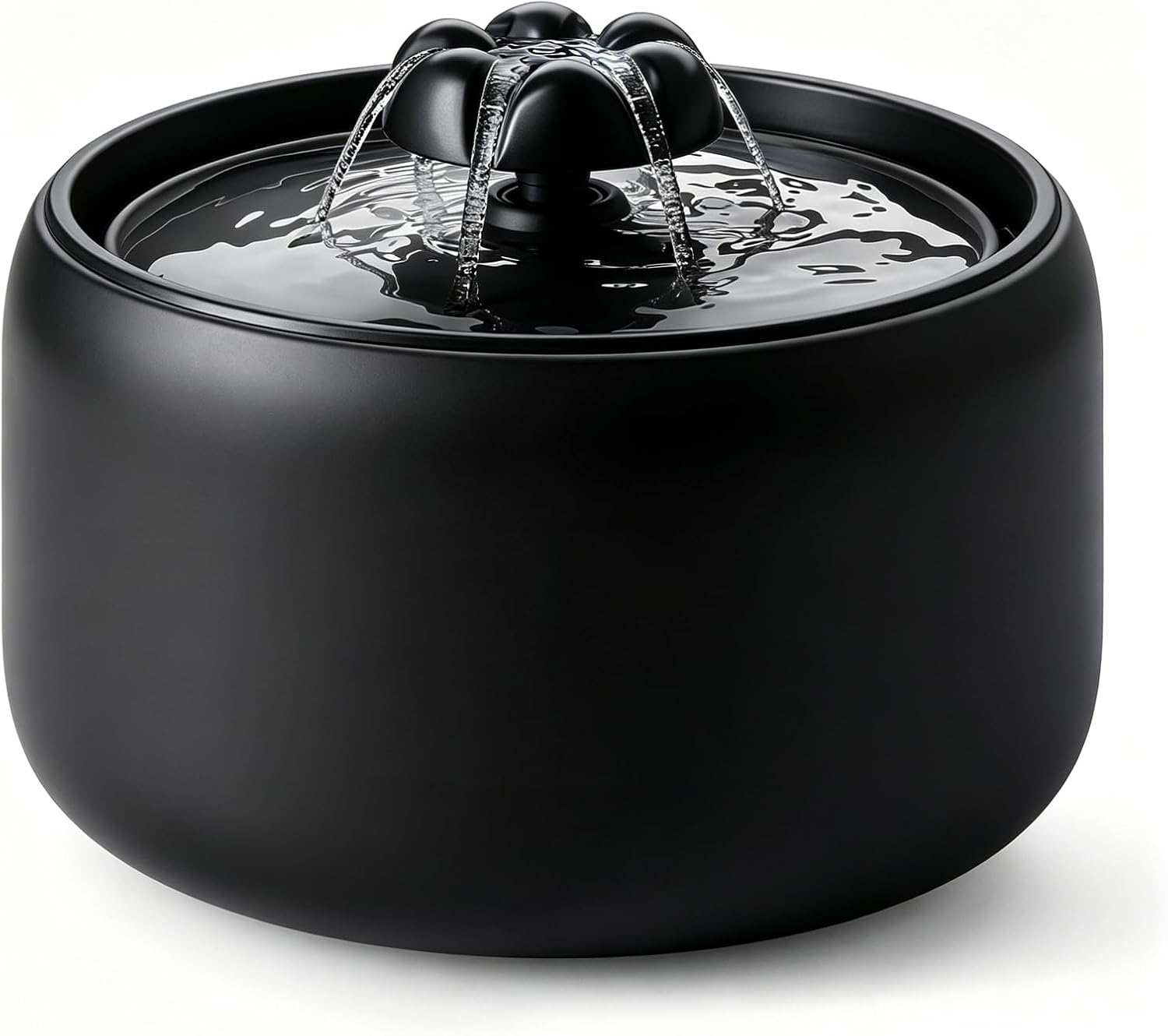
[Black] W03L 3L Premium Ceramic Cat Water Fountain
Model: W03L Black
$59.99
$69.99
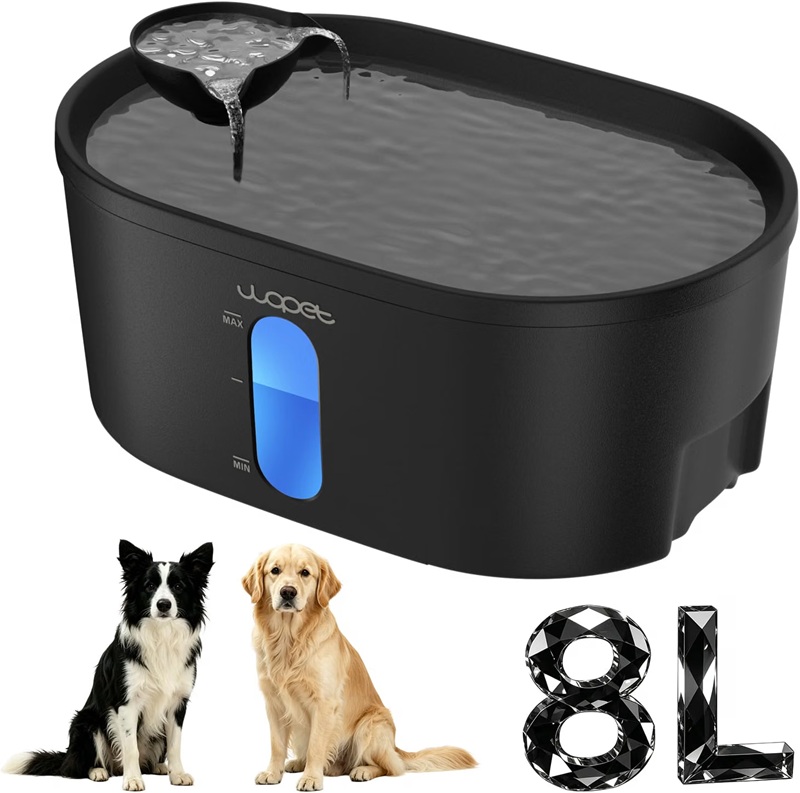
WOPET 8L Pet Water Fountain For Multiple Cats or Large Dogs A08
Model: A08
$49.99
$59.99
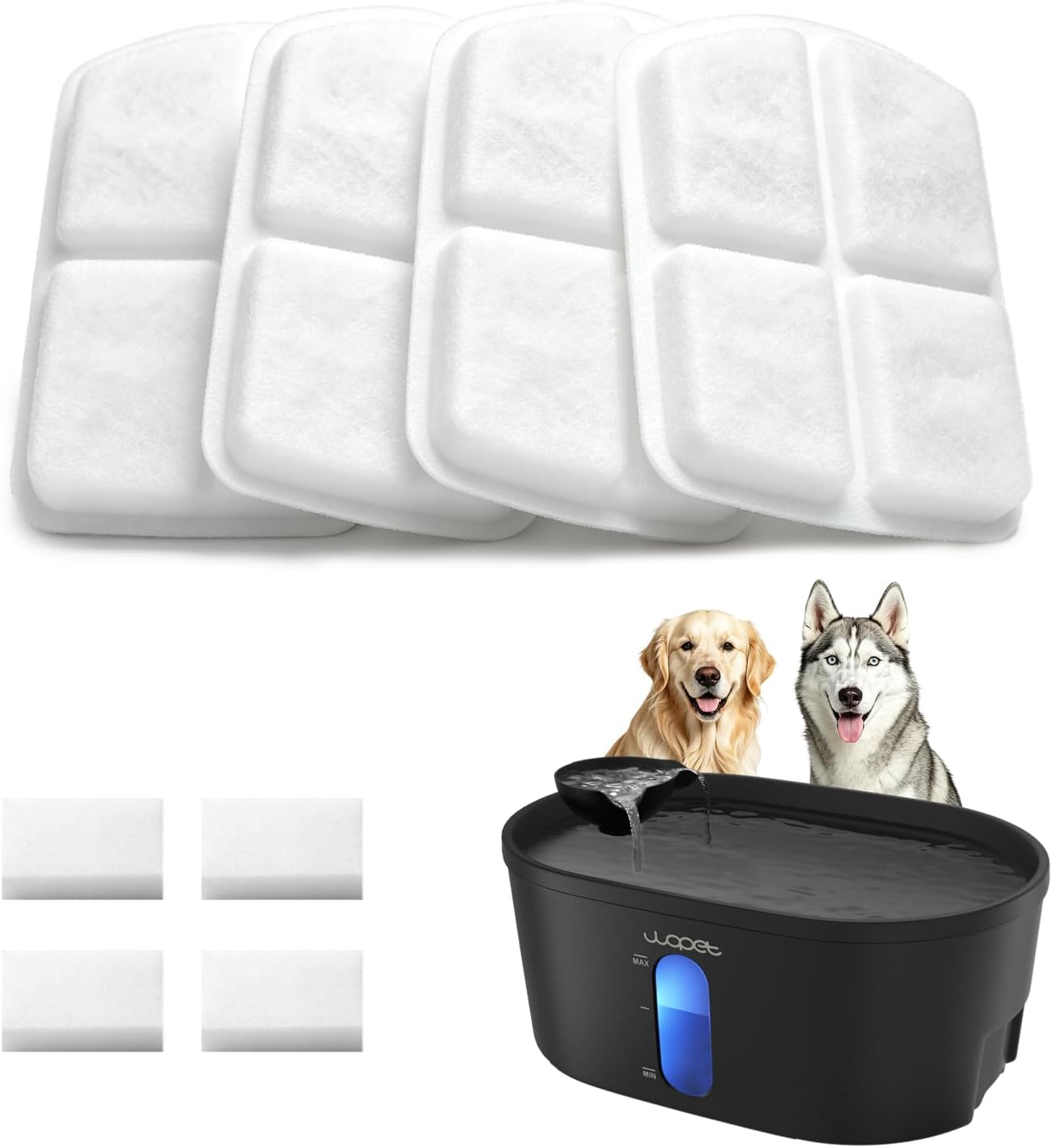
WOPET A08 Dog Water Fountain Filters
Model: A08 Filter
$19.99
$29.99

DOWNLOAD APP

WOpet life




Copyright © 2026 WOPET. All Rights Reserved.