Oct 12, 2026
Author:Sam Wonder
Many cats prefer moving water because motion adds sound and reflections, makes the surface easier to notice, and invites investigation. Circulation may also affect temperature or taste, depending on the fountain and room. But this is a preference, not a rule: some cats happily drink from a still bowl.
The practical lesson is simple: offer clean water in a form your cat reliably uses. A fountain can be useful, but it is not automatically healthier than a well-maintained bowl.
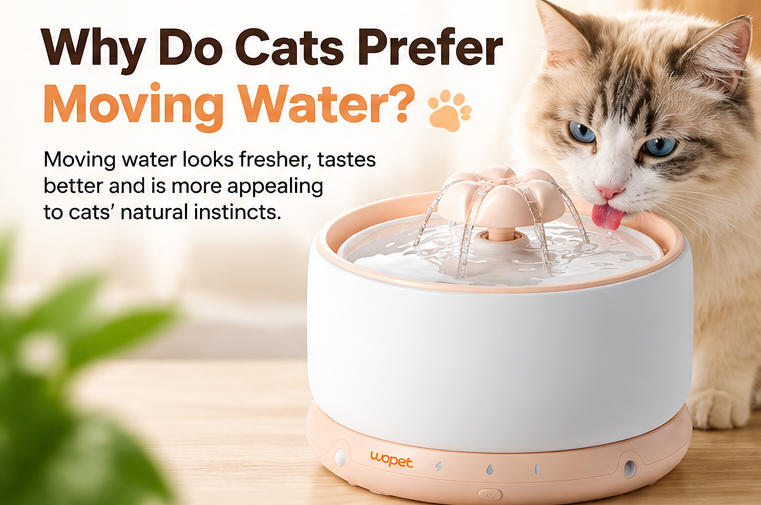
Moving Water Is Easier to Detect
Clear, still water can visually blend into a bowl. A ripple or falling stream creates highlights, reflections, and changing edges that help a cat locate the surface. The quiet sound of circulation adds another cue.
That may explain why a cat touches the water before drinking or notices a running faucet from across the room. It does not mean the cat cannot see still water; movement simply provides more sensory information.
Circulation Can Affect Freshness, Temperature, and Taste
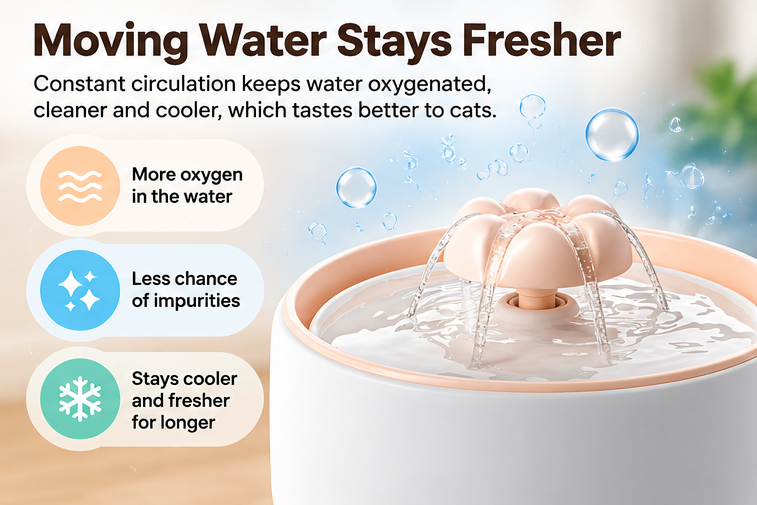
A fountain continually moves water through its system. Depending on the design and room conditions, circulation may keep the surface from feeling as still or warm as water left untouched in a bowl. A compatible filter may capture hair and visible debris and may affect odor or taste according to its design.
However, movement does not sterilize water. A fountain still collects saliva, food particles, hair, dust, and biofilm. Filters do not replace fresh refills or cleaning. If the full water path is neglected, a fountain can become less appealing than a clean bowl.
VCA recommends washing and rinsing drinking containers regularly, changing water frequently, and experimenting with bowl types because cats have individual preferences.
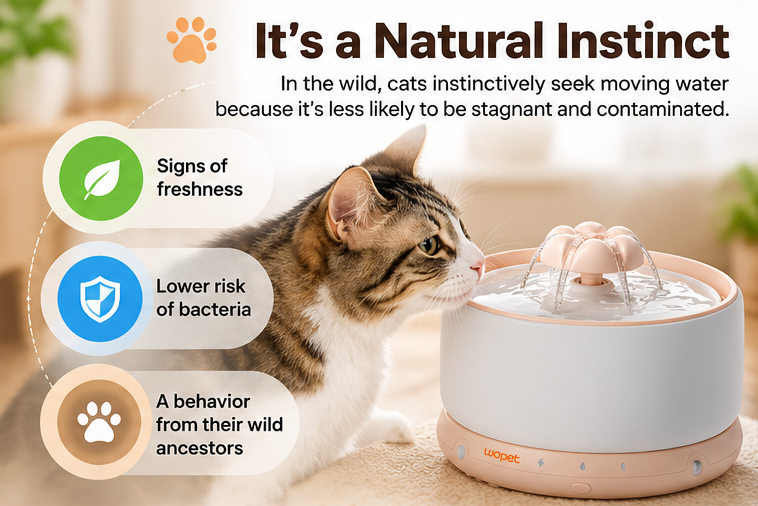
The Stream Can Be Interesting
Cats investigate objects that move or respond to touch. A small stream changes when a nose, tongue, or paw interrupts it, creating immediate feedback. For a curious cat, drinking may overlap with exploration.
That interest can encourage approaches to the water station, but it can also lead to splashing. If your cat treats the fountain like a toy, use a stable setup. WOPET’s guide to protecting floors under a cat fountain covers practical splash control.
Does Instinct Explain the Preference?
You may hear that cats avoid still water because stagnant water is unsafe “in the wild.” That is a plausible story, but it is too broad to present as a proven explanation for every house cat. Domestic cats differ in early experience, environment, diet, age, health, and sensory preferences.
It is more accurate to say that moving water provides noticeable sensory cues and may remain appealing when it is kept clean. Your cat’s observed behavior is more useful than a universal evolutionary claim.
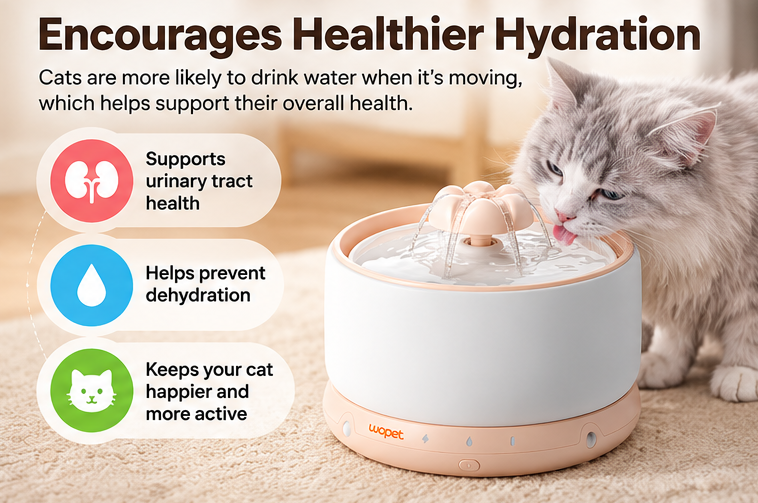
Do Water Fountains Make Cats Drink More?
They can help some cats, but no single device guarantees higher intake. Cat Friendly Homes and VCA both list fountains as an option for cats attracted to running water, alongside fresh water, suitable bowls, and moisture-rich food.
The result depends on the cat and the setup. A fountain may be ignored if it is noisy, dirty, hard to reach, placed near a litter box, or guarded by another pet. A simple wide bowl may work better for a cat that dislikes pump vibration or falling water.
Instead of assuming, compare behavior:
1. Place a clean bowl and a clean fountain in separate, safe locations.
2. Keep the water type and refresh schedule consistent.
3. Observe relaxed approaches and drinking over several days.
4. Avoid moving both stations repeatedly during the test.
5. Keep the option your cat uses reliably—or keep both.
What Type of Flow Do Cats Like?
There is no universal favorite. Common fountain patterns include a bubbling surface, low waterfall, exposed stream, or gentle circulation under a drinking tray. A cautious cat may prefer minimal movement; a cat that drinks from faucets may investigate a visible stream.
Choose a design with an accessible drinking area, stable base, manageable noise, and parts you can clean properly. WOPET’s guide to choosing a cat water fountain explains how material, capacity, noise, and cleaning requirements affect the decision.
How to Introduce Moving Water Without Stress
Place the new fountain in a quiet, open location and keep the familiar water bowl available. Let your cat inspect the fountain while it is off, then introduce the lowest normal flow if the model allows adjustment. Do not carry the cat to the unit, push its face toward the water, or put its paw in the stream.
Clean the fountain before first use and rinse it thoroughly. New-material or detergent odors can outweigh the appeal of movement. For a gradual routine, see WOPET’s guide on training a pet to use a water fountain.
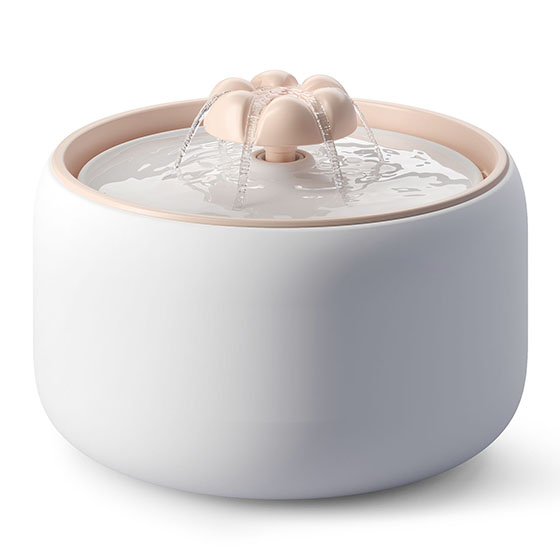
Buy WOPET W03 CERAMIC FOUNTAIN ON AMAZON
When Water Preference Changes Suddenly
A stable preference is different from a sudden behavior change. Contact your veterinarian if your cat abruptly drinks much more or less, visits the water station unusually often, struggles to drink, or shows changes in appetite, urination, energy, or weight.
A fountain can make drinking behavior easier to notice, but it cannot determine why the behavior changed.
Frequently Asked Questions
Why does my cat drink from the faucet but not a fountain?
The faucet may have a different sound, height, temperature, flow pattern, or location. The fountain may also have an odor, vibration, or narrow drinking area your cat dislikes.
Is moving water cleaner than bowl water?
Not automatically. Circulation and a compatible filter may help manage debris, but both fountains and bowls need fresh water and regular cleaning. A neglected fountain is not a clean-water shortcut.
Do all cats need a water fountain?
No. Cats need reliable access to fresh, clean water, not one specific device. A fountain is useful when the cat accepts it and the owner can maintain it correctly.
The Bottom Line
Cats may prefer moving water because it is noticeable, dynamic, and sometimes cooler or fresher-tasting. Individual preference matters most. Offer safe choices, keep every water source clean, and pay attention when drinking behavior changes suddenly.
Editorial Sources
• VCA Animal Hospitals: How to Get Your Cat to Drink More Water
• Cat Friendly Homes: How to Increase Your Cat’s Water Intake
Label:
Popular Post
Top 10 Most Expensive Cat Breeds in The World
May 07, 2025
The Ultimate Guide to Tabby Cats: Patterns, Personalities, and More
Mar 27, 2025
Can Cats Have Ice Cream? Dangers, Safe Flavors & Healthy Cat Treats
Sep 02, 2025
My Cat Only Eats A Little at A Time - What to Do?
Feb 27, 2023
Top 8 Reasons Why Does My Cat Sleep Between My Legs?
Mar 03, 2025
Basin Pet Water Fountain-W600
Model: W600
$43.99
$69.99
[Basic] Ceramic Pet Water Fountain with Power Cable
Model: W03L
$59.99
$99.00
WOPET 8L Pet Water Fountain For Multiple Cats or Large Dogs A08
Model: A08
$49.99
$59.99
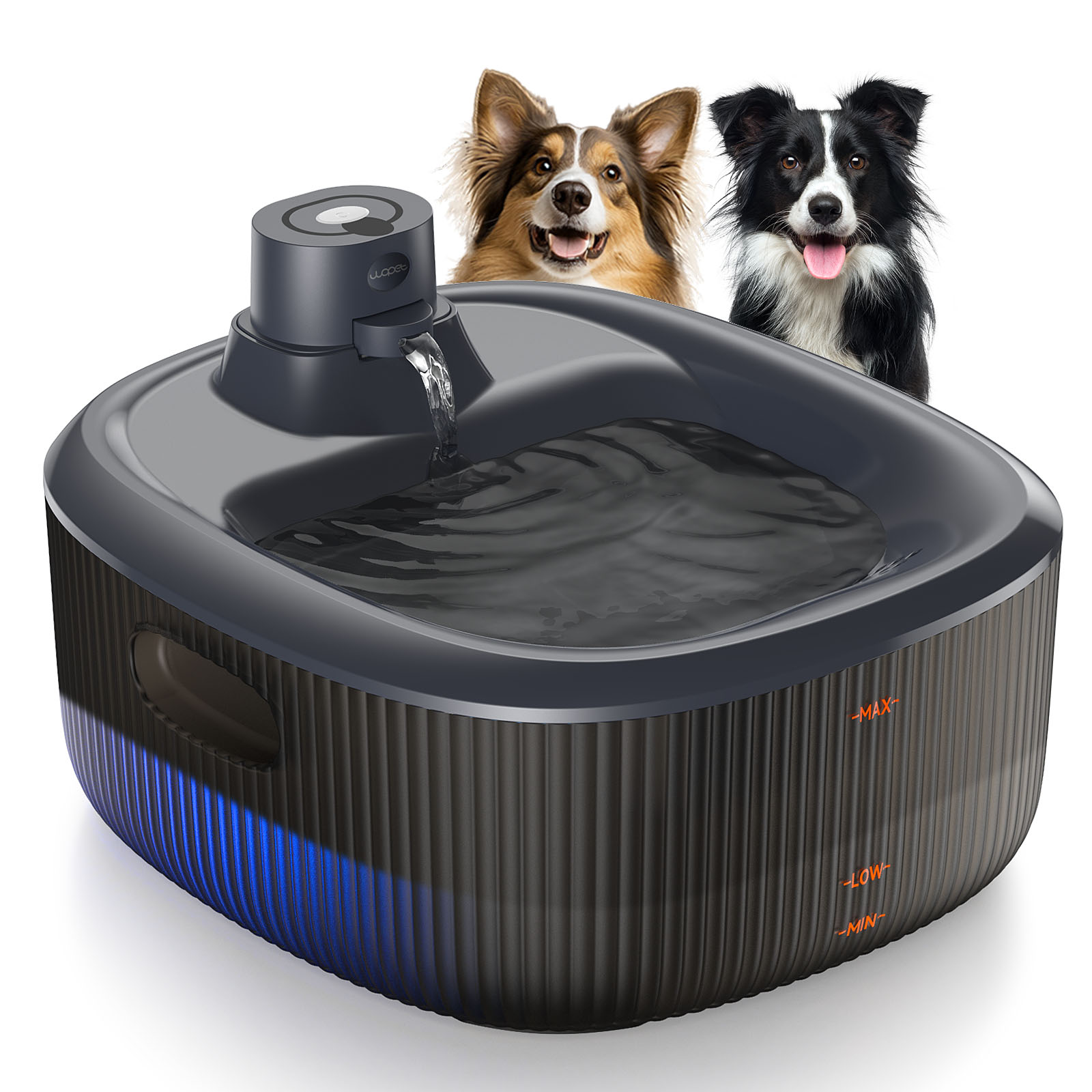
[Upgrade] Basin Wireless Pet Water Fountain
Model: W600 Pro
$69.99
$89.99
Heritage View Pet Feeder Dual Bowls For Two Cats
Model: HV10DP
$119.99
$149.99
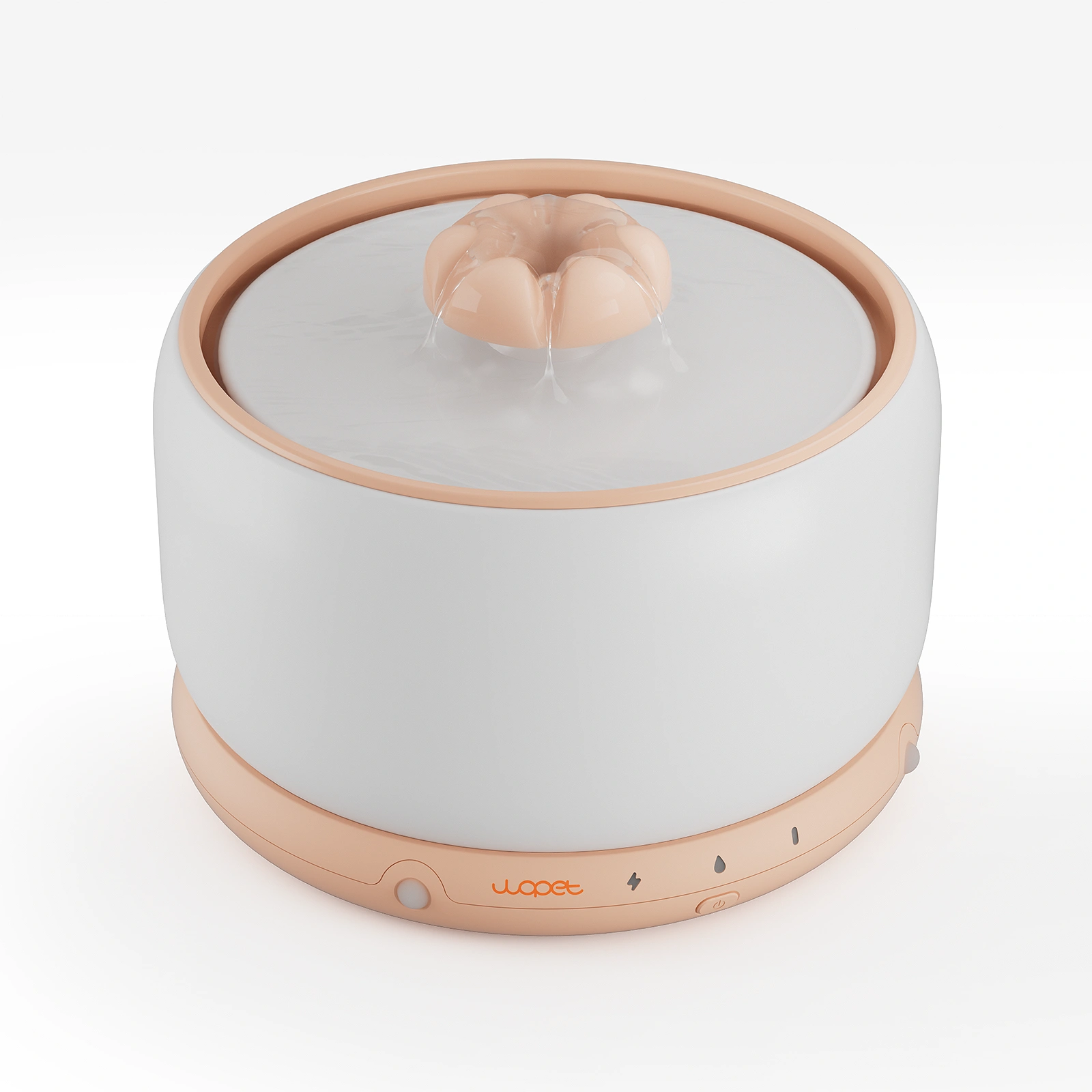
[New] Ceramic Wireless Pet Water Fountain W03
Model: W03
$89.99
$129.00

DOWNLOAD APP

WOpet life




Copyright © 2026 WOPET. All Rights Reserved.