Nov 13, 2026
Author:Jackson Watson
A good water fountain for an indoor cat is easy to reach, comfortable to drink from, and simple to clean. Moving water is an option some cats enjoy, not a requirement that every indoor cat shares. Start with your cat's reach, current drinking habits, and response to sound and movement. Then make sure the design fits a care routine you can maintain.
Indoor cats may spend years using the same rooms and daily routines, so small inconveniences deserve attention. A drinking surface that is awkward to reach or a pump that starts just as a cautious cat approaches may matter more than an extra app setting.
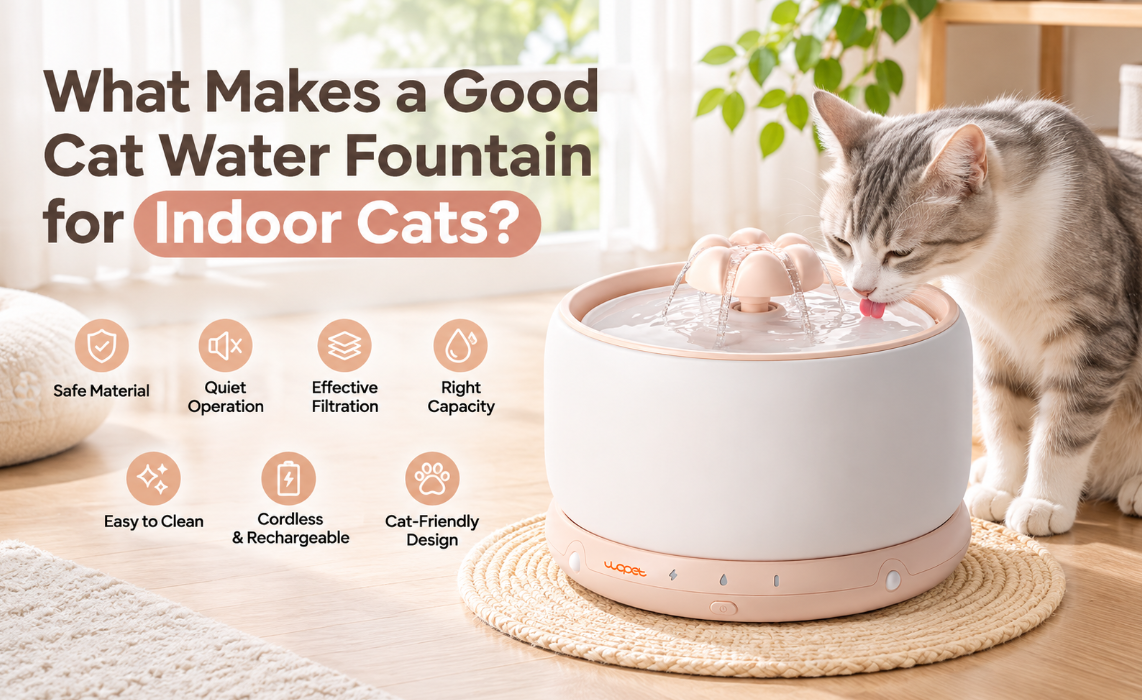
Does Your Indoor Cat Need a Fountain?
Consider trying a fountain if your cat regularly seeks moving water or if you want to offer another drinking option. If it already uses accessible, clean bowls comfortably, there is no need to replace them simply because it lives indoors. Keep the purchase tied to an observed preference or a practical need.
Cornell's feline hydration guidance notes that fountain preferences vary and that food contributes to water intake. That means the frequency of fountain visits is not a complete hydration assessment. A cat eating wet food may visit the fountain less often than one eating dry food, without those visits alone revealing its hydration status.
Be cautious with products described as preventing disease simply by circulating water. Moving water alone is not evidence that a fountain will prevent or treat a health problem. If you are shopping because drinking habits have changed, raise that change with your veterinarian. You can improve water access while also getting advice about the reason for the change.
Comfortable Drinking Access Comes First
Look at the part of the fountain the cat will actually use. Can the cat reach the pool or stream without climbing, stretching awkwardly, or leaning against a tall rim? Does the base leave room for a natural standing position? Height and shape should be uated together instead of assuming an elevated or low-profile design is best for all cats.
A broad drinking area gives your cat more room to approach, but the rim height and depth still matter. An inset pool may be harder to reach than the overall dimensions suggest, and a decorative spout may occupy much of the surface. Product photos taken from the cat's side are often more useful than overhead lifestyle images. Check the drinking height rather than only the total height of the unit.
For a cat with mobility limitations, consider the route to the fountain as well as its shape. A comfortable drinking surface is less useful if reaching it requires jumping onto a counter. Discuss persistent difficulty bending or moving with your veterinarian rather than assuming a different bowl height will resolve it. A different drinking height may help with access, but it does not explain why movement has become difficult.
Flow Should Suit the Cat, Not Just Look Appealing
Some cats approach a falling stream, while others use a quieter pool beside it. Watch how your cat drinks from existing sources before deciding which design to try. A strong interest in a bathroom faucet may suggest that moving water is worth offering, but it does not guarantee acceptance of a particular fountain. The sound, height, surroundings, and stream shape are different.
Check whether flow is adjustable and which adjustments the manufacturer permits. Do not block outlets or modify the water path to create a preferred effect. If a model offers both a surface pool and a stream, examine whether the pool remains usable when the pump stops. That feature must be confirmed for the exact design rather than assumed from photographs.
Power and flow are separate choices. A battery-powered fountain may operate intermittently, while a plug-in model may offer several modes. For sensor mode, check whether the fountain detects your cat from the side it normally approaches. If the listing leaves this unclear, ask for the manual or a demonstration before purchasing.
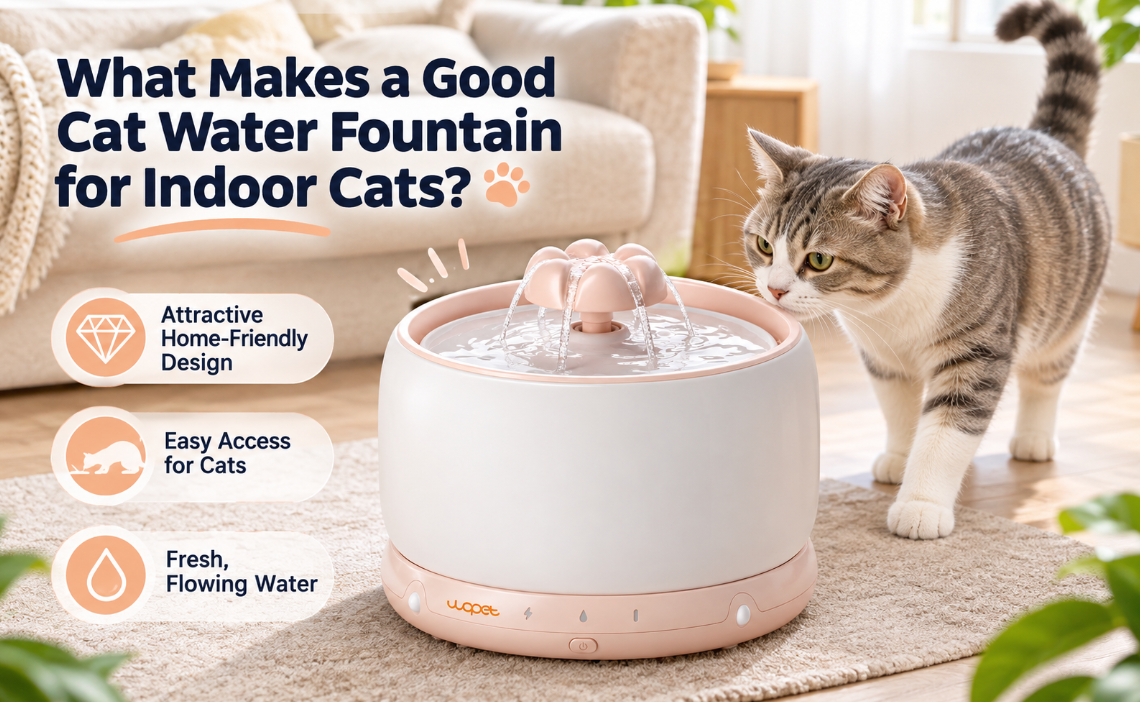
Buy WOPET W03 CERAMIC CAT WATER FOUNTAIN ON AMAZON
Predictable Sound Matters in Shared Rooms
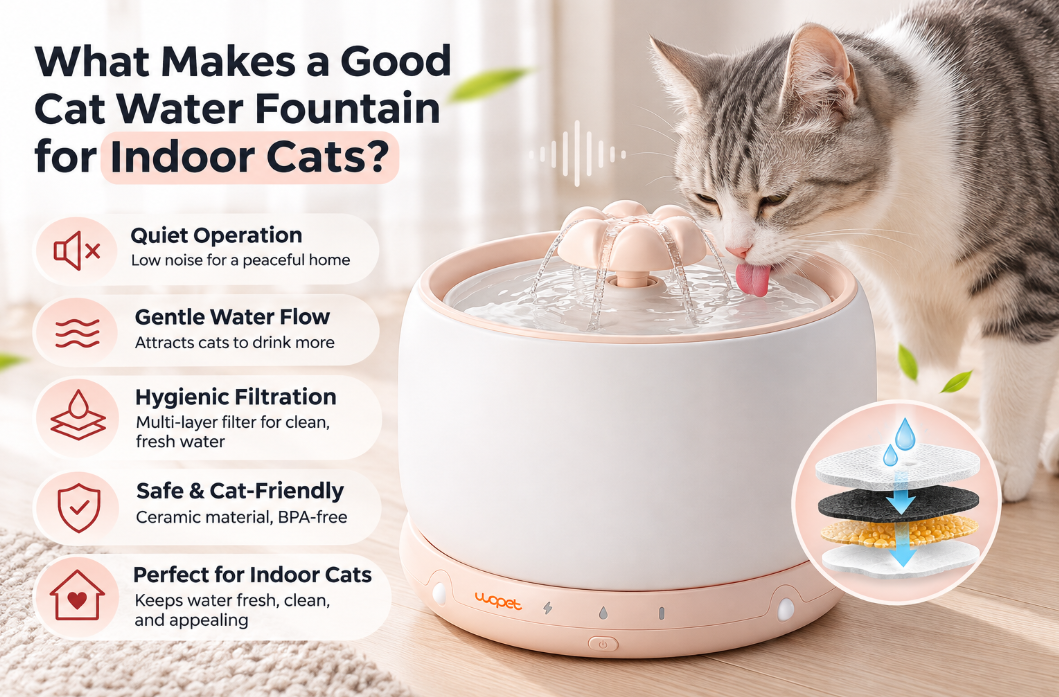
Indoor fountains often operate near the places people sleep, read, or work. Listen for more than the motor: water falling into the basin and vibration through furniture can also contribute to the sound. “Quiet” is a comparative description unless supported by a meaningful measurement method. A low number without the measurement distance or operating conditions does not tell you what you will hear at home.
Watch what happens after a sound, rather than treating every glance as a problem. Does your cat pause and then drink, or repeatedly leave when the pump starts? Keep another water source available while you investigate. Before cleaning or servicing the fountain, unplug it and switch off or disconnect battery power as the manual directs; unplugging alone may not stop a battery-powered pump.
If the fountain sits in a bedroom, choose a location that works for both occupants. If a light would bother you at night, check whether you can turn it off without stopping the water flow. Do not make your cat's only water option unavailable because the fountain disturbs your sleep. Keep another clean water source available while you adjust the setup.
Choose a Fountain You Can Clean Easily
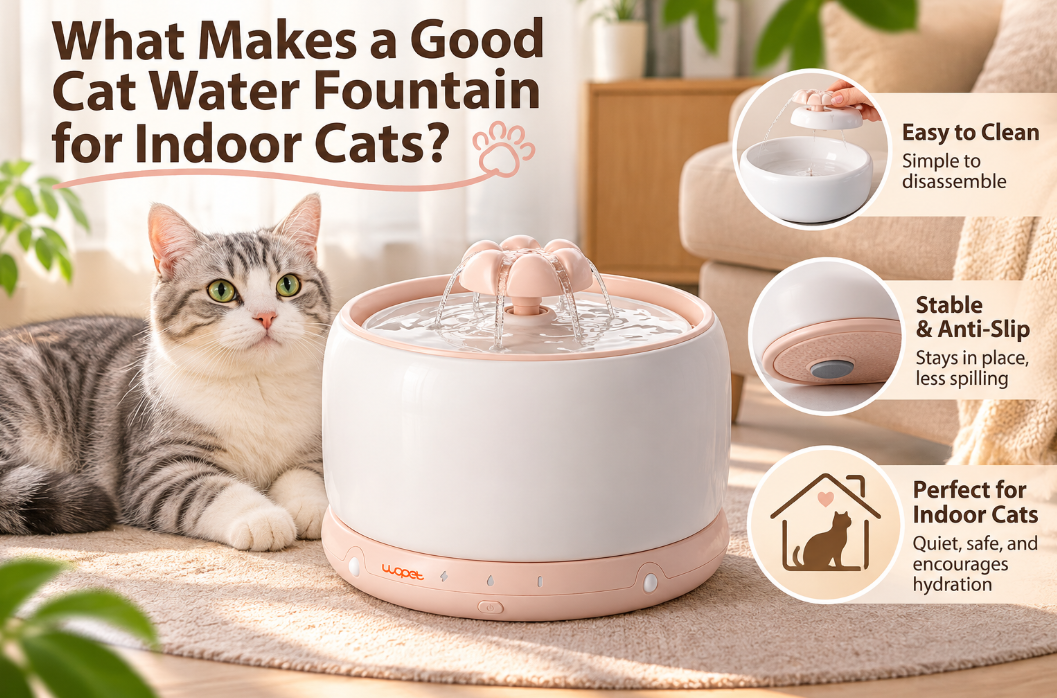
Look for removable parts, visible water pathways, and instructions that show how routine maintenance works. A smooth drinking tray is useful, but the reservoir, corners, seals, and pump housing also deserve attention. Ask whether you can reach the relevant surfaces with the recommended cleaning tools. A fountain that is attractive when assembled may be frustrating to take apart.
The CDC advises cleaning pet water bowls daily and following the item's care directions. Apply fountain-specific instructions to its separate components, including anything that must remain dry. Filters do not replace washing, and a clean-looking stream does not tell you the condition of hidden surfaces.
Material labels are only one part of this decision. Stainless steel, ceramic, and plastic designs vary in construction and care requirements. Check the materials of the parts that contact water, not just the visible top, and do not assume a material name makes every piece dishwasher-safe. Inspect for damage and follow the manufacturer's guidance on replacement.
Choose Features Around the Cat You Have
The following examples show how the same product feature can matter differently from one home to another. They are shopping considerations, not diagnoses or promises about how a cat will respond.
|
What you observe |
A useful design question |
What not to assume |
|
Your cat drinks comfortably from a wide bowl |
Is there an accessible pool as well as a stream? |
A fountain must completely replace the bowl |
|
Your cat hesitates at sudden starts |
Is there a supported steady-flow setting? |
Sensor operation is automatically more comfortable |
|
Your cat has trouble reaching certain surfaces |
What is the actual drinking height and approach? |
Every raised fountain improves posture |
|
Your cat paws at water |
Is the base stable, and can you inspect surrounding spills? |
Pawing proves the cat wants a stronger stream |
|
Your cat avoids a room when another pet is present |
Is there a water source in another comfortable area? |
A bigger reservoir fixes the access problem |
|
Your cat drinks from several places |
Can existing choices remain available during introduction? |
Every visit has to shift to the new fountain |
If you have several cats, uate each one rather than choosing around the most confident animal. Our guide to how many fountains a multi-cat household needs focuses on that access decision. One model does not have to meet every preference in the home, and some locations may work well with bowls.
A Fountain Is One Part of the Indoor Environment
An indoor cat's environment includes far more than its water equipment. The Ohio State University Indoor Pet Initiative offers a basic indoor cat needs checklist to help owners consider the broader home setup. Use that perspective to avoid expecting one purchase to solve unrelated needs for rest, play, scratching, or comfortable space.
A fountain may attract curiosity, but watching or pawing at water is not the same as drinking it. Keep play options separate so the water source can remain available for its main purpose. If vigorous play causes spills, inspect the surroundings and review the model's approved settings. Do not restrict access to drinking water as a way to discourage the behavior.
Placement should support everyday access. Avoid a location that frequently disappears behind a closed door or becomes crowded during household activity. For a room-by-room assessment, see the cat fountain home setup guide. That guide addresses outlet access and layout in more detail than a product feature list can.
Make Daily Water Checks Easy
A clear water-level indicator can make a quick daily inspection easier. It should be readable where you plan to place the fountain, without moving furniture or lifting the unit. Automatic low-water protection can be useful when included, but it is a backup feature, not a substitute for checking water. Confirm what the model does after it stops and what is required to restart it.
Apps and s are optional conveniences. Before paying more, determine whether they report device status, visits, or a measurement of water use, and what happens when the network is unavailable. A household with several cats also needs to know whether information is individual or shared. Do not treat a graph as a diagnosis or assume every visit represents a drink.
Keep a separate bowl clean and filled, even if your cat usually chooses the fountain. It provides water while you charge, clean, or troubleshoot the unit. Check both sources daily; a large tank or long battery life does not tell you whether the water is clean or accessible.
Introduce the Fountain Without Pressure
Set up and clean the fountain according to its instructions, then place it in a suitable location while leaving familiar water available. Let your cat approach voluntarily. Avoid carrying the cat to the fountain repeatedly or placing its face near the stream.
If your cat does not use the fountain, change one thing at a time, such as its location or a supported flow setting. Note whether the cat drinks, only investigates, or leaves when the pump starts. Keep the other water sources in place. Those observations can help you choose the next adjustment without mistaking curiosity for regular use.
Keep a simple note of setup changes and comfortable drinking you actually observe. It can help you compare locations, but it is not an intake measurement. Ask your veterinarian about unexplained changes in drinking or urination.
Check the Ownership Details Before Ordering
When comparing the WOPET fountain range, make a short list based on drinking access, care, and power requirements. Read the exact model instructions instead of transferring a feature from another product in the collection. Check what is included in the box and whether the return terms allow a meaningful assessment after setup.
Next, locate the matching supplies in WOPET accessories. Confirm the filter model, package quantity, and any user-replaceable pump or other parts. Before buying, make sure you can identify and order the supplies you will need. Choose a system you can care for without repeated guesswork.
Frequently Asked Questions
Do indoor cats need a water fountain?
Not all indoor cats need one. A clean, accessible bowl can be suitable, and some cats prefer it. A fountain lets you offer moving water while keeping familiar sources available and watching what your cat prefers.
Is a quiet fountain better for indoor cats?
Low operating noise can be useful in shared living spaces, but the cat's response and the sound pattern matter too. Sudden starts, splashing, and vibration may be more relevant than a “quiet” label. Look for comfortable use rather than assuming one noise description suits every cat.
What material should an indoor cat fountain use?
Choose a well-made design with suitable water-contact surfaces and clear care instructions. Material alone does not determine cleaning access, durability, or comfort. Check all wet components and whether the pieces you want to wash in a dishwasher are specifically approved for it.
Will a fountain make my indoor cat drink more?
A fountain may encourage some indoor cats to drink more, but preferences vary. Fountain visits are not a complete measure of intake, and food contributes water as well. Consult your veterinarian if you are concerned about hydration or a change in drinking.
Should I remove the old bowl after buying a fountain?
Keep the old water bowl available during introduction, and consider keeping it clean and filled as an alternative afterward. It provides choice and remains useful when the fountain is being cleaned or charged. Acceptance of a new device should not depend on withholding familiar water.
Choose for Everyday Comfort
A worthwhile indoor cat fountain makes drinking convenient without making care complicated. Prioritize a usable drinking surface, suitable flow, accessible placement, and cleaning you can keep up with. Optional features earn their place when they solve an actual household need, while your cat's regular behavior remains the most useful guide to whether the setup fits.
Summary
A useful indoor cat fountain fits the individual cat and the household's daily routine. Learn how to assess drinking comfort, sound, water flow, cleaning access, and introduction without assuming every cat needs moving water.
Label:
Popular Post
Top 8 Reasons Why Does My Cat Sleep Between My Legs?
Mar 03, 2025

What to Do If My Dog's Poop Is Black But Not Tarry
Feb 04, 2023
Superfecundation Cats: When Kittens in One Litter Have Different Fathers
Jul 11, 2025
Can Cats Have Orange Eyes? Genetics, Breeds, and Care Guide
May 20, 2025
How Long Does Dry Cat Food Last Once Opened? A Comprehensive Guide
Mar 19, 2025
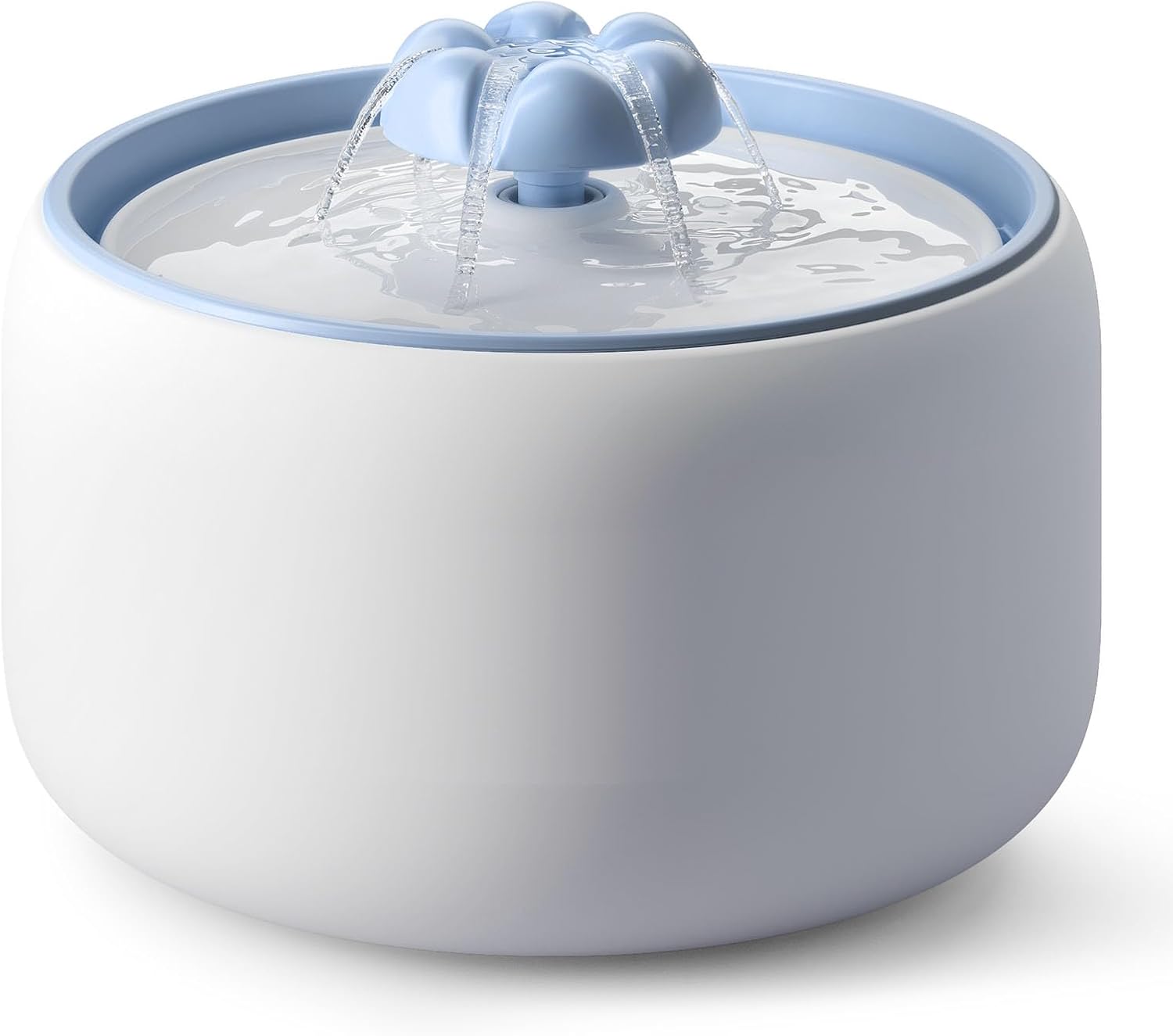
[Blue] W03L 3L Premium Ceramic Cat Water Fountain
Model: W03 LITE
$59.99
$69.99
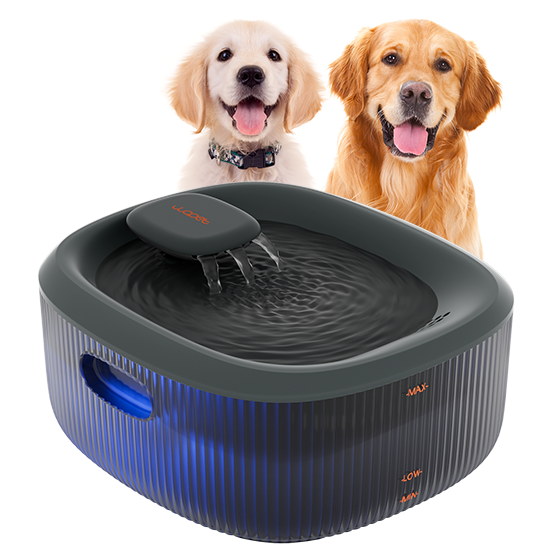
Basin Pet Water Fountain-W600
Model: W600
$43.99
$69.99
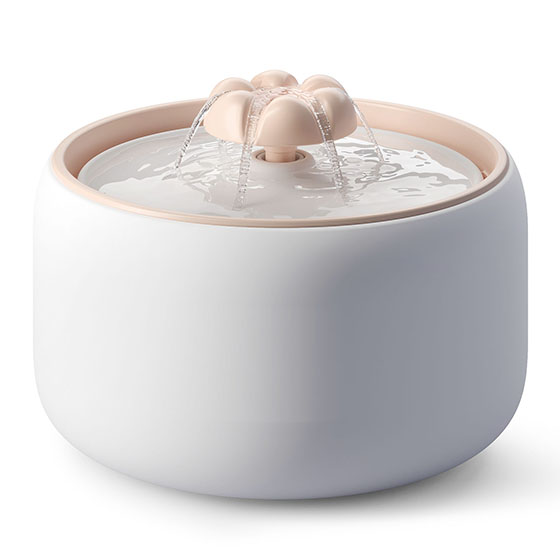
[Basic] Ceramic Pet Water Fountain with Power Cable
Model: W03L
$59.99
$99.00
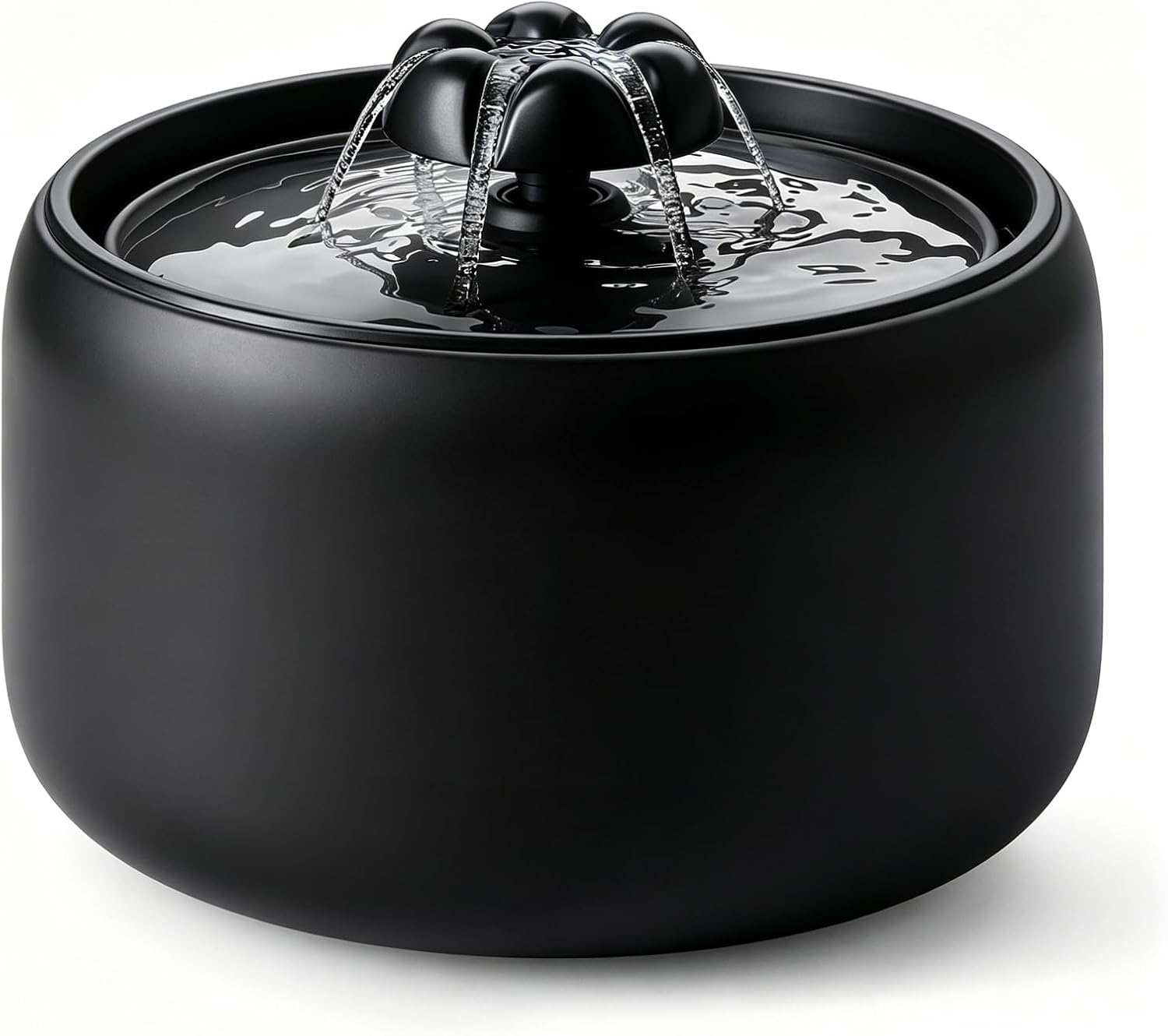
[Black] W03L 3L Premium Ceramic Cat Water Fountain
Model: W03L Black
$59.99
$69.99

WOPET 8L Pet Water Fountain For Multiple Cats or Large Dogs A08
Model: A08
$49.99
$59.99
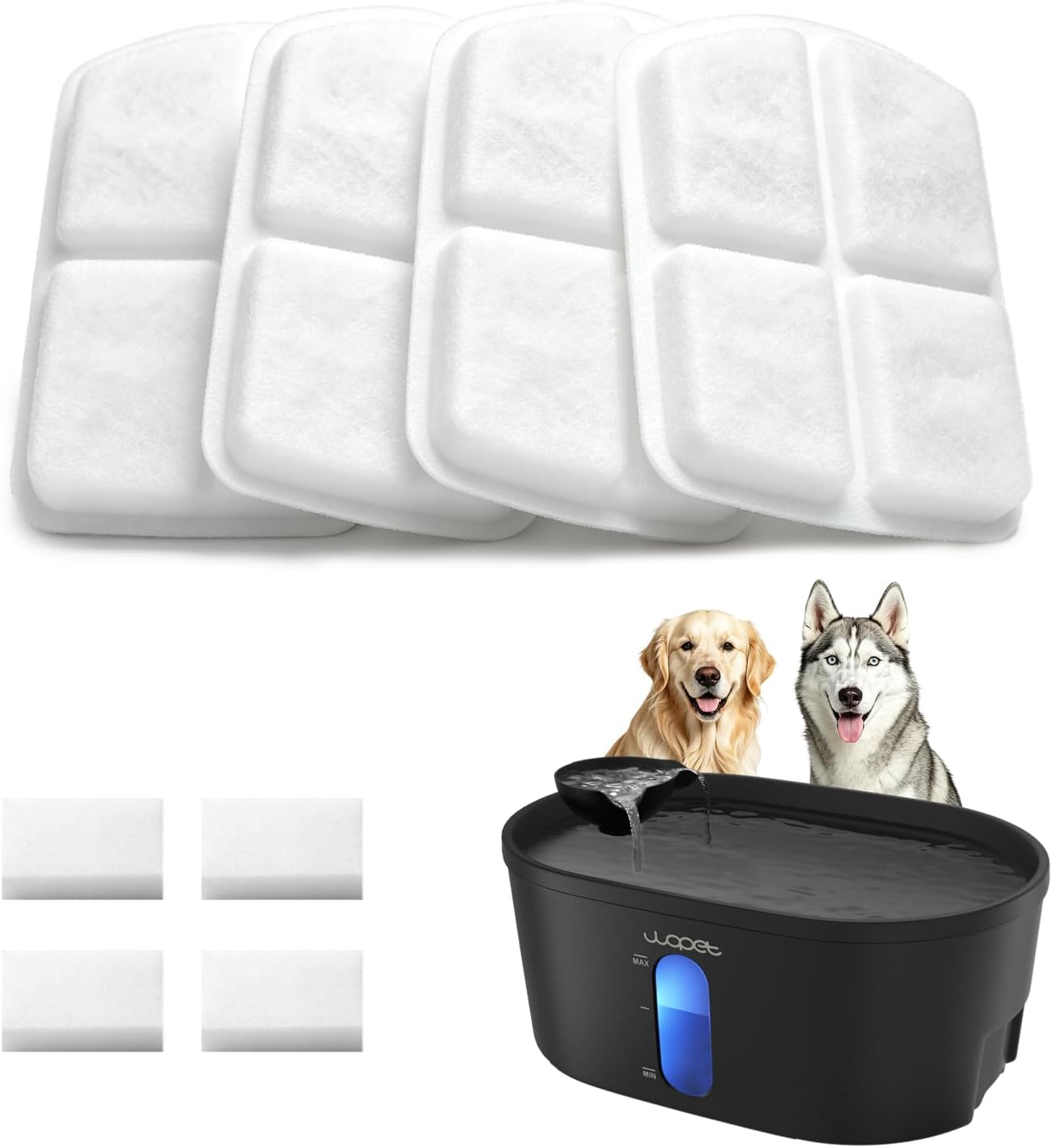
WOPET A08 Dog Water Fountain Filters
Model: A08 Filter
$19.99
$29.99

DOWNLOAD APP

WOpet life




Copyright © 2026 WOPET. All Rights Reserved.