Nov 09, 2026
Author:Sam Wonder
There is no single right number of fountains for every multi-cat home; each cat needs comfortable access to clean drinking water. If all your cats drink from bowls that you keep clean and filled, a fountain is optional. If they share moving water comfortably, one fountain alongside separate bowls may work. Consider another fountain when a cat prefers moving water but cannot comfortably use the first location.
Start by counting usable drinking locations, then decide which of them would benefit from a fountain. That distinction keeps you from buying several machines that all end up in one corner. It also prevents a large reservoir from becoming the household's only option, even when the water volume seems more than sufficient.
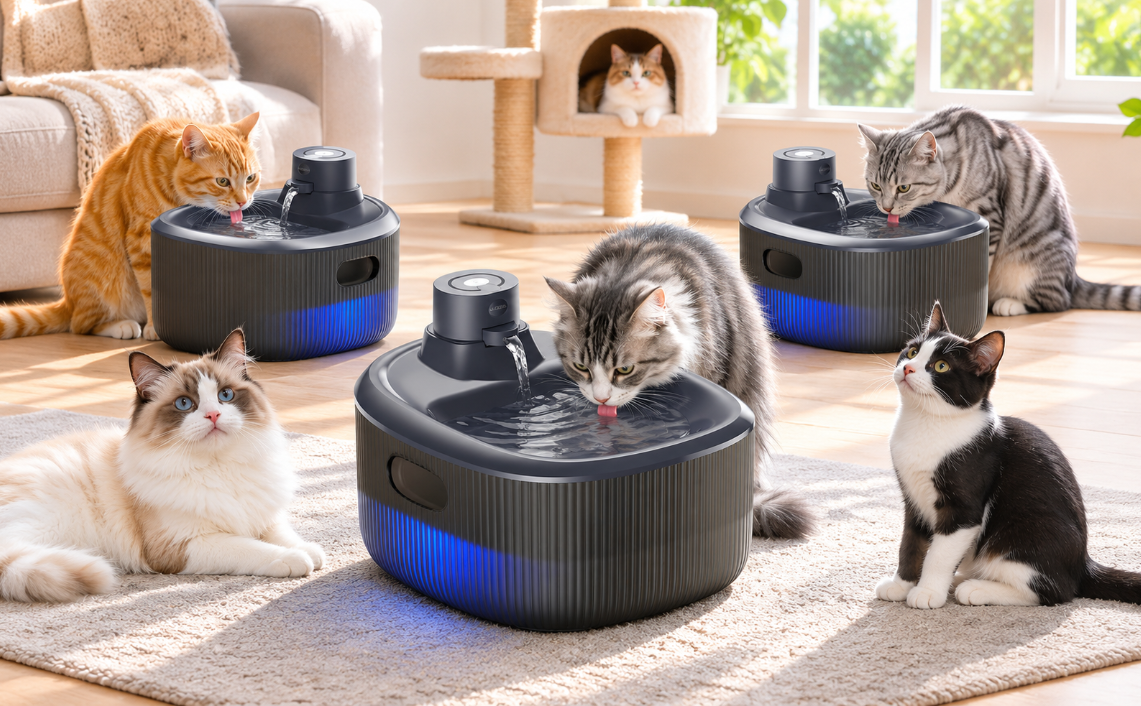
Count Drinking Locations Before Counting Fountains
A water source is a place where a cat can actually drink. A fountain may provide one such location, while a bowl in another room provides another. Several spouts on one fountain create different drinking positions, but they do not create separate locations if every cat must approach the same base through the same doorway.
The Feline Veterinary Medical Association identifies water among the key resources that should be available in multiple, separated locations. This is guidance about access and the home environment. It does not prescribe one powered fountain per cat or a fixed fountain count for every home.
Do not turn a general resource-count rule into a required number of electric fountains. Count only sources that stay filled, clean, reachable, and available when needed. A bowl can meet those conditions as effectively as a fountain for a cat that willingly uses it. Evaluate the complete arrangement rather than the powered equipment alone.
Assess the Cats Before Shopping
Cats sharing an address do not necessarily use the home in the same way. One may spend most afternoons upstairs, another may stay close to a particular person, and a third may avoid the hallway when the dog is there. Their water arrangement should reflect those patterns instead of assuming that the middle of the home is equally convenient for all of them.
Cornell's hydration guidance notes that territorial conflicts can restrict access to water and that fountain preferences vary. Watch each cat individually rather than judging the arrangement by the busiest user. A fountain that one cat visits often can still be an inconvenient or uncomfortable option for a housemate.
You do not need to diagnose the relationship between your cats to notice an access problem. Look for repeated waiting, turning away when another animal appears, or drinking only after the room becomes empty. Those observations are reasons to reassess the arrangement, not proof of a specific behavioral disorder. If tension persists, ask your veterinarian about appropriate behavior support.
A Practical Way to Decide on Fountain Numbers
Use the following sequence before buying another unit. It focuses on whether an added fountain solves a specific problem. The number you arrive at may change as cats age, household routines shift, or you learn more about their preferences.
1. List Every Current Drinking Location
Include fountains and bowls, noting the room, floor, and whether doors can block access. Do not count a bathroom faucet that someone occasionally turns on as dependable all-day access. Likewise, a bowl inside a room normally closed while you work is not an available alternative during those hours. Start with what the cats can use, not what is technically in the house.
Check the condition of each source as well. A bowl that is frequently empty or forgotten is a maintenance problem before it is a counting problem. Improve the existing arrangement where you can, then reassess the gaps. Buying another fountain will not automatically solve inconsistent care.
2. Identify Locations That Depend on the Same Route
Two sources side by side provide little location choice. The same can be true of sources on opposite sides of a small room if one animal controls the only entrance. Separation should provide a meaningful alternative route or area, rather than simply adding a few inches between bowls. Think about where a hesitant cat can go without passing the animal it is avoiding.
Furniture and doorways matter here. You might improve access by moving a bowl to a second room before considering another fountain. For help uating the physical space, use the home setup guide for cat fountains. A location that looks tidy to you may still be awkward from the cat's approach.
3. Check Which Cats Use Still and Moving Water
Keep existing water choices available and observe normal drinking behavior. Do not remove bowls to force a cat to use a fountain. If a cat willingly uses a clean bowl in its preferred area, another powered unit may add little practical value there. If it consistently chooses moving water, a fountain may be worth trying in a separate location.
Avoid treating one brief visit as a settled preference. Sniffing, watching, or dipping a paw does not tell you whether a cat will drink from the fountain regularly. Look for repeated drinking during ordinary household routines, while keeping familiar water sources available. Preference can also change with placement, sound, or the fountain's drinking surface.
4. Add Equipment to Address a Defined Gap
A second fountain has a clear purpose when it gives a moving-water option to a cat that cannot comfortably use the first. It may also be useful on another routinely occupied floor. By contrast, adding an identical fountain beside the existing one may increase capacity without addressing the reason a cat avoids that area.
Write down the intended benefit before purchasing: “Give the upstairs cat a moving-water option without a staircase trip” is specific enough to uate. “More fountains must be better” is not. After the change, watch whether access improves and whether you can keep both units in good condition.
Example Arrangements for Different Households
These examples illustrate the decision process, not minimum standards or recommendations for every home with the same number of cats. Keep additional water sources where needed, and adapt the arrangement to the animals rather than treating the table as a shopping list.
|
Household situation |
An arrangement to uate |
When another fountain may help |
|
Two cats that comfortably use bowls and moving water |
One fountain with bowls in separate usable locations |
A cat develops a clear preference for moving water in another area |
|
Two cats that avoid each other |
Separate water sources within each cat's comfortable area |
Both prefer fountains and neither can comfortably share one location |
|
Three cats using two floors |
Water sources on the floors they routinely occupy |
Cats on both floors prefer moving water |
|
Several cats with different routines |
Distributed bowls and fountains based on actual use |
A frequently used area lacks an acceptable moving-water option |
|
A senior cat spending most time in one room |
Easily reached water in that room, plus the household's other sources |
A nearby fountain is comfortable and preferred over the available bowl |
For example, imagine two cats that drink from one fountain in the den and use separate bowls elsewhere. That does not create an automatic reason to buy a second fountain. If one cat begins spending most of its time upstairs and prefers moving water, an upstairs fountain becomes a specific option to uate. This is a planning example, not a tested arrangement or a prescription for two cats.
More Capacity Does Not Replace More Locations
A large reservoir can hold more water, but it cannot move itself closer to a cat resting upstairs. It also cannot prevent another animal from occupying the approach. Separate capacity planning from access planning so that a larger purchase does not appear to solve both problems automatically.
Check the manufacturer's minimum and maximum operating levels instead of assuming the entire advertised capacity is available before refilling. Then observe your actual refill needs once the fountain is in use. Reservoir losses may include splashing and evaporation as well as drinking, so the amount you add is not an exact measure of each cat's intake.
A larger fountain may still be useful where several cats already drink comfortably. Before choosing one, make sure it fits the room and is manageable when full. If the main concern is another location, two smaller sources that you keep clean and filled may be more practical than one large unit, but they need not both be fountains.
Include the Work of Maintaining Multiple Fountains
Each additional fountain brings another reservoir, drinking surface, and set of components to clean and maintain. Using the same model in several locations can simplify compatible supplies, but it does not remove the cleaning work. Different models may accommodate different preferences, at the cost of keeping track of separate parts and instructions.
The CDC's pet-supply cleaning guidance includes daily washing of water bowls. Follow the care instructions for each part of the fountain, too; replacing a filter does not clean the reservoir or pump. Clean one fountain at a time when practical, leaving another clean water source available.
Before expanding the setup, confirm replacement compatibility through the WOPET accessories collection. Record the model number rather than relying on appearance alone. Check filters, pumps, and any other user-replaceable parts separately; finding a replacement filter does not mean a replacement battery or controller is available.
Plan for Interruptions and Time Away
Multiple fountains may still depend on the same household electricity supply. Two plug-in fountains can both stop during a household power outage, even when they sit on different floors. A clean, filled bowl provides water without a pump, as long as it stays upright and accessible. Battery operation should be assessed using the exact model's instructions, including what happens when charge runs low.
Arrange in-person care when you are away rather than relying on reservoir volume or an app alone. Leave instructions for checking every source and confirming that each cat is seen and behaving normally. Tell the caregiver which cats use which areas so an unnoticed closed door does not remove an important drinking option.
If you decide an additional unit serves a clear purpose, compare suitable options in the WOPET fountain collection. Consider its location, cleaning routine, and the cat expected to use it. You do not have to duplicate the first fountain if a different design better suits the second location.
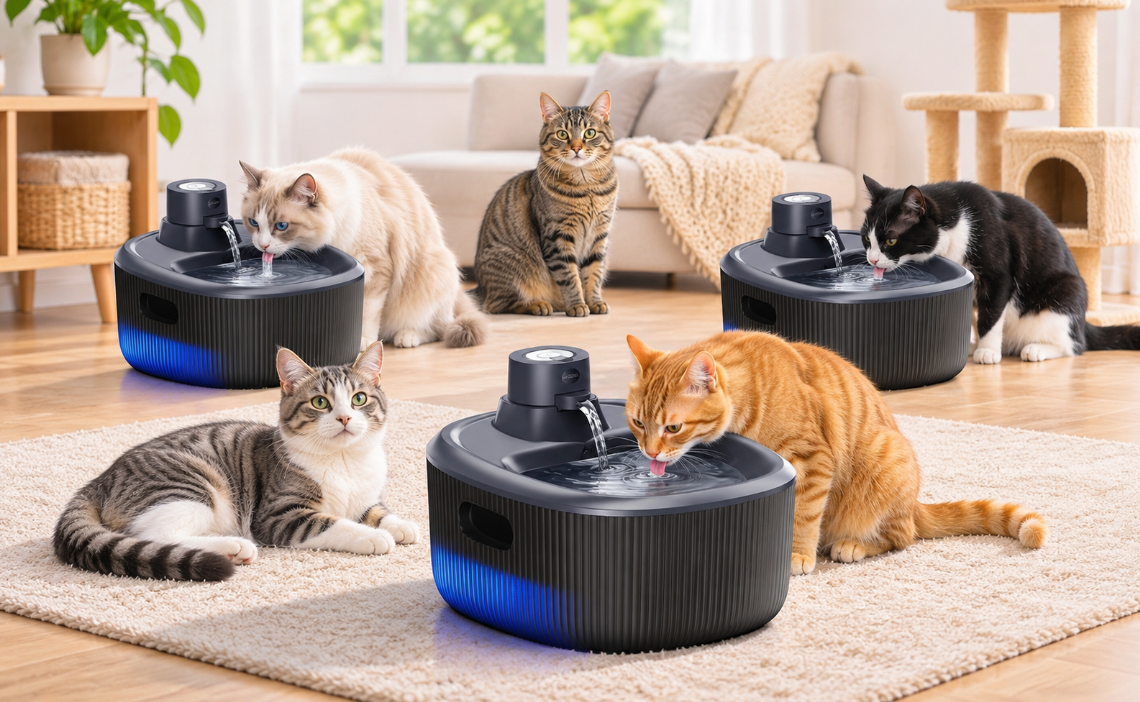
Buy WOPET W600 PRO WIRELESS PET FOUNTAIN ON AMAZON
Reassess Without Guessing at Individual Intake
A shared fountain makes it difficult to tell how much each cat drinks. Visit counts or footage may help show which animals approach, but they are not automatically measurements of water consumed. If your veterinarian needs individual intake information, ask how to collect it appropriately without disrupting access or changing the cats' routine unnecessarily.
Seek veterinary advice about a marked or persistent change in drinking, rather than assuming the household needs another fountain. Equipment can improve access, but it does not explain every change in thirst or behavior. Keep the care decision separate from the shopping decision so a medical concern does not become a reason to delay assessment.
Frequently Asked Questions
Can two cats share one fountain?
Two cats can share one fountain if both drink from it comfortably and have other clean water sources available. Watch the less frequent user as well as the enthusiastic one. Bowls in separate, accessible locations can provide choices without requiring a second powered unit.
Do three cats need three fountains?
Three cats do not automatically need three fountains. One fountain plus separate bowls can be an option if all three cats use the arrangement comfortably. Add another fountain to address a specific moving-water preference or access gap, while keeping suitable water available to every cat.
Does each floor need a fountain?
Water on routinely used floors can improve convenience, but it does not all have to come from fountains. Consider stairs, mobility, and each cat's habits. A clean bowl may be a suitable additional source when moving water is not needed or preferred there.
Do several spouts count as separate water stations?
Several spouts provide different drinking positions at the same fountain. They do not create independent locations if access still depends on one base or approach route. Evaluate whether another animal can make the whole area uncomfortable for a housemate.
Should I buy another fountain if one cat never uses it?
First check whether that cat uses other water sources normally and whether the fountain's location, sound, or shape seems unsuitable. Another fountain is useful only if it addresses an identifiable need. Discuss unexplained drinking changes with your veterinarian rather than treating a new purchase as the answer.
Buy for Access, Not a Formula
The right fountain count follows the way your cats use the home. Keep water clean and available in places each cat can comfortably reach. Watch each animal, and add a fountain where a moving-water option would help. A combination of fountains and bowls often offers more flexibility than trying to solve every household need with identical equipment.
Summary
Count comfortable drinking locations before counting fountains. Learn when one fountain plus bowls can work, when another fountain may help, and how to assess access for cats that use different rooms or avoid one another.
Label:
Popular Post
Top 8 Reasons Why Does My Cat Sleep Between My Legs?
Mar 03, 2025

What to Do If My Dog's Poop Is Black But Not Tarry
Feb 04, 2023
Superfecundation Cats: When Kittens in One Litter Have Different Fathers
Jul 11, 2025
Can Cats Have Orange Eyes? Genetics, Breeds, and Care Guide
May 20, 2025
How Long Does Dry Cat Food Last Once Opened? A Comprehensive Guide
Mar 19, 2025
[Blue] W03L 3L Premium Ceramic Cat Water Fountain
Model: W03 LITE
$59.99
$69.99
Basin Pet Water Fountain-W600
Model: W600
$43.99
$69.99
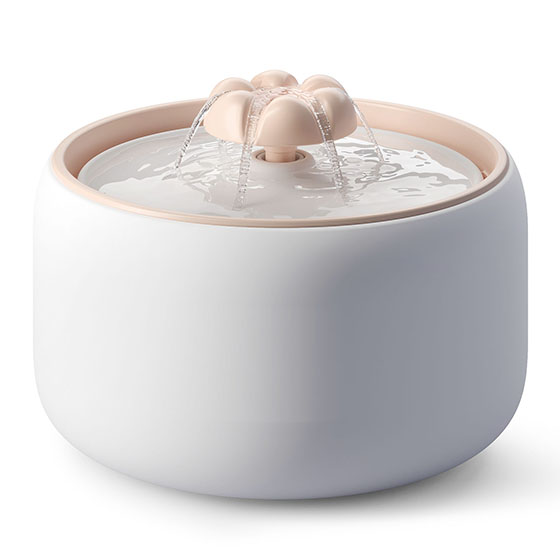
[Basic] Ceramic Pet Water Fountain with Power Cable
Model: W03L
$59.99
$99.00
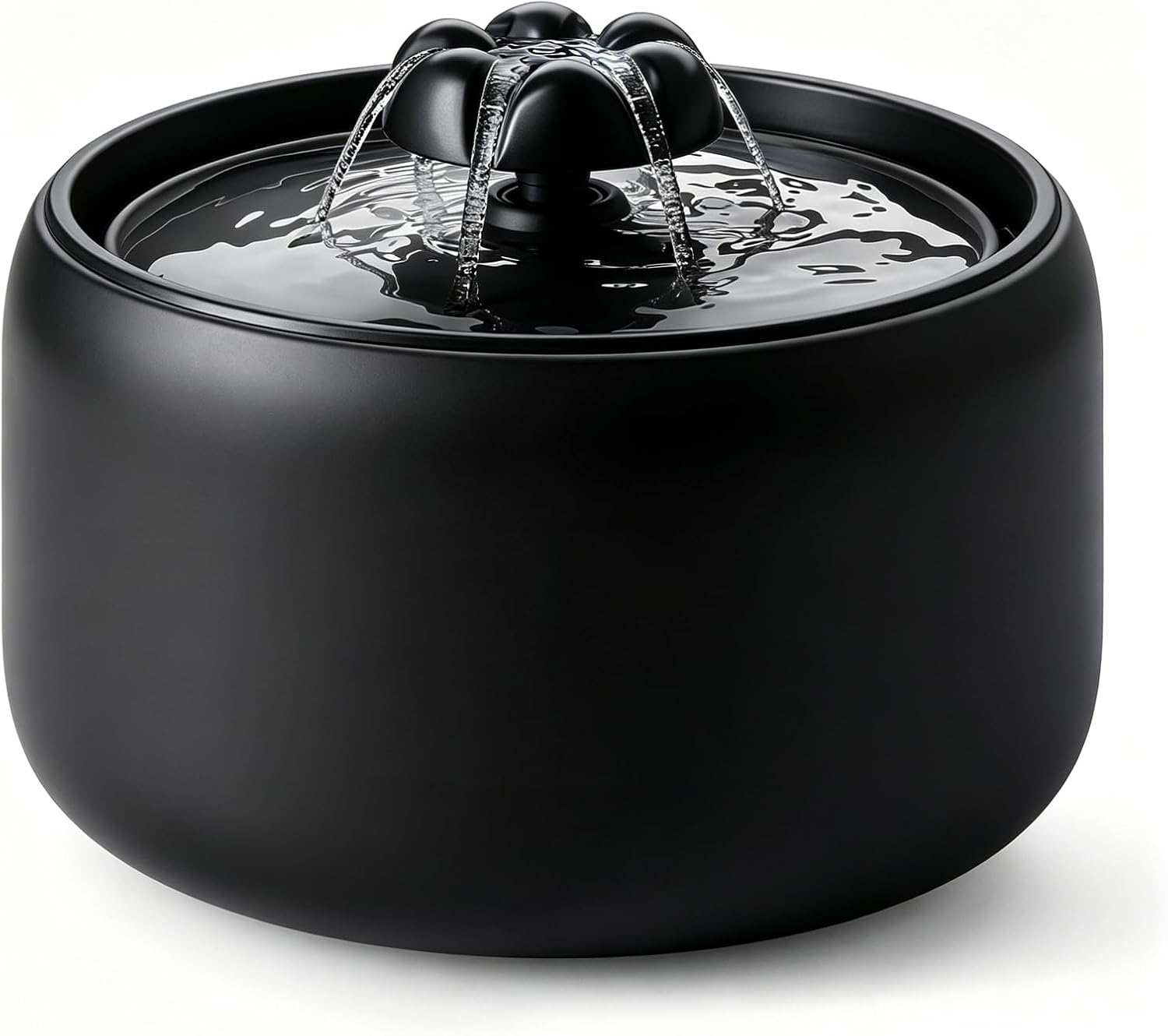
[Black] W03L 3L Premium Ceramic Cat Water Fountain
Model: W03L Black
$59.99
$69.99

WOPET 8L Pet Water Fountain For Multiple Cats or Large Dogs A08
Model: A08
$49.99
$59.99
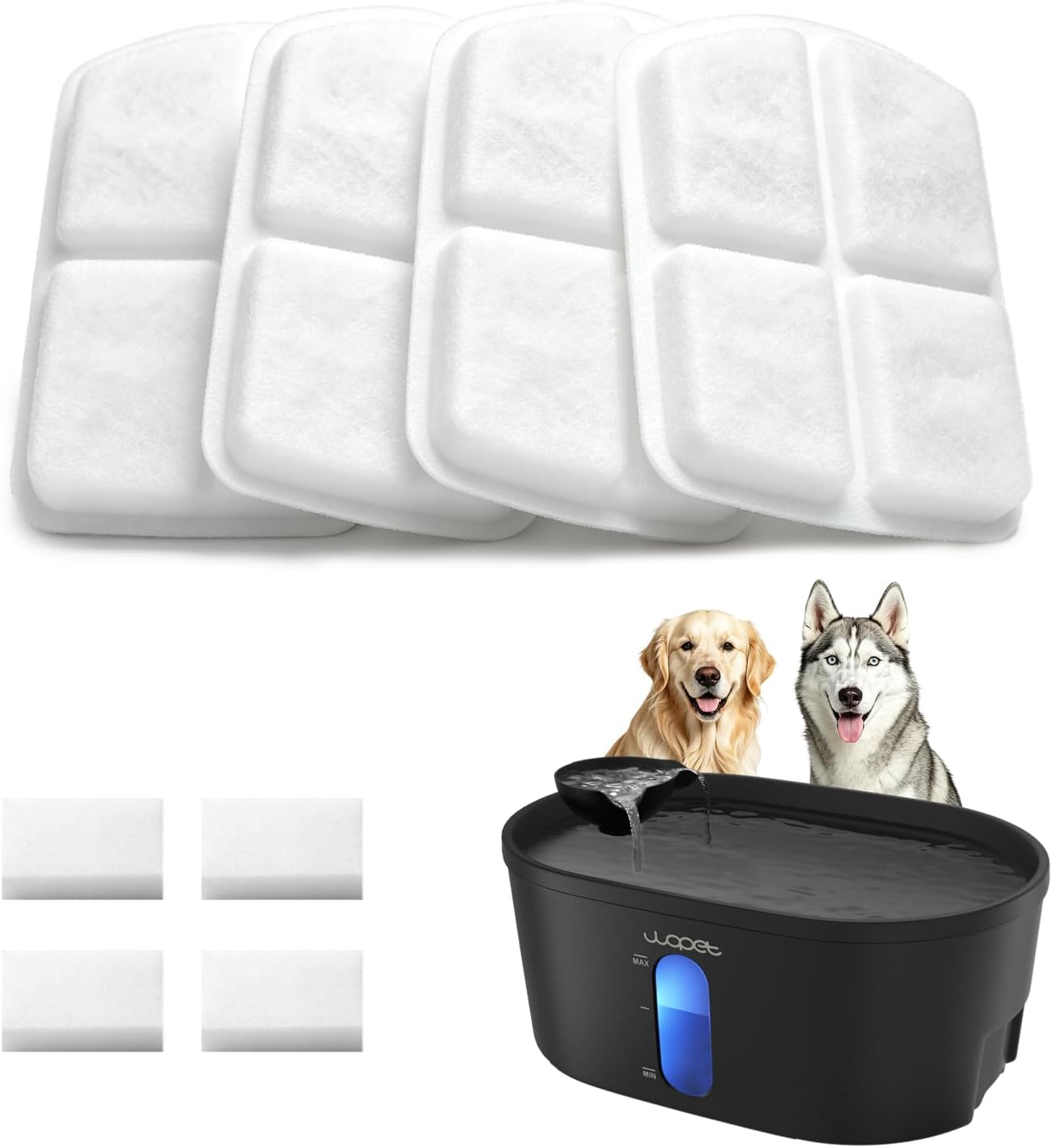
WOPET A08 Dog Water Fountain Filters
Model: A08 Filter
$19.99
$29.99

DOWNLOAD APP

WOpet life




Copyright © 2026 WOPET. All Rights Reserved.