Nov 12, 2026
Author:Lisa Martinez
Noise matters if your cat seems reluctant to approach the fountain, the sound disrupts sleep or work, or a new noise suggests the unit needs attention. A quieter model may help, but a quiet label alone won't tell you how it sounds in your home. Compare the complete operating fountain, including water movement and vibration, rather than judging only its motor.
In this comparison, a “standard fountain” is simply one that isn't sold primarily on its quiet operation. That doesn't necessarily make it louder. One design may hum steadily while another splashes only during pumping cycles. Compare what you actually hear and how your cat responds, rather than assuming the quiet label identifies the better fountain.
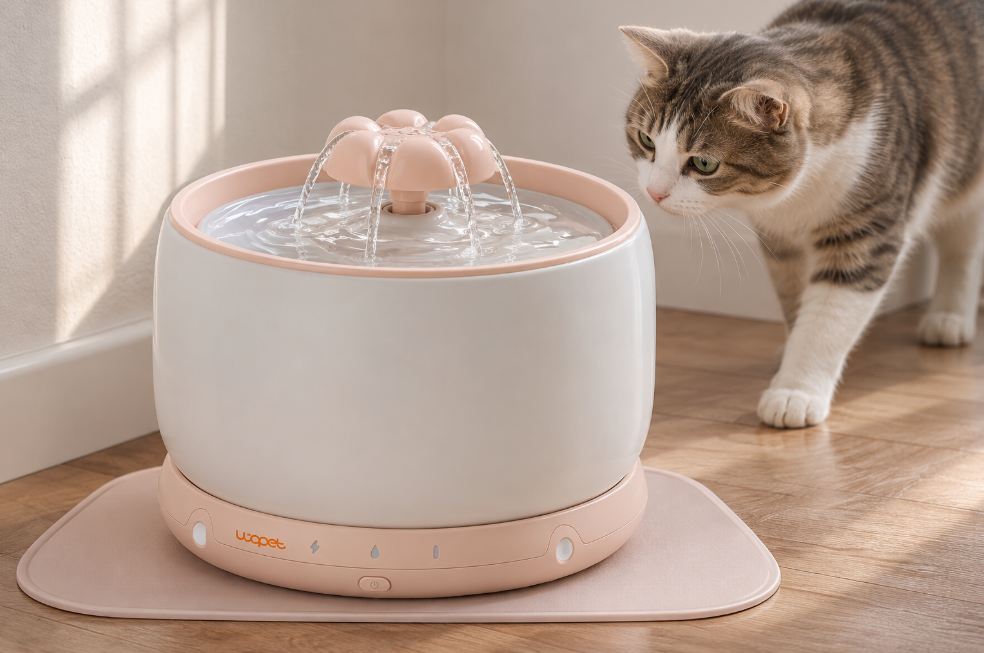
What Does “Quiet” Actually Describe?
A noise claim might describe the pump alone, the assembled fountain, or one operating mode under particular conditions. Those are different comparisons. A low motor-noise claim does not tell you whether water splashes loudly into the bowl. Nor does it tell you whether a lightweight lid rattles against another component after reassembly.
Before paying more for quiet operation, ask which parts were operating, how full the reservoir was, and how sound was measured. For a useful comparison, request the measurement distance, background conditions, and meter settings. A pump-only figure and a whole-fountain figure describe different things. Missing details leave the comparison unresolved; they do not prove either model is silent or noisy.
NIOSH's sound-measurement guidance distinguishes measurements taken at a point in time from averages and recommends assessing typical operating conditions. That guidance concerns human workplaces, not cats' preferences. It helps explain why measurement conditions matter, but it cannot tell you whether your cat will like a fountain.
A demonstration can help identify the type of sound, but playback volume and recording conditions affect what you hear. A recording with music or narration offers little help with subtle pump noise. Look for an unedited operating segment that includes startup and flowing water. Use it to identify questions about the design, not to make a precise loudness ranking from unrelated videos.
Four Sounds to Listen For
|
Sound |
What you may notice |
What to check |
|
Pump hum |
A steady sound while the pump operates |
Whether it is normal for the model and acceptable in the room |
|
Water sound |
Trickling, splashing, or dripping at the outlet |
Stream design, permitted flow setting, and water level |
|
Vibration or rattling |
A sound that changes with assembly or contact |
Correctly seated parts and a stable, permitted surface |
|
Startup sound |
A brief sound when a pumping cycle begins |
Whether the cat reacts and whether another supported mode fits better |
More than one sound can occur at the same time. A unit with a quiet motor may still have a noticeable falling stream, while a low stream may not help if a cover is loose. Identify what you are hearing before deciding the whole fountain needs replacement. Use the manual for any adjustments or disassembly.
When a Quieter Fountain Is Worth Considering
A bedroom or home office is a reasonable place to prioritize sound. Listen from where you normally sleep or work, with the fountain in its intended location. A noise you barely notice during daytime activity may become distracting when the room is otherwise quiet. That is a household preference to uate, not a universal defect in the fountain.
Noise also matters when a cat repeatedly backs away as the pump starts or avoids the fountain while continuing to use a nearby bowl. Watch for a repeatable pattern rather than drawing a conclusion from one startled glance. The cat may also be responding to movement, placement, another pet, or an unfamiliar object. Changing one variable at a time gives you a clearer picture of what helps.
Cornell notes that cats differ in their preference for fountains. A quiet model therefore cannot guarantee acceptance. Keep familiar drinking water available while introducing any new design, and judge success by comfortable drinking rather than by curiosity about the appliance.
When a Standard Fountain May Be Entirely Suitable
If the cat drinks comfortably and the normal operating sound does not bother anyone, there may be little reason to replace a working fountain solely for a quieter label. Consider whether the alternative is also easier to clean, has accessible replacement parts, or fits the room better. A quieter motor does not automatically outweigh a drinking tray that is difficult to reach or a reservoir that is awkward to wash.
You may also prefer a fountain with some audible water movement. The important point is that the sound is acceptable while the unit works as intended. Do not treat audible flow as proof of cleaner water, and do not treat silence as proof that the pump is operating. Check the water and the fountain directly.
If you are still choosing between types of drinking setup, our cat fountain versus water bowl comparison covers the broader decision. A bowl removes motor and startup noise entirely. It may remain the better choice in one room even if a fountain works well elsewhere.
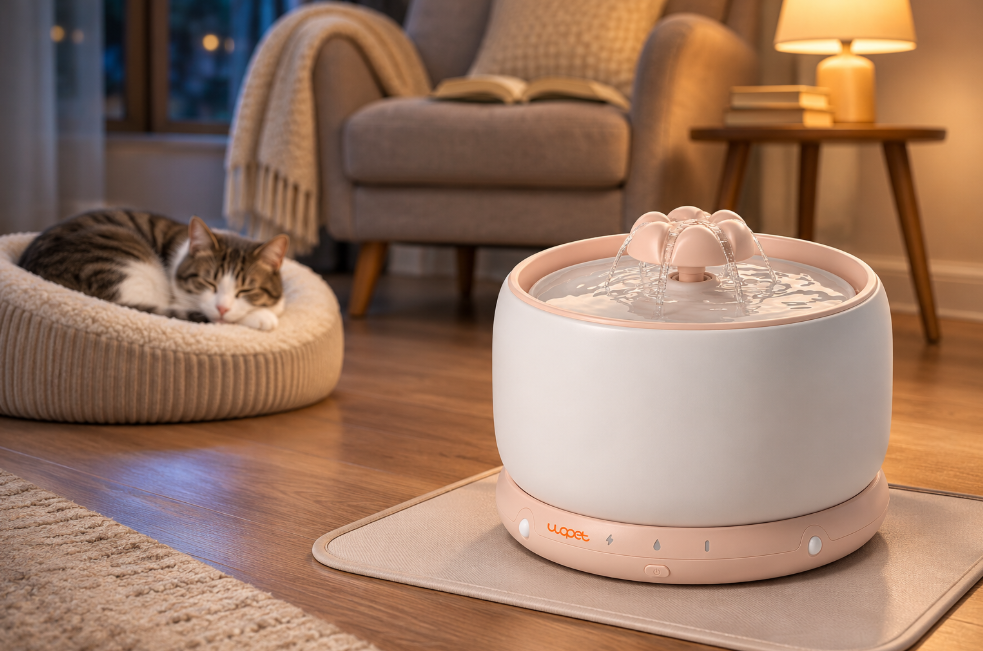
Buy WOPET W03 CERAMIC WIRELESS CAT FOUNTAIN ON AMAZON
Steady Sound and Sudden Startup Are Different Tradeoffs
A continuously running fountain may produce an ongoing hum or trickle. A sensor or timer model can have quiet periods interrupted by pumping. Neither pattern is automatically less distracting: some people prefer a steady background sound, while others want the pump off between visits. Observe the whole cycle instead of listening only during a quiet interval.
For a hesitant cat, pay attention to what happens when the stream begins. If the cat approaches calmly but withdraws at startup, a supported continuous setting may be worth trying. If your cat seems uncomfortable with a constantly running stream, another mode or drinking surface may be worth trying. Never remove the cat's usual water to force acceptance of a setting.
Power source does not settle the noise question. Rechargeable and plug-in fountains can use different modes, pumps, and stream designs. The battery-powered versus plug-in guide explains those power choices separately. Compare sound in the mode you will actually use, including any restrictions when the unit is unplugged.
Evaluate Noise Before You Commit to a Model
Start with product information that shows the complete fountain operating. Look for an assembly video, a clear mode description, and instructions about water level and flow adjustment. These details help you recognize normal operation. An attractive photo cannot tell you whether the fountain uses a high falling stream or a low flow across the tray.
Customer reviews can reveal questions worth asking, such as whether startup is noticeable or a lid is easy to seat correctly. Check that the review refers to the same model and power version. A complaint about a different pump or reservoir size may not apply to your choice. Reviews are individual accounts, not a controlled sound comparison.
Read the return conditions before using a fountain as an at-home trial. An opened pet product may have different return rules from an unopened package. Ask the seller if those rules are unclear, rather than assuming a defect warranty covers your preference about sound. Save the answer with the purchase information.
Check the Setup Before Calling a Fountain Too Loud
If the sound seems wrong from the first use, review the assembly steps and fill limits. A loose part or an incorrect water level can complicate the comparison. Disconnect power as instructed before handling the pump or taking components apart. Do not run the pump dry to isolate its noise; use the model's documented troubleshooting process.
Place the fountain on a stable surface allowed by its instructions and check whether it touches a wall, cabinet, or loose object. Follow any guidance on supplied feet or a compatible mat. Avoid improvised padding that could block openings, make the fountain unstable, or hide moisture. The goal is correct operation, not muffling a problem.
If the sound changes as the reservoir empties, refill within the marked limits and observe whether normal operation returns. Do not overfill the fountain to silence it. If an unusual sound persists after the documented checks, contact support with the model number and a short recording. That gives the seller more useful information than a general description of “loud.”
A New Noise Deserves a Different Response
A fountain that has always made a gentle trickle is different from one that suddenly starts grinding, rattling, or losing flow. A new sound calls for checking condition and maintenance before shopping for a quieter replacement. Stop using the fountain if it is damaged or leaking near electrical components, and follow the manufacturer's safety instructions. Keep water available in a separate bowl during troubleshooting.
The CDC recommends daily cleaning of pet water bowls. Fountain owners also need to follow the manufacturer's care directions for internal parts. A quiet pump does not mean the intake, channels, or drinking surface can be ignored. Clean and reassemble only the components the manual identifies as accessible.
Check the WOPET accessories collection if the manufacturer's troubleshooting points to a replaceable component. Confirm the part number before ordering; pumps with similar shapes are not necessarily interchangeable. An unexplained noise is not enough to diagnose a failed pump. Follow the documented checks or ask support rather than buying parts at random.
A Simple At-Home Listening Check
After correct setup, listen from the places where the sound matters: your chair, bed, or the cat's normal approach route. Observe the fountain at a normal fill level and during each mode you intend to use. Keep other conditions reasonably consistent so you are not comparing a busy daytime room with an unusually quiet nighttime room and attributing the entire difference to the fountain.
Write down what you hear in plain language, such as “steady trickle from the chair” or “brief rattle at startup.” Note whether the cat drinks, pauses, or leaves. If changing a permitted setting repeatedly improves comfortable use, that is useful for your purchase decision, even without a decibel reading. It is a household observation, not proof that sound caused every reaction.
|
What you observe |
Reasonable next step |
|
Cat drinks comfortably; sound is acceptable |
Keep the setup and maintain it normally |
|
Sound bothers you in one room |
Consider a suitable alternate location or a quieter design |
|
Cat repeatedly withdraws at startup |
Try another supported mode while keeping familiar water available |
|
Sound changes after reassembly |
Recheck the documented assembly steps |
|
New noise occurs with weak flow |
Follow model-specific maintenance and troubleshooting instructions |
|
No fountain setup is comfortable |
Keep bowls available and reconsider whether a fountain adds value |
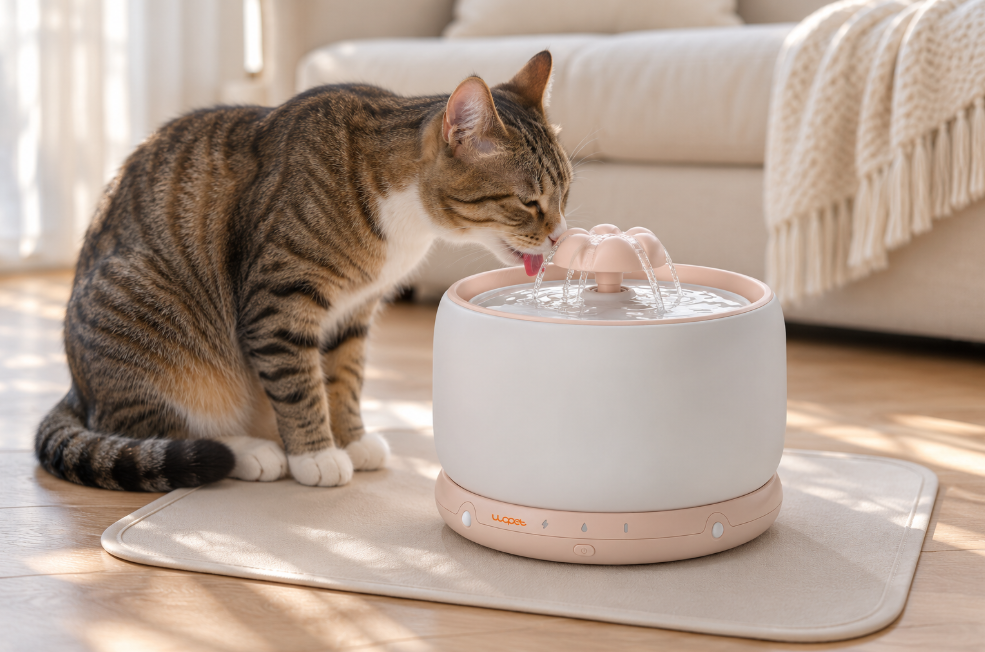
Compare Noise Alongside Other Features
When browsing the WOPET fountain collection, weigh noise alongside drinking access, a convenient power setup, and ease of cleaning. If the quieter option compromises those essentials, keep looking. The right balance depends on the room and the household rather than a universal noise ranking.
Frequently Asked Questions
Are quiet cat water fountains completely silent?
Not necessarily. A quiet claim may refer only to the pump or to a particular setting. Water movement, startup, and vibration can remain audible. Check the complete fountain in normal operation rather than interpreting “quiet” as a promise of silence.
Is there a decibel level that guarantees a cat will use a fountain?
A cat fountain's decibel claim cannot guarantee that a cat will use it. Sound pattern, water movement, location, and individual response also matter. Without comparable measurement conditions, two advertised figures may not provide a useful ranking for your room.
Is splashing a sign that the fountain is broken?
Some designs normally produce audible splashing. A sudden change, unusual flow, or water escaping the fountain deserves attention. Check the operating level and assembly instructions, and contact support if the behavior remains abnormal after the permitted checks.
Can I turn a noisy fountain off at night?
Follow the model's operating instructions and keep another accessible water source available. Check whether usable water remains when its pump stops. If the normal sound disrupts sleep, a different location or setup may be more practical than repeatedly changing the cat's access to moving water.
Should I replace a fountain just because my cat watches it?
Watching the fountain doesn't tell you that noise is the problem. Observe whether the cat eventually drinks and which other water sources it uses. Introduce changes gradually, and discuss a marked change in drinking with a veterinarian rather than treating it only as an equipment preference.
Choose Acceptable Sound, Not Just a Quiet Label
A quieter fountain is valuable when it improves comfortable use for the cat or the people sharing the room. Identify the sound that matters, check the unit's condition, and compare models under the intended operating conditions. If the existing fountain works well and its sound is acceptable, a quieter label alone is not a reason to replace it.
Summary
Compare fountain noise by its source, consistency, and effect on everyday use. Learn how to assess quiet claims, observe your cat, and distinguish normal operating sound from a change needing attention.
Label:
Popular Post
Top 8 Reasons Why Does My Cat Sleep Between My Legs?
Mar 03, 2025

What to Do If My Dog's Poop Is Black But Not Tarry
Feb 04, 2023

Superfecundation Cats: When Kittens in One Litter Have Different Fathers
Jul 11, 2025
Can Cats Have Orange Eyes? Genetics, Breeds, and Care Guide
May 20, 2025
How Long Does Dry Cat Food Last Once Opened? A Comprehensive Guide
Mar 19, 2025
[Blue] W03L 3L Premium Ceramic Cat Water Fountain
Model: W03 LITE
$59.99
$69.99
Basin Pet Water Fountain-W600
Model: W600
$43.99
$69.99
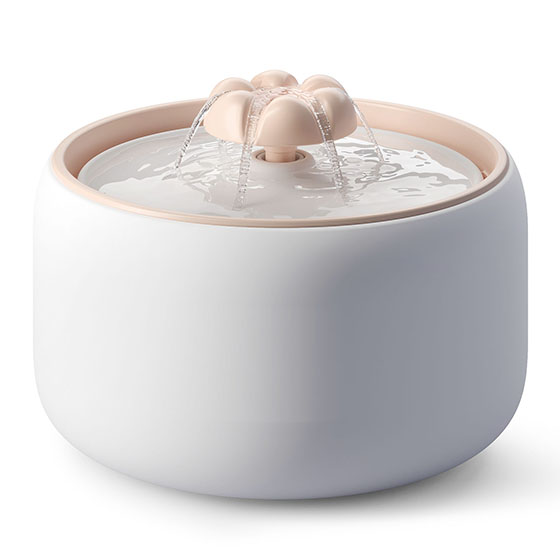
[Basic] Ceramic Pet Water Fountain with Power Cable
Model: W03L
$59.99
$99.00
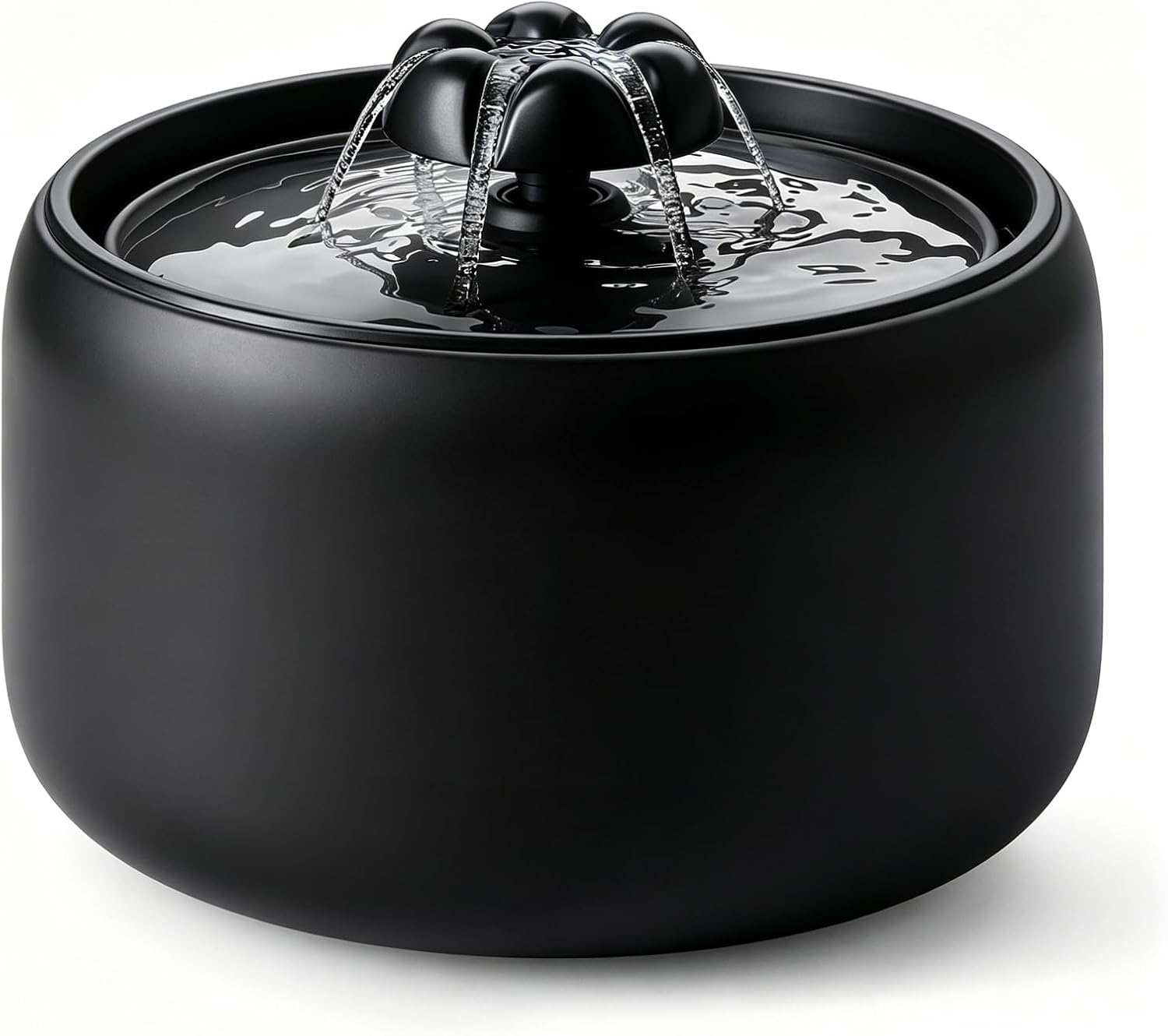
[Black] W03L 3L Premium Ceramic Cat Water Fountain
Model: W03L Black
$59.99
$69.99

WOPET 8L Pet Water Fountain For Multiple Cats or Large Dogs A08
Model: A08
$49.99
$59.99
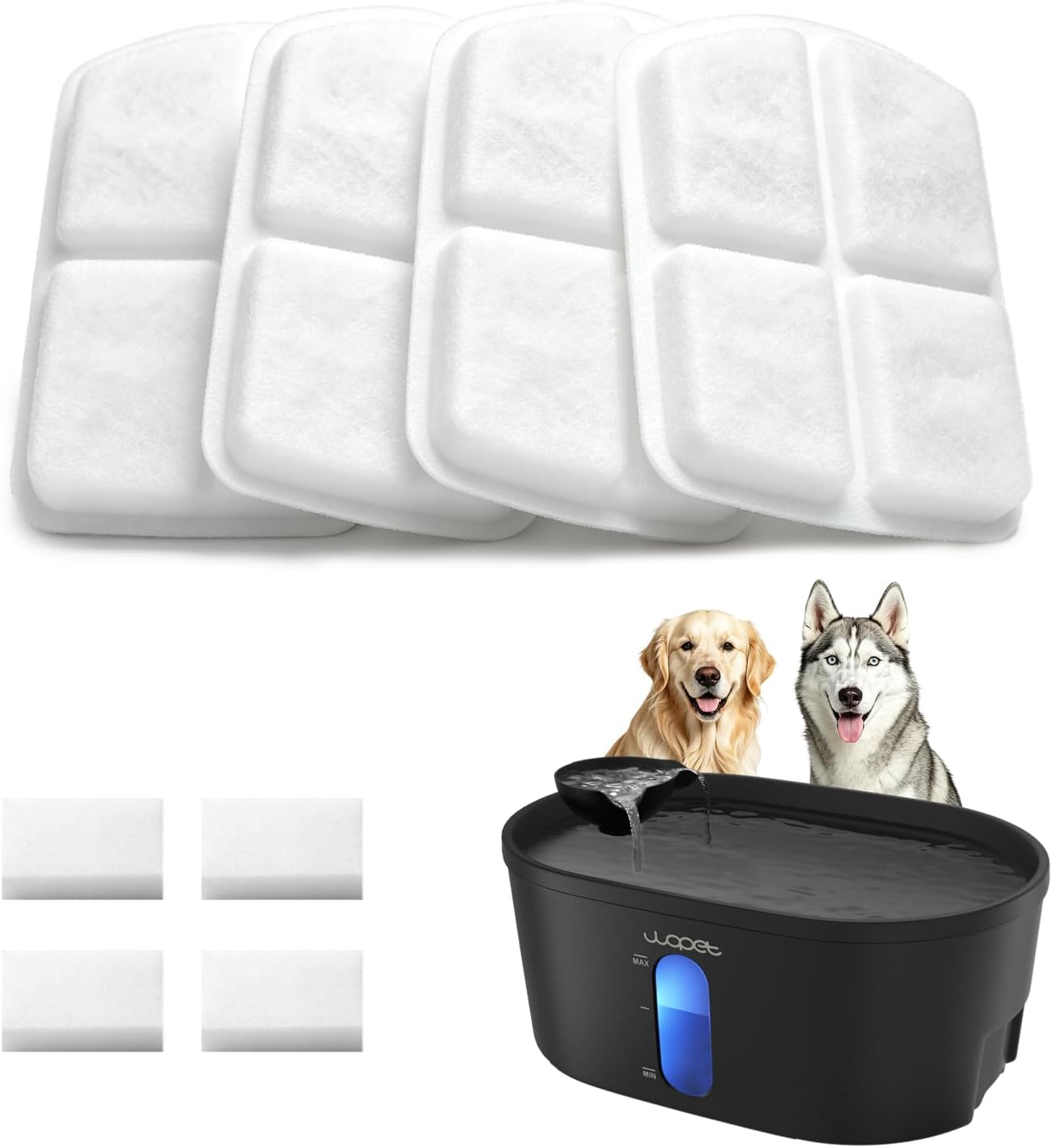
WOPET A08 Dog Water Fountain Filters
Model: A08 Filter
$19.99
$29.99

DOWNLOAD APP

WOpet life




Copyright © 2026 WOPET. All Rights Reserved.