Nov 16, 2026
Author:Amanda Lyu
Expensive cat water fountains can be worth it, but price alone is not proof of better performance. A higher-priced model makes sense when it is easier to clean, built from durable materials, quiet enough for your home, correctly sized for your pets, and supported by filters and replacement parts you can actually buy. If a premium fountain is difficult to disassemble or uses costly proprietary filters, its higher price may create more work rather than less.
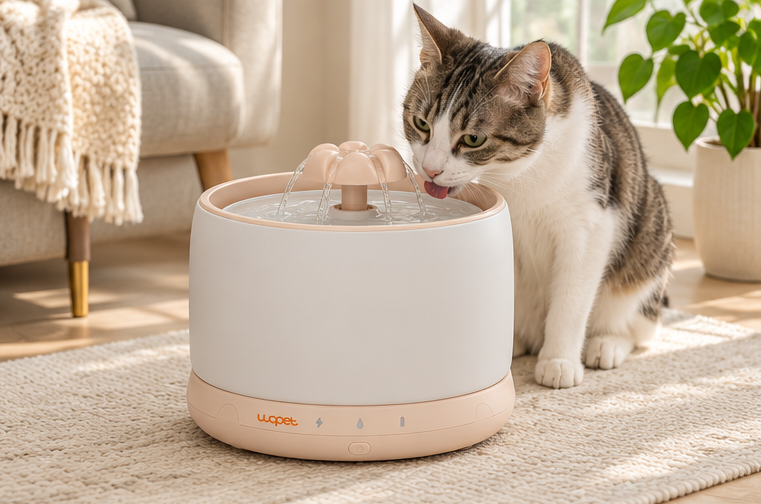
Quick answer: Pay more for useful ownership benefits, not decorative features. The strongest reasons to upgrade are durable construction, accessible pump parts, low-noise operation, adequate capacity, dishwasher-safe components, a clear warranty, and dependable replacement-filter availability.
For most one-cat households, an expensive fountain is not automatically necessary. The upgrade becomes easier to justify when a cheaper model would create a specific compromise—such as frequent refilling, poor stability, difficult cleaning, limited parts support, or noise in a sleeping area. This makes “worth it” a household-specific calculation rather than a verdict based on price alone.
What Does a Higher Price Usually Buy?
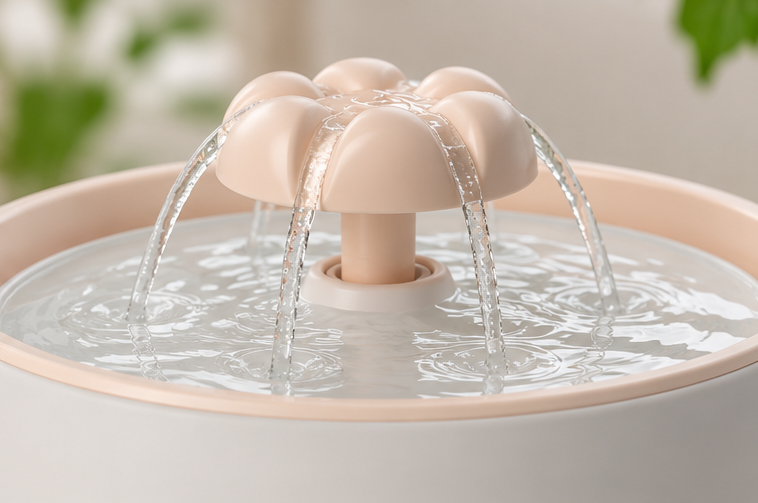
Premium fountains often use ceramic or stainless steel instead of lightweight plastic. These materials can feel more stable, resist scratching, and fit more naturally into a home, although every material still requires regular cleaning. Higher-priced models may also include a quieter pump, a larger reservoir, wireless placement, better water-level visibility, stronger filtration, or a design that is easier to take apart.
Those upgrades matter only when they solve a problem in your household. A large-capacity fountain may save time in a multi-cat home, while a compact ceramic model may be more useful for one cat in a small apartment. Wireless operation can improve placement flexibility, but a corded model may be simpler for an owner who prefers continuous circulation without remembering to recharge a battery.
|
Possible Premium Feature |
When It Adds Real Value |
What to Verify |
|
Ceramic or stainless steel body |
You want greater stability and fewer scratch-prone surfaces |
Weight, finish quality, dishwasher instructions, and breakability |
|
Larger capacity |
You have several pets or refill frequently |
Usable capacity, drinking height, and reservoir access |
|
Wireless operation |
The best drinking location is not near an outlet |
Battery runtime, charging time, and operating modes |
|
Quieter pump |
The fountain will sit in a bedroom, office, or quiet living area |
Noise under normal use and when the water level falls |
|
Longer warranty |
Repair or replacement support is important to you |
Covered parts, exclusions, claim process, and duration |
What a Premium Price Does Not Guarantee
An expensive fountain does not guarantee that your cat will use it. Cornell University’s feline hydration guidance notes that some cats drink more from fountains, but individual preferences vary. A cat may prefer a wide, shallow drinking area, a gentle stream, a quiet basin, or simply a clean bowl placed away from food and litter.
A premium price also does not remove maintenance. The CDC recommends cleaning pet water bowls daily, and a fountain has more water-contact surfaces than a basic bowl. Pumps, impellers, channels, lids, and filter compartments can collect hair and residue, so cleanability should carry more weight than appearance.
It also does not guarantee a longer service life. Price can reflect material, capacity, design, wireless hardware, packaging, or brand support, but those factors do not all affect durability equally. To compare the actual feature differences, use the separate cheap vs. premium cat water fountain comparison rather than assuming every upgrade has the same value.
Compare the Total Cost, Not Just the Fountain
The purchase price is only the first line in the budget. Filters, electricity or charging, pump replacement, cleaning supplies, and the expected service life all affect long-term value. A $40 fountain that needs expensive filters may cost more over three years than a $90 fountain with washable prefilters and reasonably priced replacement packs.
Use this simple calculation before buying:
Three-year ownership cost = fountain price + three years of filters + electricity or charging + replacement parts + cleaning supplies.
Next, divide that total by the number of years you realistically expect to use the fountain. This produces an annualized cost that makes two different price levels easier to compare. If the premium model costs $20 more per year but solves a daily problem, the upgrade may be reasonable; if it adds features you will not use, the lower-priced model is probably the better purchase.
Our complete cat water fountain cost-of-ownership guide explains each cost category. You can also compare currently available capacities, materials, and designs in the WOPET water fountain collection.
When an Expensive Cat Water Fountain Is Worth It
A premium fountain is more likely to be worth the money when it reduces a recurring problem. That may mean fewer refills in a multi-pet home, a heavier base that is harder to tip, quieter operation at night, or removable parts that shorten weekly cleaning. Owners who expect to use the fountain for several years should also value parts support, because a replaceable pump can prevent a small failure from turning the entire fountain into waste.
A higher price may be justified if:
• You have multiple cats or a mixed cat-and-dog household.
• Your current fountain is too noisy, small, unstable, or difficult to clean.
• You want ceramic or stainless steel instead of lightweight plastic.
• You need wireless placement away from wall outlets.
• The manufacturer sells compatible filters, pumps, and other service parts.
• The warranty clearly covers the components most likely to fail.
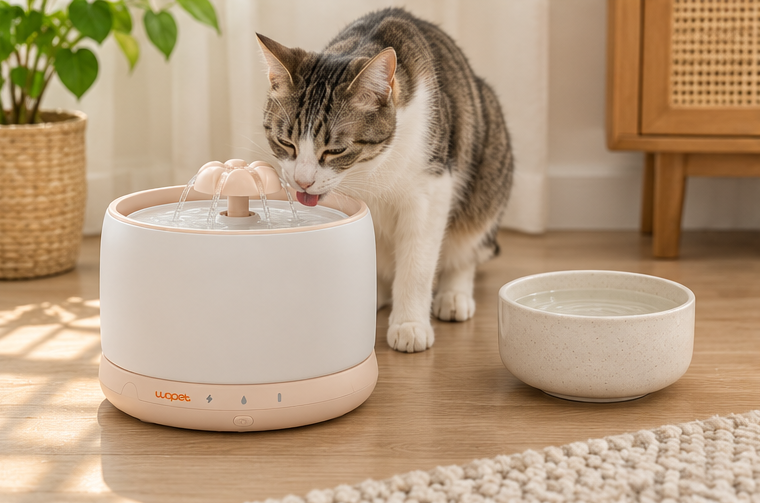
Buy WOPET W03 WIRELESS CERAMIC CAT WATER FOUNTAIN ON AMAZON
When a Less Expensive Fountain Is the Better Buy
A simple fountain may be the better choice for one cat, a small space, or a household testing whether the cat likes moving water. There is little reason to pay for app controls, decorative lighting, or a very large reservoir if those features do not improve daily use. A basic fountain with safe materials, a quiet replaceable pump, compatible filters, and an easy cleaning routine can offer excellent value.
Before paying for an extended warranty or service plan, review exactly what it covers. The Federal Trade Commission advises consumers to check the coverage period, exclusions, repair process, and whether only specific parts or failures qualify.
A Practical Premium-Fountain Checklist
1. Confirm pet fit: Check drinking height, tray width, capacity, and stability.
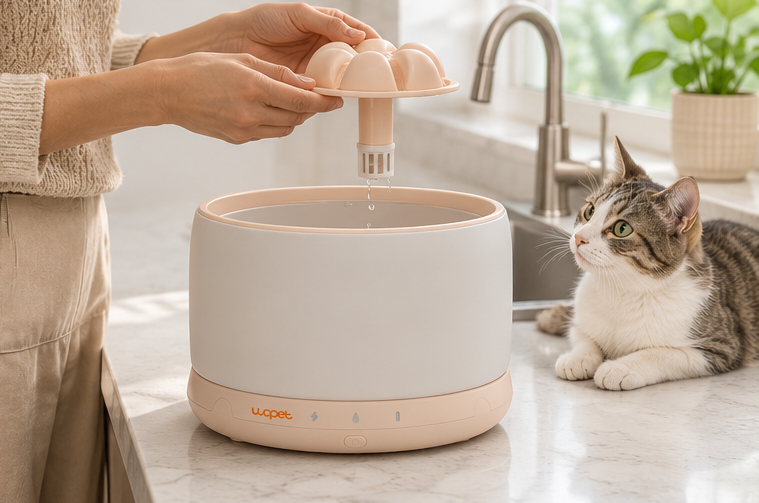
2. Time the cleaning process: Look at how many parts must be removed and whether narrow channels are reachable.
3. Price the filters: Calculate an annual total using the recommended change interval.
4. Check replacement parts: Confirm that the pump, sponge, cable, or adapter is sold separately.
5. Read the warranty: Do not assume the most expensive model has the best coverage.
6. Ignore unused extras: A feature has no value if it does not improve hydration access or reduce ownership effort.
Final Verdict
An expensive cat water fountain is worth it when the higher price buys measurable improvements in durability, cleanability, noise, capacity, placement, or repairability. It is not worth it when the extra cost is mostly cosmetic or when filters and parts are difficult to source. Compare the fountain as a three-year household product rather than a one-time purchase, and choose the least expensive model that reliably meets your pets’ needs. That conclusion is more useful than treating either “cheap” or “premium” as a quality guarantee.
Frequently Asked Questions
How much should I spend on a cat water fountain?
There is no single correct amount. Start with the capacity, material, cleaning routine, noise level, and parts support you need, then compare models that meet those requirements. The cheapest suitable model is often a better value than the most feature-rich model.
Do cats prefer expensive fountains?
Cats respond to water movement, sound, drinking position, cleanliness, and placement rather than price. Individual preferences vary, so keep another clean water source available while introducing a new fountain.
Are ceramic cat fountains worth the extra cost?
Ceramic can be worthwhile for owners who value weight, stability, and a smooth surface. It is heavier and can break if dropped, so the best choice depends on handling, placement, and cleaning preferences.
What feature matters most in a premium fountain?
Easy, thorough cleaning usually matters more than decorative technology. A fountain that is difficult to clean may become inconvenient regardless of its price or feature list.
How long should a good cat water fountain last?
Service life depends on the pump, materials, water quality, cleaning frequency, and whether replacement parts are available. Follow the model-specific instructions and clean the pump before assuming it has failed.
This article provides general purchasing and maintenance information. A fountain does not diagnose, prevent, or treat a medical condition. Contact a veterinarian if your cat’s drinking or urination changes suddenly.
Label:
Popular Post
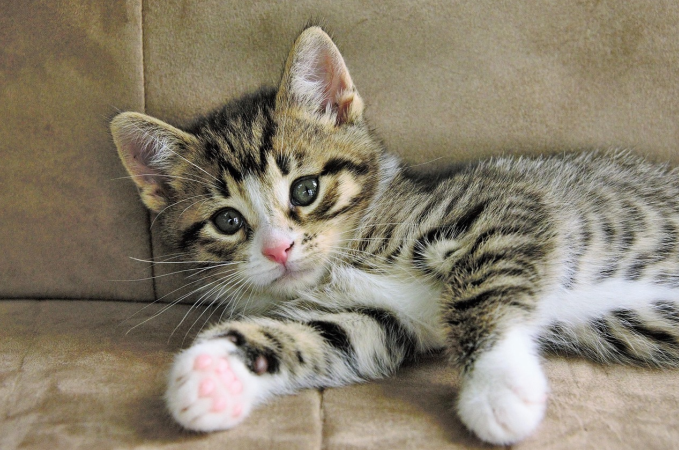
The Ultimate Guide to Tabby Cats: Patterns, Personalities, and More
Mar 27, 2025

Top 8 Reasons Why Does My Cat Sleep Between My Legs?
Mar 03, 2025

What to Do If My Dog's Poop Is Black But Not Tarry
Feb 04, 2023
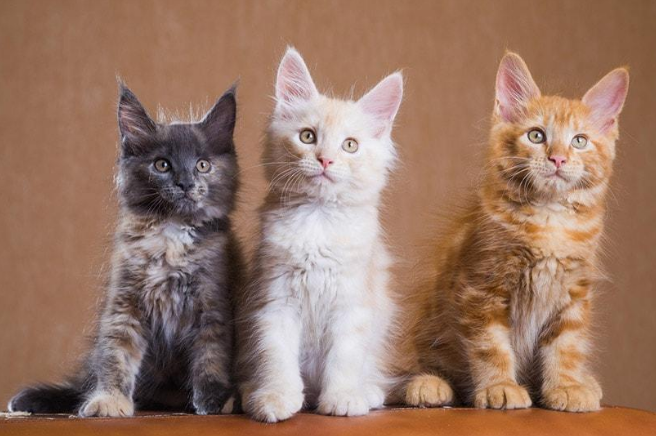
Superfecundation Cats: When Kittens in One Litter Have Different Fathers
Jul 11, 2025

Can Cats Have Orange Eyes? Genetics, Breeds, and Care Guide
May 20, 2025
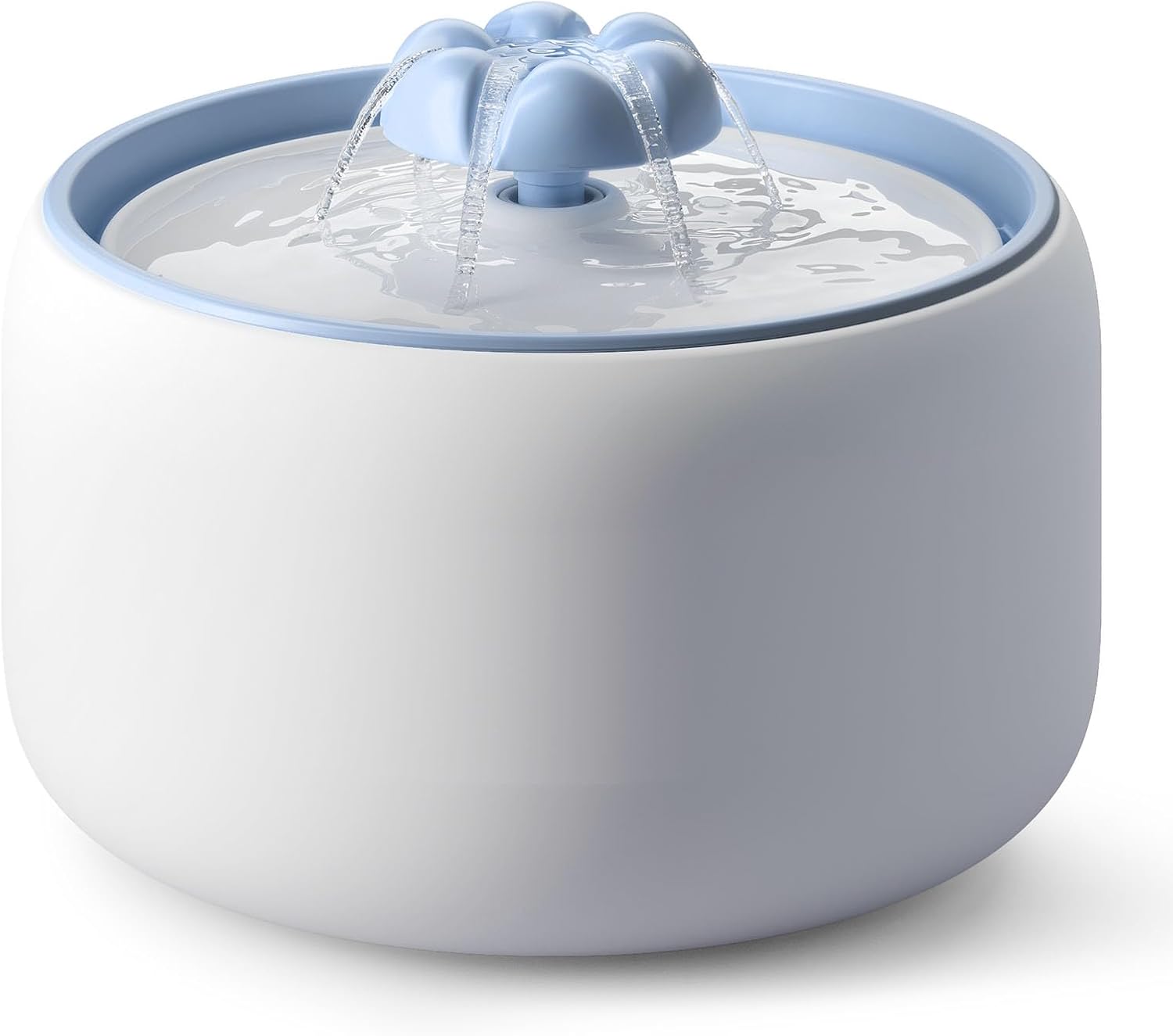
[Blue] W03L 3L Premium Ceramic Cat Water Fountain
Model: W03 LITE
$59.99
$69.99
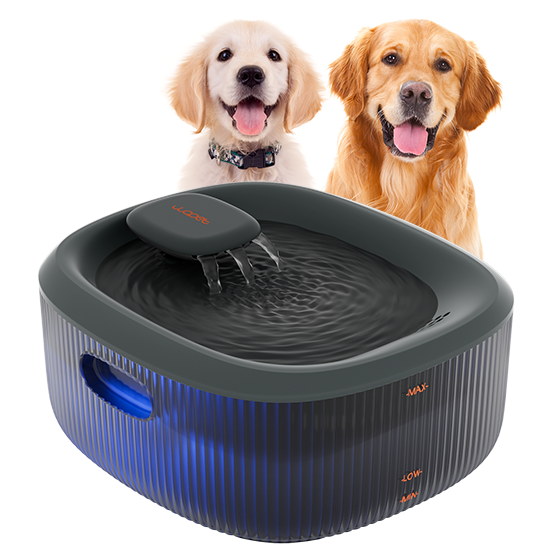
Basin Pet Water Fountain-W600
Model: W600
$43.99
$69.99
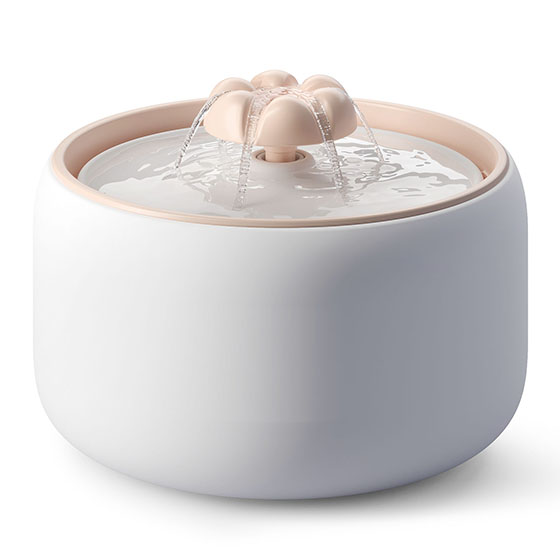
[Basic] Ceramic Pet Water Fountain with Power Cable
Model: W03L
$59.99
$99.00
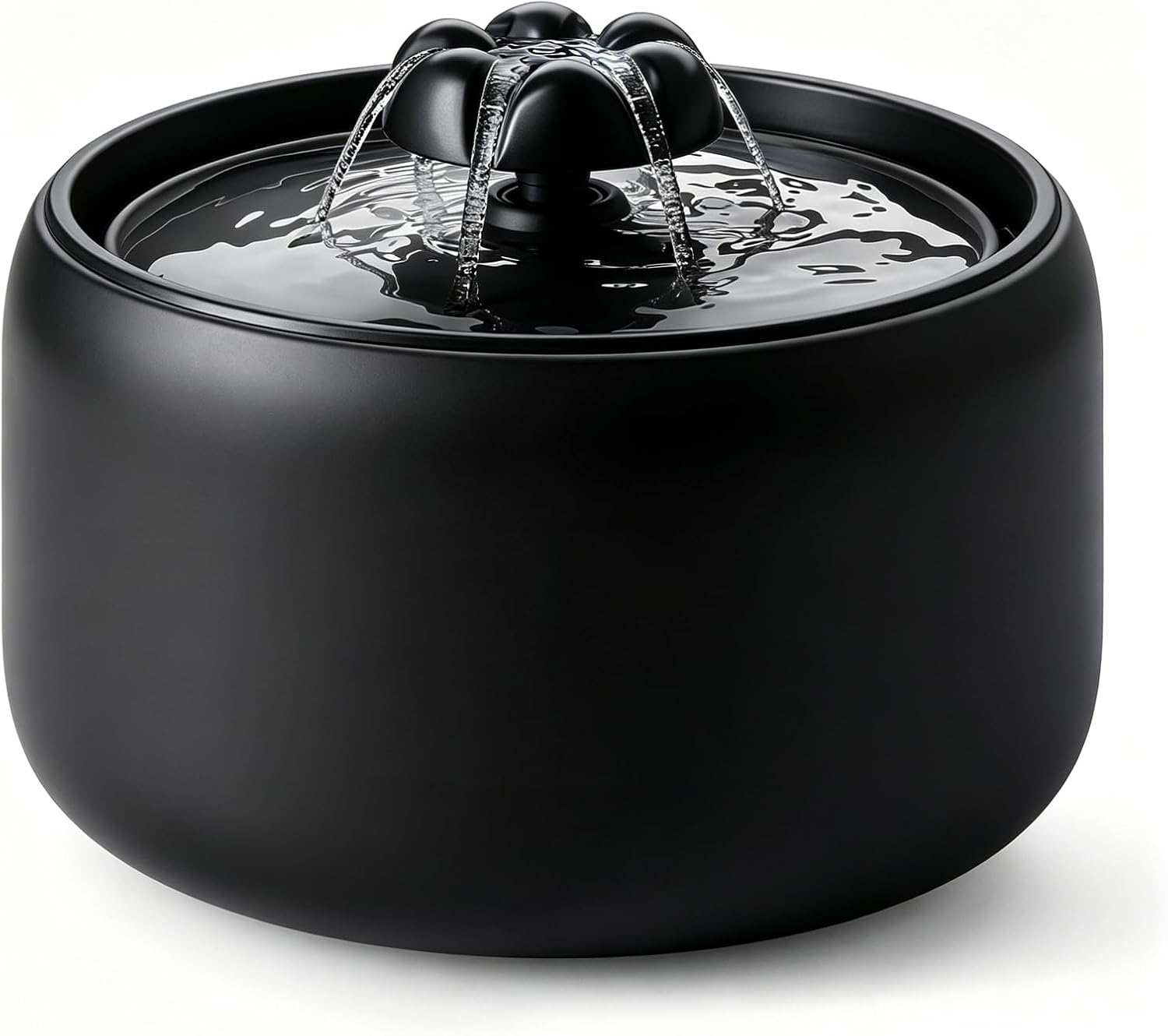
[Black] W03L 3L Premium Ceramic Cat Water Fountain
Model: W03L Black
$59.99
$69.99
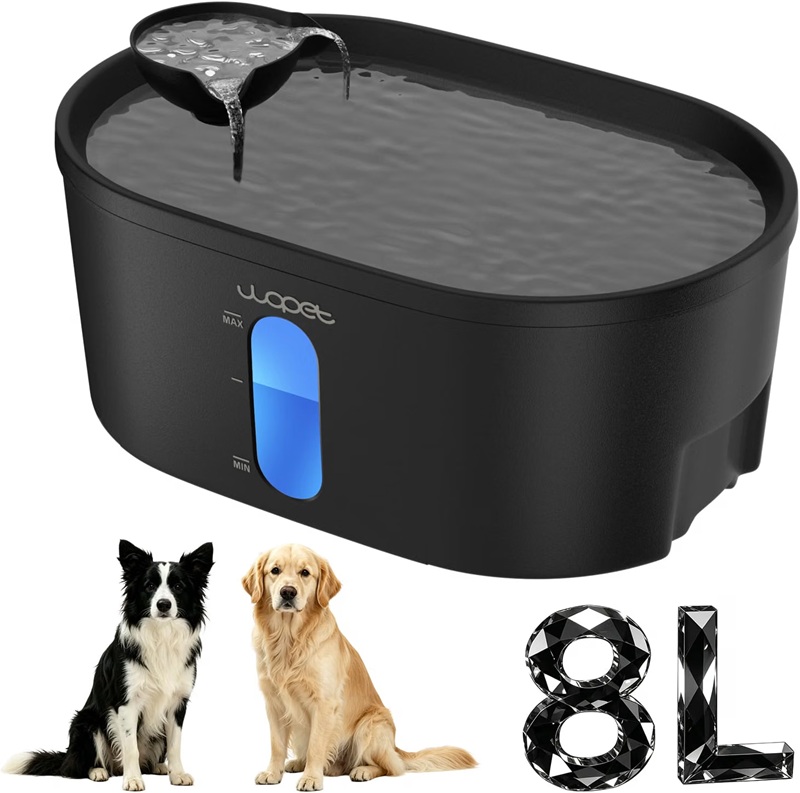
WOPET 8L Pet Water Fountain For Multiple Cats or Large Dogs A08
Model: A08
$49.99
$59.99
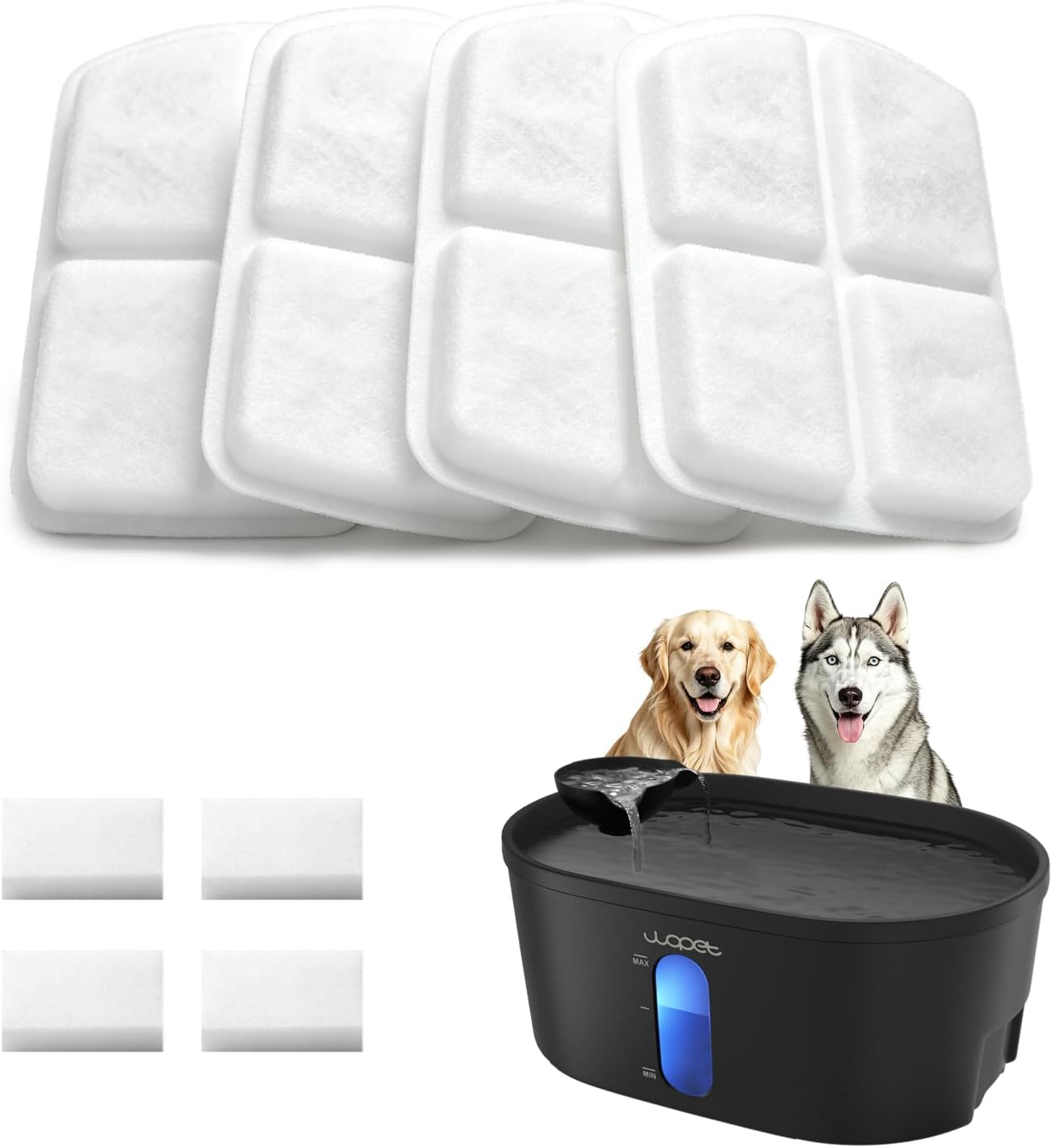
WOPET A08 Dog Water Fountain Filters
Model: A08 Filter
$19.99
$29.99

DOWNLOAD APP

WOpet life




Copyright © 2026 WOPET. All Rights Reserved.