Sep 07, 2026
Author:Jackson Watson

Cat bad breath that is persistent, newly strong, or paired with other changes deserves attention. A brief food smell after a meal can be harmless, but ongoing halitosis is commonly associated with dental disease and can also accompany an object trapped in the mouth, oral injury, or illness elsewhere in the body.
|
Quick answer: Recheck your cat's breath after the food odor should have passed. Watch eating, drinking, grooming, and behavior, and lift one lip only if your cat is comfortable. Do not mask the odor with human products or start brushing a painful mouth. Persistent odor—especially with red gums, drooling, eating changes, weight loss, vomiting, increased thirst or urination, or facial swelling—needs a veterinary exam. |
What should you do today?
• Brief odor after a strong-smelling meal: Recheck later when the food smell has passed.
• Persistent or recurring odor: Arrange a veterinary exam rather than trying to deodorize the mouth.
• Odor plus pain, swelling, bleeding, or reduced eating: Contact a veterinarian promptly; urgent signs should not wait for a routine visit.
Is bad breath normal in cats?
Healthy cat breath is not necessarily scent-free, but it should not be consistently offensive. Cornell's Feline Health Center notes that periodontal disease is the most common problem associated with feline bad breath. Food can create a temporary odor, yet an odor that returns every day or worsens is a symptom, not a diagnosis.
The clinical term for bad breath is halitosis. The smell comes from volatile compounds, but your nose cannot reliably identify the disease causing them. “Sweet,” “ammonia-like,” or “foul” descriptions may offer context, but they are not home diagnostic tests.
What are the most common causes of cat bad breath?
Plaque, gingivitis, and periodontal disease
Plaque forms on teeth and can harden into tartar. Bacteria and inflammation at the gumline may cause gingivitis in cats. If disease advances into the tooth-supporting tissues, periodontitis can cause pain, infection, loose teeth, and bone loss.
Look for a red gumline, bleeding, tartar, drooling, or altered chewing. Do not assume a cat is comfortable simply because it still eats.
Tooth resorption or a damaged tooth
Tooth resorption destroys feline tooth structure and may be hidden at or below the gumline. A fractured or infected tooth can also create odor. These problems require dental examination and radiographs; brushing cannot repair them.
Material trapped in the mouth
Food, hair, plant material, or string can lodge between teeth or under tissue and begin to decompose or injure the mouth. Never pull string that disappears under the tongue or toward the throat. Keep the cat from chewing it and seek veterinary help because the material may extend into the digestive tract.
Mouth ulcers, inflammation, trauma, or a mass
Stomatitis, electrical injury, chemical exposure, oral ulcers, and tumors can change breath. These problems may also cause blood-tinged saliva, drooling, pain, poor grooming, or eating changes. A visible sore that does not promptly resolve needs professional uation.
Disease outside the mouth
Kidney disease, diabetes, liver disease, respiratory disease, and gastrointestinal problems can sometimes accompany abnormal breath. Odor alone cannot confirm any of them. The important clue is the full pattern—changes in thirst, urination, appetite, weight, vomiting, energy, or breathing.
What can you safely check at home?
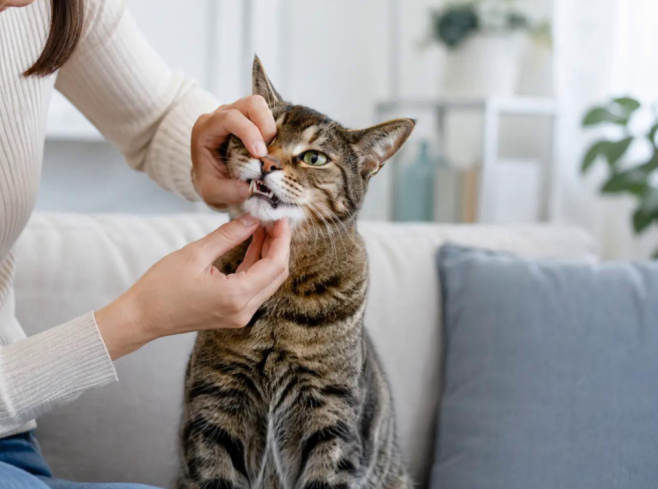
Start with observation rather than restraint:
1. Note when the odor occurs and whether it fades after meals.
2. Watch your cat take several bites. Look for food dropping, one-sided chewing, head tilting, or sudden pauses.
3. Check for drooling, blood, facial asymmetry, pawing at the mouth, or reduced grooming.
4. If your cat remains relaxed, lift one lip for a second and compare both sides of the gumline.
5. Stop immediately if the cat resists or appears painful.
Do not pry the jaw open, probe a sore, wiggle a tooth, or scrape tartar. A brief look can support your conversation with a veterinarian, but disease below the gumline requires professional diagnostics.
When is cat breath odor temporary?
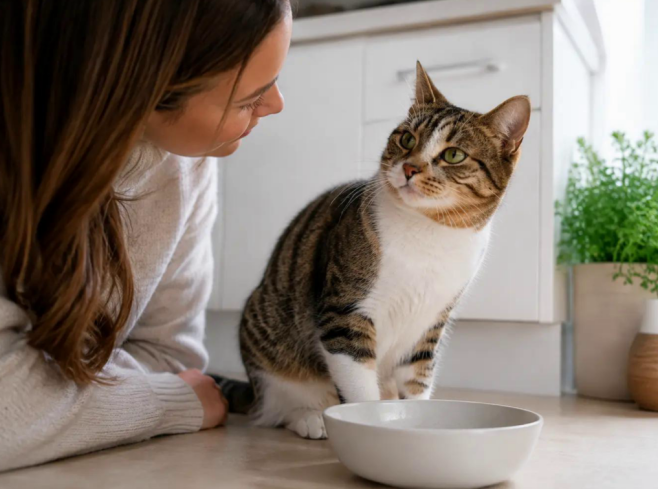
A strong-smelling meal can leave a short-lived odor. The difference is duration and context: temporary food breath fades, while disease-related halitosis tends to recur or persist. Schedule an exam if you repeatedly notice the smell when your cat has not just eaten.
Changes should not be dismissed as “old-cat breath.” Older cats may have greater risk of dental or systemic disease, but age does not make chronic odor normal.
What should you not use for cat bad breath?
Avoid human toothpaste, mouthwash, breath mints, gum, baking soda, hydrogen peroxide, essential oils, and unapproved water additives. Some ingredients can irritate the mouth or be unsafe when swallowed. Never give a human pain reliever.
Do not start tooth brushing when the gums are inflamed or the mouth is painful. Brushing is preventive care for a comfortable mouth, not a way to treat a fractured tooth or established infection.
When should you call the veterinarian?
Arrange an appointment for bad breath that persists, repeatedly returns, or comes with any oral change. Call promptly for:
• Red, swollen, receding, or bleeding gums
• Drooling, mouth pawing, jaw chattering, or obvious pain
• A loose, broken, discolored, or partly missing tooth
• Food dropping, one-sided chewing, soft-food preference, or reduced appetite
• Weight loss, poor grooming, hiding, or irritability
• Increased thirst or urination, vomiting, or reduced energy
• A mouth ulcer, lump, discharge, or facial swelling
Seek urgent care for breathing difficulty, major trauma, uncontrolled bleeding, suspected toxin exposure, rapidly increasing facial swelling, collapse, or a cat that cannot eat or drink safely.
How does a veterinarian investigate cat bad breath?
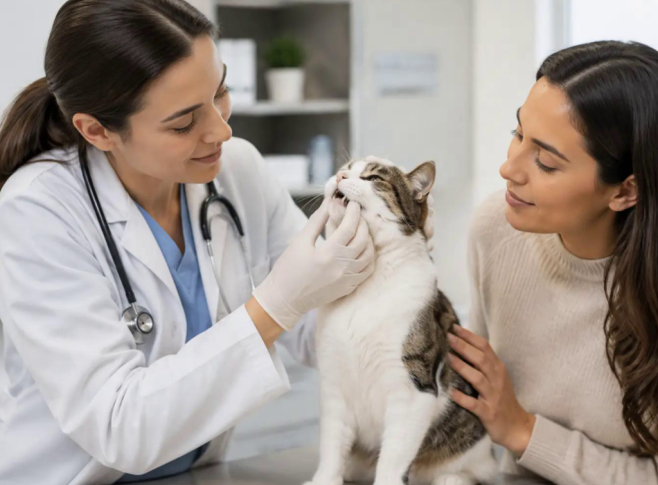
The veterinarian will review the history, perform a physical examination, and inspect the visible mouth. Depending on the findings, testing may include bloodwork, urinalysis, or other uation for systemic disease.
When dental disease is suspected, a complete oral assessment usually requires general anesthesia. This enables probing, cleaning above and below the gumline, and full-mouth dental radiographs. X-rays matter because much of each tooth and its supporting structures cannot be uated from the visible crown alone.
Treatment follows the cause. It may include professional cleaning, extraction or other dental treatment, pain control, treatment of an underlying illness, and a tailored home-care plan. Antibiotics are not a universal cure for bad breath and should not replace treatment of a diseased tooth.
What details should you tell your veterinarian?
Before the appointment, record:
• When the odor started and whether it is constant
• Any new food, treat, medication, or oral-care product
• Appetite, food texture preference, chewing behavior, and food dropped
• Drinking and urination changes
• Vomiting, weight change, grooming, energy, and social behavior
• Visible gum, tooth, saliva, or facial changes
Photos or a short video of unusual eating can help if obtained without delaying care or stressing the cat.
Can you prevent cat bad breath?
You can reduce plaque-associated causes through routine cat dental care: regular veterinary checks, gradual tooth-brushing training, and feline products that have earned the VOHC seal when appropriate. Prevention cannot eliminate every cause, so a changing odor still deserves investigation.
Frequently asked questions
Why does my cat's breath smell fishy?
A recent fish-based meal can cause temporary odor. A fishy smell that persists may still be associated with dental disease or another problem. Use duration and accompanying signs—not the odor label alone—to decide on an exam.
Why does my cat's breath smell like ammonia?
An ammonia-like odor is sometimes reported with kidney disease, but smell is not a reliable diagnostic test. Contact your veterinarian, especially if thirst, urination, appetite, weight, or energy has changed.
Can teething cause kitten bad breath?
Mild temporary odor can occur during tooth eruption, but strong persistent odor, swelling, bleeding, pain, retained baby teeth, or difficulty eating needs a veterinary check.
Will brushing cure my cat's bad breath?
Brushing may help control plaque in a comfortable, healthy mouth. It will not fix an infected, fractured, or resorbing tooth, advanced periodontal disease, or a systemic illness. Diagnose the cause first.
Is sudden bad breath an emergency?
Odor by itself is not always an emergency, but sudden odor with breathing trouble, swelling, trauma, toxin exposure, bleeding, severe pain, or inability to eat warrants urgent care.
Final takeaway
Persistent cat bad breath is a reason to look for a cause, not something to cover up. Observe the whole cat, perform only a gentle visual check, avoid unsafe home remedies, and involve a veterinarian when the odor continues or other signs appear.
Sources and editorial methodology
This article separates observable signs from possible causes. Odor descriptions are treated as context only, not as a home test for kidney disease, diabetes, or another systemic condition.
• Cornell Feline Health Center: Bad Breath—Sign of Illness?
• Cornell Feline Health Center: Feline Dental Disease
• AAHA: Your Pet's Dental Care
• 2025 FelineVMA Feline Oral Health and Dental Care Guidelines
This article provides general educational information and is not a substitute for an examination, diagnosis, or individualized advice from your veterinarian.Label:
Popular Post
The Ultimate Guide to Tabby Cats: Patterns, Personalities, and More
Mar 27, 2025
Top 10 Most Expensive Cat Breeds in The World
May 07, 2025
Can Cats Have Ice Cream? Dangers, Safe Flavors & Healthy Cat Treats
Sep 02, 2025
My Cat Only Eats A Little at A Time - What to Do?
Feb 27, 2023
Top 8 Reasons Why Does My Cat Sleep Between My Legs?
Mar 03, 2025

[Blue] W03L 3L Premium Ceramic Cat Water Fountain
Model: W03 LITE
$59.99
$69.99
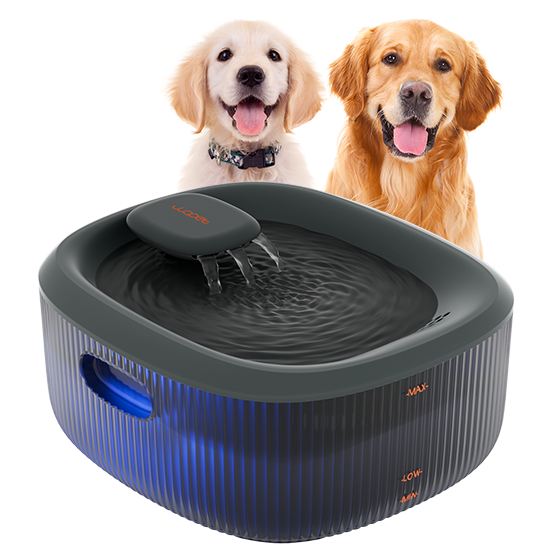
Basin Pet Water Fountain-W600
Model: W600
$43.99
$69.99
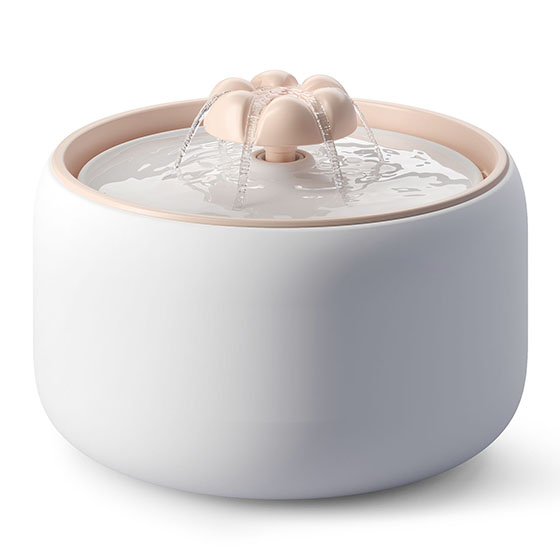
[Basic] Ceramic Pet Water Fountain with Power Cable
Model: W03L
$59.99
$99.00
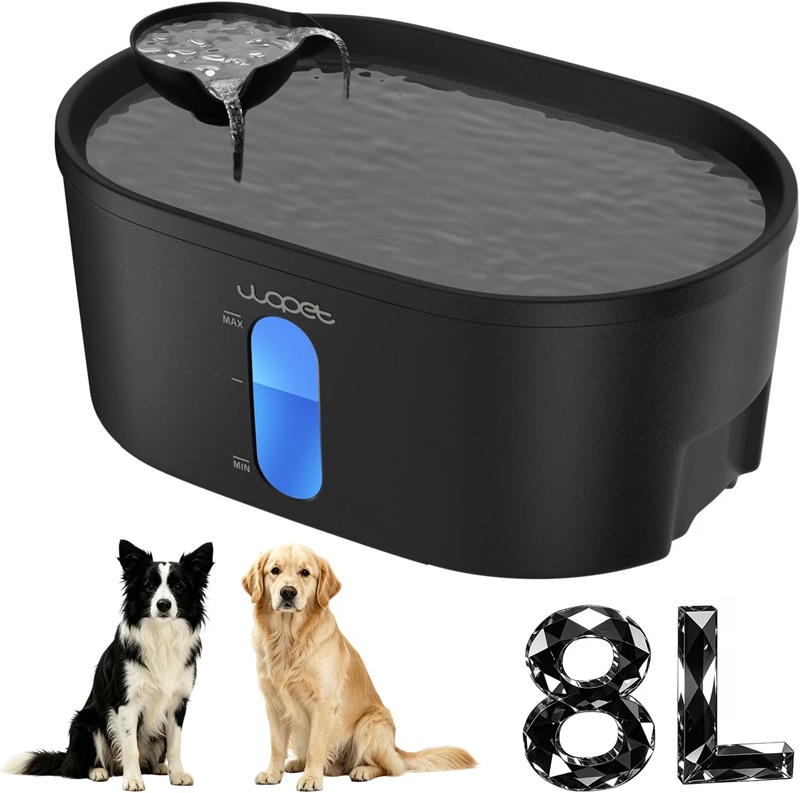
WOPET 8L Pet Water Fountain For Multiple Cats or Large Dogs A08
Model: A08
$49.99
$59.99
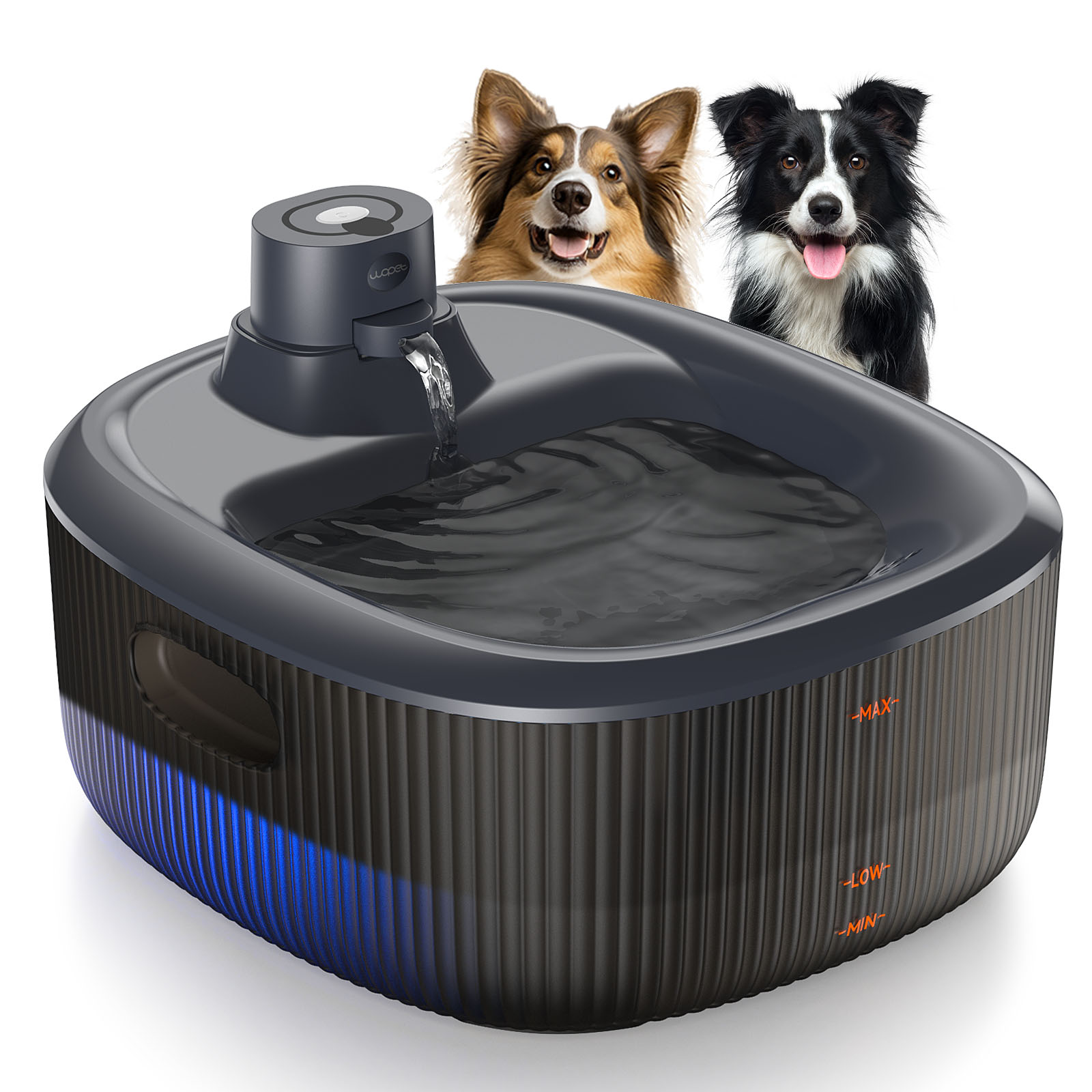
[Upgrade] Basin Wireless Pet Water Fountain
Model: W600 Pro
$69.99
$89.99
[Blue] W03 3L Ceramic Cordless Cat Water Fountain
Model: W03
$89.99
$99.99

DOWNLOAD APP

WOpet life




Copyright © 2026 WOPET. All Rights Reserved.