Sep 07, 2026
Author:Sam Wonder
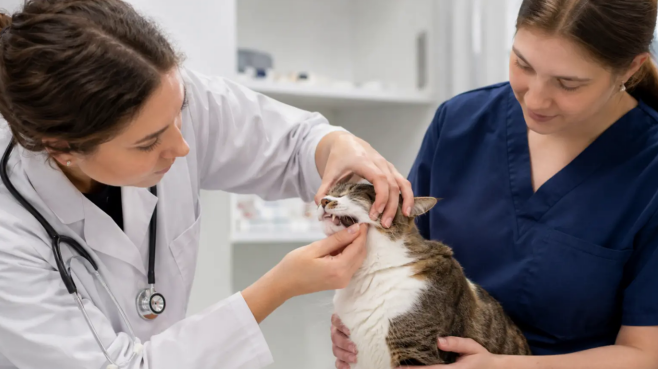
Gingivitis in cats is inflammation of the gums. It often begins as a red line where the gum meets the tooth and may progress to swelling, bleeding, pain, bad breath, and changes in eating. Early plaque-associated gingivitis may be reversible, but only after the cause and severity are properly uated.
|
Quick answer: Do not brush through red or bleeding gums. Arrange a veterinary dental exam, especially if your cat also has bad breath, drooling, eating changes, or pain. Treatment may involve professional cleaning under anesthesia and care for any underlying dental or medical problem. Once the mouth is comfortable, regular brushing and appropriate VOHC-accepted products can help control plaque and reduce recurrence. |
What should you do if your cat's gums look red?
• Stop brushing the inflamed area. Brushing painful tissue can worsen discomfort.
• Watch the next meal. Note food dropping, one-sided chewing, hesitation, or reduced intake.
• Book an oral exam. A veterinarian must determine whether the problem is simple gingivitis, periodontitis, tooth resorption, stomatitis, or another condition.
What exactly is gingivitis?
The gingiva is the gum tissue surrounding the teeth. Gingivitis means that this tissue is inflamed. In many cats, plaque accumulates at the gumline, bacteria shift, and the immune system responds with redness and swelling. When plaque mineralizes, it becomes rough tartar that gives more plaque a surface to collect on.
Gingivitis is limited to the gums and can be reversible in its early stages. Periodontitis involves irreversible damage to the ligament and bone supporting the teeth. The two terms should not be used interchangeably.
What are the early signs of gingivitis in cats?
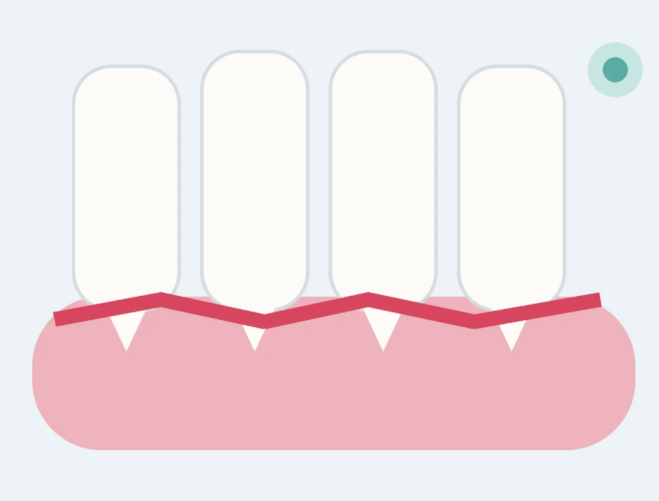
Early changes can be subtle:
• A thin red or darker line where the gum meets the tooth
• Mild gum swelling
• Breath that becomes persistently unpleasant
• Increased plaque or tartar near the gumline
• Brief hesitation when biting or chewing
• Reduced tolerance for face or mouth handling
As inflammation becomes more painful, a cat may drool, paw at the mouth, drop food, chew on one side, prefer softer food, groom less, hide, or become irritable. Some cats keep eating despite substantial pain, so appetite alone does not rule out disease.
Bleeding, marked swelling, ulcers, or inflammation extending beyond the narrow gumline is not a “wait and see” finding.
What causes feline gingivitis?
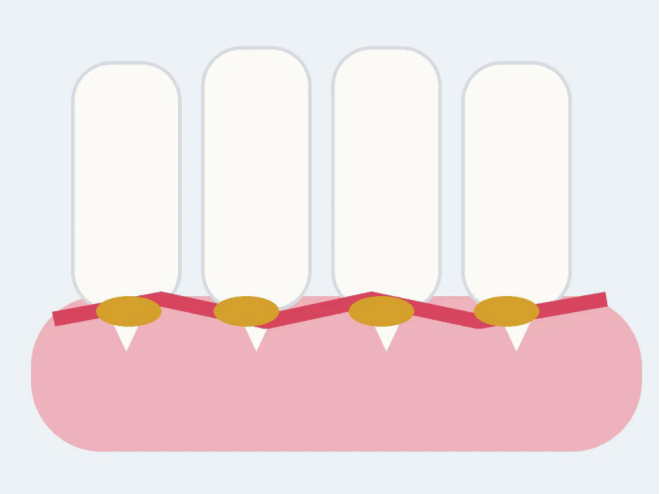
Plaque-associated inflammation is common, but “red gums” do not identify a single cause. Possibilities include:
• Plaque and tartar accumulation
• Crowded or abnormally positioned teeth that trap plaque
• Retained deciduous teeth in a young cat
• A fractured tooth, periodontal pocket, or other local dental disease
• Tooth resorption
• Severe immune-mediated oral inflammation, including gingivostomatitis
• Viral, systemic, or immune disease that may contribute to oral inflammation
Cornell's overview of feline dental disease notes associations between gingivitis and conditions such as severe kidney disease, diabetes, immune disease, and some feline infections. An association is not a diagnosis; the veterinarian decides whether testing beyond the mouth is indicated.
Is gingivitis the same as stomatitis?
No. Gingivitis affects the gums around teeth. Feline chronic gingivostomatitis produces more extensive, often severe inflammation that may involve tissue at the back of the mouth, under the tongue, or along other oral surfaces. Cats with stomatitis can be extremely painful and may struggle to eat, groom, or yawn.
Treatment plans differ, so photos and internet descriptions cannot replace an oral examination. If inflammation is widespread or your cat appears very painful, arrange prompt veterinary care.
Can gingivitis in cats go away on its own?
Plaque-associated gingivitis may improve when plaque and tartar are properly removed and effective home care follows. It should not be expected to resolve while the trigger remains. Tartar cannot be safely brushed away at home, and inflammation caused by a painful tooth or another illness requires specific treatment.
Waiting risks progression to periodontitis, in which supporting tissue and bone are permanently damaged. It can also prolong pain that the cat is unlikely to show clearly.
How do veterinarians diagnose and treat cat gingivitis?
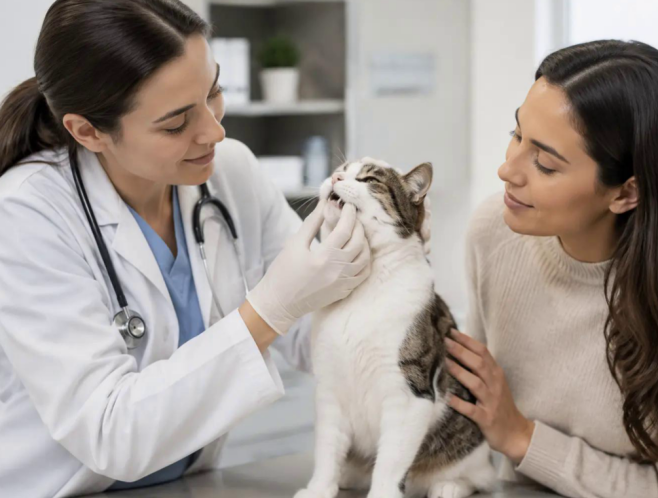
The first step is a history and physical examination, including a conscious look at the visible mouth when safe. The veterinarian considers age, eating changes, prior dental disease, medications, and signs elsewhere in the body.
A complete dental uation generally requires general anesthesia. It may include:
• Examination and charting of every tooth
• Periodontal probing
• Scaling above and below the gumline
• Polishing
• Full-mouth intraoral radiographs
• Treatment of fractured, resorbing, loose, or otherwise diseased teeth
Additional tests may be recommended if the pattern suggests systemic disease or severe inflammation. Treatment depends on the cause and can include professional cleaning, extraction or other dental procedures, pain control, and targeted medical therapy. Antibiotics are not a stand-alone cure for plaque, tartar, or an unsalvageable tooth.
Do not seek cosmetic, anesthesia-free scaling as a substitute. It cannot safely clean or uate disease below the gumline and does not provide dental radiographs.
How can gingivitis be prevented?
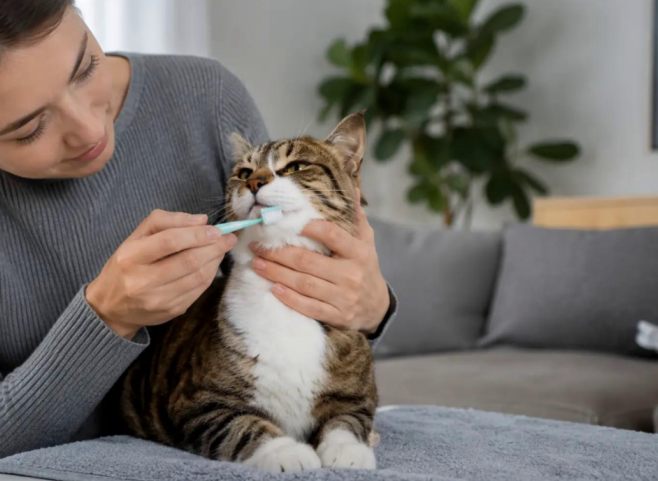
Once a veterinarian confirms the mouth is comfortable, use a consistent prevention plan:
1. Brush frequently. Daily brushing offers the strongest plaque control; introduce it gradually with cat-safe toothpaste.
2. Use appropriate adjuncts. Choose feline products with the VOHC Seal of Acceptance when your veterinarian recommends them.
3. Observe eating and behavior. A new preference for soft food or new brushing resistance may be an early pain sign.
4. Perform brief home checks. Look for a new red gumline, tartar, odor, or asymmetry without forcing the mouth open.
5. Keep veterinary follow-ups. Home care cannot assess tooth roots or periodontal bone.
See how to brush a cat's teeth without stress for a gradual training method. If the gums are already red or painful, start with the veterinarian—not the toothbrush.
When is gingivitis urgent?
Contact your veterinarian promptly when your cat has inflamed gums plus pain, drooling, bleeding, reduced appetite, food dropping, weight loss, facial swelling, or lethargy. Same-day advice is appropriate when a cat is not eating normally.
Seek urgent care for trouble breathing, severe oral bleeding, major trauma, rapidly increasing swelling, suspected chemical or electrical injury, collapse, or inability to swallow safely.
Frequently asked questions
What does gingivitis look like in a cat?
It often appears as redness and swelling along the gum margin. Severe cases may bleed, but pigment and lighting can make home assessment difficult. Compare with your cat's normal and let a veterinarian confirm the diagnosis.
Can I brush my cat's teeth if the gums are red?
Not until a veterinarian assesses the mouth. Cornell specifically cautions that brushing severe gingivitis can be painful. Treat disease first, then begin or restart prevention when advised.
Does gingivitis make a cat's breath smell?
It can. Persistent cat bad breath may accompany gingivitis, periodontitis, tooth disease, or illness outside the mouth, so odor alone does not determine the cause.
Are antibiotics enough to treat feline gingivitis?
Not usually. Medication may be appropriate in a specific plan, but it does not mechanically remove tartar or repair a diseased tooth. Diagnosis and treatment of the underlying cause are essential.
Can kittens get gingivitis?
Yes. Gum inflammation can occur around tooth eruption or with retained teeth, plaque, viral disease, or other problems. Persistent, painful, or pronounced redness warrants veterinary uation rather than assuming it is normal teething.
Final takeaway
Early gingivitis can look minor while already making a cat uncomfortable. Recognize the red gumline, stop painful home handling, obtain a dental diagnosis, and use brushing only after the mouth is comfortable. Prevention works best when home plaque control and veterinary assessment support each other.
For the full routine, read the cat dental care guide.
Sources and editorial methodology
This guide uses veterinary definitions to keep reversible gingivitis separate from irreversible periodontitis and more extensive gingivostomatitis. Treatment language remains conditional because the cause and severity must be examined.
• Cornell Feline Health Center: Feline Dental Disease
• Cornell Feline Health Center: Gingivostomatitis
• AAHA: 2019 Dental Care Guidelines for Dogs and Cats
• Veterinary Oral Health Council: Accepted Products
• 2025 FelineVMA Feline Oral Health and Dental Care Guidelines
This article provides general educational information and is not a substitute for an examination, diagnosis, or individualized advice from your veterinarian.Label:
Popular Post
The Ultimate Guide to Tabby Cats: Patterns, Personalities, and More
Mar 27, 2025
Top 10 Most Expensive Cat Breeds in The World
May 07, 2025
Can Cats Have Ice Cream? Dangers, Safe Flavors & Healthy Cat Treats
Sep 02, 2025
My Cat Only Eats A Little at A Time - What to Do?
Feb 27, 2023

Top 8 Reasons Why Does My Cat Sleep Between My Legs?
Mar 03, 2025

[Blue] W03L 3L Premium Ceramic Cat Water Fountain
Model: W03 LITE
$59.99
$69.99

Basin Pet Water Fountain-W600
Model: W600
$43.99
$69.99

[Basic] Ceramic Pet Water Fountain with Power Cable
Model: W03L
$59.99
$99.00

WOPET 8L Pet Water Fountain For Multiple Cats or Large Dogs A08
Model: A08
$49.99
$59.99

[Upgrade] Basin Wireless Pet Water Fountain
Model: W600 Pro
$69.99
$89.99

[Blue] W03 3L Ceramic Cordless Cat Water Fountain
Model: W03
$89.99
$99.99

DOWNLOAD APP

WOpet life




Copyright © 2026 WOPET. All Rights Reserved.