Pet accidents are something that happens when you have dogs and cats. A young puppy might not get outside in time, an older dog could have a mishap during the night, or a cat might decide to go potty outside the litter box.
The good news is that you don't always need chemical cleaners to handle a fresh pet stain. Sometimes a simple approach works, too.
What matters most is understanding what exactly you're trying to clean. A visible mark on the carpet isn't always the same as the smell that lingers. You can scrub away the stain. Make the area look spotless, but if the odor remains, your pet will likely notice it. That means the problem isn’t fully solved—your furry friend may return to the spot again and again.
In this guide, we’ll walk through how to remove pet stains using natural methods. We’ll cover which household items actually help, which ones don’t work well when going natural just won’t cut it, and how to keep these accidents from happening over and over.
WOpet Tip: The best time to act is right after the accident happens. The sooner you clean up urine, vomit or other organic messes the easier it is to remove them. When these substances stay long in soft surfaces like carpets or bedding they soak in deeper making them harder to fully clean.
What Makes a Pet Stain Remover Natural
When people talk about natural cleaning solutions for pets, they usually mean things you already have at home—ingredients that are not harsh chemicals or heavy fragrances.
Popular choices include:
- Baking soda
- vinegar
- Water
- Mild unscented soap
- Absorbent paper towels or cloths
- Enzyme-based cleaners that use biological enzymes instead of relying on strong solvents
But calling something natural doesn’t automatically mean it’s better or safer.
Take vinegar, for instance. It’s often praised as a green cleaner. Concentrated vinegar can be irritating if a pet licks it or breathes in strong fumes. The
ASPCA warns owners to keep pets from cleaning areas until everything is dry. Even enzyme cleaners, which sound gentle, can cause issues if your pet accidentally ingests them.
So the real goal shouldn’t be to pick the most natural ingredient possible.
It should be to use the method that actually works for the type of stain you’re dealing with—while keeping your pet out of reach of wet cleaning products.
How to Remove a Fresh Pet Urine Stain Naturally
Fresh urine is usually much easier to deal with than a dried stain.
The biggest mistake is scrubbing immediately.
Scrubbing can push liquid deeper into carpet fibers, upholstery, mattresses, or other porous materials.
Instead, focus on removing as much liquid as possible first.
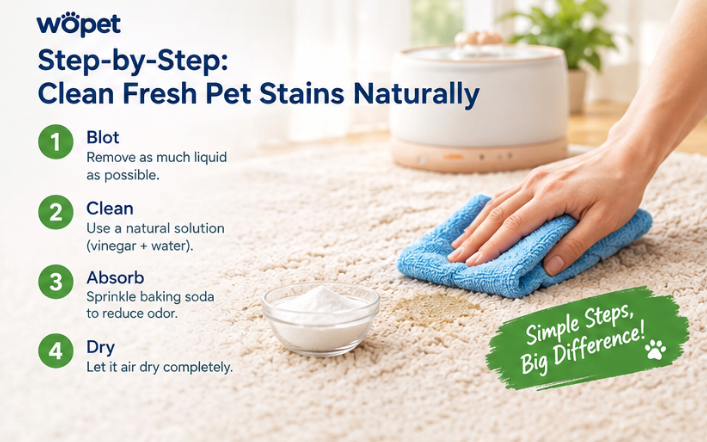
Step 1: Blot the accident
Use paper towels, a clean towel, or another absorbent material.
Press onto the wet area and lift.
Don’t rub back and forth.
Continue replacing the towel until you are removing little moisture.
For carpet, you can place absorbent material over the area and apply pressure to draw liquid upward.
The Humane Society also recommends soaking up fresh urine and rinsing the affected area with clean, cool water before blotting it dry.
Step 2: Rinse with cool water
After removing as much urine as possible, apply a small amount of cool water to the affected area.
The purpose is not to soak the carpet.
You’re trying to dilute and lift remaining residue so that you can extract it.
Blot again.
Step 3: Allow the area to dry
Good airflow makes a significant difference.
Open windows, turn on a fan. Otherwise, improve ventilation if practical.
Don’t allow your dog or cat to walk through or lick the area while you’re cleaning.
Step 4: Use baking soda only after the surface is mostly dry
Once the area is dry or nearly dry, a small amount of baking soda can help absorb odors.
Sprinkle a layer over the affected area.
Leave it for hours, then vacuum thoroughly.
Important: Baking soda is primarily an odor-management tool. It should not be treated as a solution for urine contamination.
Can You Use Vinegar to Remove Pet Urine?
Yes, diluted white vinegar is commonly used as a household cleaning solution, but there is an important limitation:
Vinegar does not magically eliminate every component of pet urine.
A diluted vinegar-and-water solution may help with surface cleaning and odor, particularly when an accident is fresh. But old urine that has penetrated carpet padding, upholstery, flooring seams, or mattresses can require a more targeted approach.
If you choose to use vinegar:
1. Dilute it with water.
2. Test it on an inconspicuous area first.
3. Avoid saturating the material.
4. Blot rather than aggressively scrubbing.
5. Allow the area to dry completely.
6. Keep pets away until the surface is dry.
ASPCA notes that vinegar-and-water solutions are commonly used as household alternatives, while also cautioning that vinegar can cause irritation if concentrated or ingested.
What about the vinegar smell?
That’s another reason not to overuse it.
A strong vinegar smell may disappear as the solution dries, but adding more vinegar isn’t necessarily going to solve a deep urine odor.
If you can still smell urine after the surface has dried, the problem may be below the surface rather than on it.
Can Baking Soda Remove Pet Stains?
Baking soda is useful, but its role is often misunderstood.
It can help absorb moisture and reduce odors, making it useful as part of a cleaning routine.
However, baking soda doesn’t physically remove every component of urine that has soaked into a porous material.
Think of it this way:
Blotting removes liquid.
Rinsing helps remove residue.
Baking soda helps with odor.
Enzymatic cleaners can break down organic residues.
These are different jobs.
For a very small fresh accident on a hard, non-porous surface, simple cleaning may be enough.
For urine that has soaked into carpet padding or upholstery, a more thorough treatment may be necessary.
What About Enzyme Cleaners?
If you’re willing to go beyond ingredients already sitting in your kitchen, an enzymatic pet cleaner can be a useful option.
Enzyme-based products are specifically designed to break down organic material associated with pet waste rather than simply covering up the smell.
The ASPCA recommends enzymatic cleaners for thoroughly cleaning areas where cats have urinated outside their litter box.
This is particularly important when dealing with repeat accidents.
A surface may look perfectly clean to you while still retaining odor compounds that your pet can detect.
When should you choose an enzyme cleaner instead of a DIY solution?
Consider one when:
· The urine stain is old or dried.
· Your pet repeatedly returns to the same location.
· The smell returns after the surface dries.
· Urine has penetrated carpet padding.
· The accident happened on upholstery or a mattress.
· You have already tried a household cleaning solution without success.
In other words, natural DIY cleaning is not a competition.
Use the least complicated method that actually solves the problem.
How to Remove Old Pet Urine Stains
Old stains require a different mindset.
If urine has dried, simply spraying something on the visible surface may not reach everything that was absorbed underneath.
Start by identifying how far the urine may have traveled.
For example:
Carpet → carpet backing → padding → subfloor
If the accident reached deeper layers, cleaning only the carpet fibers may not completely solve the odor.
Step 1: Locate the entire affected area
Don’t focus only on the darkest or most obvious spot.
If your pet has repeatedly urinated in the same area, the affected zone may be larger than the visible stain.
Step 2: Clean according to the material
Different surfaces require different approaches.
Hard flooring:
Use a small amount of appropriate diluted cleaner and wipe thoroughly.
Carpet:
Blot or extract rather than aggressively scrubbing. Avoid oversaturating the carpet.
Upholstery:
Check the manufacturer’s cleaning instructions before applying any homemade solution.
Mattress:
Use minimal liquid. A heavily saturated mattress can take a long time to dry and may develop additional problems.
Step 3: Let the area dry completely
This step is easy to underestimate.
You may think the stain is gone while the material is still damp.
Wait until it is completely dry before deciding whether the odor has actually disappeared.
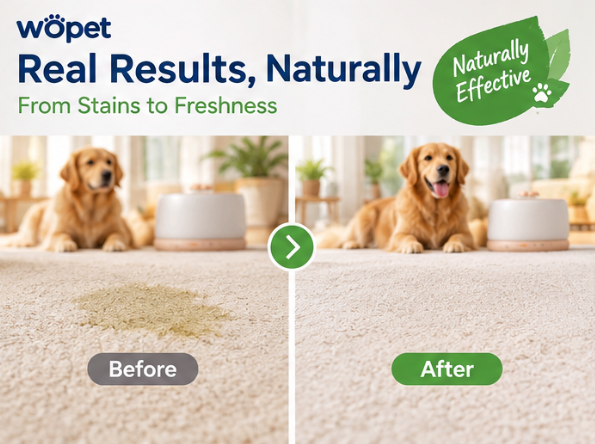
How to Remove Pet Vomit Stains Naturally
Urine isn’t the only common pet stain.
Dogs and cats occasionally vomit on carpets, rugs, bedding, and furniture.
The cleaning strategy is slightly different.
1. Remove solid material first
Use a piece of cardboard, paper towel, or another disposable tool to remove the material carefully.
Avoid grinding it into the carpet.
2. Blot the remaining moisture
Use paper towels or an absorbent cloth.
3. Use a small amount of mild soapy water
For a washable or compatible surface, a small amount of mild soap diluted in water can help remove remaining residue.
4. Rinse carefully
Remove remaining soap with a small amount of clean water.
5. Dry thoroughly
Use airflow to speed up drying.
For colored, delicate, or expensive fabrics, always check the manufacturer’s care instructions first.
How to Remove Pet Poop Stains Naturally
For solid waste, the priority is removing the material before it spreads.
1. Pick up the solid waste carefully.
2. Blot any remaining moisture.
3. Clean the area with a suitable mild cleaning solution.
4. Rinse away residue where appropriate.
5. Dry completely.
6. Check for lingering odor.
For carpet, don’t scrub aggressively at the beginning.
The more you spread the material, the larger the cleaning area becomes.
What Not to Use on Pet Stains
Some cleaning “hacks” can create more problems than they solve.
Avoid ammonia-based cleaners for urine accidents.
This is particularly important for cat urine.
Urine contains ammonia-related compounds, and ammonia-based cleaners can make the area more attractive for repeat marking.
The ASPCA specifically advises against ammonia-based cleaners when treating cat urine marking.
Don’t mix household cleaning chemicals.
Never experiment by mixing different cleaning products together.
A natural ingredient doesn’t automatically become safer when combined with another cleaner.
Don’t let your pet walk through wet cleaning solutions.
Keep pets away from the area until it has dried completely.
ASPCA notes that cleaning products can cause irritation or stomach upset if pets walk through wet areas or lick residues.
Don’t rely on fragrance to solve odor.
A strong fragrance can make a room smell different without actually removing the source of the odor.
If your pet keeps returning to the same spot, masking the smell isn’t enough.
Why Does My Pet Keep Peeing in the Same Place?
If your pet repeatedly urinates in one location, don’t assume the cleaning method is the only problem.
There may be a behavioral, environmental, or medical reason.
For cats, urine marking can be associated with stress, territorial conflict, or other behavioral factors. The ASPCA recommends thoroughly cleaning marked areas with an enzymatic cleanser and addressing the underlying cause rather than simply cleaning the stain.
If a previously house-trained pet suddenly starts having accidents, especially if the behavior is persistent or accompanied by other changes, speak with your veterinarian.
Cleaning the stain is only one part of solving recurring accidents.
How Pet Parents Can Prevent Future Stains
The best stain is the one you never have to clean.
A few practical changes can make accidents easier to manage.
Create predictable routines
Dogs often benefit from consistent feeding, bathroom, and walking routines.
Cats also benefit from a predictable environment and appropriately maintained litter boxes.
Make water easy to access
Good hydration is an important part of everyday pet care.
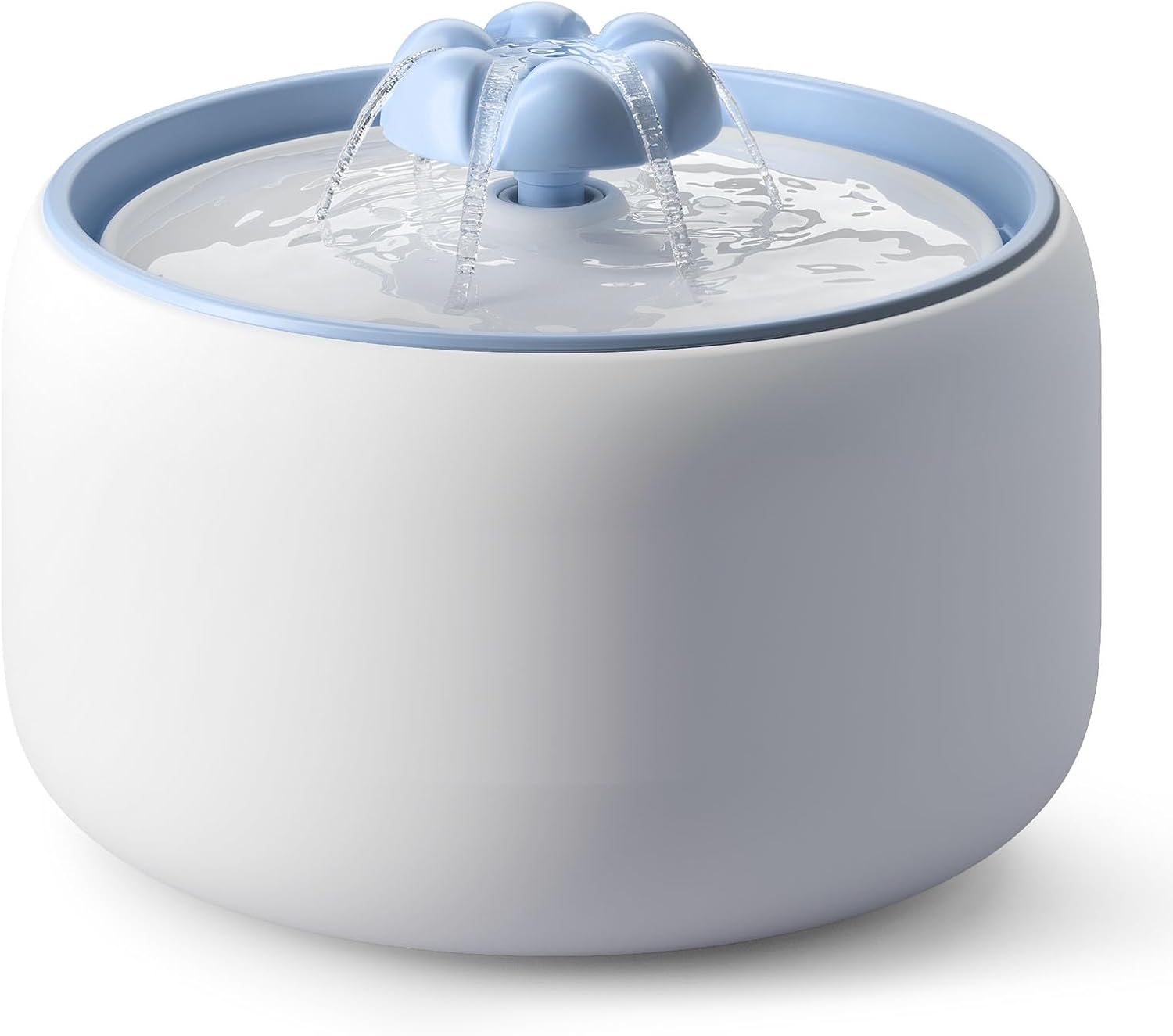
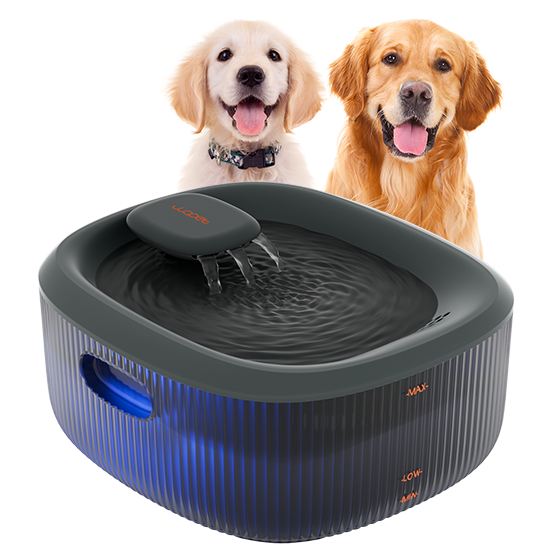
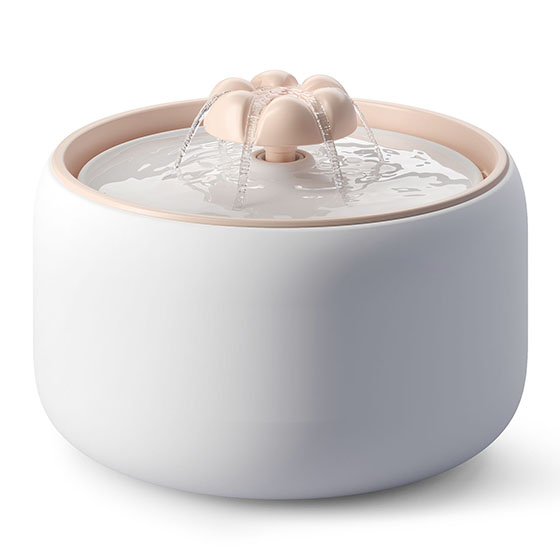
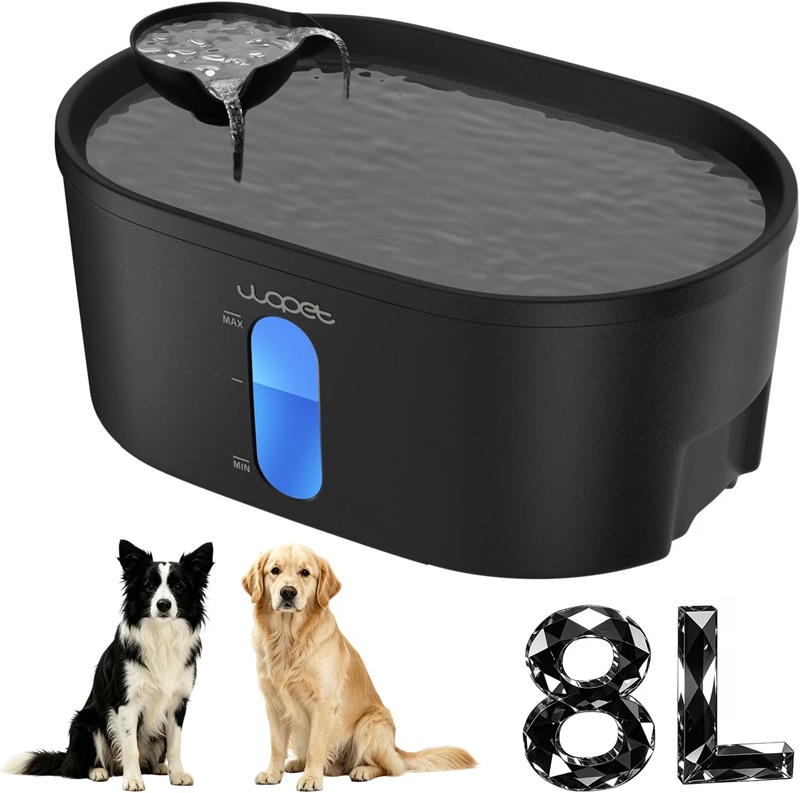
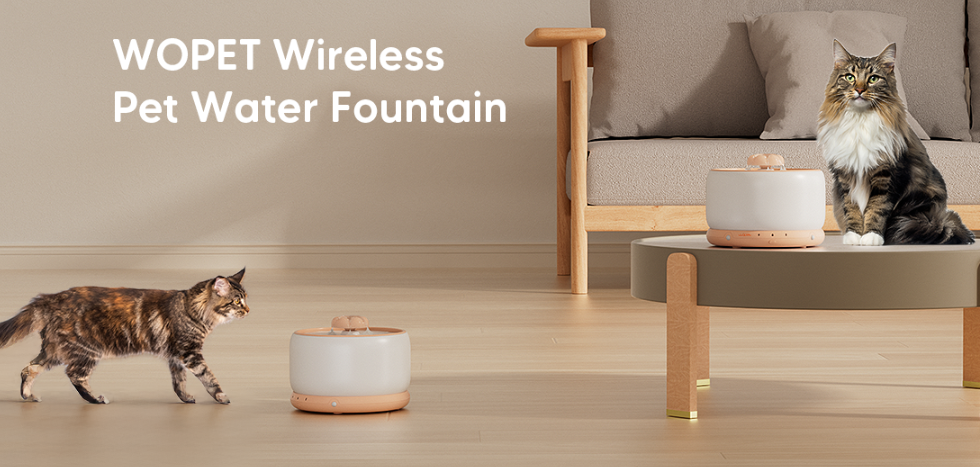
For multi-pet households or pets that don’t drink readily from a traditional bowl, a circulating
pet water fountain can make water more accessible and appealing.
WOpet’s water fountain design supports convenient access to fresh water, when you get water easier,pet stains remover work becomes easier.
Buy it on Amazon
Make cleanup easier
Washable blankets, waterproof mattress protectors, removable furniture covers, and easily cleaned rugs can dramatically reduce the work involved after an accident.
Watch for changes in behavior.
A sudden change in bathroom habits is worth paying attention to.
Don’t simply keep cleaning the same spot without considering why the accident is happening.
WOpet’s Practical Approach: Clean the Accident, Then Solve the Pattern
One thing we’ve learned from thinking about everyday pet care is that cleaning an accident is rarely the entire problem.
Imagine this:
Your dog urinates beside the sofa.
You clean the stain.
Two days later, it happens again.
You clean it again.
Then it happens again.
At this point, the useful question isn’t just:
“How do I remove the stain?”
It’s:
“Why does my dog keep choosing this location?”
Maybe the original odor wasn’t completely removed.
Maybe the dog isn’t getting outside frequently enough.
Maybe the location has become associated with previous accidents.
Maybe there has been a change in the pet’s routine.
Or maybe there’s an underlying health issue that needs professional attention.
The most effective pet-care solutions usually look beyond the immediate mess.
At WOpet’s pointview,Pet’s training behavior may become more important if the pet cannot correct it’s wrong behavior.
WOpet’s Recommended “Fresh Accident” Routine
For a fresh urine accident, here’s a simple routine you can save:
1. Absorb
Blot as much liquid as possible.
2. Dilute
Use a small amount of clean, cool water when appropriate for the material.
3. Blot again
Remove the diluted residue.
4. Treat
Use baking soda for odor management or an appropriate enzymatic cleaner when deeper organic residue is the concern.
5. Dry
Give the area enough airflow to dry completely.
6. Reassess
Once dry, check whether the stain and odor are actually gone.
7. Investigate repeat accidents
If your pet keeps returning to the same location, look for the underlying cause instead of repeatedly treating the surface.
A Simple Decision Guide
|
Situation
|
Best First Step
|
|
Fresh urine on carpet
|
Blot immediately
|
|
Fresh urine on hard flooring
|
Wipe and clean the surface
|
|
Mild residual odor
|
Baking soda after drying
|
|
Fresh stain requiring deeper cleaning
|
Appropriate enzymatic cleaner
|
|
Old urine smell
|
Identify whether urine reached padding or other porous layers
|
|
Repeated marking
|
Thorough enzymatic cleaning + investigate the cause
|
|
Vomit on carpet
|
Remove solids, blot, then clean
|
|
Pet repeatedly having accidents
|
Consider behavioral or veterinary causes
|
When Natural Cleaning Isn’t Enough
Natural cleaning methods are useful for many everyday messes, but they have limits.
You may need a professional cleaning service when:
· Urine has soaked deeply into carpet padding.
· A mattress has been heavily saturated.
· The same area has been repeatedly contaminated.
· There is persistent odor after several proper cleaning attempts.
· The material is expensive or difficult to replace.
· You cannot safely determine which cleaning method is appropriate for the surface.
And if your pet suddenly begins having frequent accidents, don’t treat the problem as a cleaning issue alone.
A clean carpet won’t solve an underlying health or behavioral problem.
Frequently Asked Questions
What is the best natural way to remove fresh pet urine?
Start by blotting as much urine as possible. Follow with appropriate rinsing and additional blotting, then allow the area to dry completely. Baking soda can help with residual odor, while enzymatic cleaners may be more appropriate when organic residue or persistent odor remains.
Does vinegar remove the smell of dog urine?
Diluted vinegar may help with surface cleaning and odor, but it isn’t guaranteed to eliminate urine that has penetrated deeply into porous materials.
Does baking soda remove pet urine?
Baking soda can help absorb moisture and reduce odors, but it should not be considered a complete treatment for deeply absorbed urine.
Can I use vinegar and baking soda together?
They are commonly combined in DIY cleaning recipes, but combining an acid such as vinegar with baking soda causes a chemical reaction that largely neutralizes both ingredients. Using them strategically for different purposes can make more sense than assuming the combination is automatically more powerful.
Why can I still smell urine after cleaning?
The urine may have penetrated deeper than the visible stain, particularly in carpet padding, upholstery, mattresses, or other porous materials. Your pet may also continue returning to an area where odor remains.
Is it safe for pets to walk on a freshly cleaned area?
Keep pets away from the area until the cleaning solution has completely dried. This reduces the chance of licking or contacting wet residues.
Should I use ammonia to clean cat urine?
No. The ASPCA specifically advises against ammonia-based cleaners for cat urine marking because ammonia can encourage a cat to return to the area.
The Bottom Line
Removing pet stains naturally doesn’t require a complicated collection of household ingredients.
For most fresh accidents, the most important step is surprisingly simple:
Remove as much of the mess as possible before it has time to soak in.
Blot first. Clean according to the surface. Use baking soda primarily for odor management, and consider an enzymatic cleaner when organic residue or persistent urine odor is the real problem.
Most importantly, don’t stop at the stain.
If your pet repeatedly soils the same place, investigate the reason behind the behavior.
Pet’s training behavior may become more important if the pet cannot correct it’s wrong behavior.
A cleaner home is helpful. A healthier, happier pet is the bigger goal.