Sep 07, 2026
Author:Amanda Lyu
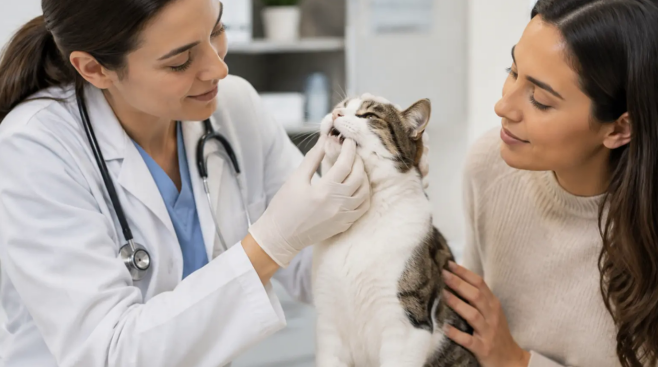
Tooth resorption in cats is a progressive breakdown of tooth structure. It is common, often painful, and easy to miss because lesions may begin at or below the gumline while a cat continues eating. A complete diagnosis usually depends on an anesthetized oral examination and full-mouth dental radiographs.
|
Quick answer: Watch how your cat eats, not only whether it eats. Food dropping, swallowing kibble without chewing, head tilting, chewing on one side, jaw chattering, soft-food preference, drooling, or sudden resistance to face handling can signal oral pain. Do not probe the tooth or brush a painful mouth. Arrange a veterinary dental uation; treatment is selected from clinical and radiographic findings. |
What are the most important next steps?
• Observe one normal meal: Note chewing side, head movement, dropped food, and texture preference.
• Do not test a suspicious tooth: Probing, wiggling, or brushing can cause intense pain.
• Ask about full-mouth dental radiographs: A visible crown cannot show the condition of every root or the surrounding bone.
What is tooth resorption in cats?
Each tooth contains mineralized structures surrounding living tissue. In tooth resorption, cells progressively remove hard tooth material. The process may involve the root, crown, or both and can expose sensitive dentin or pulp.
Older names include feline odontoclastic resorptive lesion and FORL. “Cervical line lesion” may also appear in older material. Tooth resorption is the current plain-language term and should not be confused with a cavity. The disease process, distribution, and treatment decisions are different.
Cornell's tooth resorption review estimates that the condition affects a substantial proportion of cats, particularly as they age. The 2025 FelineVMA oral health guidelines also describe it as common, progressive, and often painful. Its exact cause remains unknown, so confident claims that a single food or home habit causes it are not evidence-based.
What signs of tooth resorption do owners miss?
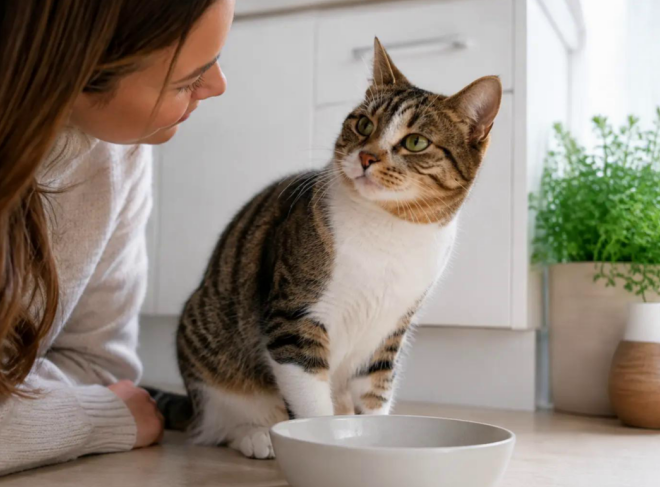
Cats may preserve appetite while changing the mechanics of eating. Watch for:
• Dropping kibble or carrying food away and leaving it
• Swallowing pieces with little chewing
• Chewing on only one side
• Tilting or jerking the head while biting
• Approaching the bowl, hesitating, then trying again
• Newly preferring soft food
• Jaw chattering when a tooth is touched or food contacts it
• Drooling, blood-tinged saliva, or pawing at the mouth
• Reduced grooming, especially around the face or coat
• Hiding, irritability, or avoiding face handling
• Weight loss or reduced intake in more advanced cases
“Still eating” does not mean “not painful.” A cat may be hungry enough to compensate for discomfort. Compare current behavior with the cat's normal eating speed, chewing sound, food texture preference, and social routine.
Can you see a resorptive lesion at home?
Sometimes an advanced lesion appears as a pink or red spot where the tooth meets the gum, or the gum seems to grow over part of a damaged crown. Other lesions remain hidden below the gumline. Tartar, gum inflammation, and a cat's reluctance to open the mouth can make home interpretation unreliable.
Do not touch a suspicious area. A resorbing tooth can be extremely sensitive. Do not scrape tartar, wiggle a tooth, or assume that a missing crown means the painful root is gone.
Is tooth resorption caused by poor dental care?
The cause is not established. Researchers have investigated diet, inflammation, mechanical stress, mineral regulation, and other factors, but no single explanation has been confirmed. Plaque control is still important for gingivitis and periodontal health, yet excellent home care cannot guarantee prevention of tooth resorption.
Avoid guilt-based conclusions. The useful response is early recognition, dental imaging, pain relief, and appropriate treatment.
How is feline tooth resorption diagnosed?

A conscious oral screening may raise suspicion, but full assessment generally requires general anesthesia. The veterinary team examines and charts each tooth, gently probes suspicious areas, and takes full-mouth intraoral radiographs.
Radiographs show the roots and surrounding bone that cannot be seen during an awake examination. They help the veterinarian determine the type and extent of resorption, identify additional hidden lesions, and select the appropriate technique for each affected tooth.
Pre-anesthetic uation and monitoring are tailored to the individual cat. Discuss the cat's health history, medications, prior anesthesia, and any questions about pain control with the veterinary team.
How is tooth resorption treated?

There is no home remedy that rebuilds a resorbing tooth. Painful or crown-involved lesions commonly require removal of diseased tooth structure. The exact procedure depends on clinical and radiographic classification.
In some cases, complete extraction is indicated. In selected radiographically appropriate cases, a veterinarian trained in dental technique may consider crown amputation with intentional root retention. That approach is not interchangeable with leaving a broken root and is inappropriate for certain root or periodontal findings. Dental radiographs guide the decision and confirm the result.
Do not accept a plan based only on what the crown looks like. Full-mouth imaging can find lesions in apparently normal teeth and prevent incomplete treatment.
What does recovery usually involve?
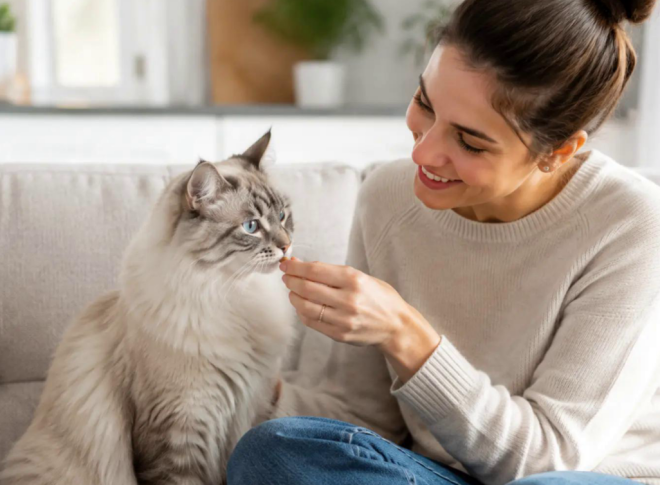
The clinic should provide individualized instructions. Depending on the procedure, recovery may include prescribed pain medication, temporary food-texture changes, activity guidance, and a recheck. Give only medications prescribed for that cat; many human pain relievers are dangerous to cats.
Monitor eating, drinking, comfort, swelling, bleeding, and behavior. Contact the clinic if the cat will not eat as directed, seems increasingly painful, repeatedly paws at the mouth, develops marked swelling, vomits medication, or has persistent bleeding.
Many cats eat and behave better after painful teeth are treated. Cats generally adapt well to extractions, but the expected timeline belongs in the discharge plan.
Can tooth resorption come back?
Treated teeth do not regrow, but other teeth may develop lesions later. Continue routine veterinary oral exams and follow recommendations for future radiographs. New eating changes or face sensitivity deserve reassessment even if a prior dental procedure went well.
Home brushing still supports the rest of the mouth once the veterinarian confirms healing and comfort. It helps with plaque-associated disease; it is not a proven cure or guaranteed prevention for resorption.
When should you call the veterinarian?
Arrange a prompt dental uation for any consistent chewing change, sudden brushing resistance, visible tooth defect, drooling, bad breath, or gum inflammation. Seek same-day advice when a cat is eating much less or appears painful.
Urgent care is appropriate for inability to eat or drink safely, breathing difficulty, major facial swelling, uncontrolled bleeding, significant trauma, collapse, or suspected toxin or electrical exposure.
Frequently asked questions
Is tooth resorption painful for cats?
It can be intensely painful when sensitive structures are exposed. Cats may hide pain or alter chewing rather than stop eating, which is why subtle behavior matters.
Can brushing stop feline tooth resorption?
No evidence shows that brushing stops an active resorptive lesion. Brushing helps control plaque in a comfortable mouth and remains useful for overall cat dental care, but the diseased tooth needs veterinary assessment.
Is tooth resorption the same as gingivitis?
No. Resorption destroys tooth structure; gingivitis is gum inflammation. They can occur together, and dental radiographs help separate visible inflammation from hidden tooth damage.
Why are dental X-rays necessary?
Most of a tooth lies below the gumline. Radiographs show roots and surrounding bone, reveal lesions not visible from the crown, and guide safe treatment choice and completion.
Will my cat be able to eat after extractions?
Most cats adapt very well after painful teeth are removed and may eat more comfortably. Follow the veterinarian's specific food and recovery instructions rather than using a universal schedule.
Final takeaway
The key to finding tooth resorption is to notice how a cat eats and behaves, not to wait until appetite disappears. Home inspection cannot rule out hidden lesions. When subtle pain signs appear, a veterinary dental examination with full-mouth radiographs provides the information needed for humane, definitive care.
Sources and editorial methodology
This guide uses current feline dentistry guidance and avoids claiming a known cause or universal treatment. Procedure descriptions are educational; clinical and radiographic classification determines care for an individual tooth.
• Cornell Feline Health Center: Tooth Resorption
• Cornell Feline Health Center: Feline Dental Disease
• VCA Animal Hospitals: Tooth Resorption in Cats
• 2025 FelineVMA Feline Oral Health and Dental Care Guidelines
This article provides general educational information and is not a substitute for an examination, diagnosis, or individualized advice from your veterinarian.Label:
Popular Post
The Ultimate Guide to Tabby Cats: Patterns, Personalities, and More
Mar 27, 2025

Top 10 Most Expensive Cat Breeds in The World
May 07, 2025
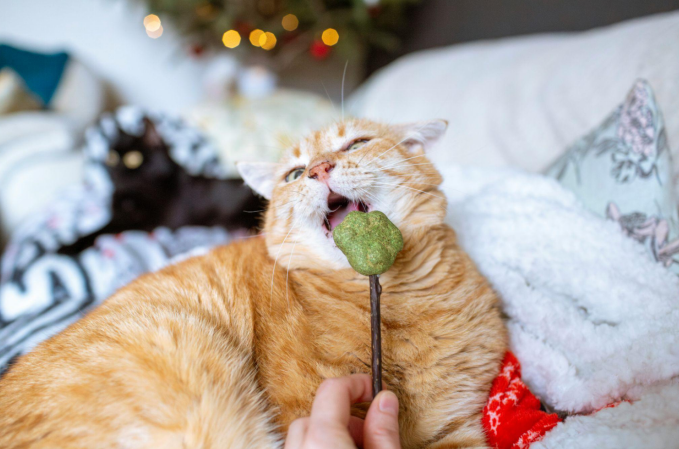
Can Cats Have Ice Cream? Dangers, Safe Flavors & Healthy Cat Treats
Sep 02, 2025

My Cat Only Eats A Little at A Time - What to Do?
Feb 27, 2023

Top 8 Reasons Why Does My Cat Sleep Between My Legs?
Mar 03, 2025
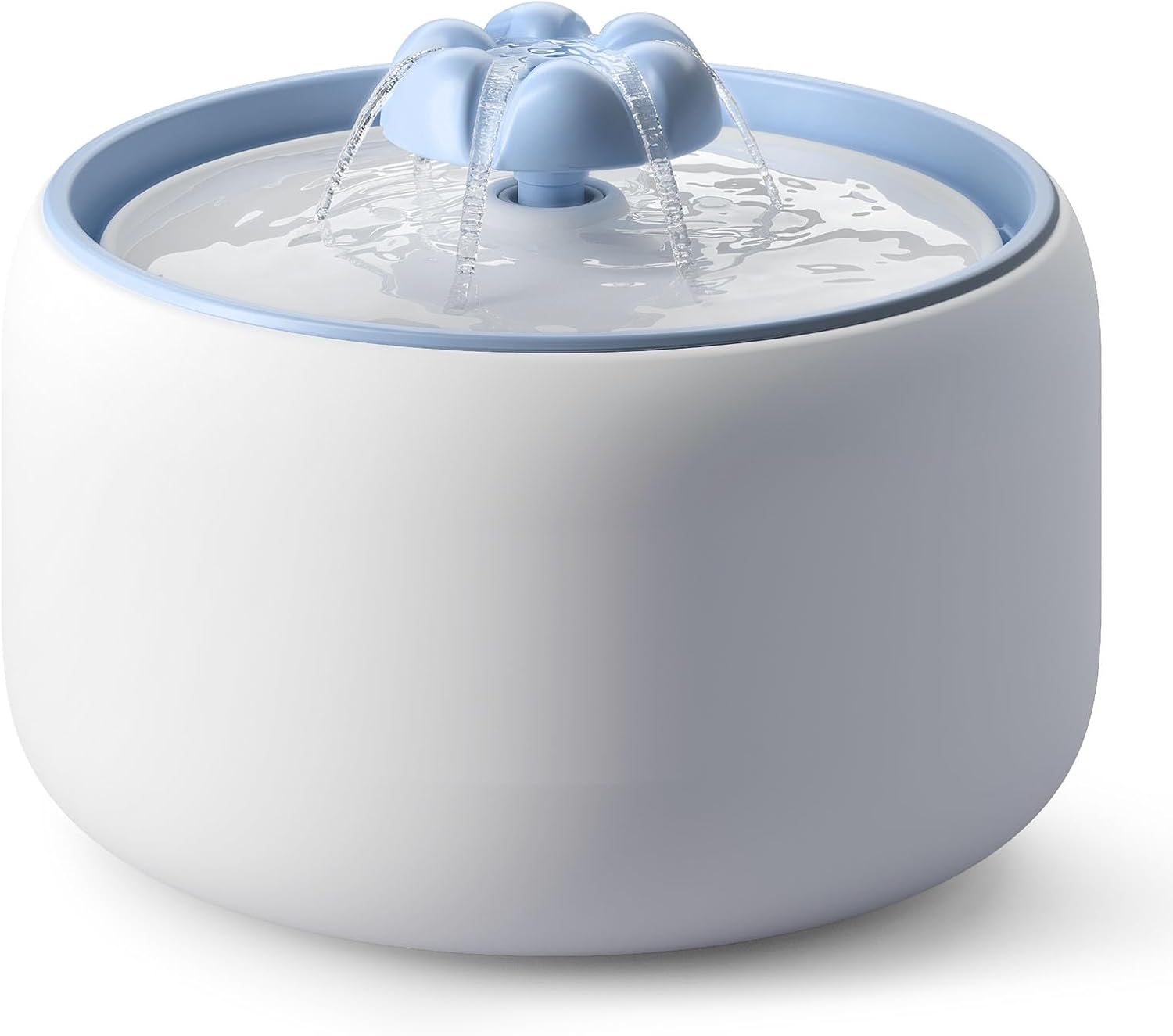
[Blue] W03L 3L Premium Ceramic Cat Water Fountain
Model: W03 LITE
$59.99
$69.99
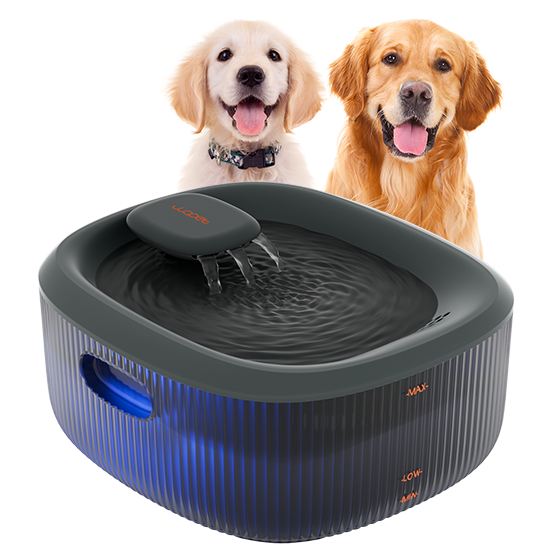
Basin Pet Water Fountain-W600
Model: W600
$43.99
$69.99
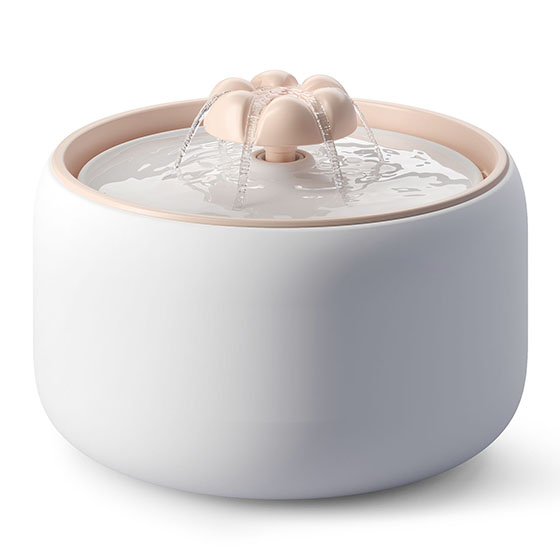
[Basic] Ceramic Pet Water Fountain with Power Cable
Model: W03L
$59.99
$99.00
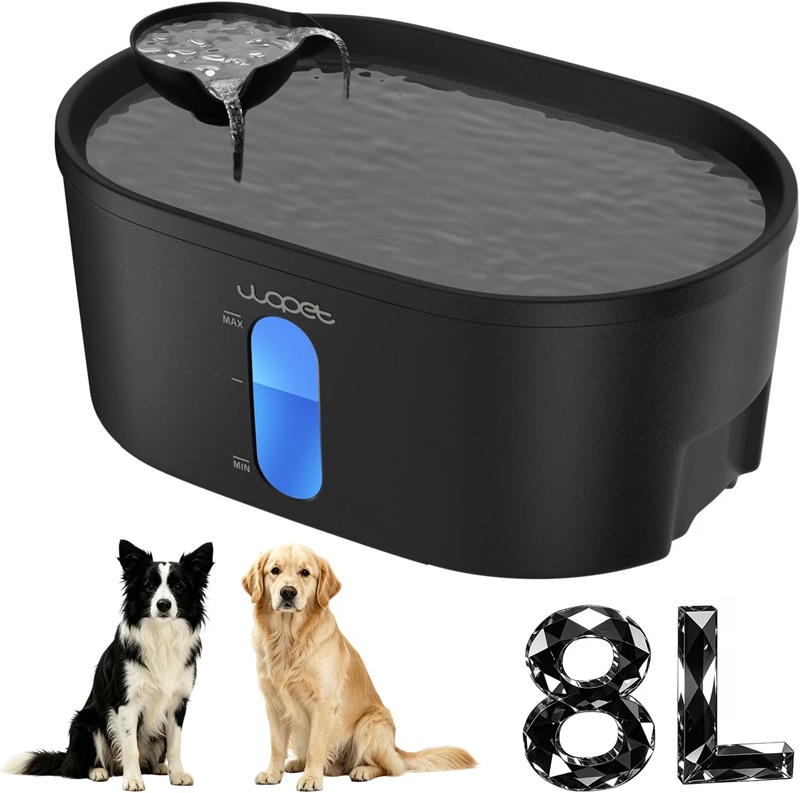
WOPET 8L Pet Water Fountain For Multiple Cats or Large Dogs A08
Model: A08
$49.99
$59.99
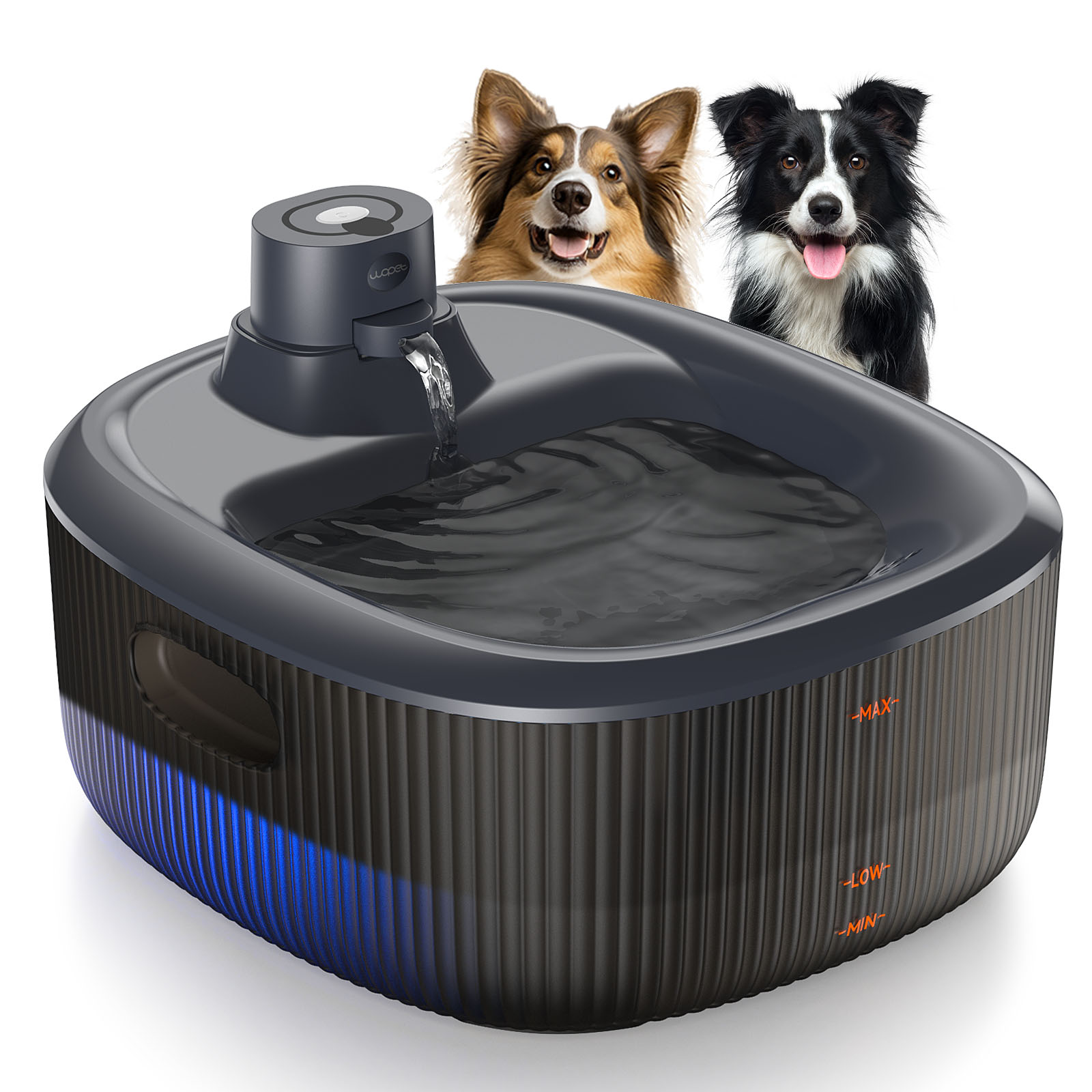
[Upgrade] Basin Wireless Pet Water Fountain
Model: W600 Pro
$69.99
$89.99
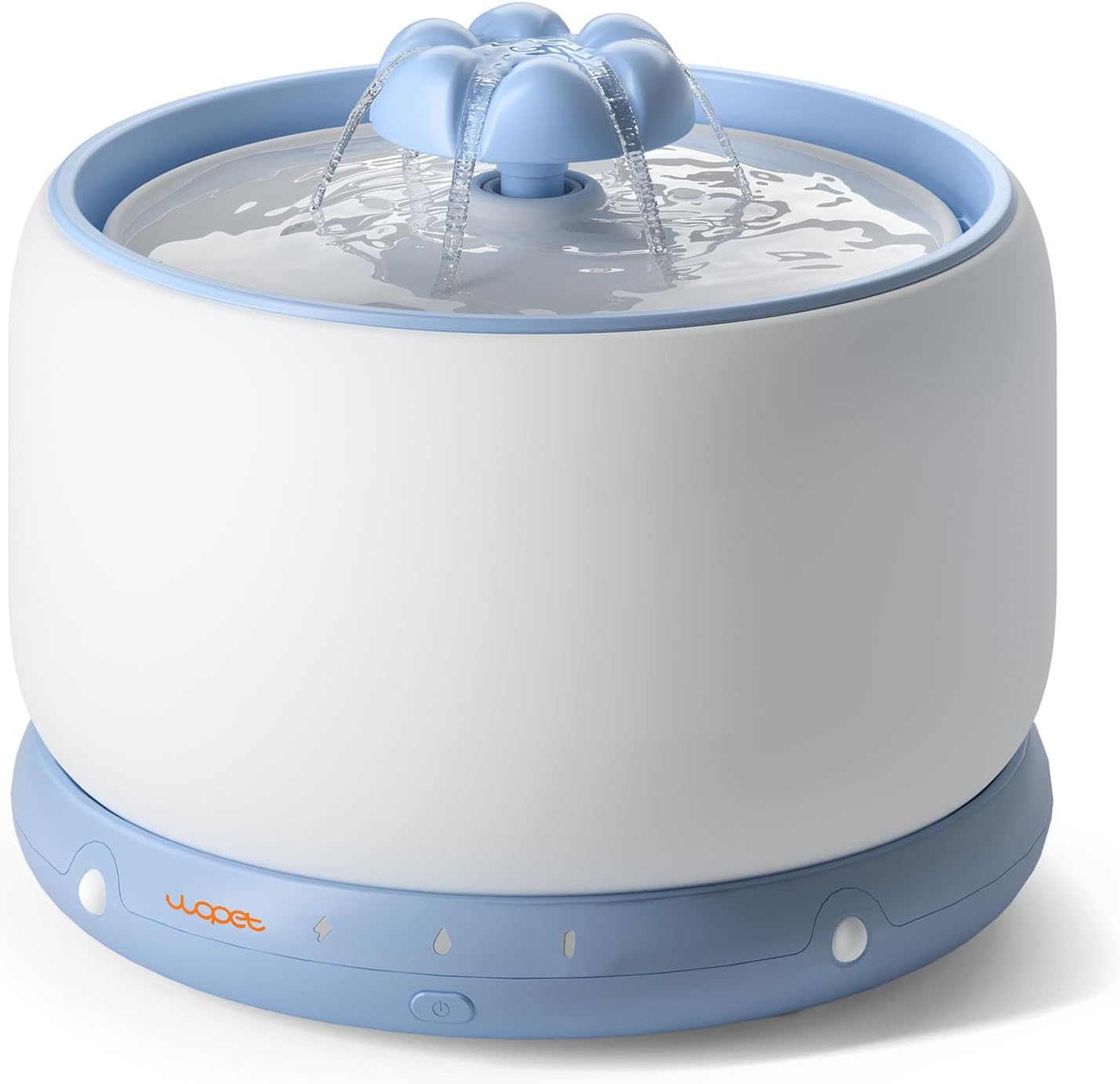
[Blue] W03 3L Ceramic Cordless Cat Water Fountain
Model: W03
$89.99
$99.99

DOWNLOAD APP

WOpet life




Copyright © 2026 WOPET. All Rights Reserved.