Oct 31, 2025
Author:Lisa Martinez
Saying goodbye to your dog can be one of the hardest things in your life. It might be due to an injury, or maybe a disease that slowly took its course, but your dog is in severe pain.
This is the point where, after seeing your friend in pain, you ask yourself, how do you know when it's time to put your dog down?
As difficult as the choice is, it is important to ask yourself this question. There is no fixed answer to this, as it can vary for every dog. Sometimes it's about paying attention to the small changes that can help you decide and the choice to be kinder and clearer.
With this guide, we will take a look at recognizing the signs, discussing options with your vet, and ways to keep your dog comfortable. While painful, extra care can help your dog be comfortable and at peace.
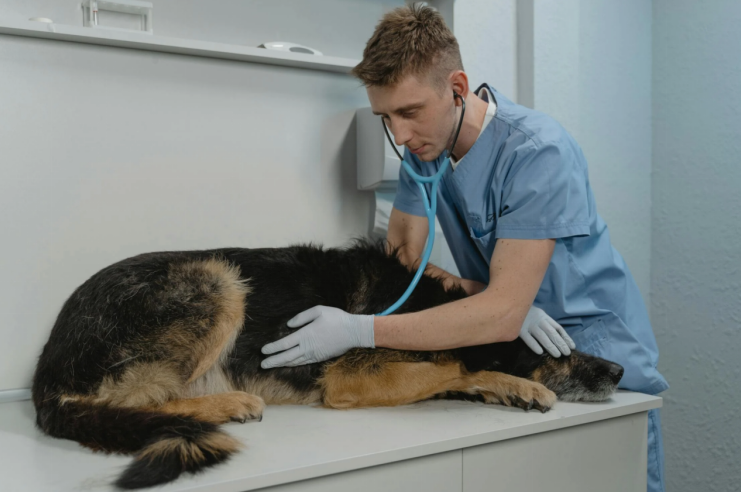
The issue of quality of life is more important than a diagnosis. Figure out whether the dog still enjoys simple things, like its favorite snacks, walks, being petted, or taking naps with the family.
When these joys wear and pain exists, the question of how do you know when to put your dog down becomes a practical question, not an emotional one.
Pain that cannot be controlled is a major sign. Stiffness, constant whimpering, or obvious trouble breathing are clear red flags. A vet can help measure pain and suggest treatments, but long-term loss of mobility and joy often changes the balance toward humane choices.
Age changes are normal, but not every change means suffering. For owners who want to check growth and lifespan factors, learning how old your dog is can help set expectations and guide care. Find ways to determine a dog’s age here.
Some signs are common as pets grow old, and they are worth noting. Constant loss of appetite, frequent house accidents, and extreme weight loss may all indicate signs your dog is dying of old age, and that these continue regardless of efforts. These shifts tend to be gradual, and tracing them will help in making honest decisions.
Sleep patterns and ness change with age too. A dog that would meet all people now may cower, or a previously playful pet may not meet. Those personality changes and interests are worth noting and reporting to the vet to eliminate possible causes.
Not every limp or slow day means the end. Sometimes a tune-up — medicine, modified exercise, or home adjustments — brings back comfort. But repeated, worsening signs should be taken seriously, since they often point to the warning signs dog dying process rather than just normal aging.
Many owners worry about subtle changes. If many of them occur at the same time, then immediate attention is required. Below are some of the signs you should be on the lookout for:
● Not eating enough food, including their favourite snacks, and losing weight,
● Difficulty in moving around.
● Shivering, panting, trembling, or showing aggression when touched. These are the result of constant pain.
● Vomiting and constant diarrhea, coughing, or difficulty with breathing.
● Loss of interest in people and usual comforts, hiding, or not responding to attention.
● Sores that do not heal, bleeding, or severe dental disease that makes eating painful.
Use the list as a reference but not a diagnosis. Finding several items together often shows the warning signs dog dying process more clearly than any single symptom.
If the pattern points to uncontrollable suffering, the question when to put a dog down moves from hypothetical to urgent.
When your dog is in pain, it shows in their behavioral changes. They may start to eat less, or maybe move around restlessly, but there are signs when they feel down, and even more when they are in pain. Looking out for behavioral signs your dog is dying of old age is crucial.
Not moving around as much is also a sign that something is off. If a dog that once needed daily walks now refuses to move or collapses after a few steps, this is important to note. For background on normal activity levels and what to expect, read more about general exercise needs for dogs to compare past routines with current capability.
Emotional changes are also very important. For example, your dog may no longer seem interested in interacting. While this can seem heartbreaking at first, it is a sign for you to understand that your dog is in pain that it can neither control nor come back from.
This only makes the decision of when to put a dog down more painful, but all the more necessary.

A vet visit is essential. Describe changes clearly, share any notes about appetite, sleep, walking, and mood, and ask for specific pain assessments. Discuss realistic treatment goals: comfort, short-term improvement, or whether interventions will only prolong decline.
Many clinics offer pain scales, hospice care plans, or palliative options. Ask whether tests could reveal treatable causes, and what the timeline might be. Online tools can help prompt the right questions — a when to put your dog down quiz can be a conversation starter, but it should never replace professional judgment.
If treatment is chosen, set measurable goals and a review date. If pain continues despite care, or the dog cannot enjoy any normal activity, the discussion will naturally shift toward the humane choice of euthanasia.
Small changes can make a big difference for a dog’s remaining time. Feeders and monitoring devices are easy to use and will assist in keeping routine and allow owners to detect changes. Consider an automatic feeder that has a camera and two bowls so that it can feed on time and monitor the intake at a distance.
The stress will be reduced by using soft bedding, non-slip carpeting, ramps to aid stairs, and easy accessibility to a favorite human position. Having a pet to keep hydrated and comfortable usually alleviates minor pains and contributes to maintaining dignity in the last days.
Treats and gentle rewards remain useful for short bursts of joy, but always consult the vet on diet changes. Monitoring tools and small comforts make it easier to see whether the dog still enjoys life or is primarily responding out of habit.
When a cure isn’t possible, then comfort should be the priority. This is the purpose of hospice care.
To make things easy for your dog, low-dose pain medication or anti-nausea drugs might be prescribed. Gentle massage and feeding support can make them feel comfortable too. With this, your dog is at peace and their pain is minimized.
Hydration is always important, especially when your dog loses their appetite. With clean and flowing water, your dog can be encouraged to drink. A ceramic water fountain can be easier for some older pets to use and keeps water fresher longer; consider options like this ceramic pet water fountain.
If mobility is poor, short supervised time outside on soft grass or a towel can add dignity and freshness to the day. The focus in hospice is not length of life but the quality of each remaining hour.
Less obvious comforts can matter a lot. A treat camera or dispenser lets owners reward a dog with minimal disturbance and can lift spirits in short, gentle bursts. A device such as a treat dispenser with camera can be useful for checking responsiveness and offering tiny rewards.
Keep routines predictable. Familiar sounds, a quiet room, and gentle lighting reduce stress. Regular short checks for pain, hygiene, and comfort will help catch turning points quickly, so painful decline is not prolonged.
Documenting changes in a simple notebook or phone app — appetite, walking, interest, pain signs — gives clear evidence to share with a vet. That record makes difficult conversations about when to put a dog down much more grounded.
A short checklist helps bring clarity when emotions run high. Use it together with veterinary advice and honest observation.
● Is the dog in constant, uncontrolled pain?
● Can the dog eat and drink enough to maintain strength?
● Does the dog still show interest in people, toys, or short pleasures?
● Are treatments improving comfort, or only prolonging decline?
● Is the dog able to move with dignity or is it trapped by pain and immobility?
Some owners find a formal when to put your dog down quiz helpful to start the conversation and measure observable items. By answering these questions, especially with the help of a vet, one can know if it’s time to make the kinder choice.

This decision can never be an easy one, but it is the right one. When pain, loss of happiness and increasing helplessness overwhelm good moments in day to day life, then it might be time to think when to put a dog down.
Look for the warning signs dog dying process, and speak openly with your vet about comfort and options. If treatments only prolong suffering, choosing peace is a gentle, loving act.
Your family, friends, and vet will all support your decision and after. At the end of the day, it is the memories that you make and what they leave you with. Even after they’re gone, they always remain with you.Label:
Popular Post

Top 10 Most Expensive Cat Breeds in The World
May 07, 2025

The Ultimate Guide to Tabby Cats: Patterns, Personalities, and More
Mar 27, 2025

Can Cats Have Ice Cream? Dangers, Safe Flavors & Healthy Cat Treats
Sep 02, 2025

My Cat Only Eats A Little at A Time - What to Do?
Feb 27, 2023

Top 8 Reasons Why Does My Cat Sleep Between My Legs?
Mar 03, 2025

Basin Pet Water Fountain-W600
Model: W600
$43.99
$69.99

[Basic] Ceramic Pet Water Fountain with Power Cable
Model: W03L
$59.99
$99.00

WOPET 8L Pet Water Fountain For Multiple Cats or Large Dogs A08
Model: A08
$49.99
$59.99

[Upgrade] Basin Wireless Pet Water Fountain
Model: W600 Pro
$69.99
$89.99

Heritage View Pet Feeder Dual Bowls For Two Cats
Model: HV10DP
$119.99
$149.99

[New] Ceramic Wireless Pet Water Fountain W03
Model: W03
$89.99
$129.00

DOWNLOAD APP

WOpet life




Copyright © 2026 WOPET. All Rights Reserved.