Oct 15, 2025
Author:Jackson Watson
Cats are very interesting pets. The elegance of their movements, as well as their rogue playfulness, seems to have a reason. One of the most mysterious, though most beautiful, cat habits is the habit of kneading.
Have you ever wondered why do cats knead or had to ask yourself what does cat kneading mean when your puffy pet rhythmically presses his or her paws into you or a blanket? You are not the only one.
This is a guide that goes deep into the world of cat kneading. We shall discuss some of the reasons why cats knead their owners, why they enjoy kneading blankets, the science and history of the behavior, and how to make the process more friendly and comfortable for your cat.

Kneading is the pushing in and out of the front paws of the cat in a rhythmic manner, most often on cushions such as blankets and pillows or the lap of their human. As it may seem unintentional, it is an instinctive action that has its roots in kittenhood. Kneading starts during nursing and the behavior spills into adulthood as a means to self-calm and exhibit trust.
Kneading is normally an indication of relaxation, safety, and happiness among cats. This is usually accompanied by purring, half-closed eyes, or even drooling- all indications that your cat is very comfortable.
You are not alone in wondering why do cats knead, or wondering what does cat kneading mean. This handy guide on cat kneading analyzes the source of cat kneading, disclosing all the information in depth.
Why do cats knead their owners is one of the most widespread questions pet owners pose. There are a few reasons that are significant, and most of them demonstrate a high level of trust and love.
● Comfort Space: Cats can knead on your lap as they view you as a place of comfort and safety, just like their mother was when they were kittens.
● Territorial marking: Cats possess paw glands, and by kneading you, they leave their scent. That is their indirect means of saying, 'You belong to me.'
● Nesting: The instinct of nesting also contributes towards this, since most cats are known to prepare a resting place by kneading. Most importantly, kneading is nothing but a show of love.
Tip: When your cat is keen on kneading with sharp nails, then redirect it to a blanket or cushion. To make it even more comfortable during bonding time, you might design comfortable routines that include a automatic feeder with dual bowls, allowing your cat to get their meals on time, even when you are away.
Blankets are a popular kneading surface as it is soft, warm, and it looks like the kind fur of their mother. Kneading is a self-grooming behavior by many cats, and is a frequent behavior prior to sleep, particularly when they are free of stress and danger.
The unique kneading behavior of cats implies that a blanket becomes their comfort zone because cats can use their odor glands. You can even add to this by combining their blanket kneading sessions with an automatic pet feeder so that your pet can enjoy comfort and food in one secure location.
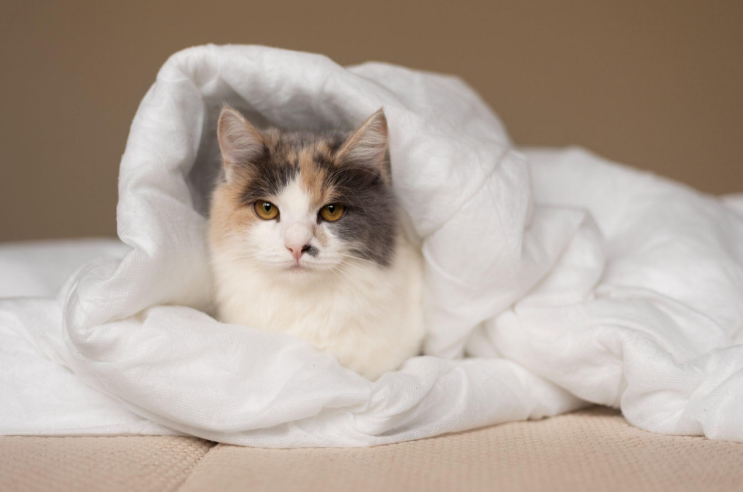
Scientists believe that kneading is evolutionary. Cats in the wild use foliage or grass to make a safe resting place by flattening it. Domestic cats can also just be continuing on this instinct of nature, although they are now being spoiled with sofas and cushions.
There is even another theory that implies that they release pheromones by kneading their paw pads. This assists them to recognize safe and recognizable areas, making them stronger in their connection with their surroundings and friends.
Kneading is harmless and cute to the majority of cats. It is a definite display of trust and comfort. Nevertheless, it is not always pleasant. Sharp claws can make kneading painful to the owners, and at times, over-kneading may indicate stress or anxiety.
Another problem is furniture damage, where the cats decide to knead on the sofas or the bedding. You can minimize this by ensuring that claws are trimmed and you provide safe alternatives, such as blankets or areas to knead.
When your cat is kneading very often, there are a few things that you can do to help both of you be more comfortable with the process.
● To help them stick to safe kneading, a soft blanket or cushion should be given around their favorite resting area.
● Trim their nails to avoid damage.
● Redirect kneading away from sensitive furniture where necessary.
● Finally, reward your cat afterwards with a small reward, whether it is a bit of praise or a treat, after he or she has kneaded.
Their bond with you is improved by the consistency of comfort and care you provide to them.
Not all cats knead, and that is okay, too. There are cats that grow to quit the behavior and those that never develop it. Childhood experiences in the early kitten life tend to have an impact on determining whether the cat will knead in adulthood or not.
It can also depend on breed and personality. An example is the Siamese cats which are known to be habitual kneaders. Other cats, however, show affection differently, like following you, rubbing against you or purring. Kneading is not the only show of affection, and other signs are equally important.
Some cats mix up kneading with mild biting or sucking. This is a habit which is usually due to kittenhood, and is the expression of much comfort. It is not dangerous unless your cat chews inappropriate things or materials.
You may offer to chew safe toys or play with your cat before sleep to help redirect the behavior. This fulfills their instincts, which are natural, and makes them safe.
This nesting habit is a resemblance of their wild ancestors, who used to make a nesting space in tall grass or a pile of soil before sleeping.
In the present day, domestic cats bring this instinct to their home comfortably. Their most effective way to make them feel more at ease is to combine bedtime kneading with a routine, and it can be supported by smart feeders that will ensure order and calmness in their environment.

Kneading is practiced by both males and females, and in some studies, females are found to practice it more frequently. This could be associated with maternal instinct, which fosters the nurturing instinct.
Nevertheless, general variations are minor. The relationship between you and your cat is most important because kneading is a sign of affection and trust despite the gender.
Kneading and purring simultaneously is the twofold promise of affection and rest. It is your cat saying that they feel quite secure and comfortable with you.
This combination usually takes place during lap time or when your cat is going to sleep. Their daily rituals can be even more reassuring to the support of these moments by the regular feeding schedule with the help of an automatic feeder.
Generally, no. However, it is possible that when kneading is compulsive, this is a sign of stress or anxiety. It is also usually beneficial to offer enrichment and a relaxing atmosphere.
Cats view their human beings as their primary caretakers, just as their mother, hence the reason why they knead on humans..
It’s instinctive. Nails should be kept trimmed, and a soft kneading blanket should be provided to decrease the discomfort.
Yes, kneading might wear out and tear. Present them with a blanket or make a cozy space for them where they can rest.
So, why do cats knead? It doesn’t matter whether it is on blankets, furniture, or people; kneading is a natural feline instinct that originates in kittenhood. It means comfort, attachment, and trust.
Kneading can be annoying at times; however, it is also one of the sweetest actions of your cat. This behavior can be converted into a good daily routine by providing your cat with a healthy meal with the help of products such as the smart feeders.
To learn more, take a look at the WOPET Blog, where you will learn even more tips to make your feline friend live a healthy and happy life.
Label:
Popular Post
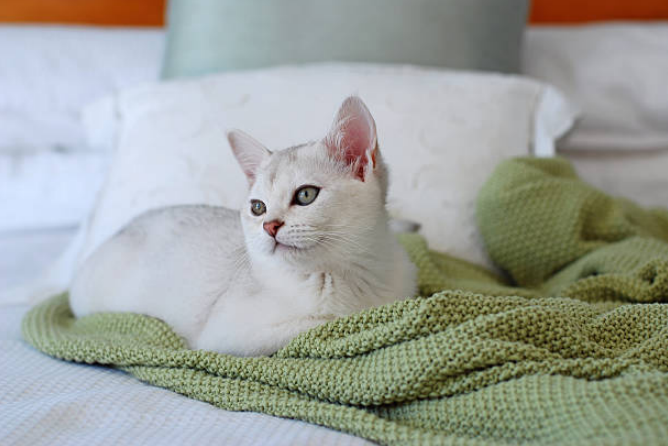
Top 10 Most Expensive Cat Breeds in The World
May 07, 2025
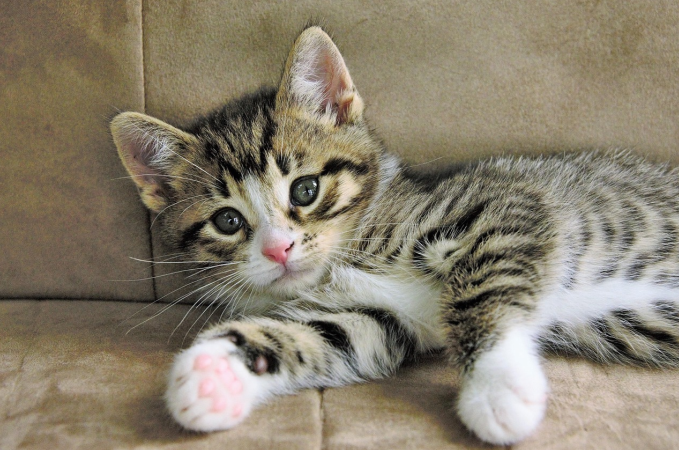
The Ultimate Guide to Tabby Cats: Patterns, Personalities, and More
Mar 27, 2025
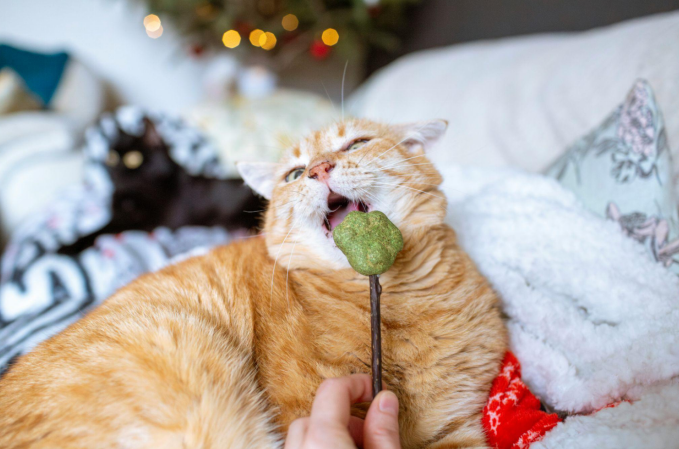
Can Cats Have Ice Cream? Dangers, Safe Flavors & Healthy Cat Treats
Sep 02, 2025
My Cat Only Eats A Little at A Time - What to Do?
Feb 27, 2023
Top 8 Reasons Why Does My Cat Sleep Between My Legs?
Mar 03, 2025

Basin Pet Water Fountain-W600
Model: W600
$43.99
$69.99
[Basic] Ceramic Pet Water Fountain with Power Cable
Model: W03L
$59.99
$99.00

WOPET 8L Pet Water Fountain For Multiple Cats or Large Dogs A08
Model: A08
$49.99
$59.99

[Upgrade] Basin Wireless Pet Water Fountain
Model: W600 Pro
$69.99
$89.99

Heritage View Pet Feeder Dual Bowls For Two Cats
Model: HV10DP
$119.99
$149.99
[New] Ceramic Wireless Pet Water Fountain W03
Model: W03
$89.99
$129.00

DOWNLOAD APP

WOpet life




Copyright © 2026 WOPET. All Rights Reserved.