Nov 23, 2026
Author:Jackson Watson
Set up your automatic cat feeder several days before you leave. Use your cat’s usual food, watch a few meals run on schedule, and weigh what lands in the bowl. Before you go, show your sitter how to check the feeder and serve a meal by hand if needed.
The best time to find out your cat backs away when kibble hits a steel bowl is Tuesday morning, with you standing in the kitchen. Give yourself a few regular breakfasts to see how your cat responds and make any changes while you’re still home.
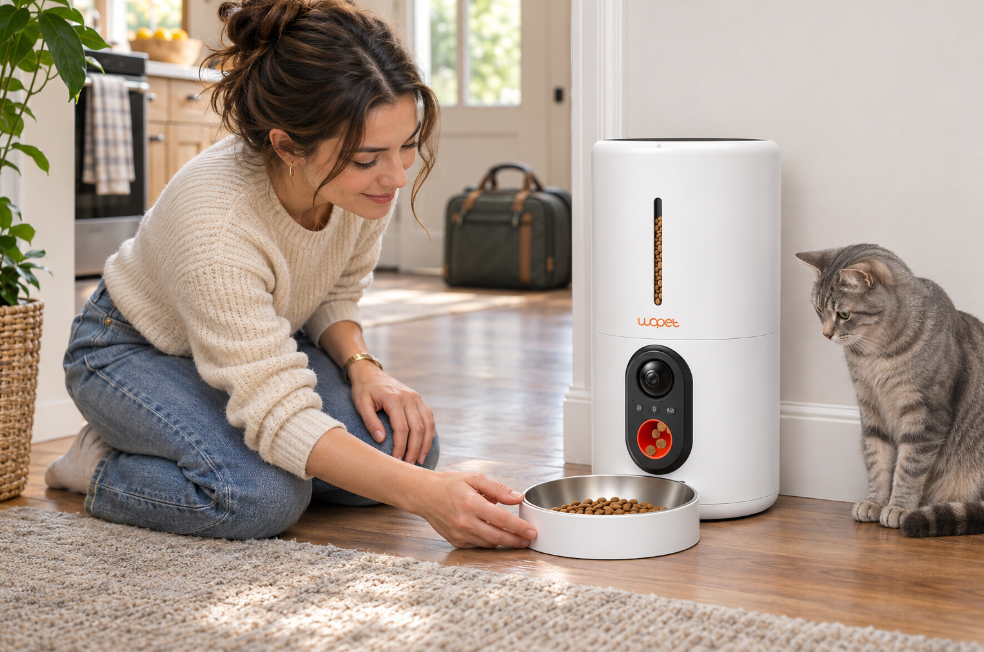
Put the feeder where your cat normally eats, or as close to that spot as the setup allows. Use the same kibble and meal times your cat already knows. If you’re introducing a new feeder, let your cat investigate it while it’s quiet. Keep their usual bowl handy if they hesitate when the first serving drops.
Program one of your cat’s regular meals and watch it run at the scheduled time. The manual-feed button is useful for checking that kibble comes out. A scheduled meal also lets you check that you saved the correct time, portion setting, and days of the week. If you’re setting up a Heritage View for the first time, the WOPET Heritage View setup guide walks through pairing and the first feeding plan.
Start with an empty bowl. Run the setting you plan to use and weigh the dry food it dispenses. Repeat that check a few times with the same kibble. If the app says four portions, write down what four portions weigh with the food you actually use. That gives your sitter a clear serving to measure if they ever need to feed by hand.
If one serving comes out noticeably lighter, look for bits caught in the chute and check the size of the largest pieces in the bag. A feeder can handle one kibble shape well and struggle with another. If the amount keeps varying, check which kibble sizes and shapes work in an automatic feeder before changing the portion setting.
For two cats, stay long enough to see what happens after the first one finishes. If the faster eater moves straight to the other bowl, keep their feeding spots apart during the trip. Tell the sitter which cat tends to hang back and where that cat usually eats.
Run breakfast as you normally would. Then check how your model handles a power or Wi-Fi interruption. If the feeder supports backup batteries, install the type specified in its manual and observe a saved test meal while it’s running on battery power. If you want to test Wi-Fi loss, leave the feeder plugged in and check separately whether an already saved meal runs while the feeder is disconnected. Restore the normal setup and remove any temporary test meals when you’re done.
For a household that wants to see whether a cat actually comes over after the food drops, the single-bowl WOPET Heritage View HV10P gives you a camera view of the feeding area. It’s also an option for dogs that eat dry food, so the same check is useful if you’re setting up meals for a dog elsewhere in the house. Try opening the live view on your phone’s mobile data before you leave. WOPET’s Heritage View support guide says app operation is unavailable on battery power, so have your sitter check the bowl in person if the app shows the feeder is offline.
Refill the hopper with your cat’s usual dry food and tell the sitter when to check the level. Keep the original bag nearby so they can find the same kibble, and so you still have the lot number and best-by date if you need them. The FDA’s pet food storage guide explains why keeping the packaging is useful.
Write down the regular meal times, the amount to serve by hand, and where you keep the food. Ask the sitter to check the bowl before offering a backup meal. If the bowl is empty and they’re unsure whether your cat already ate, have them contact you before giving a full extra serving.
| What to leave | What to write down |
|---|---|
| Meal schedule | The usual feeding times and the serving weight in grams. |
| Backup food and bowl | Where to find them and how much to serve if a meal was missed. |
| What’s normal for your cat | Whether they come right away, eat slowly, or wait until the room is quiet. |
| Daily care and contacts | Where to refresh water, what to check in the litter box, and how to reach you and your vet. |
Cats Protection recommends arranging for a sitter to visit at least twice a day. Very young cats, older cats, and cats with health needs may need more frequent care. If your cat eats wet food or needs medication with meals, include those details in the sitter’s instructions so they can follow the usual routine. Cats Protection’s guide to arranging care while you’re away.
Check the hopper, confirm the next scheduled meal, and refresh your cat’s water. If you feed breakfast by hand before an early departure, check the app so the feeder won’t serve that same breakfast again. Let your sitter know when your cat last ate and when the next meal is due. That’s the detail they’ll need most when they walk in and find an empty bowl.
Popular Post
The Ultimate Guide to Tabby Cats: Patterns, Personalities, and More
Mar 27, 2025
Top 8 Reasons Why Does My Cat Sleep Between My Legs?
Mar 03, 2025

What to Do If My Dog's Poop Is Black But Not Tarry
Feb 04, 2023

Superfecundation Cats: When Kittens in One Litter Have Different Fathers
Jul 11, 2025
Can Cats Have Orange Eyes? Genetics, Breeds, and Care Guide
May 20, 2025
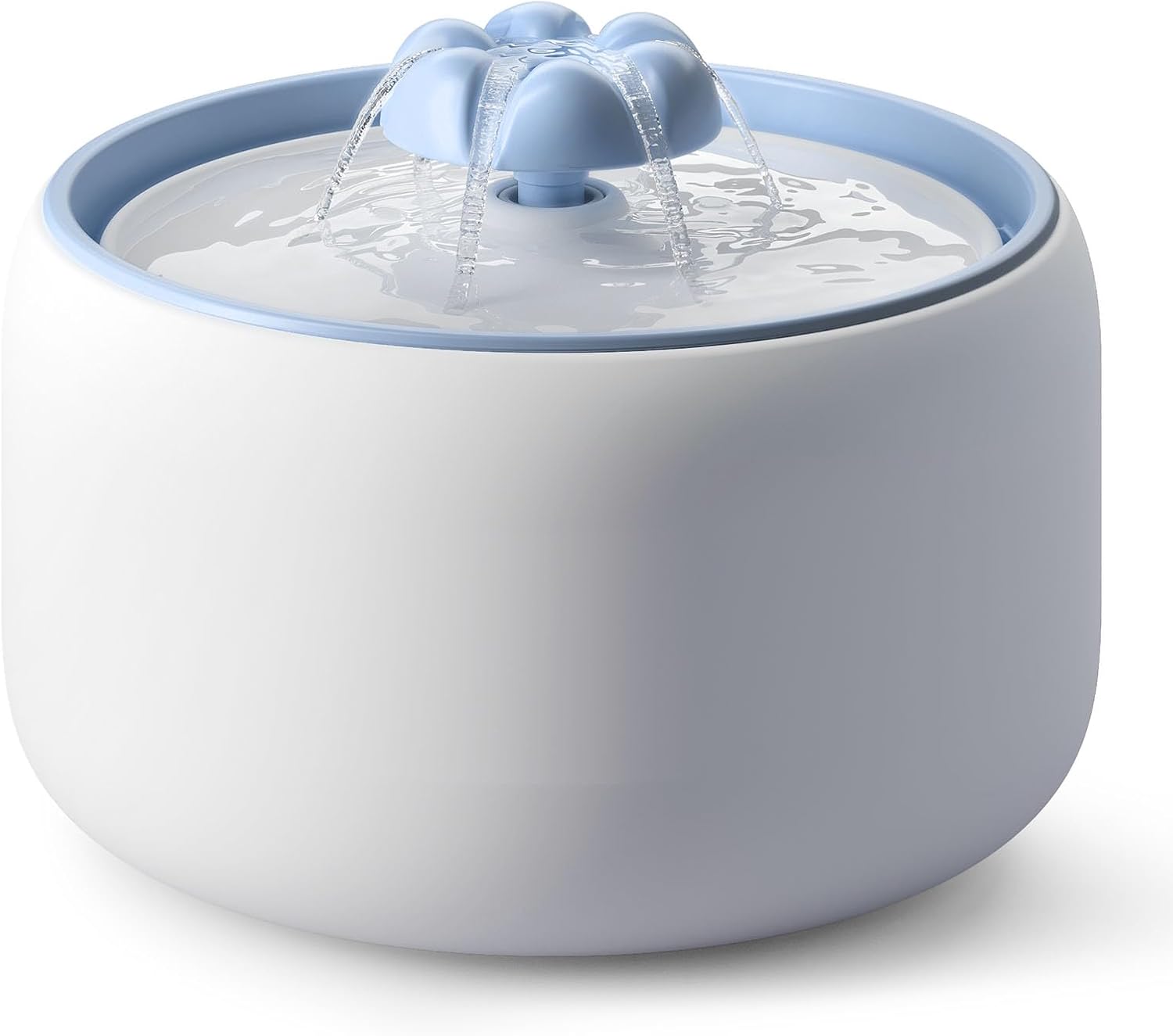
[Blue] W03L 3L Premium Ceramic Cat Water Fountain
Model: W03 LITE
$59.99
$69.99
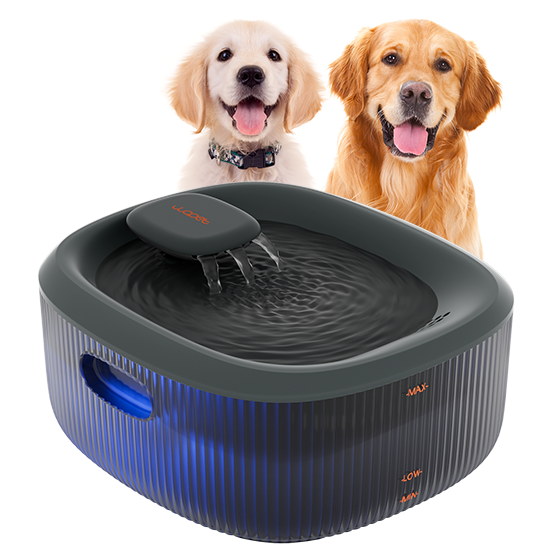
Basin Pet Water Fountain-W600
Model: W600
$43.99
$69.99
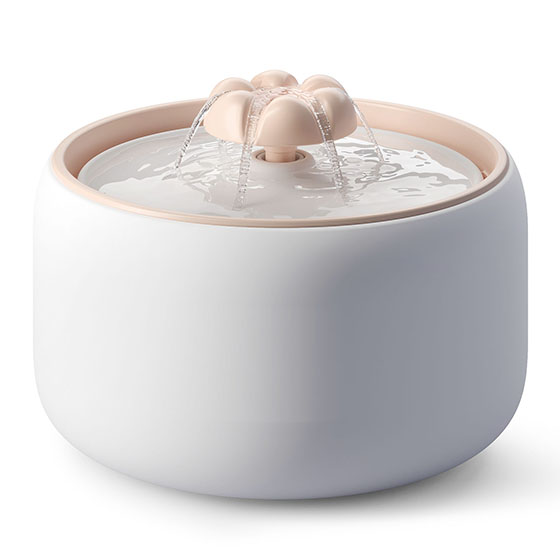
[Basic] Ceramic Pet Water Fountain with Power Cable
Model: W03L
$59.99
$99.00
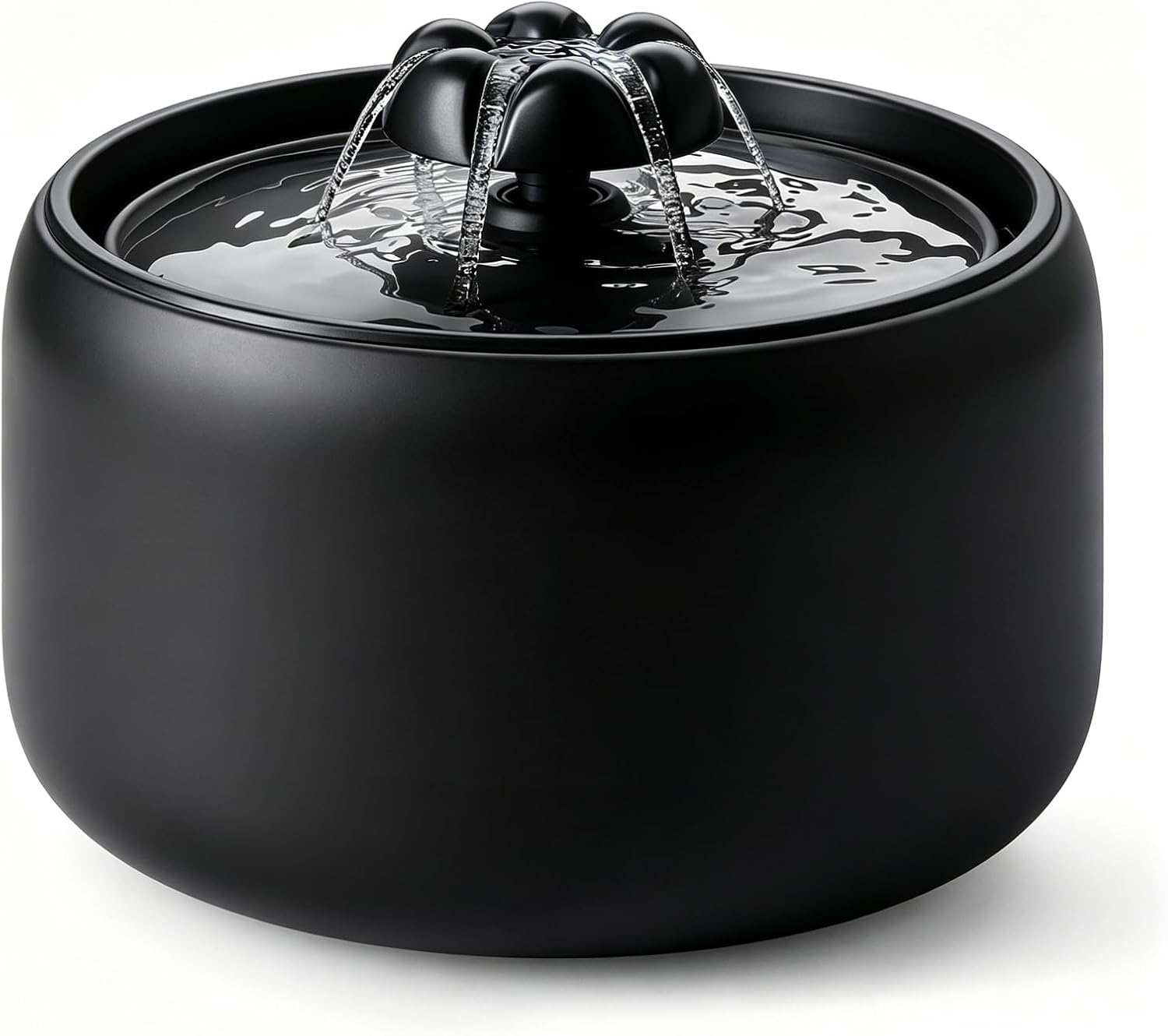
[Black] W03L 3L Premium Ceramic Cat Water Fountain
Model: W03L Black
$59.99
$69.99

WOPET 8L Pet Water Fountain For Multiple Cats or Large Dogs A08
Model: A08
$49.99
$59.99
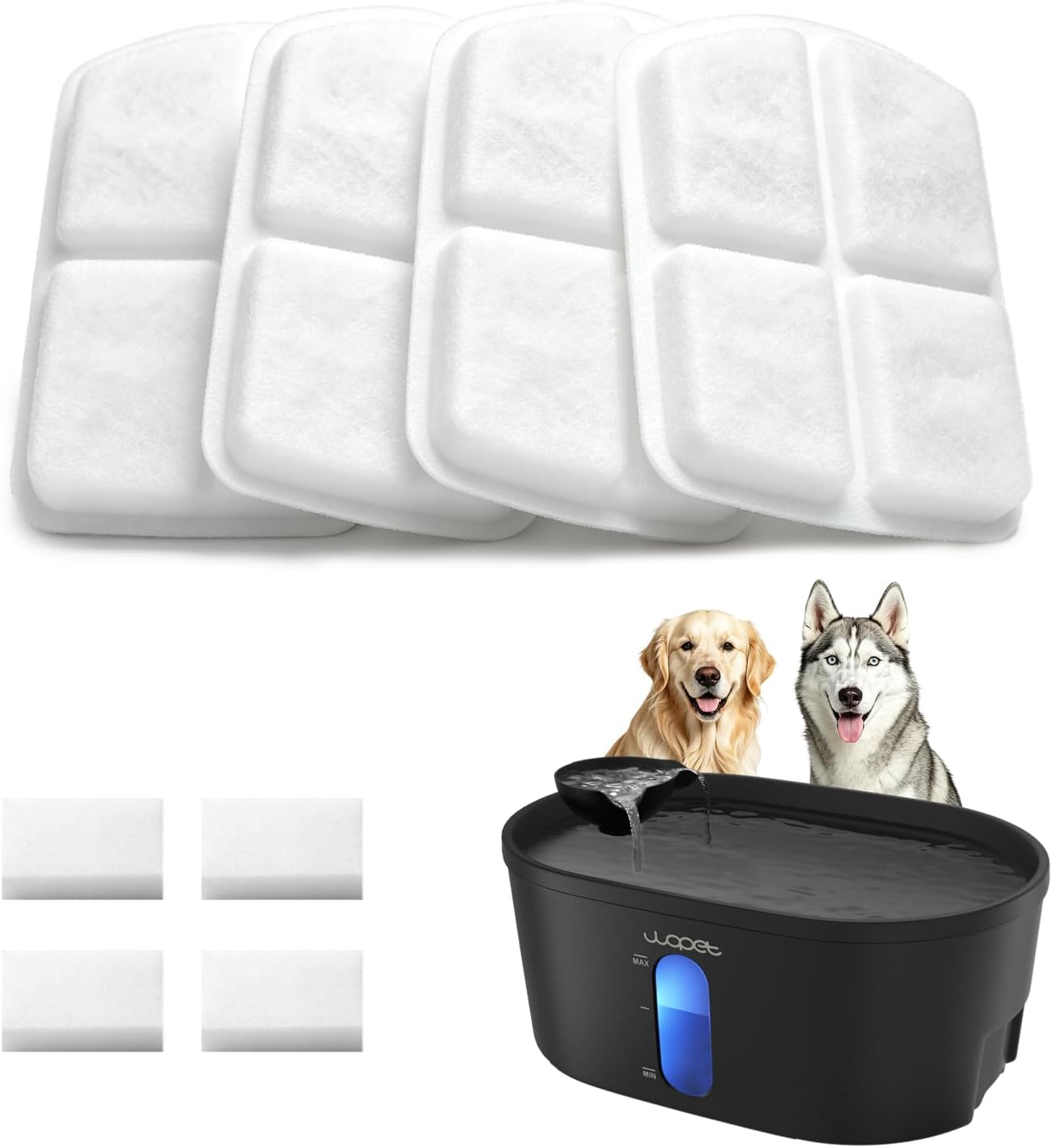
WOPET A08 Dog Water Fountain Filters
Model: A08 Filter
$19.99
$29.99

DOWNLOAD APP

WOpet life




Copyright © 2026 WOPET. All Rights Reserved.