Nov 24, 2026
Author:Jackson Watson
When you open the feeder to add more kibble, take a look at what’s already inside. If you’ve been topping it up every few days, there may be a layer of crumbs and older food at the bottom. The next refill is a good time to start fresh.
Load enough dry food to get to your next refill, keep the rest in its original bag, and make sure the hopper is clean and completely dry before you refill it. How much you load depends on how quickly your pet goes through it.
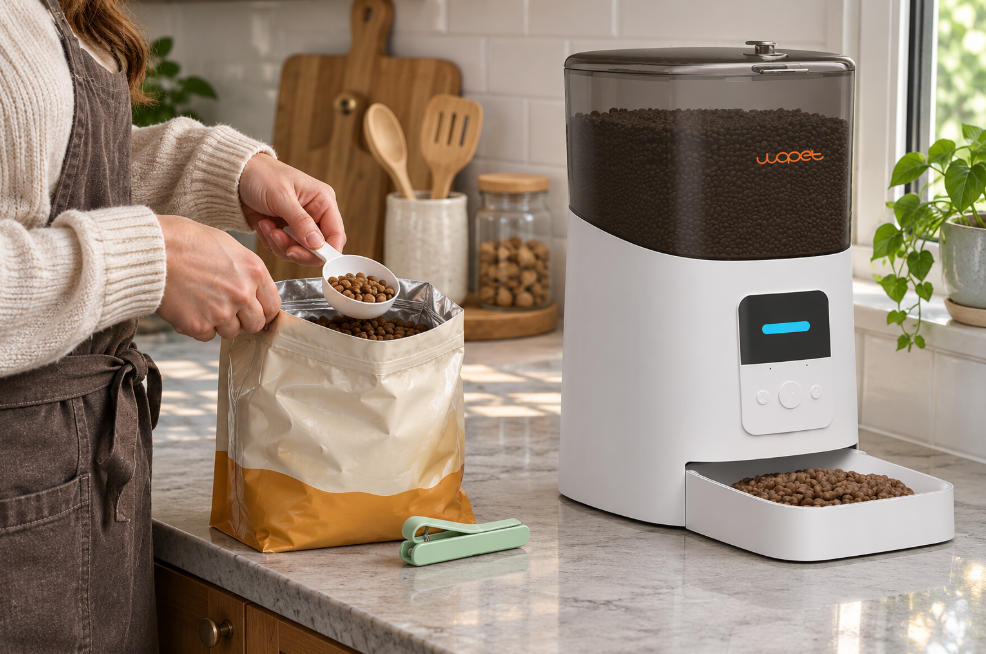
A large hopper is handy when you go through a lot of dry food. If your cat gets a small breakfast from the feeder and you serve the rest of their meals by hand, a full hopper can sit there for much longer than you intended.
To work out how much to load, multiply the amount the feeder dispenses each day by the number of days until your next refill. Add a little extra if you like to keep a reserve. For example, if the feeder dispenses 70 g a day and you check it every four days, 280 g covers the scheduled meals. A 350 g fill gives you one extra day. Use your pet’s normal feeding amount for the calculation.
If your feeder displays portions in the app and you measure your pet’s food in grams, weigh a few servings of your usual kibble first. Follow these steps to measure an automatic feeder portion.
The 6L hopper on the WOPET Patrol F07 Pro gives you room to adjust the amount as your routine changes. If you refill every Sunday and still find plenty left from the previous week, scoop in a little less the next time.
After refilling the feeder, close the food bag and put it somewhere cool and dry. If you prefer a lidded storage bin, put the whole bag inside it. That way, you still have the food’s name, lot number, and best-by date if there’s a recall or you need to contact the manufacturer. The FDA recommends storing dry pet food below 80°F (about 27°C).
Give the feeder the same consideration. A spot where the hopper gets afternoon sun or where the sink regularly splashes is worth reconsidering. Once you’ve added food, check that the lid closes properly. A few pieces caught along the rim can keep it from sitting flat.
When you’re about to start a new bag, check what’s left in the feeder. Emptying the hopper at this point lets you check for kibble dust around the outlet or an oily film on the walls. It also makes it easier to know which batch is in the machine.
Follow your model’s instructions for removing and washing parts. Let washable pieces dry completely before you reassemble the feeder and add more food. The bowl needs its own cleaning routine, since it comes into contact with your pet’s mouth even when the hopper looks clean. For a breakdown of the parts to check, see how to clean an automatic pet feeder.
There’s no universal number of days. The food maker’s storage directions, the room temperature, and how the hopper closes all matter. Pick a refill day you’ll remember and load enough to get there. If you regularly find older kibble still sitting at the bottom, shorten the interval or load less.
If you find damp kibble, visible mold, insects, or an unusual rancid smell, discard the affected food. Clean and dry the feeder before refilling it. If you think the food was affected before it went into the hopper, keep the bag and lot information so you can report the issue. FDA guidance on pet food storage and packaging
If your feeder has a compartment for a desiccant pack, use the kind specified for your model and replace it as directed. Keep the packet in its dedicated holder, away from loose kibble and the bowl. Check your WOPET feeder manual if you’re unsure whether your model takes one.
At your next refill, look at what’s left before you reach for the bag. If you still have several days of food in the hopper, load a smaller batch. If you’re already into your reserve, move the refill reminder up a day. After a couple of checks, you’ll know how much to scoop without guessing.
Popular Post
The Ultimate Guide to Tabby Cats: Patterns, Personalities, and More
Mar 27, 2025
Top 8 Reasons Why Does My Cat Sleep Between My Legs?
Mar 03, 2025

What to Do If My Dog's Poop Is Black But Not Tarry
Feb 04, 2023
Superfecundation Cats: When Kittens in One Litter Have Different Fathers
Jul 11, 2025
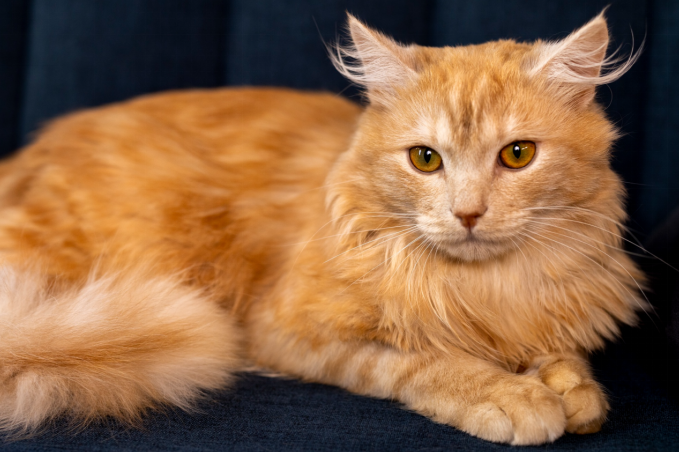
Can Cats Have Orange Eyes? Genetics, Breeds, and Care Guide
May 20, 2025
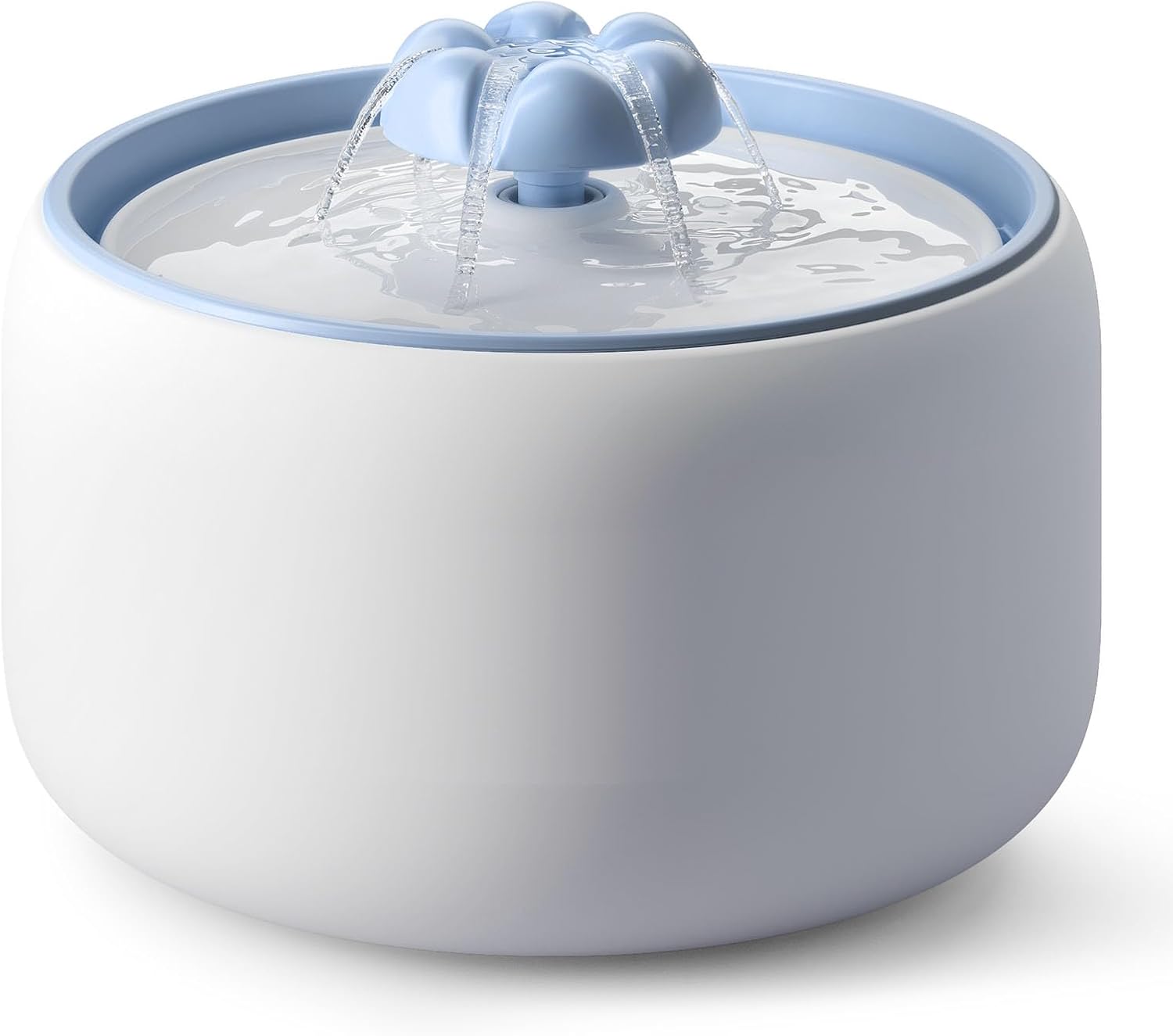
[Blue] W03L 3L Premium Ceramic Cat Water Fountain
Model: W03 LITE
$59.99
$69.99
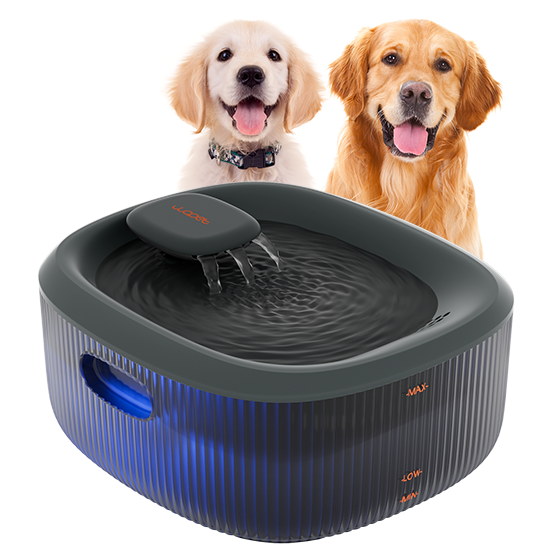
Basin Pet Water Fountain-W600
Model: W600
$43.99
$69.99
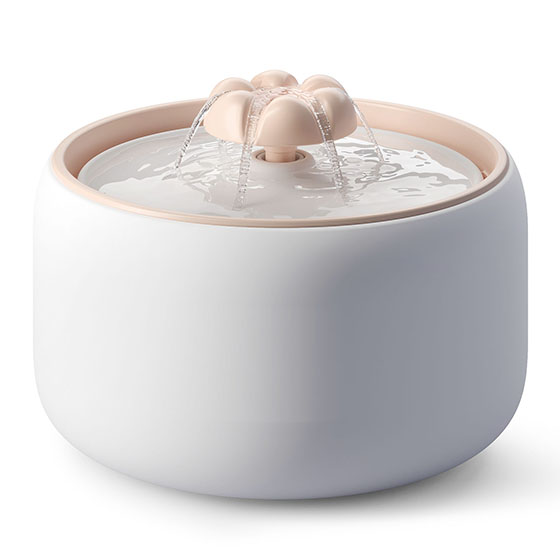
[Basic] Ceramic Pet Water Fountain with Power Cable
Model: W03L
$59.99
$99.00
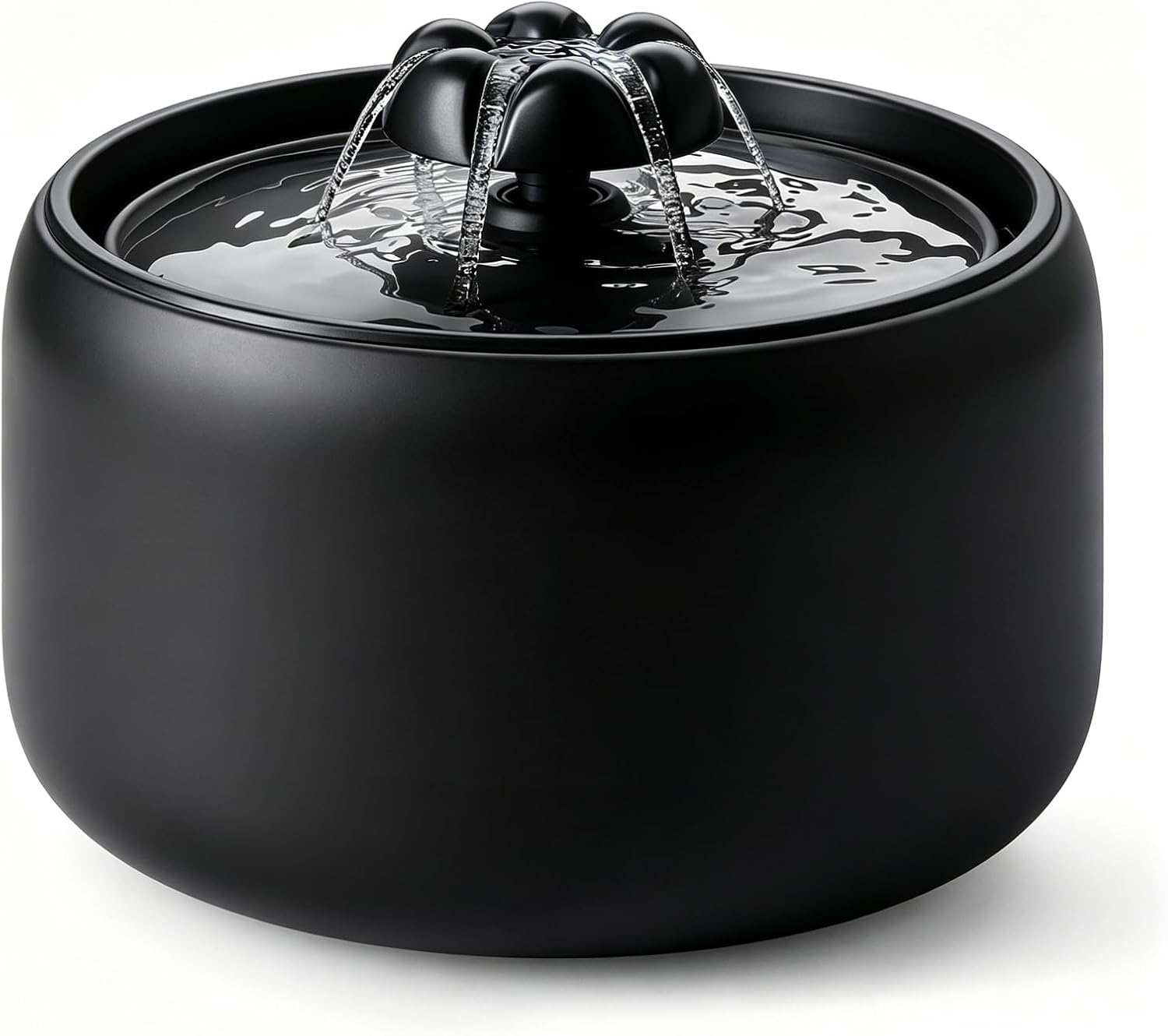
[Black] W03L 3L Premium Ceramic Cat Water Fountain
Model: W03L Black
$59.99
$69.99
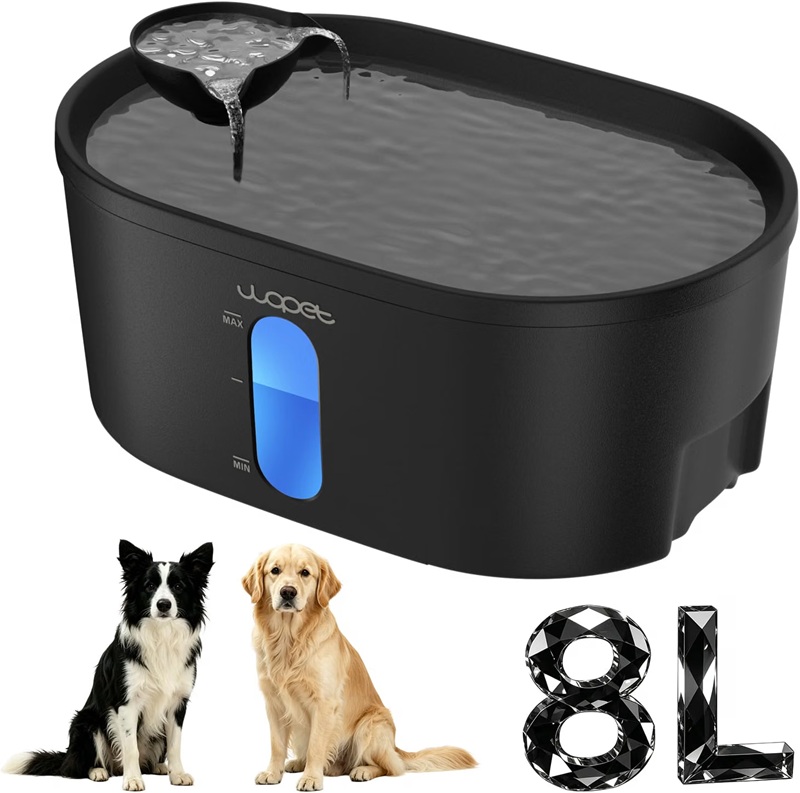
WOPET 8L Pet Water Fountain For Multiple Cats or Large Dogs A08
Model: A08
$49.99
$59.99
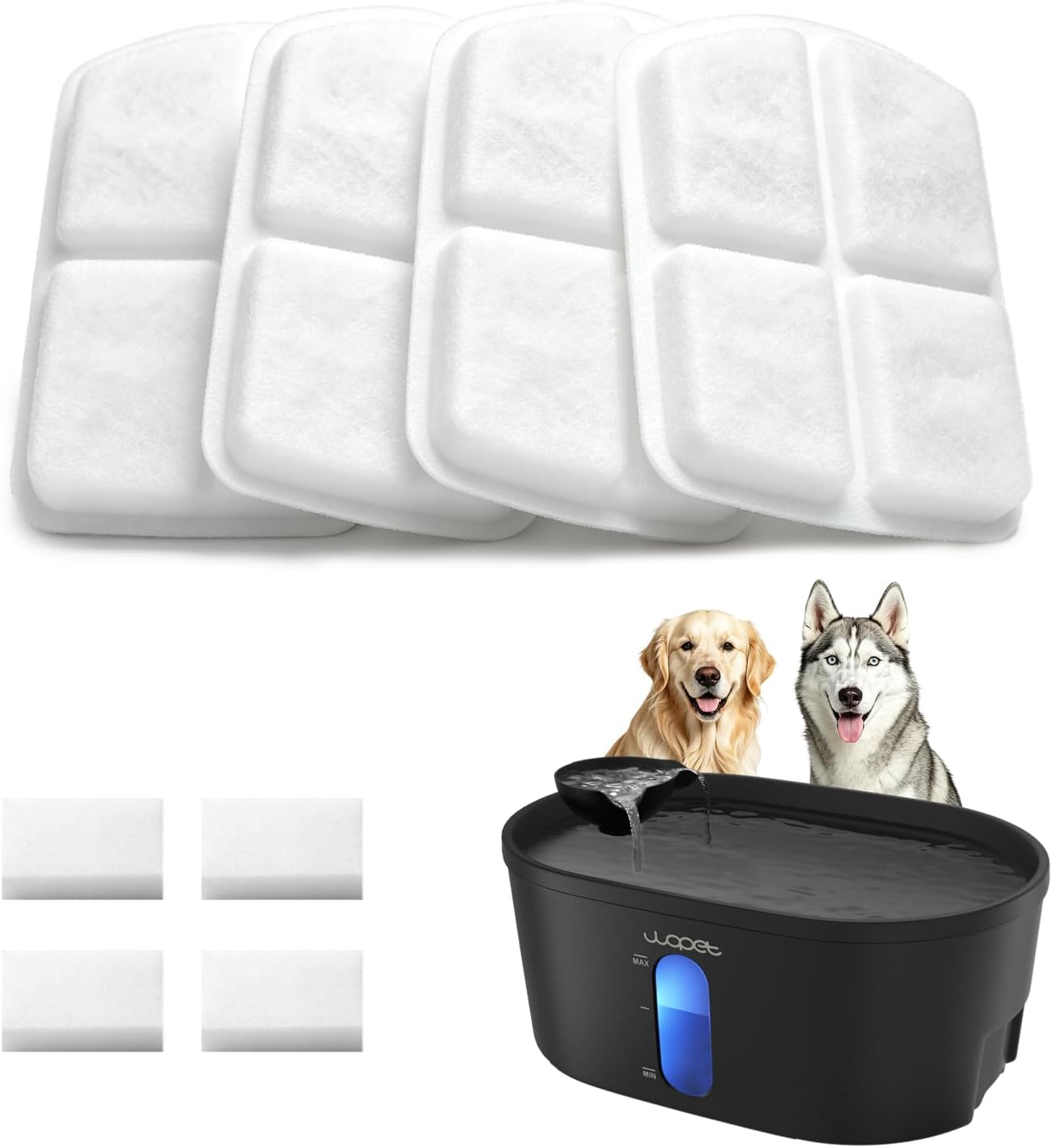
WOPET A08 Dog Water Fountain Filters
Model: A08 Filter
$19.99
$29.99

DOWNLOAD APP

WOpet life




Copyright © 2026 WOPET. All Rights Reserved.