Nov 20, 2026
Author:Sam Wonder
One portion is the amount of food a feeder dispenses at its smallest serving setting. The weight varies by model and by the kibble you use. WOPET lists 5 grams per portion for the Patrol F07 Pro, while the Heritage View HV10DP manual lists 10 grams per portion. Use your model’s figure as a starting point, then weigh what actually lands in the bowl before programming your dog’s meals.
If your feeder asks for a number of portions and your dog’s feeding plan is written in grams, a kitchen scale gives you the conversion you need. Once you know what your feeder delivers with your dog’s usual food, you can work out the setting for breakfast and dinner.
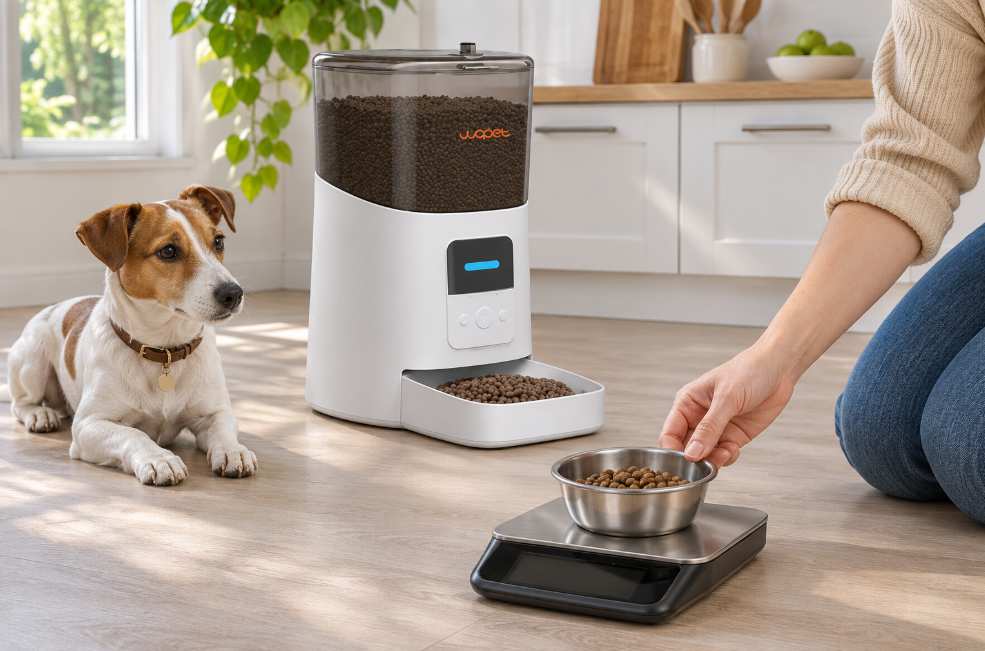
Think of a portion as one step on the feeder’s serving control. A meal can contain several of those steps. So when you select 8 portions at 7 a.m., you’re scheduling one breakfast made up of eight dispensing increments.
| WOPET feeder | Published weight per portion | Where to check |
|---|---|---|
| Patrol F07 Pro | 5 g | Patrol F07 Pro product specifications |
| Heritage View HV10DP | 10 g | Heritage View user manual |
Check the full model name before copying someone else’s settings. Eight portions at the published figures would be about 40 g on the F07 Pro and 80 g on the HV10DP. Those calculations use the published weights. The food in your own bowl is what you’ll use to set the schedule.
Use the dry food your dog eats now. You’ll need a digital kitchen scale, a bowl, and somewhere to jot down three readings. VCA Animal Hospitals recommends weighing kibble in grams for consistent measurements, especially when the serving is an awkward fraction of a cup.
For example, suppose the three batches weigh 48 g, 51 g, and 51 g. Together that’s 150 g ÷ 30 portions = 5 g per portion. These are sample readings to show the calculation.
If the bowl comes up light repeatedly, check whether the largest pieces fit your feeder and whether crumbs have collected near the outlet. WOPET’s automatic feeder kibble size guide
Start with your dog’s established daily food amount, then decide how much of that food the feeder needs to serve. If you feed some meals by hand or set aside kibble for training, account for that before programming the feeder. If you’re unsure how much dry food your dog should eat in a day, ask your veterinarian for a target you can measure in grams. VCA’s pet food serving guide
Feeder portions per meal = target meal weight in grams ÷ measured grams per portion
Say your dog already gets 100 g of kibble per day, and the feeder will serve two equal meals. Each meal calls for 50 g. If your feeder averages 5 g per portion with that kibble, start with 10 portions at breakfast and 10 at dinner. Weigh one full 10-portion serving before relying on the schedule.
Sometimes the math lands between settings. A 52 g meal divided by 5 g comes to 10.4 portions. You can set the feeder to dispense 10 portions and weigh out the remaining amount by hand. Check the combined daily serving before making any rounding part of the routine.
If your feeding plan is in cups, measure out the usual serving once and weigh it. Use that reading for your conversion, and repeat the check when the food changes. A different kibble can fill the same cup and weigh a different amount.
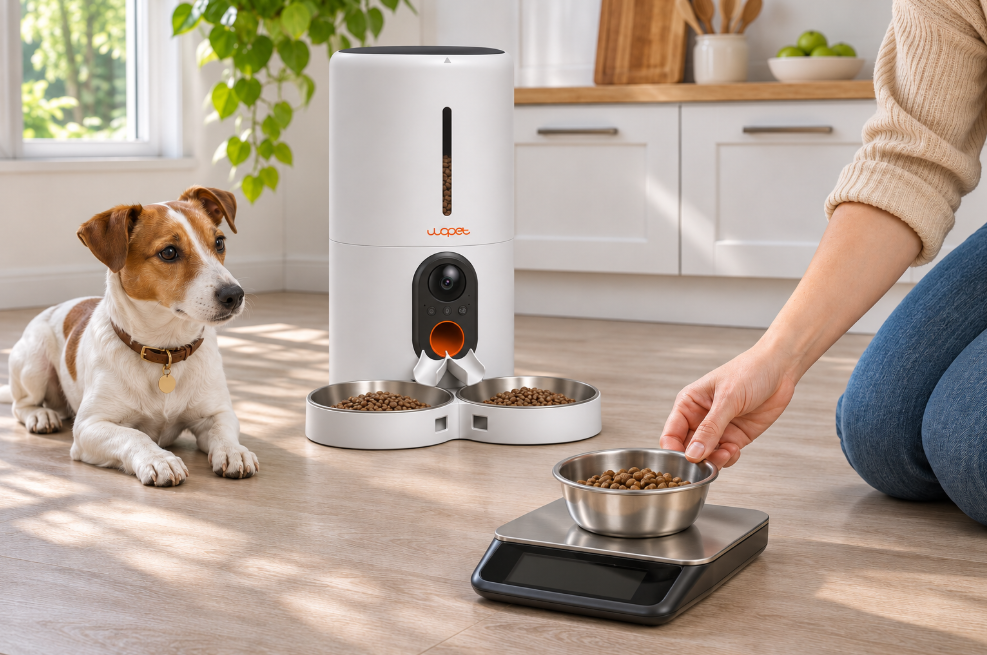
The WOPET Patrol F07 Pro is a practical option if your dog eats dry food on a regular schedule and you want to serve breakfast or dinner automatically. Its published 5 g increment gives you a starting point for setting smaller meals or splitting a daily amount across several feedings. Check that your dog’s usual kibble meets the model’s 5–15 mm size specification, then test it at the setting you’ll actually use.
Write down the final setting in plain language, such as 'Breakfast: 10 portions, checked at 50 g with the current kibble.' That gives anyone who helps with feeding a clear reference. If the dog switches food, run the same check again and update the note.
A portion is one dispensing increment. A meal is the total number of increments the feeder serves at a scheduled time. A breakfast set to 10 portions is one meal.
Weigh one level cup of your dog’s kibble, then divide that weight by the grams your feeder delivers per portion. For example, if your cup weighs 100 g and your feeder averages 5 g per portion, one cup is about 20 portions for that specific food and feeder.
Kibble can settle differently between dispensing cycles. If the readings vary by more than you can account for with a few pieces, check for oversized kibble, crumbs, or a partial blockage before programming the next meal. WOPET’s guide to kibble size and feeder jams
Recheck when you change the kibble, clean or reassemble the dispensing parts, or notice an unexpected change in the bowl. A quick check at the usual breakfast setting tells you whether the amount you programmed still matches what your dog is getting.
Popular Post
The Ultimate Guide to Tabby Cats: Patterns, Personalities, and More
Mar 27, 2025
Top 8 Reasons Why Does My Cat Sleep Between My Legs?
Mar 03, 2025

What to Do If My Dog's Poop Is Black But Not Tarry
Feb 04, 2023
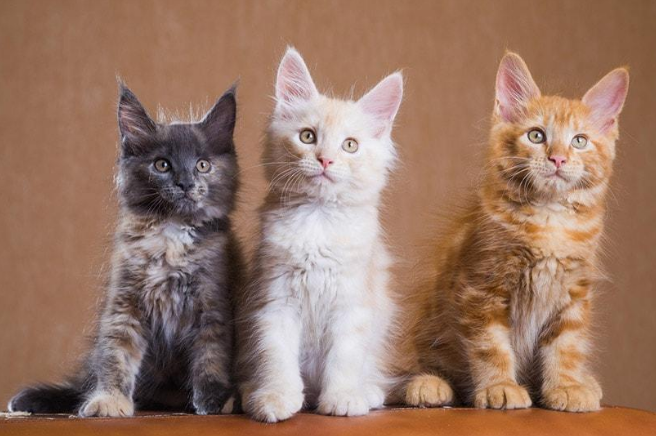
Superfecundation Cats: When Kittens in One Litter Have Different Fathers
Jul 11, 2025

Can Cats Have Orange Eyes? Genetics, Breeds, and Care Guide
May 20, 2025
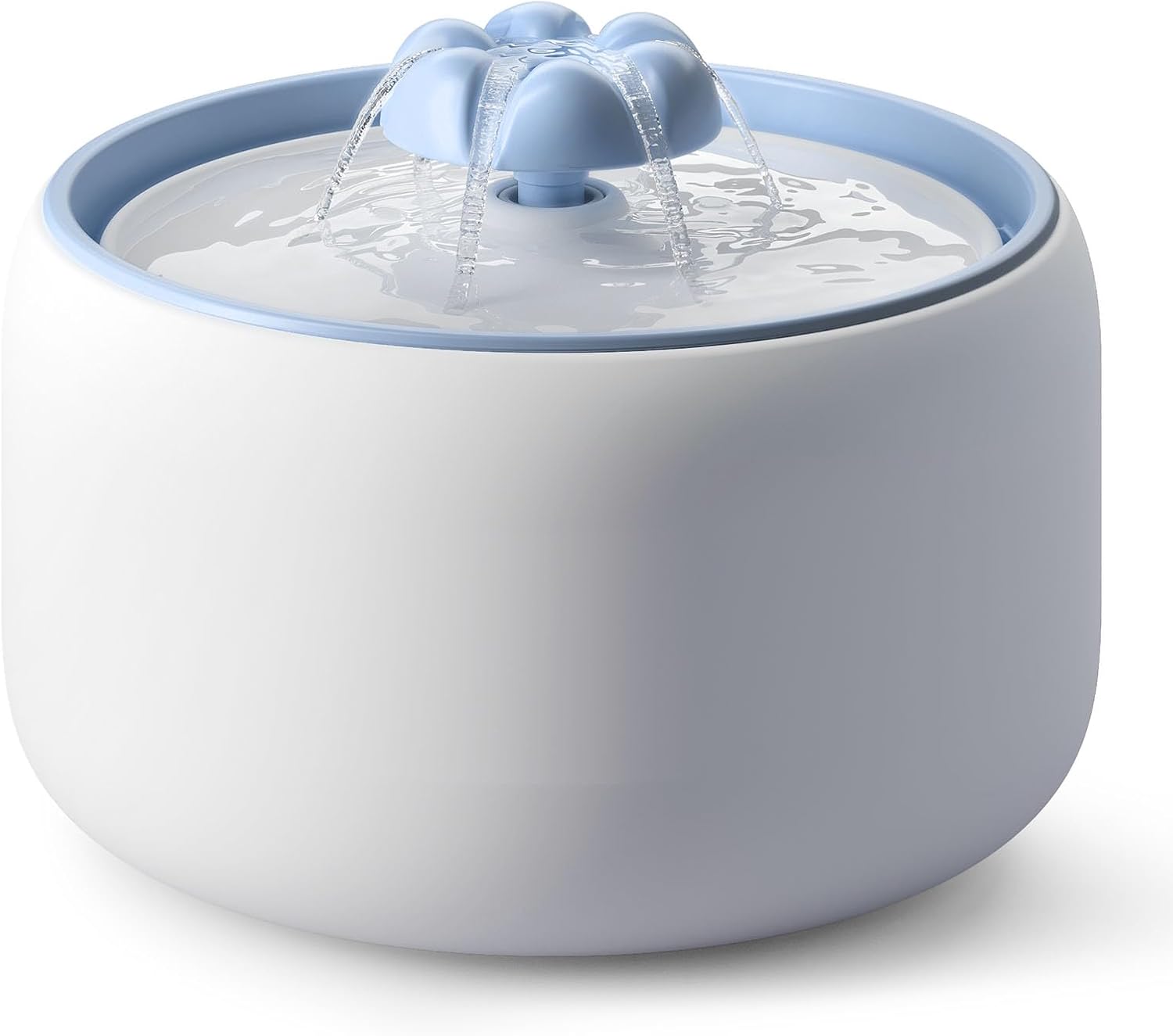
[Blue] W03L 3L Premium Ceramic Cat Water Fountain
Model: W03 LITE
$59.99
$69.99
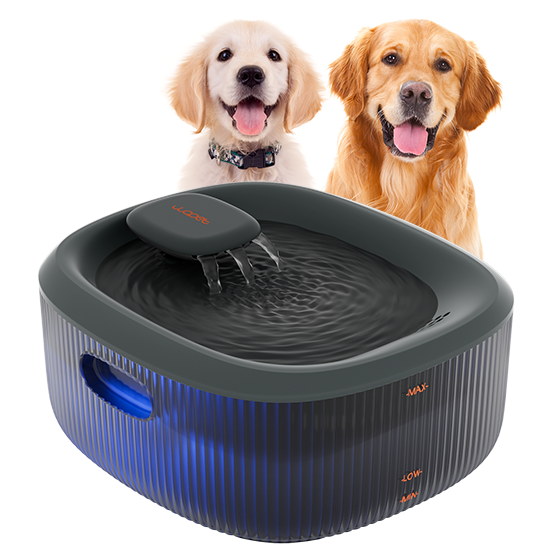
Basin Pet Water Fountain-W600
Model: W600
$43.99
$69.99
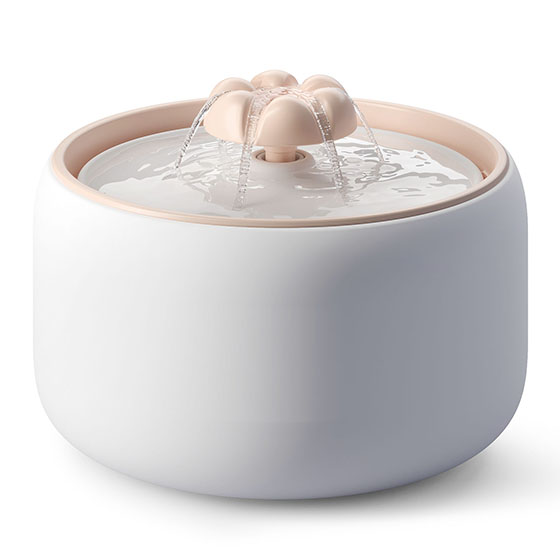
[Basic] Ceramic Pet Water Fountain with Power Cable
Model: W03L
$59.99
$99.00
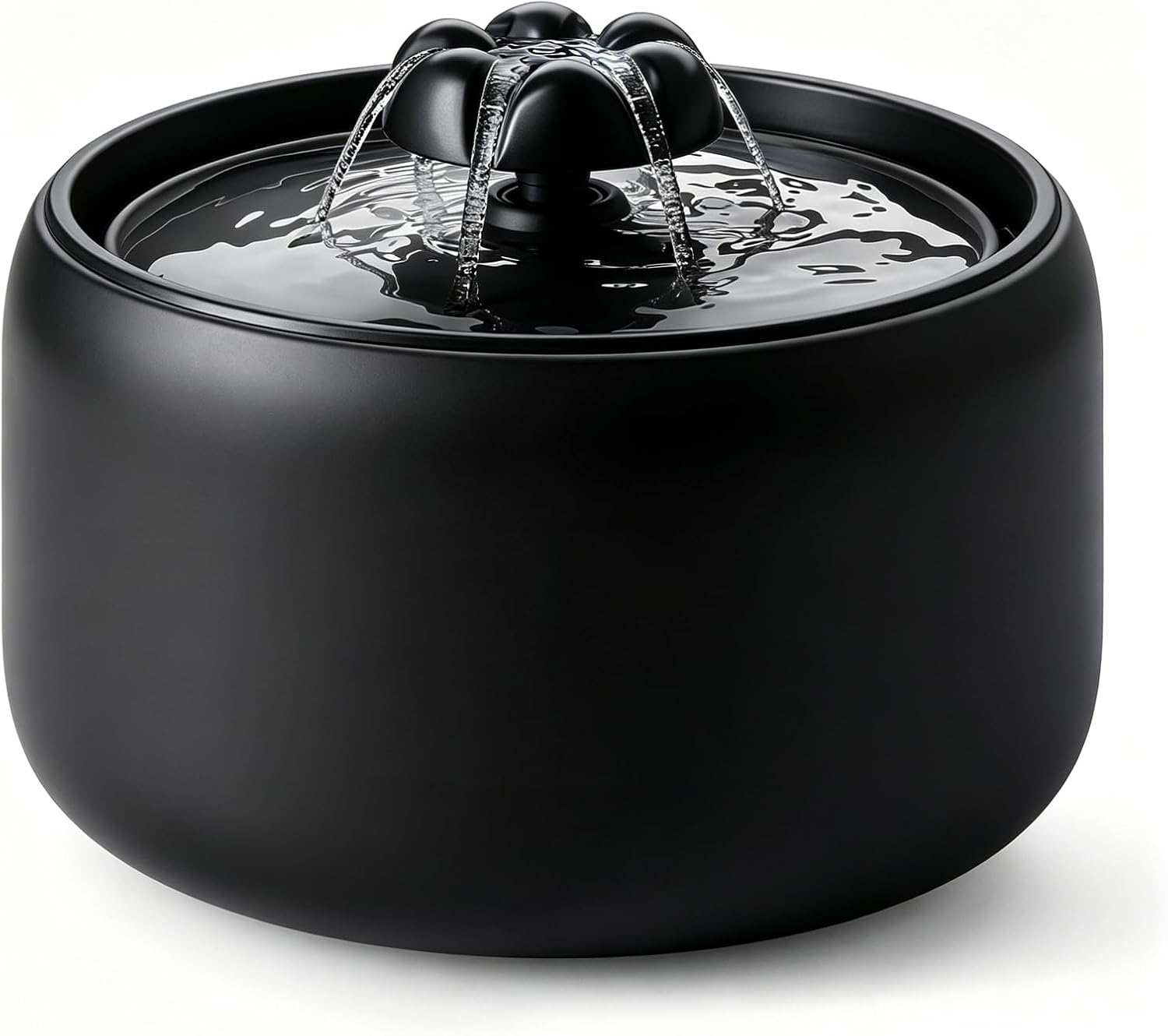
[Black] W03L 3L Premium Ceramic Cat Water Fountain
Model: W03L Black
$59.99
$69.99
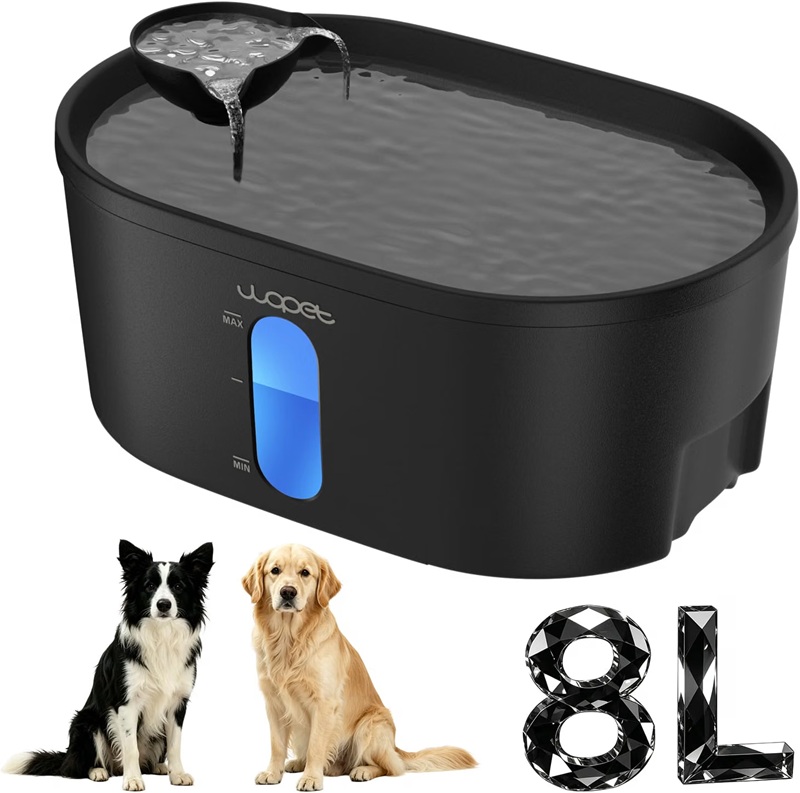
WOPET 8L Pet Water Fountain For Multiple Cats or Large Dogs A08
Model: A08
$49.99
$59.99
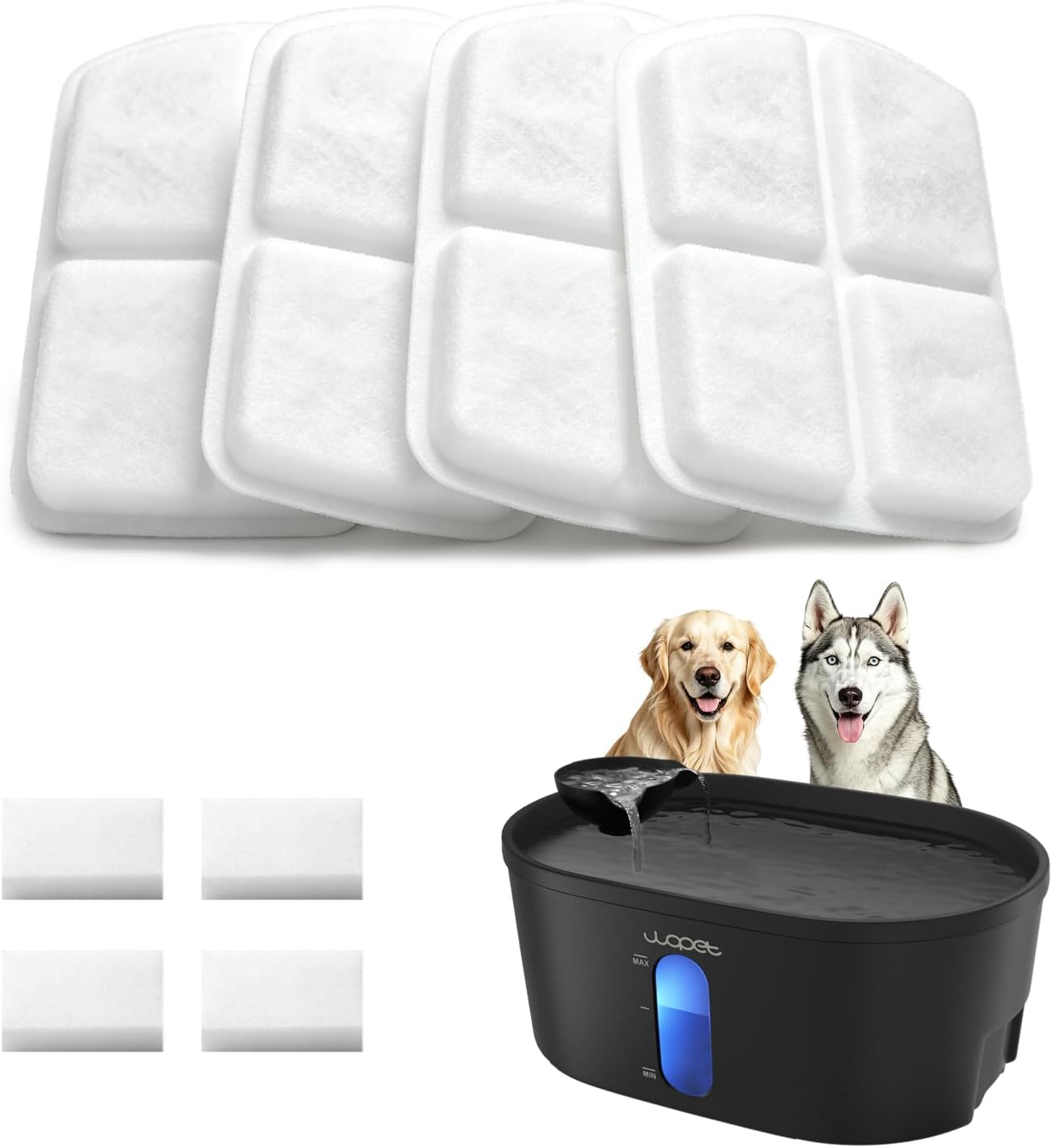
WOPET A08 Dog Water Fountain Filters
Model: A08 Filter
$19.99
$29.99

DOWNLOAD APP

WOpet life




Copyright © 2026 WOPET. All Rights Reserved.