Sep 23, 2026
Author:Lisa Martinez
Ceramic is often the better choice for households that value stability and an easy-to-inspect glazed surface. Plastic is usually better when low weight, lower upfront cost, and resistance to breakage matter most. Neither material stays hygienic by itself. The best practical choice is a well-made fountain with intact water-contact surfaces, removable parts, and a cleaning routine you can maintain.
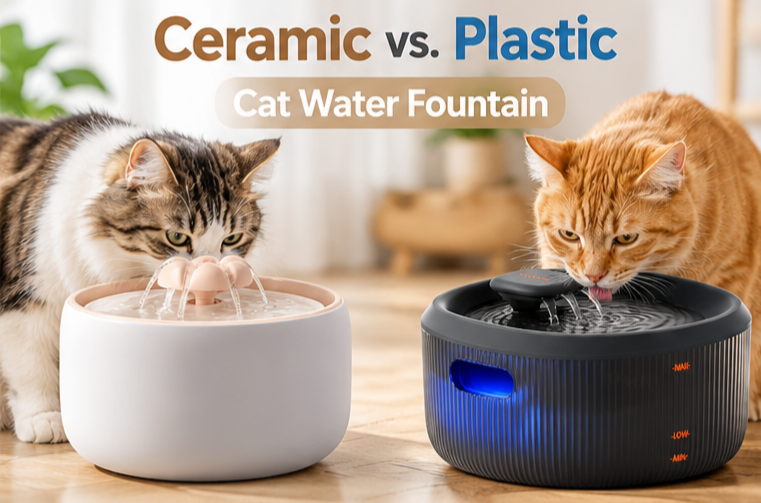
Buy WOPET W03 Lite ceramic cat water fountain on Amazon
Ceramic vs. Plastic at a Glance
|
Factor |
Ceramic fountain |
Plastic fountain |
|
Weight |
Usually heavier and harder to push |
Usually light and easy to move |
|
Breakage |
Can chip or crack if dropped |
Less likely to shatter |
|
Surface wear |
Glaze should remain smooth and intact |
Scratches may become more visible over time |
|
Cleaning |
Smooth glazed areas are easy to inspect; heavy parts can be awkward |
Light parts are easy to handle; seams and scratches need attention |
|
Noise |
Weight may reduce vibration |
Light housings may transmit pump vibration |
|
Price |
Often higher |
Often lower |
|
Best fit |
Cats that push fountains; owners who prefer a substantial base |
Travel, frequent lifting, tighter budgets, or homes where breakage is a concern |
This table compares common tendencies, not guarantees. A poorly designed ceramic fountain can be harder to clean than a simple plastic one, while a sturdy, smooth plastic fountain can be easier to maintain than a ceramic model with narrow internal channels.
The Main Advantages of a Ceramic Cat Fountain
1. More weight and stability
Ceramic fountains are generally heavier than similarly sized plastic models. That can help when a cat paws at the stream, pushes the rim, or treats the fountain as a toy. A stable fountain also reduces movement that can amplify pump noise.
Weight is not a substitute for a level surface. A ceramic unit can still slide on a polished floor, so use a flat, non-slip mat that does not block vents or trap water around electrical connections.
2. A smooth surface that is easy to inspect
High-quality glazed ceramic presents a hard, smooth surface. Residue, hair, and mineral film are often easy to see against a light finish. That visibility helps owners notice when cleaning is due.
The word glazed matters. Exposed, rough, cracked, or crazed areas are harder to uate and should not remain in contact with drinking water. The FDA monitors ceramic foodware because improperly formulated or fired glazes can release lead or cadmium. Buy a fountain intended for food or drinking-water contact from a seller that provides clear material and care information.
3. A substantial, quiet feel
A heavy basin may damp some vibration from the pump. Ceramic also avoids the hollow sound that can occur when a light shell touches a wall or cabinet. Actual noise still depends on pump condition, water level, assembly, and whether the cord or housing is vibrating against another surface.
The Main Drawbacks of Ceramic
Ceramic can chip, crack, or break if it is dropped in the sink. It is also heavier to carry when full, and large components may be inconvenient for people with limited grip strength. Inspect the fountain under bright light after any impact. Retire a water-contact component if you find a crack, sharp chip, or damaged glaze.
Ceramic does not eliminate biofilm. Water also touches the pump, tubing, filter housing, seals, and other components, which may be made from different materials. Every wet pathway still needs cleaning according to the manufacturer’s instructions.
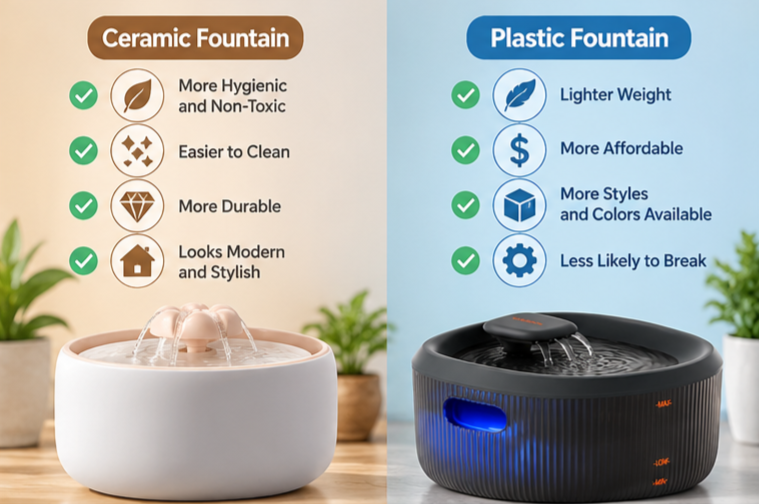
The Main Advantages of a Plastic Cat Fountain
1. Lower weight and easier handling
Plastic components are easy to lift, rinse, and reposition. This can be useful when the fountain must be carried to a sink frequently or packed for a temporary stay. Plastic also resists shattering if it is accidentally dropped.
2. More shapes and lower entry prices
Plastic can be molded into complex channels, reservoirs, and snap-fit parts, so shoppers often have more sizes and flow styles to choose from. Plastic fountains also tend to have lower upfront prices, although filter and pump costs may be similar to those of other fountain types.
3. Material can be appropriate for food contact
Plastic is not automatically unsafe. In the United States, food-contact substances that qualify as food additives must be authorized for their intended use. This framework applies to substances and uses; it should not be presented as blanket FDA approval of a finished pet fountain. The useful shopping question is therefore not simply “Is it plastic?” but “Is this product intended for repeated drinking-water contact, and does the manufacturer identify the material and care limits?”
The Main Drawbacks of Plastic
Plastic surfaces can develop scratches from abrasive pads, rough handling, or normal wear. VCA notes a possible association between plastic food or water dishes and feline chin acne because irregular or scratched surfaces may be more prone to bacterial contamination. That is an association, not proof that every plastic fountain causes acne.
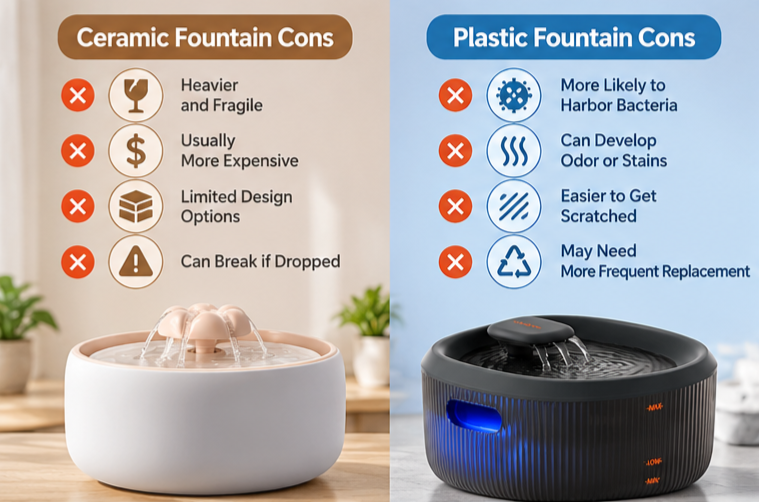
If a plastic surface becomes deeply scratched, cloudy, warped, or difficult to clean, replace the affected part. Do not try to restore it with abrasive cleaners or harsh scouring tools unless the manufacturer explicitly permits them.
A “BPA-free” label answers only one material question. It does not tell you whether the design is easy to disassemble, whether the pump has hidden crevices, or whether a worn surface should be replaced.
Which Material Is Better for Your Cat?
Choose ceramic when:
• your cat pushes or tips lightweight fountains;
• you prefer a heavy, stable basin;
• you want a light-colored surface that makes residue easy to see;
• you can lift and wash the heavier parts safely;
• you are prepared to inspect the glaze for chips and cracks.
Choose plastic when:
• you need a lightweight fountain;
• breakage during handling is a realistic concern;
• you want more size or design choices at a lower entry price;
• the model clearly identifies food-contact materials and care instructions;
• you will replace scratched or damaged water-contact parts.
For either material, prioritize removable components, an accessible pump, available replacement parts, and a shape that lets you reach every wet surface. WOPET’s guide to choosing a cat water fountain covers capacity, flow, filtration, and placement in addition to material.
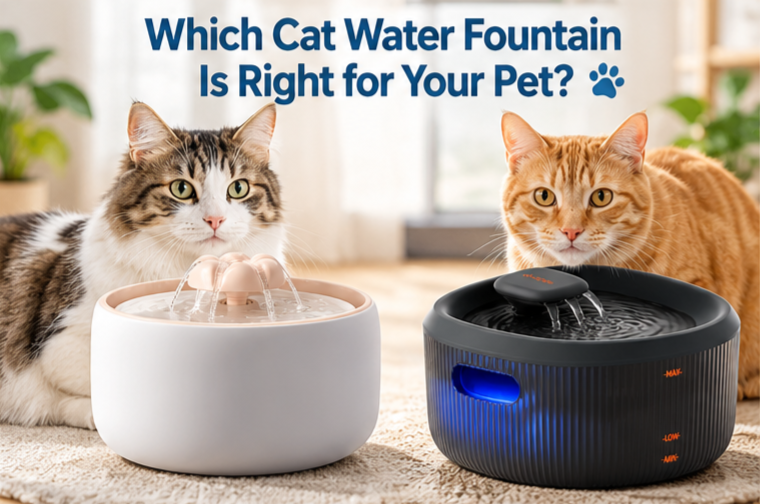
Buy WOPET W600 Plastic Cat Water Fountain on Amazon
A Five-Point Buying Checklist
1. Confirm intended use. The fountain should be sold for pet drinking water, with the water-contact materials identified.
2. Inspect the full water path. Look beyond the top tray to the reservoir, pump cover, tube, filter holder, and seals.
3. Check cleaning access. You should be able to reach corners and remove the pump without forcing clips.
4. Read the care instructions. Verify which parts are dishwasher-safe and which must be hand-washed.
5. Check replacement availability. Filters, pumps, seals, and lids should be obtainable for the model you buy.
Frequently Asked Questions
Is ceramic more hygienic than plastic?
Intact glazed ceramic is smooth and easy to inspect, while worn plastic may develop scratches. However, hygiene depends on the entire design and cleaning routine. A neglected ceramic fountain can still develop residue and biofilm.
Can a plastic fountain cause feline acne?
Plastic dishes have been associated with chin acne in some cats, but the exact cause of feline acne is not fully understood. If your cat develops blackheads, swelling, crusts, or soreness around the chin, ask a veterinarian to uate the problem rather than diagnosing it from the fountain material alone.
Is a chipped ceramic fountain safe to keep using?
Do not keep using a chipped, cracked, or sharply damaged water-contact component. Damage can create hard-to-clean areas or exposed edges, and a crack may worsen during handling.
Does a ceramic fountain keep water colder?
Material can affect how a fountain feels to the touch, but room temperature, water volume, circulation, and location usually matter more. Do not buy a fountain on a cooling claim unless the manufacturer provides a specific, testable basis for it.
Bottom Line
Ceramic wins on weight, stability, and a substantial smooth surface; plastic wins on lightness, break resistance, variety, and price. The best fountain is the one whose materials are intended for water contact, whose surfaces remain intact, and whose complete water path you can clean consistently.
Editorial Method and Sources
This comparison separates material tendencies from model-specific performance. It uses FDA information for food-contact and ceramicware context, NSF material and sanitation principles, and VCA guidance for the limited evidence on plastic dishes and feline chin acne.
• FDA: Food Packaging and Other Food-Contact Substances
• FDA: Lead-Glazed Traditional Pottery Questions and Answers
Label:
Popular Post
Top 10 Most Expensive Cat Breeds in The World
May 07, 2025
The Ultimate Guide to Tabby Cats: Patterns, Personalities, and More
Mar 27, 2025
Can Cats Have Ice Cream? Dangers, Safe Flavors & Healthy Cat Treats
Sep 02, 2025
My Cat Only Eats A Little at A Time - What to Do?
Feb 27, 2023

Top 8 Reasons Why Does My Cat Sleep Between My Legs?
Mar 03, 2025
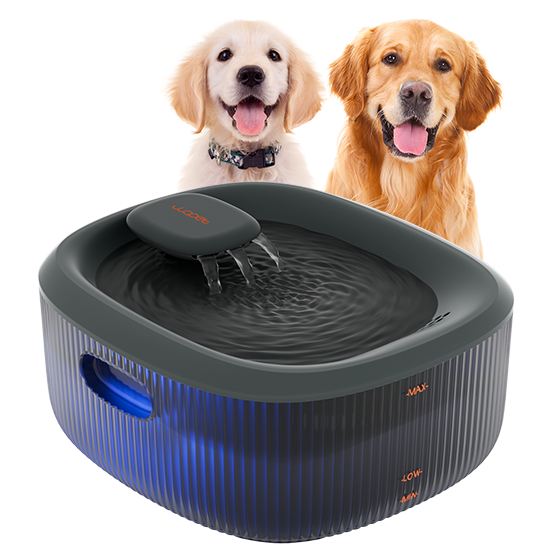
Basin Pet Water Fountain-W600
Model: W600
$43.99
$69.99
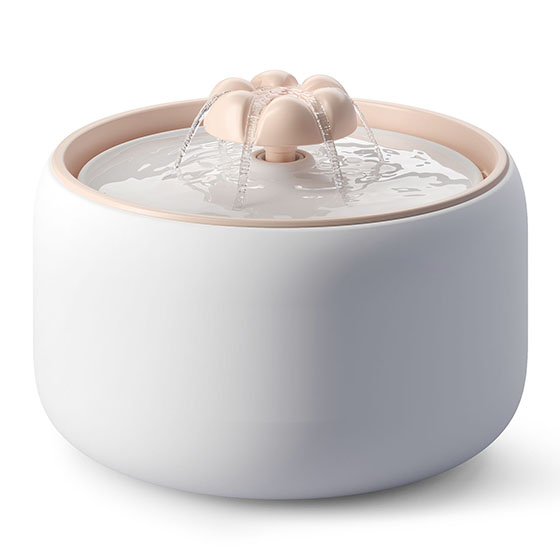
[Basic] Ceramic Pet Water Fountain with Power Cable
Model: W03L
$59.99
$99.00
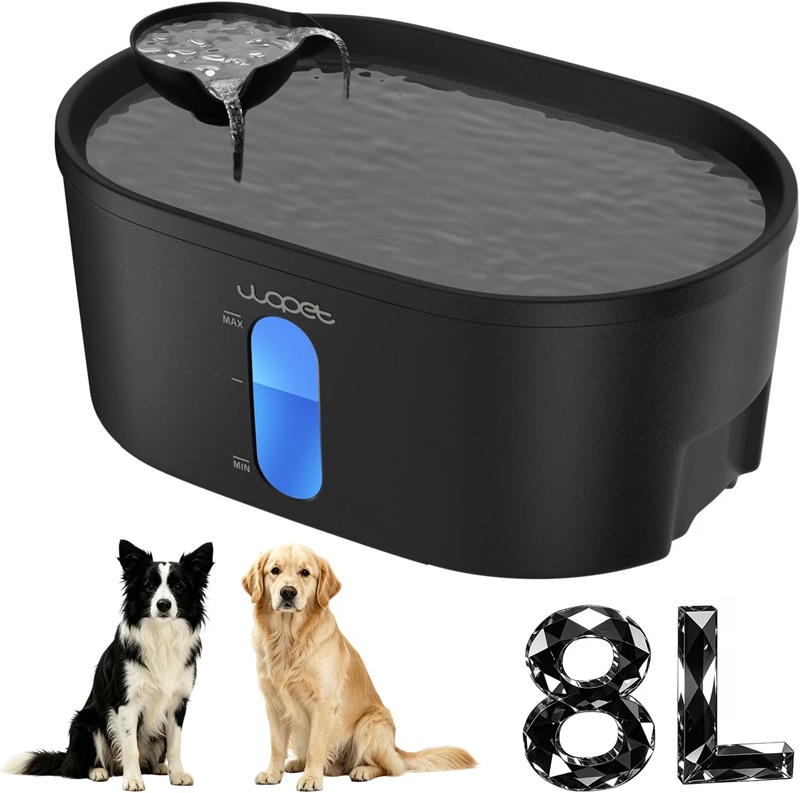
WOPET 8L Pet Water Fountain For Multiple Cats or Large Dogs A08
Model: A08
$49.99
$59.99
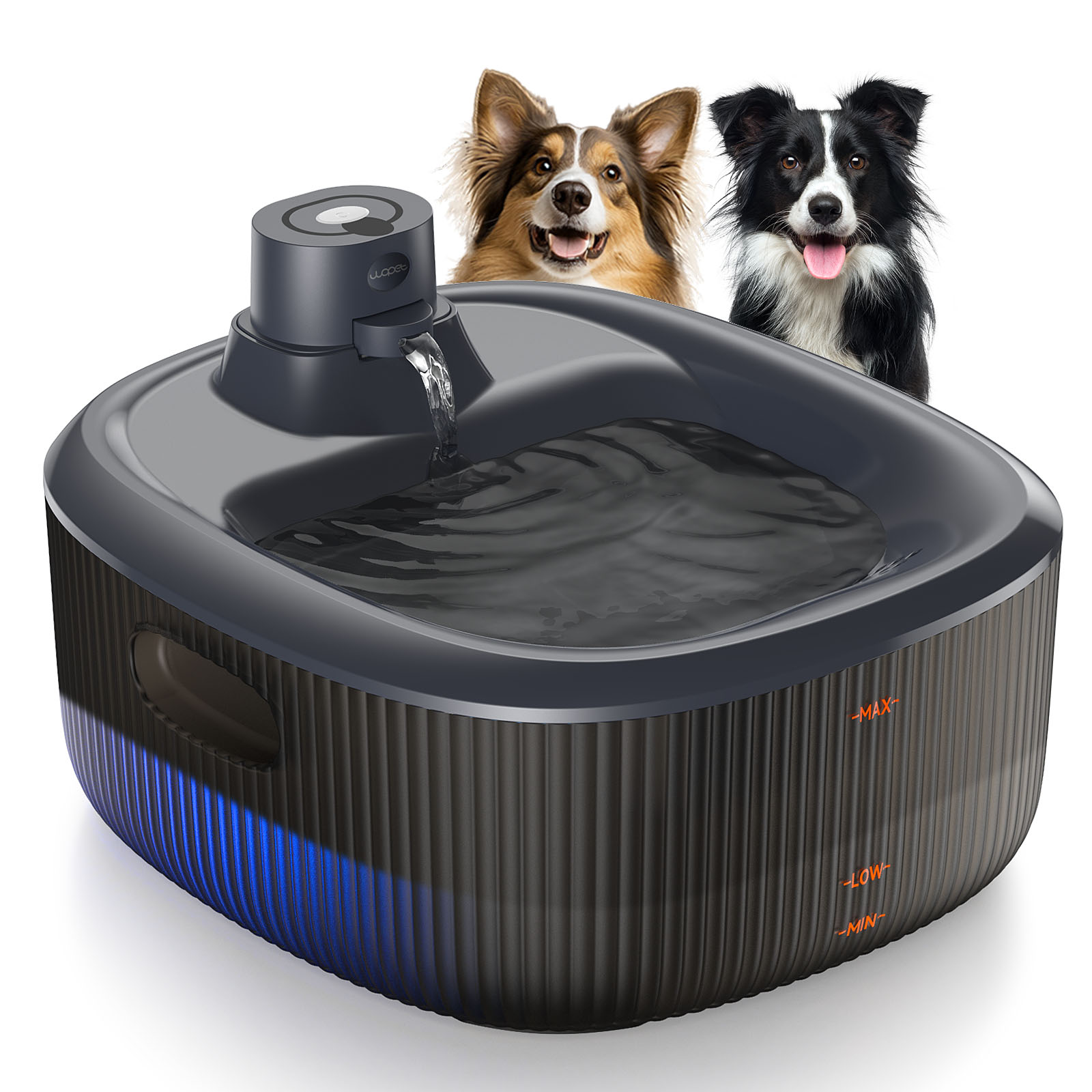
[Upgrade] Basin Wireless Pet Water Fountain
Model: W600 Pro
$69.99
$89.99
Heritage View Pet Feeder Dual Bowls For Two Cats
Model: HV10DP
$119.99
$149.99
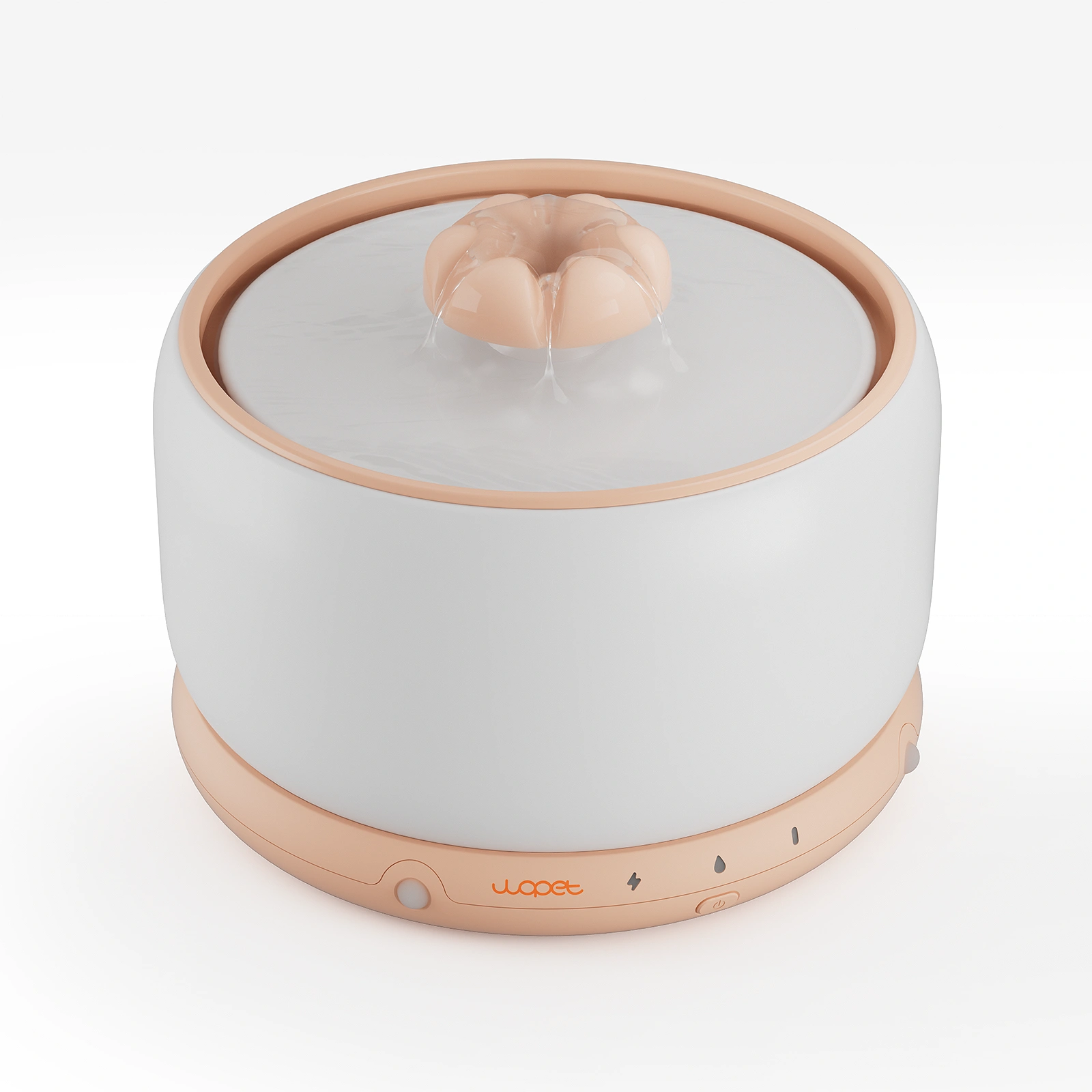
[New] Ceramic Wireless Pet Water Fountain W03
Model: W03
$89.99
$129.00

DOWNLOAD APP

WOpet life




Copyright © 2026 WOPET. All Rights Reserved.