May 16, 2025
Author:Amanda Lyu
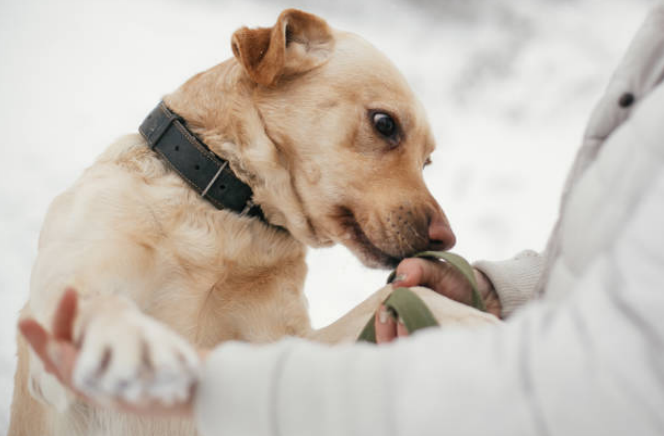
Dogs explore the world primarily through their noses. With a sense of smell believed to be 10,000–100,000 times stronger than ours, their noses are finely tuned to detect even the faintest scents. While dogs are naturally drawn to certain smells, they are also highly reactive to others they dislike. Despite this sensitivity, their incredible sniffing ability makes them exceptional trackers, seekers, and loyal companions.
What smells do dogs hate? Understanding this isn’t just about curiosity—it’s also a useful tool for training and setting boundaries. By using specific scents thoughtfully, you can keep dogs away from furniture, gardens, trash cans, or other off-limits areas. Avoiding scents that stress or overwhelm them also supports their comfort and overall well-being.
Safe, natural, and household odors can be used effectively to guide your dog’s behavior and create peaceful spaces. This guide will dive into why certain scents bother dogs, how to use them around your home, and provide answers to the common question: what odors do dogs hate?
Grasping why canines overreact to particular aromas relies on knowledge of the strength and intricacy of their smell system. Dogs possess as many as 300 million smell receptors inside their nostrils compared to us, who have roughly 6 million. In addition, the portion of their brain used for scent decoding is 40 times greater than ours. This indicates that dogs are extremely precise—and intense—in aroma recognition and uation.
Frequently, three elements trigger a dog to dislike a specific aroma: links, strength, and instinctual preferences. Powerful scents such as vinegar or ammonia may feel physically overwhelming and disagreeable. Certain odors might recall traumatic memories by being tied to negative experiences, like a grooming process or a vet appointment. Some others, like spicy or citrusy scents, are naturally shunned for their strong, bothersome characteristics.
Distinguishing between dangerous responses and benign aversions is also quite important. Certain aromas might disturb individuals or prompt them to avoid those, though excessive use might turn harmful, leading to stress or breathing difficulties. Understanding these differences enables pet guardians to apply scent-based repellents more wisely and ethically.
Dogs' great aversion to some smells results from their exceptional sense of smell. While some are only unpleasant, some might cause individuals pain or discomfort. Listed below are the most common smells dogs dislike and safe methods to use them to deter bad behavior.
Examples: The skins of lemons, limes, grapefruits, and scented oils are included.
● Citrus types have a zesty, tart aroma that dogs naturally avoid. The sour chemicals in these fruits turn dogs off; citrus is too intense for their noses.
Safe Usage:
● Use citrus peels on spots like flower beds or furniture legs where you don't want dogs to go.
● Using a spray bottle filled with diluted lemon juice—1 part juice to 3 parts water—gently sprinkle off-limits areas (avoid textiles).
● Try lemon-like diffusers if you'd prefer to discourage dogs from certain spaces.
Note: Never apply concentrated citrus essential extracts directly on animals as these may be too harsh or cause irritation.

Types: White vinegar, apple cider varieties
● Vinegar’s sharp, tangy odor deters dogs instantly. Its natural cleansing properties make it a popular, pet-safe deterrent.
How to Use Vinegar:
● Mix white vinegar and water in equal amounts in a spray bottle. Spray sparingly on carpets, curtains, and sofas you want to keep dog-free.
● Clean flower pots, doorways, and garbage bins using vinegar to reduce scent-marking or investigating.
Warning: Vinegar might discolor textiles, so always test before applying.
● Dogs hate the sharp, burning sensation that accompanies spicy aromas. Their delicate nostrils find the capsaicin in black pepper and chili too overpowering.
Avoid Using Powders:
● Avoid putting chili powder, cayenne, or mustard in places your dog can access. If consumed or breathed in, these can cause pain, coughing, and even damage.
Alternative Use:
● While mimicking spicy aromas, use a safe and non-toxic commercial deterrent spray for dogs.
● If you want to use the mustard smell, soak cotton balls in diluted mustard and keep them in containers near off-limits (out of reach).
● Ammonia smells like pee, which could confuse or scare dogs. Industrial cleaners' powerful chemical odors are also unpleasant and overbearing.
Household Products Dogs Dislike:
● Bleach-based cleaners
● Ammonia-containing glass cleaners
● Strongly scented synthetic floor cleaners
Safety Tip:
● Avoid using ammonia or strong cleansers in areas dogs could lick. Instead, choose safe for dogs, moderate, or neutral-scented cleaning products.
● Always avoid mixing ammonia and bleach, as it will create toxic smells.
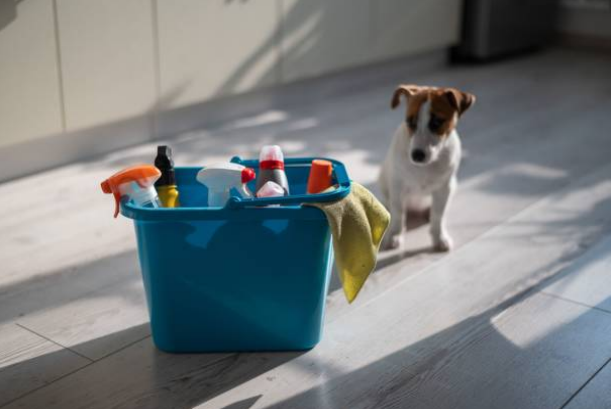
● Dogs instinctively shun the sharp, sterile scent of rubbing alcohol (isopropyl alcohol). Even small amounts hurt their sensibilities.
Safe Use Tips:
● Store alcohol wipes or bottles in dog-proof cabinets.
● Lightly wiping some surfaces—such as drawers or garbage can lids—with rubbing alcohol may help discourage dogs, but always let the alcohol totally evaporate and keep it out of their reach.
Warning: Never rub alcohol on or near your dog since it could be harmful if ingested.
● Many human perfumes, colognes' synthetic scents, and alcohol are too harsh and unnatural for dogs.
Avoid Spraying Near Dogs:
● Avoid spraying body mists or perfumes near your pet’s meal space, toys, or sleeping spots.
● Air diffusers, deodorizers, and scented candles might be troublesome in tight zones.
● Dogs may sneeze, avoid marked areas, or show unease when sensing fake aromas.
Examples: Cinnamon, tea tree, peppermint, and eucalyptus are among the examples.
● Though some essential oils have medicinal or calming effects on humans, many are quite strong—even harmful—for dogs.
Oils That Commonly Repel Dogs:
● Eucalyptus
● The Melaleuca tea trees
● Peppermint
● Clove
Safe Usage Tips:
● Use a diffuser only in well-ventilated areas free of pets.
● Avoid applying essential oils to your pet or their possessions.
● Ensure they are correctly labeled and keep oils out of reach.
Reminder: Before introducing oils around animals, consult a vet for safe guidance.
● Harmful substances like naphthalene and paradichlorobenzene render mothballs intensely off-putting to canines, and justifiably so.
Why They’re Dangerous:
● Even tiny levels of mothball vapors might cause respiratory issues.
● Eating could lead to severe poisoning, organ failure, or even death.
Recommendation:
● Mothballs are not meant to be used as a dog deterrent.
● Children and dogs should be kept away from mothballs stored in airtight containers.
If used correctly, a range of safe items for people's daily use can help subtly discourage dogs from certain behaviors. Applied lightly, these daily fragrances act as strong odor-based deterrents.
● Citrus Skins: After eating citrus, retain the rinds. Citrus serves as one of the smells that repel dogs naturally. Place them beside furniture, garden borders, or entryways. Their pungent smell naturally discourages approach.
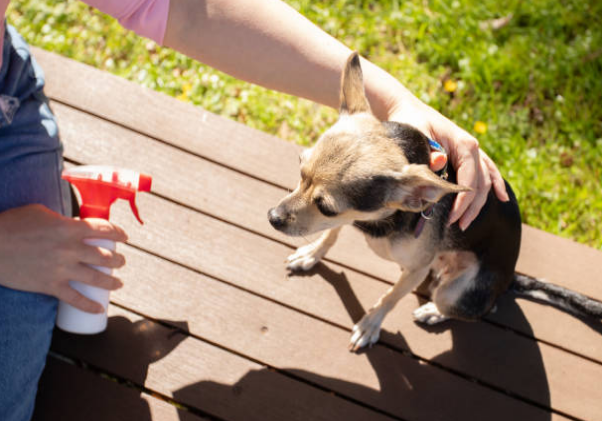
● Vinegar Solution: Mix equal amounts of white vinegar and water. Spray on tiles, bins, or exterior spots.
● Baking Powder + Safe Oils: Sprinkle areas with baking soda and drops of calming essential oils like chamomile.
● Homemade Spray: Mix lemon juice, vinegar, and water in a sprayer. Great for furniture or perimeter use—test first!
Note: Don’t place near mealtime zones, toys, or rest spaces. Watch for irritation or strange behavior.
Natural scent-based deterrents offer gentle yet practical methods to shape canine behavior without harsh techniques or toxic products.
● Garden Tips: Place citrus peels, vinegar-soaked cotton, or herbs such as nder along garden perimeters. Citrus trees also offer aesthetically pleasing and dog-repellent landscaping.
● Reinforce With Training: Scent repellents are most successfully used through behavioral training. Draw your dog's attention to areas or activities that are allowed and reward them for remaining out of forbidden ones.
● Long-Term Control: Your dog may associate certain smells with restrictions, which could reduce the need for regular reapplication.
If undesirable behavior continues or intensifies, reaching out to a licensed trainer or animal doctor is strongly recommended. Expert counsel can enable you and your pet to establish a safer, happier environment since underlying stressors or medical issues could affect the behavior.
Some smells could turn dogs off; others are compelling and harmful to their health. Knowing the distinctions helps you to safeguard your pet.
● Mothballs: Mothballs are pretty dangerous for dogs since they have either naphthalene or paradichlorobenzene. Even a smell might kill you.

● Concentrated Essential Oils: Tea tree, eucalyptus, clove, and wintergreen become dangerous or toxic when taken orally or absorbed through the skin.
● Bleach: Harsh fumes may irritate dogs’ airways, causing illness or upset.
Frequent exposure can result in vomiting, drool, agitation, confusion, or further symptoms. Before introducing new aroma deterrents in your living space, always opt for gentler options like vinegar mists or diluted citrus blends, and consult your veterinary expert.
Knowing what scents dogs dislike is a simple yet powerful way to manage their behavior and establish safe boundaries at home. Natural, non-toxic substitutes like vinegar and citrus help to effectively discourage bad behavior without harming anyone.
Avoiding toxic odors and strong chemicals is wise, as they could lead to long-term health problems and stress. Apart from being safer, natural treatments, when used correctly and judiciously, promote more compassionate behavior control.
Consistently monitor your dog’s behavior when applying a different smell, and make sure nothing lies near meals, chewables, or napping spots. If caring pet guardians apply scent-based discouragements with mindfulness and concern for their companions, they can serve as practical and compassionate solutions.
Ready to create a calmer, cleaner space for you and your pup? Start using natural scent-based solutions today—and always put your dog’s safety first!
Label:
Popular Post

The Ultimate Guide to Tabby Cats: Patterns, Personalities, and More
Mar 27, 2025
Top 10 Most Expensive Cat Breeds in The World
May 07, 2025
Can Cats Have Ice Cream? Dangers, Safe Flavors & Healthy Cat Treats
Sep 02, 2025

My Cat Only Eats A Little at A Time - What to Do?
Feb 27, 2023

Top 8 Reasons Why Does My Cat Sleep Between My Legs?
Mar 03, 2025
[Blue] W03L 3L Premium Ceramic Cat Water Fountain
Model: W03 LITE
$59.99
$69.99
Basin Pet Water Fountain-W600
Model: W600
$43.99
$69.99
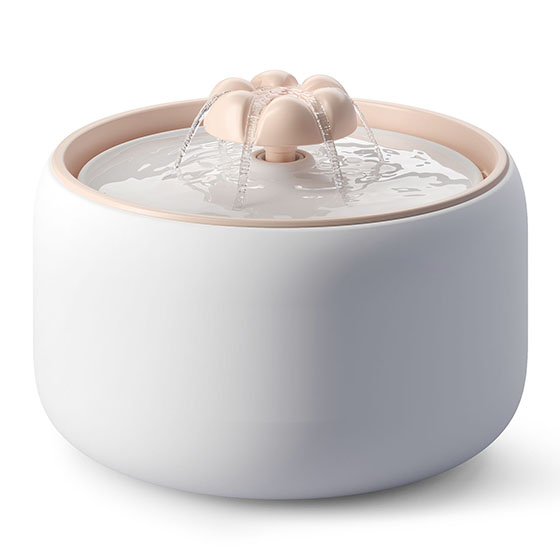
[Basic] Ceramic Pet Water Fountain with Power Cable
Model: W03L
$59.99
$99.00
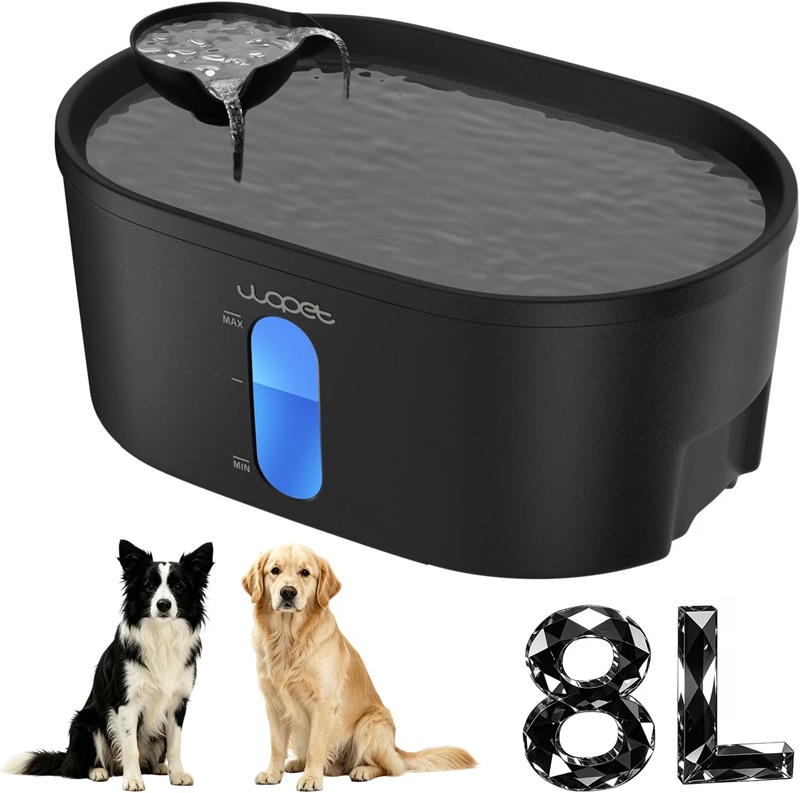
WOPET 8L Pet Water Fountain For Multiple Cats or Large Dogs A08
Model: A08
$49.99
$59.99
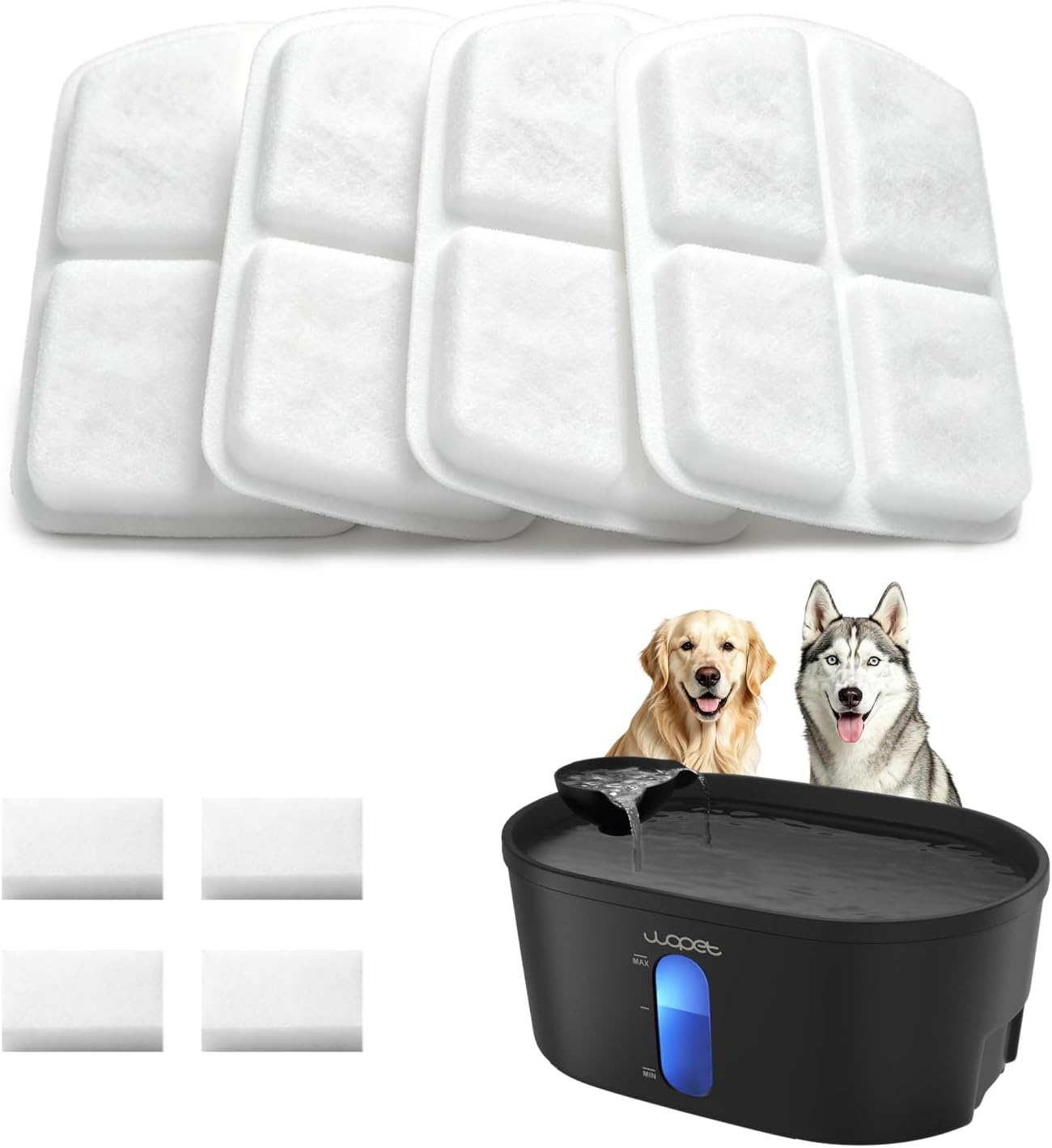
WOPET A08 Dog Water Fountain Filters
Model: A08 Filter
$19.99
$29.99
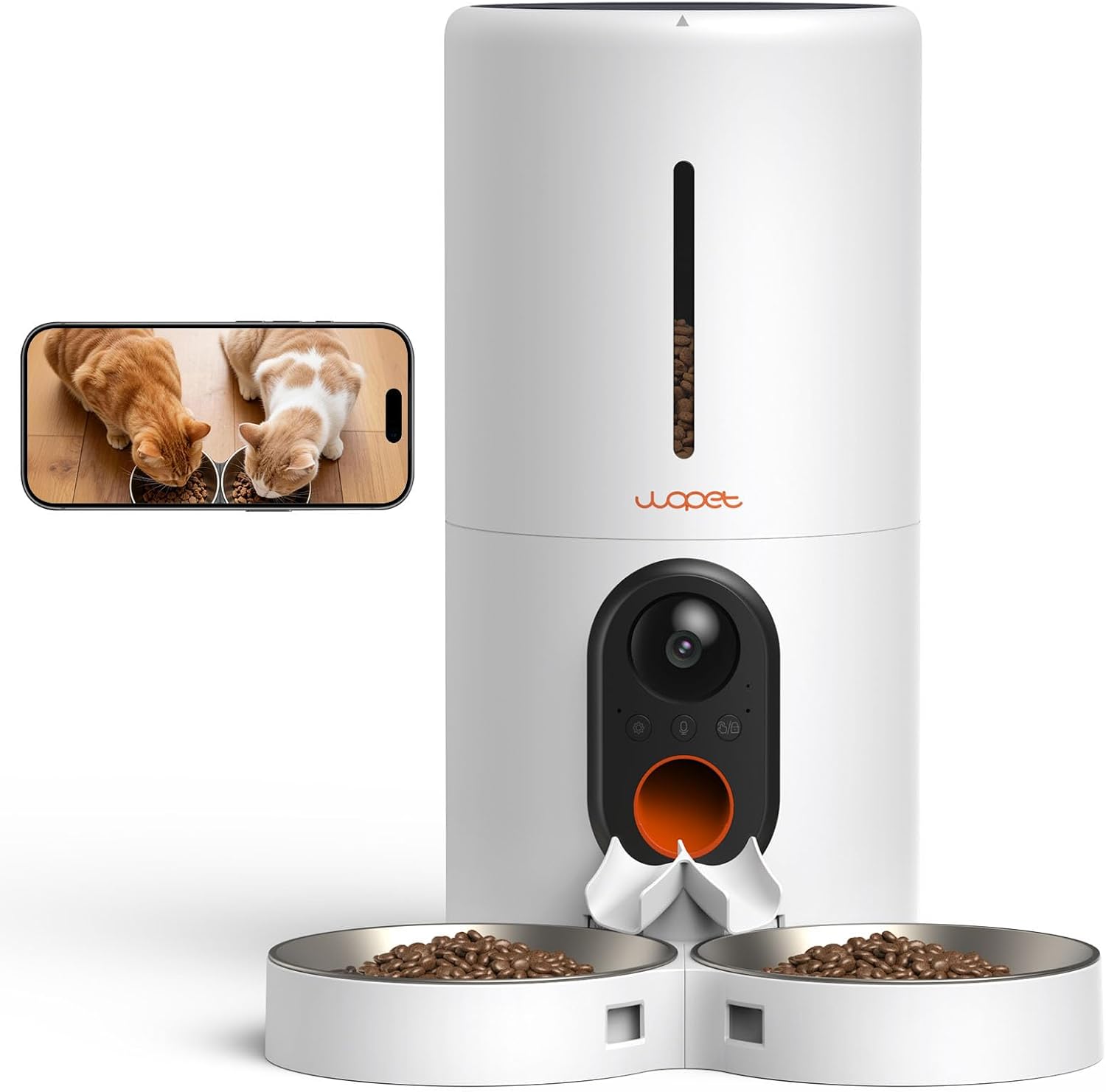
[WHITE] Heritage View 6L Cat Feeder Dual Bowls For Two Cats
Model: HV10DP-white
$114.99
$134.99

DOWNLOAD APP

WOpet life




Copyright © 2026 WOPET. All Rights Reserved.