Sep 04, 2026
Author:Sam Wonder
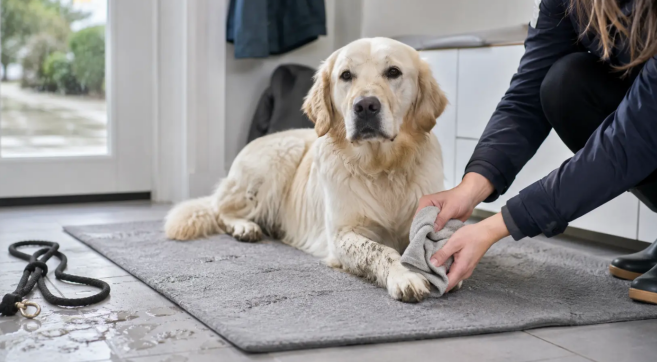
Knowing how to clean dog paws is less about using a special product and more about identifying what your dog walked through. Dry dust may need only a towel. Mud needs water. Road salt and unknown chemicals require faster, more thorough removal.
|
Quick answer: Inspect first, remove loose debris, and clean with a damp cloth or lukewarm water. Rinse road salt and de-icer off promptly. Use dog-safe cleanser only when plain water is not enough, then rinse away residue and pat every paw dry—including between the toes. Stop and call a veterinarian if you find a burn, deep cut, embedded object, swelling, bleeding, or significant pain. |
What do you need to clean dog paws?
Set up a small station near the door:
• Two clean towels: one damp and one dry
• A bowl or shallow basin of lukewarm water
• A detachable sprayer, if your dog accepts it calmly
• Dog-safe, fragrance-free wipes for light dirt away from home
• A mild cleanser labeled for dogs, reserved for greasy or stubborn residue
• A washable mat with good traction
• Treats for cooperative handling
Plain water is usually the safest starting point. Avoid alcohol wipes, disinfecting wipes, essential oils, concentrated vinegar, bleach, and strongly fragranced human products. Do not use a household solvent to remove tar, paint, lawn treatment, or an unknown chemical; prevent licking and call a veterinarian or animal poison service for instructions.
Step 1: Inspect before you wipe
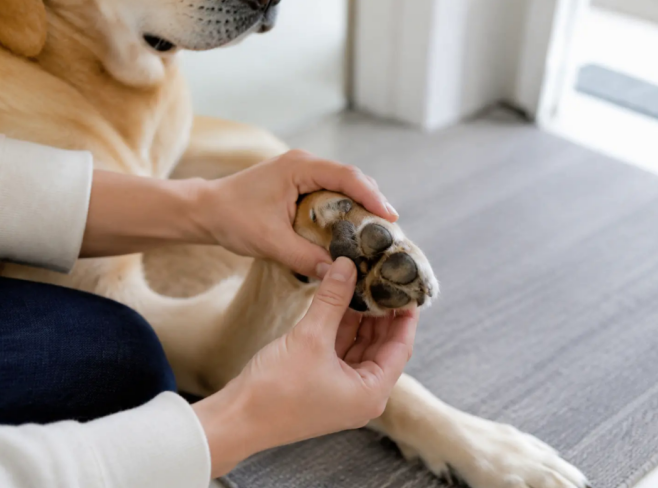
Cleaning too quickly can push a sharp object deeper or rub grit across irritated skin. In good light, check:
• The center and edges of every paw pad
• Between each toe
• Around the nails and dewclaws
• Long fur that can hide burrs or ice
• Whether the dog bears weight evenly
Remove only loose material that lifts away without resistance. Do not dig for a deeply embedded splinter, grass awn, glass fragment, or fishhook. If an object is embedded, the paw is very painful, or bleeding is significant, limit walking and contact a veterinarian.
Step 2: Choose the right cleaning method
For dust and dry dirt
Use a dry towel first. Wipe the top of the foot, pads, and spaces between the toes. If fine dust remains, follow with a damp cloth.
For mud
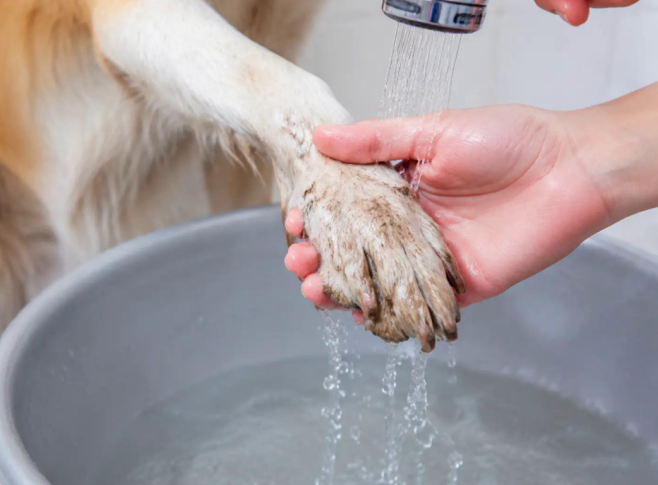
Let thick, wet clumps loosen in lukewarm water instead of scrubbing. Rinse from the lower leg toward the toes, separate the toes gently, and wipe away softened dirt. Use a small amount of mild dog shampoo only if water cannot remove greasy mud, then rinse completely.
For pollen and grass residue
Wipe or rinse the entire foot, including the top and webbing. This removes surface material, but it does not diagnose or treat an allergy. Recurrent redness, itching, or chewing needs veterinary assessment.
For road salt and ice melt
Clean paws as soon as you come inside. ASPCA guidance recommends wiping paws promptly after exposure and preventing licking until they are clean. A lukewarm-water rinse is preferable when crystals or slush remain between the toes. Also wipe the lower legs and belly if they contacted treated slush.
If your dog licked de-icer or develops drooling, vomiting, weakness, tremors, unusual thirst, or another sudden symptom, contact a veterinarian or animal poison service immediately. “Pet-friendly” on a package does not mean harmless when swallowed.
For sand
Rinse rather than scrub. Sand can abrade wet skin, especially between the toes. Check beach paws for shells, hooks, hot-surface injury, and saltwater residue.
For sticky or potentially toxic substances
Prevent licking and call for professional guidance before applying anything. The correct removal method depends on the substance, and an improvised cleaner may spread it, increase skin absorption, or create a harmful mixture.
Step 3: Dry every paw completely
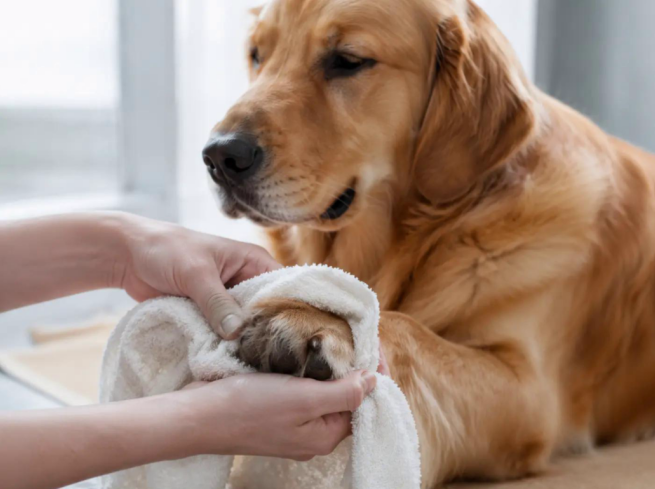
Pat rather than rub. Dry the pads, nail area, top of the foot, and each space between the toes. Moisture trapped in webbing or long fur can soften the skin and contribute to irritation.
While drying, look again for redness, an unusual smell, a soft or peeling pad surface, and any spot your dog guards. Wash reusable towels after contact with road treatments, feces, standing water, or a suspected skin infection.
Do you need to wash paws after every walk?
No. Inspect after every walk, but clean according to exposure. A dog returning from a clean, dry sidewalk may need only a quick check. Daily soap-and-water washing can strip oils and irritate some dogs’ skin.
Clean when the paws are visibly dirty, wet, gritty, salty, sticky, or exposed to pollen or another irritant. If your veterinarian has prescribed a medicated wash, follow the exact contact time, frequency, rinsing, and drying directions instead of a general routine.
Are paw wipes safe for dogs?
They can be useful when they are labeled for dogs and used on intact skin, but “wipe” is not one uniform formula. Choose fragrance-free products, keep them away from eyes and mouth, and stop if the skin becomes red or dry. A damp cloth gives you more control and leaves less product behind.
Wipes are not enough for heavy mud, visible de-icer crystals, chemical exposure, a wound, or material packed between the toes. Rinse those paws or seek professional guidance.
How do you clean a dog that dislikes paw handling?
Do not pin the dog down to finish all four feet. Build cooperation in tiny steps:
1. Reward the dog for standing calmly on the mat.
2. Touch one lower leg, reward, and release.
3. Briefly hold one paw, reward, and stop.
4. Introduce a dry towel before adding water.
5. Clean one paw at a time and allow breaks.
Use a nonslip surface and keep the leg in a natural position. If a dog that normally cooperates suddenly growls, flinches, or pulls away, assume pain is possible and inspect without forcing movement.
How do you make paw cleaning easier?
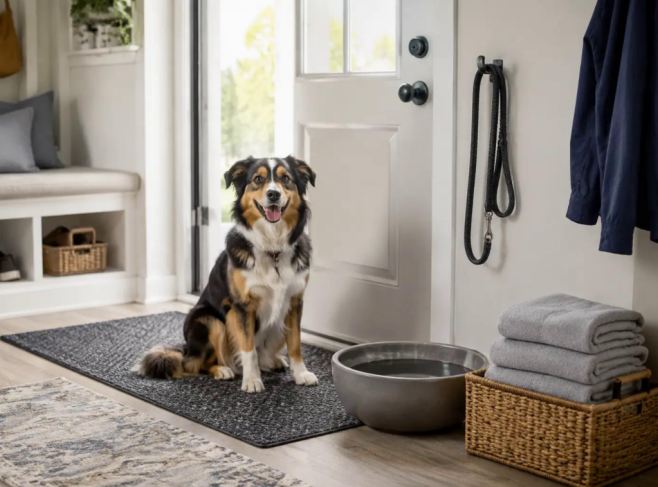
Consistency reduces both mess and stress. Store clean towels, a shallow basin, and rewards by the entrance you use most. Teach a predictable cue such as “paws,” always work in the same order, and finish with release and reward.
Before muddy or snowy outings, trim only excess fur that extends beyond the pads if you can do so safely. Properly fitted booties can reduce direct exposure to salt, hot ground, and rough terrain, but they must be introduced gradually and checked for trapped moisture or grit.
For the broader weekly routine, including nails and seasonal protection, use the complete dog paw care guide.
When should a veterinarian check the paw?
Contact a veterinarian if cleaning reveals:
• A deep cut, puncture, blister, burn, or loose pad tissue
• An embedded object you cannot remove without digging
• Persistent limping or refusal to bear weight
• Bleeding that continues despite gentle, steady pressure
• Swelling, heat, discharge, strong odor, or spreading redness
• A torn nail or damaged dewclaw
• Repeated licking or chewing after the paw is clean and dry
• Irritation that returns after ordinary walks
If licking—not dirt—is the main problem, see why dogs lick their paws and arrange an exam when the behavior persists.
Frequently asked questions
Can I use dish soap to clean dog paws?
Do not use it as a routine paw wash. Dish detergents are designed to remove grease and may dry or irritate skin. For stubborn contamination, ask a veterinarian or pet poison service which cleanser is appropriate for the exact substance.
Can I use hydrogen peroxide on dog paws?
Not for routine cleaning. It can damage healthy tissue and delay wound healing. Use lukewarm water for ordinary dirt, and ask a veterinarian how to manage a wound or suspected infection.
Should I soak muddy paws?
A brief lukewarm soak can soften packed mud, but avoid long soaks. Prolonged moisture can soften the pads and webbing. Rinse, then dry completely.
What if the paws still smell after cleaning?
A mild familiar odor may remain, but a strong or new smell with redness, greasy skin, discharge, swelling, or discomfort warrants a veterinary exam. Read why dog paws smell like corn chips for more context.
Is paw cleaning enough after a hot walk?
No if a burn is possible. Move the dog off the hot surface and follow the first-aid guidance in dog paw burns. Blistering, peeling, marked pain, or inability to walk requires prompt veterinary care.
Final takeaway
The safest way to clean dog paws is inspect first, use the mildest effective method, rinse contaminants away, and dry between every toe. Treat mud, pollen, road salt, sand, and unknown chemicals differently. Cleaning should leave the skin comfortable—not scrubbed, perfumed, or repeatedly wet.
Editorial sources
• ASPCA: Keeping Pets Safe During Winter—The Dangers of Ice Melts
• ASPCA: Is It Safe to Use De-Icers Around Your Dog?
This article provides general educational information and is not a substitute for an examination or individualized advice from your veterinarian.Label:
Popular Post
The Ultimate Guide to Tabby Cats: Patterns, Personalities, and More
Mar 27, 2025
Top 10 Most Expensive Cat Breeds in The World
May 07, 2025
Can Cats Have Ice Cream? Dangers, Safe Flavors & Healthy Cat Treats
Sep 02, 2025
My Cat Only Eats A Little at A Time - What to Do?
Feb 27, 2023

Top 8 Reasons Why Does My Cat Sleep Between My Legs?
Mar 03, 2025
[Blue] W03L 3L Premium Ceramic Cat Water Fountain
Model: W03 LITE
$59.99
$69.99
Basin Pet Water Fountain-W600
Model: W600
$43.99
$69.99
[Basic] Ceramic Pet Water Fountain with Power Cable
Model: W03L
$59.99
$99.00
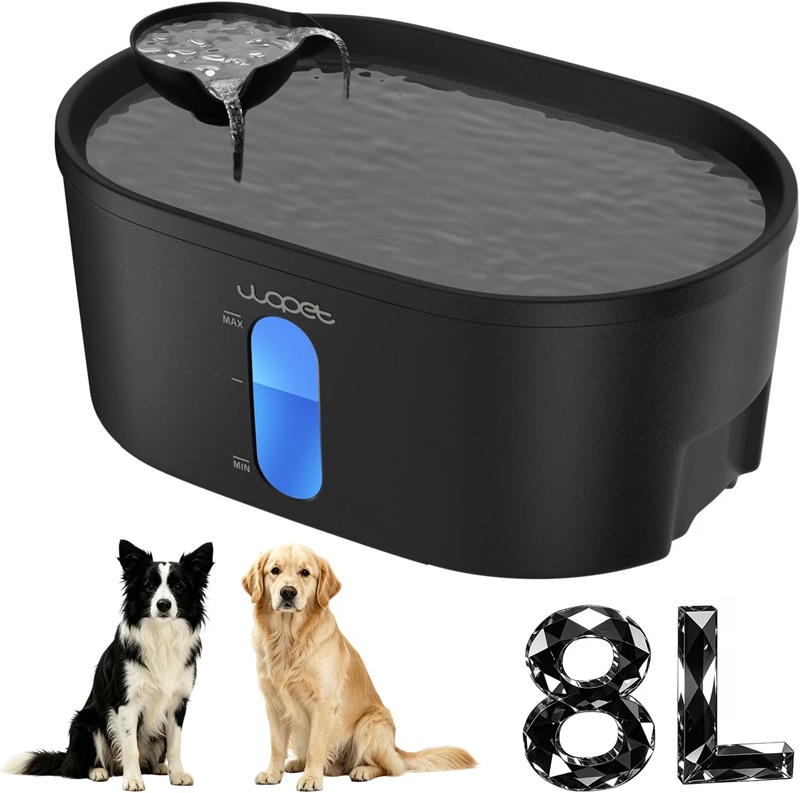
WOPET 8L Pet Water Fountain For Multiple Cats or Large Dogs A08
Model: A08
$49.99
$59.99
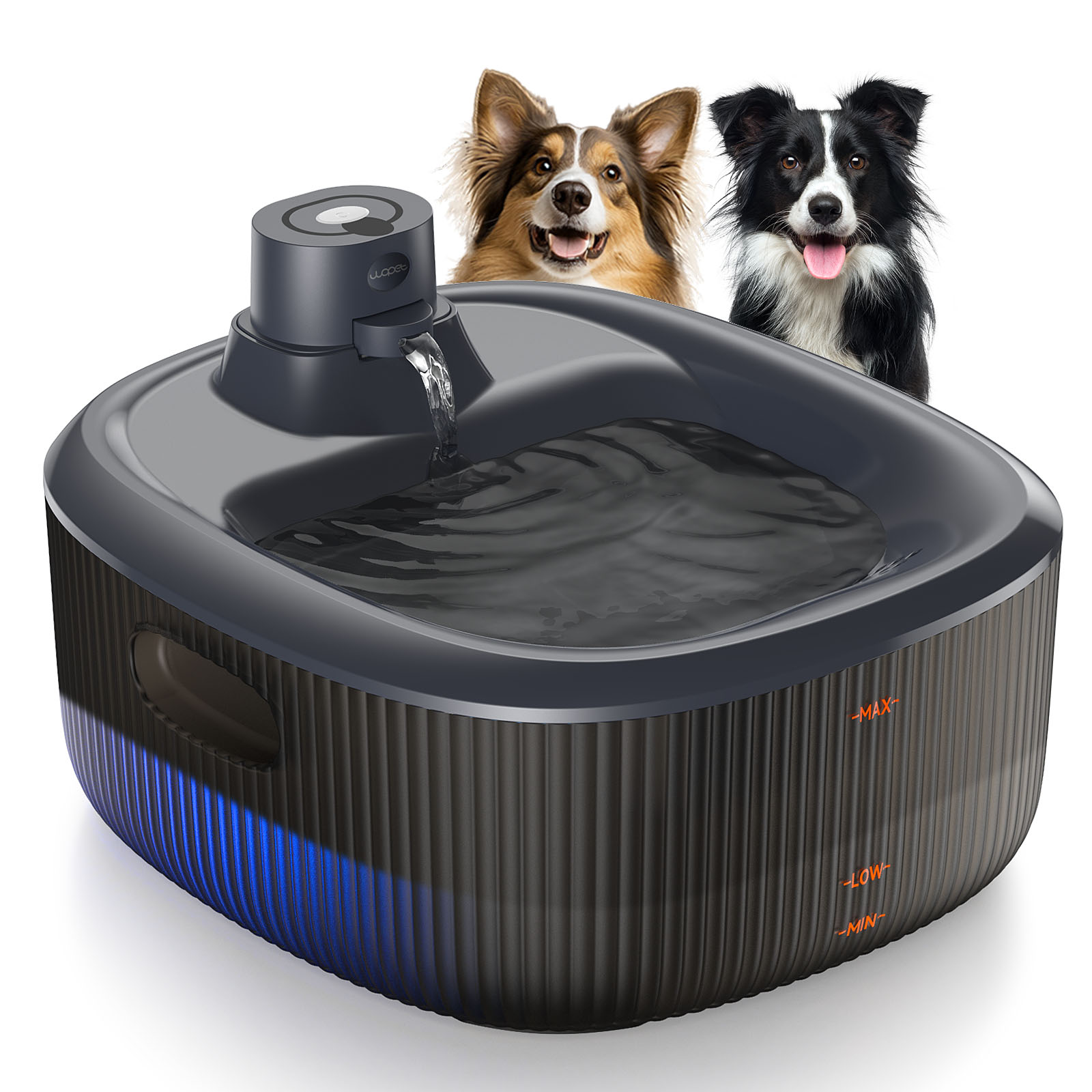
[Upgrade] Basin Wireless Pet Water Fountain
Model: W600 Pro
$69.99
$89.99
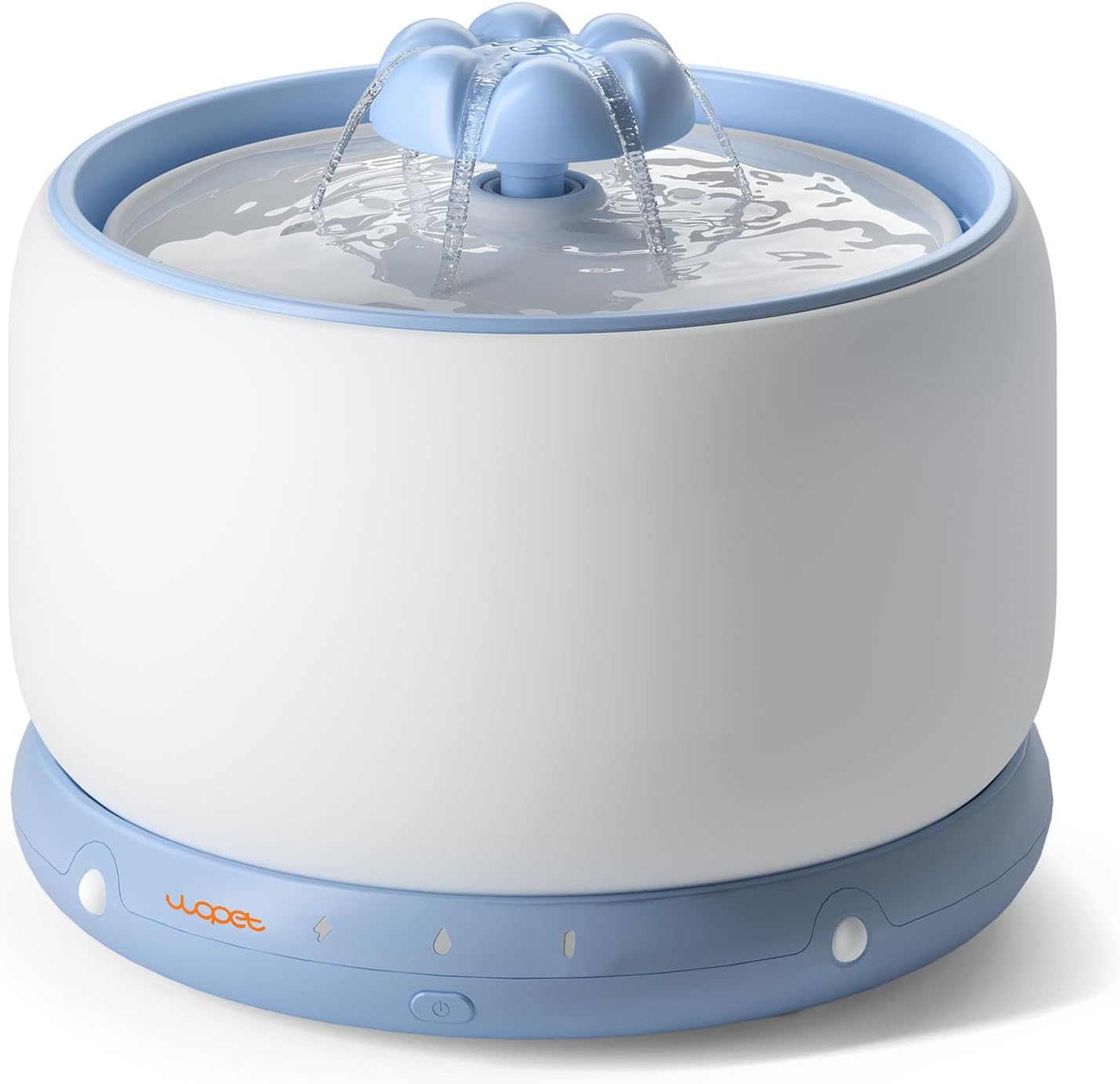
[Blue] W03 3L Ceramic Cordless Cat Water Fountain
Model: W03
$89.99
$99.99

DOWNLOAD APP

WOpet life




Copyright © 2026 WOPET. All Rights Reserved.