Oct 20, 2025
Author:Jackson Watson
In case your dog has been limping, bunny-hopping, or just old, then a hip dysplasia dog is possibly in the game. Let us take you through what is hip dysplasia in dogs, how to diagnose it, what a vet does with it, and what you can really buy now to help your dog feel better.

● Canine hip dysplasia may be simply defined as a loose ball/ socket joint of the hips, which is eroded with time.
● It’s mostly genetic, but diet, growth speed, weight, and exercise matter a lot too.
● Symptoms vary in severity (sitting awkwardly, slower to jump) to evident (limping, will not climb the stairs). When hip dysplasia in dogs signs and symptoms appear, do not disregard them, but have them examined.
● Treatment: light ones can be cured by weight + rehab + meds, and serious ones are cured by surgery (JPS, osteotomy, or full hip replacement)
So, what is hip dysplasia in dogs? Canine hip dysplasia can be simply described as a loose ball/ socket joint of the hips, which wears with time.
The symptoms are different in the scales of severity (sitting awkwardly, slow to jump) and being obvious (limping, does not climb the stairs). Once you realize that your dog has the hip dysplasia symptoms and signs, you cannot turn a blind eye to it, but you should get it checked.
In dogs, having hip dysplasia is like the marble does not fit; it is loose and slides around, causing, over time, the wearing away of cartilage and bone.
That eventually causes arthritis and dog hip pain. This isn’t just an old dog thing; it’s a developmental/structural issue that usually shows up in large breeds but can affect smaller pups, too.
Why it happens: genes + environment, dogs are predisposed, but the environment they are brought up in (how rapidly they are brought to full size, how heavy they are, whether they are fed certain food, and the kind of physical activity they get during their growth) influences whether or not their genes cause any trouble.
So yeah, breeders matter, but owners do too.
If you want to catch this early (big energy saver later), watch for these:
● Weakness of hindlimbs or bunny hop walk.
● Difficult to rise after lying down, not to climb stairs, or even to jump.
● Muscle loss in the hindquarters or a narrower stance.
● Limping after play or obvious stiffness after rest.
● In puppies: subtle ‘puppy hip problems’ like awkward running or lagging behind.
Whether you want to know what to watch in particular, the term hip dysplasia in dogs signs and symptoms describes the whole outcome, and vets add that the symptoms may be identifiable only to a few months old or be evidenced only at 1-2 years of age. Do not just suspect it is all a part of growing up; get a vet check in case anything is wrong.
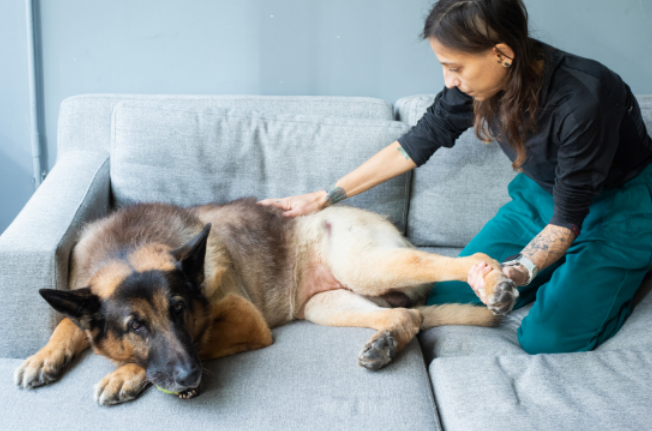
The examination of hip laxity will be achieved by starting with a physical examination and special maneuvers (such as the Ortolani test) by your vet. If they suspect dysplasia, they'll usually recommend X-rays, often under sedation so the dog relaxes and the images are accurate.
Radiographs can show joint subluxation, remodeling, and the level of degenerative change. Organizations like OFA also provide screening protocols and certification for breeders/owners who want hip uations.
● OFA (standard radiographs): Common, used for official hip grading and breeding decisions.
● PennHIP: Measures hip laxity and can predict risk earlier/more quantitatively than some other methods (useful for early decisions in puppies). If you’re planning breeding choices or want early risk info, ask about PennHIP.
Here’s the breakdown of treatments, from least invasive to most:
● Weight management: shedding off any weight from the hips. This is non-negotiable.
● Low intensity workout: swimming and planned walks > inexhaustible running. Gold is hydrotherapy in rehab.
● Exercises to develop supportive muscles and physical therapy.
● Pain relief: vets can prescribe NSAIDs or other pain medications. There is monitoring to be made of long-term meds.
● Supplements: glucosamine, chondroitin, and omega-3s can benefit the joints (it is not a miracle drug, but it should be taken together with other supplements).
● Juvenile Pubic Symphysiodesis (JPS): Performed in puppies, it alters the growth of the pelvis to increase the fit of the hips. It is a matter of timing( very young puppies).
● Triple pelvic osteotomy (TPO): In dogs of younger age that do not have severe arthritis, repositioning is done to enhance the coverage.
● Femoral head and neck ostectomy (FHO): The removed part of the joint is the problem ball; the dogs form a fibrous kind of pseudo-joint, and most of them surprisingly do well, though it mostly depends on the size of the dog.
● Total hip replacement (THR): Essentially, the human-style hip replacement provides the best pain relief and function in severe cases, but is expensive and needs a surgical specialist and 12+ weeks of recovery.
Which path to choose? It varies according to age, severity, price, and the life of the dog. Get real with an orthopedic veterinarian: request X-rays, inquire about PennHIP in case of a puppy, and conservative care should be a first option in case of mild disease.
Prevention is a team sport: breeder choices + owner management. Here’s what actually helps:
● Breed responsibly: Choose dogs with good hip health. This is the major method of mitigating hip dysplasia in dog's genetics over time.
● Control the rate of growth: do not overfeed puppies and feed them on breed-appropriate puppy formulas. Rapid growth increases risk.
● Keep puppies lean through controlled, low-impact exercise (no high-intensity jumps early on).
● Consider early screening (PennHIP) if you’re raising a pup from a predisposed breed; earlier detection gives you more treatment options like JPS.
When you own a puppy belonging to a large breedage line, then you need to inquire with your vet regarding PennHIP and a growth/feeding schedule.
If your dog’s dealing with hip issues, these categories help for real:
● Joint supplements: (glucosamine + chondroitin + omega-3): as a component of a vet-approved regimen, they prevent inflammation and help to maintain cartilage.
● Orthopedic beds: cut pressure and enhance sleep and recovery.
● Ramps & stairs: stop the repetitive jumping that wrecks hips.
● Harnesses vs. collars: steer clear of neck strain and use harnesses for support and lifting when needed.
● Non-slip flooring or grip pads: a muscle-supporting environment prevents slips that aggravate the hips.
● Automatic dog feeder with a camera to keep track of your dog's meals and a water fountain to ensure hydration.
1. Book a vet if your dog shows any 'hip dysplasia in dogs signs and symptoms', the sooner the better.
2. Start a weight and gentle-exercise plan (vet-approved). Measure food, no table scraps.
3. Swap to supportive surfaces and get an orthopedic bed. Little changes add up.
4. Ask about joint supplements & a pain-management plan. If meds are prescribed, set a calendar reminder for re-check labs.
5. If you’ve got a puppy from a big-breed, ask about PennHIP before 5–6 months; timing matters for some surgeries like JPS.
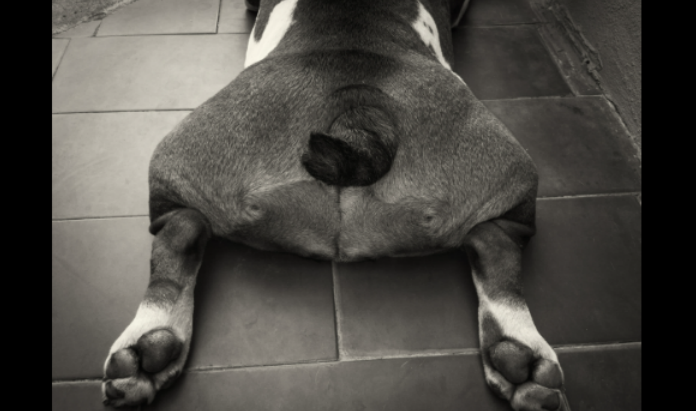
If you’re getting a puppy, don’t be polite about genetics. Ask breeders for hip scores on parents (OFA/PennHIP). A responsible breeder will expect those questions and will actively select for better hips. This is the biggest long-term lever to reduce dysplasia in dogs across the population.
Many dogs with hip dysplasia live long, happy lives with conservative management (weight control + rehab + meds). Some will need surgery, and modern surgeries like THR can give near-normal function.
The earlier you catch it, the more options you have, and the better the long-term quality of life will be. Don't assume 'it's just arthritis', treatment and supportive gear actually change outcomes.
If your dog suddenly refuses to bear weight on a hind leg, is in severe pain, or shows sudden paralysis/weakness, go to urgent vet care. That's not the time for Google; it's the time for a real exam.
Hip dysplasia in dogs can really disturb you. However, that is not their life sentence. The appropriate vet schedule, proper dieting, specific exercise, and several intelligent investments (orthopedic bed, ramp, vet-approved supplements) will help you to significantly increase the comfort and mobility of your dog.
To continue: You can use the next useful step, make an appointment with a vet, x-ray, or PennHIP screening (when your pup is young).
Label:
Popular Post
The Ultimate Guide to Tabby Cats: Patterns, Personalities, and More
Mar 27, 2025
Top 10 Most Expensive Cat Breeds in The World
May 07, 2025
Can Cats Have Ice Cream? Dangers, Safe Flavors & Healthy Cat Treats
Sep 02, 2025

My Cat Only Eats A Little at A Time - What to Do?
Feb 27, 2023

Top 8 Reasons Why Does My Cat Sleep Between My Legs?
Mar 03, 2025

[Blue] W03L 3L Premium Ceramic Cat Water Fountain
Model: W03 LITE
$59.99
$69.99
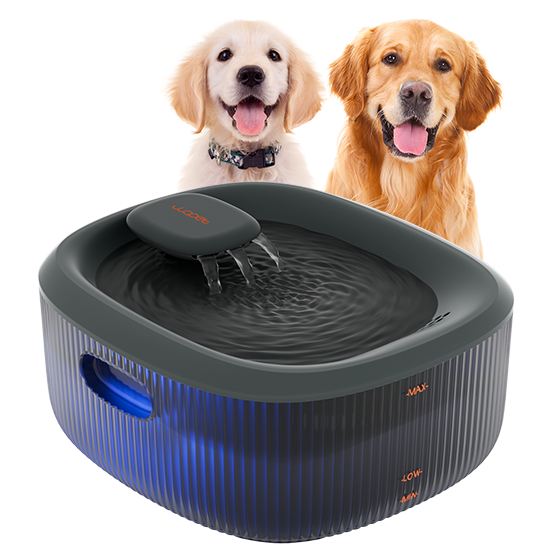
Basin Pet Water Fountain-W600
Model: W600
$43.99
$69.99
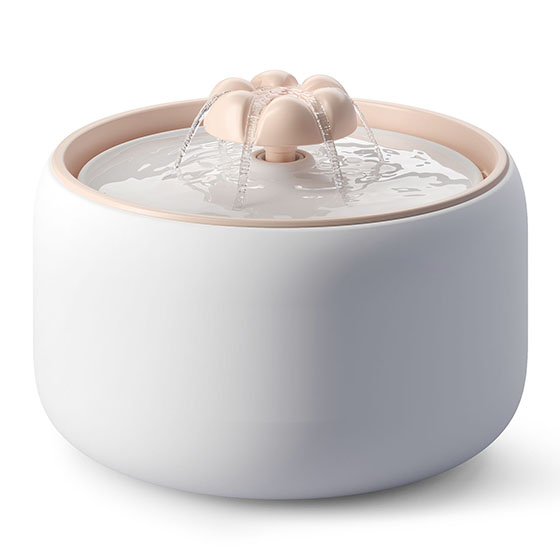
[Basic] Ceramic Pet Water Fountain with Power Cable
Model: W03L
$59.99
$99.00
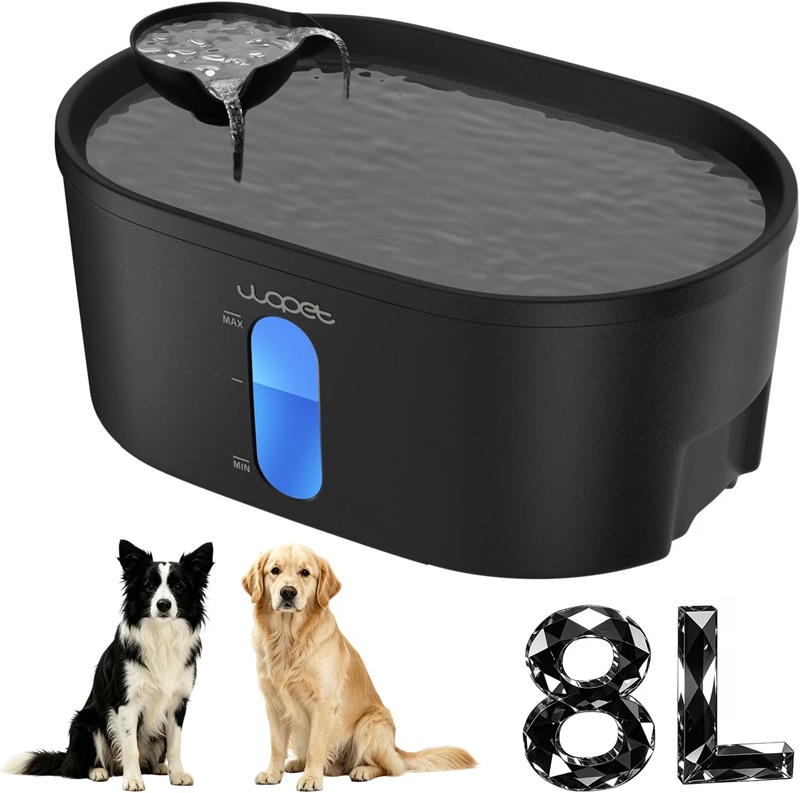
WOPET 8L Pet Water Fountain For Multiple Cats or Large Dogs A08
Model: A08
$49.99
$59.99
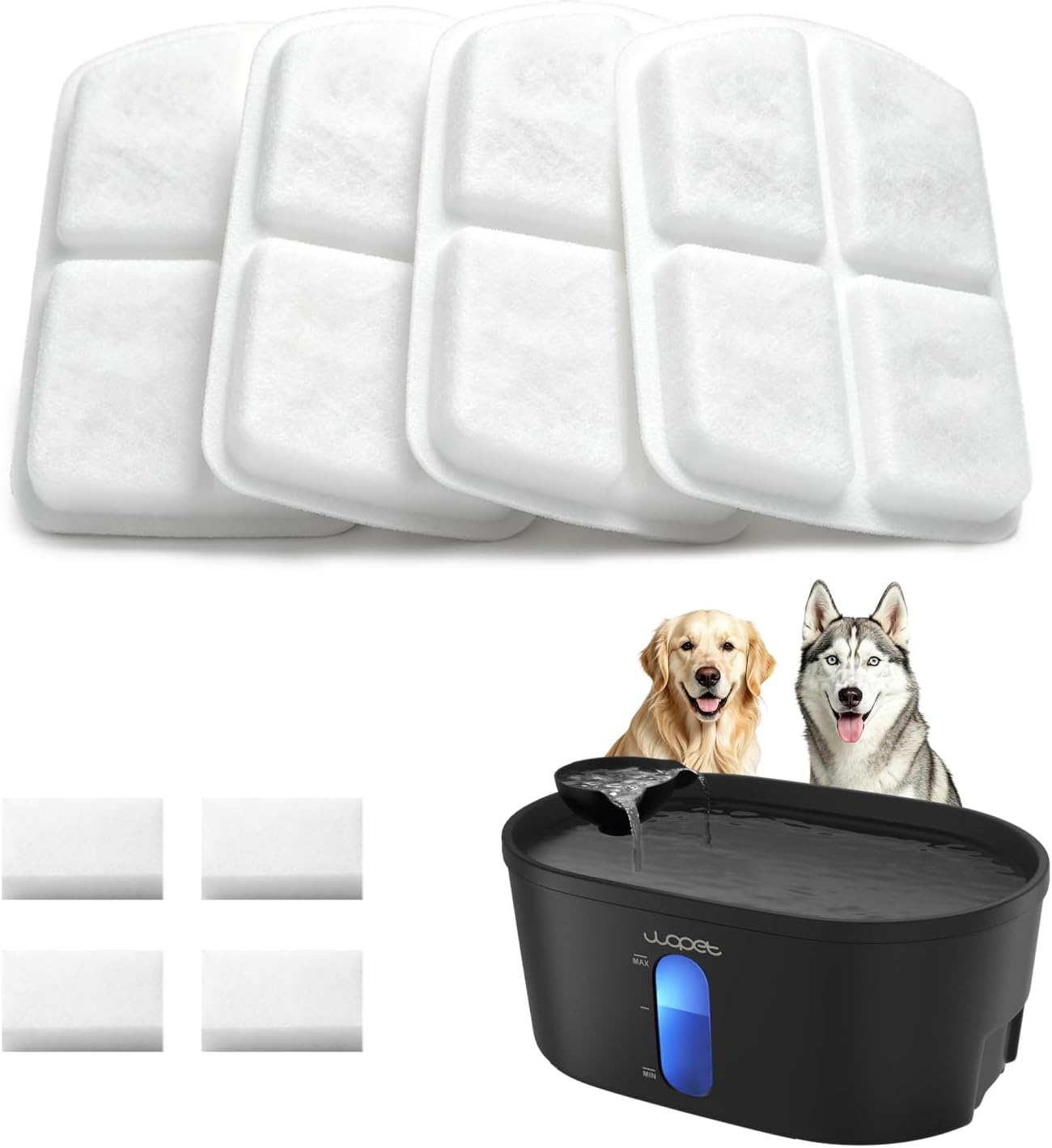
WOPET A08 Dog Water Fountain Filters
Model: A08 Filter
$19.99
$29.99
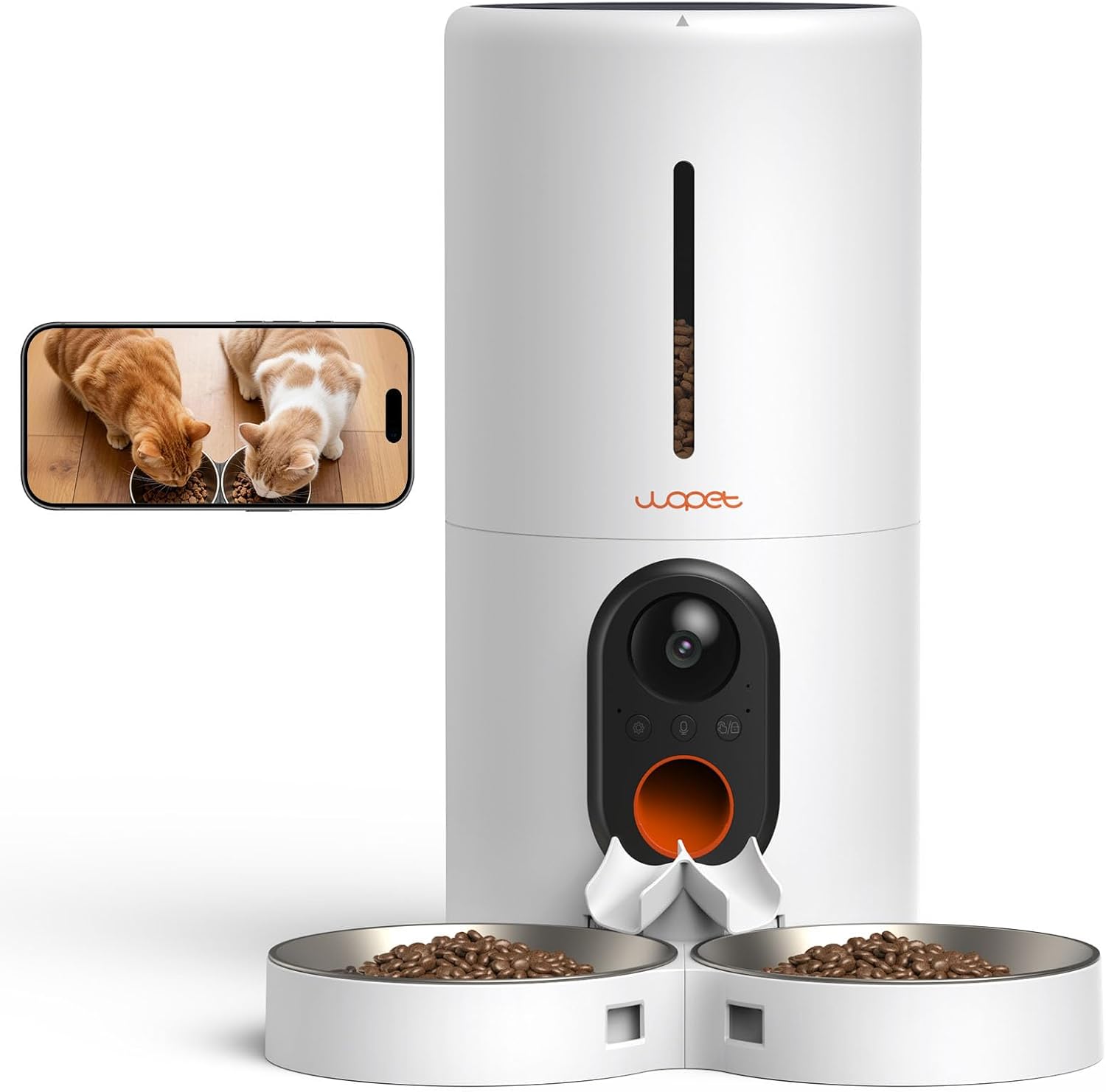
[WHITE] Heritage View 6L Cat Feeder Dual Bowls For Two Cats
Model: HV10DP-white
$114.99
$134.99

DOWNLOAD APP

WOpet life




Copyright © 2026 WOPET. All Rights Reserved.