Oct 31, 2025
Author:Amanda Lyu
Seeing your dog breathing heavy is stressful. Let’s not sugarcoat it. But sometimes it’s nothing (they overdid zoomies), and sometimes it’s an emergency.
This guide breaks down normal vs. dangerous, how to check your dog at home, the likely causes (from heat to heart issues), special cases like pregnancy and seniors, and which pet products actually help keep your dog safer and calmer.

Quick TLDR (So You Don’t Panic Mid-Scroll)
Call a vet in case your dog is breathing hard, with no obvious reason, and, in particular, during rest. Deep breathing may be a crisis.
● Count breaths at rest: the average calm dog will breathe approximately 15-30 breaths each minute. If it’s much higher while relaxed, that’s a red flag.
● Common non-emergency causes: heat, exercise, stress, excitement.
● Emergency causes: heatstroke, heart failure, severe respiratory obstruction.
● Useful buys: WOpet pet water fountains (keeps them hydrated), breathable no-pull harnesses (no neck pressure), comfy elevated beds/cooling gear for seniors and hot days
What ‘Heavy Breathing’ Actually Looks Like
Dogs cool and oxygenate differently from us. Panting is normal: after a run, during heat, or when excited. There is a difference between normal panting, painful or shallow breathing that appears to be agonized.
Signs of concerning breathing:
● Open-mouthed panting not halted by rest.
● Laboured breathing, wheezing, or stridor.
● Neck extended, belly heaving, or using abdominal muscles to breathe
● Gums/tongue pale, very red, or bluish.
● Fainting or inability to lie down comfortably, or collapse.
When breathing appears difficult, excessively laboured, or forced on, in a resting animal, treat it as an emergency.
How to Check Your Dog at Home
1. Wait until they’re calm, ideally sleeping or quietly resting.
2. Watch the chest or flank, one full rise and fall = one breath.
3. Count breaths for 15 seconds, multiply by 4 = breaths per minute.
Normal rest respiratory rate: An average dog should have a rest respiratory rate of approximately 15-30 breaths per minute. If your dog consistently breathes above that while relaxed, especially 30–40, call your vet. Keeping track once a day is low effort and can catch problems early.
Panting is your dog’s main cooling tool. If the air is warmer than their bodies, or the air is hot and humid, they cannot be cooled down by panting, and the result is heatstroke. Symptoms are excessive panting, drooling, weakness, vomiting, and red gums.
It is life-threatening: proceed to shade, administer small portions of cool (not icy) water, and go to a vet.
A dog breathing heavy after walk or a vigorous play session is usually simply a breath of relief; however, when it gets excessive, slow, or they fall down, visit the vet. Other dogs (particularly overweight and unfit) may exhibit exercise intolerance related to heart or lung problems.
A dog breathing hard may be indicating heart congestion or heart complications. Among the first signs that many vets rely on is a higher breathing rate at rest; the presence of fluid in the lungs makes breathing difficult. If your older dog is breathing heavy while sleeping, get it checked.
Small breeds usually experience a tracheal collapse (honking cough + difficulty breathing). Breeds with short noses and flat faces (pugs, bulldogs, etc.) are more likely to have airway issues caused by brachycephaly; they can snort and breathe heavily, and they can easily be overheated.
These structural problems may lead to the dog breathing hard or fast, even in chill weather.
Dogs hyperventilate when they’re scared, stressed, or in pain. If the heavy breathing follows a traumatic event or comes with restlessness and whining, stress/pain could be the driver, but still get a vet to rule out physical injury.
The natural changes of pregnancy increase the cardiac and respiratory demands of pregnant dogs. A pregnant dog breathing heavy and the proximity to pregnancy may be normal whelping prep, but the heavy or strained breathing can point to complications (eclampsia, respiratory disease). Call your vet.
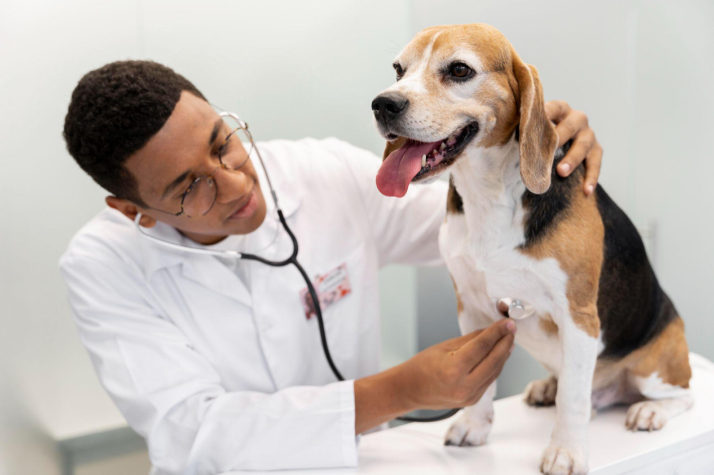
It is normal to have a dog breathing fast while sleeping (dreaming, puppies). A faster sleeping respiratory rate in older dogs can be the initial indicator of heart or lung disease. When you detect an increased breathing rate during silent rest, begin to record rates and present the figures to your veterinarian. Don’t shrug this off.
When to Act NOW: Emergency Signs
Get to an emergency vet if you see any of these:
● Gums/tongue blue, pale, or very red.
● Strain in breathing, breathless, or cannot breathe.
● Fainting, collapse, or extreme weakness.
● With the extension of the neck and abdominal effort, open-mouth breathing occurs.
● Indication of heatstroke (feeling very hot, drooling, vomiting, disoriented)
If you’re not sure, call the vet. Err on the side of safety; respiratory issues can decompensate fast.
Practical At-Home First Aid
● Move them out of the heat into shade or AC.
● Offer small sips of cool water (don’t force).
● Loosen tight collars; switch to a harness for walks to avoid neck pressure.
● If overheating: cool their feet and belly with cool (not ice) water and a fan.
Don’t overdo it; rapid cooling can cause shock.
● Keep them calm and still; reduced stress helps breathing.
Note: Don’t give medications unless prescribed by your vet. There are no home remedies for breathing trouble; get professional care.
How Products Can Help (Real and Useful)
Here are legit product categories that reduce risk and make recovery easier, with what to look for:
Hydration = prevention. Dogs that sip steadily handle heat and exertion better (less chance of heat stress). A good water fountain encourages drinking because dogs prefer moving water. Check WOpet’s Basin Pet Water Fountain (large capacity, rechargeable battery), great for busy homes and for keeping seniors hydrated when you’re out.
For dogs with tracheal issues or small breeds prone to collapse, a front-clip no-pull harness protects the neck and reduces coughing and airway stress during walks. Pick one that fits well and is breathable.
Dogs of advanced age and brachycephaly are heat sensitive. The elevated and breathable beds are also known as cooling mats, which lower the core temperature and produce normal resting breathing. WOpet mentions cooling mats in breed guides and gift lists. They’re worth it if your dog is overheating or has joint issues.
If your senior dog breathing heavily is also stiff or has arthritis, making stairs and car access easier reduces exertion and post-walk breathing spikes. WOpet’s dog ramps roundup helps choose the right ramp.
A cheap notebook (or your phone) to log resting respiratory rates and symptoms is gold. If you want more tech, pet cameras and remote feeders help you monitor appetite and breathing behaviour when you’re out.
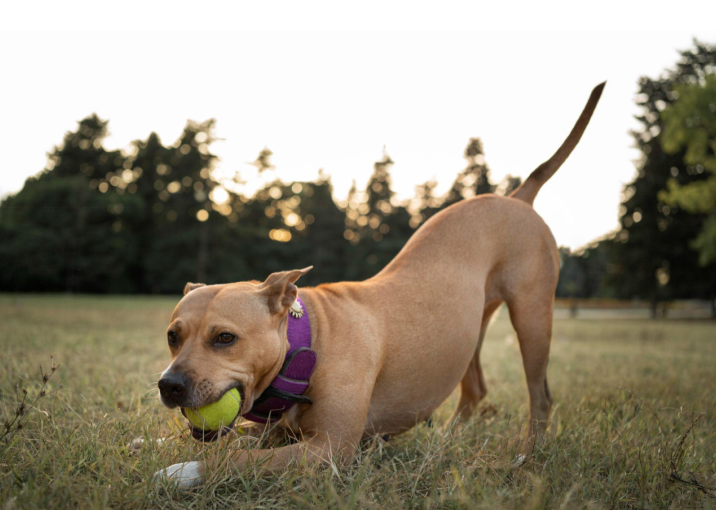
1. Maintain a healthy weight for your dog: obesity aggravates breathing and heart disease.
2. Excessive exercise in humidity or heat is to be avoided.
3. Wear harnesses and not tightly fitted neck collars on dogs that cough or have problems with their airways.
4. Cooling, shade, and hydration in summer. Consider cooling vests/mats for susceptible breeds.
5. Regular vet checkups for seniors and early heart disease detection can prevent emergencies. Vets often ask about sleep/resting respiratory rate as a key monitoring number.
FAQs
A: Yep, after exercise, fast breathing is normal. Call your vet in case it does not settle in 15-30 minutes or with other symptoms.
A: Flat-faced breeds normally experience structural airway problems (BOAS) that cause breathing to sound inefficient. Request your veterinarian's advice on how to manage this and whether surgery is advised
A: Late pregnancy raises breathing rate. But laboured breathing, pain, or other concerning signs require a vet call; they could be going into labour or have complications.
Seeing your dog breathing heavy is scary. No drama, but no ignoring, either. Track baseline breathing, use smart products that actually reduce risk (hydration fountains, supportive beds, harnesses), and get prompt vet help when breathing seems laboured or appears at rest.
Stay calm, keep a cool head (pun intended), and trust your instincts. You know your dog best.Label:
Popular Post

Top 10 Most Expensive Cat Breeds in The World
May 07, 2025

The Ultimate Guide to Tabby Cats: Patterns, Personalities, and More
Mar 27, 2025

Can Cats Have Ice Cream? Dangers, Safe Flavors & Healthy Cat Treats
Sep 02, 2025

My Cat Only Eats A Little at A Time - What to Do?
Feb 27, 2023

Top 8 Reasons Why Does My Cat Sleep Between My Legs?
Mar 03, 2025
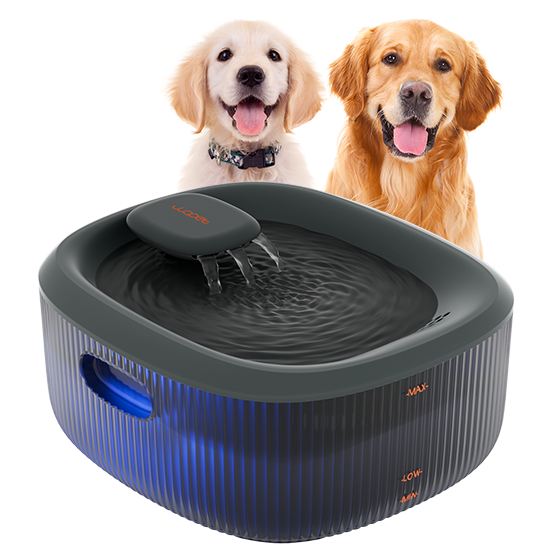
Basin Pet Water Fountain-W600
Model: W600
$43.99
$69.99

[Basic] Ceramic Pet Water Fountain with Power Cable
Model: W03L
$59.99
$99.00
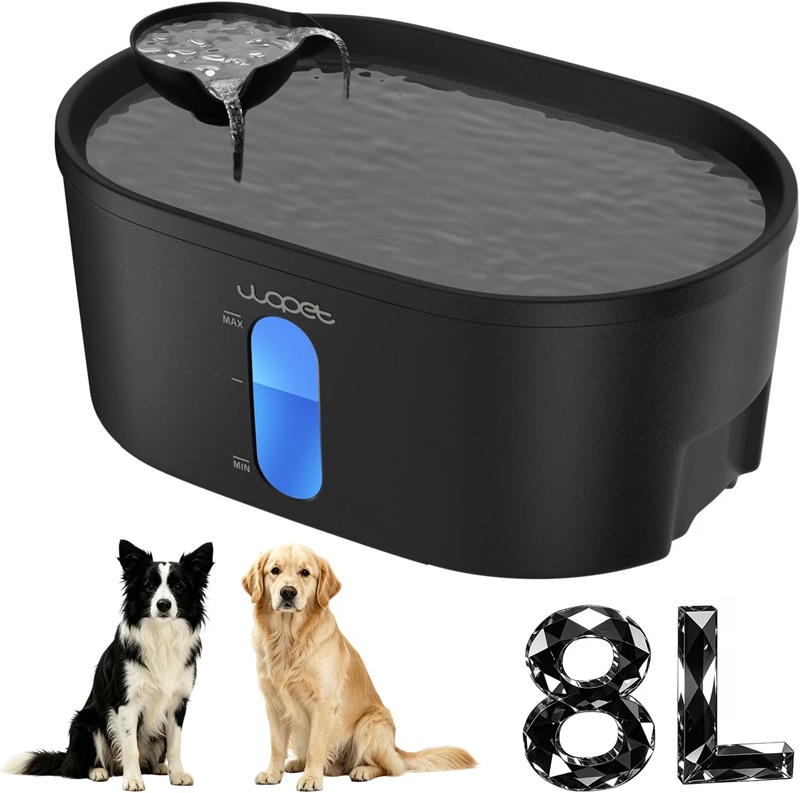
WOPET 8L Pet Water Fountain For Multiple Cats or Large Dogs A08
Model: A08
$49.99
$59.99
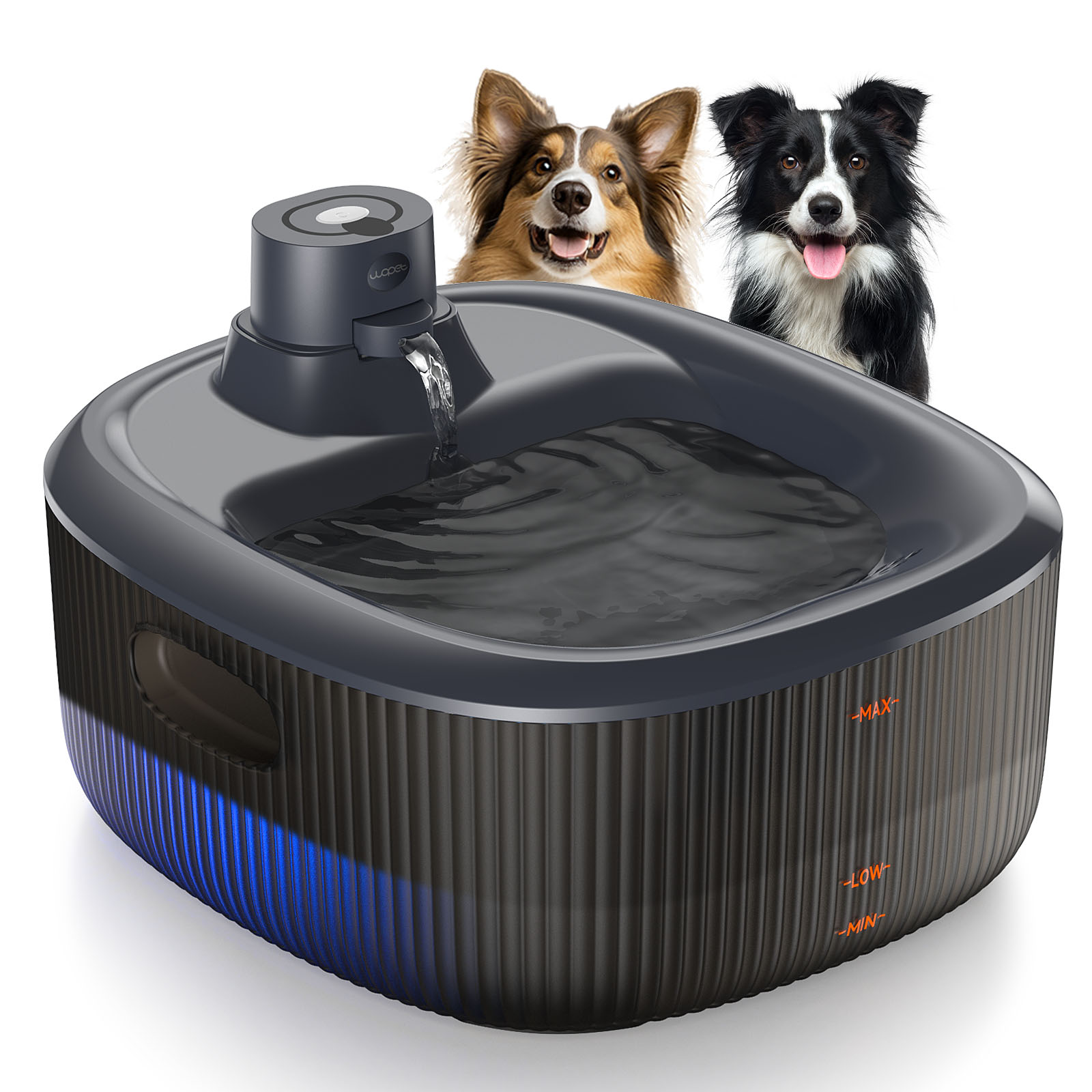
[Upgrade] Basin Wireless Pet Water Fountain
Model: W600 Pro
$69.99
$89.99
Heritage View Pet Feeder Dual Bowls For Two Cats
Model: HV10DP
$119.99
$149.99
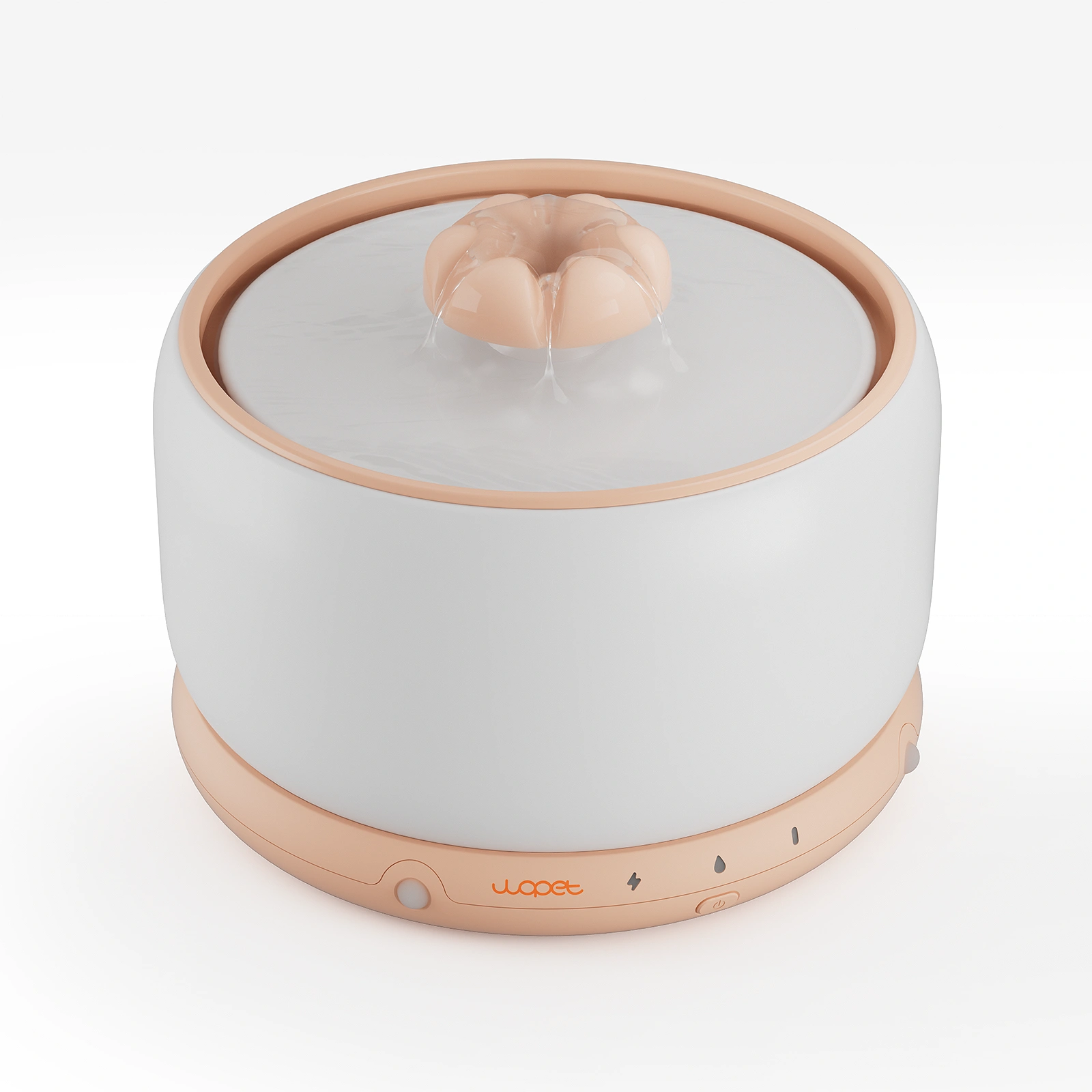
[New] Ceramic Wireless Pet Water Fountain W03
Model: W03
$89.99
$129.00

DOWNLOAD APP

WOpet life




Copyright © 2026 WOPET. All Rights Reserved.