Sep 04, 2026
Author:Jackson Watson
Cracked dog paw pads can range from harmless surface roughness to a painful wound. The depth of the crack, your dog’s comfort, and accompanying changes matter more than whether the pad feels perfectly smooth.
|
Quick answer: For mild dryness on intact, comfortable pads, reduce exposure to heat, salt, and rough ground; keep the paws clean and dry; and use only a thin layer of veterinarian-approved, dog-safe balm. Do not seal a bleeding, swollen, discolored, or painful crack under moisturizer. Deep splits, loose tissue, limping, discharge, burns, or cracks that do not improve require veterinary care. |
Is the paw dry, cracked, or injured?
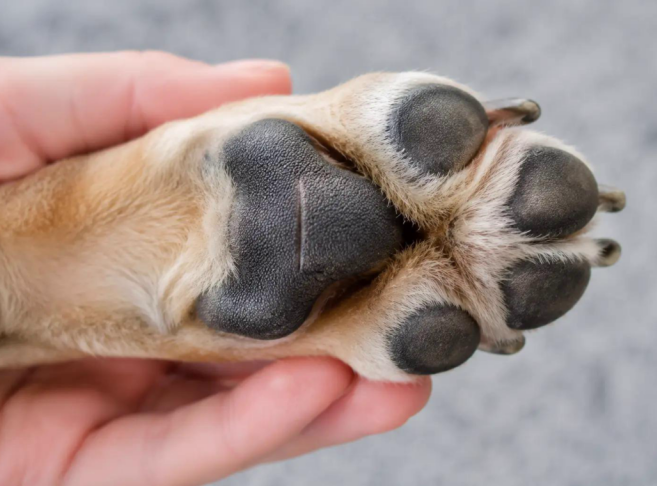
Start by comparing all four feet in good light.
Likely mild surface dryness may look like a slightly rough or flaky pad with shallow lines. The dog walks normally, allows gentle touch, and has no bleeding, heat, swelling, discharge, or loose skin.
A true fissure or injury may gape when the pad bears weight, expose pink or red tissue, bleed, form a loose flap, or cause guarding and limping. Blisters, peeling layers, or sudden discoloration can indicate a burn or more serious damage.
Do not keep flexing the paw to “test” a deep crack. Paw pads bear weight and contact contaminated ground, so painful or open injuries deserve professional assessment.
What causes dry or cracked dog paw pads?
Weather and dry air
Cold, low-humidity conditions can contribute to dry skin, while frozen ground and ice add friction. Indoor heating may further reduce humidity. Dryness alone, however, should not be assumed when several paws are inflamed or the dog is uncomfortable.
Hot, rough, or abrasive surfaces
Hot pavement can burn pads. Gravel, crusted snow, rough trails, artificial turf, and repeated high-impact activity can abrade them. A dog may not show obvious pain until after the activity ends.
Road salt, de-icer, and cleaning chemicals
Salt crystals and de-icing products can irritate skin, and licking contaminated paws creates an ingestion risk. Floor cleaners, lawn treatments, and other chemicals may also cause contact irritation. Rinse suspected residue promptly and ask a veterinarian or pet poison service about unknown substances.
Prolonged moisture
Constantly wet paws can soften the outer pad and the skin between the toes. Moisture from swimming, snow, damp booties, or repeated licking may make tissue easier to irritate and can change the skin environment.
Skin disease or infection
Allergies, parasites, bacterial or yeast overgrowth, immune-mediated disease, and other skin disorders can affect the feet. Multiple paws, recurring cracks, redness between the toes, odor, greasy skin, or chronic licking make a simple “dry pad” explanation less likely.
Abnormal thickening
Some dogs develop excessive keratin on the pads, called hyperkeratosis. The surface may look thick, hard, or feathery rather than merely dry. Because hyperkeratosis can have several causes, ask a veterinarian before filing, cutting, or treating it yourself.
What can you safely do at home?
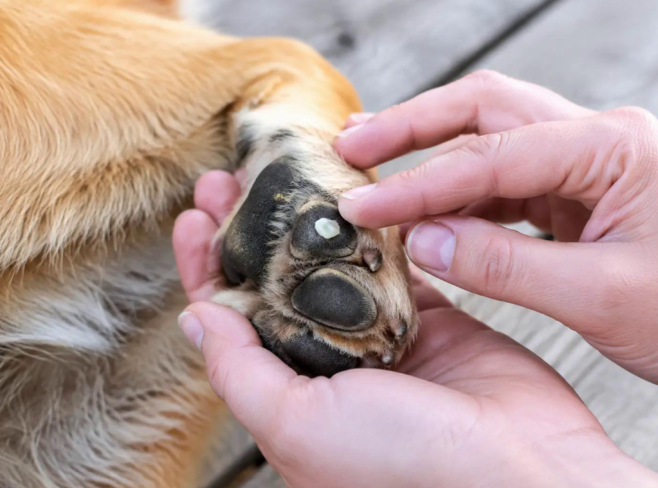
Home care is appropriate only when the change is superficial, the skin is intact, and the dog remains comfortable.
1. Reduce friction for a few days. Choose shorter walks on smooth, cool ground and pause running on abrasive surfaces.
2. Rinse off residue. Use lukewarm water after contact with salt, de-icer, or mud. Follow the full routine in how to clean dog paws.
3. Dry carefully. Pat the pad and spaces between the toes dry. Check booties for trapped moisture.
4. Use a dog-safe protectant sparingly. If your veterinarian agrees, apply a thin layer of paw balm to intact pads and supervise until it absorbs.
5. Recheck daily. Photograph the same pad in similar lighting so you can see whether it is improving, stable, or worsening.
Do not let a dog repeatedly lick or chew the area. Licking adds moisture and friction and can turn a small surface problem into inflamed skin. Persistent licking also has many possible causes; see why dogs lick their paws rather than assuming dryness is responsible.
Which home remedies should you avoid?
Avoid putting these on the paw unless a veterinarian directs you:
• Human hand or foot lotion
• Essential oils
• Rubbing alcohol or hydrogen peroxide
• Undiluted vinegar
• Strong antiseptics
• Numbing cream or pain-relief gel
• Antibiotic, antifungal, or steroid cream left from another condition
• Thick grease on an inflamed, wet, or open crack
The problem is not only irritation. Dogs lick their feet, and ingredients safe on human skin may be unsafe when swallowed. Medication can also hide symptoms or treat the wrong cause.
Never cut away thick pad tissue, peel a loose flap, or sand a painful pad. Do not give human pain medication; several common products are dangerous to dogs.
Should you bandage a cracked paw pad?
An improvised tight bandage can restrict circulation, trap moisture, slip, or create pressure sores. For a minor superficial dry line, a bandage is usually unnecessary. For an open injury, apply gentle pressure with clean gauze if it is bleeding and contact a veterinary clinic for instructions.
A loose, clean, nonstick covering may protect the paw during transport if the clinic advises it. Keep it dry, do not tape tightly around the leg, and do not use a temporary cover as permission for the dog to keep walking.
How can you prevent cracked paw pads?
• Inspect paws after walks and more thoroughly once a week.
• Choose cooler walking hours and avoid visibly hot surfaces.
• Rinse road treatments away promptly in winter.
• Dry paws after rain, snow, swimming, and cleaning.
• Condition the dog gradually for hiking or running instead of making a sudden jump in distance.
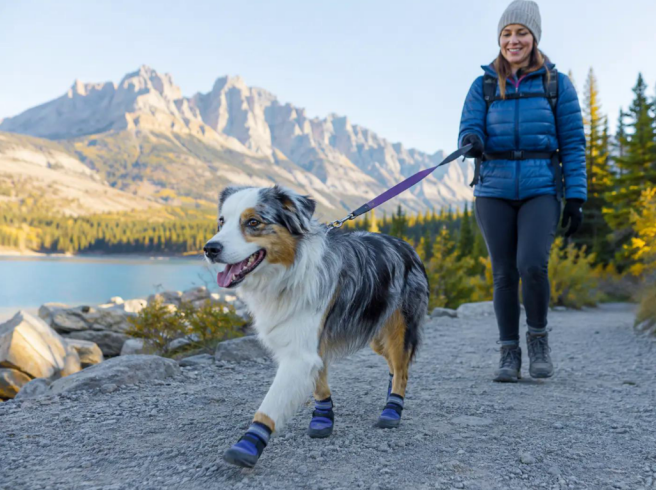
• Use properly fitted booties for heat, salt, or rough terrain; check for rubbing and moisture after use.
• Keep nails at a comfortable length and trim only fur that traps debris beyond the pads.
• Ask your veterinarian about recurring dryness, thickening, or disease affecting several paws.
The complete dog paw care guide combines these steps into a practical weekly routine.
When should a veterinarian see a cracked paw pad?
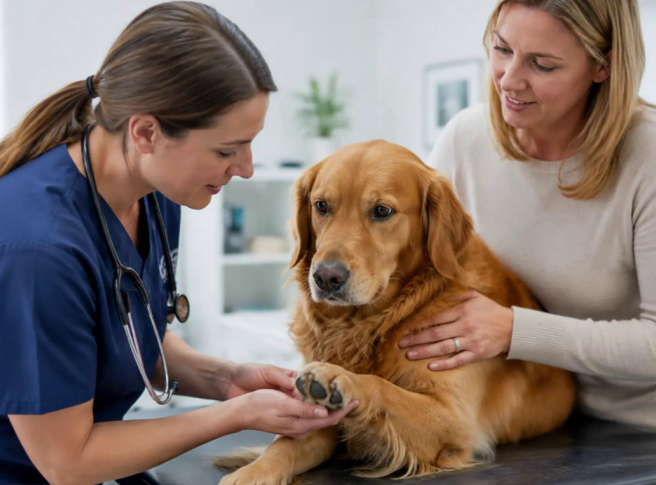
Arrange veterinary care when you notice:
• Limping, altered gait, crying, or refusal to walk
• A deep or widening crack
• Bleeding that continues despite gentle pressure
• Pink or red tissue visible inside the split
• A blister, burn, puncture, or loose pad flap
• Heat, swelling, discharge, strong odor, or spreading redness
• A foreign object or chemical exposure
• Gray, pale, blue, or blackened tissue that is not normal pigmentation
• Similar changes on several paws
• Recurring or worsening cracks despite conservative care
Prompt care is especially important for dogs with diabetes, immune suppression, circulation problems, or another condition that may affect healing. Your veterinarian can clean and assess the wound, provide pain control, decide whether bandaging is appropriate, and investigate an underlying skin disorder.
Frequently asked questions
Is Vaseline safe for cracked dog paws?
Some veterinary and animal-welfare guidance discusses petroleum jelly as a barrier on intact pads, but it is not right for every dog or every lesion. Ask your veterinarian, use only a small amount, and prevent ingestion. Do not use it to cover an open, inflamed, or infected-looking crack.
Can coconut oil heal a cracked paw pad?
Evidence for healing a paw-pad fissure is limited, and licking can cause stomach upset. A veterinarian-approved product with clear directions is more predictable. A deep or painful crack needs diagnosis, not another moisturizer.
How long does a cracked paw pad take to heal?
There is no reliable universal timeline. Depth, location, continued weight-bearing, contamination, and the underlying cause all change healing. A superficial dry line should trend better once exposure is corrected; a painful, open, or unchanged crack should be uated.
Why are all four paw pads cracking?
Widespread or recurring changes raise concern for environmental exposure, chronic skin disease, abnormal keratin production, or another medical issue. Schedule a veterinary exam rather than treating each pad as an isolated dry spot.
Can dogs walk with a cracked paw pad?
Do not exercise a dog through pain. Short bathroom trips on clean, gentle ground may be reasonable for a mild, comfortable surface crack, but limping, bleeding, or an open wound requires rest and veterinary advice.
Final takeaway
Treat the dog, not just the texture. Mild dryness on intact, painless pads may respond to less friction, careful cleaning, complete drying, and a veterinarian-approved balm. Pain, depth, bleeding, inflammation, or recurrence changes the situation from cosmetic care to a medical problem.
Editorial sources
• VCA Animal Hospitals: Pododermatitis in Dogs
• VCA Animal Hospitals: First Aid for Torn or Injured Foot Pads in Dogs
• Merck Veterinary Manual: Dermatitis and Dermatologic Problems in Dogs
This article provides general educational information and is not a substitute for an examination or individualized advice from your veterinarian.Label:
Popular Post
Top 10 Most Expensive Cat Breeds in The World
May 07, 2025
The Ultimate Guide to Tabby Cats: Patterns, Personalities, and More
Mar 27, 2025
Can Cats Have Ice Cream? Dangers, Safe Flavors & Healthy Cat Treats
Sep 02, 2025
My Cat Only Eats A Little at A Time - What to Do?
Feb 27, 2023

Top 8 Reasons Why Does My Cat Sleep Between My Legs?
Mar 03, 2025
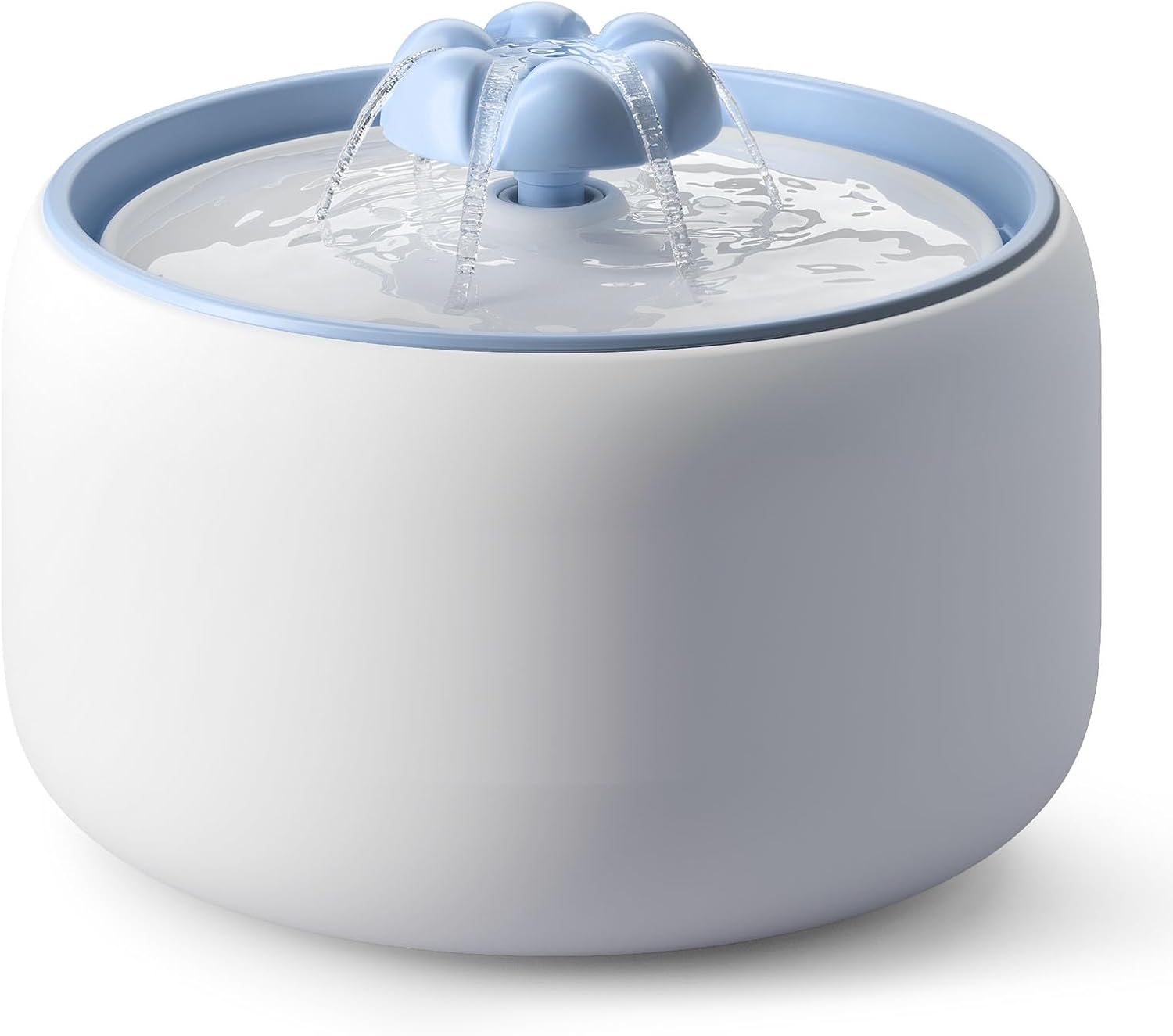
[Blue] W03L 3L Premium Ceramic Cat Water Fountain
Model: W03 LITE
$59.99
$69.99
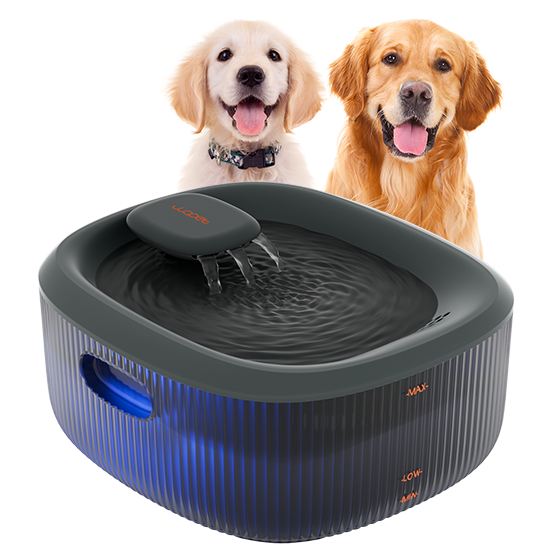
Basin Pet Water Fountain-W600
Model: W600
$43.99
$69.99
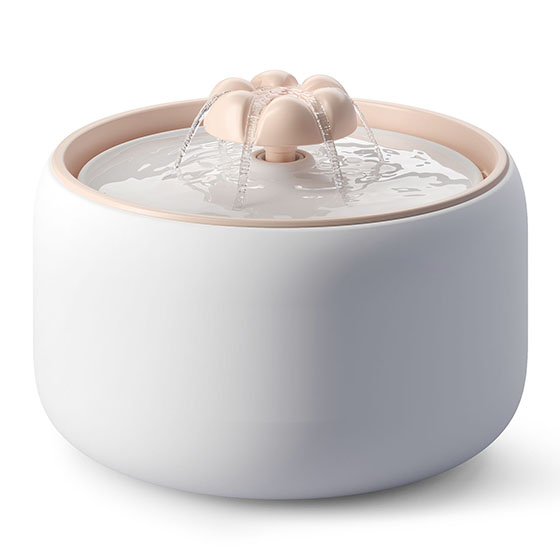
[Basic] Ceramic Pet Water Fountain with Power Cable
Model: W03L
$59.99
$99.00
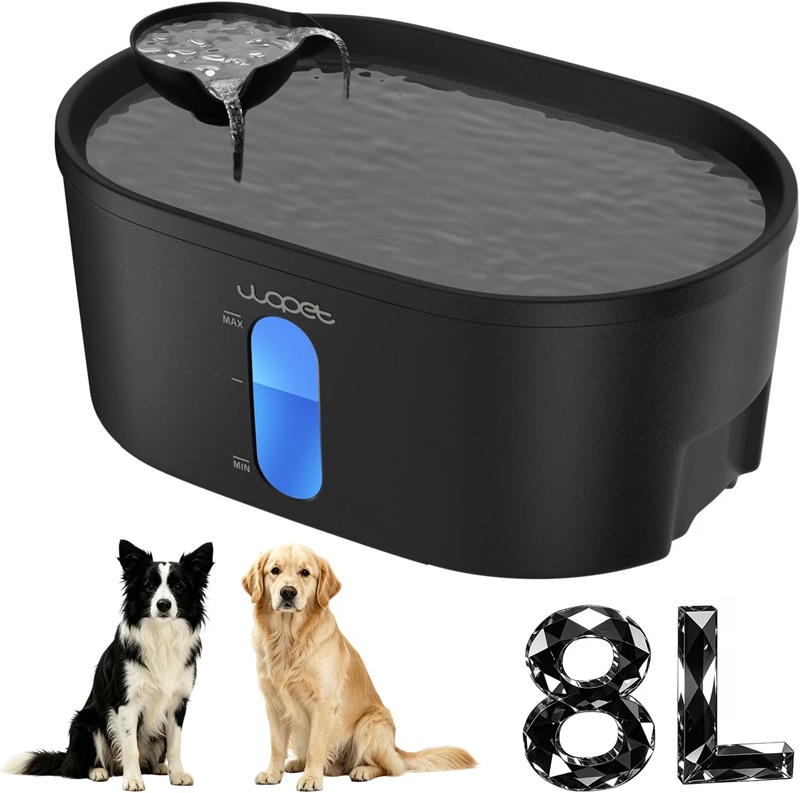
WOPET 8L Pet Water Fountain For Multiple Cats or Large Dogs A08
Model: A08
$49.99
$59.99
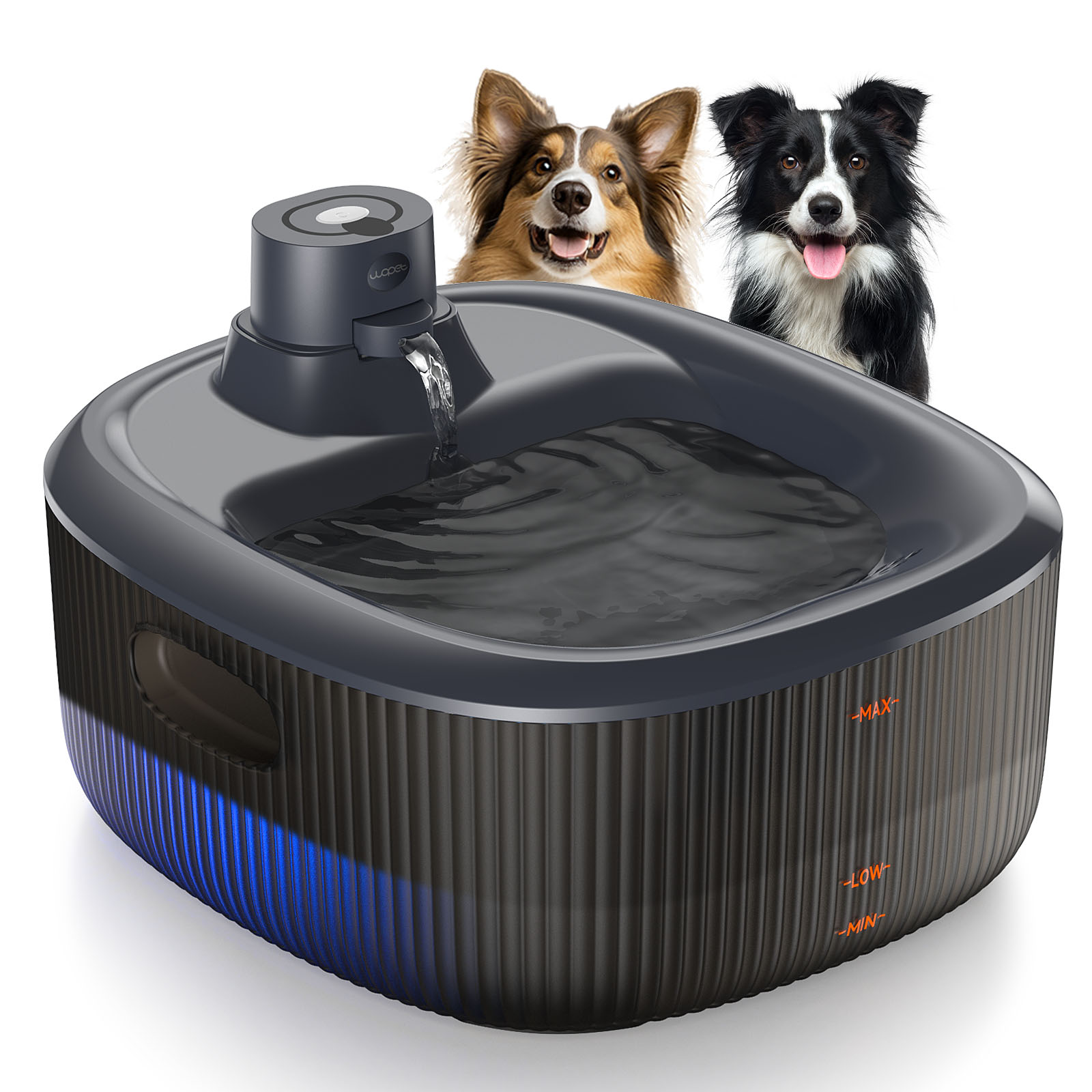
[Upgrade] Basin Wireless Pet Water Fountain
Model: W600 Pro
$69.99
$89.99
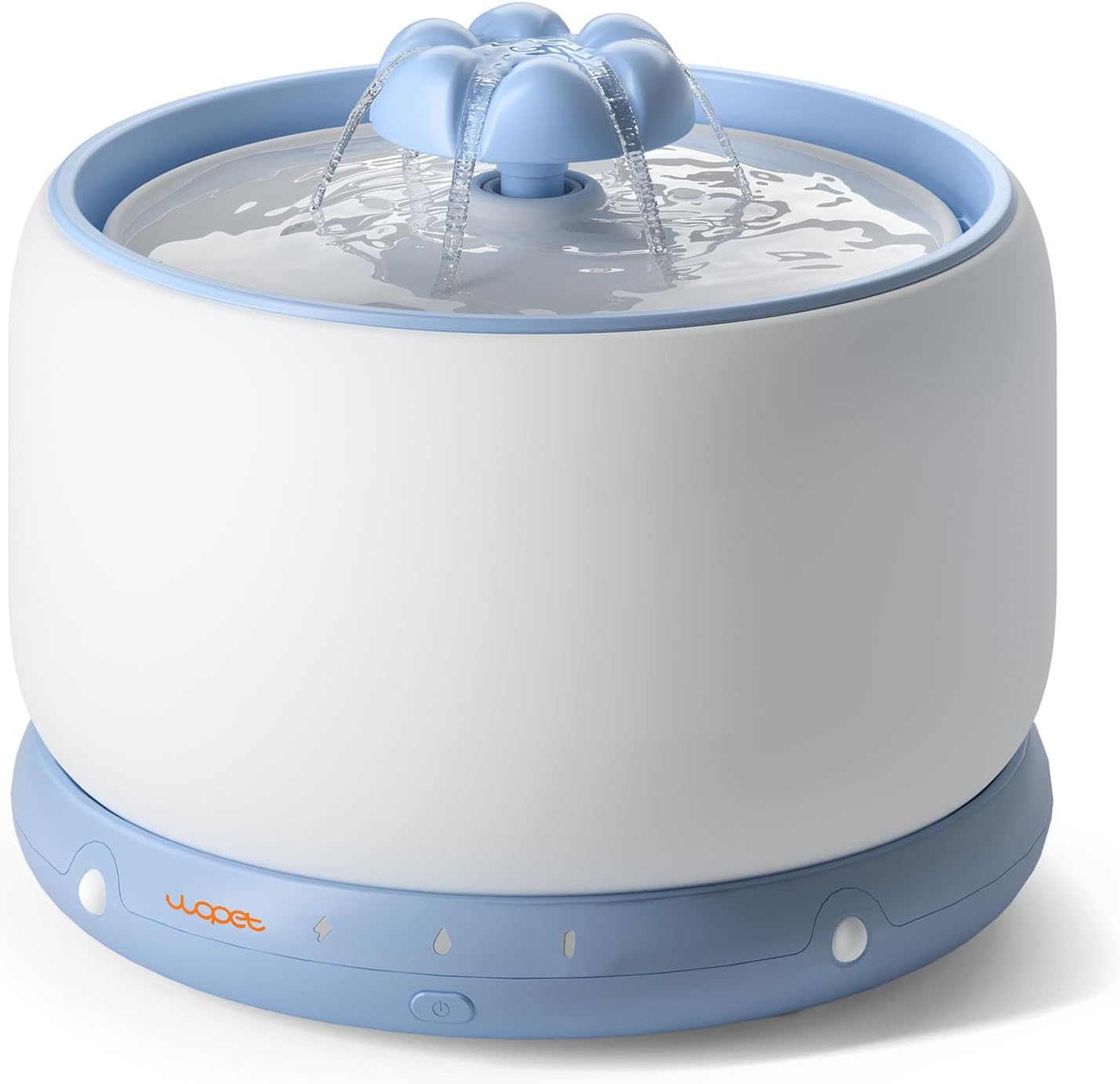
[Blue] W03 3L Ceramic Cordless Cat Water Fountain
Model: W03
$89.99
$99.99

DOWNLOAD APP

WOpet life




Copyright © 2026 WOPET. All Rights Reserved.