Sep 04, 2026
Author:Lisa Martinez
Dog paw care works best as a short, repeatable routine—not an occasional deep clean. A quick check after outdoor activity can reveal a thorn, cracked pad, torn nail, redness, or surface irritation before it becomes a painful problem.
|
Quick answer: Check all four paws after walks, remove loose debris, rinse only when needed, and dry carefully between the toes. Keep nails at a comfortable length and trim excess paw fur without cutting into the skin. Protect paws from hot pavement, ice melt, sharp terrain, and prolonged moisture. Limping, bleeding, swelling, discharge, a deep crack, a blister, or obvious pain needs veterinary attention. |
What should a healthy dog paw look like?
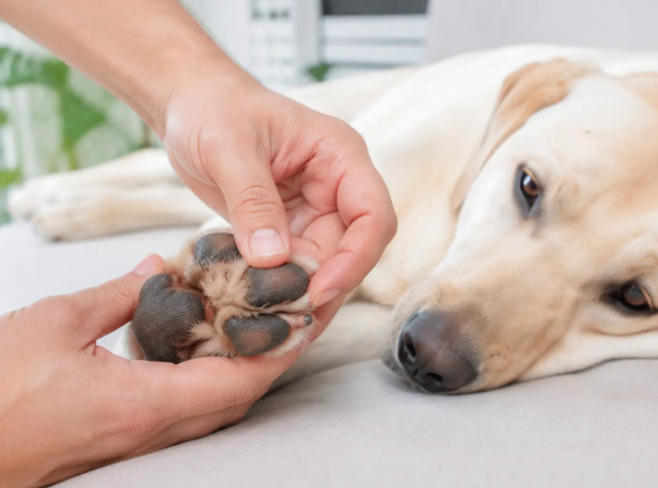
Healthy paws vary in color and texture. Paw pads may be smooth or naturally rough, and pigmentation can be pink, black, mottled, or change gradually as a dog matures. Instead of comparing your dog with another dog, learn what is normal for each of your dog’s feet.
A routine check should find:
• Paw pads that are intact, without bleeding, blisters, deep splits, or loose flaps
• Skin between the toes that is not red, swollen, wet, or painful
• Nails that do not touch the floor continuously or curve toward the pads
• No stones, burrs, glass, grass awns, gum, ice balls, or packed mud
• No new lump, discharge, strong odor, or sudden color change
• Comfortable, even weight-bearing while standing and walking
One paw that suddenly looks different from the others deserves closer attention. Several inflamed feet can suggest a broader skin problem, exposure to an irritant, or another condition that a veterinarian may need to uate. Pododermatitis is the general term for inflammation affecting a dog’s paws; it describes a finding, not one specific diagnosis.
How often should you inspect your dog’s paws?
Use activity and risk—not a rigid calendar—to set the schedule.
• After every walk: Make a five- to ten-second visual check. Look for debris, moisture, salt, and an altered gait.
• After trails, beaches, fields, or snow: Inspect between every toe and around every nail. Burrs, foxtails, shells, ice, and grit can hide from a quick glance.
• Once a week: Perform a hands-on check of pads, nails, dewclaws, webbing, and paw fur.
• Before and after using booties: Look for rubbing, dampness, trapped grit, or pressure marks.
• Daily during recovery: Follow your veterinarian’s instructions and keep a simple photo record if asked.
Train paw handling when your dog is comfortable. Touch one leg, briefly hold one paw, reward, and release. Gradually add toe separation and pad inspection. A dog that suddenly resists familiar handling may be in pain; do not force the paw into position.
What belongs in a basic paw-care kit?
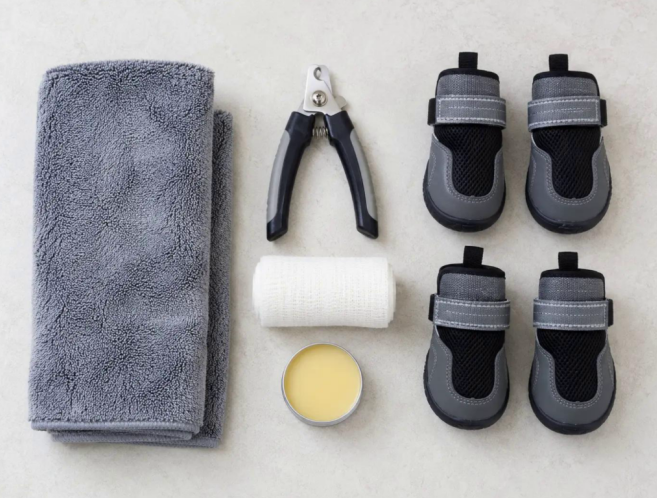
Keep the kit simple:
• A clean, soft towel
• Lukewarm water and a shallow basin or detachable sprayer
• Dog-safe wipes for light surface dirt when water is not practical
• Blunt tweezers for loose, easily removed debris—not embedded objects
• Dog nail clippers or a grinder your dog has been conditioned to accept
• Sterile gauze and a nonstick pad for temporary protection on the way to a veterinarian
• A veterinarian-approved paw balm, used only on intact skin
• Properly fitted dog booties for environmental protection
Avoid fragranced household wipes, alcohol, hydrogen peroxide, essential oils, and harsh disinfectants unless your veterinarian specifically directs their use. Products made for human skin are not automatically safe if a dog can lick them.
How do you clean dog paws without overdoing it?
Most clean, dry paws do not need soap after every walk. Overwashing and aggressive scrubbing can irritate skin, while leaving contaminants in place can also cause problems. Match the method to what is on the paw.
1. Dry debris: Brush or wipe it away with a clean, dry towel.
2. Mud or pollen: Rinse with lukewarm water or wipe with a damp cloth.
3. Road salt or ice melt: Rinse promptly and thoroughly, including between the toes, then prevent licking until the paws are clean.
4. Sticky or unknown substances: Stop the dog from licking and call your veterinarian or a pet poison service before applying a solvent.
5. After cleaning: Pat dry rather than rubbing, and dry the webbing between the toes.
For a complete entryway routine, see how to clean your dog’s paws after a walk.
How do nails and paw fur affect paw health?
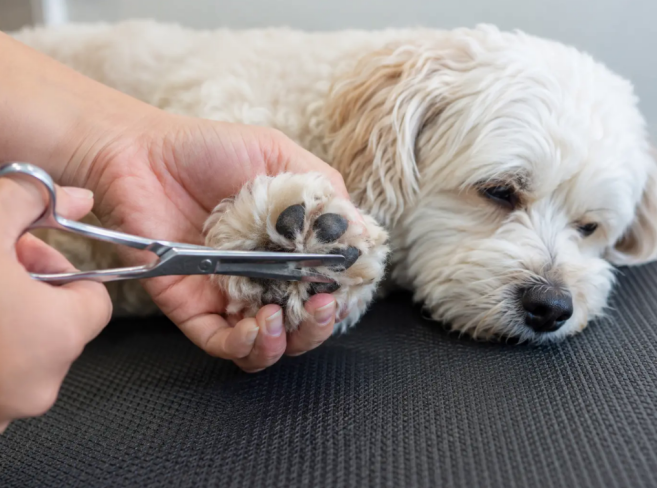
Overgrown nails can change how a dog places the foot and may snag or split. Listen for persistent clicking on hard floors, look for nails that contact the ground while the dog is standing, and check the dewclaws separately because they receive little natural wear.
Trim conservatively and avoid the quick, the living tissue inside the nail. Dark nails make the quick difficult to see, so remove very small amounts or ask a veterinarian or professional groomer to demonstrate. Stop if the dog struggles or if you cannot control the tool safely.
Long fur between the pads can trap moisture, ice, mud, and burrs. If it extends well beyond the pads, trim it level with the pad surface using appropriate grooming tools. Do not dig scissors into the webbing or shave irritated skin. Mats, embedded objects, or a painful paw are safer for a professional to handle.
Should you moisturize dog paw pads?
Normal pads are designed to be durable and may feel somewhat textured. They do not need to be made soft like human skin. A thin layer of veterinarian-approved, dog-safe balm may help protect intact pads in dry or salty conditions, but balm is not a treatment for every crack.
Do not apply human lotion, medicated cream, essential oils, or a product containing ingredients your dog could ingest. Avoid covering a wet or inflamed paw with greasy product, which can trap moisture and delay diagnosis. If the pad is bleeding, deeply split, swollen, discolored, or painful, use the guidance in cracked dog paw pads: causes and safe care and contact your veterinarian.
How should paw care change with the seasons?
Summer
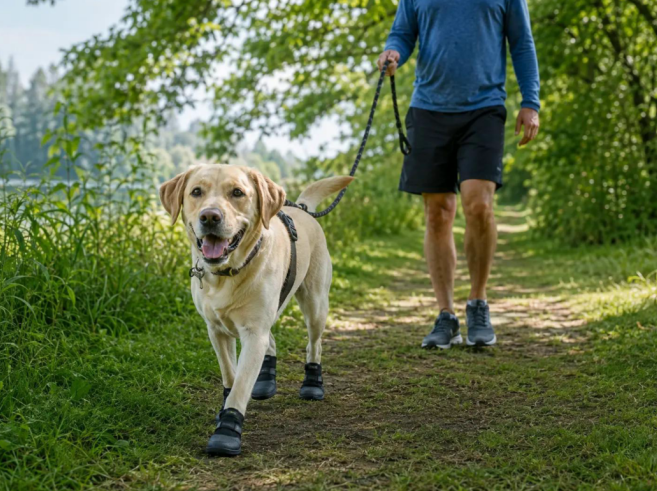
Pavement, artificial turf, metal, and sand can become much hotter than the air. Walk during cooler hours, choose shade or grass, and do not rely on air temperature alone. Properly fitted booties can add protection, but dogs need gradual conditioning and frequent fit checks. Learn the emergency steps in dog paw burns: signs, first aid, and prevention.
Winter
Ice can cut pads, while snow can form hard balls in long paw fur. De-icers can irritate skin and may be harmful when licked. Use booties where practical, wipe or rinse paws immediately after treated sidewalks, and dry thoroughly.
Spring and fall
Check for mud, pollen, burrs, grass awns, seeds, and damp leaf debris. Dogs with seasonal skin disease may show redness or discomfort after outdoor exposure. Cleaning can reduce surface residue, but recurring inflammation needs a veterinary plan rather than repeated home remedies.
When is paw licking more than grooming?
Brief licking after a walk can be normal. Repeated licking, chewing, or waking to work on the same paw signals discomfort and can damage the skin further. Possible causes include a foreign object, injury, allergy, parasites, infection, nail disease, or pain elsewhere in the foot.
This care guide intentionally does not diagnose licking behavior. Use Why Is My Dog Licking His Paws? for that search intent, and arrange a veterinary exam when the behavior persists or occurs with visible changes.
Which paw changes need a veterinarian?
Seek prompt veterinary advice for:
• Limping, refusing to walk, crying, or pulling away from gentle touch
• Bleeding that does not stop with steady, gentle pressure
• A deep crack, puncture, blister, burn, loose pad tissue, or embedded object
• A torn nail, injured dewclaw, or nail growing toward the pad
• Redness, heat, swelling, discharge, dampness, or a strong new odor
• Blue, pale, gray, or blackened tissue that is not normal pigmentation
• A paw that remains irritated after cleaning and rest
• Recurrent problems involving one or several feet
Emergency care is appropriate for uncontrolled bleeding, severe burns, suspected chemical exposure, sudden inability to bear weight, or major trauma. Call ahead when possible so the clinic can advise safe transport.
Frequently asked questions
Can I wash my dog’s paws every day?
You can rinse dirty paws with lukewarm water as needed, but routine soap use is rarely necessary. Frequent detergent, fragrance, or scrubbing can irritate the skin. Dry thoroughly, especially between the toes.
Can I use baby wipes on dog paws?
Some veterinary guidance mentions wipes for removing winter residue, but formulations vary. Choose an unscented product labeled safe for dogs, avoid broken skin, and rinse if an ingredient is unknown or the dog is likely to lick it. A damp cloth is often the simpler option.
Are rough paw pads always a problem?
No. Healthy pads are naturally resilient and may feel textured. New cracking, bleeding, lifting edges, pain, or a major change from your dog’s normal texture is more important than roughness alone.
Do dog booties replace paw checks?
No. Booties can reduce environmental exposure, but they may trap moisture or cause rubbing. Inspect paws before and after use and confirm that the dog walks comfortably.
What does a corn-chip paw smell mean?
A faint familiar odor can occur on otherwise normal paws. A stronger or changed odor accompanied by redness, itching, greasy skin, discharge, or swelling can indicate skin disease. See why dog paws smell like corn chips for a symptom-based checklist.
Final takeaway
Effective dog paw care is built around inspect, clean only as needed, dry completely, maintain nails and fur, and protect against the environment. The routine should be gentle enough to repeat and precise enough to catch change early. Home care supports healthy paws; it should not delay veterinary uation when a paw is painful, wounded, inflamed, or repeatedly abnormal.
Editorial sources
• VCA Animal Hospitals: Pododermatitis in Dogs
• VCA Animal Hospitals: First Aid for Torn or Injured Foot Pads in Dogs
• ASPCA: Keeping Pets Safe During Winter—The Dangers of Ice Melts
This article provides general educational information and is not a substitute for an examination or individualized advice from your veterinarian.Label:
Popular Post
Top 10 Most Expensive Cat Breeds in The World
May 07, 2025
The Ultimate Guide to Tabby Cats: Patterns, Personalities, and More
Mar 27, 2025
Can Cats Have Ice Cream? Dangers, Safe Flavors & Healthy Cat Treats
Sep 02, 2025
My Cat Only Eats A Little at A Time - What to Do?
Feb 27, 2023

Top 8 Reasons Why Does My Cat Sleep Between My Legs?
Mar 03, 2025
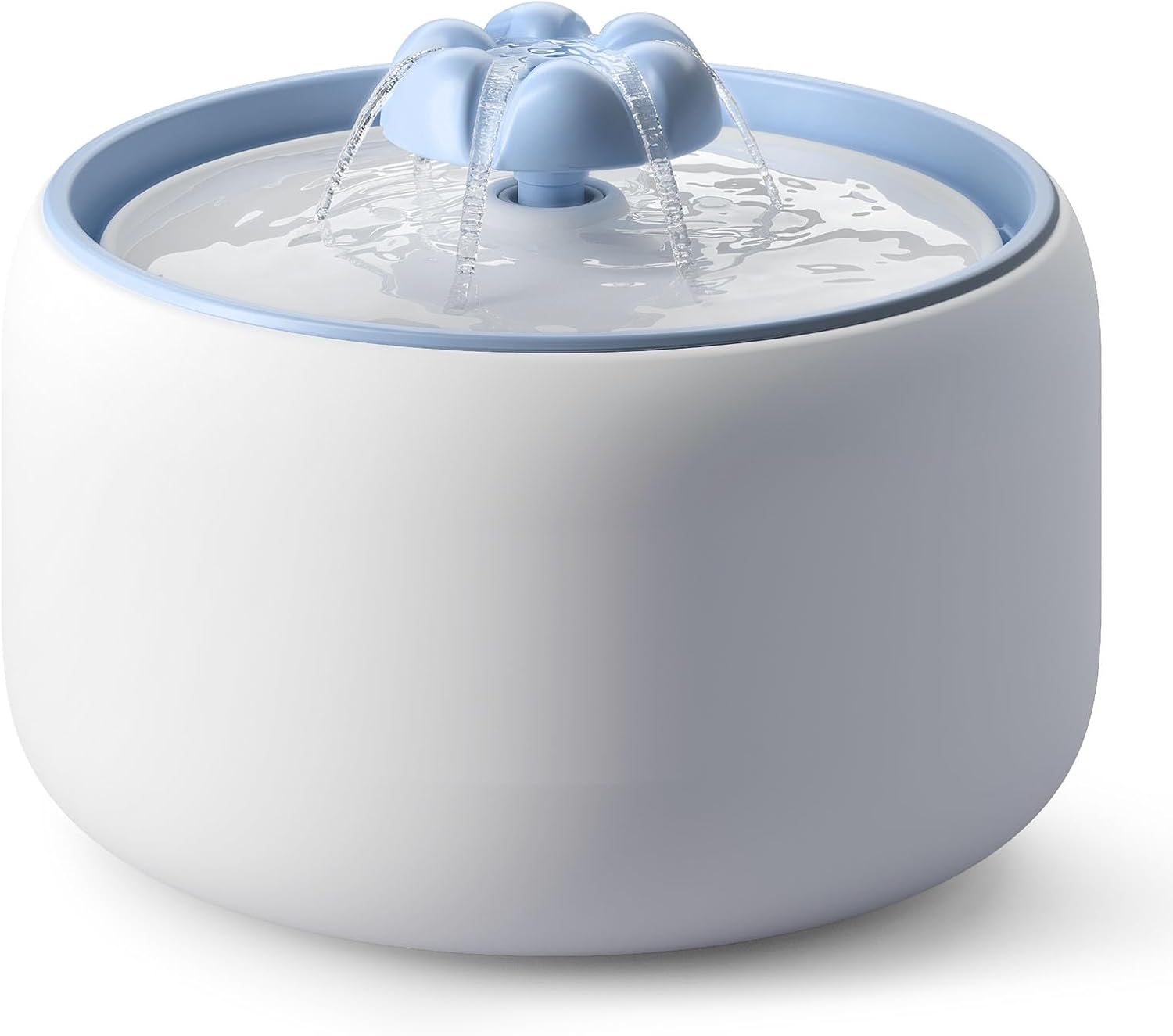
[Blue] W03L 3L Premium Ceramic Cat Water Fountain
Model: W03 LITE
$59.99
$69.99
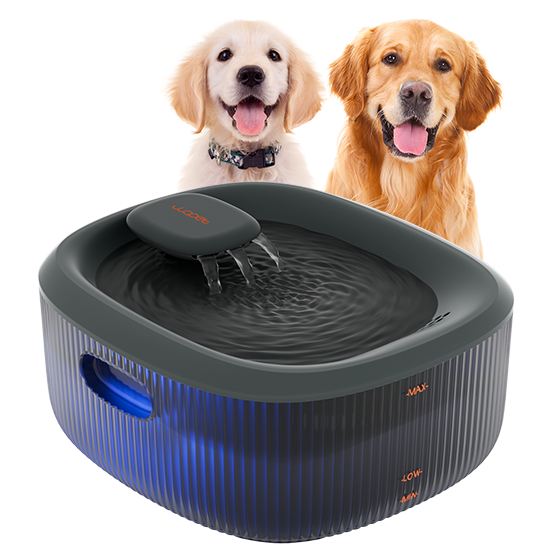
Basin Pet Water Fountain-W600
Model: W600
$43.99
$69.99
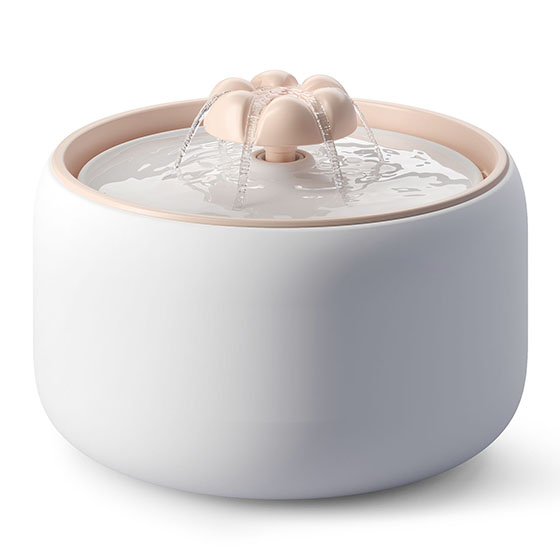
[Basic] Ceramic Pet Water Fountain with Power Cable
Model: W03L
$59.99
$99.00
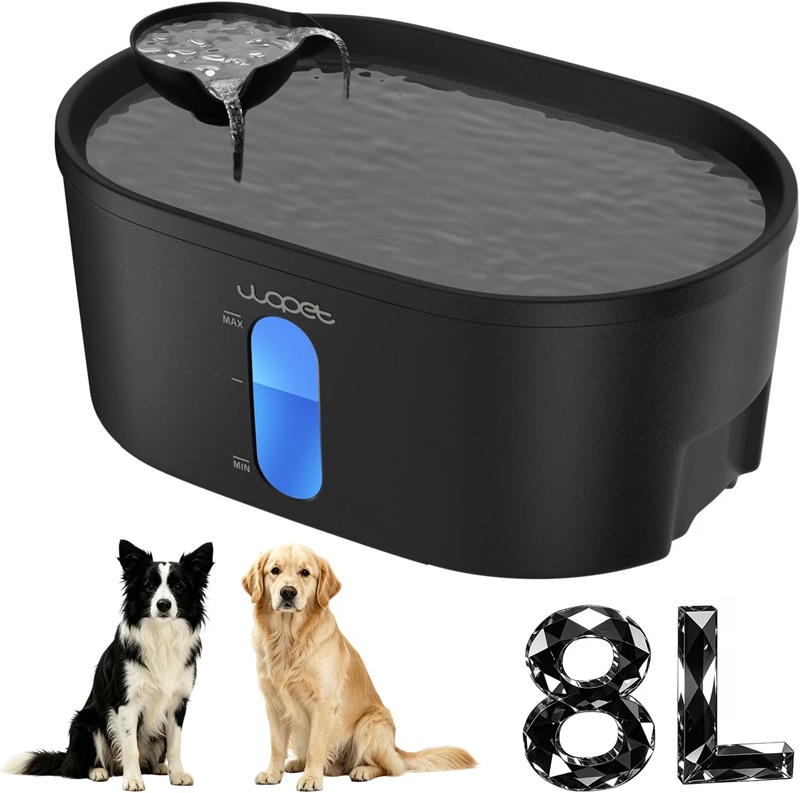
WOPET 8L Pet Water Fountain For Multiple Cats or Large Dogs A08
Model: A08
$49.99
$59.99
[Upgrade] Basin Wireless Pet Water Fountain
Model: W600 Pro
$69.99
$89.99
[Blue] W03 3L Ceramic Cordless Cat Water Fountain
Model: W03
$89.99
$99.99

DOWNLOAD APP

WOpet life




Copyright © 2026 WOPET. All Rights Reserved.