Aug 31, 2026
Author:Sam Wonder
Quick Answer
White residue in a cat fountain is often hard-water scale or soap film. Mineral deposits are usually dry and chalky, while soap residue tends to look cloudy or feel slick. Clean the fountain with a method approved for its material, rinse well, and investigate any buildup that is fuzzy, slimy, colored, oily, or foul-smelling.
What Causes White Buildup in a Cat Fountain?
Hard-water minerals
The U.S. Geological Survey defines water hardness by the amount of dissolved calcium and magnesium in water. Those minerals can leave spots or film on household surfaces and can form solid calcium-carbonate deposits.
In a fountain, scale often collects where water splashes, evaporates, or moves through a narrow opening. Common locations include:
• the waterline around the basin;
• the spout or outlet;
• pump covers and intake slots;
• seams and corners;
• the underside of a lid;
• the area where droplets repeatedly dry.
Soap or detergent film
Too much soap or incomplete rinsing can leave a pale or cloudy film. Hard water can also react with soap and create soap scum, making the residue harder to rinse away.
Dust from the surrounding room
Fine dust may stick to damp mineral scale and make the deposit look thicker. This is more likely near HVAC vents, open windows, litter scatter, or cooking areas.
A damaged surface
Chips, cracks, or deep scratches can trap residue. A roughened surface may remain dull or white even after normal cleaning and can be difficult to maintain hygienically.
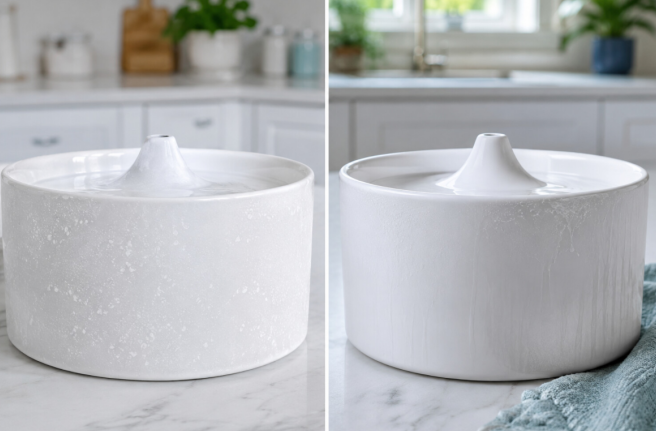
How Can You Tell Mineral Scale From Other Buildup?
Mineral scale is often:
• white, off-white, or pale gray;
• chalky, crusty, or powdery when dry;
• concentrated at the waterline or splash zone;
• more common on other household fixtures that use the same water.
Soap residue is more likely to look smooth, cloudy, or streaky and may feel slick after cleaning.
Biofilm or other contamination may be slippery, gelatinous, fuzzy, colored, or odorous. Do not rely on color or texture alone. If the buildup is slippery rather than chalky, use the slimy cat fountain guide and clean the full water path before refilling the fountain.
How Do You Remove White Mineral Deposits Safely?
1. Turn off the fountain
Disconnect power or switch off the unit according to the manual. Provide your cat with another source of fresh water.
2. Separate washable and electrical components
Remove the basin, lid, filter housing, and pump parts only as directed. Keep powered bases, battery compartments, charging ports, adapters, and cords away from water unless the manufacturer explicitly says otherwise.
3. Start with normal washing
Use the manufacturer's routine cleaning method first. A dedicated soft brush or nonabrasive cloth can loosen fresh deposits without damaging the finish.
4. Use a descaling method only when approved
Some manufacturers permit diluted white vinegar on specific non-electrical parts; others recommend a different method. Acids may damage certain metals, seals, coatings, stones, or electronic parts. Follow the manual rather than applying one recipe to every fountain.
Never mix vinegar with bleach or another cleaning product.
5. Rinse completely
Rinse every water-contact surface until no cleaner, odor, loosened scale, or grit remains. Reassemble only after the parts are clean and inspected.
6. Refill with fresh drinking water
Fill to the indicated level and watch the fountain during startup. Confirm that the flow is normal and no white particles circulate through the basin.
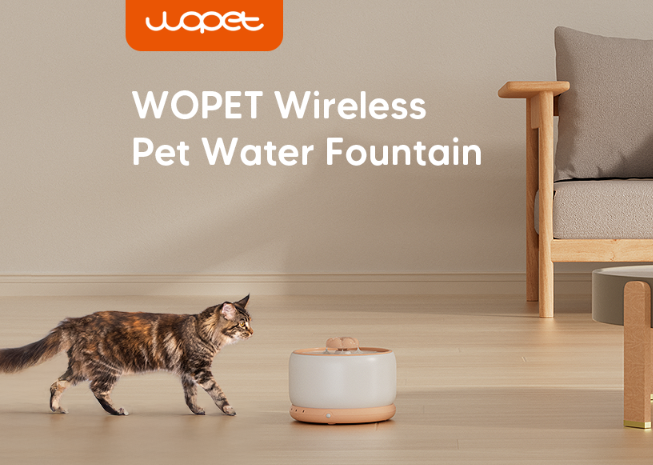
WOPET's general guide explains how to clean a cat water fountain. Always combine that guidance with the instructions for your exact model.
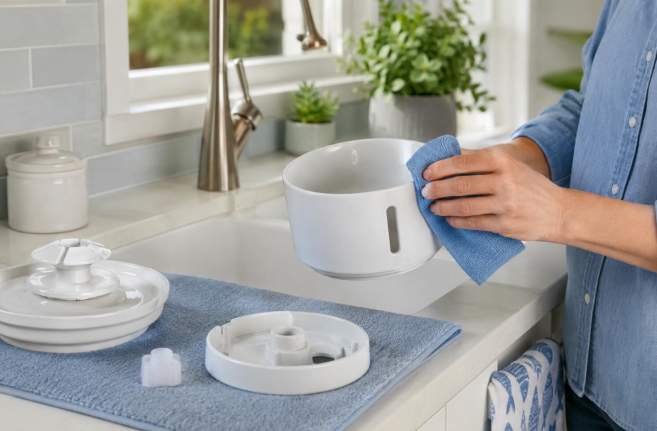
Can You Put a Ceramic Cat Fountain in the Dishwasher?
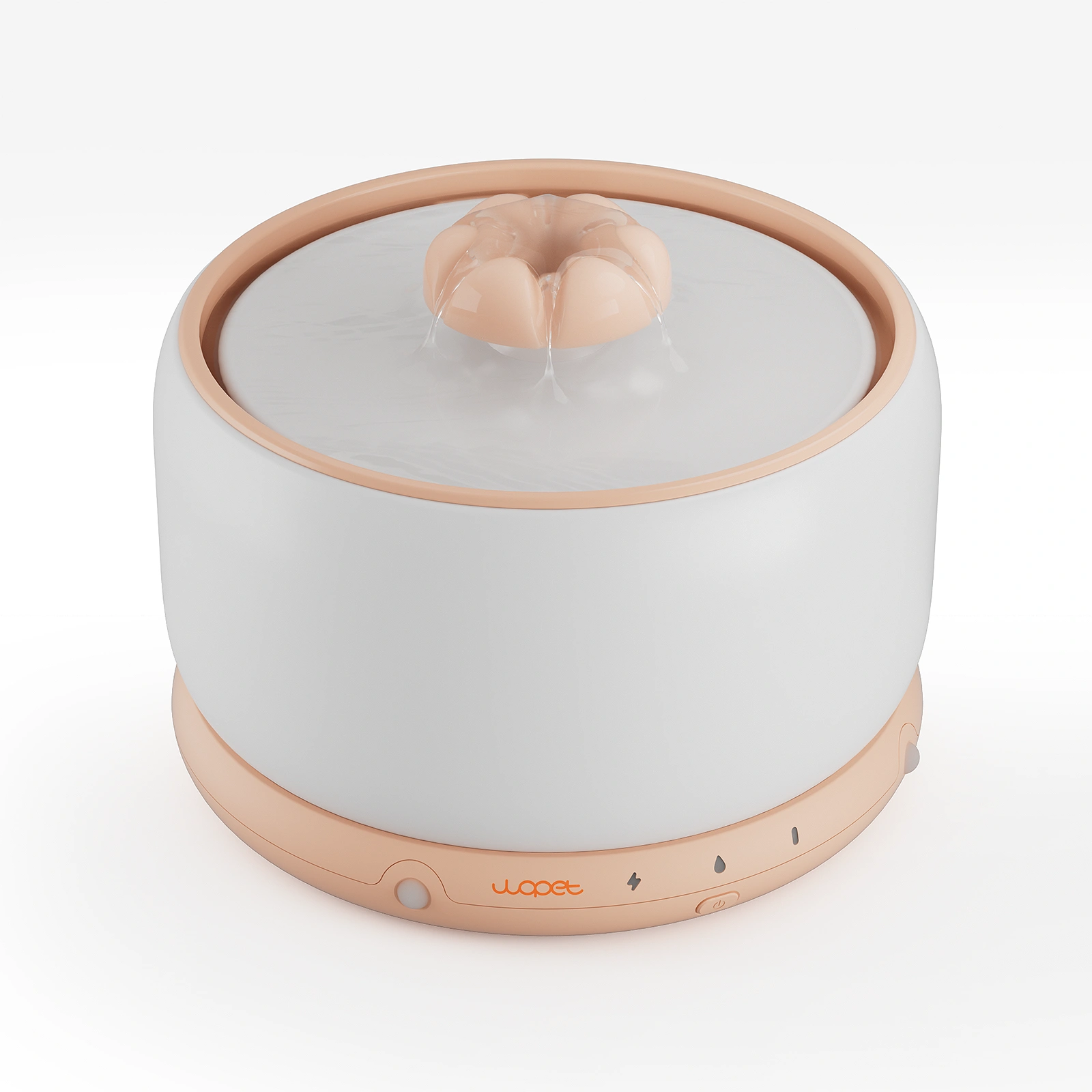
Only when the product page or manual identifies the specific ceramic component as dishwasher safe. The WOPET W03 Ceramic Wireless Pet Water Fountain lists its ceramic water bowl as dishwasher safe.
That does not mean the pump, filter, battery base, charging port, cord, adapter, or every removable part can go in the dishwasher. Remove and clean each component according to its own instructions.
Does a Cat Fountain Filter Remove Hard-Water Minerals?
Do not assume that it does. A fountain may use activated carbon, foam, or another filter to catch debris and address certain tastes or odors. The presence of a filter does not prove that it removes dissolved calcium and magnesium.
Water softening and reverse-osmosis systems are different technologies. Unless the fountain has a relevant third-party certification and an explicit reduction claim, treat its filter as a product-care component—not as a guarantee that it removes water hardness or makes unsafe source water potable.
How Can You Prevent White Residue From Returning?
• Replace the fountain water daily instead of repeatedly topping it off.
• Wipe splash areas before droplets dry into visible spots.
• Rinse away all soap after cleaning.
• Clean the pump and outlet before scale narrows the water path.
• Increase inspection frequency if your home has hard water.
• Keep the fountain away from direct sunlight, cooking grease, and dusty vents.
• Use only potable water that is appropriate for your household and pet.
If scale builds rapidly throughout your home, consult your local water utility or a qualified water-treatment professional. A fountain filter is not a substitute for addressing a household water-quality issue.
When Is White Residue a Reason to Replace a Part?
Consider replacement or manufacturer support when:
• ceramic is chipped or cracked;
• a coating is peeling;
• plastic is deeply scratched or permanently rough;
• rubber seals are brittle, split, or misshapen;
• deposits cannot be removed using the approved method;
• scale repeatedly blocks the pump or outlet;
• the residue returns with an odor, slime, or unusual color.
Do not use abrasive powders, metal scouring pads, or sharp tools that can damage a smooth food-contact surface.
Is Hard Water Unsafe for Cats?
Hard water is not automatically unsafe. Water hardness measures dissolved calcium and magnesium; drinking-water safety depends on many other factors. Use water that your local authority considers safe to drink.
If your veterinarian has recommended a specific water or diet plan because of urinary disease, kidney disease, heart disease, or another condition, follow that individualized advice rather than a general internet recommendation.
Frequently Asked Questions
Why does the white ring return after one day?
Your water may be relatively hard, droplets may be drying rapidly, or existing scale may remain in a hidden water path. Check household fixtures for similar spots and inspect the pump and spout.
Can I scrape the residue off?
Avoid knives, razors, metal tools, and abrasive pads. They can scratch the surface and create areas that are harder to clean. Use the manual-approved descaling method and a nonabrasive brush or cloth.
Can I use vinegar in the pump?
Only if the pump instructions explicitly permit it. Do not soak electrical components or seals in acid based on generic advice.
Will bottled water prevent scale?
Not necessarily. Bottled waters have different mineral profiles. Use safe, potable water and uate the actual results rather than assuming all bottled water is soft.
Should I replace the filter when I see white residue?
Follow the filter schedule and inspect it. Replacing the filter may be appropriate when it is due, damaged, or blocked, but a standard carbon filter may not eliminate dissolved hardness minerals.
Editorial Method and Sources
This article distinguishes mineral scale, soap film, and possible biological buildup. It does not claim that appearance alone can establish water safety.
• U.S. Geological Survey: Hardness of Water
Popular Post
Top 10 Most Expensive Cat Breeds in The World
May 07, 2025
The Ultimate Guide to Tabby Cats: Patterns, Personalities, and More
Mar 27, 2025
Can Cats Have Ice Cream? Dangers, Safe Flavors & Healthy Cat Treats
Sep 02, 2025
My Cat Only Eats A Little at A Time - What to Do?
Feb 27, 2023

Top 8 Reasons Why Does My Cat Sleep Between My Legs?
Mar 03, 2025
Basin Pet Water Fountain-W600
Model: W600
$43.99
$69.99
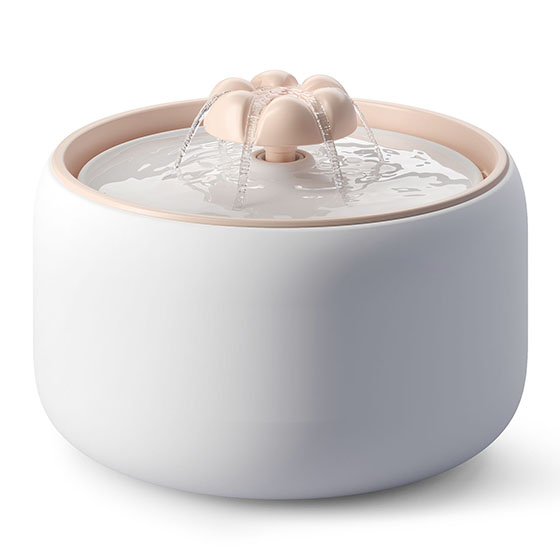
[Basic] Ceramic Pet Water Fountain with Power Cable
Model: W03L
$59.99
$99.00
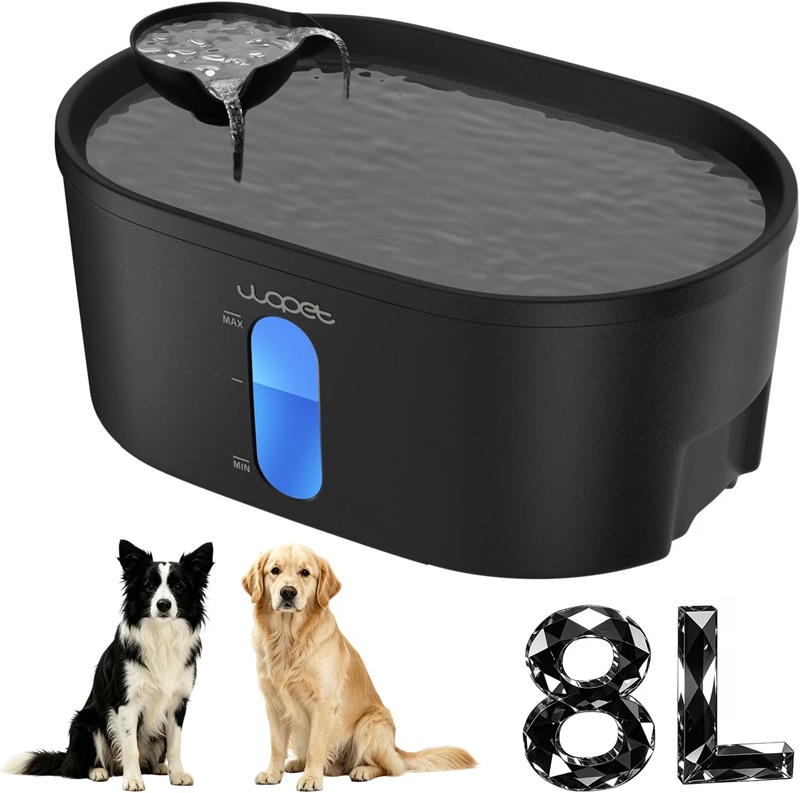
WOPET 8L Pet Water Fountain For Multiple Cats or Large Dogs A08
Model: A08
$49.99
$59.99
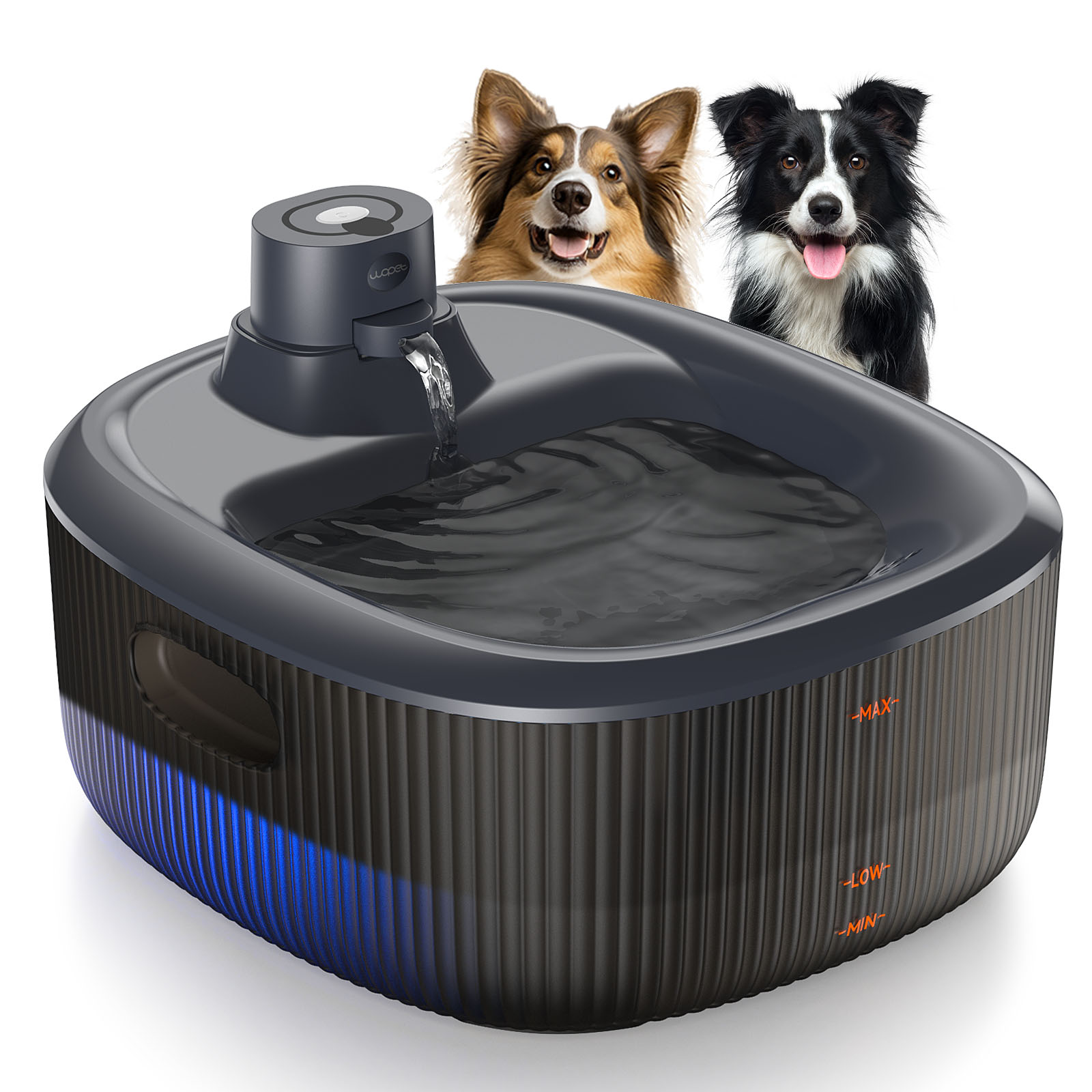
[Upgrade] Basin Wireless Pet Water Fountain
Model: W600 Pro
$69.99
$89.99
Heritage View Pet Feeder Dual Bowls For Two Cats
Model: HV10DP
$119.99
$149.99
[New] Ceramic Wireless Pet Water Fountain W03
Model: W03
$89.99
$129.00

DOWNLOAD APP

WOpet life




Copyright © 2026 WOPET. All Rights Reserved.