Sep 02, 2026
Author:Lisa Martinez
Quick Answer
Store a cat fountain only after it is empty, clean, and completely dry. Remove the used filter, protect the pump and powered components, and keep the parts in a cool, dry indoor location without sealing in moisture. Before reuse, inspect and clean the fountain, install a fresh compatible filter, and test it with fresh water.
When Does a Cat Fountain Need to Be Stored?
Storage makes sense when you are switching models, traveling without the fountain, rotating water stations, moving, or pausing use while a cat recovers. It can also protect a seasonal or backup unit.
If the fountain will be out of service only for a day, it still needs to be emptied and rinsed. Water left in a switched-off system can become stale, and damp filters or hidden pump areas can develop odor and buildup.
Your cat should always have another clean source of fresh water. Confirm that your cat accepts the replacement bowl or station before removing the fountain.
Why Is Complete Drying So Important?
Moisture trapped in the reservoir, pump chamber, tubing, seals, or packing material can support mold and odor. The EPA's general mold guidance emphasizes moisture control and prompt drying of wet items. For a pet fountain, that means cleaning first, opening removable water-path parts, and allowing them to air-dry before packing.
Drying is not a substitute for cleaning. A dirty part that dries with saliva or food residue on it can still be difficult to restore later.
How to Prepare a Cat Fountain for Storage
1. Empty it completely
Turn off and disconnect the fountain according to the manual. Discard all remaining water. Tilt removable reservoirs and channels so trapped water can drain while keeping a powered or battery-containing base in the position required by its instructions.
2. Remove the used filter
Remove the wet disposable filter before storage. Used carbon, foam, or fabric media can retain moisture, debris, and odor. Discard it unless the manufacturer explicitly identifies it as reusable and provides storage instructions.
Keep unopened replacement filters sealed in their original packaging in a cool, dry place.
3. Disassemble the approved parts
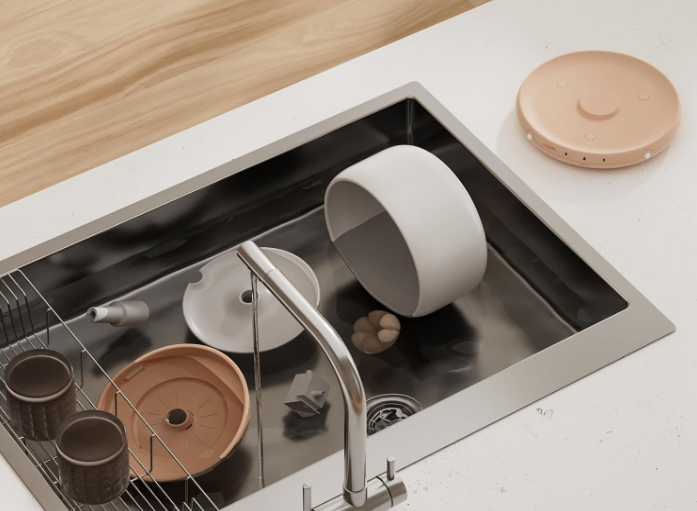
Remove the basin, lid, filter housing, pump cover, impeller, spout, seals, and other serviceable components as directed. Take a photo during disassembly if the layout is easy to forget.
Leave sealed pump and battery compartments closed. Keep the charger, cord connection, powered base, and charging port dry unless the model manual specifically identifies a component as washable.
4. Clean the full water path
Wash the compatible parts with the approved method. Pay attention to seams, corners, narrow channels, the impeller cavity, and the underside of the lid. WOPET's article on how to clean a cat water fountain covers routine cleaning, while its pump-cleaning guide addresses hidden pump areas.
Rinse until there is no cleaner smell, residue, or slippery feel.
5. Remove mineral scale if needed
Storage is a good time to address visible white scale because deposits can harden and make later assembly more difficult. Use only a method compatible with the material. See WOPET's guide to white residue in cat fountains for the difference between mineral scale and other pale buildup.
Do not mix vinegar with bleach or another cleaner.
6. Air-dry every component
Place the washed parts on a clean towel or drying rack with openings facing down or outward. Remove the pump cover and impeller only when permitted so the chamber can drain. Allow sufficient time for seams and tubing to dry, not just the visible basin.
Let the parts dry naturally. Ovens, clothes dryers, space heaters, and high-heat hair dryers can warp plastic, age seals, or damage electrical parts.
7. Inspect before packing
Look for cracks, swollen seals, frayed cords, corrosion, scratches, damaged filter housings, and persistent odor. Replace compromised parts rather than packing a known problem for later.
How Should You Pack the Fountain?
Keep related parts together, but avoid a setup that traps moisture.
• Use the original box or a rigid, clean container when available.
• Wrap ceramic pieces separately with clean, dry padding.
• Put small dry parts in a breathable or unsealed labeled pouch.
• Coil the cord loosely instead of wrapping it tightly around the pump or adapter.
• Protect charging contacts and ports from dust without sealing in moisture.
• Store the manual and a list of replacement parts with the unit.
• Label the outside with the model number and the date it was cleaned.
Keep heavy items off the bowl, lid, pump, and cord. Choose indoor storage over a garage, shed, attic, or basement that becomes hot, freezing, damp, or accessible to pests.
What About a Wireless Fountain Battery?
Battery care is model-specific. Use the manual's storage charge, temperature, and charging-interval instructions because rechargeable devices do not all share the same requirements.
Before storage:
• make sure the charging port and powered base are completely dry;
• inspect for swelling, cracking, corrosion, heat damage, or an unusual smell;
• use approved charging equipment and keep the unit away from direct sun, heaters, and freezing temperatures.
If the battery area is swollen, leaking, unusually hot, or damaged, stop using and charging the device and contact WOPET support. Do not pack a damaged battery in a closed box.
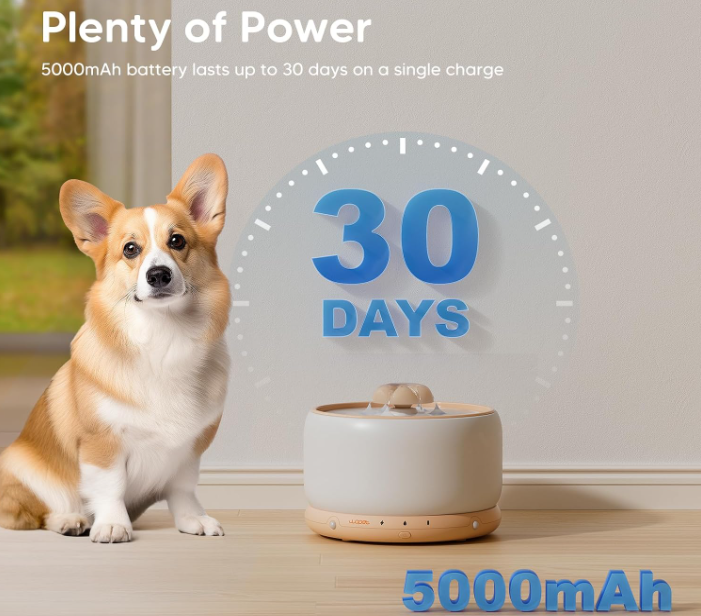
The WOPET W03 Ceramic Wireless Pet Water Fountain uses a rechargeable 5,000 mAh battery. Follow the W03 manual for long-term battery storage rather than a generic schedule.
Where Is the Best Place to Store It?
Choose an indoor location that is:
• cool and dry;
• away from direct sunlight;
• off floors that may flood;
• protected from dust, insects, and rodents;
• out of reach of pets and children;
• free from cleaning chemicals and strong odors;
• stable enough to protect ceramic or plastic parts from falls.
A ventilated closet shelf is usually better than a humid cabinet under a sink. Store the clean fountain away from detergent, paint, fuel, and pest-control products.
How Do You Restart a Fountain After Storage?
Inspect it before adding water
Check the cord, adapter, charging port, pump, seals, bowl, filter housing, and tubing. Look for dust, insects, odor, corrosion, cracks, or material deterioration.
Clean it again
Even a carefully stored fountain can collect dust. Wash and rinse the approved water-contact parts before use. If you find mold or unexplained growth, clean more thoroughly and replace porous or damaged components.
Install a fresh filter
Use the filter made for the exact model and prepare it as directed. WOPET's W03 replacement filters require rinsing before installation.
Test before offering it to your cat
Fill with fresh drinking water to the marked level and run the fountain on a stable, water-resistant surface. Check for leaks, abnormal noise, weak flow, odor, or cloudiness. Keep a separate bowl available during the test.
What Should You Do if It Smells Musty After Storage?
Do not simply refill it. Disassemble and clean the water path again, replace the filter, and inspect padding, seals, and pump areas for trapped moisture. A bad smell from a cat fountain may come from a hidden part even when the bowl looks clean.
Replace components that remain odorous, cracked, or visibly contaminated after correct cleaning. Contact WOPET support if the smell appears to come from a sealed pump or battery component.
Frequently Asked Questions
Can I store a cat fountain with water in it?
No. Empty, clean, and dry it first. Water left in an inactive fountain can become stale and leave buildup in hidden areas.
Can I save a used filter for later?
Disposable filters should not be stored wet for reuse. Discard the used filter and install a fresh compatible one when the fountain returns to service.
Should I reassemble the fountain before storing it?
You may loosely group clean, dry parts, but leaving removable chambers slightly open helps avoid trapped moisture. Protect fragile components and keep the assembly diagram nearby.
Can I store the fountain in a garage?
Only if the manual permits the expected temperature and humidity range. Many garages experience heat, freezing, dampness, dust, or pests, so an indoor closet is usually safer.
How long can a cat fountain remain in storage?
There is no single limit. Material condition and battery care matter more than the calendar. Inspect it periodically and follow model-specific battery instructions.
Editorial Method and Sources
This article applies moisture-control and pet-supply hygiene principles while deferring battery, pump, and component care to the exact model instructions. It does not assume that every powered fountain has the same storage requirements.
• EPA: A Brief Guide to Mold, Moisture, and Your Home
• CDC: Cleaning and Disinfecting Pet Supplies
Label:
Popular Post
Top 10 Most Expensive Cat Breeds in The World
May 07, 2025
The Ultimate Guide to Tabby Cats: Patterns, Personalities, and More
Mar 27, 2025
Can Cats Have Ice Cream? Dangers, Safe Flavors & Healthy Cat Treats
Sep 02, 2025

My Cat Only Eats A Little at A Time - What to Do?
Feb 27, 2023

Top 8 Reasons Why Does My Cat Sleep Between My Legs?
Mar 03, 2025
Basin Pet Water Fountain-W600
Model: W600
$43.99
$69.99
[Basic] Ceramic Pet Water Fountain with Power Cable
Model: W03L
$59.99
$99.00
WOPET 8L Pet Water Fountain For Multiple Cats or Large Dogs A08
Model: A08
$49.99
$59.99
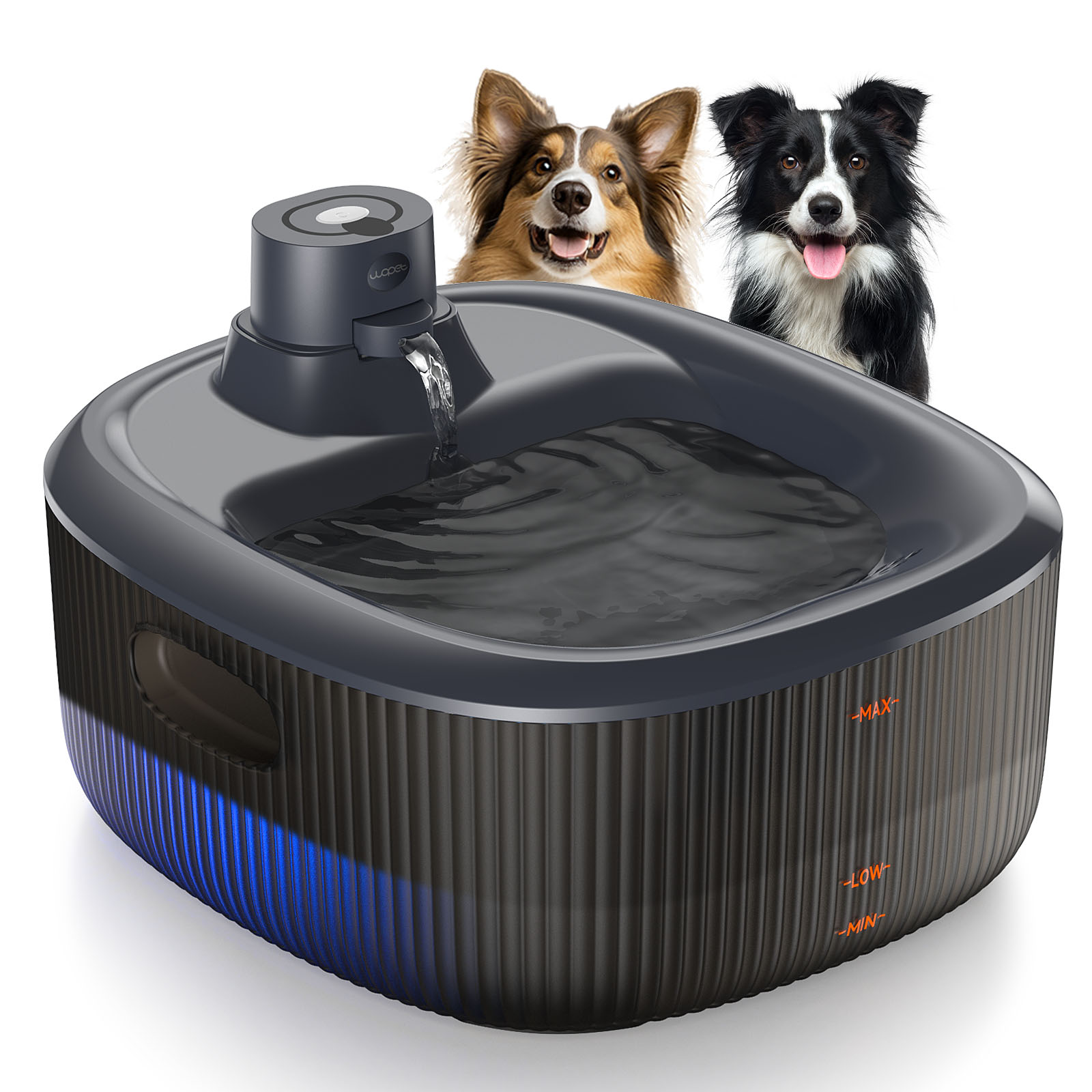
[Upgrade] Basin Wireless Pet Water Fountain
Model: W600 Pro
$69.99
$89.99
Heritage View Pet Feeder Dual Bowls For Two Cats
Model: HV10DP
$119.99
$149.99
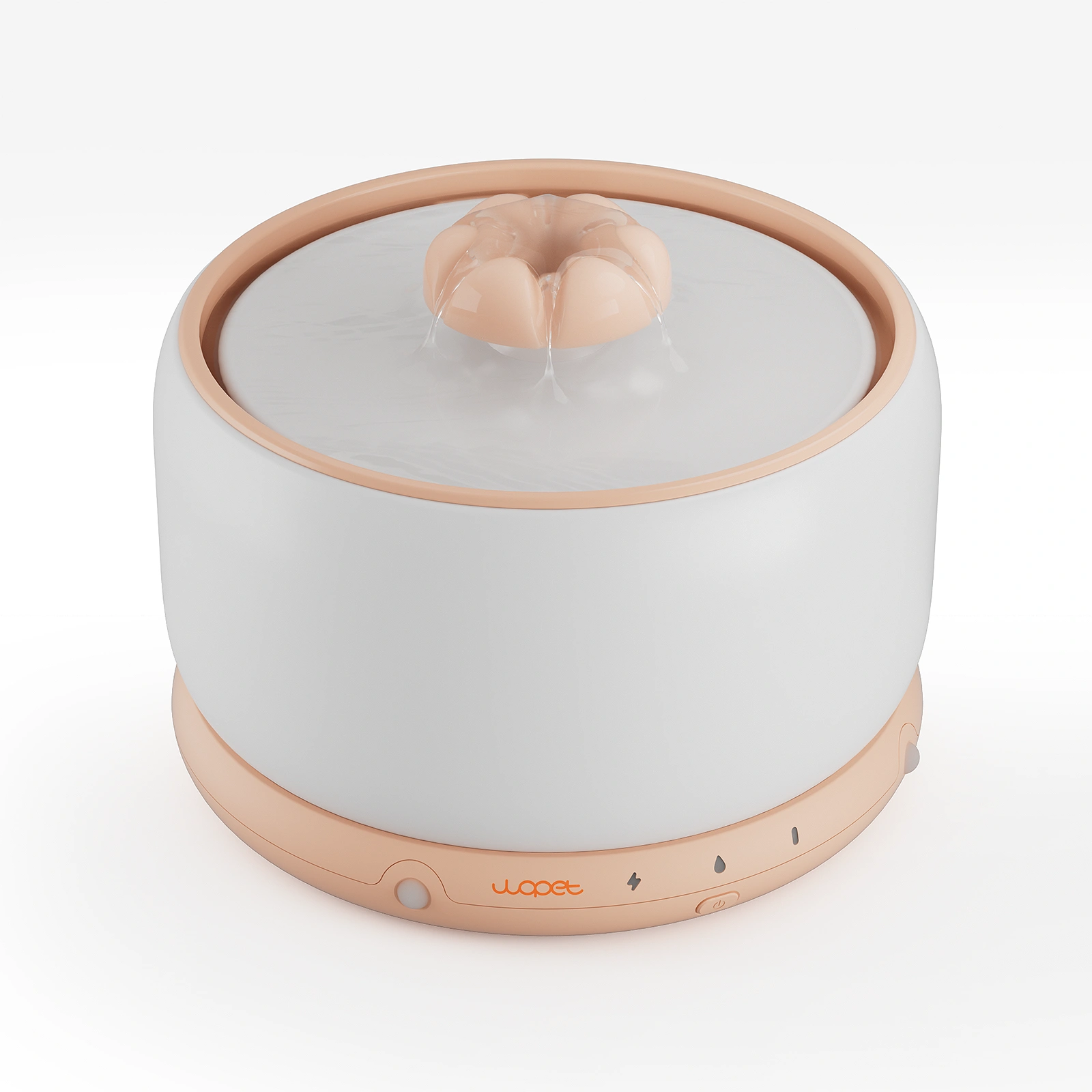
[New] Ceramic Wireless Pet Water Fountain W03
Model: W03
$89.99
$129.00

DOWNLOAD APP

WOpet life




Copyright © 2026 WOPET. All Rights Reserved.