Oct 10, 2026
Author:Jackson Watson
A well-made stainless steel cat fountain is often the better long-term fit when durability and a hard, smooth drinking surface are priorities. A well-made plastic fountain can be the more practical choice when low weight, lower cost, or drop resistance matters more. Compare the parts that actually touch water—not just the material named on the box.
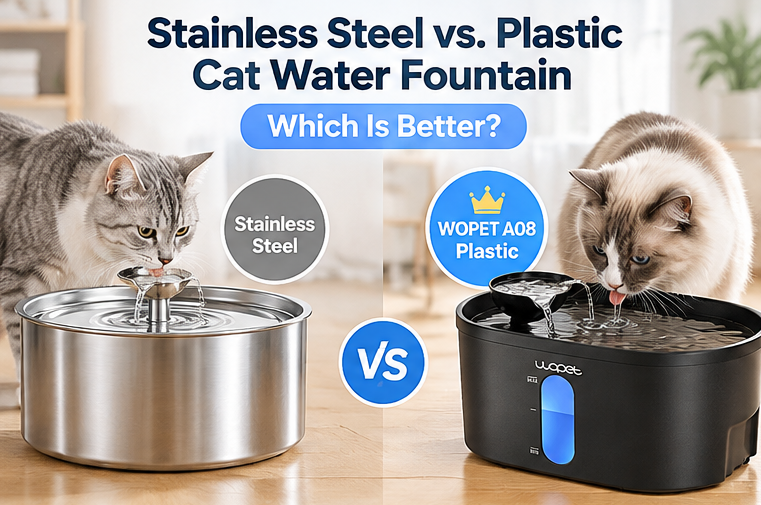
Quick Comparison
|
Factor |
Stainless steel |
Plastic |
|
Surface |
Hard, smooth, and easy to inspect when well finished |
Smooth when new but may scratch with wear |
|
Durability |
Resists cracking and ordinary impacts |
Resists shattering but can warp or become scratched |
|
Weight |
Usually heavier |
Usually lighter |
|
Cleaning |
Often straightforward; finish and seams matter |
Easy to lift; complex molded channels may take longer |
|
Noise |
Metal trays can ring if loose or hit by the stream |
Light housings can transmit vibration |
|
Price |
Often higher |
Often lower |
|
Replacement trigger |
Pitting, rust-like corrosion, sharp damage, or failed seams |
Deep scratches, clouding, warping, or rough surfaces |
The comparison assumes both fountains are intended for pet drinking water and used according to their instructions. “Stainless steel” does not guarantee excellent construction, and “plastic” does not automatically mean unsafe.
Why Stainless Steel Often Wins for Long-Term Use
It provides a durable drinking surface
Stainless steel is valued in food-contact equipment because an appropriate alloy and finish can be smooth and corrosion-resistant. It does not chip like ceramic and is less likely than plastic to develop deep scratches during normal gentle cleaning.
That advantage depends on workmanship. Rough welds, rolled seams, exposed adhesive, sharp edges, or a poorly finished underside can make any fountain harder to maintain. Examine the whole tray rather than relying on a front-facing product photo.
It is easy to inspect
Residue, water spots, and mineral scale are visible on reflective steel. That may make the fountain look marked sooner, but visibility is useful: it shows where rinsing or descaling is needed. Water spots are not the same as corrosion. Follow the manufacturer’s care instructions before using a descaling product.
It tolerates routine handling
Steel will not shatter if knocked in the sink. A quality tray can remain usable for years if it stays smooth and corrosion-free. This can offset a higher purchase price, although the pump, filter holder, seals, and reservoir may need replacement sooner than the metal tray.
Where Plastic Has a Practical Advantage
It is light and easier to move
A plastic fountain can be easier to carry, refill, and wash. This is important for large-capacity models and for anyone who finds a full metal basin awkward to lift.
It can offer more design choices
Molded plastic supports complex shapes, transparent level windows, snap-fit assemblies, and a wide range of colors and capacities. A simple plastic design with broad curves may be easier to clean than a steel-topped fountain whose hidden reservoir contains many narrow channels.
It usually costs less upfront
Plastic is often the budget option. Compare ownership cost, however, because filters and pumps can cost the same regardless of the fountain body. A cheap unit is not economical if proprietary parts are unavailable.
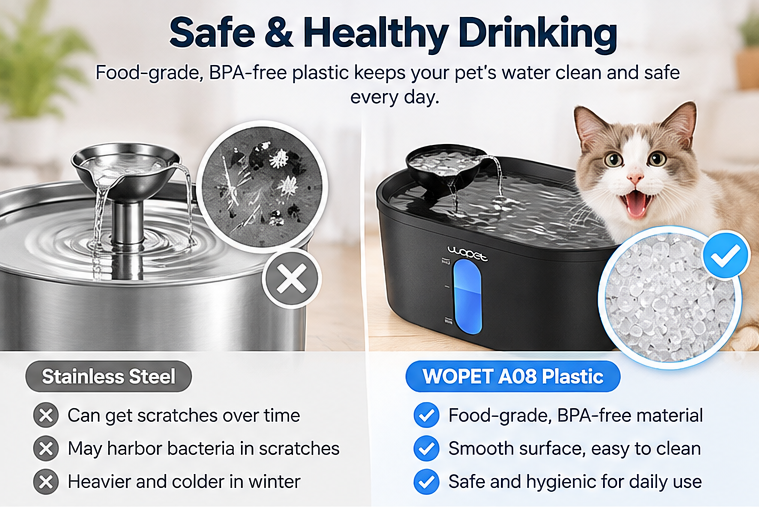
Surface Wear Matters More Than the Label
The water-contact surface should remain smooth and cleanable. Replace or retire a component when damage creates areas you cannot clean reliably.
For stainless steel, watch for:
• persistent orange or dark spots that return after correct cleaning;
• pitting, flaking, or rough corrosion;
• sharp dents, failed seams, or loose coatings;
• damage around openings where residue collects.
For plastic, watch for:
• deep scratches or a roughened drinking area;
• warping that prevents correct assembly;
• clouding or staining that remains after approved cleaning;
• cracks near clips, pump mounts, or cable openings.
VCA reports a possible association between plastic food or water dishes and feline chin acne, noting that irregular or scratched plastic surfaces may be more prone to bacterial contamination. This does not prove that all plastic fountains cause acne. If a cat has chin lesions, changing the dish may be one reasonable hygiene step, but veterinary uation is appropriate for swelling, pain, crusting, or persistent blackheads.
Does Stainless Steel Mean the Entire Fountain Is Steel?
Not usually. Many “stainless steel fountains” use a steel top or drinking tray over a plastic reservoir. The pump, cable jacket, filter housing, silicone seals, and tubing are also made from other materials.
Read the specifications carefully. Useful descriptions distinguish between:
• a stainless steel drinking tray;
• a stainless steel reservoir;
• a steel exterior shell;
• plastic components in the water path.
Mixed-material construction is not inherently a problem. It simply means cleaning and replacement decisions should be made part by part.
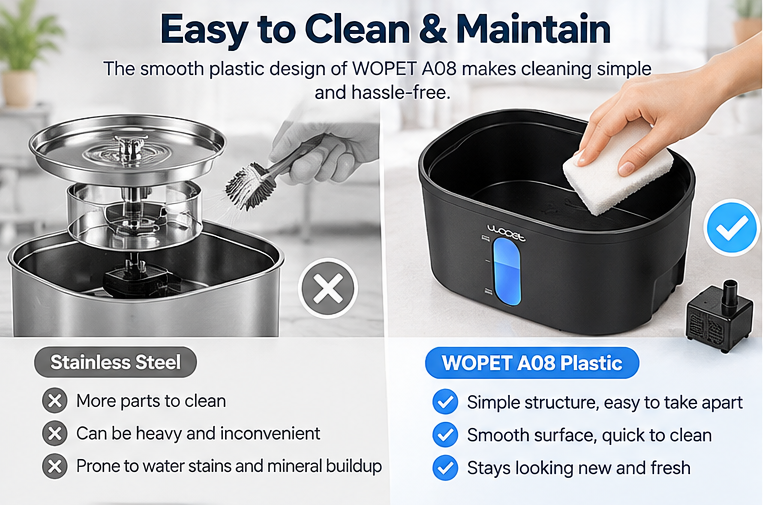
Cleaning: Which Is Easier?
There is no universal winner. Stainless steel surfaces are generally easy to wipe, but fingerprints and mineral spots show readily. Plastic is light to handle, but molded corners and scratches can hold residue.
Before buying, look for:
1. a pump that can be removed and opened as directed;
2. a tray and reservoir that separate without tools;
3. rounded internal corners;
4. no decorative gaps in the wet zone;
5. clear dishwasher or hand-washing instructions;
6. replacement filters and pumps that match the exact model.
Never assume that a dishwasher-safe tray means the electrical base or pump can go in the dishwasher. Unplug the fountain before disassembly and keep connectors dry as instructed.
Which One Should You Buy?
Choose stainless steel if you want:
• a durable, hard drinking surface;
• less concern about plastic scratching;
• a substantial fountain that is harder to push;
• a tray that is easy to inspect for residue;
• long-term use and you accept a higher initial price.
Choose plastic if you want:
• a light fountain that is easy to carry;
• lower upfront cost;
• resistance to shattering;
• more choices in shape, capacity, or water-level visibility;
• a model whose plastic parts can be replaced when worn.
If neither material clearly wins for your household, compare the actual models by cleaning access, pump sound, capacity, and replacement-part support. WOPET’s pet water fountain collection lets shoppers compare available formats without assuming that one material suits every cat.
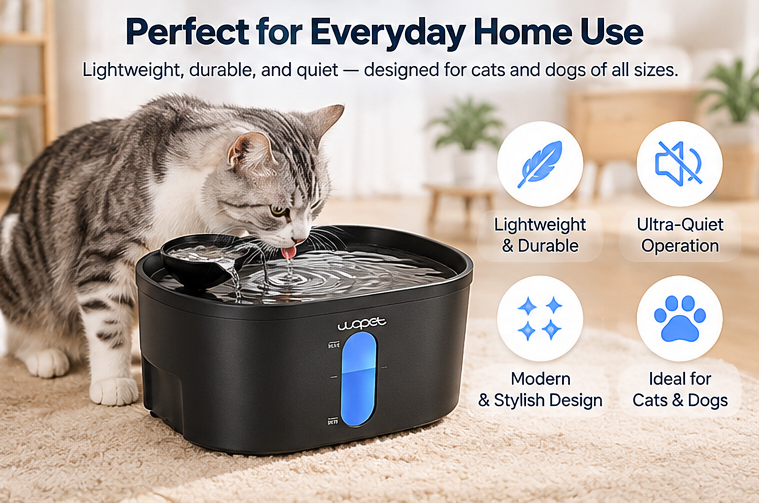
Buy WOPET A08 Dog Water Fountain on Amazon
Frequently Asked Questions
Is stainless steel safer than plastic for cats?
Both can be suitable when intended for repeated water contact and kept in good condition. Stainless steel has a practical advantage because its hard surface usually resists wear. Plastic requires closer monitoring for scratches and warping.
Can stainless steel rust?
Stainless steel is corrosion-resistant, not corrosion-proof. Alloy quality, surface contamination, harsh chemicals, salt exposure, and prolonged neglect can contribute to staining or corrosion. Stop using a part that develops persistent pitting, flaking, or rough rust-like damage.
Is BPA-free plastic enough?
It is useful product information, but it does not establish overall fountain quality. You still need to uate intended use, surface finish, cleaning access, heat limits, and replacement instructions.
Which material is quieter?
Either can be quiet. Pump condition, water level, assembly, flow height, and contact with nearby surfaces often matter more. A loose steel tray may rattle, while a light plastic housing may amplify vibration.
Bottom Line
Stainless steel is the stronger default for durability and surface longevity. Plastic remains a legitimate choice when it is well made, clearly intended for water contact, easy to clean, and replaced when worn. Judge the entire fountain and its maintenance system, not a single material word.
Editorial Method and Sources
This article compares common material and maintenance characteristics rather than claiming that every steel or plastic model performs alike. Regulatory and veterinary sources are used only for the food-contact framework and the qualified discussion of feline chin acne.
• FDA: Food-Contact Substances for Consumers
Label:
Popular Post

Top 10 Most Expensive Cat Breeds in The World
May 07, 2025

The Ultimate Guide to Tabby Cats: Patterns, Personalities, and More
Mar 27, 2025

Can Cats Have Ice Cream? Dangers, Safe Flavors & Healthy Cat Treats
Sep 02, 2025

My Cat Only Eats A Little at A Time - What to Do?
Feb 27, 2023

Top 8 Reasons Why Does My Cat Sleep Between My Legs?
Mar 03, 2025
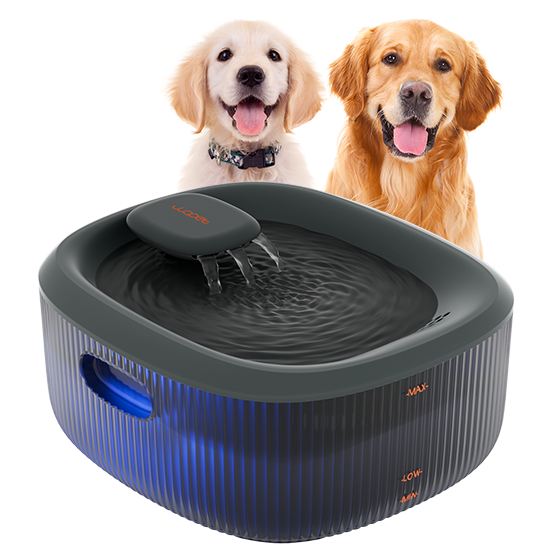
Basin Pet Water Fountain-W600
Model: W600
$43.99
$69.99
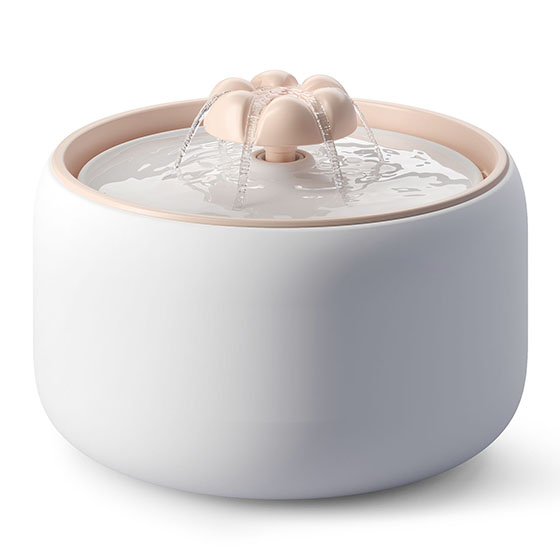
[Basic] Ceramic Pet Water Fountain with Power Cable
Model: W03L
$59.99
$99.00
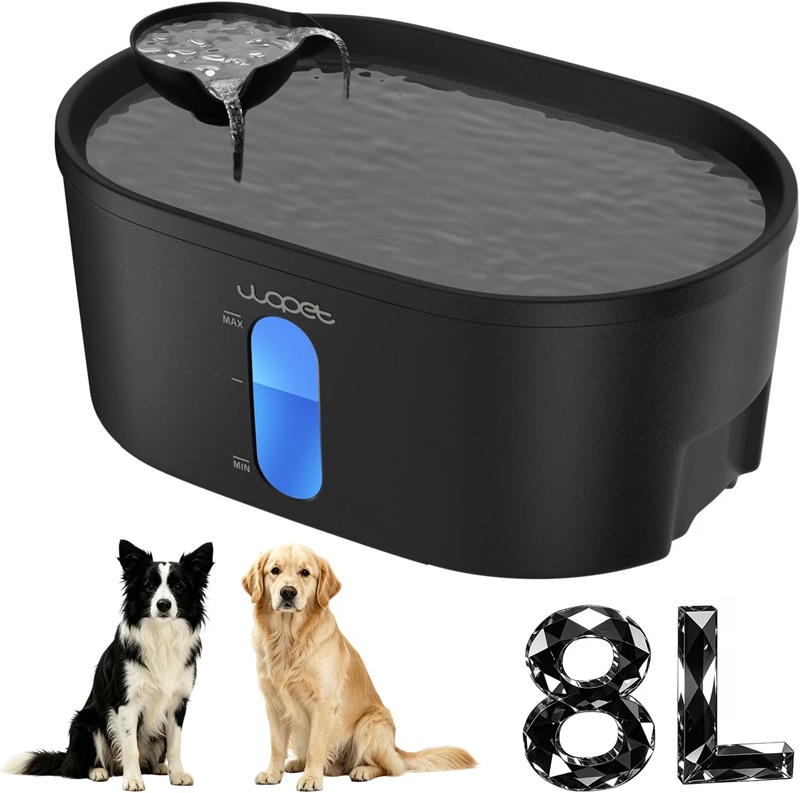
WOPET 8L Pet Water Fountain For Multiple Cats or Large Dogs A08
Model: A08
$49.99
$59.99
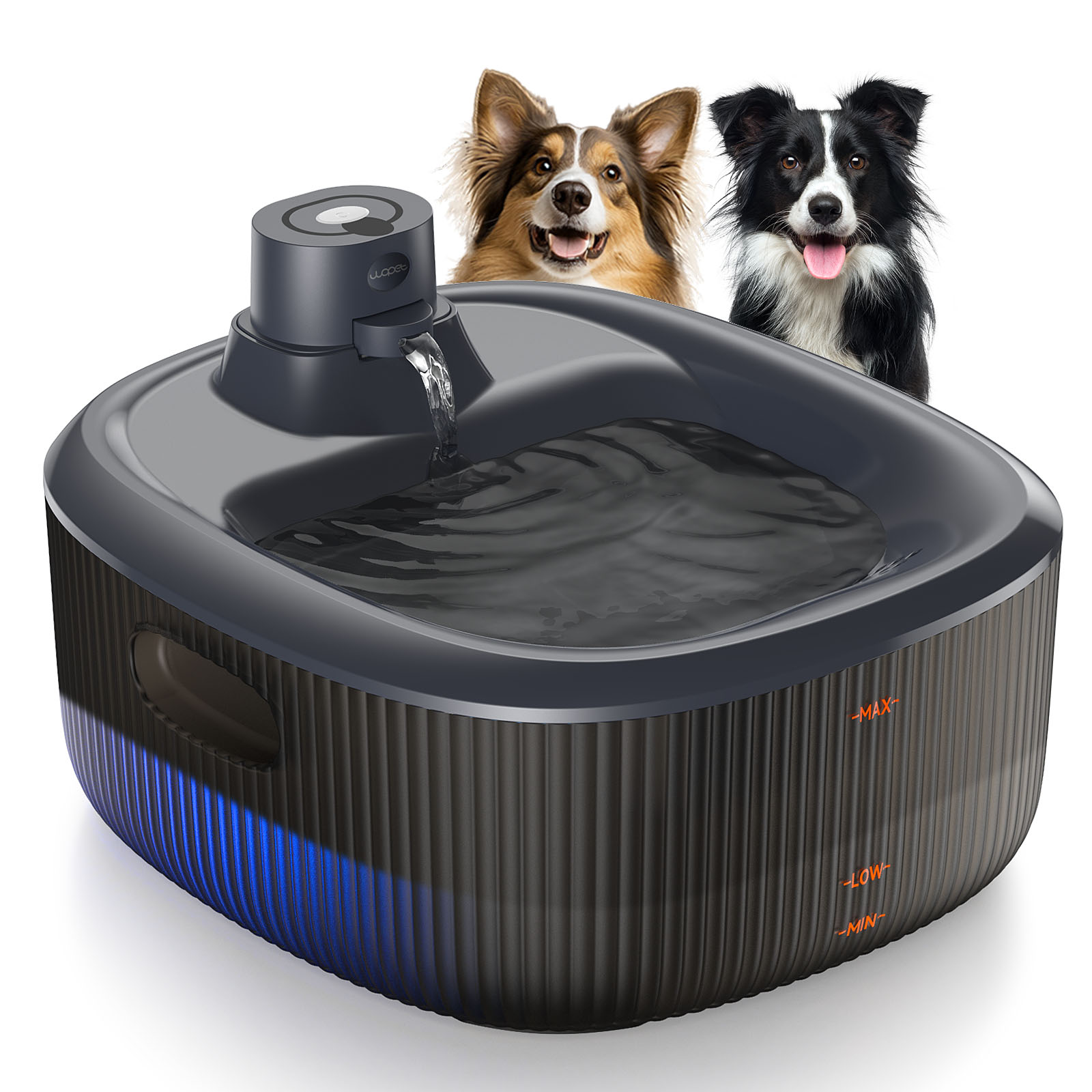
[Upgrade] Basin Wireless Pet Water Fountain
Model: W600 Pro
$69.99
$89.99
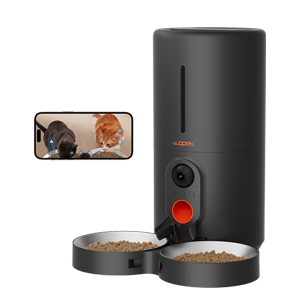
Heritage View Pet Feeder Dual Bowls For Two Cats
Model: HV10DP
$119.99
$149.99
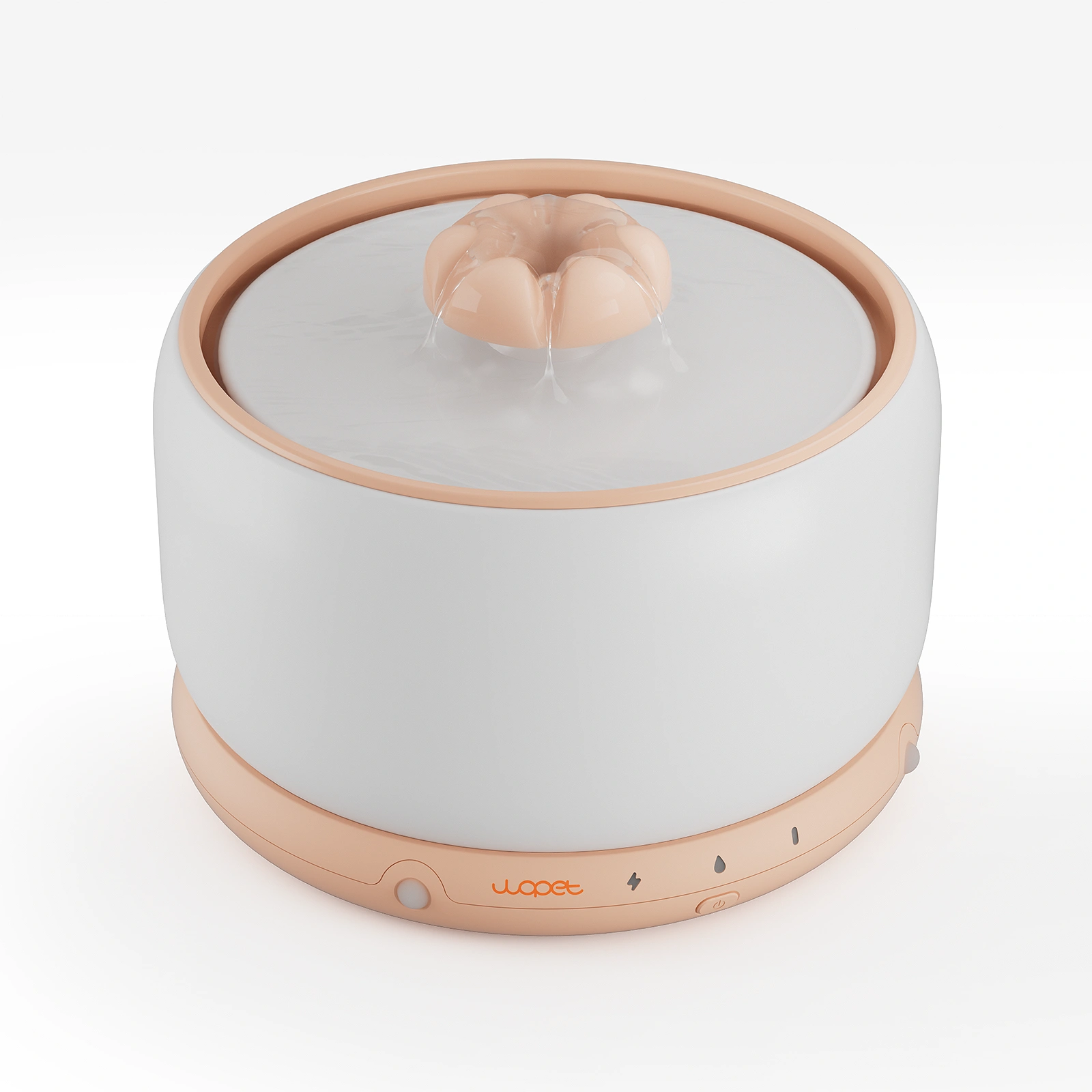
[New] Ceramic Wireless Pet Water Fountain W03
Model: W03
$89.99
$129.00

DOWNLOAD APP

WOpet life




Copyright © 2026 WOPET. All Rights Reserved.