Sep 01, 2026
Author:Amanda Lyu
Quick Answer
Remove the fountain and give each cat fresh water in a clean bowl. Ask your veterinarian whether the illness requires separation or a specific disinfectant. Clean visible debris, discard the used filter, and disinfect only with a method that is safe for the fountain's materials. Follow the required contact time, rinse as directed, and let every part dry before reassembly.
Cleaning, Sanitizing, and Disinfecting Are Not the Same
The words are often used interchangeably, but they describe different jobs:
• Cleaning removes saliva, hair, food, slime, and other debris with soap or detergent and physical scrubbing.
• Sanitizing reduces the number of germs on a surface.
• Disinfecting uses a labeled product or validated process to kill specified germs.
Cleaning comes first because dirt and residue can make a disinfectant less effective. Spraying a dirty fountain is not a substitute for taking it apart and washing it.
The right disinfectant depends on the suspected or confirmed illness. A product that works against one germ may not work against another, so follow your vet's advice for that illness.
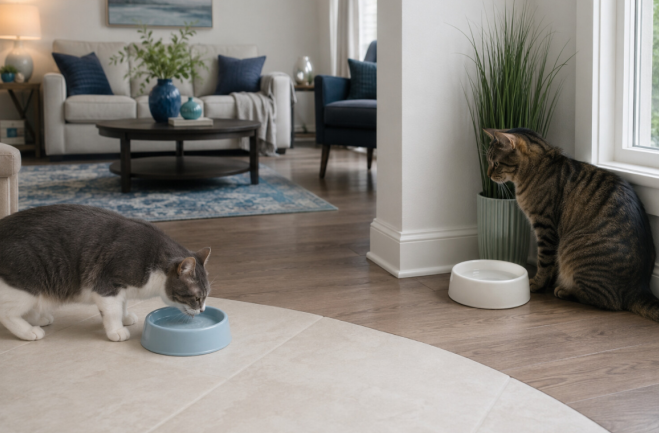
Should Sick Cats Share a Fountain?
Circulating water and a carbon filter do not make a shared fountain germ-free. Until your vet says sharing is appropriate, give each cat a separate, easy-to-clean water bowl.
Whether separation is needed depends on the disease. For example, Cornell notes that shared water bowls are not considered an efficient route for FIV transmission, while its feline calicivirus guidance recommends quarantining affected cats and cleaning food and water bowls. The diagnosis—not a generic internet rule—should guide your setup.
Use simple labels or different bowl colors so household members do not swap them accidentally. Wash your hands after handling the sick cat's dishes, medication, litter, or bedding.
How to Clean and Disinfect the Fountain Safely
1. Confirm the illness-specific plan
Ask your vet:
• whether the fountain should be removed and the cats separated;
• which disinfectant, dilution, and contact time to use;
• how often to repeat the process and when precautions can end.
For pets being treated for Giardia, the CDC recommends cleaning and disinfecting pet items daily when possible and continuing until a few days after the last medication dose. Other illnesses may require a different schedule.
2. Protect people and pets
Keep cats and children away from the cleaning area. Wear gloves when advised, work in a well-ventilated space, and wash your hands afterward. Use a laundry sink or bathtub when practical, then disinfect that area. Keep the process away from food-preparation surfaces.
3. Disconnect and disassemble
Turn off and disconnect the fountain according to the manual. Remove only the bowl, lid, filter housing, pump parts, seals, and other pieces identified as washable. Keep the power adapter, cord, charging port, battery base, and sealed electrical components dry.
4. Discard disposable and porous parts
Throw away the used water and disposable filter. Porous filter media can be difficult to disinfect and may be damaged by chemicals or heat. Replace it unless the instructions provide a validated cleaning method, and bag contaminated items if your vet recommends it.
5. Clean before disinfecting
Wash each compatible part with warm water and the approved detergent. Scrub seams, corners, the filter compartment, pump cover, impeller cavity, and channels, then rinse away the soap and debris.
For routine disassembly, see WOPET's guide on how to clean a cat water fountain and its instructions for cleaning a fountain pump. Follow the model manual for component care.
6. Apply the approved disinfection method
Use the disinfectant recommended by your vet at the label's dilution and contact time, and only on compatible fountain parts. A stronger mixture is not necessarily more effective and may damage the fountain or leave residue.
If bleach is recommended, keep it away from powered parts and remember that it can damage metal, seals, coatings, and pumps. Never mix it with vinegar, ammonia, alcohol, peroxide, or another cleaner.
7. Rinse and dry as required
Follow the disinfectant label. Rinse water-contact surfaces when directed, then air-dry them in a clean area. Before reuse, the fountain should have no chemical odor, visible residue, or slippery feel.
8. Reassemble with a new filter
Install a compatible new filter using the required pre-rinse. Refill with fresh drinking water, confirm normal operation, and discard the first test water if the manual instructs you to flush the system.
Buy WOPET W03 Ceramic Water Fountain on Amazon
Can You Use the Dishwasher?
A dishwasher's high-temperature or sanitizing cycle can disinfect items labeled dishwasher-safe, but it is not suitable for every fountain component.
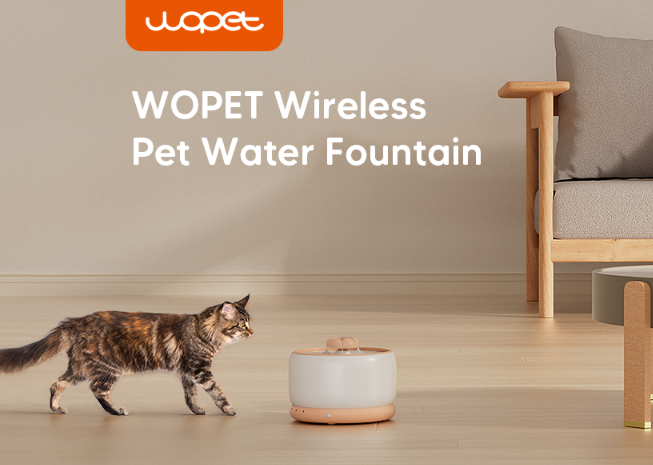
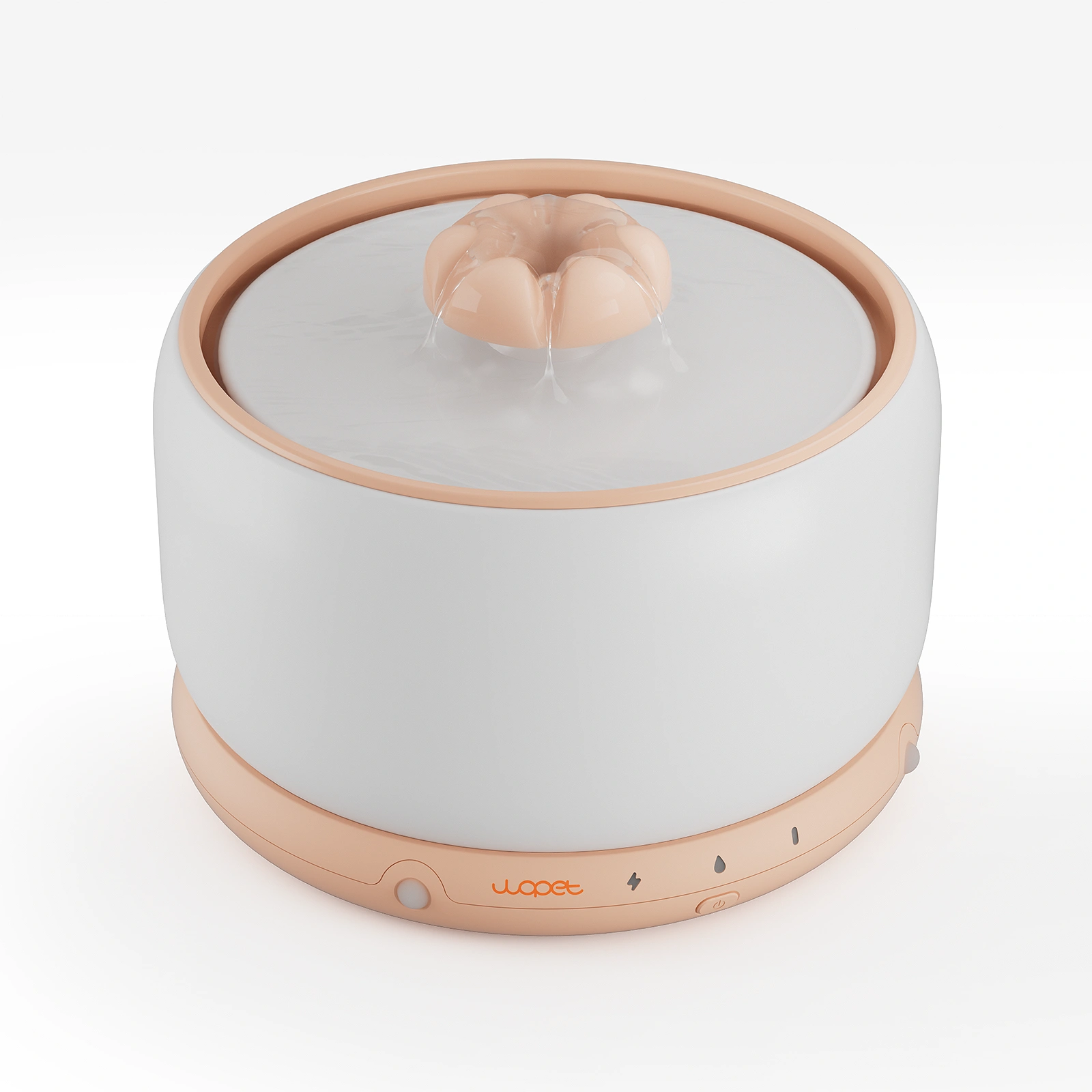
The removable ceramic bowl of the WOPET W03 Ceramic Wireless Pet Water Fountain is listed as dishwasher-safe. The filter, pump, seals, battery-related parts, and charging hardware require separate care.
If your vet recommends a chemical process for the illness, ask whether a dishwasher cycle alone is sufficient.
Which Cleaning Products Should You Avoid?
• Phenol-containing cleaners; the CDC warns that phenols are toxic to cats.
• Scented bleach, fragranced cleaners, or essential oils around drinking surfaces.
• Abrasive pads and unlabeled homemade mixtures.
• Bleach combined with any other cleaner.
Keep chemicals in their original containers and follow the label. If your cat may have licked concentrated cleaner or drunk from an incompletely rinsed fountain, contact your vet or an animal poison-control service promptly.
When Should You Replace a Part—or the Entire Fountain?
Replace a component when it is cracked, deeply scratched, swollen, permanently odorous, visibly deteriorated, or impossible to access for cleaning. A contaminated filter should be replaced, not disinfected experimentally.
Ask WOPET support whether replacement parts are available and which disinfectants the materials tolerate. If the diagnosed germ requires a process the fountain cannot safely withstand, your vet may recommend using simple dishwasher-safe bowls during recovery or replacing the unit.
When Can the Cat Use the Fountain Again?
Restart it only when:
• your vet says fountain use or sharing is appropriate;
• cleaning, disinfection, rinsing, and drying are complete;
• a new compatible filter is installed;
• the unit is undamaged and operating normally;
• fresh water is available in a backup bowl.
Continue your vet's cleaning schedule for the full recommended period, even if the cat appears better.
Frequently Asked Questions
Do I need to disinfect a fountain after every minor illness?
Not necessarily. The diagnosis, transmission route, household risk, and treatment plan matter. Ask your vet whether routine cleaning is enough or extra disinfection is needed.
Can I reuse the old filter after my cat recovers?
Replacing it is the safer practical choice when it was used during a contagious or gastrointestinal illness. Disposable porous filters are not designed for household disinfection with soap or bleach.
What bleach dilution should I use?
There is no universal recipe for every illness or material. Use the dilution provided by your vet and the disinfectant label only after confirming that the fountain part is compatible.
Can two cats share the fountain again after one has been sick?
Possibly, but the timing depends on the diagnosis and treatment. Let your vet decide when isolation and separate dishes can end.
Should I clean the mat and floor too?
Yes. Splashes and handling can contaminate the area around the fountain. Use a surface-appropriate product and keep pets away for the label's full contact and drying time.
Editorial Method and Sources
This article separates physical cleaning from disinfection and avoids presenting one chemical recipe as appropriate for every pathogen or fountain material. Disease-specific veterinary advice, the disinfectant label, and the manufacturer's component instructions all need to agree.
• CDC: Cleaning and Disinfecting Pet Supplies
• Cornell: Feline Immunodeficiency Virus
Label:
Popular Post
Top 10 Most Expensive Cat Breeds in The World
May 07, 2025
The Ultimate Guide to Tabby Cats: Patterns, Personalities, and More
Mar 27, 2025
Can Cats Have Ice Cream? Dangers, Safe Flavors & Healthy Cat Treats
Sep 02, 2025
My Cat Only Eats A Little at A Time - What to Do?
Feb 27, 2023
Top 8 Reasons Why Does My Cat Sleep Between My Legs?
Mar 03, 2025
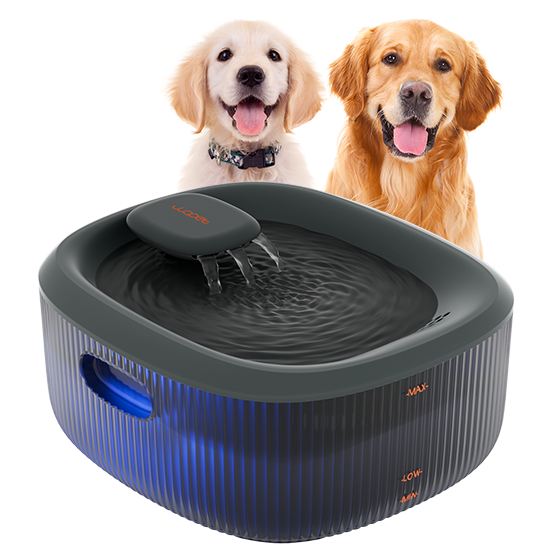
Basin Pet Water Fountain-W600
Model: W600
$43.99
$69.99
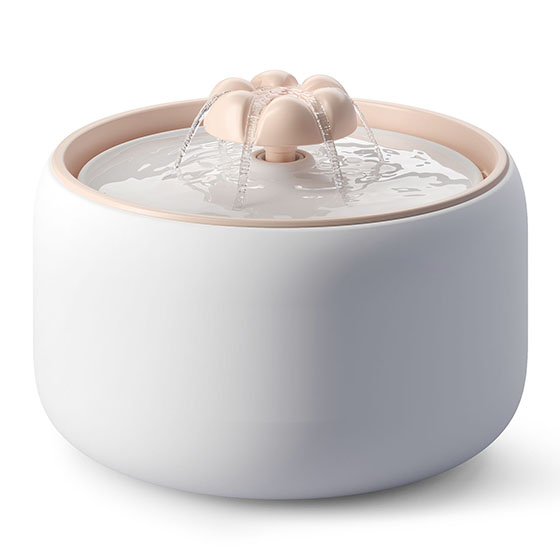
[Basic] Ceramic Pet Water Fountain with Power Cable
Model: W03L
$59.99
$99.00
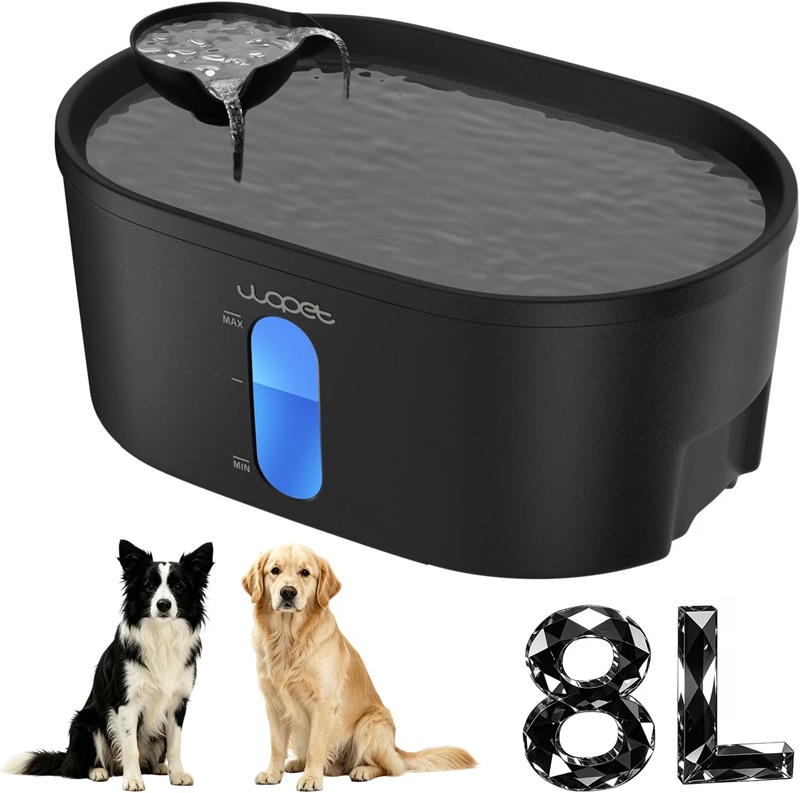
WOPET 8L Pet Water Fountain For Multiple Cats or Large Dogs A08
Model: A08
$49.99
$59.99
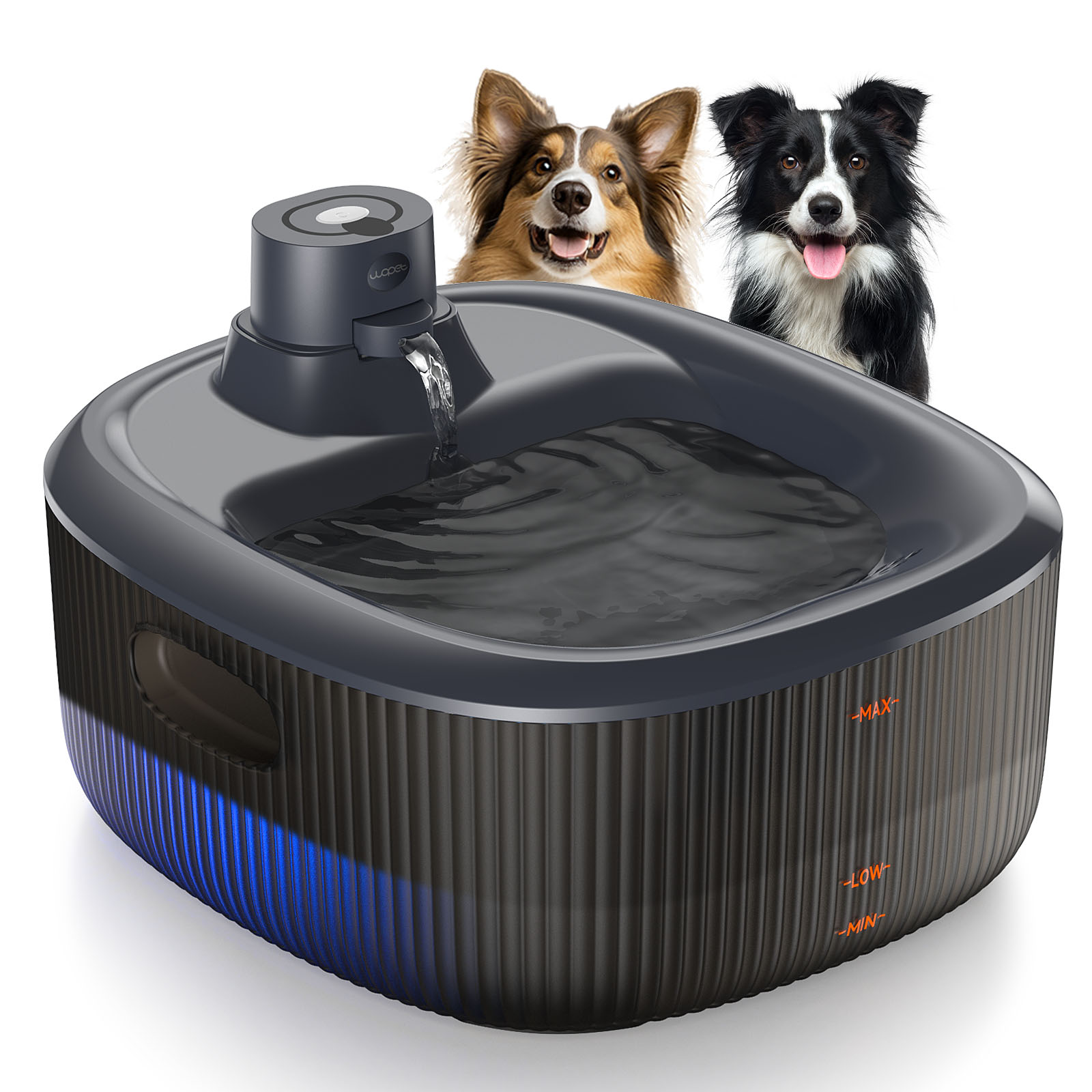
[Upgrade] Basin Wireless Pet Water Fountain
Model: W600 Pro
$69.99
$89.99
Heritage View Pet Feeder Dual Bowls For Two Cats
Model: HV10DP
$119.99
$149.99
[New] Ceramic Wireless Pet Water Fountain W03
Model: W03
$89.99
$129.00

DOWNLOAD APP

WOpet life




Copyright © 2026 WOPET. All Rights Reserved.