Nov 11, 2026
Author:Sam Wonder
The best pet water fountain for your home is one your pets can use comfortably, that fits a suitable location, and that you can clean and maintain consistently. Start with those requirements before comparing capacity, materials, or smart features. A large tank and a long specification list cannot make up for awkward drinking access or a care routine you cannot manage.
Before browsing, write down three things: where the fountain will go, which pets will use it, and who will clean it. Use those answers to set your must-haves, then compare models that meet them. This guide takes you through that selection process; it does not rank products based on hands-on testing.
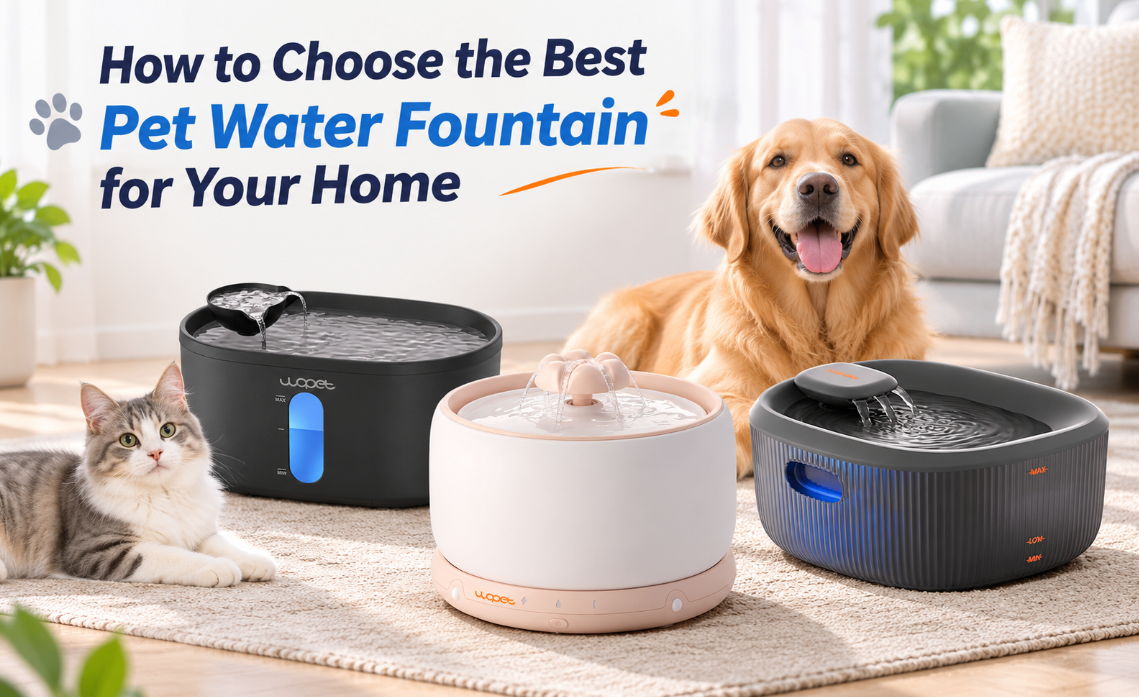
First Decide Whether a Fountain Solves a Problem
Think about what you want to improve. Perhaps your cat often seeks moving water, the current bowl tips easily, or you want another drinking option in a room where pets spend time. These are useful starting points because you can judge whether a purchase helps. “More advanced” is harder to uate and may lead you toward features you never use.
A fountain is not compulsory if your existing bowls work well. It introduces a pump, power requirements, and additional cleaning surfaces, even when it makes some parts of the routine more convenient. Keep the existing water setup while you uate the new one. Our fountain versus bowl guide can help if the decision to buy a fountain is still unresolved.
Avoid using an equipment purchase as the only response to a significant change in drinking. A pet that suddenly drinks much more or less may need veterinary advice. Choosing a different tray can address a usability preference, but it cannot tell you why a pet's behavior changed. Keep that distinction clear as you shop.
Match the Drinking Surface to Every Intended User
Look at the height, opening, rim, and available approach space rather than relying only on the reservoir volume. A small pet may need a different drinking position from a large dog. A tall spout may be irrelevant if the pet comfortably drinks from the basin, while a wide body may still have a narrow accessible opening. Use actual dimensions and compare them with a water container your pet already uses.
For a household with cats and dogs, ask whether each pet can approach without another blocking the route. A shared fountain can be one option, but it does not have to serve as the only source. Consider stability, where drips will land, and whether you can clean the shared drinking area easily. Do not assume that a “multi-pet” label means all of your animals will use it comfortably.
Cornell's hydration guidance notes individual differences in cats' fountain preferences. Measurements help narrow the choices, but they cannot guarantee acceptance. Read the seller's return conditions before purchase and introduce the fountain without removing familiar water sources.
Choose the Location Before the Power Source
Pick a place your pets can reach comfortably and where the fountain will not obstruct household traffic. Leave enough room to approach, drink, and move away. Also think about how you will lift the reservoir or disconnect the unit for cleaning. A location that looks tidy in a product photo may be inconvenient in daily use.
In multi-cat homes, access deserves particular attention. The Feline Veterinary Medical Association's environmental guidance supports multiple, separated resources. Applied to water, that means looking beyond a single shared station. Several containers clustered in one guarded corner may offer fewer practical choices than a fountain and a bowl in different rooms.
Once the location makes sense, consider the outlet and cable route. A rechargeable unit can be useful away from power, while a plug-in model can reduce charging tasks where a suitable connection is available. Compare the permitted modes for that power source. The battery-powered versus plug-in comparison explains why cordless placement and continuous flow should be checked separately.
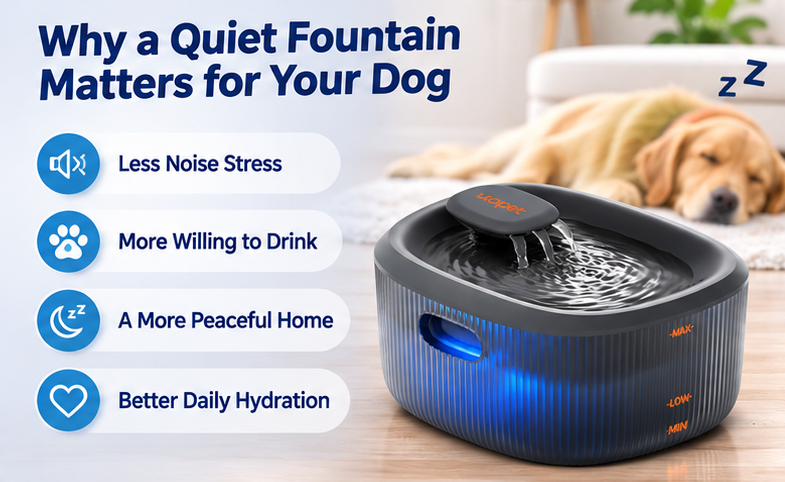
Choose Capacity You Can Use and Carry
A larger reservoir may reduce the need to top up between checks, but it does not replace cleaning or daily attention. Ask how much water is available between the maximum fill line and the minimum operating level. That usable range can be smaller than the headline tank volume. Do not turn the listed capacity into a promise that the fountain can be left unattended for a certain number of days.
Consider the weight and shape when filled. A large ceramic reservoir may feel stable on the floor but be awkward to carry to a small sink. Handles, detachable sections, and easy access for refilling can matter as much as an extra liter of capacity. Choose something you can move safely during the actual cleaning process.
For a hypothetical reservoir, a maximum fill volume of 3 liters (about 101 US fl oz) and minimum operating volume of 0.5 liter leave 2.5 liters (about 85 US fl oz) between those limits. This is not a product specification or a drinking requirement. If actual volume at the marks is undocumented, do not infer it from their spacing.
Inspect the Cleaning Process Before Buying
Find the manual or an assembly demonstration and walk through a complete cleaning session. Check how the tray lifts off, how the pump is accessed, and whether the channels can be reached with the recommended tools. A simple-looking exterior can hide several components. Conversely, several removable pieces can be convenient when they expose surfaces that would otherwise be difficult to clean.
The CDC's cleaning schedule calls for daily cleaning of water bowls. Follow the fountain manufacturer's directions for its internal components and electrical parts. A filter replacement schedule is not a schedule for leaving the drinking surface untouched. Make sure routine care is practical before prioritizing optional controls.
If dishwasher compatibility matters, identify the specific approved parts. A dishwasher-safe tray does not make a battery module or pump safe to put in the machine. Check what must be washed separately and how everything dries or reconnects. A clear care guide is a useful feature in its own right.
Evaluate Materials as Part of the Design
Material choice should include every surface that contacts water, not just the visible top. A stainless steel drinking tray can sit above a plastic reservoir, and a ceramic bowl can contain other internal materials. Ask which components use each material and how they should be maintained. A material label on the top doesn't tell you how the rest of the fountain is built.
Think about how you'll handle the fountain, not just how it looks. Check its weight, how securely you can grip it, and whether corners or narrow openings are awkward to clean. Choose intact surfaces that can be cleaned according to the instructions and inspect the unit when it arrives. Do not treat a premium finish as evidence that the fountain needs less care or will suit every pet.

Decide Which Features You Will Actually Use
Start with visible water levels, manageable controls, suitable flow, and available parts. Then decide whether a sensor, app, , or larger tank solves a specific problem. An app reminder may be convenient, but it cannot clean the reservoir. A low-water shutoff may protect the pump as designed, but it does not supply another drink when the tank needs attention.
If a fountain tracks drinking, check whether it counts visits, estimates water consumed, or measures intake for each pet. In a multi-pet home, ask how it identifies each animal and accounts for splashing. An app chart can't assess hydration, and a drop in the reservoir level doesn't show how much each pet drank.
Noise is another feature to assess in context. Compare pump sound, water movement, and startup in the mode you plan to use. A quiet bedroom and a busy family room may lead to different choices. Our quiet versus standard fountain guide explains how to uate sound without relying only on a quiet label.
Build a Complete Purchase Budget
Start with the selected bundle, not just the advertised starting price. Check whether it includes the required adapter, cable, filter, and fittings. Then find the compatible consumables and any commonly available service parts. If a required item cannot be identified, resolve that question before checkout.
For recurring supplies, use the pack price, pack size, and model-specific replacement instructions. Account for starter filters already included and round up to whole packs when planning cash spending. Separate predictable supplies from a possible repair allowance. That gives you a useful budget without assuming the pump will need replacing.
The WOPET accessories collection can help you check compatible supplies while you build a shortlist. Verify the exact model on each accessory listing rather than assuming similar-looking filters fit. An appealing purchase price is less useful if you cannot find the correct supplies later.
Use This Checklist to Narrow Your Shortlist
|
Decision |
What a suitable fountain should offer |
What needs clarification |
|
Pet access |
Usable height, opening, and approach space |
Unclear dimensions or awkward drinking position |
|
Location |
Stable placement and comfortable access |
Cable across a walkway or a crowded corner |
|
Capacity |
Enough usable volume for a manageable refill routine |
Only a headline volume, without operating limits |
|
Cleaning |
Reachable surfaces and documented disassembly |
Hidden channels or unclear electrical precautions |
|
Power |
Supported modes on the intended power source |
Unspecified battery restrictions or adapter requirements |
|
Supplies |
Identifiable compatible filters and service parts |
Generic claims without model numbers |
|
Support |
Clear setup help, return terms, and warranty scope |
Unclear opened-item rules or claims procedures |
Mark each shortlisted model “meets the requirement,” “does not meet it,” or “unknown” for the essentials. Resolve unknowns before checkout. If only one model fits the location, pet access, and cleaning routine, extra features on the other model should not outweigh that mismatch. Compare price and optional functions after both pass the essentials.
What the Choice Looks Like in Different Homes
In a small apartment, footprint and the sound heard from the sleeping area may matter more than maximum capacity. A modest fountain in a suitable spot, plus a separate bowl, may fit better than a large unit occupying a walkway. Check the path to the sink as well as the space on the floor. These practical details are easy to overlook when comparing product photos.
In a home with pets on different floors, convenient access on each level may matter more than buying one large fountain. Keep suitable water sources where the pets spend time. A rechargeable option might help in a room without an outlet, but only if charging fits the routine. Decide where water is needed before choosing the fountain.
For someone with limited time or difficulty lifting a full reservoir, prioritize accessible components and manageable handling. These are illustrative household scenarios, not test results or universal recommendations.
Check the Fountain After Delivery
Compare the contents with the packing list, inspect for damage, and follow the setup instructions before offering it to your pets. Observe the first run for normal flow and leaks. Keep the usual bowls available and let each pet approach voluntarily. Confirm that the real cleaning and refill process matches what you expected from the manual.
When browsing the WOPET pet water fountain collection, keep the exact model and bundle beside your checklist. If a requirement is unclear, ask a specific question: “Can I remove the pump for cleaning?” or “Does this mode work on battery power?” Save the answer and check it against the delivered setup while support or return options remain available.

Buy WOPET W03 CERAMIC WIRELESS CAT FOUNTAIN ON AMAZON
Frequently Asked Questions
What size pet fountain should I buy?
Choose capacity alongside usable water volume, pet access, and how comfortably you can lift and clean the reservoir. There is no single capacity that fits every household with the same number of pets. Keep checking and cleaning the fountain regardless of tank size.
Is stainless steel always the best choice?
Stainless steel is one material option, but the complete design matters. Check all water-contact materials, cleaning access, weight, and drinking shape. A material label alone does not establish that a fountain is the best fit for your home.
Can cats and dogs use the same fountain?
They may share if the design suits both and each can approach comfortably. Keep alternative water sources available and watch actual use. A bigger reservoir won't help if one pet blocks another from reaching it.
Do I need an app-controlled fountain?
An app is optional unless a specific function is important to your routine. Check what works without a connection and what any monitoring feature actually measures. Straightforward controls and manageable cleaning may provide more everyday value.
What should I check before placing an order?
Confirm the exact model, included accessories, supported power modes, compatible supplies, and return conditions. Resolve missing information about your must-have requirements. Product photos and general collection descriptions should not replace the selected model's instructions.
Choose for an Ordinary Day at Home
The right fountain fits the way your pets approach water and the way you care for their supplies. Prioritize comfortable access, a workable location, and cleaning you can manage. Once those basics are covered, compare the features that make an ordinary day easier and choose the model with a clear, practical advantage for your household.
Summary
Build a fountain shortlist around your pets and home rather than a long feature list. Check drinking access, placement, capacity, cleaning, power, replacement parts, and the complete purchase offer.
Label:
Popular Post

The Ultimate Guide to Tabby Cats: Patterns, Personalities, and More
Mar 27, 2025

Top 8 Reasons Why Does My Cat Sleep Between My Legs?
Mar 03, 2025

What to Do If My Dog's Poop Is Black But Not Tarry
Feb 04, 2023

Superfecundation Cats: When Kittens in One Litter Have Different Fathers
Jul 11, 2025

Can Cats Have Orange Eyes? Genetics, Breeds, and Care Guide
May 20, 2025
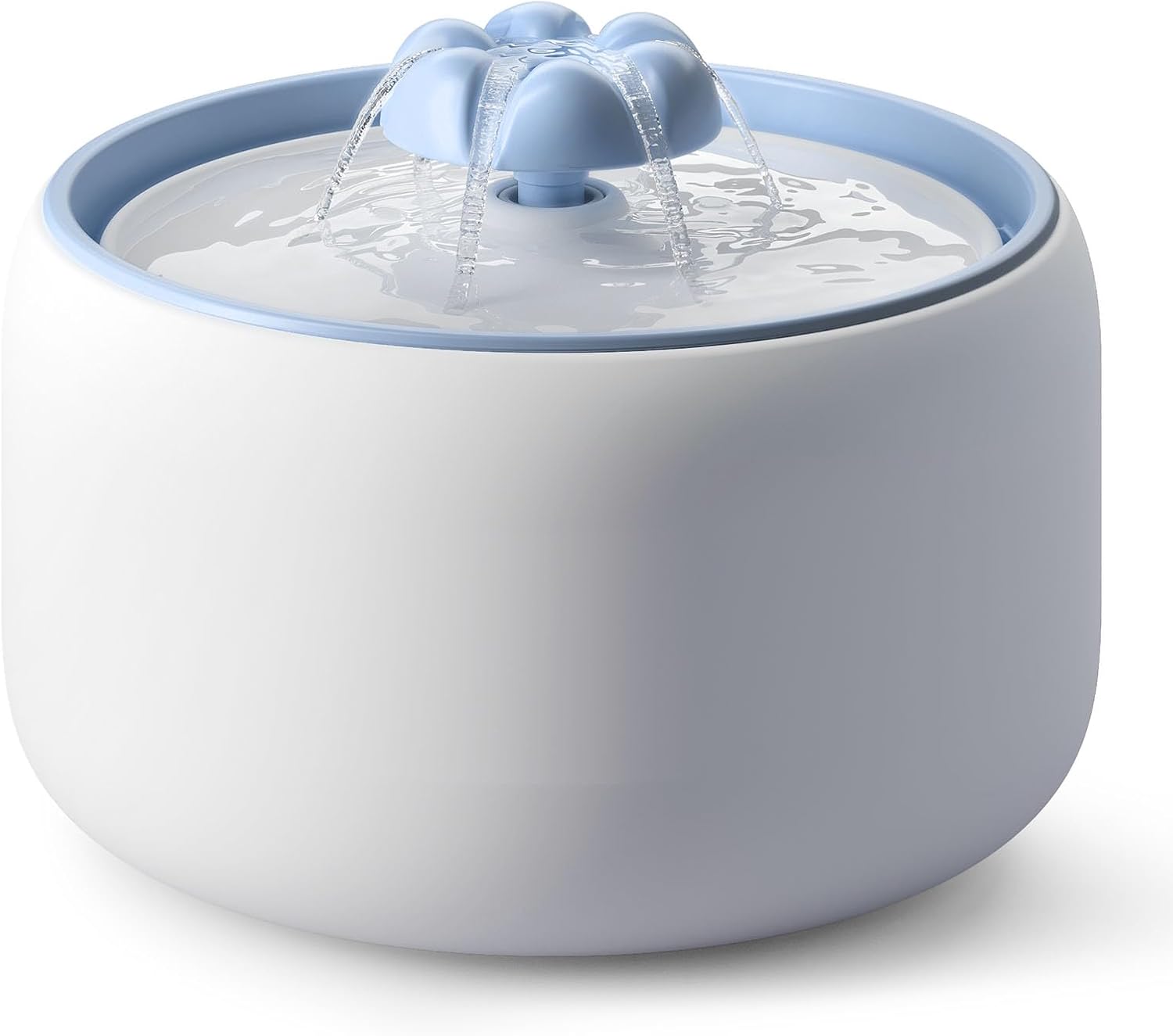
[Blue] W03L 3L Premium Ceramic Cat Water Fountain
Model: W03 LITE
$59.99
$69.99
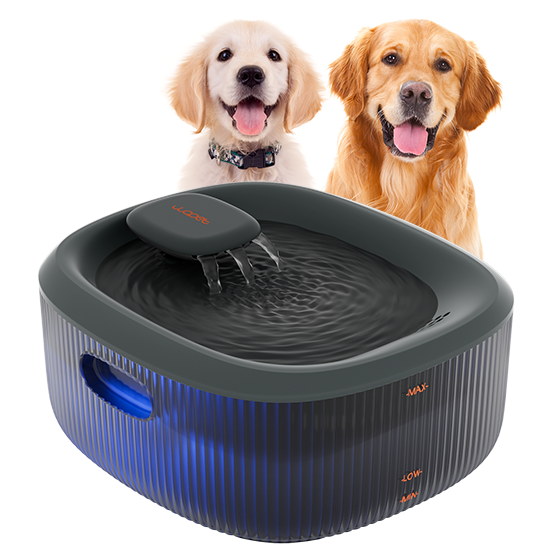
Basin Pet Water Fountain-W600
Model: W600
$43.99
$69.99
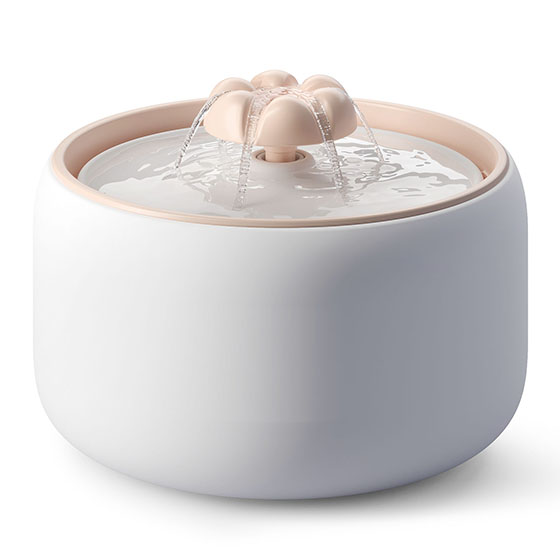
[Basic] Ceramic Pet Water Fountain with Power Cable
Model: W03L
$59.99
$99.00
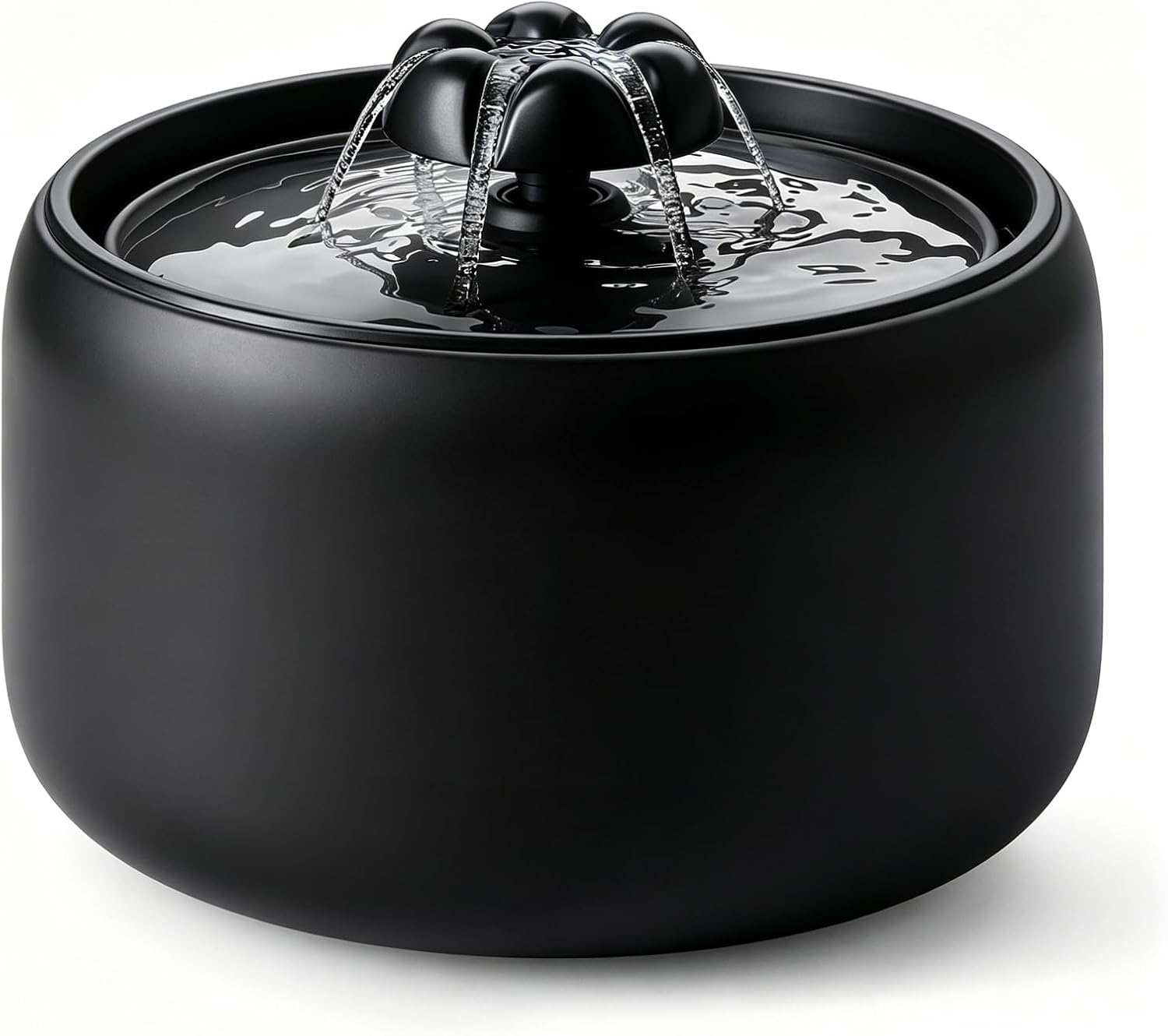
[Black] W03L 3L Premium Ceramic Cat Water Fountain
Model: W03L Black
$59.99
$69.99
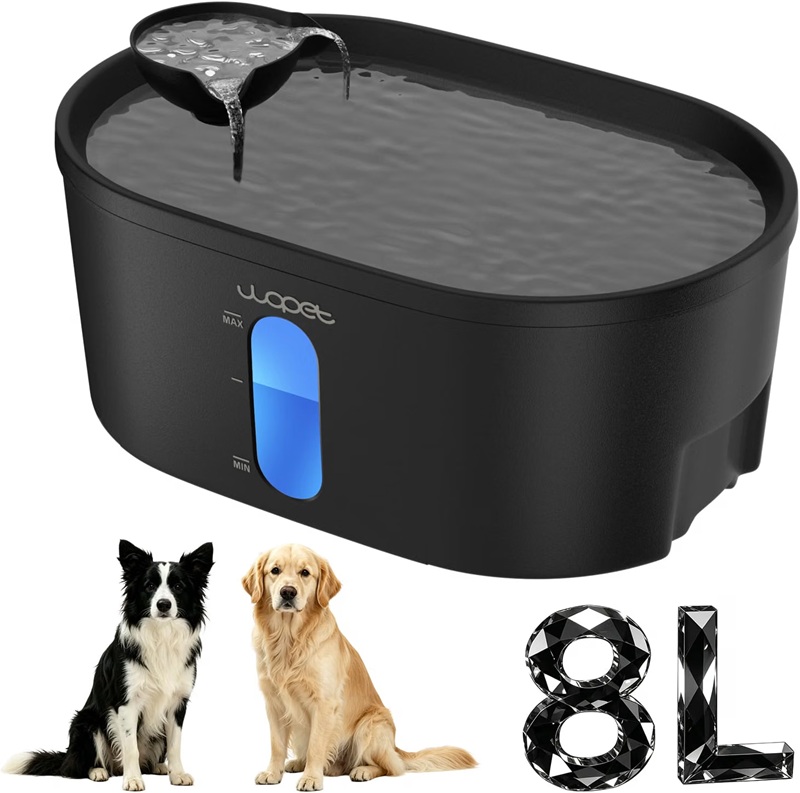
WOPET 8L Pet Water Fountain For Multiple Cats or Large Dogs A08
Model: A08
$49.99
$59.99
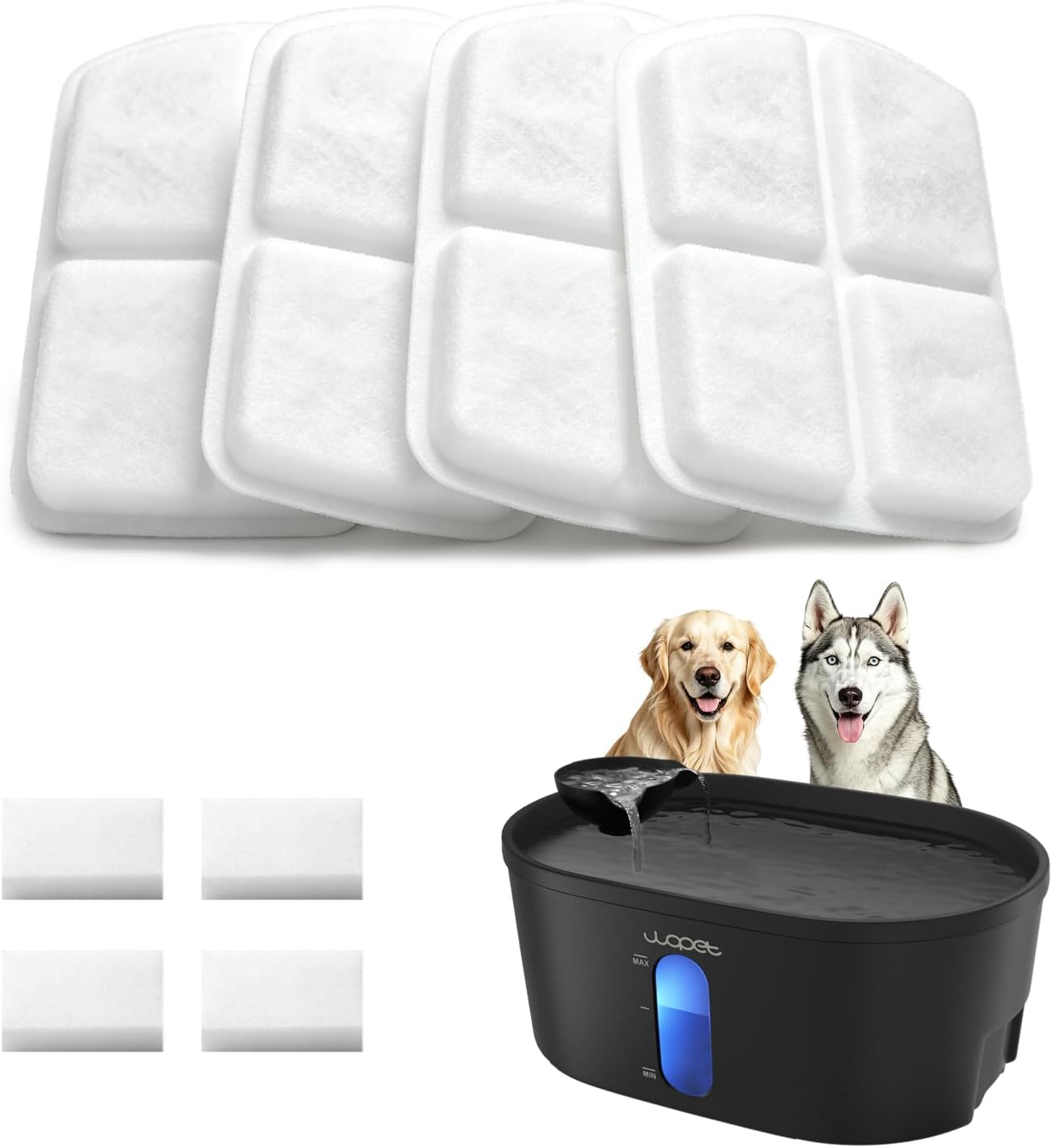
WOPET A08 Dog Water Fountain Filters
Model: A08 Filter
$19.99
$29.99

DOWNLOAD APP

WOpet life




Copyright © 2026 WOPET. All Rights Reserved.