Jul 16, 2025
Author:Lisa Martinez
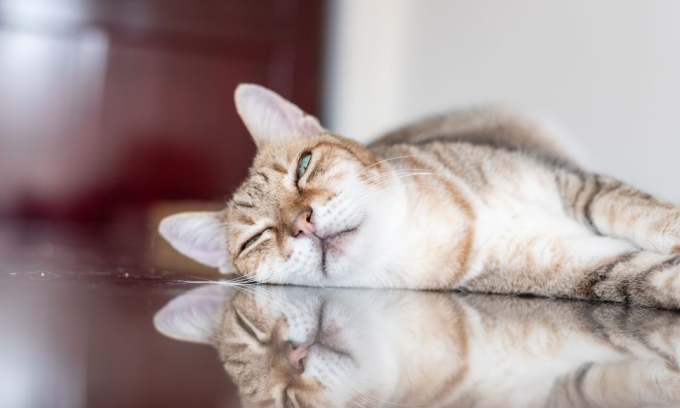
Some cats chase shadows like it’s life or death. Others? Don’t flinch. They stretch out, blink slowly, maybe shift a paw, then go right back to sleep. Twelve hours in the same spot? No problem. It throws people off. Are they lazy, or low-key sick? Just mellow, or missing something? It’s not always clear. That in-between state—calm or checked out—is hard to read.
That’s what we’re unpacking here. What counts as normal? What doesn’t? And which cats were basically born retired?
Here’s what we’ll cover:
● Why some cats seem lazy by design
● When laziness is normal—and when it’s not
● The upside of living with a laid-back cat
● Breeds known for their couch-potato charm
● How to care for naturally low-energy cats without overdoing it
Not all cats are wired for speed. Some are built to take it slow, right from the start. Their energy levels, muscle tone, and even temperament lean toward rest over action. This isn’t laziness. It’s biology.
Many cats are genetically predisposed to conserve energy. Unlike high-prey drive breeds that rely on constant stimulation, these cats don’t need much to stay satisfied. They’re content with shorter bursts of play followed by longer stretches of stillness.
Their instincts go back to survival patterns. In the wild, cats would hunt, eat, clean, and rest—sometimes up to 18 hours a day. Domestic cats, especially those that aren’t underfed, stressed, or unwell, follow a similar rhythm.
But there's more to it than instincts alone. A cat’s baseline activity level also depends on:
● Breed-specific traits
● Weight and physical condition
● Indoor vs. outdoor environment
● Daylight exposure and seasonal habits
Some cats are born with a temperament that favors observation over participation. They’re not broken. They’re not bored. They’re just built differently. Understanding this baseline matters because it helps you spot when something actually goes wrong.
A cat that sleeps most of the day isn’t necessarily lazy. It could be acting exactly as expected. But when stillness crosses into something more concerning, you need to pick up the change fast. Let’s separate what’s expected from what needs attention.
Some cats move slowly because that’s how they’re wired. Others slow down over time, age, space, routine—it all plays in. Low energy isn’t always a red flag. Sometimes it’s just who they are. No need to fix what isn’t broken.
Normal lazy looks a lot like this:
● Midday sleep marathons: That sun patch on the floor? Claimed. Grown cats nap between meals like it’s part of their job description. And it kind of is.
● Low-effort playstyle: One paw. One half-hearted swipe. String dragged across the rug counts. Not every cat wants full-speed chases.
● More energy at night: Some cats stay still all day, then perk up once the lights go low. That daytime slump isn’t a problem—it’s timing.
● Naturally chill attitude: Some breeds don’t do hype. If the cat eats well, drinks normally, and grooms like clockwork, you're probably looking at balance, not boredom.
Still eating? Still blinking at you when you talk? Still showing up where food happens? You're probably fine.
But not always. Some stillness feels different—off. Not quieter. Quieter-than-usual. And that’s where you need to tune in. A few extra naps? Okay. Flat-out disconnection? No.
Things to watch—things that don’t blend into normal:
● Food suddenly doesn’t matter: If the bowl stays full or treats go untouched, that’s not laziness—it’s a shift.
● Hiding in weird places: Under beds? Behind washers? If it’s new or prolonged, it’s not about being shy.
● Skipping grooming: Coat looks greasy? Matted? Messy? That means they’re not keeping up with themselves. And they usually do.
● Moving like it hurts: Slow walks, weird stiffness, skipping the usual couch jump. That’s not relaxed. That’s a warning.
● No more meows: A loud cat going quiet? A clingy one keeping distance? Watch that closely.
If they stop doing things they used to—eating, exploring, reacting—don’t wait. Patterns that slip without explanation usually lead somewhere, and not in a good way. You know their rhythm. Trust it. When it breaks? That’s your signal.
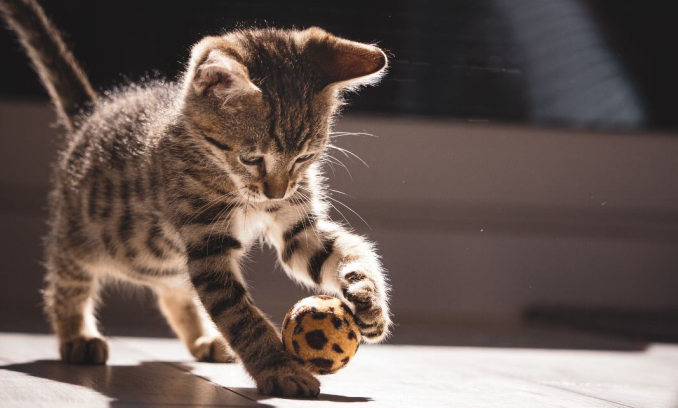
Not every pet needs constant stimulation. Some cats bring peace, not energy. Their laid-back style can fit better with your routine and make pet care feel less like work.
A naturally calm cat doesn’t need hours of daily engagement. They’re more likely to settle into the background quietly. That matters if you work from home, keep irregular hours, or live in a smaller space.
Here’s what low-energy cats often offer:
● Predictable routines: They tend to nap at the same time, eat steadily, and keep to their spots. That consistency lowers stress on both sides.
● Minimal disruption: No furniture launches. No wild runs at midnight. Laid-back cats rarely make chaos out of boredom.
● Easy compatibility: They often get along better with kids, older adults, or other pets that prefer slower interaction.
● Long stretches of companionship: They stay near you, sleep beside you, and bring calm without needing constant feedback.
Of course, they’re still cats. They still need care, attention, and stimulation—just not on overdrive. For many households, that balance makes life easier. Less fuss, more presence.
Some cats don’t run out of energy—they barely use it in the first place. It’s not laziness. It’s wiring. Certain breeds come pre-programmed to do less, move slower, and rest longer. They’re not dull. They’re not distant. They’re efficient with motion—like they’ve figured out life’s too short to chase every shadow.
Let’s run through the cats that practically invented stillness.
1. Ragdoll: Soft muscle tone, relaxed body, zero urgency. Ragdolls go limp when you lift them—it’s kind of their thing. They trail behind you like a shadow but won’t leap into chaos. Watching is their preferred sport. High shelves? Nah. They’ll take the floor pillow, thanks.
2. Persian: You won’t catch a Persian climbing the curtains. That dense coat? It’s made for lounging. They move slowly, soak up attention on their terms, and treat naps like appointments. Grooming is the big lift here—activity, not so much.
3. British Shorthair: Big build, calm gaze, not here to impress. British Shorthairs stay put. They post up in one spot and monitor the room like it’s a shift. They’re fine with silence. If you need a cat that won’t scale your furniture or beg for sprints, this is it.
4. Scottish Fold: Those folded ears signal softness, and it runs through everything they do. These cats don’t rush. They settle in. They prefer a routine, familiar faces, and consistent places. You won’t find them chasing random noise. They’re tuned in, not tuned up.
5. Exotic Shorthair: Imagine a Persian, but with a shorter coat and less maintenance. Same pace. Same vibe. Exotic Shorthairs like calm environments and quiet routines. They spread out, settle down, and ride the day at their own tempo.
These cats aren’t low-effort—they’re low-disruption. Once you get their rhythm, you stop expecting chaos and start building around peace. That’s the real shift.
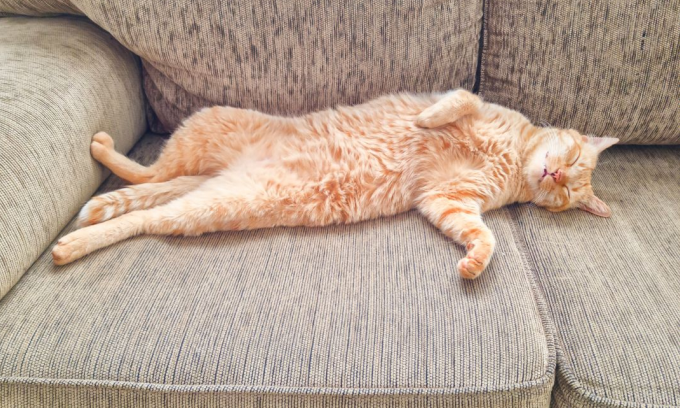
They don’t need much—true. But they need it on time, in the right way, and without a lot of noise. Try to crank up their pace? You’ll stress them out. Leave them to zone out 24/7? That’s not great either. The trick? Keep it steady. Support the slow without letting it stall.
Here’s how you make that work:
● Stick to a schedule that doesn’t slip. Lazy cats won’t beg for food on cue. Sometimes they won’t move at all. That’s why structure matters. Meals on time keep things in check—weight, digestion, mood.
The WOpet Heritage View Automatic Pet Feeder handles it cleanly. Dual bowls. Built-in camera. No stress if you're away or working late—you can feed and peek in with zero hassle.
● Don’t guess the weight. Less movement equals fewer calories burned. Check their shape, not just the scale. Adjust the portions before the belly shows up.
● Skip the circus. Add quiet enrichment. One slow toy. One scratch pad. One string near their nap zone. It doesn’t take much—just five minutes of gentle movement can help them reset without draining them.
● Keep their nap spots dialed in. Soft, low, quiet. That’s their triangle. Clean the spots. Shift the blanket. Don’t rearrange the whole room unless you want to confuse them for hours.
● Track the vibe, not the day. One sleepy day? Fine. A whole week of skipped meals, blank stares, or hiding? That’s not them being lazy. That’s something else.
These cats live in rhythms. You don’t need to change the pace—just hold the beat. Small tweaks. Subtle checks. Let them move slowly, but don’t let things slip past you.
Lazy cats? Not a flaw. Not even close. They're a system—quiet, predictable, weirdly charming once you stop trying to fix them. You’ve picked up the patterns by now—how their genes, their habits, and their setups shape what looks like laziness but isn’t.
Some cats come wired slowly. That’s the point. What matters is how you work with it—how you support the pace without slipping into autopilot. It's not about cranking up engagement. It’s about holding the routine steady, even when they barely move from one cushion all day.
That's where tools come in—not flashy ones, smart ones. The kind that keeps structure in place without turning care into a task list. The WOpet Heritage View Feeder does that. No noise. No guesswork. Dual bowls. Scheduled drops. You can check from wherever.
Let them stay still. You handle the rest. That’s how peace shows up—in the background, on schedule, without stress.
Label:
Popular Post
The Ultimate Guide to Tabby Cats: Patterns, Personalities, and More
Mar 27, 2025
Top 10 Most Expensive Cat Breeds in The World
May 07, 2025
Can Cats Have Ice Cream? Dangers, Safe Flavors & Healthy Cat Treats
Sep 02, 2025
My Cat Only Eats A Little at A Time - What to Do?
Feb 27, 2023
Top 8 Reasons Why Does My Cat Sleep Between My Legs?
Mar 03, 2025

[Blue] W03L 3L Premium Ceramic Cat Water Fountain
Model: W03 LITE
$59.99
$69.99
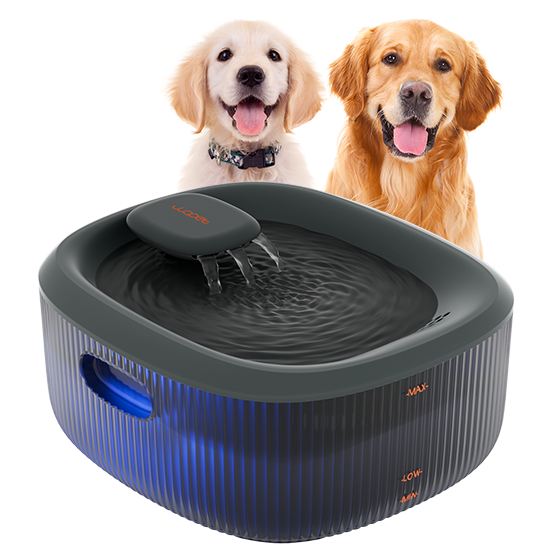
Basin Pet Water Fountain-W600
Model: W600
$43.99
$69.99

[Basic] Ceramic Pet Water Fountain with Power Cable
Model: W03L
$59.99
$99.00
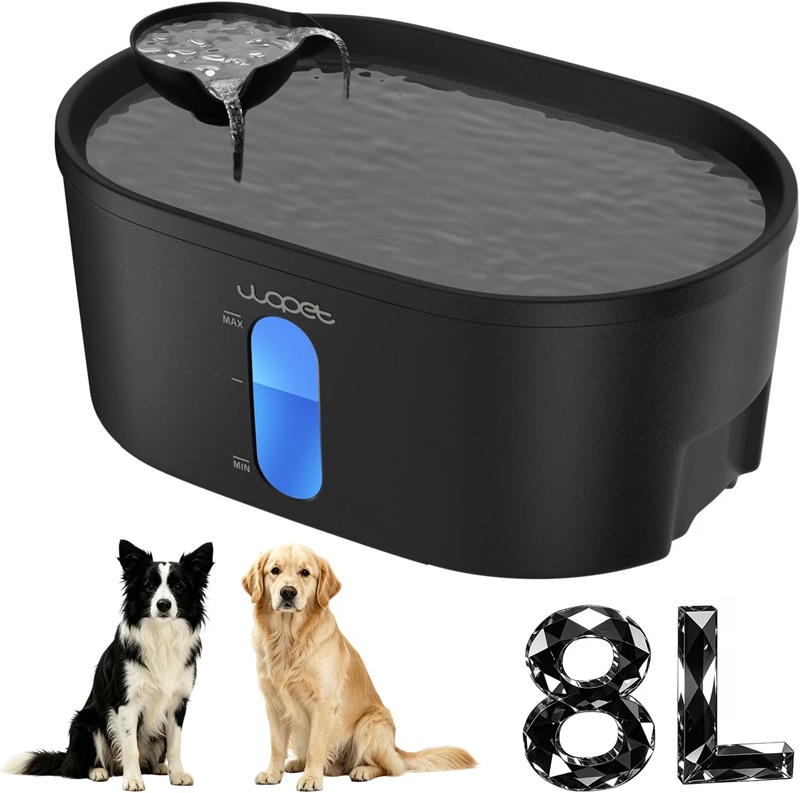
WOPET 8L Pet Water Fountain For Multiple Cats or Large Dogs A08
Model: A08
$49.99
$59.99
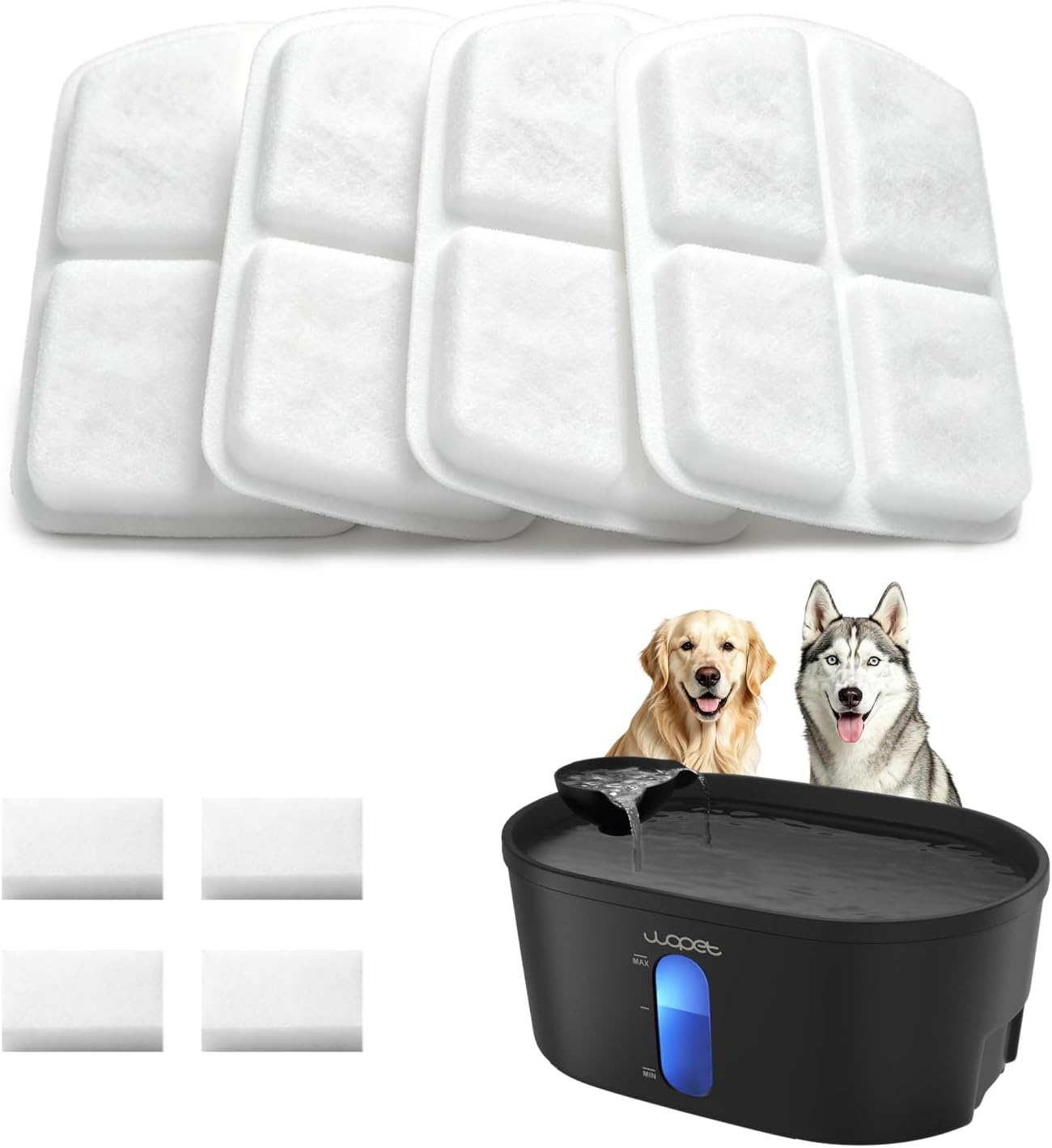
WOPET A08 Dog Water Fountain Filters
Model: A08 Filter
$19.99
$29.99
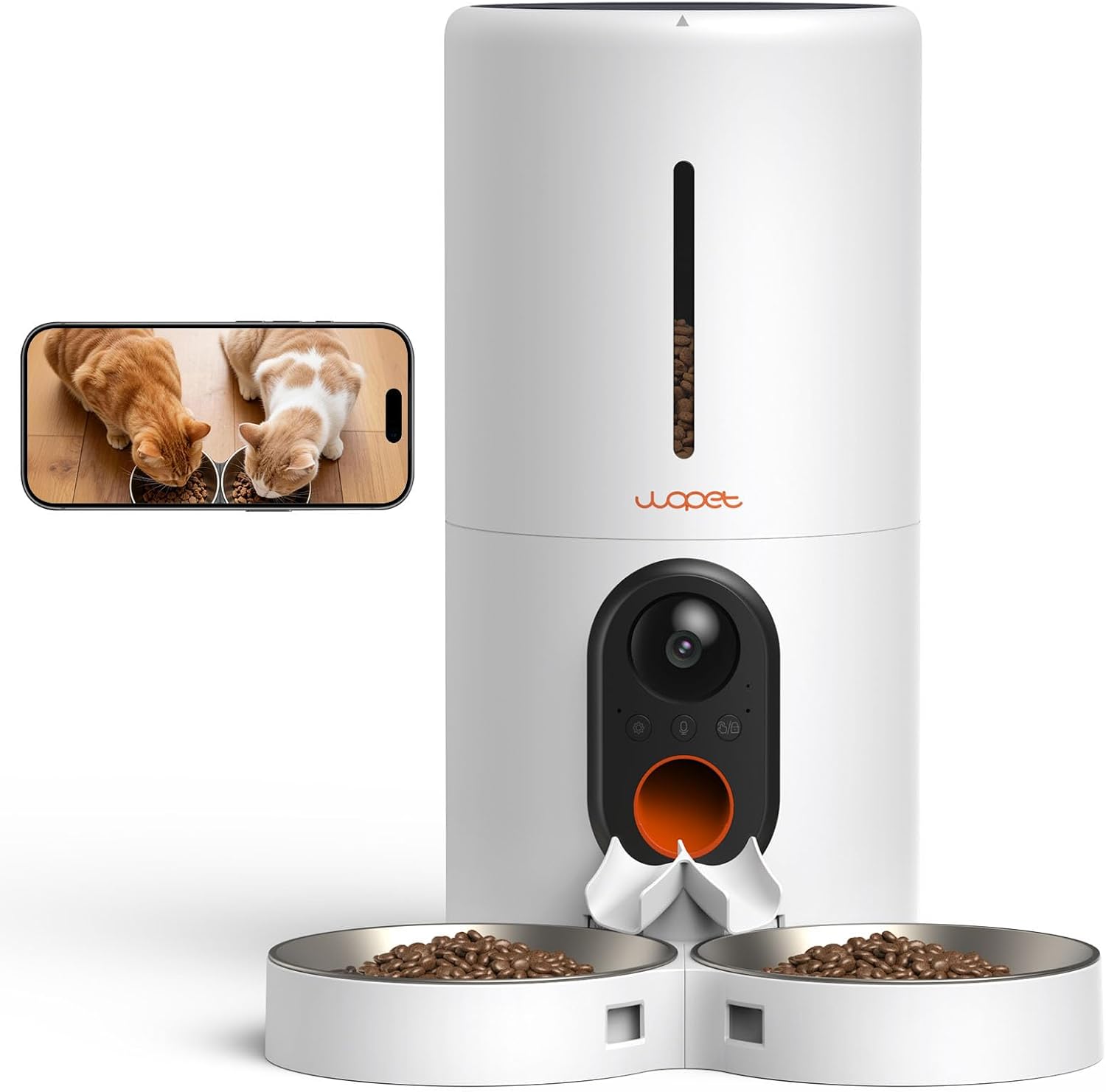
[WHITE] Heritage View 6L Cat Feeder Dual Bowls For Two Cats
Model: HV10DP-white
$114.99
$134.99

DOWNLOAD APP

WOpet life




Copyright © 2026 WOPET. All Rights Reserved.