Aug 28, 2026
Author:Amanda Lyu
For most healthy cats, properly treated municipal tap water is a reasonable everyday choice. Filtered or bottled water may be useful when a local advisory is in effect, a private well has not been tested, plumbing may add contaminants, or a cat avoids water because of its taste or odor. The best choice is water that is safe, fresh, and appealing enough for your cat to drink consistently.
Choosing your cat’s water should not require buying the most expensive bottle on the shelf. What matters is the quality of the source, the condition of your plumbing, the cleanliness of the drinking station, and your cat’s individual preferences or medical needs.
Which Water Should You Give Your Cat?
• Tap water: Usually suitable for healthy cats when the local public water supply meets drinking-water standards.
• Filtered water: Helpful for improving taste or reducing a specific contaminant the filter is certified to address.
• Bottled water: Practical during water advisories, travel, or while private well water is being tested.
• Fountain-filtered water: Helps manage hair, debris, taste, and odor, but does not make an unsafe water source safe.
Is Tap Water Safe for Cats to Drink Every Day?
In most U.S. homes served by a compliant public water system, tap water is generally an appropriate option for a healthy cat. Public drinking water is regulated by the U.S. Environmental Protection Agency, and local systems report information about detected contaminants and any violations.
However, “tap water” is not identical everywhere. Its source, mineral content, disinfectant taste, and journey through household plumbing vary from one home to another. A cat may also notice tastes and odors that people barely detect.
Before deciding that your tap water is unsafe, check the facts for your address. The EPA provides access to annual Consumer Confidence Reports, sometimes called drinking water quality reports. If your home uses a private well, the homeowner is responsible for testing and maintaining it.
Do not give your cat tap water during a boil-water advisory or when local officials have told residents not to drink it. Follow the advisory’s instructions and use an approved alternative source until the restriction is lifted.
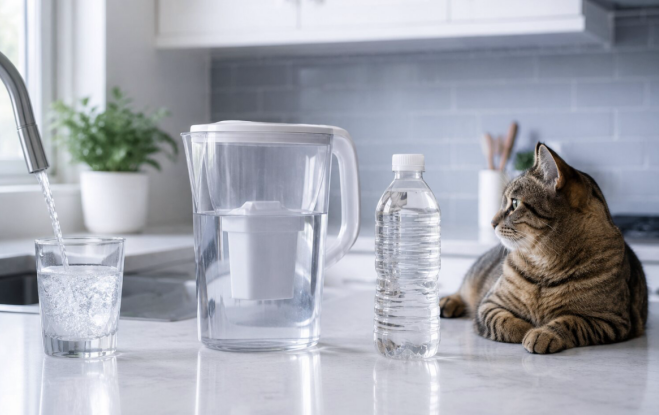
What Can Affect the Quality of a Cat’s Tap Water?
The local water supply
Municipal water is treated to meet public health standards, but its mineral profile and taste can vary. Annual water reports can tell you which regulated substances were detected and whether the system met required limits.
Private wells
Private well water does not receive the same routine federal oversight as a community water system. Flooding, nearby agricultural activity, damaged well components, and changes in groundwater can affect its quality. If your household drinks well water, arrange appropriate testing based on local health department guidance.
Household plumbing
Water can meet standards at the treatment plant and still pick up contaminants from old service lines, fixtures, or plumbing. This is particularly important in older homes or after plumbing work. If you are concerned about lead or another specific contaminant, use a certified test and choose a filter rated for that contaminant rather than assuming any filter will remove it.
Taste and odor
Some cats may avoid water with a noticeable chlorine smell, metallic taste, or stale odor. This is usually a preference issue, not proof that the water is dangerous. Still, a taste your cat dislikes can matter if it causes them to drink less.
The drinking container
Sometimes the problem is not the source water. Biofilm, food particles, saliva, hair, detergent residue, or a dirty pump can change how water smells and tastes. Wash bowls regularly, refresh the water, and follow the manufacturer’s cleaning schedule for a fountain. WOPET’s cat water fountain care guide explains the basic maintenance steps.
Is Filtered Water Better for Cats?
Filtered water is not automatically healthier than compliant tap water, but it can be helpful in specific situations. Depending on the filter, it may reduce certain tastes, odors, particles, or contaminants. It may also make water more appealing to a cat that is sensitive to the smell of the local supply.
The important phrase is “depending on the filter.” A basic activated-carbon filter is not designed to solve every water-quality problem. Different products are certified for different substances, and no household filter should be treated as a universal purifier.
Use filtered water when:
• Your cat consistently prefers its taste.
• Your local report identifies an issue that a properly certified filter is designed to address.
• Your veterinarian recommends it for an individual medical reason.
• Your household already uses a well-maintained drinking-water filter.
Replace filters on schedule. An overdue or poorly maintained filter can lose effectiveness and may become a source of unpleasant taste or buildup.
Does a Cat Water Fountain Filter Make Tap Water Safe?
A pet fountain filter can help catch hair and debris and may improve odor or taste, depending on its materials. It does not turn contaminated water into reliably safe drinking water, and it does not replace municipal treatment, well testing, or a household filter certified for a specific contaminant.
Always start with water that is already considered safe to drink. The fountain’s job is to circulate that water and help keep the drinking experience appealing between cleanings.
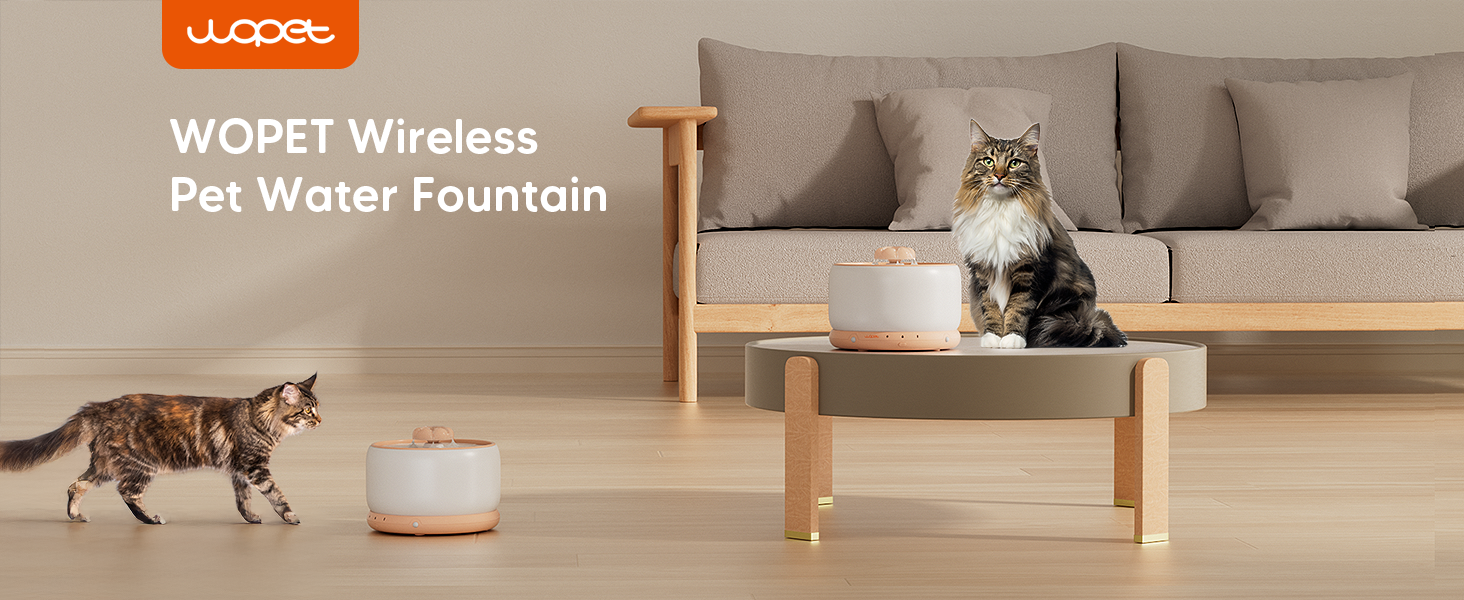
For cats that enjoy moving water, the WOPET W03 Ceramic Wireless Pet Water Fountain provides a circulating drinking source with an activated-carbon and sponge filtration system. Its filter still needs timely replacement, and the fountain must be cleaned regularly.
Can Cats Drink Bottled Water?
Yes, cats can generally drink plain bottled water. In the United States, bottled water is regulated by the Food and Drug Administration. The FDA explains how bottled water is regulated and distinguishes that oversight from the EPA’s regulation of public tap water.
Bottled water can be practical when:
• A boil-water or do-not-drink advisory affects your home.
• You are traveling and cannot confirm the destination’s water quality.
• Your well is awaiting test results.
• Your veterinarian recommends a particular water source.
• Your cat refuses the taste of local tap water.
Bottled water is not inherently cleaner or safer in every situation. Quality varies by source and brand, and some bottled water is treated municipal water. Choose plain, unflavored water and store it away from excessive heat.
There is usually no need to make distilled water your cat’s exclusive daily water without veterinary guidance. If a cat has urinary crystals, kidney disease, heart disease, or another condition that changes their hydration or mineral needs, ask the treating veterinarian which water and diet plan are appropriate.
Is Hard Water Bad for Cats?
Hard water contains higher levels of dissolved minerals, commonly calcium and magnesium. It often leaves scale on faucets, bowls, and fountain parts. Scale is a maintenance issue, but its presence alone does not prove that the water is harming a healthy cat.
Hard water is not proven to cause urinary stones in cats. The University of Minnesota Urolith Center notes that controlled studies comparing water types in dogs and cats with urolithiasis have not been performed. Water hardness alone is therefore not a reason to switch every cat to filtered or bottled water.
Cats with diagnosed urinary conditions should follow an individualized veterinary plan based on stone type, diet, urine testing, total water intake, and local water composition. If hard water quickly creates deposits in your cat’s fountain, clean the components according to the product instructions. Do not change a medical hydration plan or make health claims based on scale alone.
What Is the Best Water for a Cat?
The best water for most cats is:
• Safe according to the local water supplier or a reliable test.
• Fresh and available at all times.
• Served in a clean bowl or properly maintained fountain.
• Free from added flavorings, sweeteners, caffeine, or supplements unless a veterinarian directs otherwise.
• Appealing enough that the cat drinks normally.
Consistency also matters. If your cat readily drinks safe tap water and has no relevant medical condition, changing to bottled water may offer no meaningful benefit. If the cat avoids the tap but drinks filtered water, the preference itself may justify the switch.
Cornell University’s feline hydration guidance emphasizes that total water intake includes moisture from food. Cats eating wet food may drink less from a bowl than cats eating dry food. That difference can be normal, so uate changes against your own cat’s usual pattern.
How to Change Your Cat’s Water Without Disrupting Drinking
Cats can be cautious about sudden changes. If you want to switch from tap to filtered water, place the new water beside the familiar source for several days. Let your cat choose instead of abruptly removing the water they already use.
Keep the bowl or fountain in the same location during the trial. If you change the water, container, and placement at the same time, you will not know which factor influenced your cat’s response.
Monitor:
• How often your cat visits the drinking station.
• Whether the water level changes as expected.
• Urine clump size and frequency for cats using clumping litter.
• Appetite, energy, vomiting, diarrhea, and body weight.
A sudden or persistent change in drinking or urination deserves veterinary attention, even if it began around the same time as a water change.
When Should You Ask a Veterinarian About Your Cat’s Water?
Contact your veterinarian if your cat suddenly drinks much more or less than usual, refuses all water, urinates more or less often, strains in the litter box, vomits repeatedly, develops diarrhea, stops eating, or becomes weak or lethargic.
Straining to urinate, repeatedly entering the litter box without producing urine, crying while attempting to urinate, or producing only drops can indicate a urinary obstruction. This is an emergency, particularly in male cats.
Water choice can support a cat’s routine, but it cannot diagnose or treat kidney disease, diabetes, urinary obstruction, or another medical condition.
Frequently Asked Questions
Can cats drink tap water with chlorine?
Properly treated municipal tap water may contain regulated disinfectant levels and is generally a reasonable option for healthy cats. If your cat rejects the odor, an appropriate drinking-water filter may improve palatability. Check your local water report if you have safety concerns.
Is filtered water better than bottled water for cats?
Neither is universally better. A maintained filter can be economical and reduce substances it is certified to address. Bottled water is convenient during advisories or travel. The right choice depends on source quality, your cat’s preference, and veterinary guidance.
Can cats drink well water?
They can drink well water that has been appropriately tested and found suitable. Because private wells are the owner’s responsibility, follow local recommendations for routine and event-based testing.
Can I use tap water in a cat fountain?
Yes, if the tap water is considered safe to drink. A fountain filter helps manage debris and may improve taste, but it does not make unsafe source water safe.
Should cats with urinary problems drink filtered water?
Possibly, but the answer depends on the diagnosis, local water, diet, and laboratory findings. Follow the treating veterinarian’s recommendation instead of making a blanket switch.
Final Takeaway
Label:
Popular Post
The Ultimate Guide to Tabby Cats: Patterns, Personalities, and More
Mar 27, 2025
Top 10 Most Expensive Cat Breeds in The World
May 07, 2025
Can Cats Have Ice Cream? Dangers, Safe Flavors & Healthy Cat Treats
Sep 02, 2025
My Cat Only Eats A Little at A Time - What to Do?
Feb 27, 2023
Top 8 Reasons Why Does My Cat Sleep Between My Legs?
Mar 03, 2025
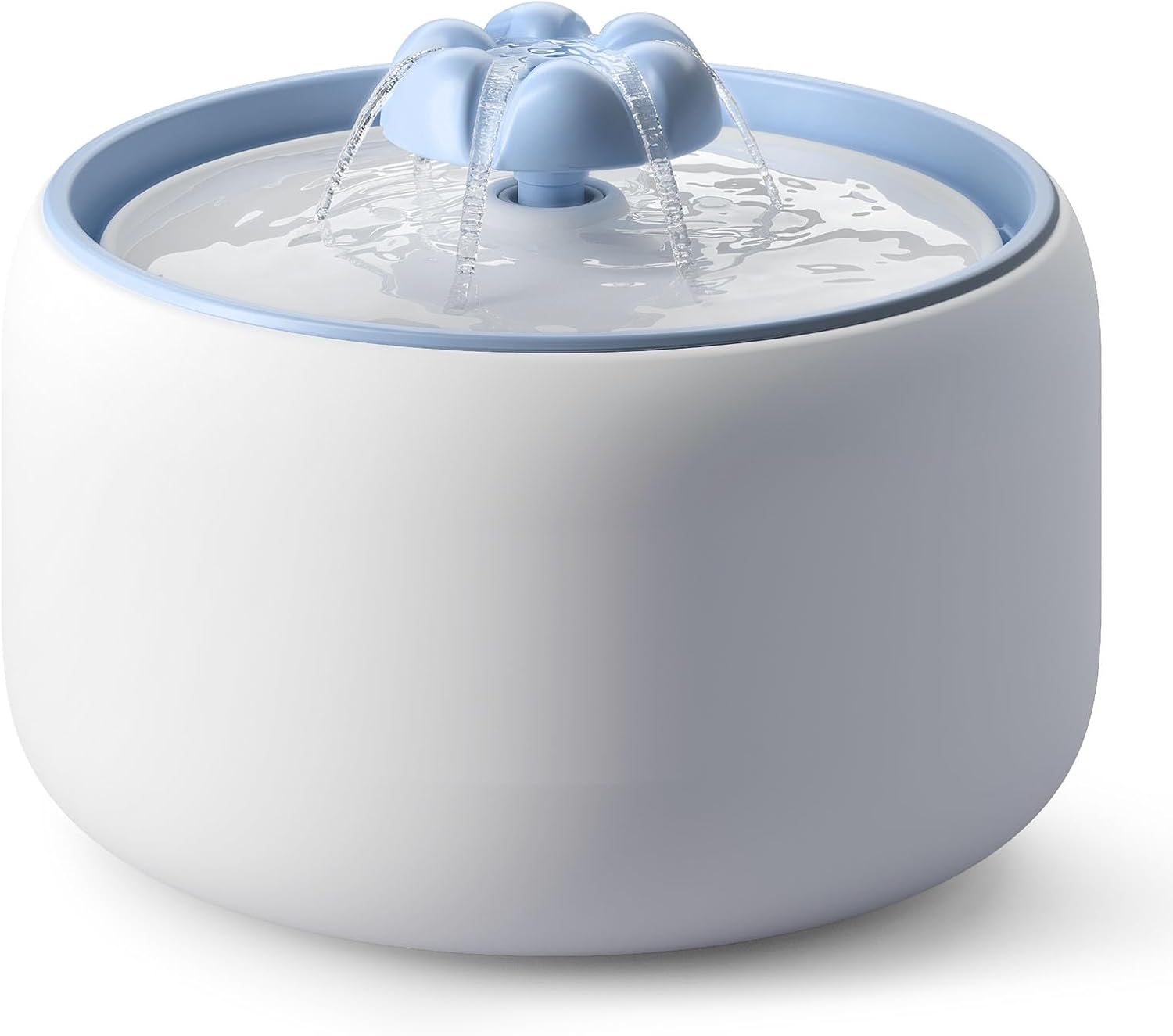
[Blue] W03L 3L Premium Ceramic Cat Water Fountain
Model: W03 LITE
$59.99
$69.99
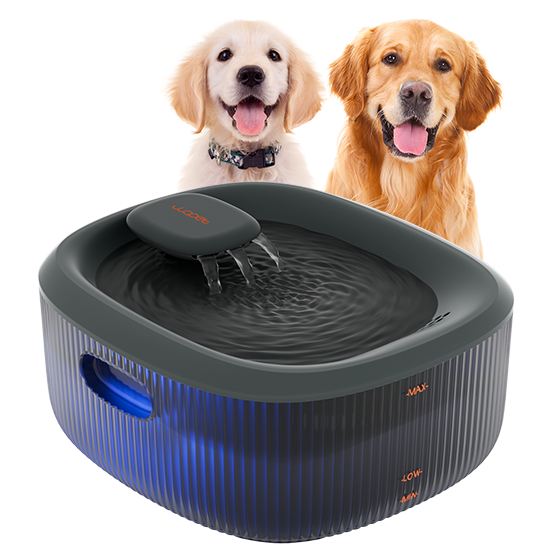
Basin Pet Water Fountain-W600
Model: W600
$43.99
$69.99
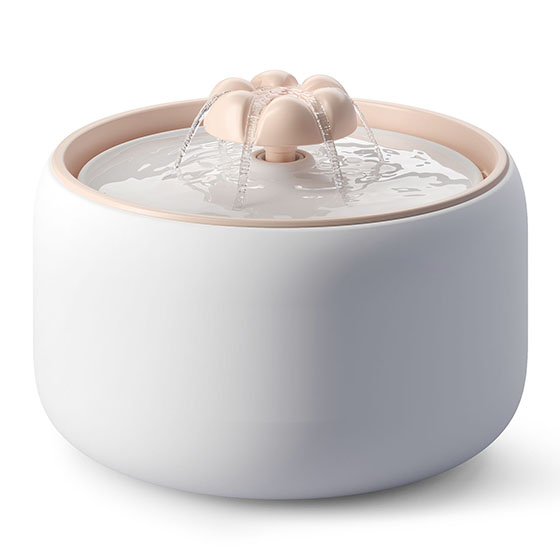
[Basic] Ceramic Pet Water Fountain with Power Cable
Model: W03L
$59.99
$99.00
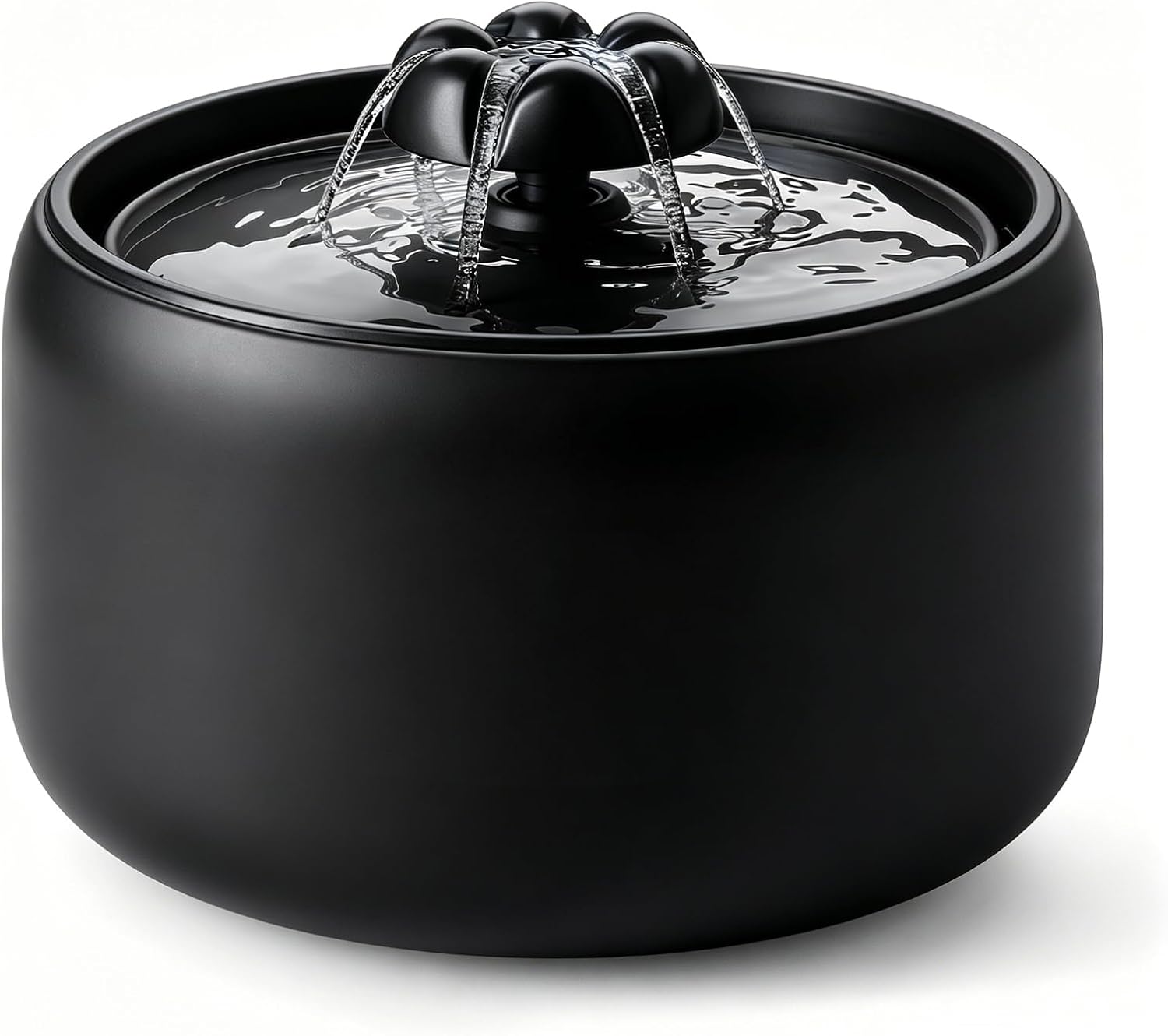
[Black] W03L 3L Premium Ceramic Cat Water Fountain
Model: W03L Black
$59.99
$69.99
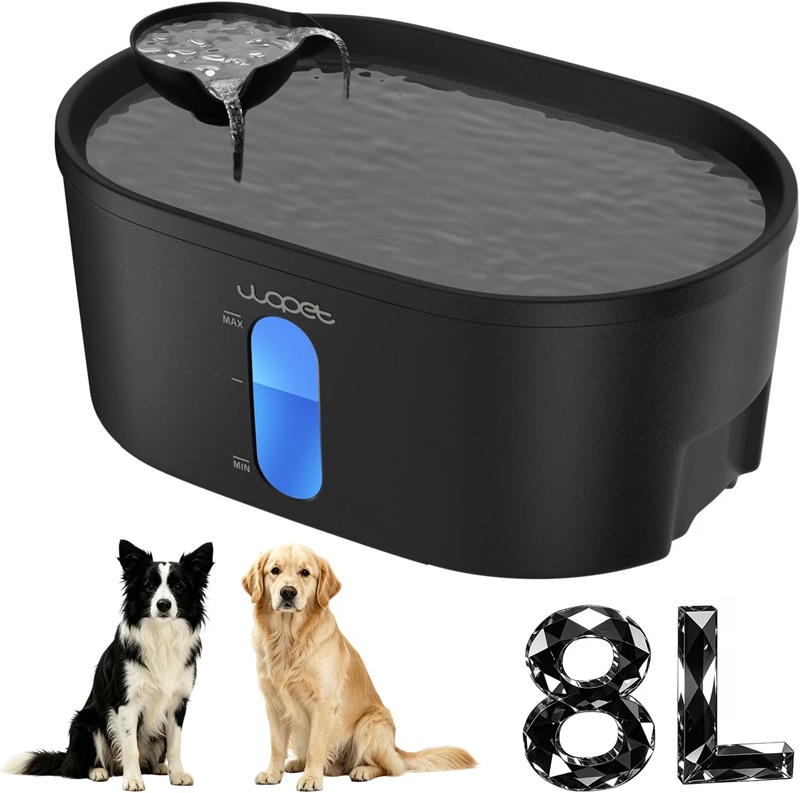
WOPET 8L Pet Water Fountain For Multiple Cats or Large Dogs A08
Model: A08
$49.99
$59.99
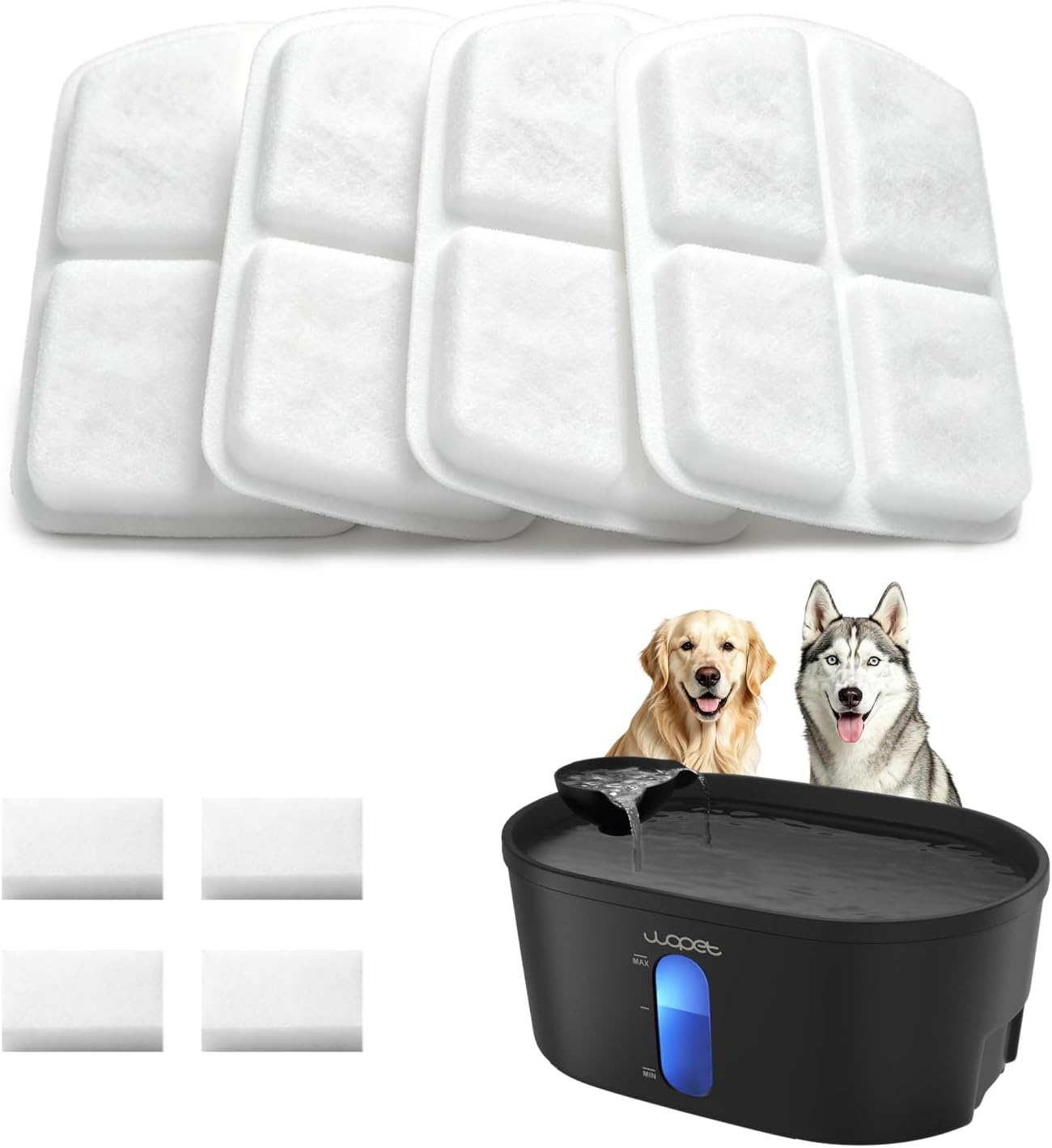
WOPET A08 Dog Water Fountain Filters
Model: A08 Filter
$19.99
$29.99

DOWNLOAD APP

WOpet life




Copyright © 2026 WOPET. All Rights Reserved.