Aug 28, 2026
Author:Sam Wonder
To keep a cat hydrated during travel, start with normal hydration before departure, pack a familiar safe water source and clean bowl, offer small opportunities to drink during secure stops, and set up water immediately at the destination. Never leave a cat in a parked car, force water into their mouth, or assume reduced drinking is only travel stress when other symptoms appear.
Quick travel hydration checklist:
• Maintain normal water access before departure.
• Pack familiar water and a clean bowl.
• Keep your cat secured during transportation.
• Offer water only during safe, climate-controlled stops.
• Set up water immediately after arrival.
• Monitor drinking, food intake, urination, and behavior.
Many cats drink less when they are away from home. They may be too to drink, dislike unfamiliar water, feel motion-sick, or wait until the environment is quiet. Good planning reduces those barriers without turning every rest stop into a struggle.
This guide focuses on hydration for road trips, overnight stays, and other short-term travel. Airline and destination rules can change, so verify them before every trip. For U.S. interstate travel, check the receiving state’s current requirements through USDA APHIS. For international travel from the United States, use the USDA Pet Travel portal and consult a USDA-accredited veterinarian about destination-specific certificates, vaccinations, tests, or treatments.
How Much Water Does a Traveling Cat Need?
A cat’s total water intake includes both drinking water and moisture in food. Cornell University’s feline hydration guidance uses a general estimate of about 4 ounces of water per 5 pounds of lean body weight each day. A 10-pound cat may therefore consume roughly one cup in total, but diet, weather, activity, health, and individual variation all matter.
Cats eating wet food may drink noticeably less from a bowl because the food supplies much of their water. Cats eating dry food usually need to obtain more by drinking. Do not try to make your cat consume an exact amount at each stop. Instead, maintain access, know their normal habits, and monitor the full picture.
Use the estimate as a planning reference rather than a rigid travel quota. Your veterinarian can help establish a more appropriate baseline for a cat with a medical condition or an unusual diet.
What Should You Do Before Traveling With Your Cat?
Ask your veterinarian about travel fitness
Cats with kidney disease, diabetes, heart disease, urinary problems, vomiting, diarrhea, or a history of dehydration may need an individualized plan. Ask whether the trip is appropriate, whether medication timing should change, and what symptoms should trigger an urgent visit.
Never give a human sedative or an unprescribed calming product. If your cat becomes highly distressed or motion-sick, ask the veterinarian about appropriate options well before travel day so any prescribed medication can be tested safely at home.
Make the carrier familiar
Leave the carrier open in the home before the trip. Add familiar bedding and allow your cat to enter voluntarily. Short practice drives can help you learn whether your cat pants, drools, vomits, urinates, or becomes too distressed to drink.
The Ohio State University’s traveling-with-cats guidance recommends carrier training before departure and bringing food, water, and a litter box for long drives.
Know the destination
Confirm that the lodging accepts cats and identify an emergency veterinary clinic near your route and destination. Check whether the local water is subject to an advisory. If your cat is sensitive to water taste, pack enough of the familiar home supply for the trip and transition later if necessary.
Maintain the normal routine
In the days before departure, avoid unnecessary diet, litter, and water changes. A familiar routine gives you a clearer baseline and reduces the number of stressors your cat must handle at once.
What Should You Pack for Cat Hydration?
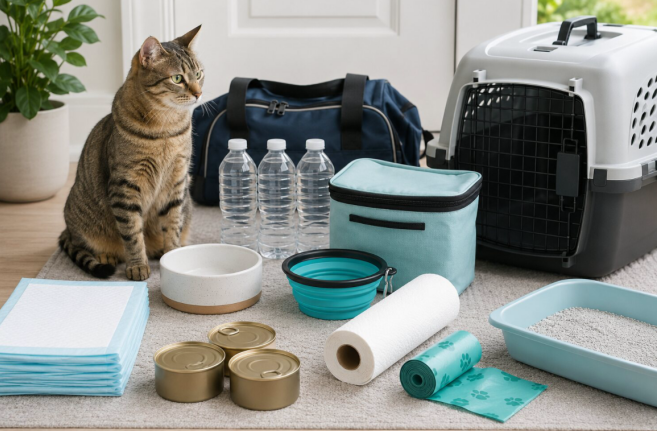
Pack water and drinking supplies where you can reach them without unloading the entire car.
Bring:
• More safe water than you expect to use, stored in clean, sealed containers.
• A familiar bowl or compact, stable travel bowl.
• Wet food your cat already tolerates, if it is part of the normal diet.
• A cooler and food-storage supplies when opened wet food requires refrigeration.
• Paper towels, pet-safe cleaning supplies, waste bags, and absorbent carrier pads.
• A litter box and familiar litter for long drives or overnight stops.
• Any prescribed medication and a copy of the prescription.
• Veterinary records, identification, and current contact information.
Plain water is the safest default. Do not add electrolyte drinks, flavored human beverages, essential oils, or supplements unless your veterinarian specifically recommends them. Many human-use products contain inappropriate sodium, sugar, sweeteners, or other ingredients.
How Do You Offer Water During a Car Trip?
Keep the cat secured
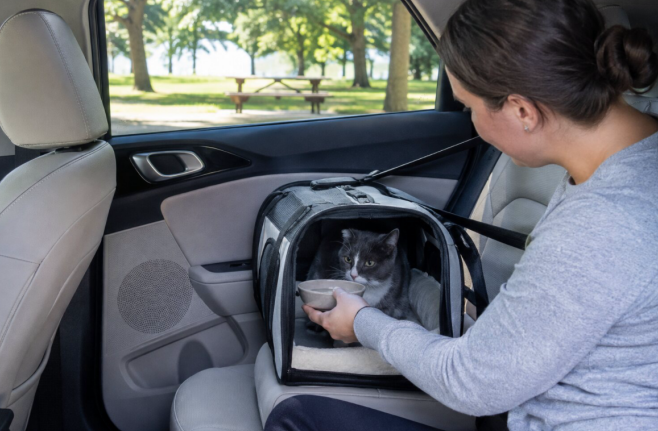
Your cat should ride in a properly secured carrier, not loose in the vehicle. A frightened cat can hide under a seat, interfere with the driver, or escape when a door opens.
For a standard carrier, an open bowl usually spills while the car is moving. Offer water during a safe stop instead. Keep the vehicle doors and windows closed while you access the carrier so the cat cannot bolt.
VCA Animal Hospitals advises offering water at rest stops and never leaving a cat alone in the car. Its cat road-trip guide also recommends absorbent pads and secure confinement during driving.
Offer, but do not force
At a calm stop, offer a small amount of familiar water in the usual bowl. Some cats will drink immediately; others will wait until arrival. Give the cat a few quiet minutes rather than pushing the bowl toward their face.
Do not syringe water into an , resistant cat. Improper administration can cause choking or aspiration. If a veterinarian has prescribed oral fluids or medication, follow the clinic’s demonstrated technique.
Use food moisture appropriately
If your cat routinely eats wet food and is not nauseated, a small familiar meal at an appropriate time can contribute moisture. Do not introduce a new food during the trip, and do not leave opened wet food unrefrigerated beyond safe handling limits.
For cats prone to car sickness, follow your veterinarian’s feeding instructions. Some clinicians may advise changing meal timing before a drive, but water should not be restricted unless the veterinarian specifically directs it.
Control the temperature
Keep the vehicle comfortably cool and well ventilated. Never leave your cat unattended in a parked car, even for a short errand or with the windows cracked. Vehicle interiors can heat rapidly and create a life-threatening emergency.
The American Veterinary Medical Association’s pet vehicle safety guidance states that pets should never be left alone in parked vehicles.
How Do You Keep a Cat Hydrated During Air Travel?
Airline policies differ. Contact the airline before booking and again before departure to confirm carrier dimensions, cabin or cargo rules, documentation, check-in timing, and water requirements. International trips may involve additional veterinary certificates and entry rules.
For U.S. airport screening, the Transportation Security Administration generally requires travelers to remove a pet from the carrier while the empty carrier passes through X-ray screening. Tell the TSA officer before opening the carrier and request a private screening room if your cat may bolt. Keep the cat under secure control and never open the carrier in an unsecured public area.
Do not give a sedative or tranquilizer solely for air travel unless your veterinarian determines that it is medically appropriate and the airline accepts the plan. The American Veterinary Medical Association notes that these medications can increase the risk of heart or respiratory problems and generally are not recommended for air travel.
Because flight length, weather restrictions, health status, and airline procedures differ, a generic article cannot replace trip-specific veterinary and airline guidance.
What Should You Do at a Hotel or Destination?
Before opening the carrier, close exterior doors and windows, block unsafe hiding spaces, and confirm that housekeeping cannot enter unexpectedly. Set up a quiet room with water, food, litter, bedding, and a hiding place.
Offer the familiar bowl immediately. If your cat normally drinks from a fountain, set it up after arrival on a level indoor surface. Do not try to operate a household fountain inside a moving car or small carrier.
The cordless WOPET W03 Ceramic Wireless Pet Water Fountain can help recreate your cat’s familiar water setup at a destination where outlet placement is inconvenient. Clean it before packing, transport it empty, and fill it with safe water only after it is stable at the destination.
Let your cat settle. Some cats drink only when the room becomes quiet. Track whether the water level changes and check the litter box rather than repeatedly approaching the cat.
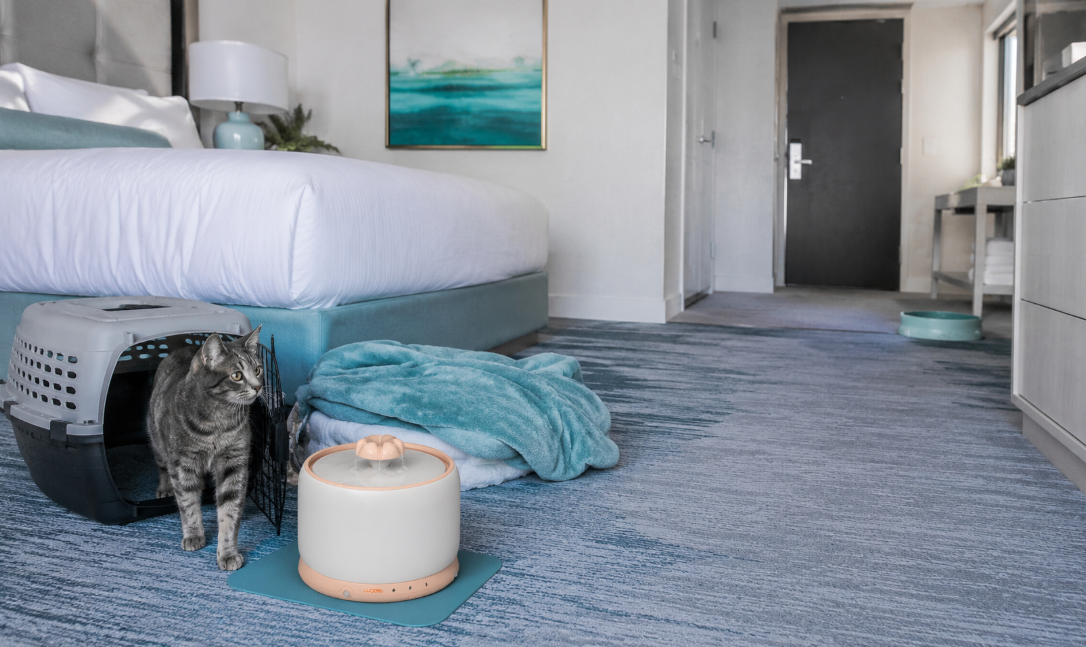
WOPET Wireless Cat Water Fountain Ceramic Pet Water Fountain W03
How Can You Encourage Drinking Away From Home?
• Use the same bowl or fountain your cat recognizes.
• Bring familiar water if the destination supply tastes different.
• Offer more than one clean water station in a large rental or multi-room space.
• Keep water away from litter, heavy foot traffic, loud appliances, and other pets.
• Continue familiar wet food if it is already part of the diet.
• Refresh the water regularly.
• Keep the room cool and calm.
• Allow privacy rather than watching every attempt to drink.
During travel, use only options your cat has already tolerated whenever possible.
How Can You Monitor Hydration While Traveling?
Look for changes from your cat’s normal pattern, including:
• Little or no visible drinking combined with reduced wet-food intake.
• Fewer or smaller urine clumps.
• Dry or tacky gums.
• Lethargy, weakness, or hiding that seems more severe than usual.
• Poor appetite.
• Repeated vomiting or diarrhea.
• Sunken-looking eyes.
• Rapid or open-mouth breathing.
Do not rely only on the skin-tent test. Age, body condition, and skin elasticity can make it difficult to interpret. A veterinarian can assess hydration more reliably.
When Does a Traveling Cat Need Veterinary Care?
Contact a veterinarian promptly if your cat refuses water and food, cannot keep fluids down, has repeated vomiting or diarrhea, becomes weak or unusually unresponsive, or produces much less urine than normal.
Seek emergency care if your cat:
• Has difficulty breathing or breathes with an open mouth.
• Collapses, seems disoriented, or is difficult to wake.
• Shows signs of heat illness.
• Repeatedly strains to urinate but produces little or no urine.
• Cries in the litter box or appears to have severe abdominal pain.
The American Veterinary Medical Association explains that a urethral obstruction is potentially life-threatening and occurs most often in male cats. Treat suspected blockage as an emergency. Do not continue driving toward the original destination if your cat needs urgent care; use the nearest appropriate veterinary facility.
Frequently Asked Questions
How often should I offer my cat water on a road trip?
Offer water during safe, calm stops and make it available immediately upon arrival. Trip length, temperature, diet, health, and the cat’s normal habits matter more than a rigid schedule. Ask your veterinarian for an individualized plan on long trips.
Is it normal for a cat not to drink in the car?
Some cats will not drink while or stressed and may wait until the vehicle stops or they reach a quiet room. Continue offering safe water and monitor food intake, urination, and behavior. Seek veterinary advice when the change is substantial or accompanied by symptoms.
Can I leave a water bowl in my cat’s carrier?
An open bowl in a small carrier usually spills and soaks the bedding. Offer water at secure stops. Larger travel kennels may accommodate a securely attached, spill-resistant container, but the cat must remain safely confined.
Should I bring water from home for my cat?
It can help if your cat dislikes unfamiliar tastes or the destination water quality is uncertain. Store it in clean, sealed containers and bring more than your planned amount.
Can I use a cat water fountain in a hotel?
Yes, if the hotel permits it and you set it on a stable indoor surface after arrival. Transport the fountain empty, keep it clean, and do not use it inside a moving vehicle.
Should I give my cat an electrolyte drink?
Not unless a veterinarian specifically recommends a product and dose. Human sports drinks and flavored hydration products may contain unsuitable ingredients and do not treat significant dehydration.
Final Takeaway
Travel hydration works best when it feels familiar. Begin with a normally hydrated cat, pack safe water and known supplies, offer water during secure stops, maintain a cool vehicle, and rebuild the home drinking setup at your destination. Monitor drinking together with food intake, urination, energy, and gastrointestinal signs. If your cat appears ill or dehydrated, seek veterinary care instead of treating the problem as ordinary travel stress.
Label:
Popular Post
The Ultimate Guide to Tabby Cats: Patterns, Personalities, and More
Mar 27, 2025
Top 10 Most Expensive Cat Breeds in The World
May 07, 2025
Can Cats Have Ice Cream? Dangers, Safe Flavors & Healthy Cat Treats
Sep 02, 2025
My Cat Only Eats A Little at A Time - What to Do?
Feb 27, 2023
Top 8 Reasons Why Does My Cat Sleep Between My Legs?
Mar 03, 2025

[Blue] W03L 3L Premium Ceramic Cat Water Fountain
Model: W03 LITE
$59.99
$69.99
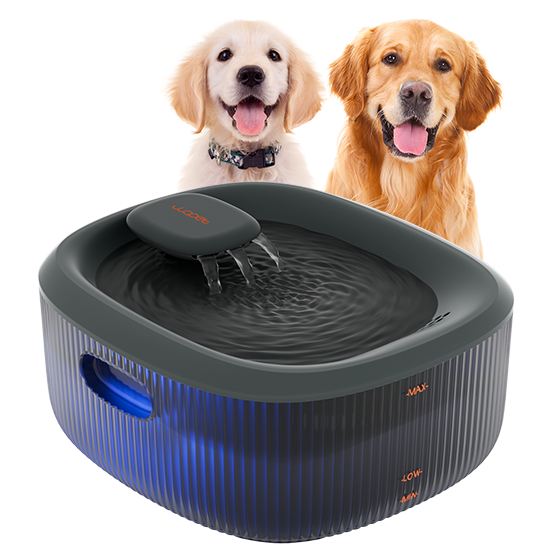
Basin Pet Water Fountain-W600
Model: W600
$43.99
$69.99
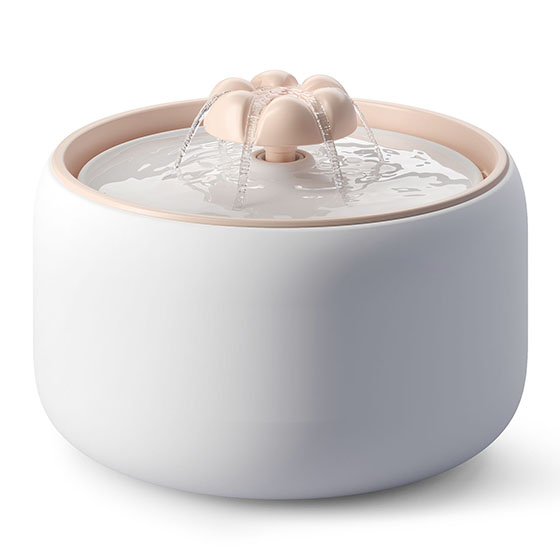
[Basic] Ceramic Pet Water Fountain with Power Cable
Model: W03L
$59.99
$99.00
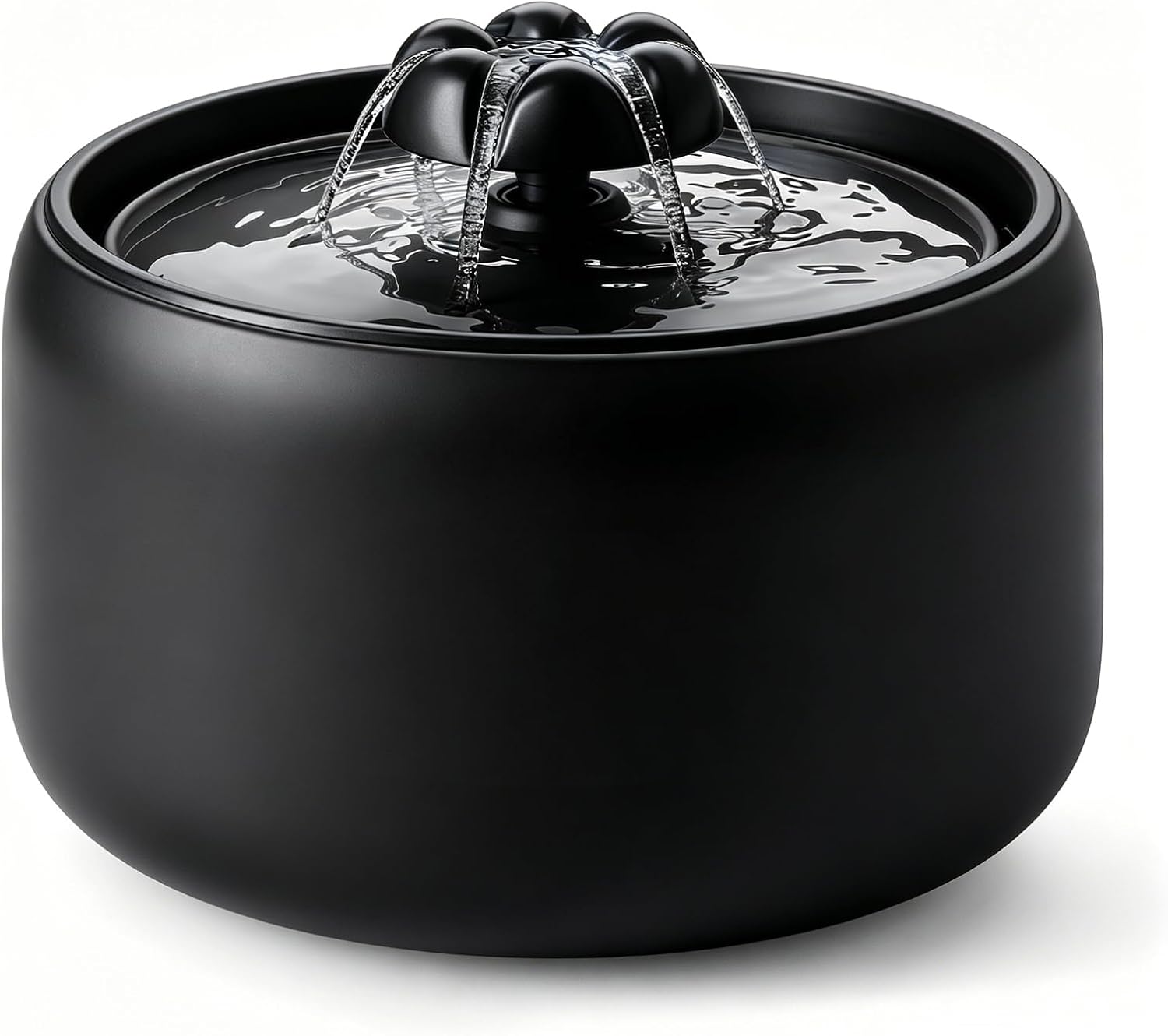
[Black] W03L 3L Premium Ceramic Cat Water Fountain
Model: W03L Black
$59.99
$69.99
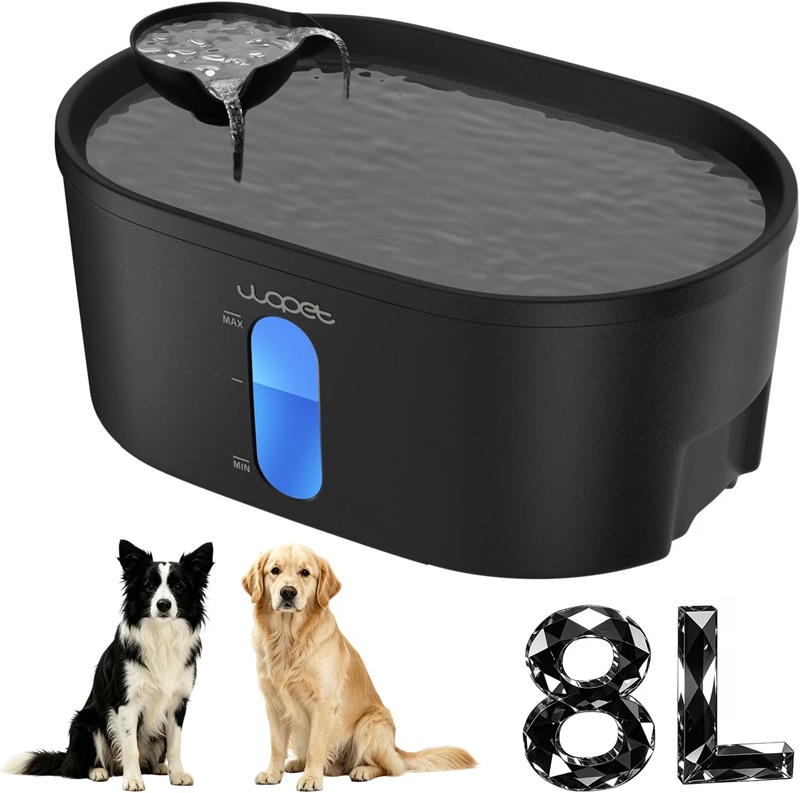
WOPET 8L Pet Water Fountain For Multiple Cats or Large Dogs A08
Model: A08
$49.99
$59.99
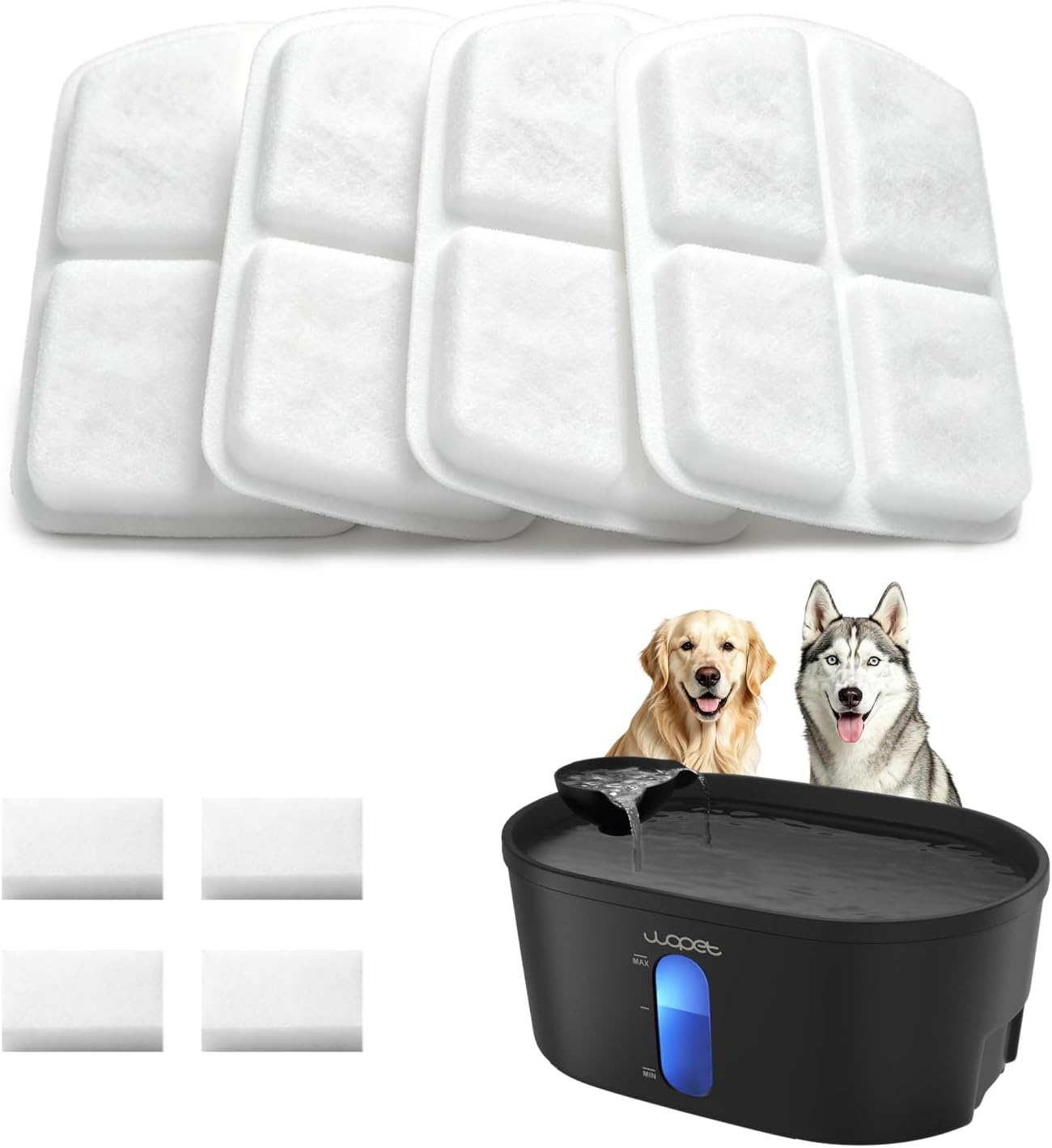
WOPET A08 Dog Water Fountain Filters
Model: A08 Filter
$19.99
$29.99

DOWNLOAD APP

WOpet life




Copyright © 2026 WOPET. All Rights Reserved.