Aug 28, 2026
Author:Sam Wonder
A cat may drink less after moving because the new home feels unfamiliar, the water tastes different, the drinking station is in an exposed location, or the cat’s normal routine has changed. Mild disruption can be temporary, but a sudden or persistent decrease in drinking—especially with poor appetite, vomiting, lethargy, or urinary changes—requires veterinary advice.
What to do first:
• Set up a quiet room with familiar supplies.
• Offer the same clean bowl or fountain your cat used before.
• Provide more than one accessible water source.
• Monitor eating, drinking, urination, and behavior.
• Contact a veterinarian if the decrease is substantial, persistent, or accompanied by other symptoms.
Cats rely heavily on familiar territory, predictable routines, and easy access to resources. A move changes all three at once. Even a confident cat may spend the first hours or days hiding, exploring cautiously, or waiting until the home is quiet before eating and drinking.
Keep in mind that drinking less from a bowl does not always mean total water intake is low. Cats eating moisture-rich wet food may drink less visibly than cats eating mostly dry food.
The goal is not to force your cat to drink. It is to make safe water easy to find, reduce pressure, restore familiar cues, and recognize when the change may be medical rather than behavioral.
Why Do Some Cats Drink Less After a Move?
The new environment feels unsafe
Moving introduces unfamiliar rooms, smells, sounds, people, and traffic patterns. Cats may avoid crossing open spaces or entering a noisy kitchen to reach a water bowl. A station that looks convenient to a person may feel exposed to a cautious cat.
International Cat Care notes that moving can be stressful for cats because it removes familiar territory. Its moving-house guidance recommends planning the transition and initially giving the cat a secure area in the new home.
The water tastes or smells different
Municipal water varies by location. A cat accustomed to one source may notice different minerals or disinfectant odors at the new address. The water may still be safe, but unfamiliar taste can reduce its appeal.
The bowl or fountain moved too
Cats learn where important resources are located. A fountain that was always beside a quiet wall may now be near a refrigerator, laundry machine, doorway, or active play area. Noise, vibration, foot traffic, or lack of an easy escape route may make the new location uncomfortable.
Too many changes happened together
A new home is not the ideal moment to replace the bowl, introduce a different fountain, change diets, switch litter, and alter feeding times all at once. Each change makes it harder for the cat to find familiar cues—and harder for you to identify what is affecting drinking.
Another cat is controlling access
In a multi-cat household, a cat may hesitate to use a water source if another cat blocks a doorway, watches the station, or controls the route. Conflict can be subtle. You may never see a fight.
The Feline Veterinary Medical Association recommends placing essential resources in appealing, low-traffic areas and providing separate resources when cats need them. Its cat-friendly environmental guidance specifically includes clean, fresh water in a location the cat finds comfortable.
The timing may be coincidental
Do not assume every change is “just stress.” Dental pain, nausea, weakness, or difficulty reaching the water source may reduce a cat’s water intake. Kidney disease, diabetes, vomiting, and diarrhea can also contribute to dehydration, sometimes even when a cat is drinking normally or more than usual. A health problem may begin near moving day without being caused by the move.
What Should You Do Right After Moving?
Start with one quiet room
Prepare a low-traffic room with familiar bedding, a hiding place, scratching surface, food, water, and a litter box. Keep the litter box separated from food and water as much as the room allows.
This smaller territory makes essential resources easier to locate and gives the cat time to assess the new smells and sounds. Allow exploration at the cat’s pace rather than carrying them from room to room.
Recreate the old drinking setup
Use the same clean bowl or fountain your cat used before the move. Place it at a similar height and against a wall or in another protected location. Fill it with fresh water, but avoid heavily scented cleaners that may leave a residue.
If practical, bring a sealed supply of the drinking water your cat used at the previous home. You can transition gradually to the new safe water source by mixing increasing amounts over several days.
Keep the routine predictable
Offer meals at the usual times, keep voices and activity calm, and avoid unnecessary visitors during the first settling period. Familiar meal timing can help restore the sequence of eating, grooming, drinking, and resting.
Observe without hovering
Some cats wait until the room is quiet or the household is asleep. Repeatedly approaching the bowl, picking up the cat, or placing their face near the water can increase pressure. Check the water level and litter box discreetly instead.
How Can You Encourage a Cat to Drink in a New Home?
Offer more than one water station
Place clean water in several quiet, accessible locations, especially in a larger or multi-level home. A timid cat should not need to cross a busy hallway or pass another pet to drink.
Avoid placing every source together. Separate stations give the cat real choices and reduce the chance that one noise, pet, or blocked route prevents access.
Keep water away from the litter box
Cats may avoid water placed close to toileting areas. Food particles can also contaminate nearby water. Separate the resources when possible, while keeping each one easy to access from the cat’s safe area.
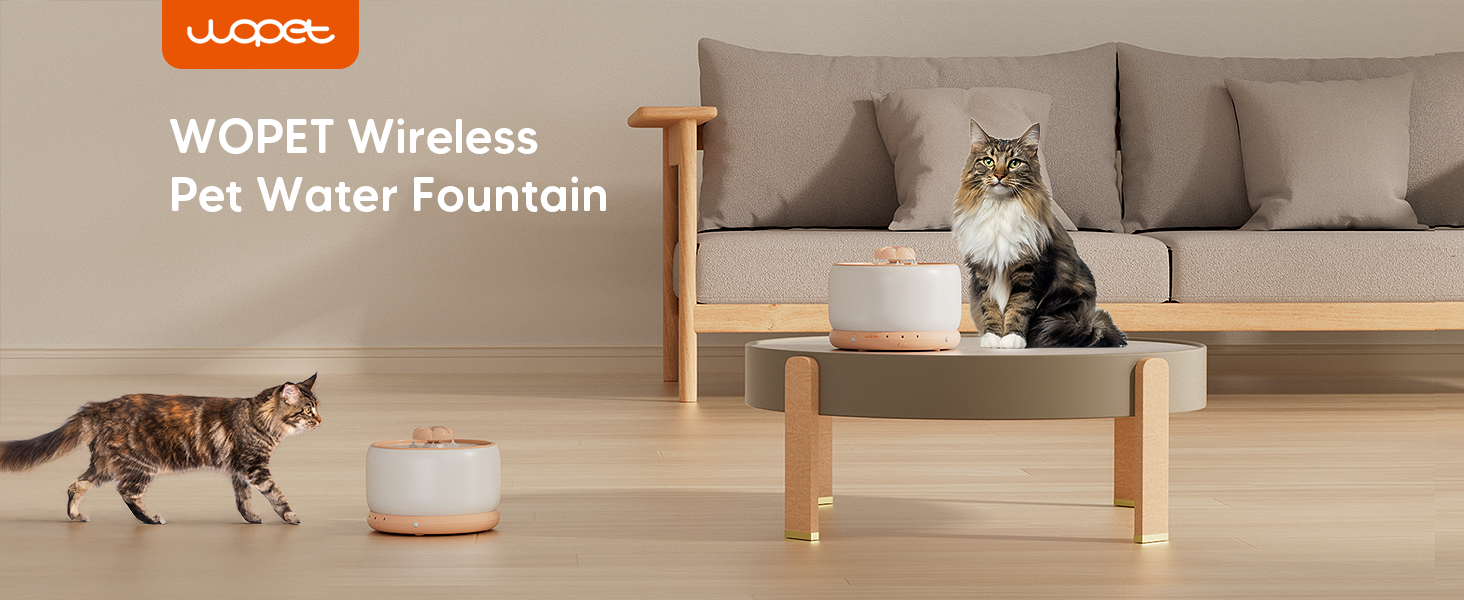
Try the same familiar water fountain
If your cat already used a fountain before the move, set up that same fountain. The familiar shape and sound may help the new space feel more predictable. Do not introduce a fountain and remove the bowl on the same day if the cat has never used one.
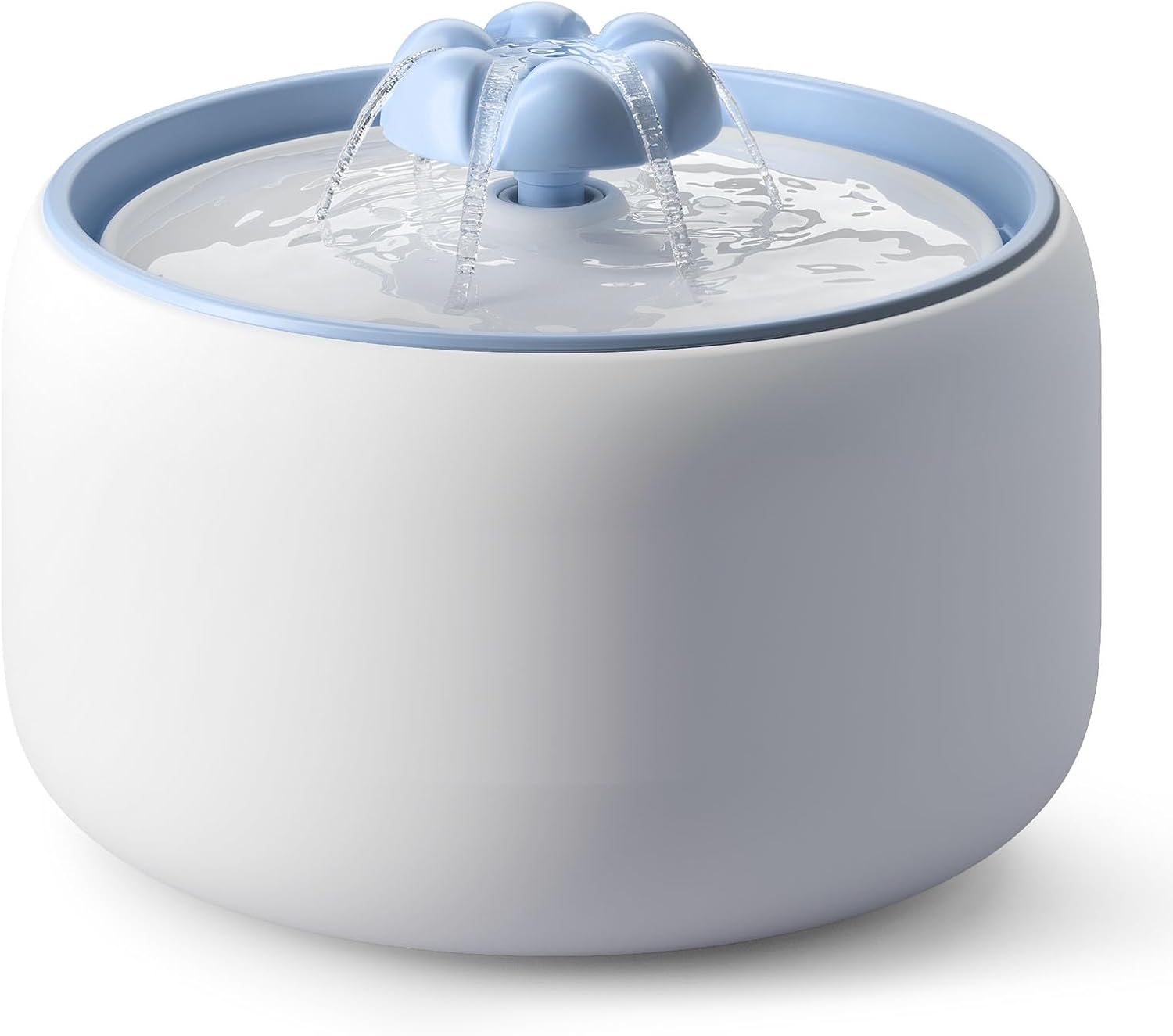
When outlet placement limits your options, the cordless WOPET W03 Ceramic Wireless Pet Water Fountain can be positioned in a quiet indoor location without running a power cord across the room. A fountain should supplement a safe setup, not replace monitoring or veterinary care.
Make moisture part of meals
If your cat normally eats wet food, continue it. If your veterinarian has not restricted water or diet, you may add a small amount of water to familiar wet food and increase it gradually if the cat accepts the texture.
Do not make a sudden diet change solely to increase water. Abrupt changes can cause gastrointestinal upset or further reduce appetite.
Keep the water fresh
Refresh bowls at least daily and more often if food, hair, or litter enters them. Clean fountains and replace filters according to the manufacturer’s directions. Stale water in a new environment is unlikely to win over a hesitant cat.
Let the cat choose
Try different safe options side by side: the familiar bowl, a wide ceramic bowl, and the familiar fountain. Keep the location stable long enough to observe a pattern. Once you know what the cat uses, simplify the setup without removing needed backup sources.
What Should You Avoid?
• Do not force water into your cat’s mouth with a syringe unless a veterinarian has specifically shown you how and instructed you to do it. Fluid can enter the airway.
• Do not punish, chase, or repeatedly pull a hiding cat toward the water.
• Do not add broth without checking the ingredients. Onion, garlic, excessive sodium, and other seasonings can be unsafe for cats.
• Do not assume a fountain filter makes questionable source water safe.
• Do not introduce several new products, scents, foods, and schedules at once.
• Do not restrict water to make it easier to measure. Cats should have access to fresh water unless a veterinarian gives different instructions.
How Can You Tell Whether Your Cat Is Getting Enough Water?
You may not see every drinking session, particularly if your cat drinks overnight or obtains moisture from wet food. Look at the whole pattern rather than counting bowl visits alone.
Monitor:
• Water level changes at each station.
• How much wet versus dry food the cat eats.
• Litter-box visits and the usual size and number of urine clumps.
• Appetite, energy, grooming, and social behavior.
• Vomiting or diarrhea.
• Body weight, if you can measure it without adding stress.
Cornell University’s feline hydration resource lists lethargy, weakness, poor appetite, dry gums, and sunken eyes among possible signs of dehydration. Skin-tent testing can be difficult to interpret, particularly in older or overweight cats, so do not use it as the only measure.
The moving-specific steps in this article should not delay a veterinary assessment when warning signs are present.
When Should You Call a Veterinarian?
Call your veterinarian promptly if your cat’s drinking drops sharply, they refuse both food and water, or the change persists despite a calm, accessible setup. Contact the clinic sooner if the cat is a kitten, senior, or has kidney disease, diabetes, urinary disease, heart disease, or another condition that affects hydration.
Seek urgent veterinary care if your cat:
• Is weak, unusually sleepy, collapsed, or difficult to wake.
• Has repeated vomiting or significant diarrhea.
• Cannot keep water down.
• Has dry or tacky gums, sunken eyes, or other signs of dehydration.
• Repeatedly enters the litter box but produces little or no urine.
• Strains, cries, or shows pain while attempting to urinate.
• Has trouble breathing.
The American Veterinary Medical Association explains that a urethral obstruction is potentially life-threatening and occurs most often in male cats. Treat suspected blockage as an emergency.
How Long Does It Take a Cat to Drink Normally After Moving?
There is no universal timeline. Some cats explore, eat, and drink within hours. Others need several quiet days to resume their normal routine. The important question is not whether your cat matches another cat’s schedule—it is whether they are staying hydrated, urinating, eating, and gradually becoming more comfortable.
A cat that continues to drink less without improvement, or develops any other symptoms, should be uated rather than given unlimited time to “settle.”
Frequently Asked Questions
Is it normal for a cat not to drink on the first night in a new home?
Stress and hiding can temporarily reduce visible drinking, and cats eating wet food may drink when no one is watching. Still, provide accessible water and monitor food intake and urination. Contact a veterinarian if the decrease is substantial, continues, or occurs with other symptoms.
Should I put water next to my hiding cat?
Place water within easy reach of the safe area, but not so close that it blocks the hiding place or forces the cat to pass it. Keep food, water, and the litter box separated as much as possible.
Will a water fountain help after moving?
It may help if the cat already prefers moving water or recognizes the fountain from the previous home. A brand-new fountain should be introduced alongside the familiar bowl, not used as an abrupt replacement.
Should I use water from my previous home?
Bringing a sealed, clean supply can help if the new water tastes different. Transition gradually, and make sure both sources are safe. Do not transport or reuse old standing water from a bowl or fountain reservoir.
Can moving stress cause dehydration in cats?
Stress can contribute to reduced eating or drinking, but dehydration can also reflect illness or fluid loss. Treat a meaningful change as something to monitor closely, not as proof that stress is the only cause.
Final Takeaway
Label:
Popular Post
The Ultimate Guide to Tabby Cats: Patterns, Personalities, and More
Mar 27, 2025
Top 10 Most Expensive Cat Breeds in The World
May 07, 2025
Can Cats Have Ice Cream? Dangers, Safe Flavors & Healthy Cat Treats
Sep 02, 2025
My Cat Only Eats A Little at A Time - What to Do?
Feb 27, 2023
Top 8 Reasons Why Does My Cat Sleep Between My Legs?
Mar 03, 2025
[Blue] W03L 3L Premium Ceramic Cat Water Fountain
Model: W03 LITE
$59.99
$69.99
Basin Pet Water Fountain-W600
Model: W600
$43.99
$69.99
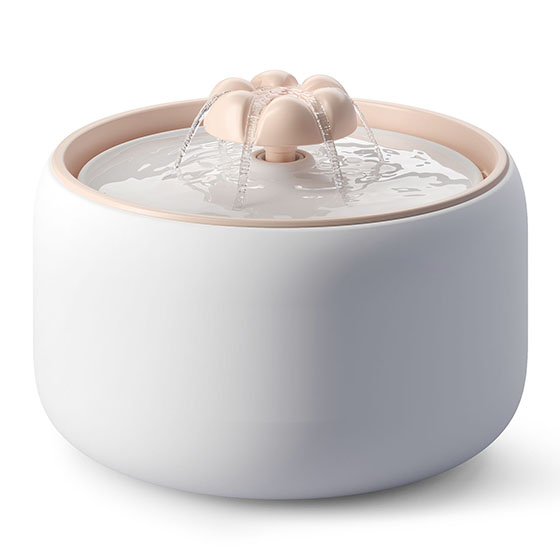
[Basic] Ceramic Pet Water Fountain with Power Cable
Model: W03L
$59.99
$99.00
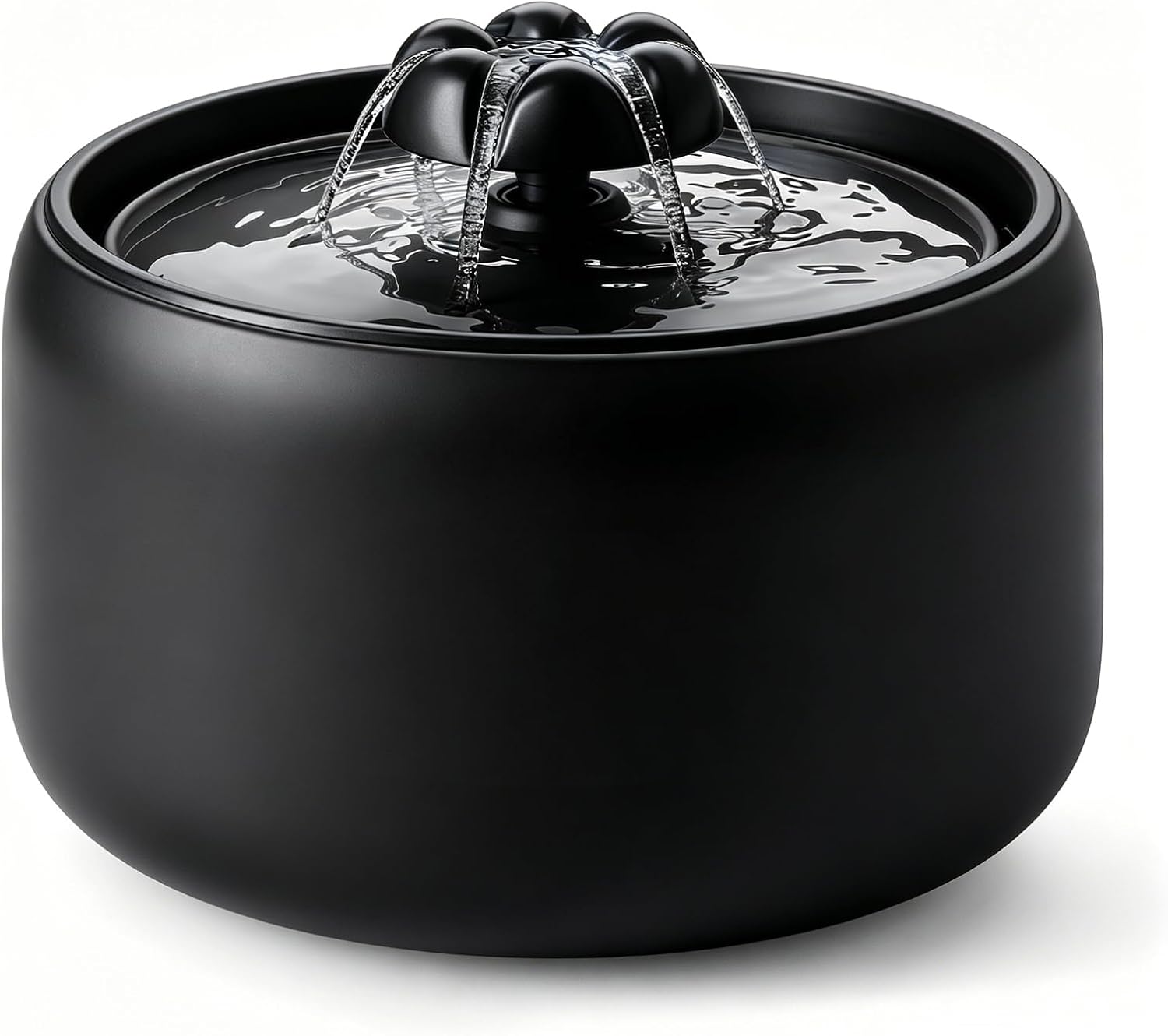
[Black] W03L 3L Premium Ceramic Cat Water Fountain
Model: W03L Black
$59.99
$69.99
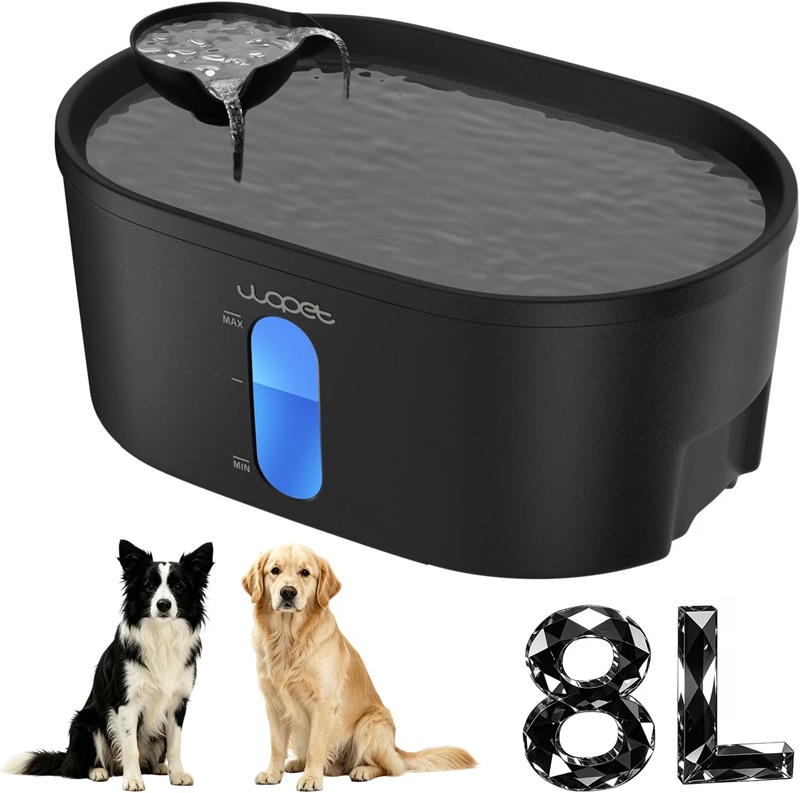
WOPET 8L Pet Water Fountain For Multiple Cats or Large Dogs A08
Model: A08
$49.99
$59.99
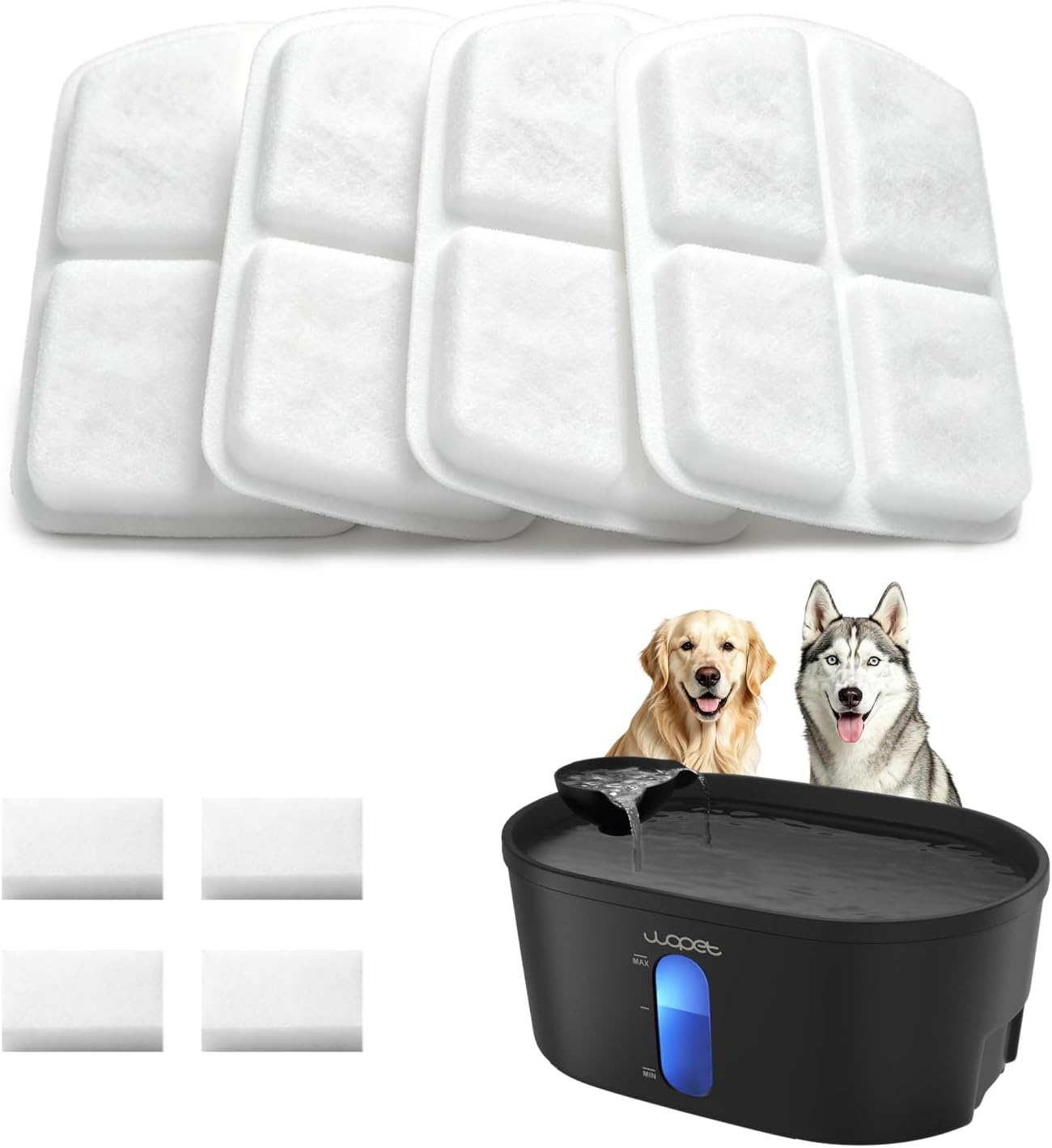
WOPET A08 Dog Water Fountain Filters
Model: A08 Filter
$19.99
$29.99

DOWNLOAD APP

WOpet life




Copyright © 2026 WOPET. All Rights Reserved.