Jun 03, 2025
Author:Sam Wonder
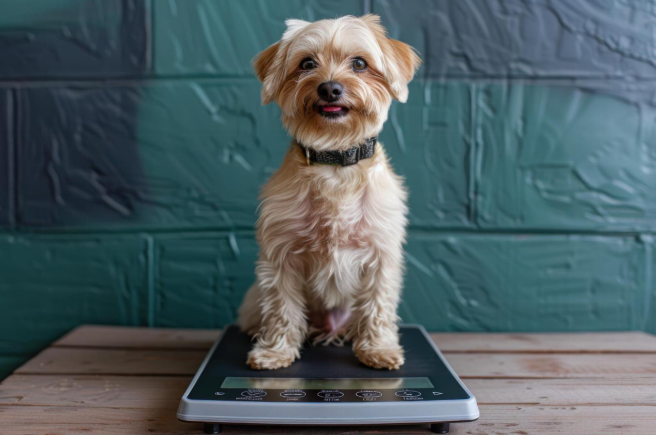
Carrying extra pounds is not a small matter for dogs. Even five excess pounds can strain joints, burden the heart, raise diabetes risk, and shorten life expectancy. If a veterinarian has confirmed that your pet is overweight, you need a clear, consistent plan. This guide explains how to help dog lose weight in practical, step-by-step detail. You will learn to set realistic goals, structure meals, increase activity, and track progress without confusing jargon or gimmicks. Follow these methods, and you will give your companion a safer, more energetic life.
Before changing anything, schedule a clinic visit. A veterinarian will:
1. Perform a body-condition assessment and weigh your dog.
2. Check thyroid, blood sugar, and joint health to rule out hidden problems.
3. Recommend a target weight based on age, breed, and frame.
Knowing the exact baseline ensures accuracy when you later calculate meal portions or exercise minutes. This visit is also the first time you can repeat the key phrase how to help dog lose weight in discussion with the veterinary team.
Dogs rarely self-regulate intake when tasty food is always available. Replace free feeding with measured servings:
● Use a digital kitchen scale instead of a scoop. Weighing food stops guesswork.
● Split the daily ration into two or three smaller meals to keep the stomach satisfied.
● Follow your vet’s calorie goal, not the generic label chart, which often runs high.
If you struggle to serve exact portions during busy mornings, an automatic feeder can handle timed releases. Programmable feeders remove human error and late-night snacks that sabotage progress.
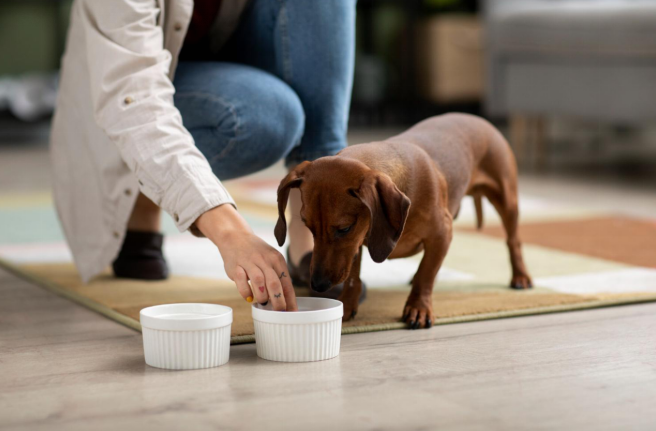
Weight-control formulas reduce fat while maintaining protein. Look for:
● ≥ 25 % protein to preserve muscle during fat loss.
● < 12 % fat (dry-matter basis) to cut calories.
● Added fiber (pea fiber, beet pulp, pumpkin) to extend fullness.
Read labels carefully. Avoid fillers, sweeteners, and questionable additives. Review common dog food ingredients that might stall progress. If you prefer homemade meals, follow a vet-approved recipe to balance calcium, phosphorus, iodine, and essential fatty acids.
For dogs who resist diet kibble, consider portioning a branded weight-management kibble. Combine it with warm water or low-sodium broth to enhance aroma without extra calories.
Treats should not exceed 10 % of daily calories. Replace high-fat cookies with:
● Single-ingredient meat strips dried without oil.
● Crunchy carrot or cucumber pieces.
● Ice cubes flavored with unsalted chicken broth.
Track treat calories on a notepad. Subtract those calories from meal portions to stay within limits. When relatives sneak extra morsels, politely remind them of the life-saving plan. Consistency matters more than occasional big workouts.
Dogs that graze all day rarely burn enough energy to match intake. Structured feeding patterns help metabolism and digestion:
● Feed at the same time every morning and evening.
● Put the bowl down for 15 minutes, then remove leftovers.
● Record exact grams eaten to update your food diary.
A clear feeding schedule also shows early if appetite drops—a possible sign of illness or stress.
Modern devices make weight management easier:
● Smart feeders sync to mobile apps so you monitor portions on the road.
● Activity trackers measure steps and calories burned, giving precise data.
● Pet cameras let you speak a firm “No” when the dog noses the counter at noon.
Technology never replaces leadership, but it keeps records honest.

Food changes alone are rarely enough. Movement burns calories, tones muscles, and boosts mood. Design a plan that matches age and joint health:
Start with two ten-minute walks a day. Add five minutes each week until you reach 45–60 minutes of brisk walking daily. A comfortable walking harness prevents throat strain and encourages a steady pace.
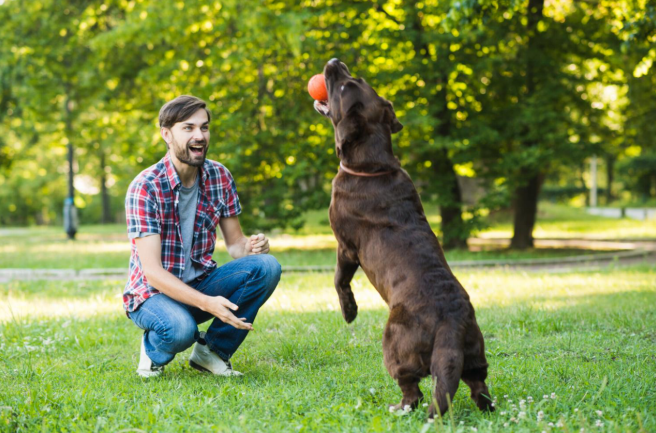
If you own property or visit a safe park, add ball fetch or short sprints inside wireless fences. Short bursts raise heart rate, helping burn fat faster than strolling alone.
Use low platforms, tunnels, or gentle uphill paths. Hill climbs engage gluteal and core muscles that protect hips. Five uphill repeats equal one flat walk in calorie cost.
Remember, frequent short sessions prevent fatigue better than one long marathon, especially for breeds prone to joint issues.
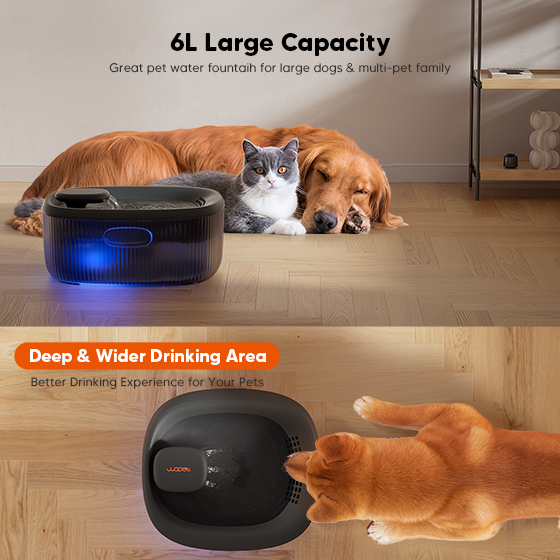
In every workout, hydration is vital. Keep fresh water nearby and watch for panting or slowing. Dogs with flat faces may overheat quickly.
Long-term success requires enjoyment. Rotate toys that spark instinct:
● Tug ropes for a few minutes of resistance work.
● Puzzle feeders that roll kibble out slowly.
● Flirt poles to mimic prey chase.
Adding new interactive toys every couple of weeks maintains interest and prevents boredom snacking. Play also deepens the bond between guardian and pet—a key motivator when progress stalls.
Some dogs inhale food, then beg for more. Fast gulping adds air, triggers vomiting, and fools hunger signals. Solve this issue by:
● Splitting meals into smaller bites served 15 minutes apart.
● Using slow-feed bowls with mazes.
● Spreading kibble on a silicone lick mat.
Learn more about the fast eating problem and safeguard progress.
Sudden appetite loss, lethargy, or limping calls for veterinary review. Review common questions:
● Barking at empty bowls—normal protest or sign of rising hunger hormone? Check if meal size stayed correct, then distract with training commands.
● Skipping meals—could indicate dental pain or nausea. Read about sense of appetite changes to decide when to call the vet.
● Clinginess during routine changes might stem from anxiety. If stress eating appears, explore methods to ease separation anxiety.
Proactive attention prevents small issues from turning into weight-loss plateaus.
Weigh your dog every two weeks on the same scale. Aim for 1 % body-weight loss per week—a safe speed that spares muscle tissue. If the scale drops faster, add 5 % more food. If it stalls for three readings, cut calories by 5–10 % or increase playtime.
Log each weigh-in beside daily food amounts. Over four to six months, the line on your chart should slope gradually downward toward the target weight set by your vet. At that milestone, celebrate with a new hiking path or weekend beach run, not with extra treats.
Older pets lose muscle faster. Combine moderate protein levels with joint-support supplements (glucosamine, EPA, DHA). Gentle swimming or leash walks on soft ground protect aging joints. Detailed senior dog care steps keep them active without injury.
Hounds, pointers, and shepherds differ in metabolism and exercise drive. Read concise profiles—such as the German Hound—to tailor routines. Large, deep-chested breeds may need multiple small meals to avoid bloat during calorie cuts.
If orthopedic surgery reduced mobility, hydrotherapy or underwater treadmill sessions can burn calories without weight-bearing stress until full recovery.
If home efforts stall, enlist:
● A certified canine nutritionist to refine macronutrient ratios.
● A qualified dog trainer to design structured agility or scent games.
● A rehab veterinarian for personalized aquatic exercises.
Sometimes an outside perspective spots missed factors, such as hidden calories from flavored medications or family members overfeeding.
Maintain a healthy weight for life
Reaching goal weight is not the finish line. Dogs can regain pounds quickly if habits slip. Continue to:
1. Use the kitchen scale for every meal.
2. Walk at least 45 minutes most days.
3. Weigh monthly and record results.
Preventing regain is easier than starting another diet cycle. It also sustains healthier blood pressure, joint flexibility, and sharper cognitive function in later years.
Helping a dog shed extra pounds is not complicated, but it does demand consistency, accurate portion control, and daily activity. Follow the veterinary calorie plan, weigh every meal, and schedule regular walks or swim sessions. Track progress every two weeks and adjust food or exercise when the scale stalls. Use slow-feed tools, interactive toys, and smart feeders to stay on course. By applying these practical steps, you master how to help dog lose weight and safeguard your companion’s joints, heart, and life span for years to come.
Label:
Popular Post
Top 10 Most Expensive Cat Breeds in The World
May 07, 2025
The Ultimate Guide to Tabby Cats: Patterns, Personalities, and More
Mar 27, 2025
Can Cats Have Ice Cream? Dangers, Safe Flavors & Healthy Cat Treats
Sep 02, 2025

My Cat Only Eats A Little at A Time - What to Do?
Feb 27, 2023

Top 8 Reasons Why Does My Cat Sleep Between My Legs?
Mar 03, 2025
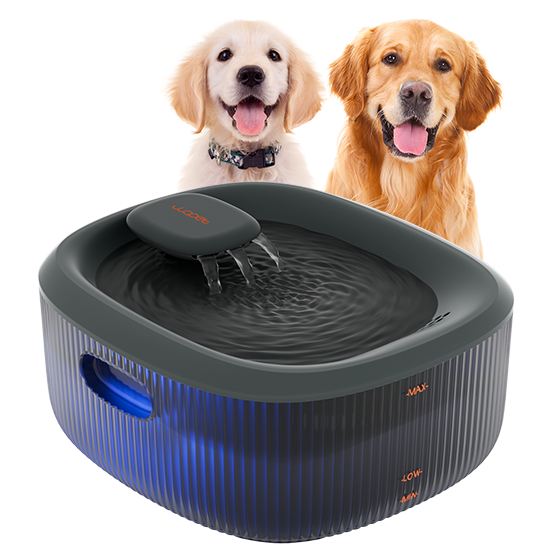
Basin Pet Water Fountain-W600
Model: W600
$43.99
$69.99

[Basic] Ceramic Pet Water Fountain with Power Cable
Model: W03L
$59.99
$99.00
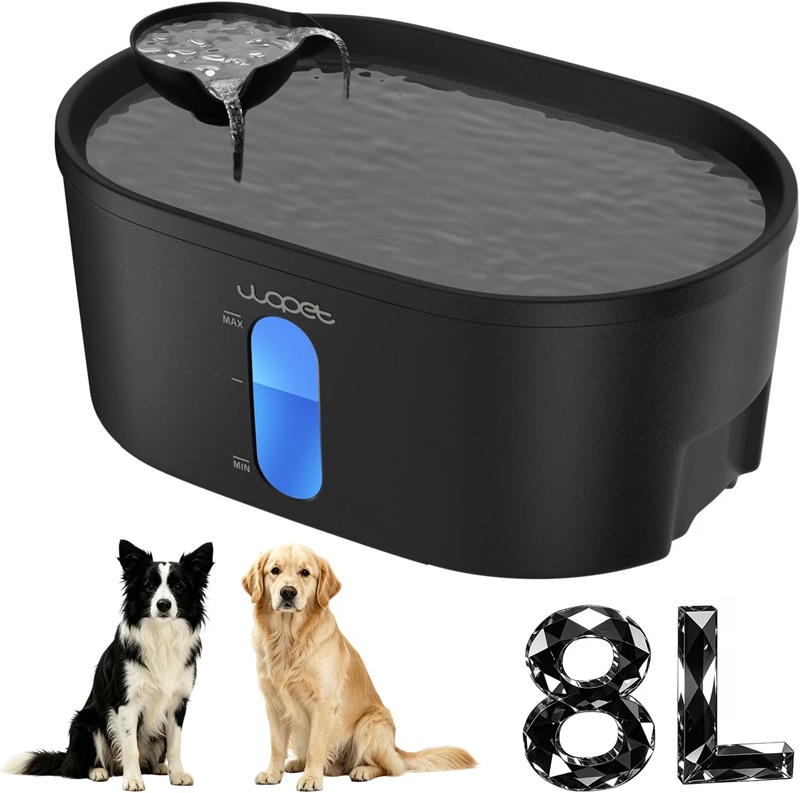
WOPET 8L Pet Water Fountain For Multiple Cats or Large Dogs A08
Model: A08
$49.99
$59.99
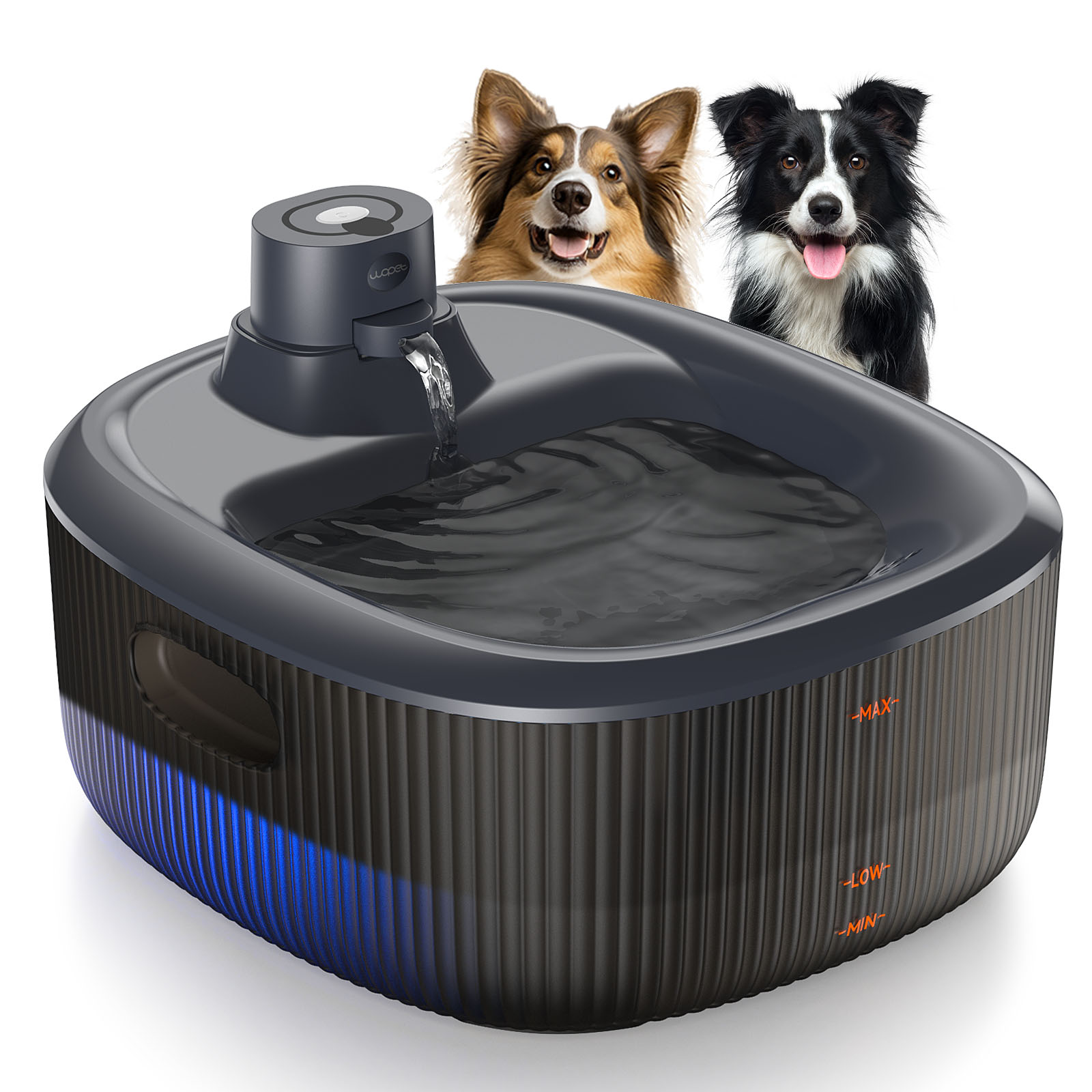
[Upgrade] Basin Wireless Pet Water Fountain
Model: W600 Pro
$69.99
$89.99
Heritage View Pet Feeder Dual Bowls For Two Cats
Model: HV10DP
$119.99
$149.99

[New] Ceramic Wireless Pet Water Fountain W03
Model: W03
$89.99
$129.00

DOWNLOAD APP

WOpet life




Copyright © 2026 WOPET. All Rights Reserved.