Oct 20, 2025
Author:Jackson Watson
If you're a dog owner, then you've probably heard rumbling, gurgling, or growling sounds from your dog's stomach.
In some circumstances, it is harmless, but in other circumstances, your dog stomach gurgling is a whisper or warning that something is not right. It is necessary for every pet parent to understand what dog stomach gurgling means, the different sounds, and when to go to the veterinarian.
This complete guide will dive into the question of why is my dogs stomach gurgling, so you can understand the sounds and help protect your beloved furry friend's health and happiness.

The gurgling noises you hear from your dog are called borborygmi. Borborygmi (pronounced bor-buh-RIG-mee) is a scientific term for gurgling in the dog's stomach.
These sounds are detectable excursions of gas and liquid passing through the digestive tract (stomach and intestines). Just like humans, dogs are in a constant state of digesting food, which is a careful series of muscle contractions called peristalsis to transport food through the tract and waste within the intestines.
The audible noises you are hearing are due to the animal labor of liquid and gas being pushed through the digestive tract.
Borborygmus usually happens softly and rarely and is barely heard. However, a variety of things can amplify them to create a loud, gurgling sound coming from your dog's stomach. The fact, frequency, quality, and other signs will determine if any of the sounds are significant.
A dog's stomach gurgling can be caused by numerous causes. Almost all of which can range from totally normal to those that may require some time with the vet. Let's identify some of the common causes.
The most common and most benign cause of dog belly gurgling is hunger. About dinner time, if your dog is on a regular schedule, their gastrointestinal system knows food is coming.
This recognition can generate increased stomach activity and the release of digestive enzymes, which leads to increased gurgling sounds.
Therefore, if your dog's stomach gurgles loudly prior to eating on a routine, and there is an end to that gurgling sound once they get food, then there is rarely any concern.
It is totally normal for your dog to actively digest their food after a meal. You may even detect a slight growl while the body is processing and taking the nutrients it needs from food, as well as while waste is passing through.
This sound is often quiet and intermittent, but it's a positive indicator that things are moving as they should.
Some dogs – usually the ones that basically inhale their food - may inadvertently gulp gas down with their meals. The extra gas can result in gas in the GI tract, resulting in a louder dog belly gurgling.
A sudden shift in your dog's diet or suddenly incorporating new foods or allowing the dog to indulge in something they should not eat, can frequently upset your dog's sensitive digestive system.
This is marked by gurgling or some sort of noise from your dog's belly, or potentially not eating, vomiting, diarrhea, or some even excessive flatulence, which would be a sign of digestive disturbance.
Please monitor what the dog eats and allow for new foods to be adapted over a few days when changing food styles.
Hydration is important to digestion and proper processing in your dog's body. A dehydrated dog will lack proper digestive functions, which will result in stomach sounds within the dog. Always ensure enough fresh and clean drinking water, preferably with each meal, when at home.
Having too much gas in the intestines is a common reason why my dog's stomach is growling. Too much gas can have several sources such as consuming certain foods (beans, sometimes dairy in dogs), eating too fast, and an imbalance of healthy bacteria in the intestines.
A small amount of gas is okay, however, if there is excessive gas (unrelated to food), or it is too frequent and accompanied with discomfort, then it may warrant more attention.
The pancreas carries out digestion naturally by making digestive enzymes. Thus, overall, when the pancreas is inflamed it can cause painful digestive episodes in dogs, including abdominal pain, belly discomfort, vomiting, and lethargy.
If your dog happens to swallow something other than food that lodges in the digestive tract, it can create a deadly scenario of obstruction.
The obstruction creates impressive amounts of dog stomach gurgling as the body attempts to push the blockage, along with severe abdominal pain, unrelenting vomiting, and a failure to defecate. It is a medical emergency!
The ASPCA offers terrific resources on pet emergencies and first aid that will be useful when you need them. Learn more about pet poisoning and other emergencies.
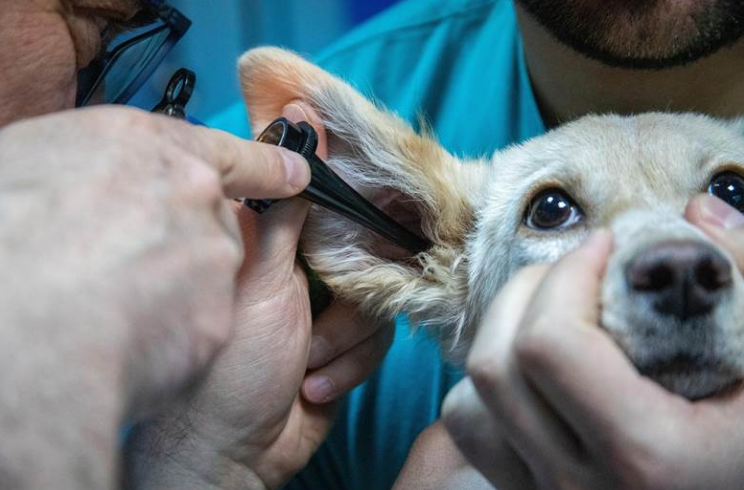
Again, know the possible warning signs. For example, while it is totally fine for your dog to have a tummy gurgle, know the signs and symptoms when this may change.
● Vomiting (whether continuous or severe): Vomiting is often a clear signal of some digestive trouble.
● Diarrhea (bloody, prolonged, a nasty case of diarrhea, or sudden): Not only can prolonged diarrhea or sudden diarrhea have very significant negative consequences, but it may also lead to dehydration or dehydration and/or other adverse complications.
● Loss of appetite: If your dog hasn't eaten in a day or two, that is a pretty clear indication that something is wrong.
● Lethargy/weakness: A sudden loss of energy is never a good sign.
● Belly pain: If your dog shows any discomfort when their abdomen is manipulated or touched.
● Restlessness: Not being able to either lie down or find a comfortable position can indicate pain.
● Distention: A hard and enlarged belly is a serious concern.
● Drooling: Drooling excessively may indicate nausea or pain.
● Compulsive Grass Eating: Although many dogs eat grass periodically, they may eat quantities that warrant attention.
If your dog's stomach is gurgling loudly, accompanied by one or more of the following signs, particularly dog stomach gurgling at night and diarrhea, or you notice your dog is lethargic (and going back to eating grass several times, etc.), you should contact your veterinarian right away. Early diagnosis and treatment can make all the difference in many situations.
There are various proactive measures you can take to support your dog's digestive health and mitigate excessive stomach gurgling, where appropriate:
1. Quality Food: You should feed your dog quality food that is appropriate and balanced for their age, breed and activity level.
2. Try not to change food too often: To find high-quality dog food and innovative feeding options, you can check out Wopet.com.
3. Regular feeding schedule: Stick to scheduled meals. This will help regulate their digestive system.
4. Slow down eating: If your dog eats dog food too fast, invest in a slow-fed bowl to stop them from taking in too much air and help the digestion process. Wopet has a complete line of the latest automatic pet feeders to help with feeding, slowing down, and digesting better.
5. Access to Fresh Drinking Water: Ensure that your dog has access to fresh, clean water always to drink.
6. Limit Human Foods: Eating human food may contribute to digestive upsetting in dogs.
7. Avoid Dietary Accidents: Keeping tempting so-called forbidden items out of reach will help avoid your dog eating something unsuitable.
8. Physical Activity: Engaging in regular activity will help incite your dog's digestion and reduce the likelihood of constipation.
9. Wellness Examination: Scheduling regular wellness examinations with your veterinarian will help assess their health.
Your dog's stomach gurgling surely gives you an interesting perspective into their internal world. Although it is most likely just digestive noise, should you see increased volume or frequency, or if other signs accompany it, always pay attention!
You will be more aware of why my dog's stomach gurgling is and able to ensure your dog is receiving any care that they may need by observing your dog's behavior, food, and any subtle indicators their bodies may display! Again, consult a veterinarian when in doubt.
For more information about your dog's health and wellness and innovative pet products, including products to help digestion, visit WOpet, your trusted pet companion.
Label:
Popular Post
The Ultimate Guide to Tabby Cats: Patterns, Personalities, and More
Mar 27, 2025
Top 10 Most Expensive Cat Breeds in The World
May 07, 2025
Can Cats Have Ice Cream? Dangers, Safe Flavors & Healthy Cat Treats
Sep 02, 2025
My Cat Only Eats A Little at A Time - What to Do?
Feb 27, 2023

Top 8 Reasons Why Does My Cat Sleep Between My Legs?
Mar 03, 2025
[Blue] W03L 3L Premium Ceramic Cat Water Fountain
Model: W03 LITE
$59.99
$69.99
Basin Pet Water Fountain-W600
Model: W600
$43.99
$69.99
[Basic] Ceramic Pet Water Fountain with Power Cable
Model: W03L
$59.99
$99.00
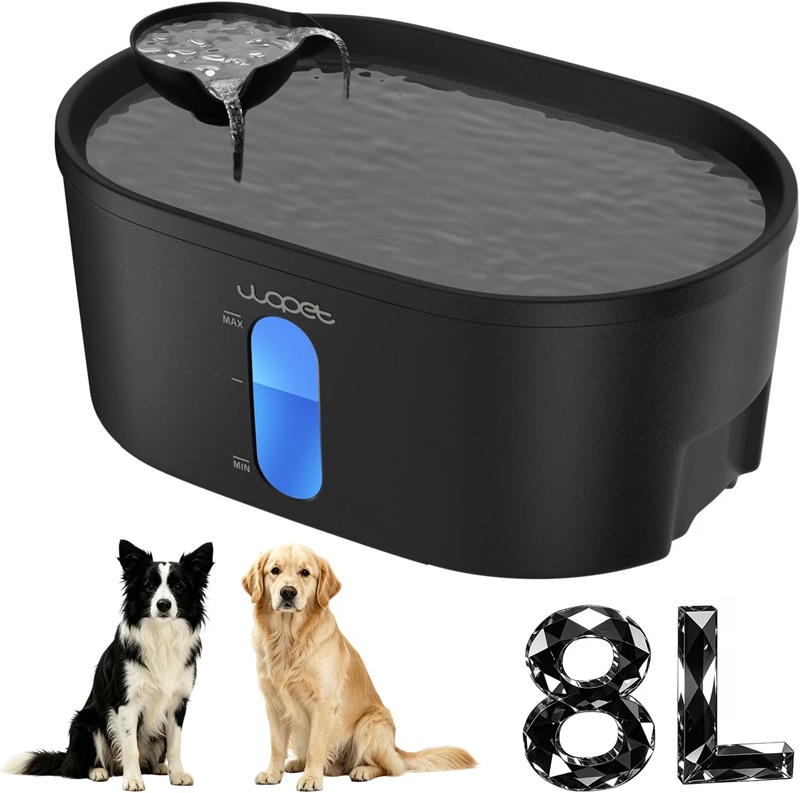
WOPET 8L Pet Water Fountain For Multiple Cats or Large Dogs A08
Model: A08
$49.99
$59.99
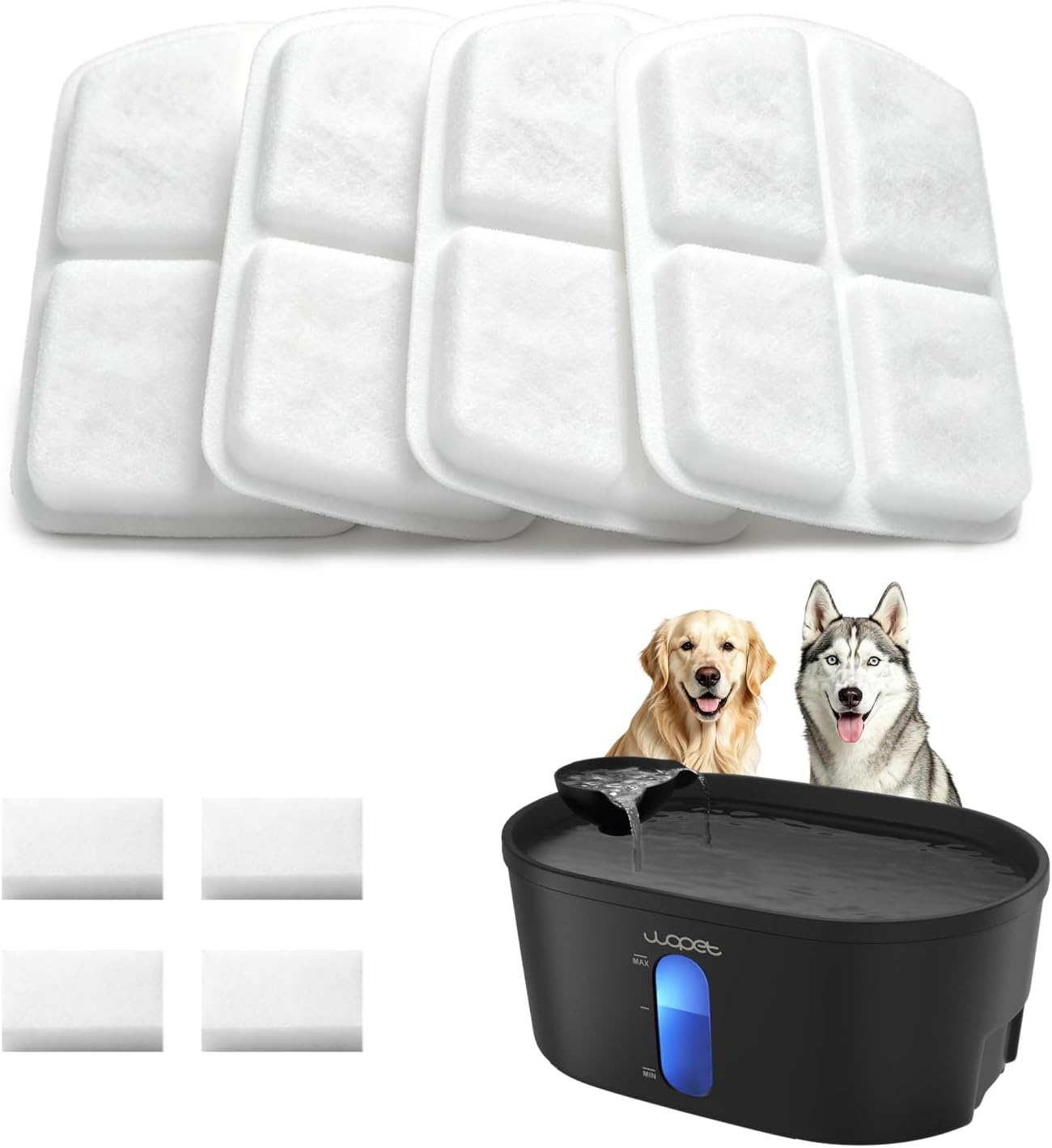
WOPET A08 Dog Water Fountain Filters
Model: A08 Filter
$19.99
$29.99
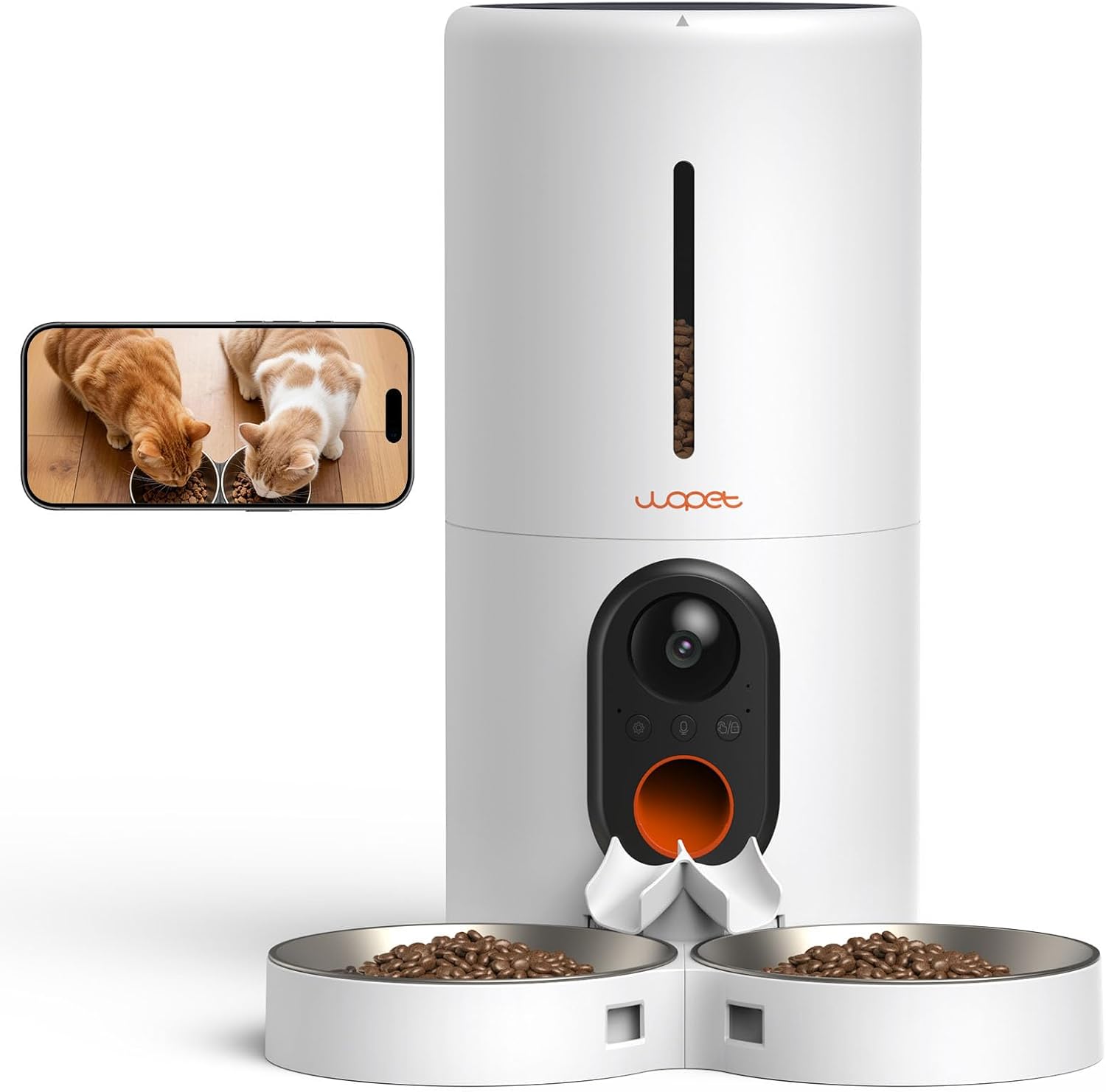
[WHITE] Heritage View 6L Cat Feeder Dual Bowls For Two Cats
Model: HV10DP-white
$114.99
$134.99

DOWNLOAD APP

WOpet life




Copyright © 2026 WOPET. All Rights Reserved.