Oct 15, 2025
Author:Amanda Lyu
It is only natural to worry when your dog appears to have incarnated a strong urge to reliably make frequent stops at the water bowl, or when he gobbles up in no time, like the world has turned into ashes.
More thirst is neither bad nor good (hot day, more work, or dry food), but should be looked into, as there may be a serious illness behind it.
This guide takes you through everything to anticipate and how much is normal, the usual causes (including dog dementia drinking water), what to maintain a natural eye on, and some simple steps that will help your dog stepwise.

A useful rule of thumb vets often use is about 50–60 ml per kg of body weight per day. In order to make that realistic, the following are the precise examples with the midpoint set at 50 ml/kg/day:
● 5 kg dog: 50 × 5 = 250 ml/day
● 10 kg dog: 50 × 10 = 500 ml/day
● 20 kg dog: 50 × 20 = 1,000 ml/day (1 L)
● 30 kg dog: 50 × 30 = 1,500 ml/day (1.5 L)
● 40 kg dog: 50 × 40 = 2,000 ml/day (2 L)
● 50 kg dog: 50 × 50 = 2,500 ml/day (2.5 L)
Suppose you take the low end and maximum of the range of a normal distribution, the 20kg dog gives, 30(20) = 600 ml/day(low) to 30(20) = 1200 ml/day(maximum). The normal water intake dog ml kg guideline (30-60 ml/kg) is a starting point, after which you need to alter it based on lifestyle as well as the health of your dog.
A dog may have a lot of reasons to drink more than usual. Some are harmless and are temporary; others require the services of a veterinary.
Common, non-dangerous causes:
● Hot weather or heavy exercise
● Eating salty or dry food (or table scraps)
● Replacing wet food with dry one.
● Growth, pregnancy, or nursing
Medical and concerning causes:
● Diabetes mellitus (dogs may drink more because they excrete excess sugar).
● Renal illness or renal failure. Look up what are the signs of kidney failure in dogs are, and you will find that an increase in thirst is one of the initial manifestations.
● Cushing’s disease (endocrine disorder).
● Problems of the bladder or urinary tract infections.
● Certain drugs (corticosteroids or diuretics, etc.).
● Behavioral changes, aging, eating disorders (dog dementia drinking water can be higher just because older dogs get lost, wake at night, forget where their bowl is).
Your vet wants to be notified in case there is more thirst with the loss of weight, vomiting, weakness, or alterations in the type of urination.
Not every extra drink is an emergency, but watch for these combos:
● Rapidly increased thirst plus increased urination (ask yourself: Is your dog asking to go out more?)
● Vomiting after drinking or repeatedly gagging. The phrase dog drinking a lot of water and throwing up can point to several things. Sometimes, the dog is drinking too fast and regurgitating, and sometimes vomiting is due to a medical issue that also causes thirst. Get veterinary advice in case this occurs more than once.
● Laziness, foul breath, hollows in the mouth, or loss of appetite (could be indicators of dysfunction in the kidneys).
● The vet should be informed of any sudden, acute, and dramatic drinking spurts in puppies and elderly dogs.
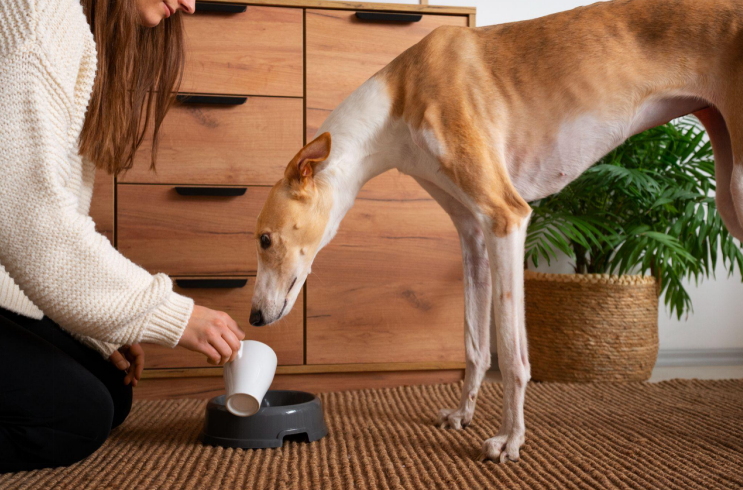
Kidney disease at young age is insidious. Common indicators include:
● Urinary polyphagia and polyuria (increased thirst and urine)
● Loss of appetite and losing weight.
● Vomiting and nausea
● Lethargy and weakness
● Bad breath (a chemical/urine smell) and mouth ulcers
● Estranged state of the coat or drying out.
When you are suspicious of kidney issues, or when many of these signs are present, a vet should probably order blood (BUN, creatinine) and a urine test. An earlier diagnosis would enhance treatment choices.
Fast gulping at the water bowl can lead to coughing, gagging, vomiting, and rarely, water intoxication during extreme cases (for example, large amounts of water swallowed while playing in water). If dog drinks too fast is your issue, try these strategies:
● Give them less water more often instead of a large bowl of water.
● A wide shallow bowl is used; some dogs cannot gulp deep dishes.
● Test a pet water fountain such as the Basin Pet Water Fountain W600 Pro (keeps the flow constant and can make the sipping calmer).
● Oversee drinking after exercise and take it easy with slower laps; do not scold (it raises anxiety and unavoidably causes more gulping).
When the gulping is supplemented by bloating, abdominal pain, or collapse, then emergency veterinary attention is needed.
In cases where your dog constantly consumes much water and subsequently vomits, it may be because of:
● Drinking too quickly (mechanical reflux).
● GI upset or infection.
● Systemic disease (kidney, liver, endocrine disease).
● Newly swallowed poisonous or irritating food.
Record a short history (time, volume, additional symptoms) and take these to the vet; symptom patterns are diagnostic.
Important: don’t withhold water without veterinary advice. Dehydration can be dangerous. Instead try:
1. Vet check first. Rule out diabetes, kidney disease, Cushing’s, or meds that cause thirst.
2. Measure and monitor. For a few days, measure how much your dog drinks and note other symptoms. This gives you concrete info to share with your vet.
3. Adjust feeding. If your dog is on very salty diets or lots of dry treats, reduce salt and increase wet food moisture. Here’s a guide on feeding balance that can help: How Much Should I Feed My Dog?
4. Create calmer drinking routines. Offer fresh water in a calm, quiet spot; avoid high excitement right before and after meals or exercise.
5. Use gadgets smartly. A timed feeder can regulate food and help keep food/water routines consistent; see the WOPET Patrol Automatic Feeder.
6. Train and distract. If the behavior is anxiety-driven, a short play or a calming treat can redirect. The WOPET Guardian treat camera can be useful for remote rewards and distraction during times you’re out.
Generally, yes, puppies have to be free to utilize water all day, since they are small, active beings, and they become dehydrated extremely quickly. That said:
● During house training, you may control late-night water to reduce accidents (remove water 1–2 hours before bedtime and take them out to pee before bed).
● Do not confine water too long.
● Check on the levels of intake; when a puppy indulges in too much drinking, contact the veterinarian.
On the flip side, a dog not drinking enough water can cause dehydration. Signs include dry gums, tacky mouth, sunken eyes, and decreased skin elasticity. To encourage hydration:
● Provide clean and palatable water and replace it regularly.
● Include the low-sodium broth or moist food to add moisture.
● Select a circulating water fountain (pets are fond of running water). The WOPET Basin W600 Pro is designed to keep water fresh and tempt picky drinkers.
● Refusal for more than 24 hrs calls for a visit to the vet.
● Keep water bowls clean. Bacteria forms at a rapid rate; empty bowls every day. In case you have automatic feeders, here are the cleaning guidelines to prevent molds and bacteria.
● Measure for a week. Note baseline consumption and any changes. You can use a simple measuring jug.
● Consider climate and activity. On hot days or after long play, expect more drinking.
● Avoid salt-heavy snacks and table scraps. They increase thirst.
● Keep appointments and vaccines current. Preventive care supports overall health. See tips to keep your pet healthy.
Make an appointment if your dog has:
● A sustained increase in thirst for 48 hours or more.
● Decreased flow of urine, vomiting, or weight loss.
● Laziness, loss of appetite, foul breath, or pain.
● The sudden change in drinking in a puppy or an aging dog; these two groups are more susceptible.
Bloodwork and urinalysis will be done to test diabetes, renal performance, electrolytes, and infection; a veteran is likely to run these tests.
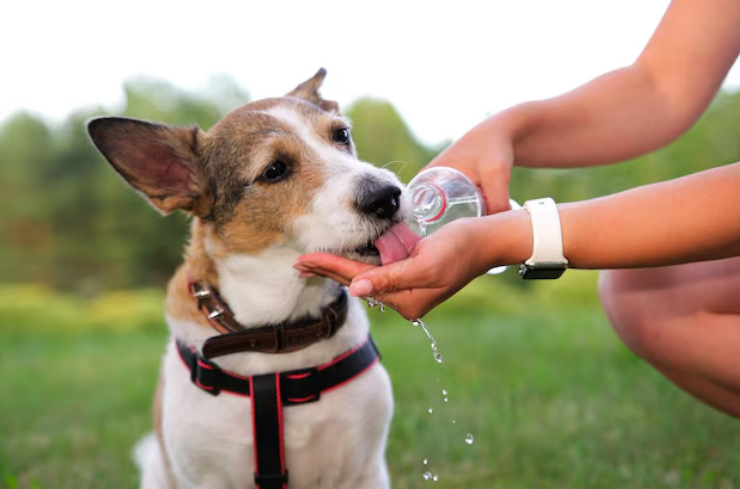
Not all extra water-sipping is a crisis, but patterns matter. Begin with measurement and note of other symptoms, changing diet and routines, and in case anything seems amiss (vomiting, lethargy, loss of weight, or thirst run away), call on your vet.
Even small changes in lifestyles, making water purer, having a fountain that helps to have a relaxing drink, or disciplined meals, can have an immense impact.
If you want gentle, practical products to help manage feeding and hydration in case you find your dog drinking a lot of water, WOpet's range can be helpful without being pushy.
Label:
Popular Post
The Ultimate Guide to Tabby Cats: Patterns, Personalities, and More
Mar 27, 2025
Top 10 Most Expensive Cat Breeds in The World
May 07, 2025
Can Cats Have Ice Cream? Dangers, Safe Flavors & Healthy Cat Treats
Sep 02, 2025
My Cat Only Eats A Little at A Time - What to Do?
Feb 27, 2023

Top 8 Reasons Why Does My Cat Sleep Between My Legs?
Mar 03, 2025
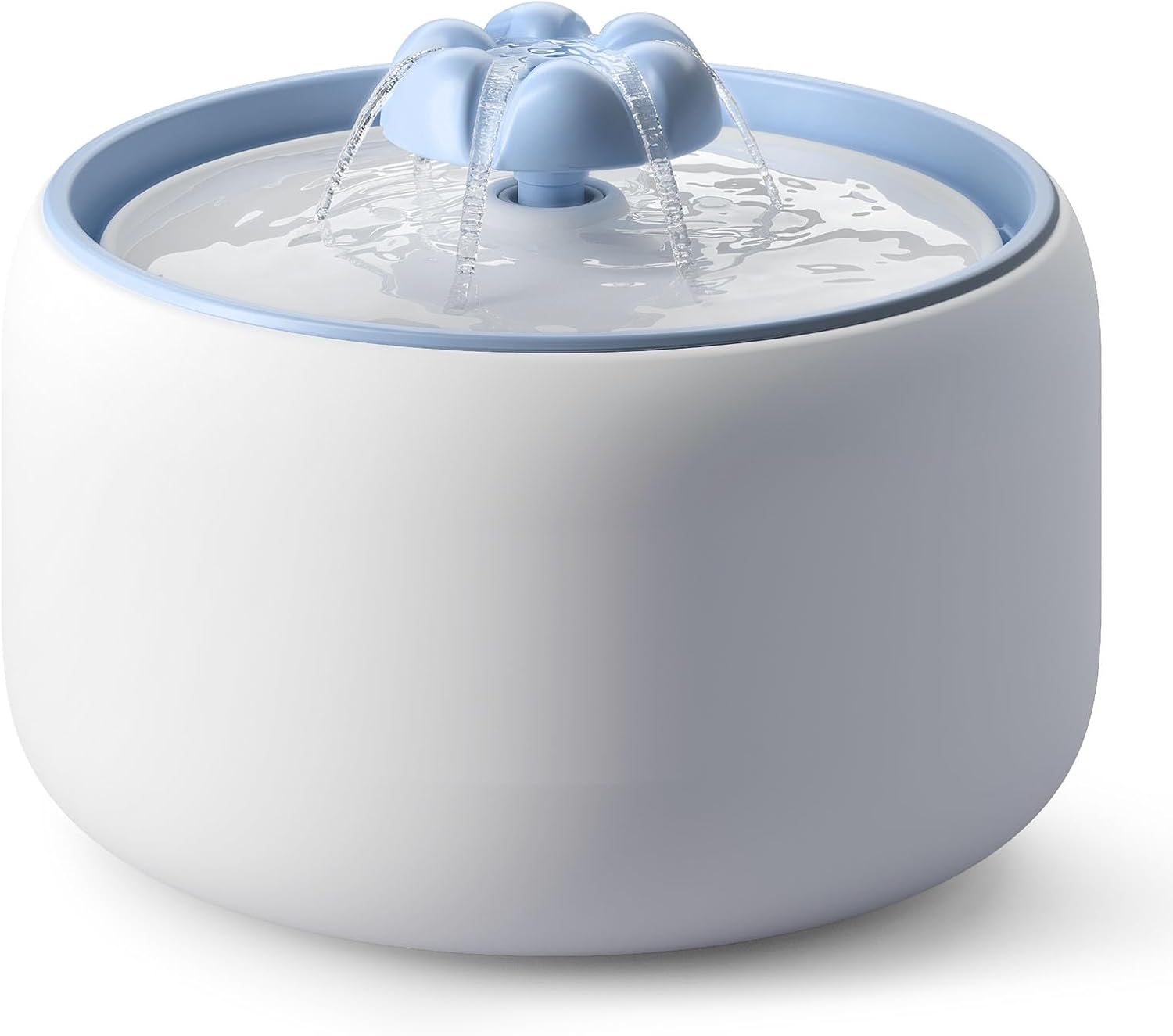
[Blue] W03L 3L Premium Ceramic Cat Water Fountain
Model: W03 LITE
$59.99
$69.99
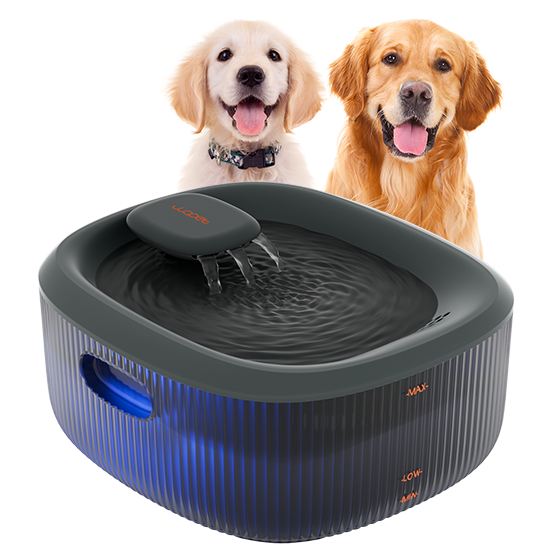
Basin Pet Water Fountain-W600
Model: W600
$43.99
$69.99
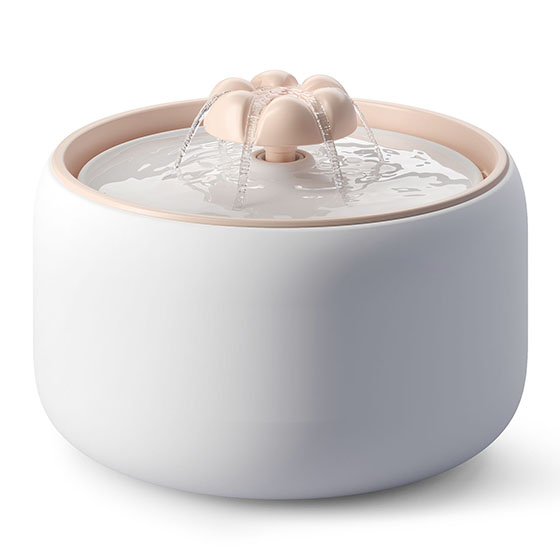
[Basic] Ceramic Pet Water Fountain with Power Cable
Model: W03L
$59.99
$99.00
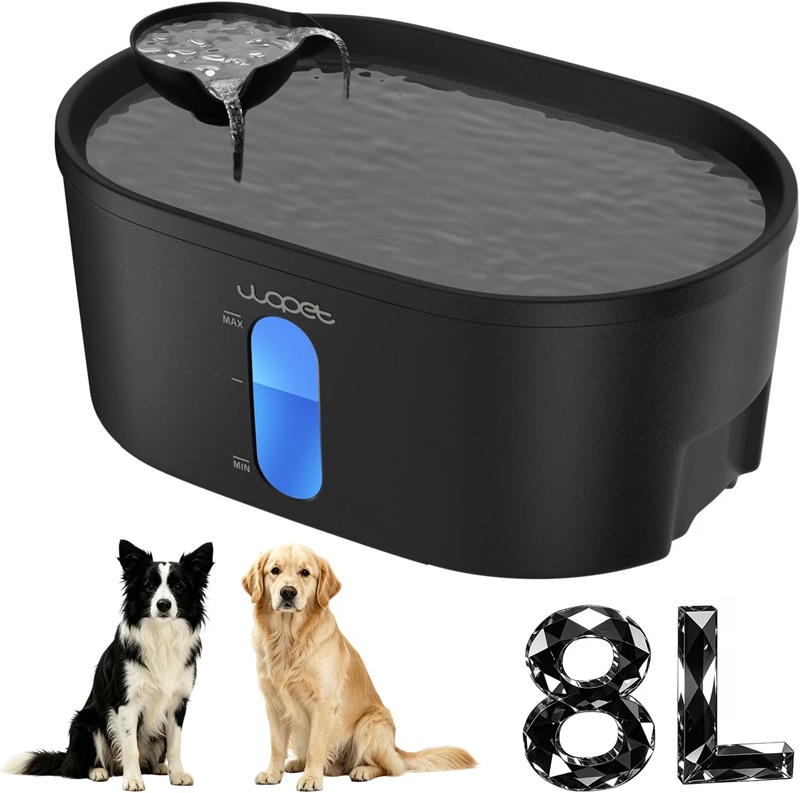
WOPET 8L Pet Water Fountain For Multiple Cats or Large Dogs A08
Model: A08
$49.99
$59.99
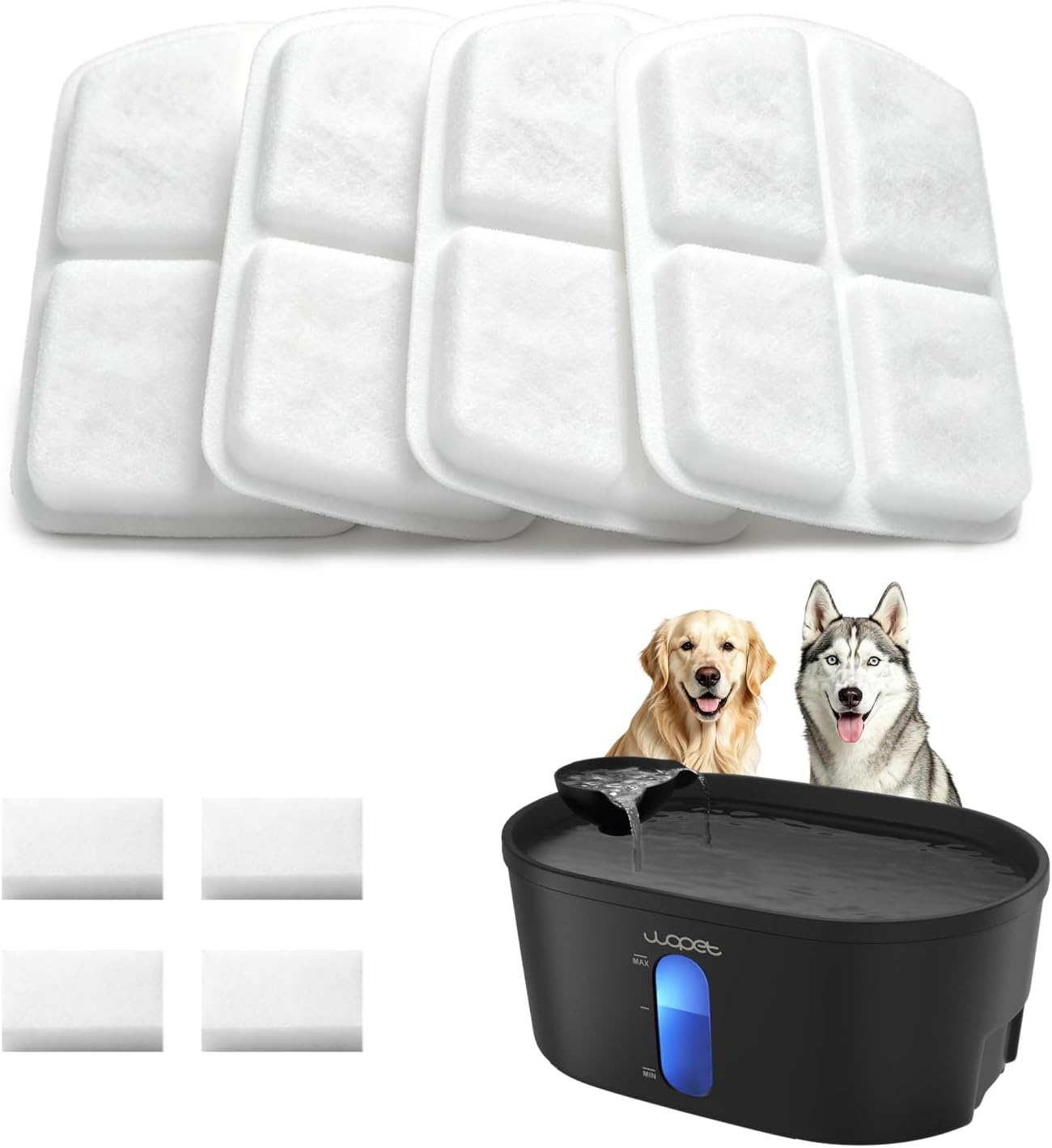
WOPET A08 Dog Water Fountain Filters
Model: A08 Filter
$19.99
$29.99
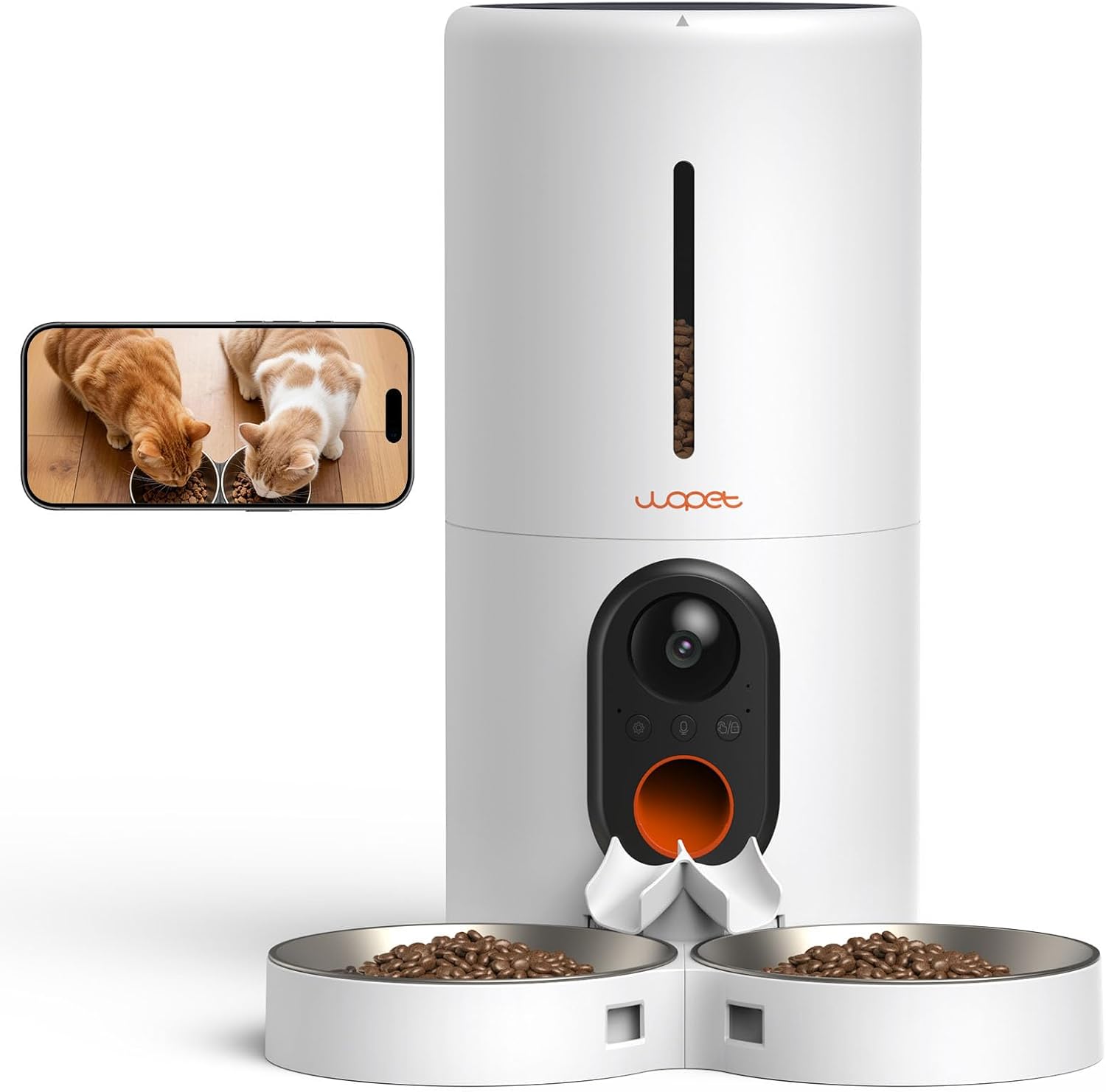
[WHITE] Heritage View 6L Cat Feeder Dual Bowls For Two Cats
Model: HV10DP-white
$114.99
$134.99

DOWNLOAD APP

WOpet life




Copyright © 2026 WOPET. All Rights Reserved.