Sep 20, 2026
Author:Jackson Watson
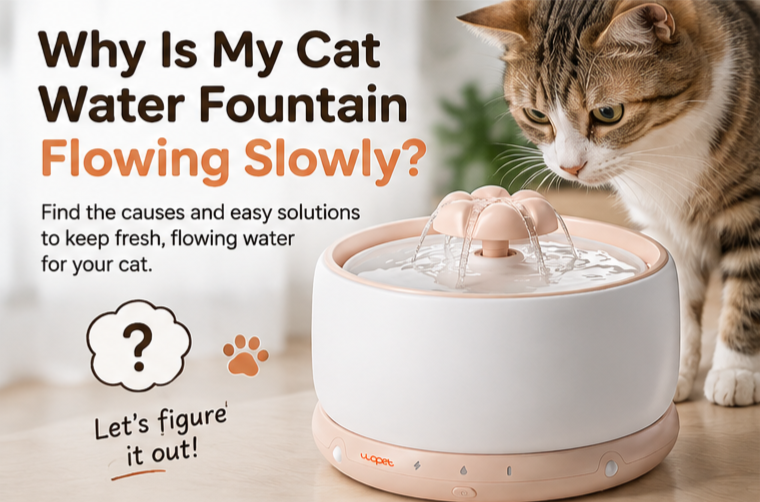
Low water flow in a cat fountain is usually caused by low reservoir water, a clogged filter or intake, debris around the impeller, trapped air, or a pump outlet that no longer aligns with the spout. Mineral buildup, a low flow setting, an incorrect power source, or a worn pump can also weaken the stream.
|
Quick answer: Disconnect the fountain, fill it to the marked range, remove visible hair, check the filter, reseat the pump outlet and top tray, and clean the user-serviceable intake and impeller area according to the manual. Restart on the correct mode and observe. If the pump remains weak after the water path is clear and the power source is correct, ask the manufacturer whether the pump needs replacement. |
Low flow is different from pump failure
In a low-flow problem, the pump is running and at least some water reaches the drinking surface. You may hear the motor or see a thin stream, weak bubble, uneven curtain, or delayed circulation. If the pump is completely silent and no water moves, use the cat fountain pump not working guide instead.
Also distinguish constant weak flow from a fountain that repeatedly shuts off. Intermittent operation can involve water-level protection, a loose connection, mode settings, or another fault covered in why cat fountains stop pumping.
Before disassembly, take a short video from the same angle as an older video or product image. A visual comparison helps you describe whether the flow is slightly reduced or nearly stopped.
Start with a three-minute low-flow check
Work from the easiest cause to the most involved:
1. Put out a clean backup water bowl.
2. Turn the fountain off and disconnect power.
3. Check the water against the minimum and maximum markings.
4. Remove floating hair, food, or litter from the reservoir and intake area.
5. Make sure the spout, tray, tubing, filter, and pump are seated correctly.
6. Check whether an adjustable flow control or operating mode changed.
7. Restart with dry hands and observe the stream.
If the flow improves after adding water, the pump was probably drawing air or receiving an inconsistent water supply. If it improves when a loose top is reseated, the problem was alignment rather than motor strength.
Eight common reasons a cat fountain has weak flow
1. The water level is too low
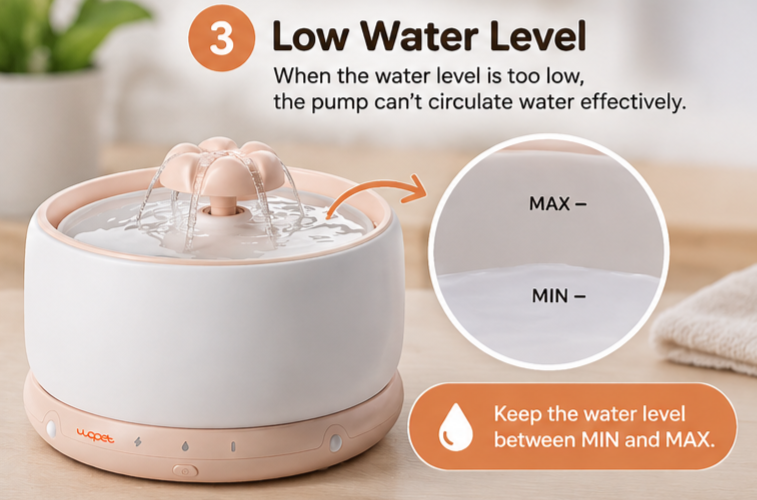
As water falls below the normal range, the intake may pull air. Flow can pulse, weaken, or become noisy. Refill only to the model's indicated range and investigate a fast level drop for spills or incorrect assembly.
2. The filter is clogged or overdue
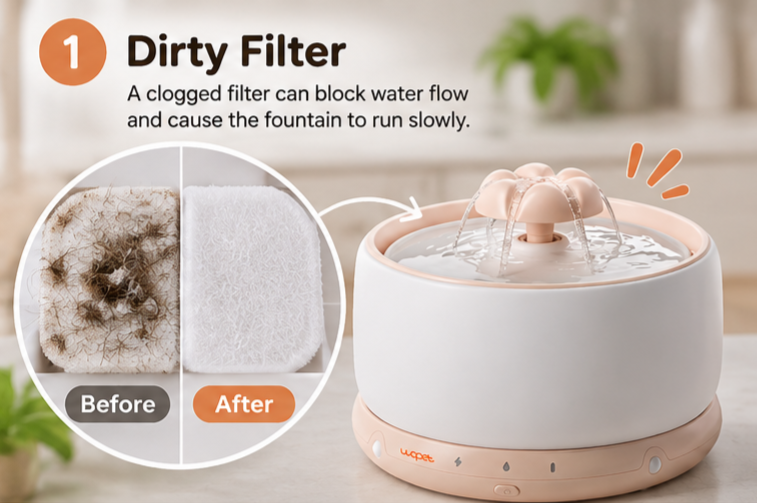
Hair, food particles, and fine debris can load the filter. Some filters may be rinsed before use or during service, while others should simply be replaced. Follow the product instructions and never scrub or reuse a disposable filter beyond its intended interval.
3. The pump intake or prefilter is blocked
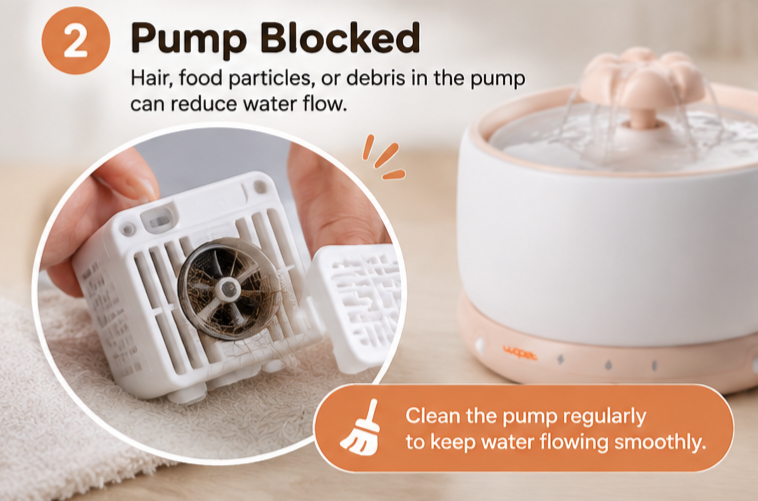
A thin mat of fur can restrict the intake even when the main filter looks clean. With the fountain disconnected, inspect intake slots and any prefilter sponge. Clean or replace the component as directed.
4. Debris is slowing the impeller
The impeller is the rotating part that moves water. Hair, grit, or scale in its chamber can reduce speed. Open only user-serviceable covers and use a soft brush; never force a sealed motor housing.
5. Air is trapped in the pump
Air can enter after the reservoir runs low or after cleaning. Refill and prime only by the method in the manual. Tilting or shaking a powered fountain is unsafe and can spill water into dry-only parts.
6. The outlet or tube is misaligned
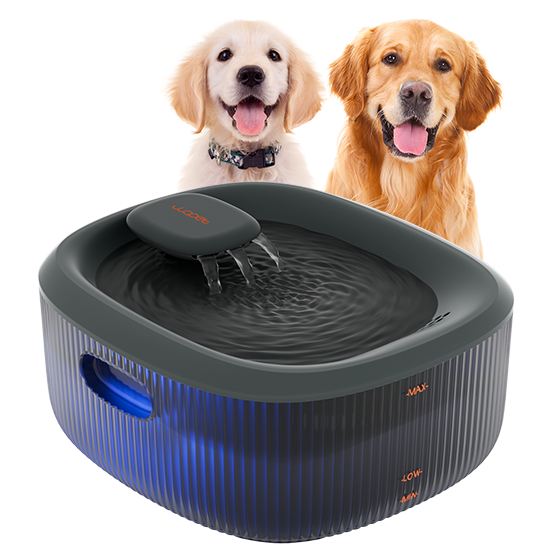
If the pump sends water against a wall instead of into the inlet, the top stream will appear weak. WOPET's W600 user guide specifically instructs owners to align the pump outlet with the fountain's entry port.
7. Mineral residue narrows the flow path
Hard-water deposits can collect in a nozzle, channel, or impeller chamber. Use only a descaling method approved for the model, then rinse completely. Do not mix cleaners.
8. Power or pump performance has declined
A wrong adapter, weak battery, damaged connector, or worn pump can reduce output. Use the specified power source and contact support if cleaning and correct assembly do not restore flow.
The filter can reduce flow
The filter is meant to work within a defined service life and orientation. It can restrict circulation when it is saturated with debris, swollen, folded, installed backward, the wrong size, or trapped under the tray.
With power disconnected, remove the filter and inspect it. Do not permanently operate a fountain without required filtration merely because the stream looks stronger. Instead, install a fresh correct filter and confirm that water passes through the intended route.
Replacement timing is model- and household-specific. WOPET's W600 guide recommends changing its filters every 2 to 4 weeks depending on how many pets use the fountain. Water quality, shedding, food debris, and cleaning frequency can shorten the useful interval, so combine the schedule with visual and flow checks.
Clean the complete water path
Cleaning only the visible basin may leave the restriction untouched. The functional water path can include the reservoir, prefilter, pump intake, impeller chamber, outlet nozzle, tube, vertical stem, top tray, and return opening.
Photograph the assembly, disconnect power, and take apart only the pieces identified in the manual. Use the supplied brush or a soft brush sized for the channel. Rinse away hair, loosened scale, and all cleaning residue. Keep the adapter, battery compartment, charging contacts, and any dry-only connection away from water.
Inspect removable silicone tubes for kinks and splits. A tube that collapses, leaks internally, or fails to seal may need a model-specific replacement. Do not glue a wet-area tube or seal a crack with household adhesive unless the manufacturer explicitly approves the repair.
The CDC's guidance for cleaning pet supplies emphasizes following manufacturer directions. For pump details, pair the manual with WOPET's fountain-pump cleaning guide.
Check flow settings and operating modes
Some fountains have a slider or dial on the pump; others vary flow through a top attachment. Cordless models may use continuous, timer, or sensor-triggered modes. A fountain in intermittent mode may appear weak or inactive if you expect a continuous stream.
Return the product to the standard setting described in the manual. Do not block a fixed outlet to change the stream, and do not remove a part that also protects the pump or filter. If a flow cap, flower spout, or top attachment is optional, follow the manufacturer's approved configurations.
For a battery fountain, fully charge it with the specified equipment and retest. If flow fades soon after charging, record the runtime and indicator behavior for support.
Test one change at a time
If possible, change only one variable between tests. Refill, test, then disconnect. Reseat the top, test, then disconnect. Replace the filter, test, then disconnect. This makes the cause clearer and helps prevent unnecessary pump replacement.
Run the test on a level waterproof surface with the exterior connection dry. Watch for an even return path and listen for gurgling or grinding. Do not leave the unit unattended during a fault test.
Normal flow is model-specific; a gentle bubble can be intentional. Compare the result with the manual, product video, or a video you took when the fountain was new rather than judging it by a different design.
When low flow points to a worn pump
Consider pump replacement when all of the following are true:
• the correct power source and mode are being used;
• the reservoir is within the operating range;
• the filter is correct and serviceable;
• the intake, impeller area, outlet, and channels are clear;
• the assembly matches the manual;
• the pump still produces markedly weaker flow, rough noise, or unreliable starts.
Use an exact or manufacturer-approved replacement. A pump that fits physically may still have the wrong voltage, connector, flow rate, or outlet geometry. Do not splice cables or open a sealed motor.
Can weak flow affect whether a cat drinks?
Cats differ. Some prefer a clear stream; others use a shallow moving surface or a separate bowl. A fountain that suddenly changes sound or flow may be less familiar, but you cannot determine hydration from fountain appearance alone.
Keep a clean bowl available while the fountain is being serviced. Cats Protection recommends offering water in different locations and keeping it separate from food and litter. If your cat's drinking or urination changes noticeably, contact a veterinarian instead of assuming the fountain is the only cause.
Frequently asked questions
Why is my cat fountain slow after I changed the filter?
The new filter may need the preparation stated in the instructions, may be installed in the wrong orientation, or may not match the model. Turn off the fountain, confirm the part number and assembly, and repeat only the approved preparation steps.
Can I run the fountain without a filter to test it?
Only if the manufacturer provides that diagnostic procedure. Do not make filter-free operation your normal setup. A missing filter can allow debris to reach the pump and may change the intended water path.
Does hard water damage a fountain pump?
Mineral deposits can narrow channels and interfere with moving parts over time. Follow the model's descaling instructions and rinse thoroughly. Do not assume distilled water is required unless the manufacturer says so.
Why is the flow weak only when the top is installed?
The top, spout, filter, or tube may be misaligned or restricting the intended path. Compare the orientation with the manual and check for a pinched tube or incompletely seated tray.
Should I buy a stronger pump?
Not unless the manufacturer approves it. Higher flow can cause splashing, poor fit, electrical mismatch, or stress on components. Replace like-for-like or use a confirmed compatible part.
Final answer
When a cat water fountain flows slowly, check water level, filter condition, intake debris, impeller cleanliness, trapped air, outlet alignment, mineral residue, and power—in that order. Most restrictions can be corrected without replacing the pump. If the complete water path is clear and the correct setup still produces weak flow, contact the manufacturer for a compatible replacement.
Sources and editorial methodology
This article separates a weak-flow symptom from no-start and intermittent faults, and uses model instructions for service intervals and assembly claims. It does not represent hands-on testing of every fountain.
• CDC: Cleaning and Disinfecting Pet Supplies
• Cats Protection: How to Encourage Your Cat to Drink More Water
This article provides general maintenance information. A fountain does not diagnose, prevent, or treat disease. Contact a veterinarian about meaningful changes in drinking, urination, appetite, energy, or behavior.Label:
Popular Post
Top 10 Most Expensive Cat Breeds in The World
May 07, 2025
The Ultimate Guide to Tabby Cats: Patterns, Personalities, and More
Mar 27, 2025
Can Cats Have Ice Cream? Dangers, Safe Flavors & Healthy Cat Treats
Sep 02, 2025
My Cat Only Eats A Little at A Time - What to Do?
Feb 27, 2023
Top 8 Reasons Why Does My Cat Sleep Between My Legs?
Mar 03, 2025
Basin Pet Water Fountain-W600
Model: W600
$43.99
$69.99
[Basic] Ceramic Pet Water Fountain with Power Cable
Model: W03L
$59.99
$99.00
WOPET 8L Pet Water Fountain For Multiple Cats or Large Dogs A08
Model: A08
$49.99
$59.99
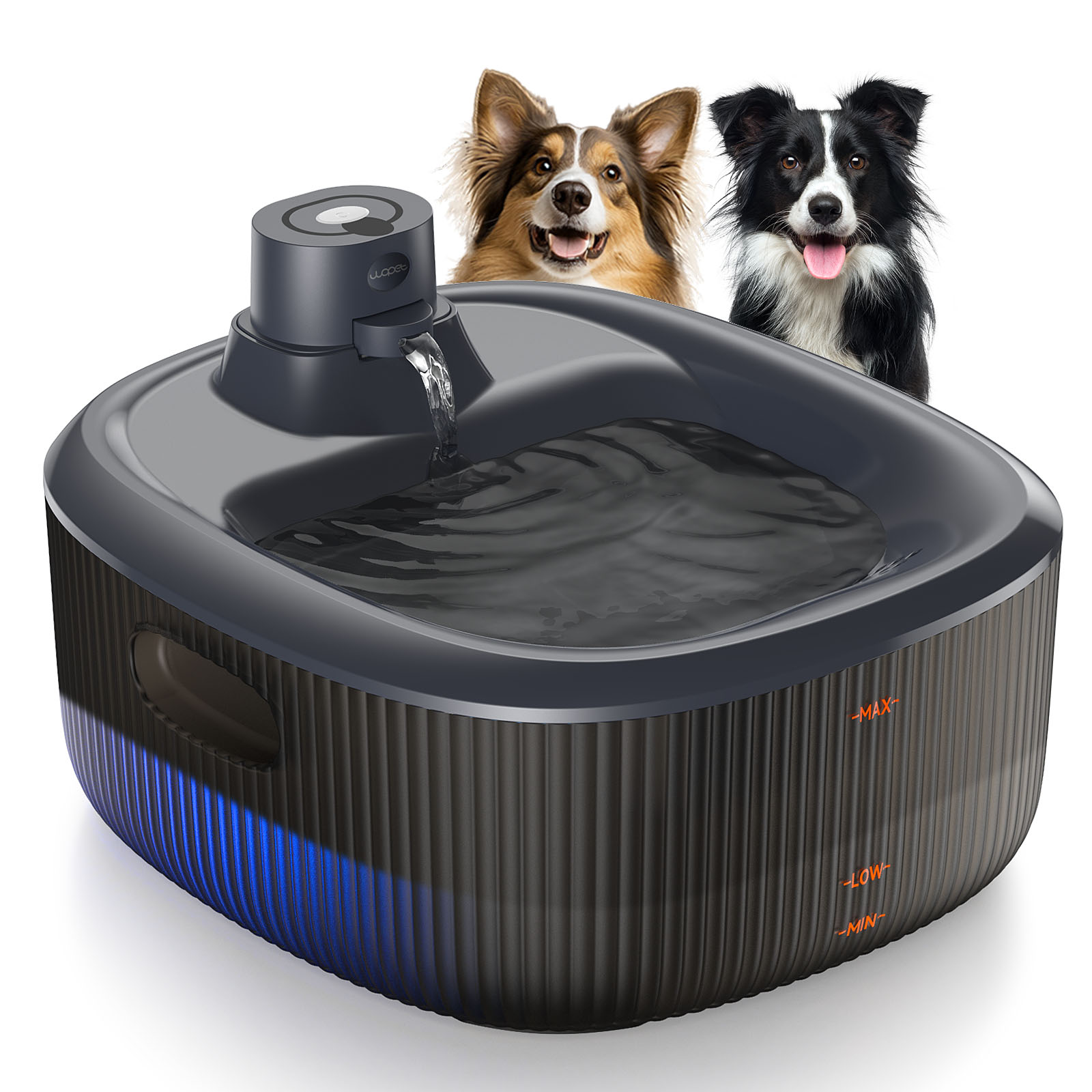
[Upgrade] Basin Wireless Pet Water Fountain
Model: W600 Pro
$69.99
$89.99
Heritage View Pet Feeder Dual Bowls For Two Cats
Model: HV10DP
$119.99
$149.99
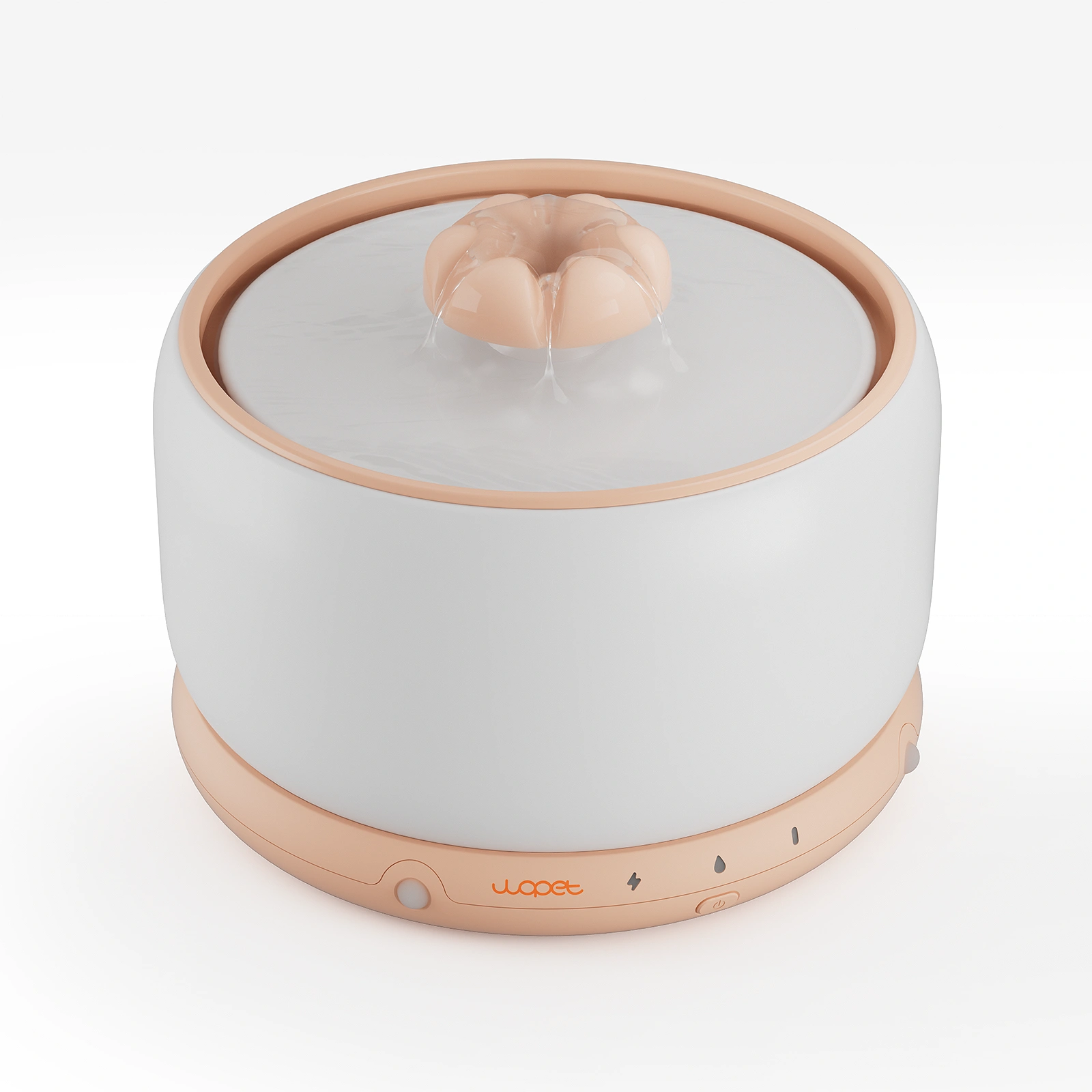
[New] Ceramic Wireless Pet Water Fountain W03
Model: W03
$89.99
$129.00

DOWNLOAD APP

WOpet life




Copyright © 2026 WOPET. All Rights Reserved.