Sep 17, 2026
Author:Amanda Lyu
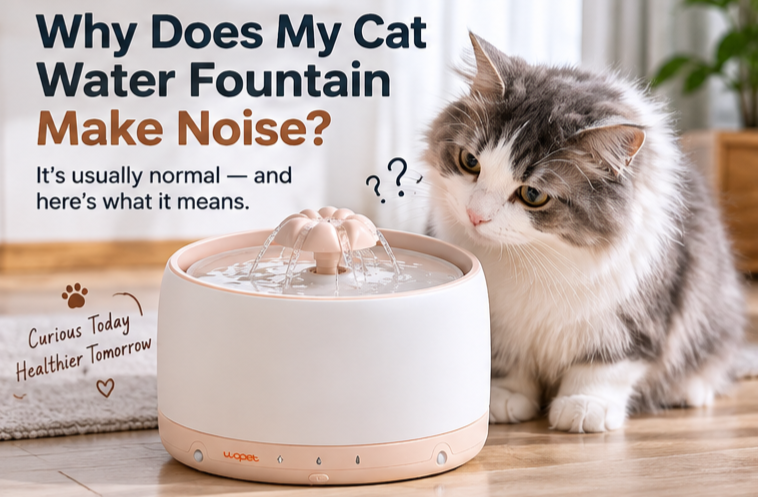
A cat water fountain usually becomes noisy because the water is low, air has entered the pump, a removable part is vibrating, or hair and mineral residue are restricting the pump. The type of sound matters: gurgling points toward water or air, buzzing toward vibration, rattling toward a loose part, and grinding or clicking toward debris or a worn pump.
|
Quick answer: Unplug the fountain, fill it to the marked operating range, reseat the pump, filter, lid, and spout, then clean the pump intake and accessible impeller area exactly as the model manual directs. Test the reassembled fountain on a level, waterproof surface. Stop using it if the cord, adapter, or housing is damaged, or if you notice heat, a burning smell, smoke, or repeated electrical problems. |
First identify the sound
Listen from a short distance, then move closer without touching the water or electrical connection. The goal is to decide whether the sound comes from falling water, the outer housing, or the pump itself.
Common sounds usually suggest different checks:
• Gurgling or slurping: The reservoir may be below its normal range, the intake may be drawing air, or air may remain in the pump after refilling.
• Steady hum or buzz: The motor may be operating normally but transmitting vibration through the pump holder, lid, counter, or floor.
• Rattle: A lid, spout, filter tray, cable, or pump housing may not be seated securely.
• Grinding, clicking, or rough chatter: Hair, grit, scale, or wear may be interfering with the impeller. Turn the fountain off before investigating.
• Loud trickling or splashing: Water may be landing from too high, the flow setting may be strong, or the returning stream may be missing its intended channel.
• Repeated start-and-stop sound: Treat this as an intermittent pumping problem, not merely a noise problem. See why a cat water fountain stops pumping.
Record a short video before taking the fountain apart. The recording can help customer support identify a recurring sound that disappears during testing.
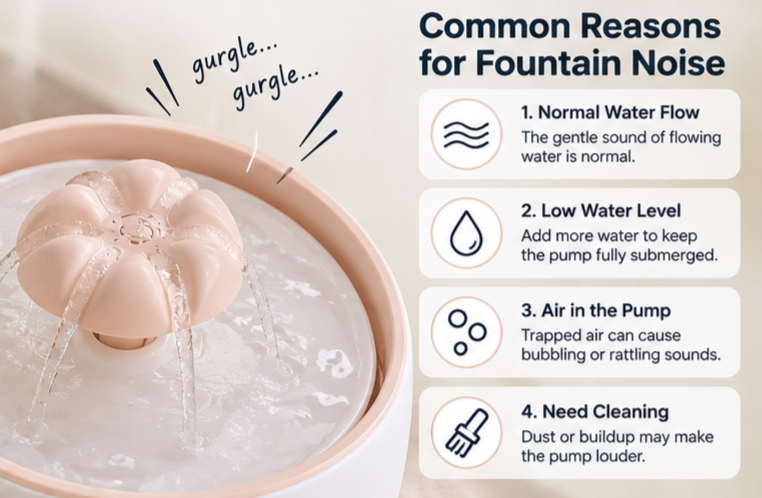
A five-minute quieting checklist
Try the least invasive checks first:
1. Provide backup water. Set out a clean bowl so your cat always has access while the fountain is off.
2. Disconnect power. Use the model's power-off procedure before moving water, the pump, or internal parts.
3. Check the water level. Fill only to the manufacturer's operating range. Do not overfill to hide a sound.
4. Inspect the assembly. Reseat the filter, tray, lid, spout, pump holder, and tubing. A small gap can create a surprisingly loud rattle.
5. Look for visible debris. Remove loose hair or food from the intake and flow path without pushing it deeper.
6. Place the unit level. A tilted fountain can make the stream land unevenly and can change how the pump sits.
7. Restart and observe. Keep hands dry, reconnect as instructed, and watch for a stable flow. If the sound persists, unplug before the next step.
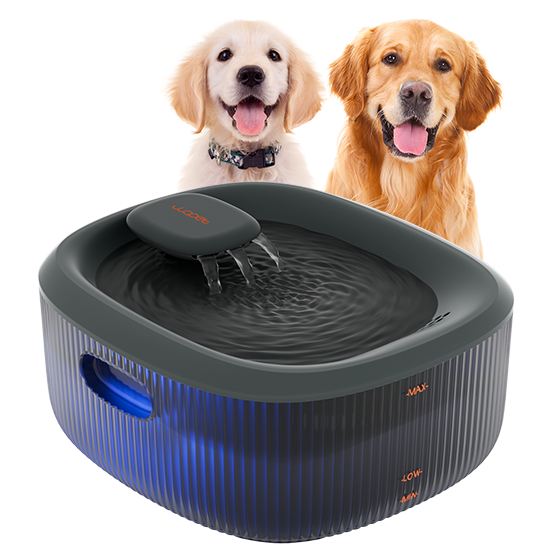
For the WOPET Basin W600, WOPET's user guide specifically advises checking water level, pump connection, pump cleanliness, filter condition, correct part installation, and alignment between the pump outlet and fountain inlet. Other models may use different assemblies, so their manuals take priority.
Why low water causes gurgling
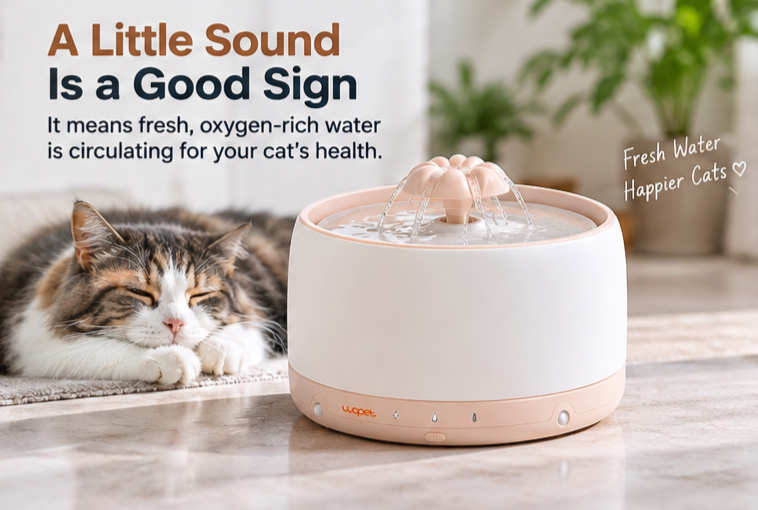
Submersible fountain pumps are designed to move water, not air. As the reservoir falls, the intake can sit too close to the surface or become partly exposed. The pump may then pull in air and produce slurping, surging, or a hollow gurgle. A low reservoir can also make the returning stream fall farther, increasing splash noise.
Top up to the marked range and allow a newly filled unit a brief moment to establish steady circulation. If your manual includes a priming method, follow it. Never run a pump dry to “see whether it catches,” because dry operation can damage some pumps.
If the level drops unusually fast, look for spills, a displaced lid, thirsty multiple-pet use, or evaporation before assuming the pump is defective. Keep the fountain on a waterproof mat and check beneath it rather than placing absorbent fabric around an electrical appliance.
Why a fountain hums or buzzes
A soft motor hum can be normal, but a newly loud buzz usually means vibration is reaching another surface. Check whether:
• the pump is pressed against the reservoir wall;
• a suction cup, silicone holder, or rubber isolator is loose;
• the cable is touching the lid and acting like a vibrating string;
• the top tray is slightly crooked;
• the fountain is sitting on an uneven counter;
• a hollow cabinet or hard floor is amplifying normal pump vibration.
With the fountain unplugged, reseat the pump and any vibration-damping parts. Do not wedge improvised objects inside the wet area. If the supplied holder is damaged or missing, obtain the correct replacement rather than using foam, tape, or fabric near the pump.
Clean the pump only as the manual allows
Hair, food particles, and mineral deposits can collect at the intake and around the impeller. This restriction can make the motor louder even when some water still moves.
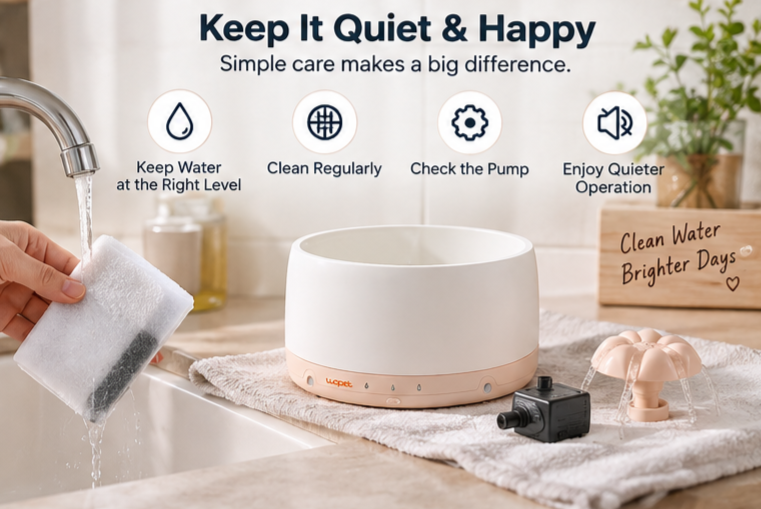
Disconnect power, empty the fountain, and remove the pump according to the manual. Open only covers the manufacturer identifies as user-removable. Use the supplied brush or a soft small brush to clean accessible channels and the impeller chamber. Rinse away loosened residue thoroughly. Never immerse an adapter, charging base, connector, or any part the manual says must stay dry.
Replace a filter that is beyond its service interval, visibly clogged, damaged, or still restricting flow after correct rinsing when rinsing is permitted. Filter life varies with the model, water, number of pets, and debris load; use the model's schedule rather than one universal number. WOPET's W600 guide, for example, gives a 2- to 4-week range depending on pet use.
For a dedicated walk-through, use WOPET's guide to cleaning a cat fountain pump together with your exact product manual.
Stop vibration from reaching the floor
After reassembly, test the fountain in its normal location and temporarily on another level, waterproof surface. If the noise changes dramatically, the furniture or floor may be amplifying it.
A waterproof non-slip mat can reduce movement and catch ordinary droplets. It should not cover ventilation openings or hold moisture against a power connection. Lift the mat regularly and dry both sides. Also leave space around the fountain so it does not touch a wall, cabinet, feeding station, or loose object.
If trickling rather than motor noise is the problem, reduce the adjustable flow if the model offers that option. Verify that the spout is fully seated and water returns where intended. Do not restrict a fixed outlet with tape or homemade inserts; that can place an unintended load on the pump.
Buy Cat Water Fountain on Amazon
Is the fountain supposed to be silent?
No pump-and-water system is literally silent. A healthy fountain may produce a low hum and gentle water sound that is easiest to hear in a quiet room. Published decibel specifications can help compare products, but room acoustics, water level, assembly, and distance affect what you hear.
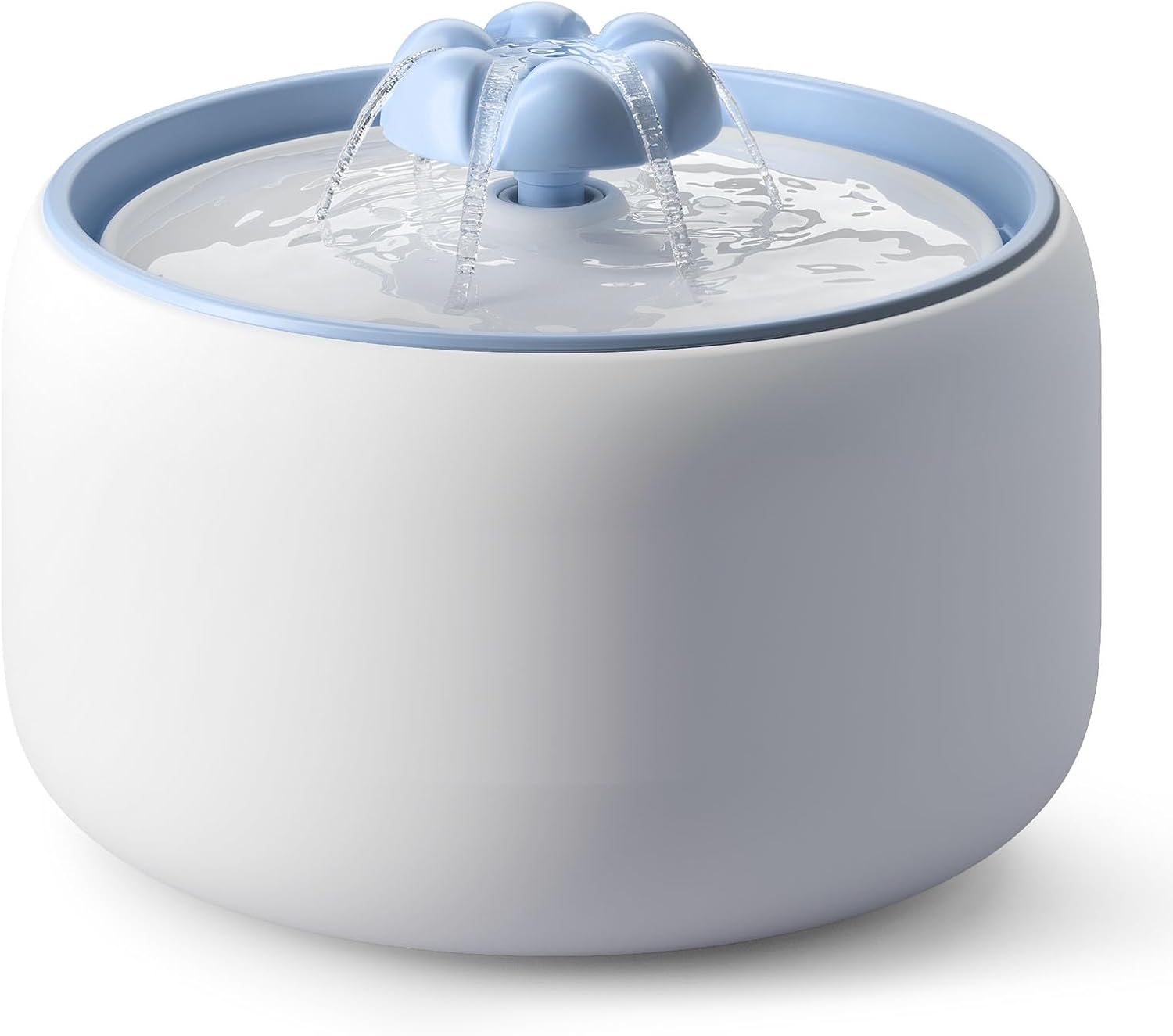
Based on current published specifications—not independent hands-on testing—the WOPET W03 Ceramic Wireless Pet Water Fountain is rated below 25 dB, while the WOPET Basin W600 is rated below 30 dB. Those figures describe the products under test conditions; they do not mean rattling, grinding, or intermittent operation should be ignored.
When noise means stop using the fountain
Turn the fountain off and disconnect it if you notice:
• a burning or hot-plastic smell;
• smoke, sparks, visible melting, or discoloration;
• a cracked pump housing, frayed cord, bent connector, or damaged adapter;
• repeated tripping of a breaker or protective device;
• water inside a component that should remain dry;
• a pump that becomes unusually hot or continues grinding after correct cleaning and assembly.
Do not repair wiring, splice a cord, open a sealed motor, or substitute an unapproved power adapter. Contact the manufacturer with the model number, purchase information, video of the sound, and the steps already tried. If the correct replacement pump is unavailable, replace the fountain rather than improvising an electrical repair.
How to prevent a cat fountain from getting loud
• Check the water level and visible cleanliness daily.
• Remove loose hair and food before they enter the intake.
• Clean the fountain and pump on the model's schedule, sooner when flow or sound changes.
• Replace filters with the correct type and interval.
• Reseat every removable part after washing.
• Descale only with a method approved for that model and rinse completely.
• Keep the fountain level and away from objects that can vibrate.
• Maintain a separate clean water bowl for downtime.
The CDC's pet-supply cleaning guidance recommends following manufacturer instructions and keeping pet bowls and related supplies clean. A repeatable routine is more effective than waiting until the pump becomes loud.
Frequently asked questions
Why is my cat fountain louder after cleaning?
The pump may not be fully seated, a silicone holder may be missing, the outlet may not align with the spout, or air may remain in the pump. Unplug it, compare the assembly with the manual, fill to the operating range, and restart only after all parts are secure.
Why does the fountain make noise only at night?
The room is quieter, so normal sound becomes more noticeable. The water level may also be lower after a full day of use. Check level and assembly first; then isolate the unit from walls and hard resonant surfaces.
Can a dirty filter make the pump noisy?
Yes. A restricted filter can reduce water reaching the pump and make circulation unstable. Replace a clogged or expired filter with the correct model-specific part after confirming the rest of the flow path is clear.
Should I add oil to a noisy pump?
No. Do not add household lubricants, essential oils, or any unapproved substance to pet drinking water or a fountain pump. Clean and service only as the manufacturer directs.
Do I need a new pump?
Possibly, if grinding, weak flow, or abnormal vibration continues after correct water level, cleaning, reassembly, and power checks. Confirm compatibility with the manufacturer before buying a replacement.
Final answer
Most cat fountain noise can be traced to water level, trapped air, vibration, a loose assembly, or debris in the pump. Identify the sound, work through the checks in a safe order, and let the manual define which parts you may open. A mild hum or trickle can be normal; grinding, heat, burning odor, damaged electrical parts, or repeated failures are reasons to stop and contact support.
Sources and editorial methodology
This article combines model-specific troubleshooting instructions, general cleaning guidance, and conservative electrical-safety practices. It does not represent hands-on testing, and the instructions for the exact fountain always take priority.
• CDC: Cleaning and Disinfecting Pet Supplies
This article provides general maintenance information. If your cat drinks or urinates noticeably more or less than usual, contact a veterinarian rather than relying on the fountain as an explanation.Label:
Popular Post
The Ultimate Guide to Tabby Cats: Patterns, Personalities, and More
Mar 27, 2025
Top 10 Most Expensive Cat Breeds in The World
May 07, 2025
Can Cats Have Ice Cream? Dangers, Safe Flavors & Healthy Cat Treats
Sep 02, 2025
My Cat Only Eats A Little at A Time - What to Do?
Feb 27, 2023
Top 8 Reasons Why Does My Cat Sleep Between My Legs?
Mar 03, 2025
[Blue] W03L 3L Premium Ceramic Cat Water Fountain
Model: W03 LITE
$59.99
$69.99
Basin Pet Water Fountain-W600
Model: W600
$43.99
$69.99
[Basic] Ceramic Pet Water Fountain with Power Cable
Model: W03L
$59.99
$99.00
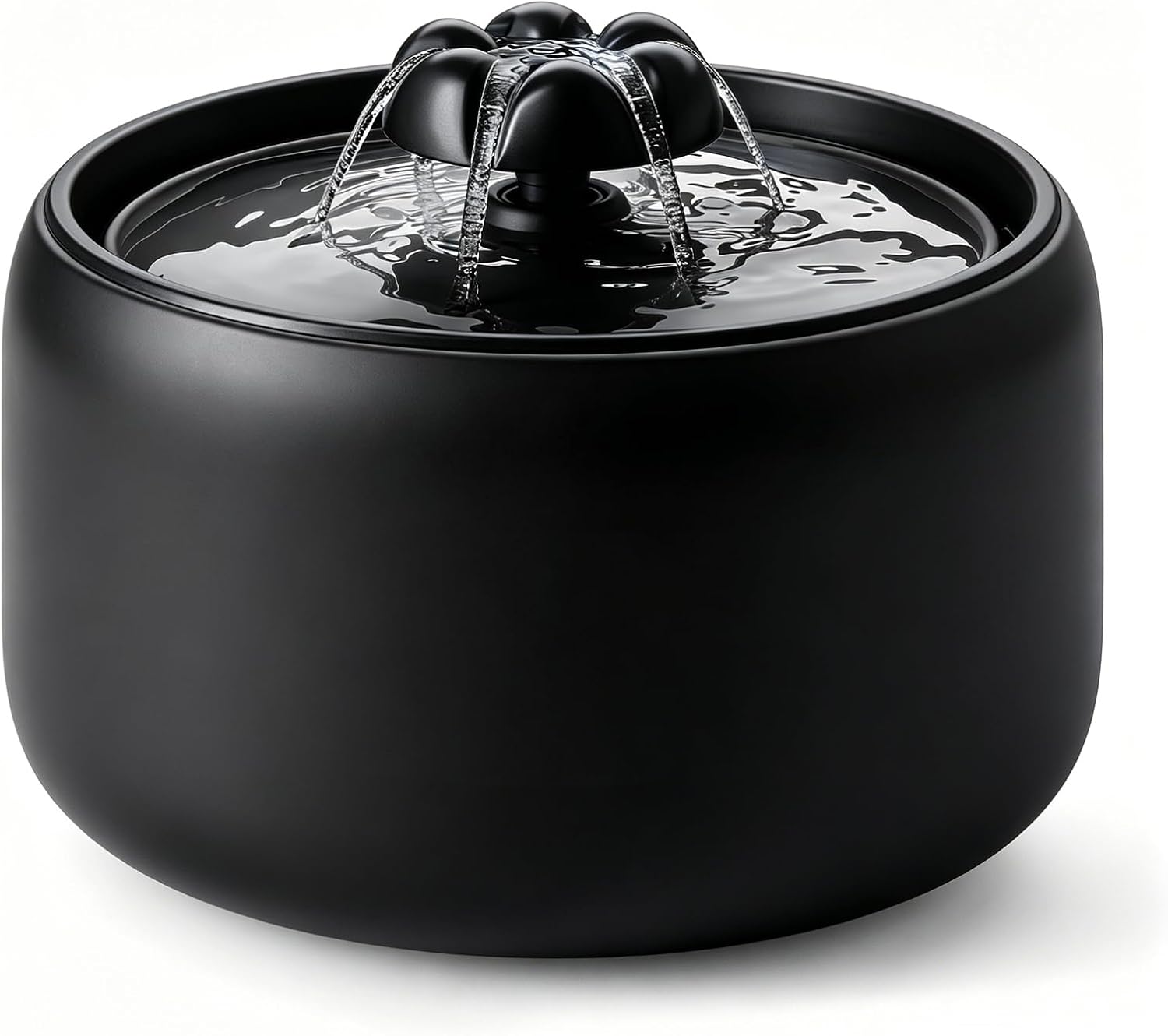
[Black] W03L 3L Premium Ceramic Cat Water Fountain
Model: W03L Black
$59.99
$69.99
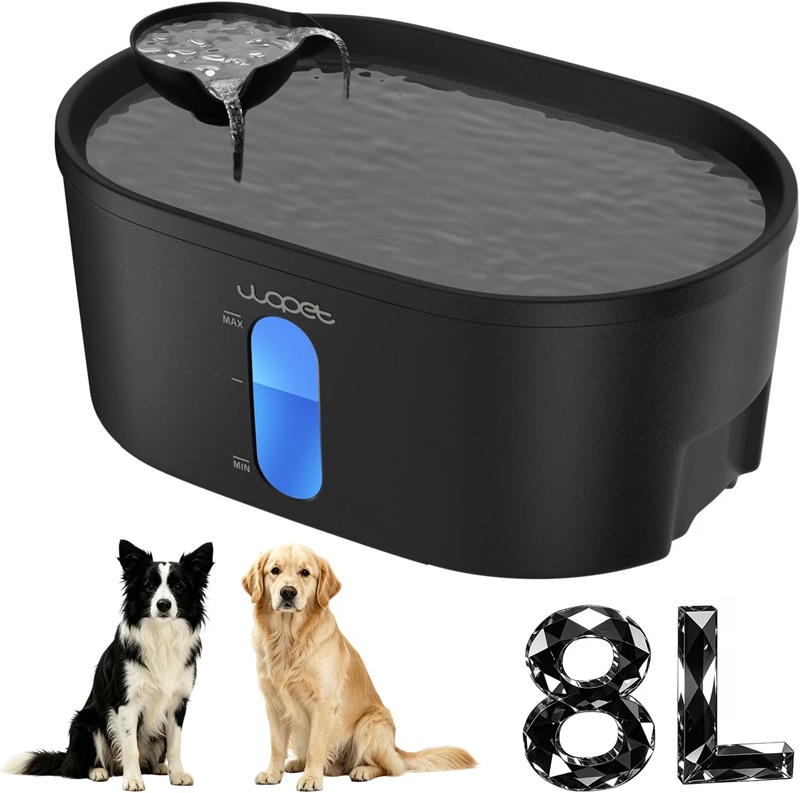
WOPET 8L Pet Water Fountain For Multiple Cats or Large Dogs A08
Model: A08
$49.99
$59.99
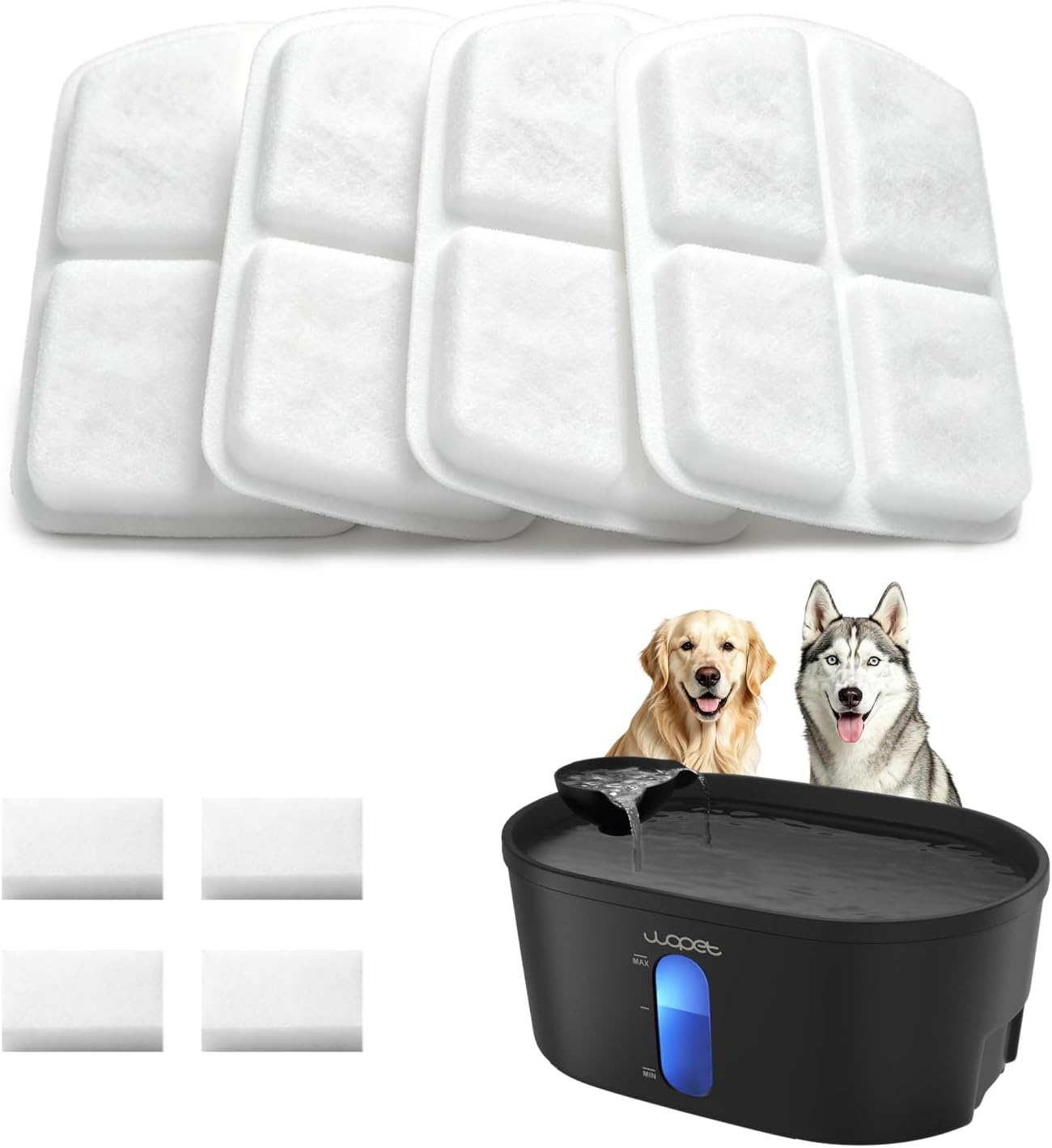
WOPET A08 Dog Water Fountain Filters
Model: A08 Filter
$19.99
$29.99

DOWNLOAD APP

WOpet life




Copyright © 2026 WOPET. All Rights Reserved.