Aug 05, 2025
Author:Sam Wonder
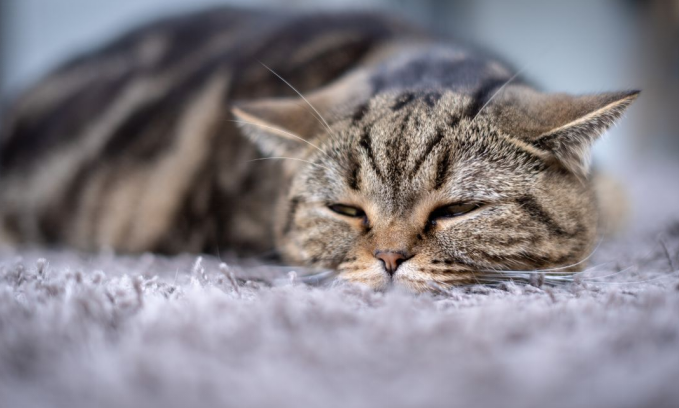
One day, totally fine. The next? Your cat’s wobbling like they’ve spun themselves dizzy. Tilted head. Jittery eyes. Can’t walk straight. It looks bad. Really bad. But is it fatal?
That head-tilting, off-balance thing? It’s called vestibular disease. And while it can seem like something awful, it’s not always a worst-case scenario. Still—ignore it? Risky move. The real trouble is knowing when to take it seriously.
Keep going if any of this sounds familiar:
● What vestibular disease is, and how it gets triggered
● How to catch symptoms before they snowball into something worse
● What real recovery looks like—and how to actually help it along
More than 70% of cases? They clear up with good care. But if you wait too long or miss the early signs? That’s when the outcomes shift.
Vestibular disease? It messes with the balance centers in your cat’s head. That’s where their coordination comes from. Think of it like this—if their brain’s GPS system takes a hit, the whole sense of up vs. down short-circuits. The inner ear and brainstem usually run the show. Once one goes off-script? So does your cat.
It’s a two-part setup:
● Peripheral system (middle and inner ear)
● Central system (brainstem)
Damage either, and boom—coordination’s gone. The cat looks drunk. Or dazed. Or both.
It’s not all the same, though. Depends on which system’s off. Peripheral issues? More common. Easier to treat. Central ones? Different story.
Peripheral causes:
● Ear infections (yep, they can sneak in and spread fast)
● Polyps or growths pressing on nerves
● Toxins—yes, some meds or cleaners can do it
● Trauma to the head or neck
● Idiopathic stuff—no clear reason, but still shows up
Central causes:
● Brain inflammation (FIP, toxoplasma—you name it)
● Stroke
● Tumors messing with brain pathways
● Thiamine deficiency (often diet-linked)
Peripheral cases usually stick to one side—so you’ll see a head tilt that direction. But the cat stays mentally sharp. A little off-balance, maybe. Still knows who you are.
Central? Heavier symptoms:
● Limp limbs
● Brain fog or confusion
● Weird eye movement patterns
● Can’t swallow, or one side of the face sags
Spotting the type matters. That’s how you know if it’s wait-and-watch… or time to call someone fast.
It means vets don’t know what caused it. Sounds vague, but it’s legit. It’s diagnosed after everything else checks out clean. Comes on fast. Clears up slowly. Needs some care along the way, even if meds aren’t always part of the plan.
|
Type |
Examples |
Severity |
|
Peripheral Vestibular |
Ear infection, trauma, growths |
Low–Mod |
|
Central Vestibular |
Tumor, stroke, brain inflammation |
Serious |
|
Idiopathic Vestibular |
Unknown cause, spontaneous appearance |
Mild |
So yeah—head tilts and stumbles aren’t always an emergency. But they can be. Knowing where it’s coming from? That’s your edge.
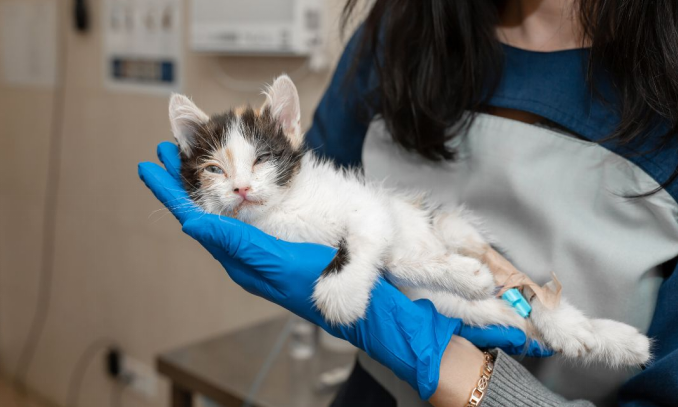
The symptoms hit hard. Fast. One minute they’re steady, the next—collapsed, twitchy, confused. But here's the truth: vestibular disease on its own rarely ends a life. It’s what’s behind it that counts.
Let’s sort this out.
When the root cause is something like an inner ear infection or idiopathic onset, the recovery path is often short and clear. Doesn’t mean your cat looks great—just means their vitals are fine, and the nervous system’s doing its thing.
In those cases?
● Appetite’s still there
● No sudden vomiting
● Things start leveling off in a few days
Sometimes things don’t settle. They spiral. Those are the cases where you stop waiting and make that call.
Look for these flags:
● Constant vomiting or diarrhea
● Limp or can’t move
● Weak in all four legs
● Strange behavior—like they don’t recognize anything
● Eyes moving in random or vertical directions
This is when your vet needs to run deeper tests—scans, labs, maybe even neuro consults.
It’s not vestibular disease that kills—it’s the stuff it’s hiding. The chain looks like this:
● A tumor compresses vital nerves
● Infections crawl past the ear and into the skull
● Malnutrition or dehydration adds stress
● The cat stops functioning normally and spirals
Not common. But not impossible either. That’s why ignoring it doesn’t work.
Act early. That’s the whole trick. Whether it’s mild or serious, response time shapes recovery. Especially in those first 2–3 days, your role matters. Reduce the nausea. Prevent falls. Keep meals consistent. Watch closely.
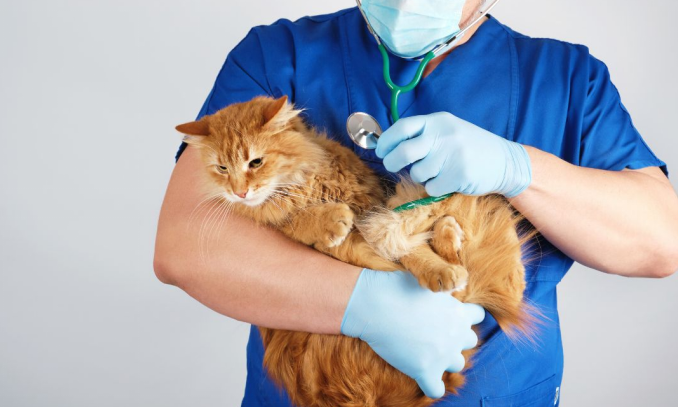
Recovery doesn’t show up with a ribbon. It’s messy. Uneven. But if you’re paying attention and giving your cat what they need? It works.
So don’t rush it. Steady wins here.
It comes in phases:
● Stabilizing – They stop spinning. Appetite kicks in.
● Mobility – The walks get less wobbly.
● Recalibrating – Head lifts. Eyes steady. Balance returns.
Still—some cats get clingy. Others hide. It’s normal. Give them space, but don’t disappear.
They’ll struggle to bend or track where food is. That’s where setup matters. Two things help a lot:
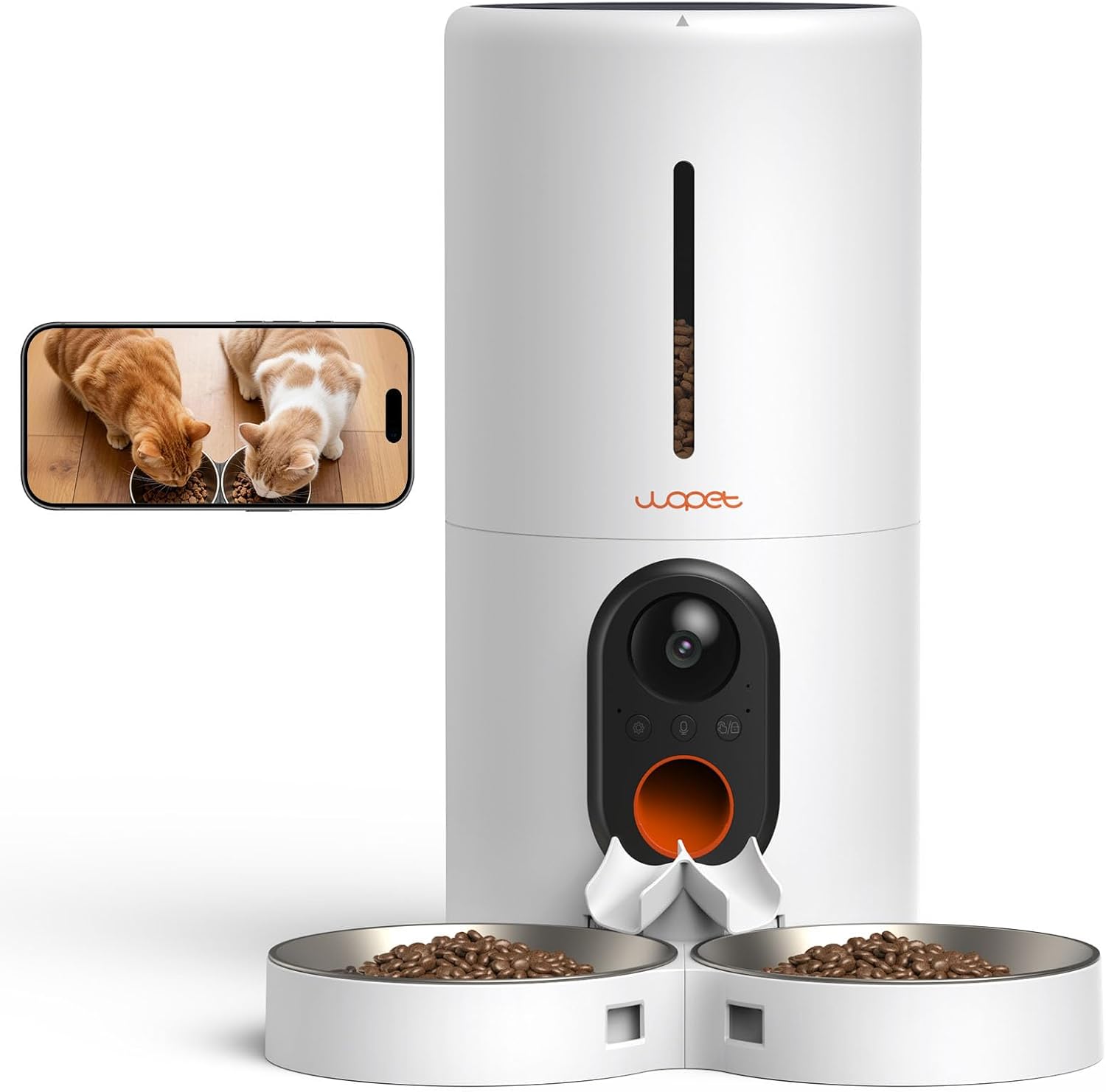
● WOpet Patrol Automatic Feeder
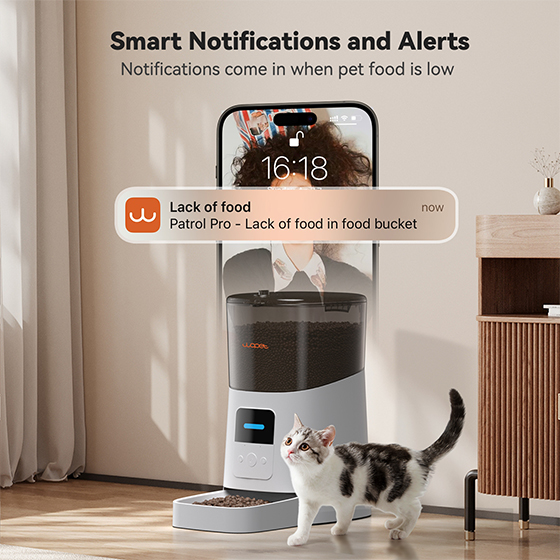
Keeps portions timed, consistent. Cats don’t miss meals because you’re at work or asleep. Plus, higher bowl placement helps with neck strain.
● WOpet Ceramics Wireless Water Fountain
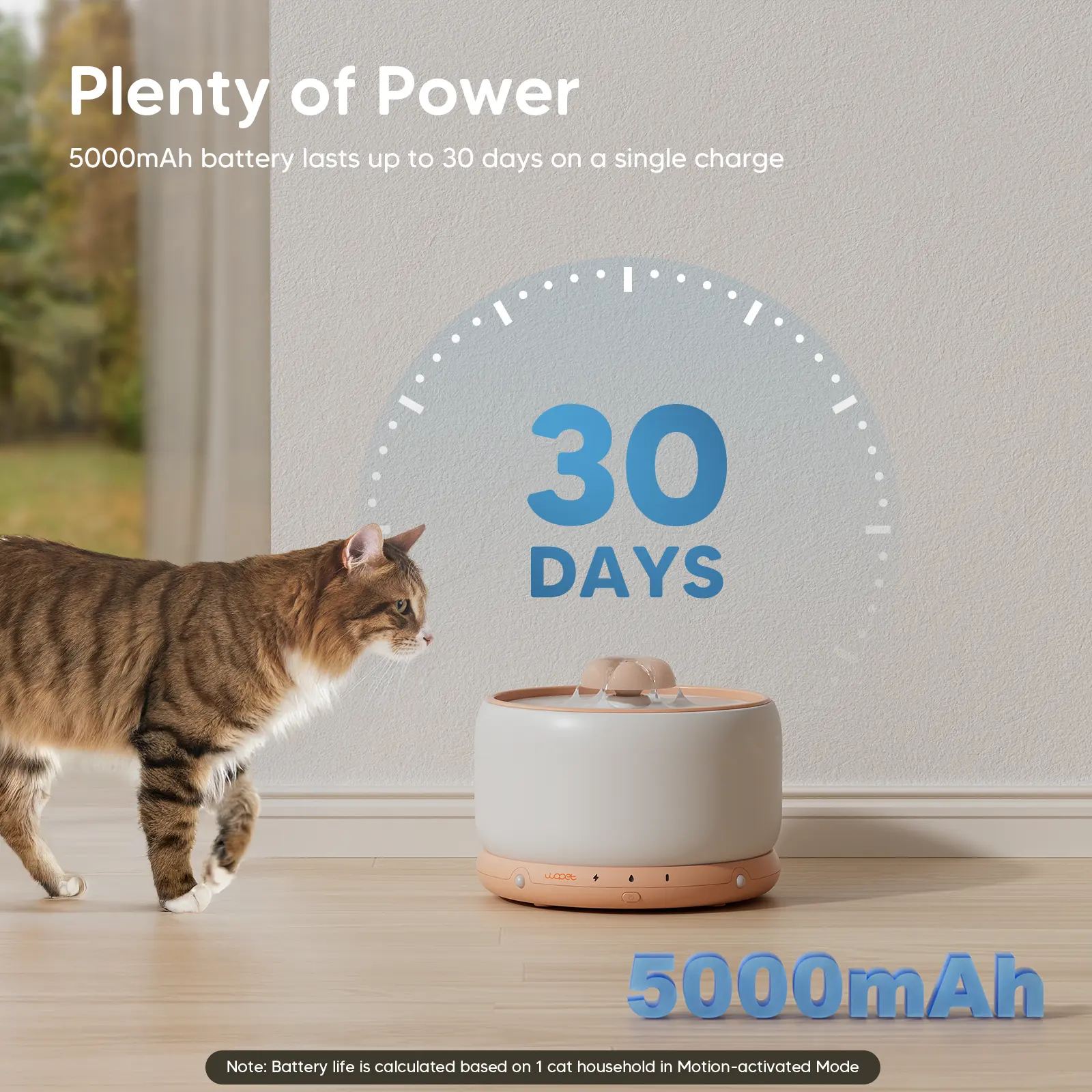
Steady stream. No cords in the way. Cats drink more when water’s moving. This one stays put—even if your cat bumps it.
No nagging. No constant monitoring. Just reliable hydration and feeding, even if your cat’s coordination isn’t all the way back.
Slips and falls make everything worse. Adjust their setup.
Try this:
● Soft rugs for traction
● Close off the stairs
● Consistent lighting—no surprises
● Litter box within easy reach
Let them move around—but don’t let them crash into trouble.
Watch. But Don’t Smother.
Track symptoms. Look for patterns. Use a simple checklist.
|
Symptom |
Progress? |
|
Appetite |
☐ Yes ☐ No |
|
Head tilt |
☐ Yes ☐ No |
|
Eye movement |
☐ Yes ☐ No |
|
Coordination |
☐ Yes ☐ No |
|
Social cues |
☐ Yes ☐ No |
Backslide? Call your vet. Don’t guess.
Recovery works better when the routine holds steady. Less reacting. More guiding.
Helping Your Cat Heal Doesn’t Have to Be Complicated
Vestibular disease can look overwhelming. But once you learn the triggers, catch the symptoms early, and set up the right environment, your cat has a real chance to bounce back with fewer setbacks.
● Learn the difference between central and peripheral signs
● Keep meals and hydration consistent with the right tools
● Remove hazards and track improvement daily
● Act quickly if things shift in the wrong direction
Structure matters more than ever when your cat’s off-balance. WOpet’s automatic feeder and wireless water fountain simplify the routine and reduce stress—for both of you. Set it. Place it. Let it work. It’s cat care that doesn’t miss a beat.
Label:
Popular Post
The Ultimate Guide to Tabby Cats: Patterns, Personalities, and More
Mar 27, 2025
Top 10 Most Expensive Cat Breeds in The World
May 07, 2025
Can Cats Have Ice Cream? Dangers, Safe Flavors & Healthy Cat Treats
Sep 02, 2025

My Cat Only Eats A Little at A Time - What to Do?
Feb 27, 2023
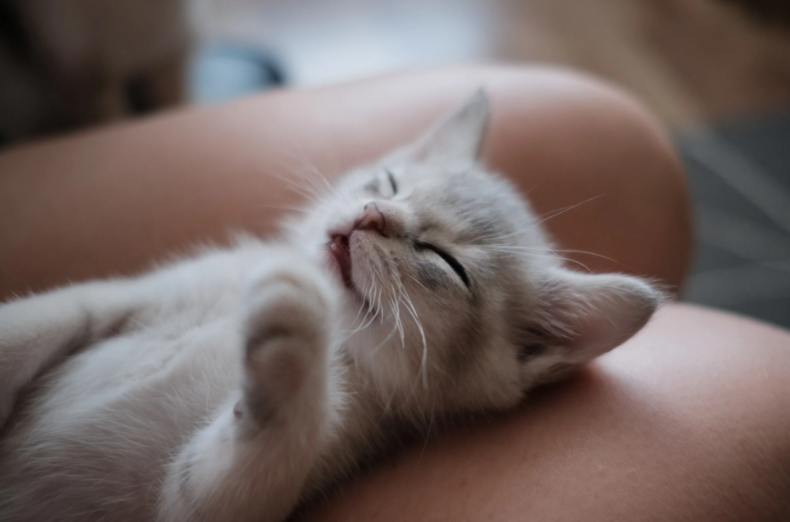
Top 8 Reasons Why Does My Cat Sleep Between My Legs?
Mar 03, 2025

[Blue] W03L 3L Premium Ceramic Cat Water Fountain
Model: W03 LITE
$59.99
$69.99
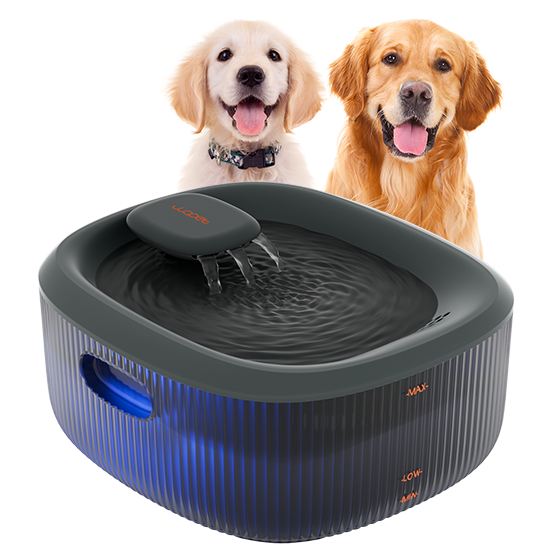
Basin Pet Water Fountain-W600
Model: W600
$43.99
$69.99

[Basic] Ceramic Pet Water Fountain with Power Cable
Model: W03L
$59.99
$99.00
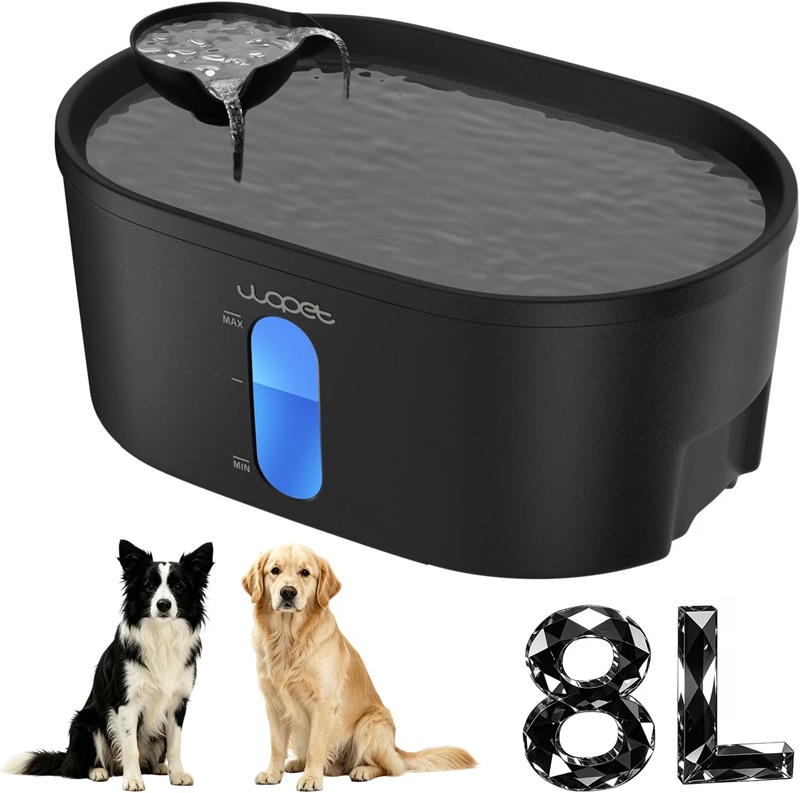
WOPET 8L Pet Water Fountain For Multiple Cats or Large Dogs A08
Model: A08
$49.99
$59.99
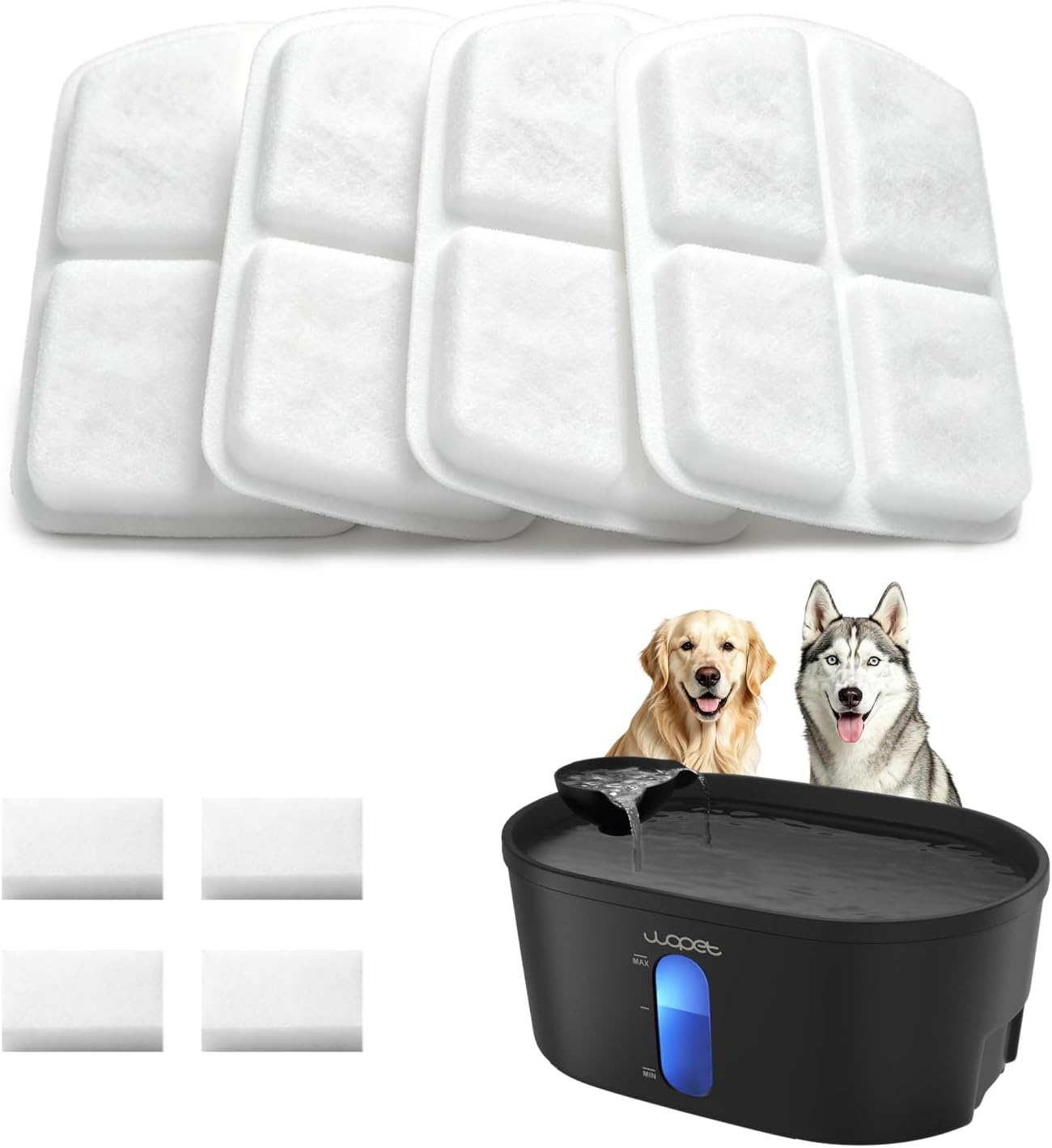
WOPET A08 Dog Water Fountain Filters
Model: A08 Filter
$19.99
$29.99
[WHITE] Heritage View 6L Cat Feeder Dual Bowls For Two Cats
Model: HV10DP-white
$114.99
$134.99

DOWNLOAD APP

WOpet life




Copyright © 2026 WOPET. All Rights Reserved.