Sep 03, 2026
Author:Jackson Watson
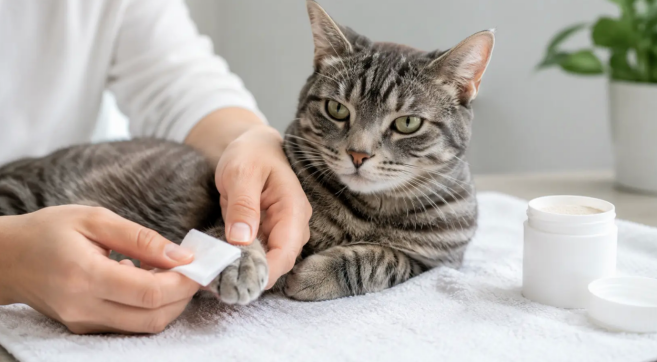
If you cut a cat’s nail too short and it starts bleeding, stop the trim, keep your cat as calm as possible, and apply steady pressure with clean gauze. For a minor nick to the quick, pet styptic powder can help stop the bleeding. Once it stops, leave the nail alone and monitor the toe for renewed bleeding, pain, swelling, discharge, or persistent licking.
A small quick nick is frightening, but it is often manageable with basic first aid. A deeply torn nail, bleeding that will not stop, or a cat that is limping or in significant pain needs veterinary care.
|
Immediate steps: Put the clippers down. Apply clean gauze with firm, gentle pressure and do not repeatedly lift it to check. If bleeding continues after a few minutes, press pet styptic powder onto the nail tip and resume pressure. Call your veterinarian if bleeding remains active 5–10 minutes after first aid began, or sooner if the injury is deep or your cat is in significant pain. |
Why a nail cut too short bleeds
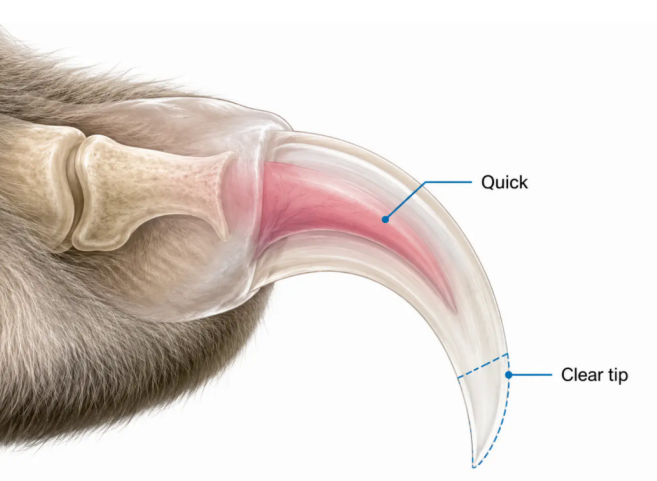
The hard outer claw surrounds living tissue known as the quick. The quick contains small blood vessels and nerves. Removing the thin clear tip should not hurt, but cutting into this inner tissue causes pain and bleeding.
A shallow nick may produce only a drop or two. A deeper cut can bleed more noticeably, especially if the cat struggles, runs, or repeatedly licks the toe. The amount of blood can look dramatic against light-colored fur, so focus on steady first aid rather than repeatedly wiping and checking.
This advice is for a nail clipped into the quick. If the claw was caught, split, bent backward, torn near the base, or partially pulled out, treat it as a possible broken nail and contact your veterinarian.
Step-by-step first aid
1. End the nail-trim session
Set the clippers down and do not try to finish the other paws. Speak quietly and move slowly. Pain and fear can make even a gentle cat bite or scratch, so keep your face away from the cat and avoid tight restraint.
If another person is present, ask them to offer calm support without pinning the cat. A loose towel around the body may help a cat that already tolerates wrapping, but do not create a struggle over the towel.
2. Apply steady pressure
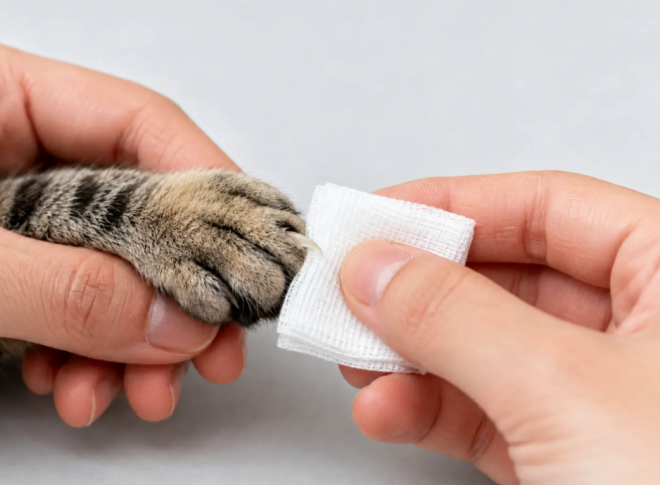
Place clean gauze or a clean folded cloth over the nail tip. Hold continuous, gentle pressure for two to three minutes before checking once. Avoid lifting the gauze every few seconds—the clot needs time to form, and repeated checking can restart bleeding.
Support the paw in a natural position. Do not squeeze the toe or bend the leg sharply. If your cat is too distressed to handle safely, call your veterinary clinic for guidance rather than risk a bite or a worse injury.
3. Use pet styptic powder for minor bleeding
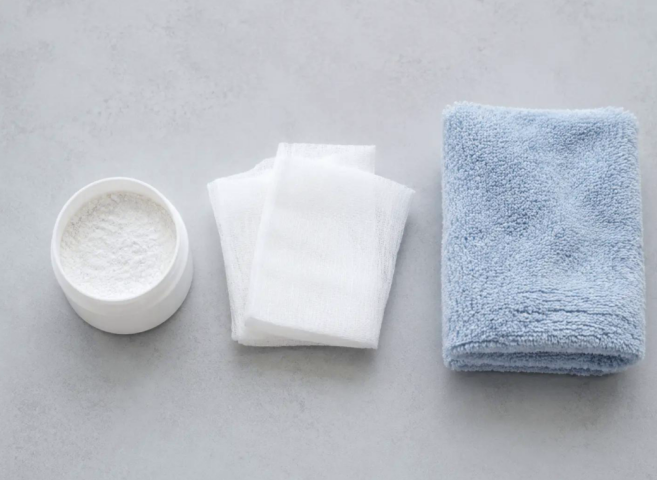
Press a small amount of styptic powder made for pets onto the nail tip, following the product directions. Keep it away from your cat’s eyes, nose, and mouth.
If styptic powder is unavailable, veterinary sources commonly identify plain flour or cornstarch as a temporary option for a minor quick nick. Apply it to the tip and resume pressure. These substitutes do not replace veterinary care when bleeding is persistent or the nail is badly damaged.
Do not pour hydrogen peroxide, alcohol, essential oils, human pain creams, or household disinfectants onto the nail. They may irritate tissue or be unsafe if licked. Never give human pain medication unless a veterinarian specifically directs you to do so; several common human drugs are dangerous to cats.
4. Once bleeding stops, reduce activity
Keep your cat indoors and encourage quiet activity for the rest of the day. Running, jumping, or scratching can reopen the quick. Do not place a tight home bandage around the paw; an incorrectly applied bandage can restrict circulation, trap moisture, or cause additional injury.
If your veterinarian recommends a covering for transport, follow their instructions and keep it temporary.
5. Monitor the toe
When your cat is calm, look at the nail without squeezing it. A tiny dried spot at the tip may be expected. Over the next 24–48 hours, watch for:
• Renewed or persistent bleeding
• Increasing redness, swelling, warmth, or discharge
• Bad odor from the nail or toe
• Limping or refusing to bear weight
• Repeated licking, chewing, hiding, or reduced activity
• A crack extending toward the base
Do not pick off a clot or loose piece of nail. If the claw is catching fabric or appears partly detached, a veterinarian should decide whether damaged material needs to be removed.
When to contact a veterinarian
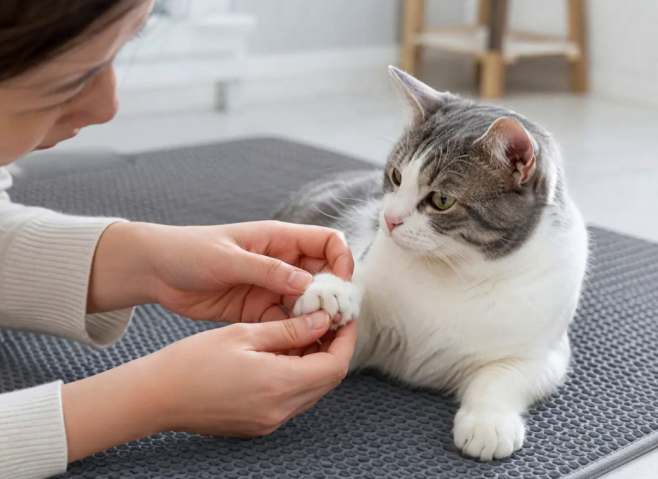
Call your veterinary clinic promptly if:
• Bleeding remains active 5–10 minutes after first aid began despite uninterrupted pressure and appropriate styptic use
• Bleeding stops but repeatedly starts again
• The nail is torn, split deeply, hanging, or damaged close to the base
• The nail bed is exposed
• Your cat is limping, crying, hiding, or clearly painful
• The toe becomes swollen, red, warm, smelly, or produces discharge
• Your cat will not let you examine the paw safely
• Your cat has a known bleeding disorder or takes medication that affects clotting
If blood is flowing rapidly, your cat seems weak, the paw has suffered major trauma, or you cannot control the bleeding safely, seek urgent veterinary care.
Broken nails are painful because the quick is living tissue. VCA notes that damaged nail material often needs professional removal and that protecting an exposed nail bed from infection is important.
Will the nail grow back?
A minor tip injury usually grows out as the claw continues to grow. The time varies, and the sensitive tissue should remain protected inside the regrowing keratin.
A nail torn from the bed or damaged near its growth area may regrow irregularly and requires veterinary assessment. Do not assume every nail injury is equivalent to a small quick nick.
How to rebuild trust before the next trim
Do not attempt another trim as soon as the bleeding stops. Give your cat time to recover physically and emotionally. At future sessions:
1. Return to brief paw touches without clippers.
2. Reward calm behavior immediately.
3. Use bright lighting and sharp feline nail clippers.
4. Remove only the transparent hook.
5. Stop after one successful claw if that is your cat’s limit.
If your cat becomes fearful at the sight of the clippers, follow the gradual plan in why cats hate nail trims. The WOPET cat nail care guide also explains how to identify the safe cutting zone.
Having styptic powder open and gauze within reach before every trim makes it easier to respond calmly. Preparation does not mean you expect an accident; it prevents an accident from becoming chaotic.
How to avoid cutting the quick next time
• Work in strong, direct light.
• Look at each claw from the side before cutting.
• Clip only the thin hooked tip.
• Take one small cut rather than one ambitious cut.
• Keep the blade sharp so it cuts cleanly.
• Release the paw when your cat moves instead of trying to cut a moving target.
• Ask your veterinary team for an in-person demonstration if you cannot identify the quick.
The recommended interval is often every two to four weeks, but you should only cut nails that actually need it. See how often to trim cat nails for a schedule based on age and lifestyle.
Frequently asked questions
Is a cut quick an emergency?
A small nick that stops bleeding with pressure and styptic powder is usually not an emergency. Persistent bleeding, a deep split, exposed nail bed, severe pain, or major trauma needs prompt veterinary care.
Can my cat lick the nail after it stops bleeding?
A brief lick may happen, but repeated licking can disturb the clot and introduce contamination. Redirect calmly and contact your veterinarian if licking is persistent or the toe appears painful. Do not apply a bitter product or topical medication unless your veterinarian confirms it is safe for cats and appropriate for an open nail injury.
Can I use cornstarch to stop cat nail bleeding?
Plain cornstarch can be used as a temporary clotting aid for a minor quick nick when pet styptic powder is unavailable. Apply it with steady pressure. If bleeding does not stop, seek veterinary advice.
Should I bandage the paw overnight?
Not unless your veterinarian instructs you to. Home bandages can become too tight, wet, or irritating. Once minor bleeding has stopped, quiet indoor monitoring is generally safer than an unsupervised tight wrap.
Can I give my cat pain medicine?
Do not give human pain relievers or leftover pet medication. Ask a veterinarian whether pain control is needed and which medication is safe for your cat.
Final takeaway
When a cat nail is cut too short, stop, apply uninterrupted pressure, use pet styptic powder for minor bleeding, and monitor carefully. Do not continue the trim or apply random household antiseptics. Persistent bleeding, a deep tear, exposed tissue, limping, or signs of infection warrant veterinary care.
Editorial sources
• VCA Animal Hospitals: How to Trim a Cat’s Nails
• VCA Animal Hospitals: First Aid for Broken Nails in Cats
• RSPCA Pet Insurance: How to Trim Your Dog or Cat’s Nails Safely
This article provides general educational information and is not a substitute for an examination or individualized advice from your veterinarian.Label:
Popular Post
Top 10 Most Expensive Cat Breeds in The World
May 07, 2025
The Ultimate Guide to Tabby Cats: Patterns, Personalities, and More
Mar 27, 2025
Can Cats Have Ice Cream? Dangers, Safe Flavors & Healthy Cat Treats
Sep 02, 2025

My Cat Only Eats A Little at A Time - What to Do?
Feb 27, 2023

Top 8 Reasons Why Does My Cat Sleep Between My Legs?
Mar 03, 2025

[Blue] W03L 3L Premium Ceramic Cat Water Fountain
Model: W03 LITE
$59.99
$69.99

Basin Pet Water Fountain-W600
Model: W600
$43.99
$69.99
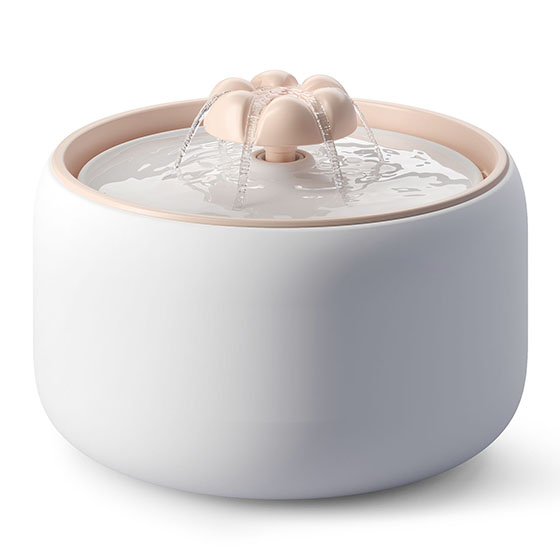
[Basic] Ceramic Pet Water Fountain with Power Cable
Model: W03L
$59.99
$99.00

WOPET 8L Pet Water Fountain For Multiple Cats or Large Dogs A08
Model: A08
$49.99
$59.99

[Upgrade] Basin Wireless Pet Water Fountain
Model: W600 Pro
$69.99
$89.99
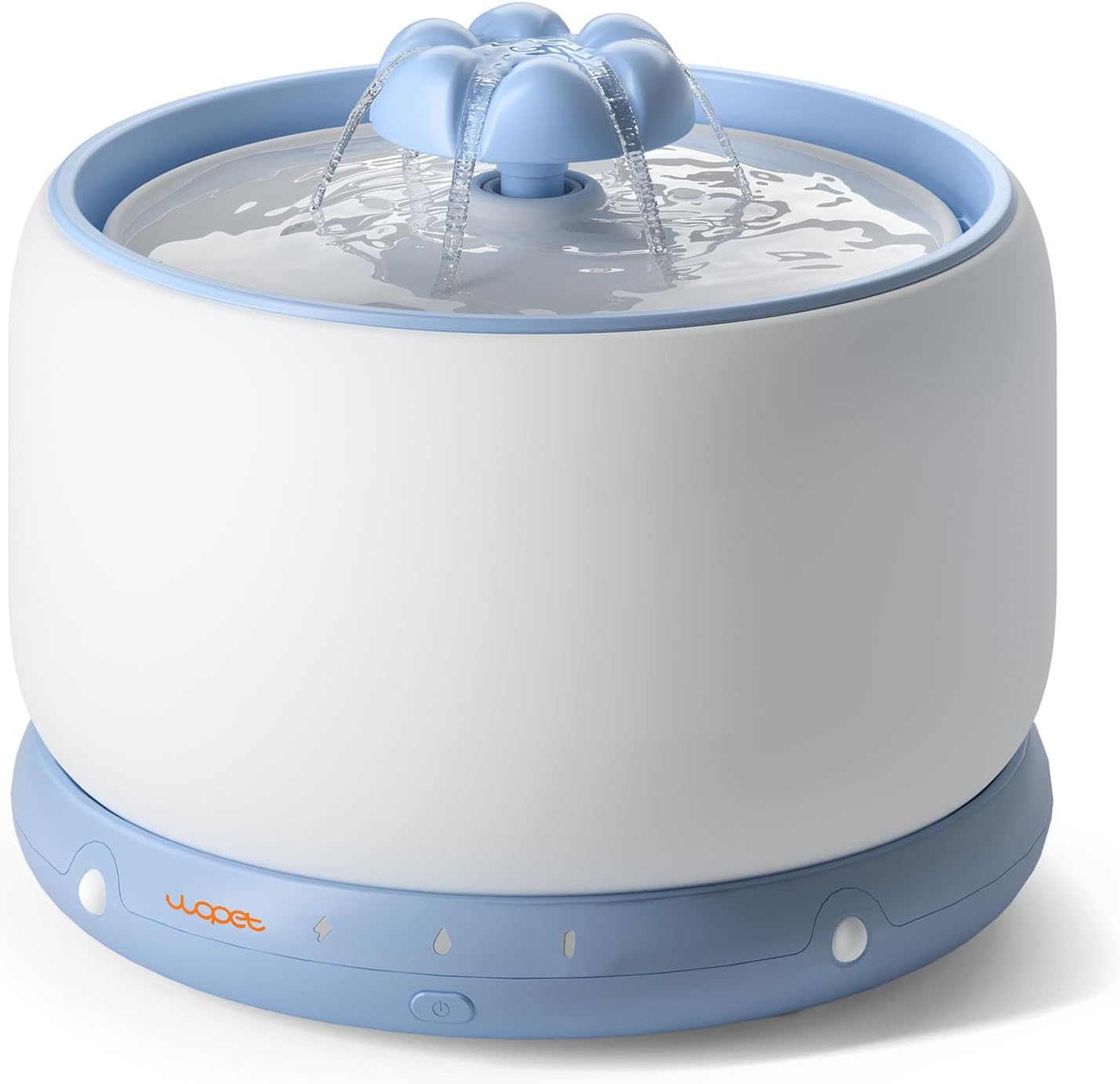
[Blue] W03 3L Ceramic Cordless Cat Water Fountain
Model: W03
$89.99
$99.99

DOWNLOAD APP

WOpet life




Copyright © 2026 WOPET. All Rights Reserved.