Sep 25, 2025
Author:Jackson Watson
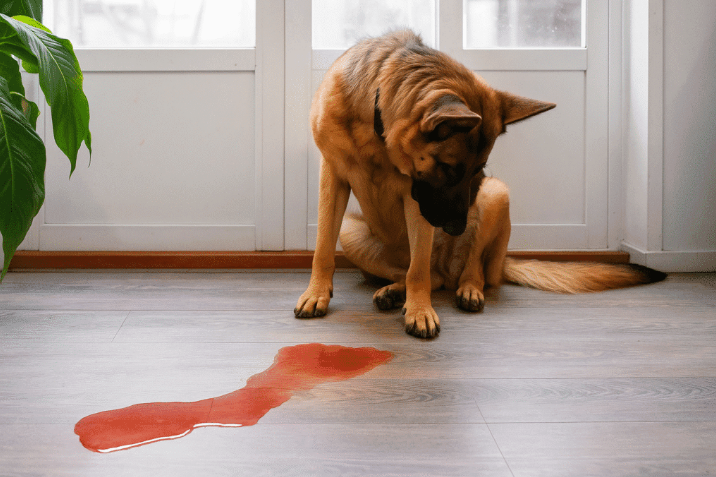
Seeing your dog peeing blood can be alarming and often leaves pet owners worried. Sometimes, it is a mild infection, but at other times it can be a serious infection that may cause blood in the dog’s urine.
It could be a female dog peeing blood, an elderly dog peeing blood, but otherwise behaving normally, or your pup just feels off. This article has you covered- straight off the vet-backed sources.
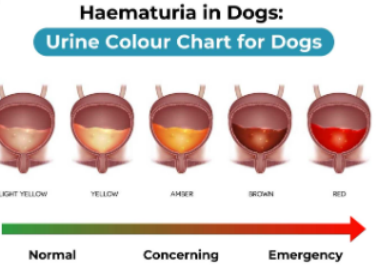
Hematuria is blood in the urine, which occurs when red blood cells are found in the urinary tract. This blood can be in the form of bright red streaks or pinkish discoloration or even brownish. It is obvious in certain cases, and only a veterinary urinalysis can expose it in other cases.
Urine is produced by the kidneys and is pumped into the bladder via the ureters until it is discharged out of the body. Since the process is a multi-organ process, blood in the urine may have different sources in the urinary system, or even other health conditions that impact clotting or reproductive organs.
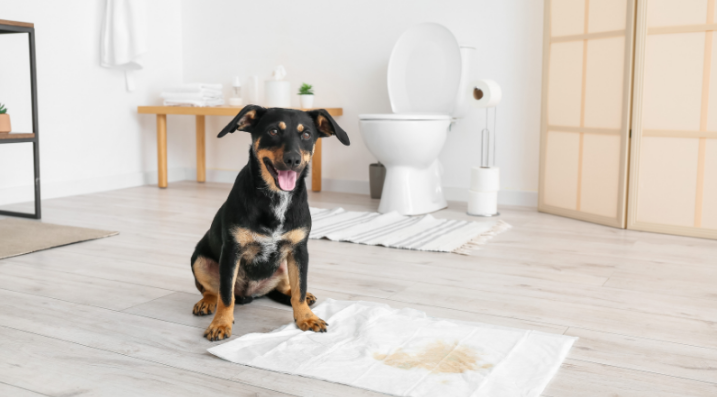
There isn’t just one answer to why your dog is peeing blood. Causes range from simple infections to life-threatening conditions. Here are some of the main causes:

A UTI is one of the most common reasons that makes dogs pee blood. Bacteria may get into the urinary system, causing inflammation, pain, and apparent blood. UTIs in dogs are characterized by increased urination, difficulty peeing, or urine that smells unusually strong.
Infections may also extend to the kidneys, leading to more serious health complications if not treated. A vet will diagnose a UTI by a urine test and prescribe antibiotics. Together with treatment, hydration encourages the removal of bacteria and healing.
Dogs can also have bladder or kidney stones just as humans. These mineral structures may be hard, and scratching and irritation of the urinary tract may result in bleeding. Symptoms may be frequent urination, difficulty in passing urine, and licking of the urinary opening because of pain.
Certain stones can be passed through natural means, and bigger ones are removed through surgery or special diets. Some of these stones may be expelled naturally, and the larger stones are removed by operation or special diet.
Prevention, such as visiting the veterinarian and a balanced diet, reduces the likelihood of stones.
Accidents, falls, or being hit by a car can damage the bladder, kidneys, or urinary tract. Internal trauma can be difficult to detect initially, and the presence of blood in the urine can be the first sign that something has gone wrong.
Although your dog might look alright, inside trauma is not to be taken lightly. X-rays or ultrasounds are used in veterinary imaging to identify concealed injuries. Rapid response can be of great importance in avoiding complications.
In male dogs, an infected or swollen prostate may bulge against the urinary tract, causing bloody urine. Unneutered older males have a greater likelihood of developing prostate enlargement, infections or even tumors.
Symptoms can be straining, stool difficulties, or urinary alterations. The most important step in eliminating prostate-related conditions is veterinary assessment, which may include an ultrasound.
Even though it is not highly common, bladder cancer can cause bloody urine in dogs. Unfortunately, the symptoms may be confused with other urinary disorders like infections or stones, and hence, diagnosis may be challenging at an early stage.
Bladder cancer in dogs can lead to dogs straining to urinate, passing urine in small drops, or containing blood clots in urine. Vets can prescribe special imaging and biopsies in case of suspicion. Treatment is usually surgery, chemotherapy or palliative care based on the severity.
Cases of dog peeing blood are caused by some clotting problems or poisoning. Rat poison, by way of example, disrupts blood coagulation and may result in extensive internal hemorrhage. Clotting is also affected by certain autoimmune conditions or platelet disorders.
In case of any suspicion of poisoning, it is an emergency. It may need urgent veterinary treatment, including blood transfusion or antidotes.
Kidneys are important in the process of waste filtration. Blood can enter the urine when it is damaged (acute or chronic). Increased water intake, weight loss, or lethargy are also signs of kidney disease in dogs.
The elderly dogs are more susceptible to chronic kidney disease, and the acute damage can be due to toxin exposure, infections, or dehydration. The management may include special diets, hydration, and frequent monitoring.
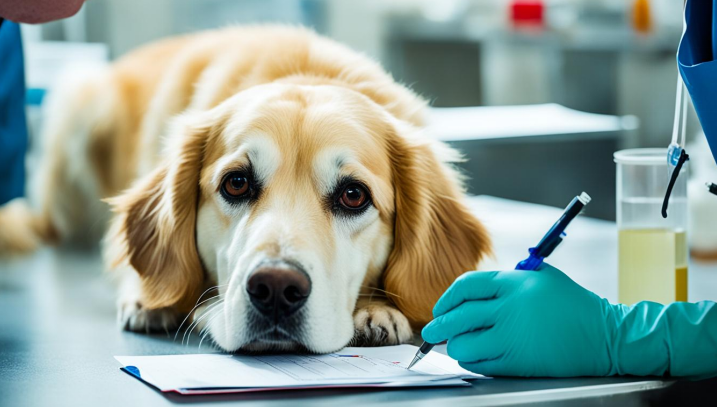
You should call your vet when you notice that there is visible blood in the urine of your dog or when they seem to be peeing more frequently than normal.
Your veterinarian will request that you bring a urine sample for testing. The initial urine of the morning is usually the most useful as it is more concentrated. To gather it, slide a shallow container, ladle, or even a clean pan under your dog as they urinate. Make sure that the sample is moved into a covered container and refrigerated before your appointment.
UTIs in dogs respond to appropriate antibiotics, and symptoms improve in a few days. Crystals and stones might take more time to manage, and dietary modifications tend to be a lifetime to avoid relapse.
In chronic diseases like kidney disease or cancer, long-term care and frequent check-ups are required. Listening to your vet and taking medications, changing your dog’s diet, and lifestyle will go a long way in making your dog comfortable and healthy.
To help your dog recover, make sure your dog is well hydrated and eat healthy. When your dog is having appetite problems during the healing process, a healthy diet to sick dogs can help.
Not all cases are avoidable, but with good care you can minimize the risk of your dog:
Give fresh water on a daily basis to flush the urinary tract. A Wopet Automatic Dog Water Fountain is an excellent solution to making sure your pet has access to clean running water at all times, which promotes drinking and lowers urinary issues.

Provide a nutritious diet that is suitable for your dog. High-protein foods are also available to active dogs, so you can check them out in case your pup requires high energy.
Get your dog checked at the vet and screened with urinalyses regularly in case they have a history of urinary issues.
Take care of hygiene, particularly in the female dog with a recessed vulva. Wipes with medication can be useful in decreasing the number of bacterial infections.
Avoid toxin exposure by storing rodenticides and other harmful substances away.
The presence of blood in the urine of your dog may be a frightening experience. Yet, when you have the right veterinary advice, the majority of causes can be addressed effectively. It may be a simple UTI or a more complicated condition, but the difference is timely care.
Your role as a pet parent is to notice any changes, act quickly when something does not appear to be right, and follow through with the treatment your veterinarian prescribes. With swift diagnostics, targeted treatments, and supportive care, most dogs recover well.
Label:
Popular Post

Tuxedo Cats: Facts, Personality, Lifespan, and What Makes Them Unique
Apr 07, 2025

Why is My Cat Throwing up Water? Top 5 Causes Here
Feb 08, 2023

Why Does My Cat Cough After Drinking Water? 8 Potential Reasons
Mar 13, 2023
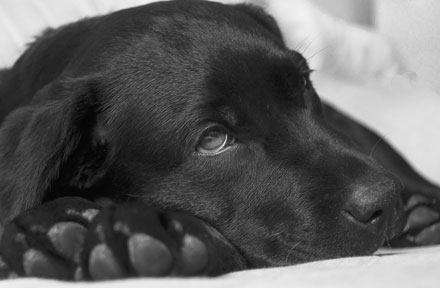
What to Feed a Sick Dog With No Appetite? [2025 Guide]
May 16, 2023
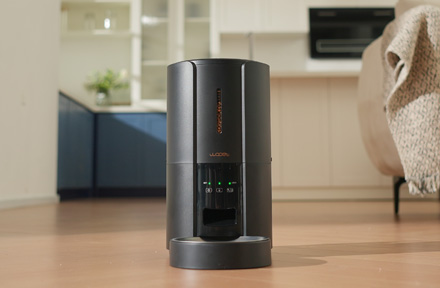
Troubleshooting Common Issues with Automatic Pet Feeders: Tips & Tricks for Pet Owners
Oct 26, 2023

Interactive Cat Toy with Four-Leaf Clover Pattern
Model: OK003SBY-000HS-0114
$60.00
$80.00

Interactive Cat Toy with Geometric Pattern
Model: OK003MGB-000HS-0115
$60.00
$80.00
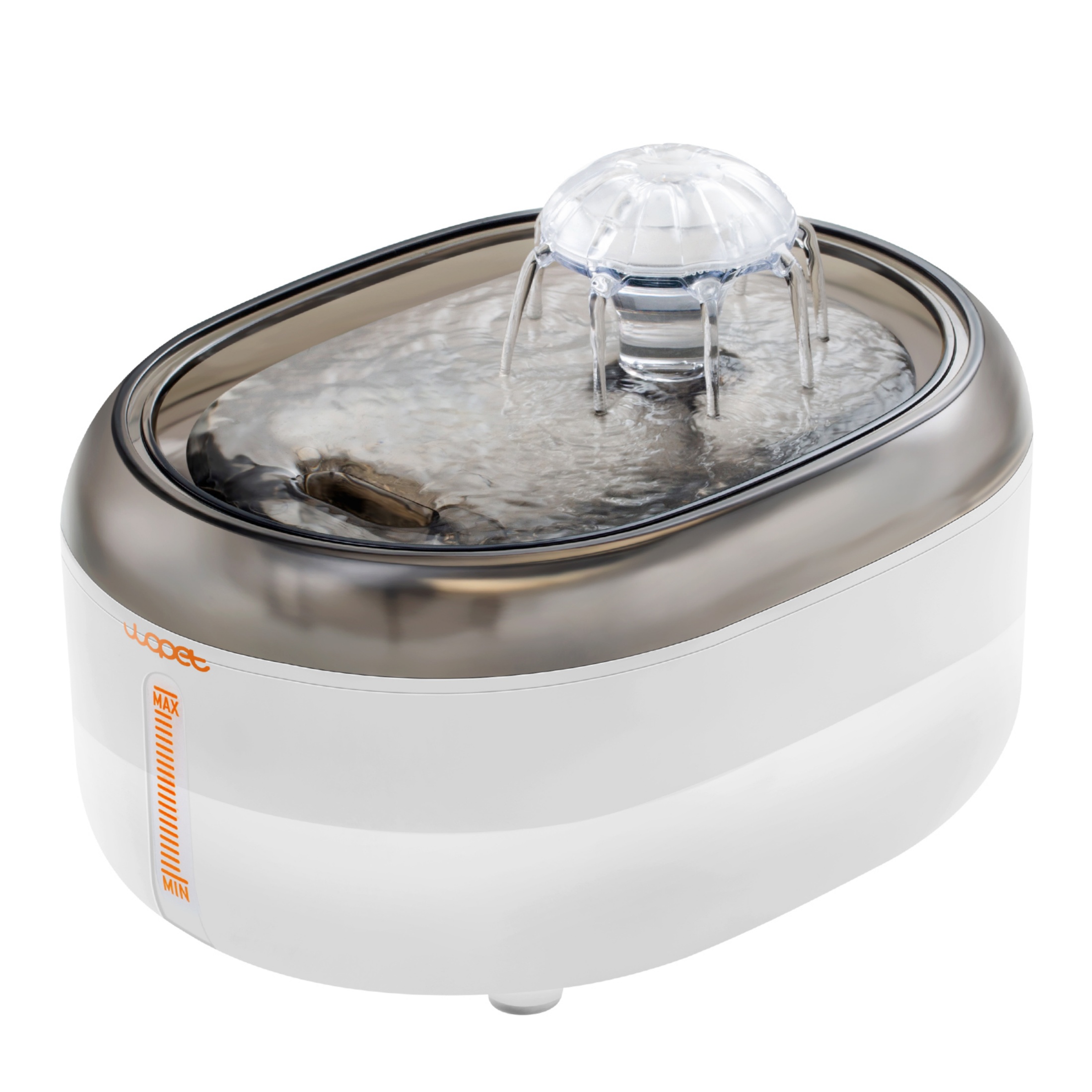
WOPET Gray Cat Water Fountain
Model: W300-Gray
$39.00
$59.00
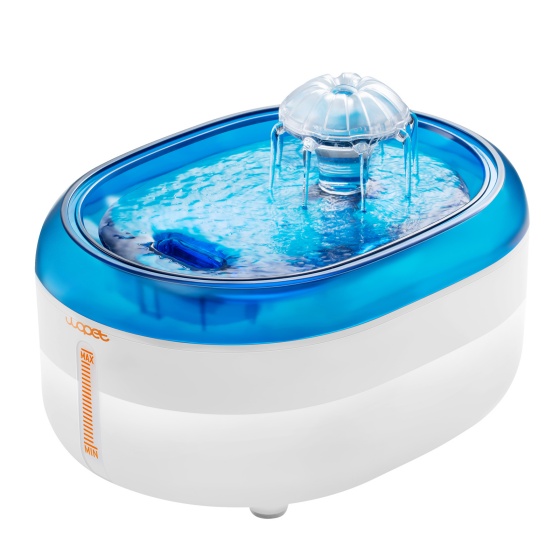
WOPET Cat Water Fountain
Model: W300-White Blue
$39.00
$59.00
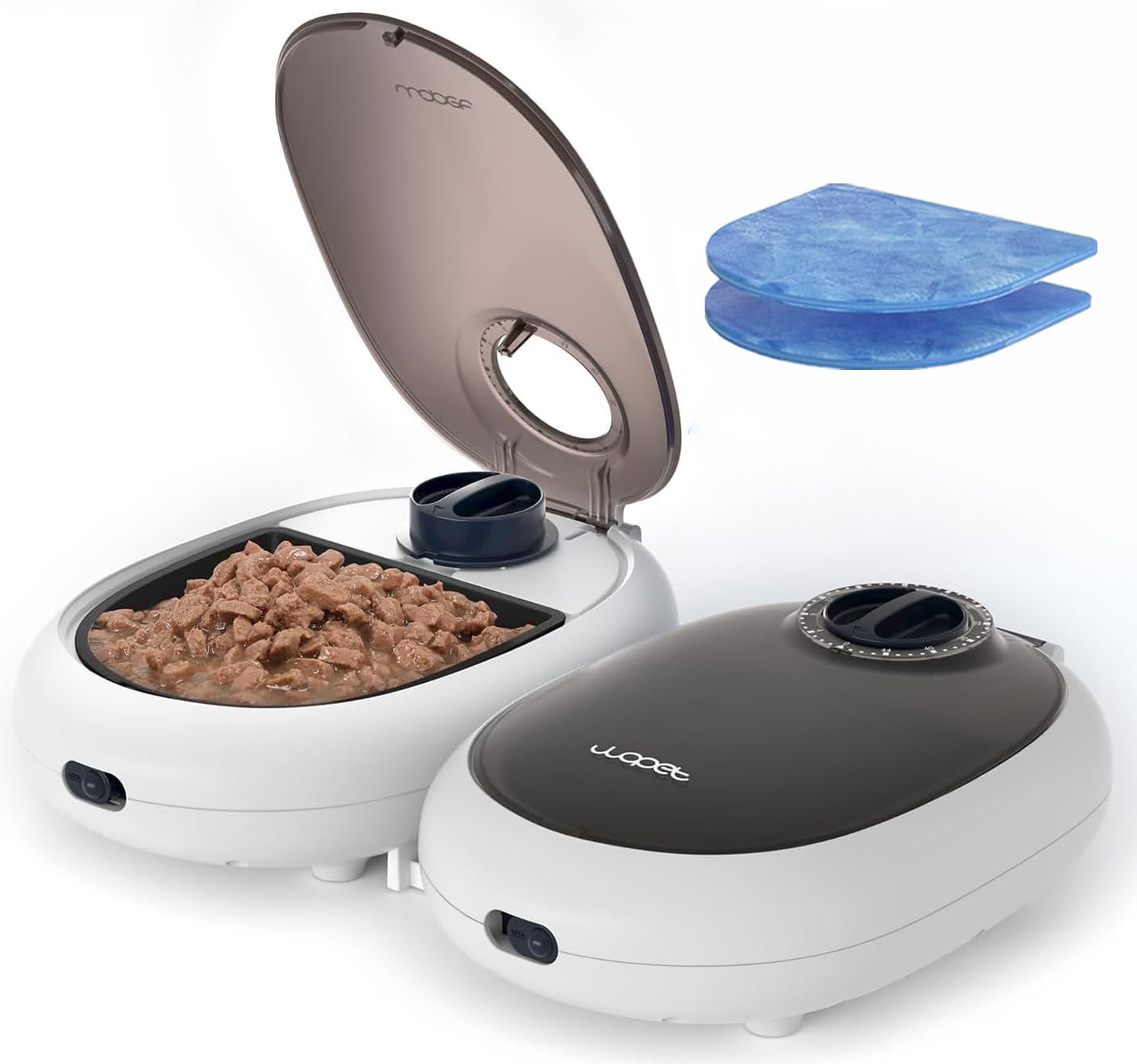
WOpet Automatic Cat Feeder For Wet Food
Model: FT60W
$29.99
$49.99
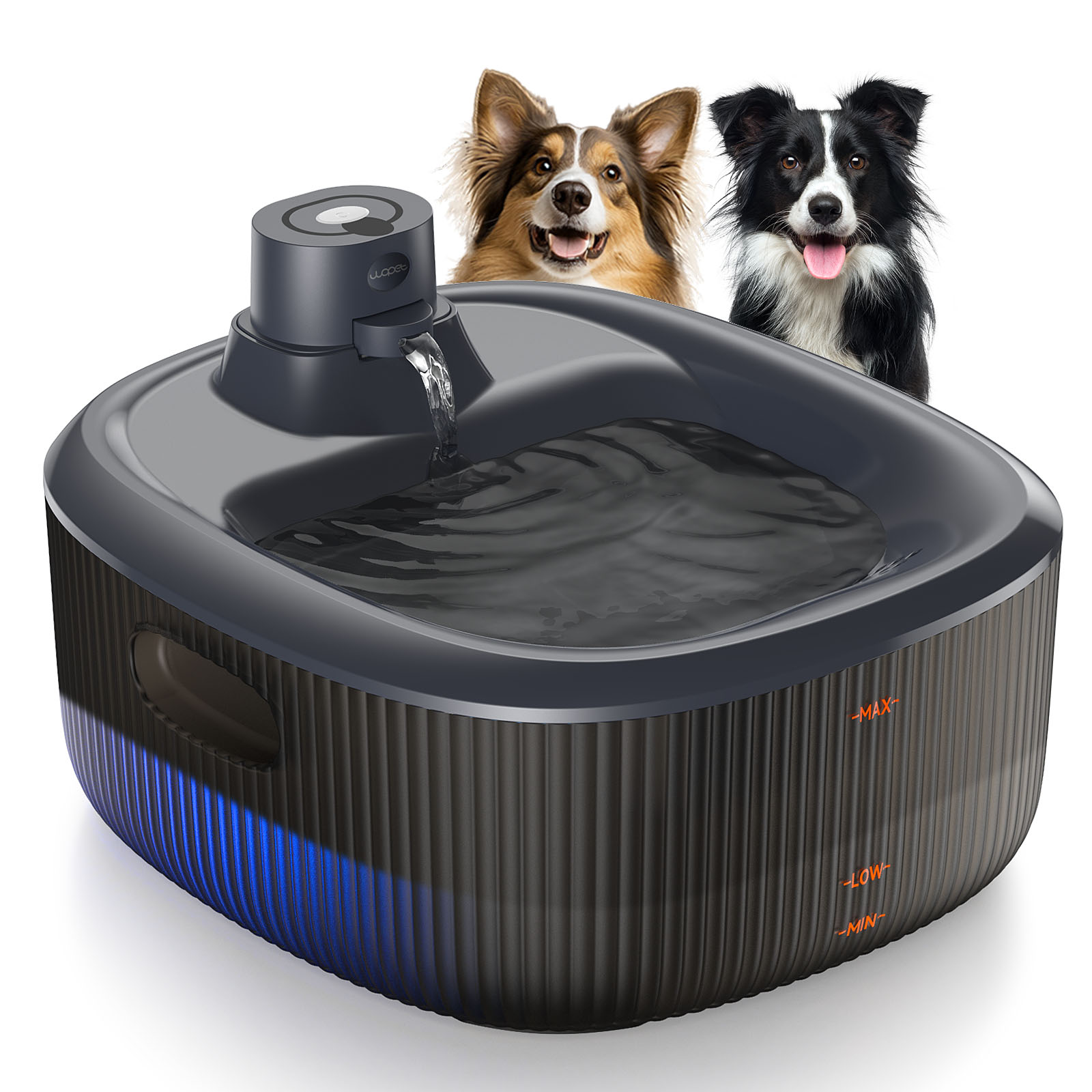
[Upgrade] Basin Wireless Pet Water Fountain
Model: W600 Pro
$69.99
$89.99

DOWNLOAD APP

WOpet life




Copyright © 2025 WOPET. All Rights Reserved.