Sep 14, 2026
Author:Sam Wonder
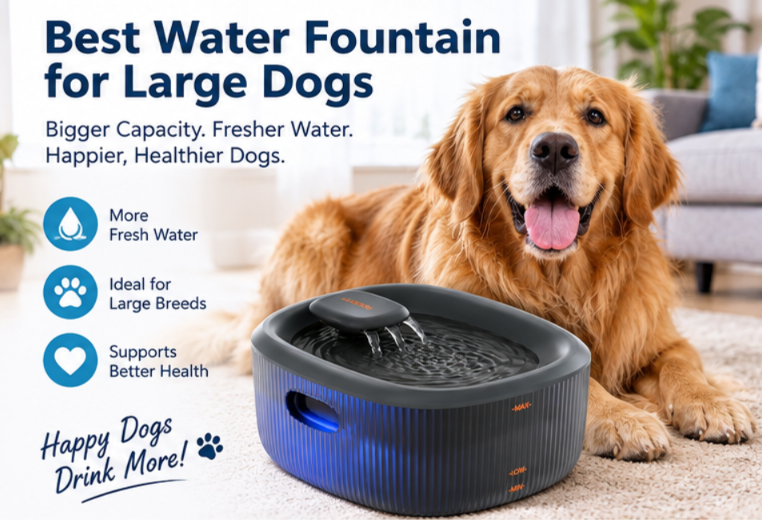
The best water fountain for a large dog has a broad, deep-enough drinking surface, a stable base, enough usable capacity to keep the pump covered between daily checks, and a design that contains normal lapping splash. It should also be easy to empty, lift, and clean—because a large reservoir is only useful when it remains fresh and functional.
|
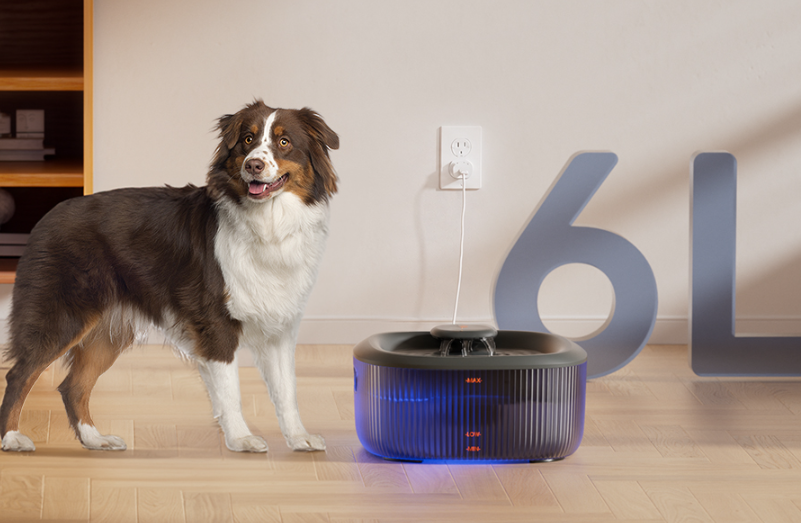
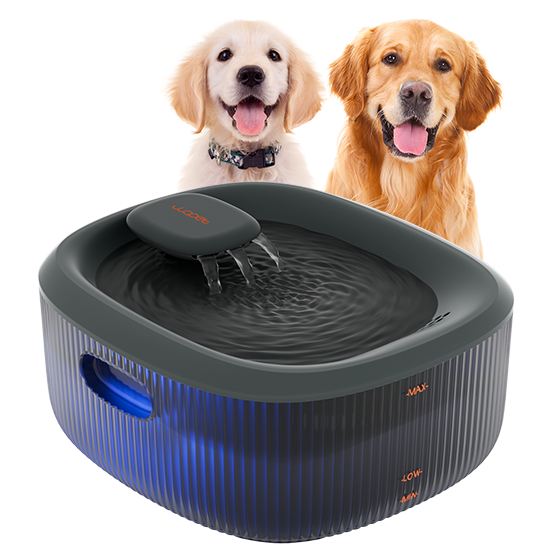
Quick answer: For many indoor large-dog households, a 5- to 7-liter reservoir is a practical shopping range when measured daily use supports it. Also prioritize a wide basin that permits natural tongue movement, strong resistance to sliding, a visible water level, pump protection, accessible filters, and a splash-conscious rim. Keep another bowl available and check the fountain every day. Best fit from WOPET: Based on current published specifications—not hands-on testing—the 6-liter WOPET W600 is the strongest match in this guide. Its wide drinking area, water-level window, carrying handle, filtration, anti-dry pump protection, and emergency basin reserve address the main requirements for many large indoor dogs. |
What makes a fountain suitable for a big dog?
A product can hold several liters and still be a poor fit for a large dog. Tank capacity is hidden storage; the dog interacts with the drinking tray. That tray must support the dog's size, muzzle shape, posture, and lapping style.
Prioritize:
• A wide drinking surface: The dog should not have to aim at a narrow stream.
• Adequate tray depth: Normal lapping should not empty the exposed basin after a few mouthfuls.
• Fast replenishment: Water should return to the tray at a rate that keeps up with drinking without splashing aggressively.
• A stable footprint: The unit should resist sliding when the dog touches the edge.
• Usable capacity: The pump must remain safely submerged above its minimum line.
• Visible level indicators: Caregivers should be able to check water without fully disassembling the unit.
• Serviceable pump access: Hair, food, and debris must be removable from the intake and impeller area.
• Manageable weight: A fountain filled with 6 liters of water contains about 6 kilograms of water before the fountain itself is counted.
The last point is easy to overlook. If a full unit is too heavy to handle safely, choose a model with a grip area, drain-friendly design, or smaller reservoir you are willing to refill more often.
The drinking area matters more than the tank alone
Dogs drink by curling the tongue backward and drawing water into the mouth. A large dog needs room to repeat that movement without striking a narrow wall or constantly splashing over a shallow edge.
Look at product photos from the dog's perspective. Ask:
• Is the usable water surface broad or mostly covered by plastic?
• Can the muzzle reach the water without pressing into a spout?
• Does the lip appear high enough to reduce overflow but low enough for comfortable access?
• Can the tray replenish quickly when a dog drinks continuously?
• Is the top locked or likely to lift when nudged?
A waterfall or stream may attract some dogs, but it is not the core requirement. AKC's veterinarian-informed overview of dog water fountains notes that individual preferences vary; dogs already interested in running water may find a fountain appealing. A dog that prefers still water should always retain that option.
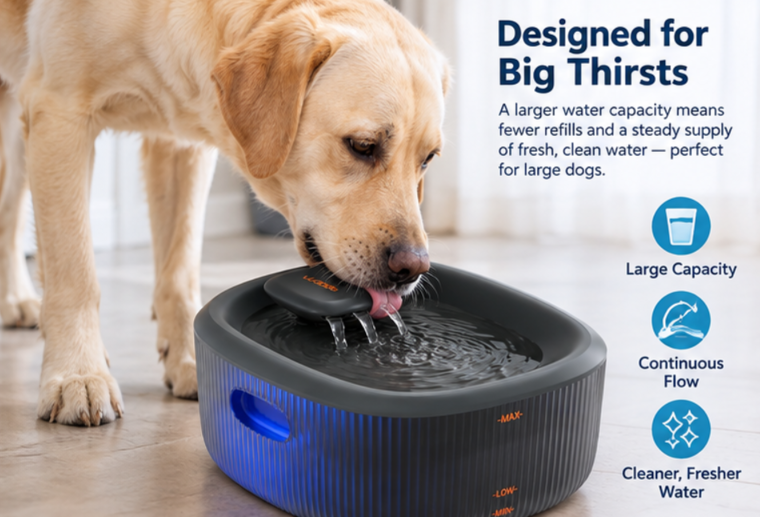
How much capacity does a large dog need?
There is no single capacity that fits every large dog. Water needs vary with body size, diet, exercise, temperature, life stage, medication, and health. Wet food contributes moisture; heat and activity can increase demand. Sudden changes in drinking may signal illness and should not be dismissed as weather or preference.
For buying purposes, 5 to 7 liters is a useful range for many indoor large-dog fountains because it creates a practical reserve without becoming an industrial-size container. It is not a promise of a certain number of unattended days.
Use this process:
1. Measure how much water you add to all household stations across several normal 24-hour periods.
2. Note splash loss and whether other pets share the water.
3. Check the model's minimum pump level.
4. Add enough reserve to prevent low-water operation between daily checks.
5. Confirm that the filled fountain remains safe to move and fits the cleaning area.
The Merck Veterinary Manual advises providing fresh, clean water and not restricting access unless a veterinarian recommends it. A fountain supports access; it does not justify skipping checks.
According to current WOPET specifications, the WOPET Basin W600 holds 6 liters, uses a wide and deeper drinking area, includes a visible water-level window, and retains approximately 600 ml in the basin during a power interruption. WOPET also lists an anti-dry pump design, multiple-stage filtration, an integrated carrying handle, and operating noise below 30 dB. These features directly address large-dog use, but owners should still verify dimensions, setup, and current care instructions.
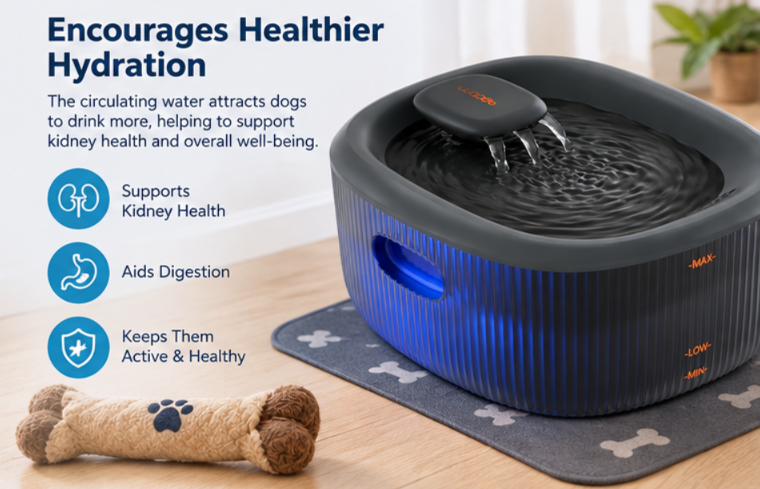
Stability and splash control are essential
A large dog's muzzle can move a lightweight fountain across tile. Choose a broad base and a unit that remains level when the dog presses the rim. Rubber feet can help, but they must stay clean and intact.
Use a waterproof, non-slip mat with a raised edge. It should extend beyond the likely splash zone without creating a trip hazard. Lift and dry beneath it regularly, especially on wood, laminate, or flooring with open seams.
No-spill language should be interpreted realistically. A design may reduce splash, but an enthusiastic dog can still carry water on its muzzle or ears. Long-eared breeds may need extra floor protection and more frequent water changes because ear hair can enter the basin.
Do not place the fountain beside a power strip or rely on a loose extension connection. Route the manufacturer's cord away from chewing and foot traffic. Stop using the unit if the cord, adapter, charging port, or housing is damaged.
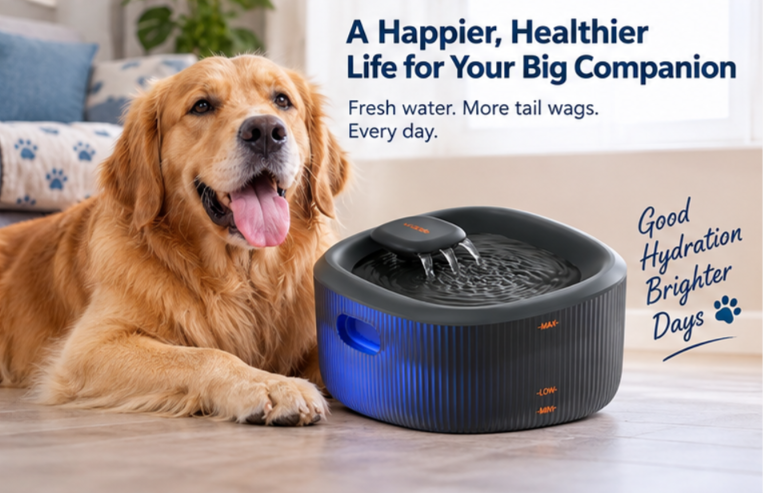
Should a large-dog fountain be elevated?
Not automatically. Elevation is sometimes promoted as more comfortable, but the appropriate height depends on the individual dog and may matter medically for dogs with certain orthopedic, neurologic, swallowing, or gastrointestinal conditions.
For a healthy dog, choose a stable setup that allows a relaxed stance and easy access. Do not improvise a tall platform that can tip or make spills harder to contain. If your dog appears uncomfortable bending, coughs while drinking, regurgitates, has a diagnosed mobility problem, or has a history of bloat concerns, ask your veterinarian about the safest bowl or fountain height.
Which material is best for a large dog fountain?
Large-capacity fountains are commonly made from plastic, stainless steel, ceramic, or a combination.
Plastic
Plastic can keep a 6-liter unit light enough to move and allows molded handles, water windows, and spill-control shapes. The owner must clean seams and pump channels carefully. Replace parts that are deeply scratched, cracked, warped, or difficult to rinse.
Stainless steel
Stainless steel is durable and often easy to inspect. Confirm which components are dishwasher-safe. A thin metal tray can amplify vibration or shift if it is not secured to a sturdy base.
Ceramic
Ceramic offers weight and a smooth glazed surface, but a large ceramic reservoir becomes heavy and can chip or crack. It is usually more practical for cats and small dogs than for very high-capacity large-dog applications.
The right material is one that remains intact, can be cleaned according to the manufacturer, and suits the caregiver's lifting ability.
Filtration and pump performance
Large dogs can introduce saliva, food crumbs, fur, and outdoor debris into the water. A pre-filter or pump sponge can intercept larger material, while activated-carbon media may help with certain odors and tastes. A filter does not disinfect the water.
Check whether:
• the pump intake is protected from large hair clumps;
• the pump opens for cleaning;
• replacement filters are specific to the model and readily available;
• the replacement interval accounts for multiple pets or heavy use;
• the pump shuts down or warns when water is too low;
• the tray flow keeps up with a sustained drinking session.
Reduced flow, new noise, foam, or a warm-running pump can indicate low water, trapped air, debris, incorrect assembly, or pump wear. Turn the unit off and follow the troubleshooting guide instead of allowing it to struggle.
Choose a fountain you can actually clean
A large dog fountain needs frequent hands-on care. Before buying, compare its largest removable piece with your kitchen sink, utility sink, bathtub, or shower. Make sure you can empty it without spilling several liters across the floor.
A practical cleaning routine is:
1. Disconnect power according to the manual.
2. Empty the old water; do not rely on endless topping off.
3. Remove the drinking tray, filter, pump, and other detachable parts.
4. Wash all approved surfaces with the method specified by the manufacturer.
5. Open the pump housing and clear the intake and impeller area.
6. Rinse thoroughly and inspect seals, cables, feet, and plastic surfaces.
7. Reassemble, refill, and confirm stable flow.
The CDC advises following product-specific instructions for pet supplies and using a dishwasher only for items labeled dishwasher-safe. Clean sooner whenever the fountain develops visible residue, odor, slime, hair buildup, or reduced flow.
Indoor fountain versus outdoor fountain
An indoor pet fountain is not automatically designed for outdoor exposure. Unless the manufacturer specifically rates the complete unit for outdoor use, keep it indoors and protect it from rain, freezing, heat, direct sun, insects, and wildlife.
For yards, patios, and kennels, use a product designed for that environment with weather-appropriate electrical protection and a stable fresh-water supply. A household pump and adapter should never sit in standing water or connect through an unprotected outdoor extension cord.
What if more than one large dog shares it?
Choose more capacity and more than one water location. Even friendly dogs may crowd a single station after exercise. A shared tank also hides individual intake, so a sudden change in one dog can be missed.
Provide another clean bowl or fountain elsewhere. Separate dogs that guard water, and seek professional behavior help rather than forcing sharing. If one dog is ill or a veterinarian needs measured intake, manage that dog's water in a controlled space without restricting the other animals.
Large-dog fountain buying checklist
Confirm all of the following:
• The basin is wide enough for the dog's muzzle and tongue movement.
• The tray replenishes at an appropriate rate.
• The reservoir offers enough usable volume above the pump minimum.
• The base remains stable on a non-slip protected surface.
• The water level is easy to see.
• The pump intake and impeller are accessible.
• Filters and pumps are available for the exact model.
• The filled unit can be lifted, emptied, and washed safely.
• The power arrangement is appropriate for the intended indoor location.
• A separate water bowl remains available.
Frequently asked questions
Is a 6-liter fountain enough for a large dog?
It is a practical capacity for many large dogs, but it cannot guarantee a fixed number of days. Measure actual use, account for splashing and other pets, keep the pump above its minimum line, and check the water daily.
Do large dogs prefer fountains to bowls?
Some enjoy moving water, while others prefer a still bowl. Preference depends on experience, flow, noise, location, and the individual dog. Introduce the fountain gradually and keep a familiar bowl available.
Can a fountain stop a dog from making a mess?
It can reduce some spills when it has a deeper tray, stable base, and splash-conscious rim. It cannot prevent water carried by the muzzle or ears. Use a waterproof mat and wipe the floor promptly.
How often should I clean a large dog fountain?
Inspect it daily and follow the manufacturer's full-cleaning schedule. Clean sooner with visible hair, food, film, slime, odor, cloudiness, reduced flow, or heavy multi-pet use. Filters do not replace washing.
Is the WOPET W600 suitable for large dogs?
WOPET specifically markets the 6-liter W600 for large dogs and multi-pet homes. Its published features include a wide drinking area, water-level window, filtration, handle, and emergency basin reserve. Confirm current dimensions and instructions for your dog and home.
Final verdict
The best water fountain for a large dog balances capacity with physical usability. Choose a wide, stable basin that keeps up with active lapping, contains ordinary splashes, shows its water level clearly, and comes apart for thorough pump cleaning. A 6-liter model such as the WOPET W600 aligns well with these requirements on paper, but daily checks, backup water, and a realistic cleaning setup determine whether it works in practice.
Sources and editorial methodology
This guide uates large-dog fountain fit using published veterinary guidance, current manufacturer specifications, and practical maintenance and handling requirements. It does not represent hands-on product testing. Verify model dimensions, specifications, and care instructions before publication.
• Merck Veterinary Manual: Providing a Home for a Dog
• VCA: General Feeding Guidelines for Dogs
• AKC: Could Your Dog Benefit From a Pet Water Fountain?
This article provides general consumer and pet-care information. Contact your veterinarian if your dog's drinking, urination, appetite, energy, or behavior changes.Label:
Popular Post
The Ultimate Guide to Tabby Cats: Patterns, Personalities, and More
Mar 27, 2025
Top 10 Most Expensive Cat Breeds in The World
May 07, 2025
Can Cats Have Ice Cream? Dangers, Safe Flavors & Healthy Cat Treats
Sep 02, 2025

My Cat Only Eats A Little at A Time - What to Do?
Feb 27, 2023

Top 8 Reasons Why Does My Cat Sleep Between My Legs?
Mar 03, 2025
[Blue] W03L 3L Premium Ceramic Cat Water Fountain
Model: W03 LITE
$59.99
$69.99
Basin Pet Water Fountain-W600
Model: W600
$43.99
$69.99
[Basic] Ceramic Pet Water Fountain with Power Cable
Model: W03L
$59.99
$99.00
WOPET 8L Pet Water Fountain For Multiple Cats or Large Dogs A08
Model: A08
$49.99
$59.99
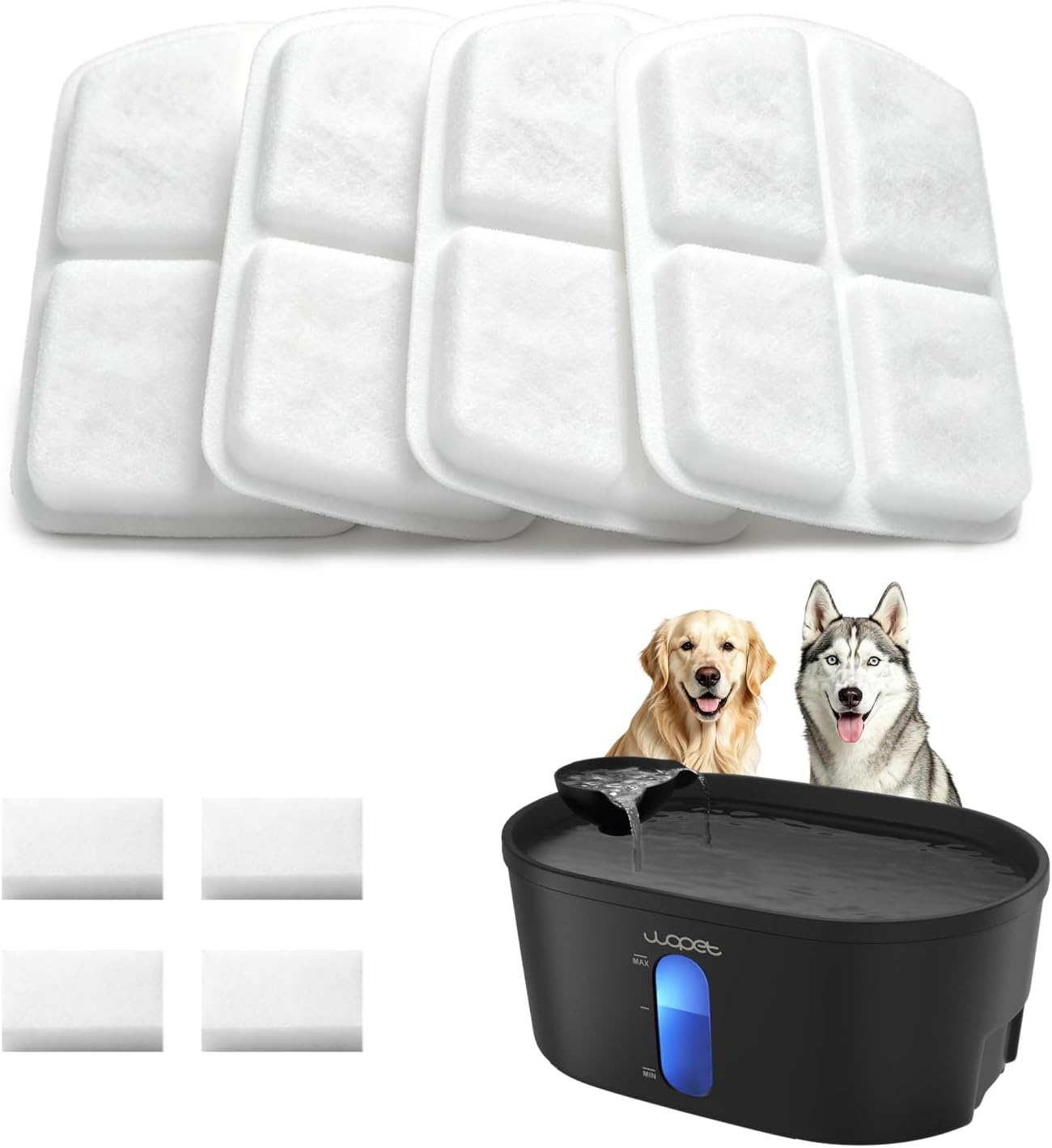
WOPET A08 Dog Water Fountain Filters
Model: A08 Filter
$19.99
$29.99
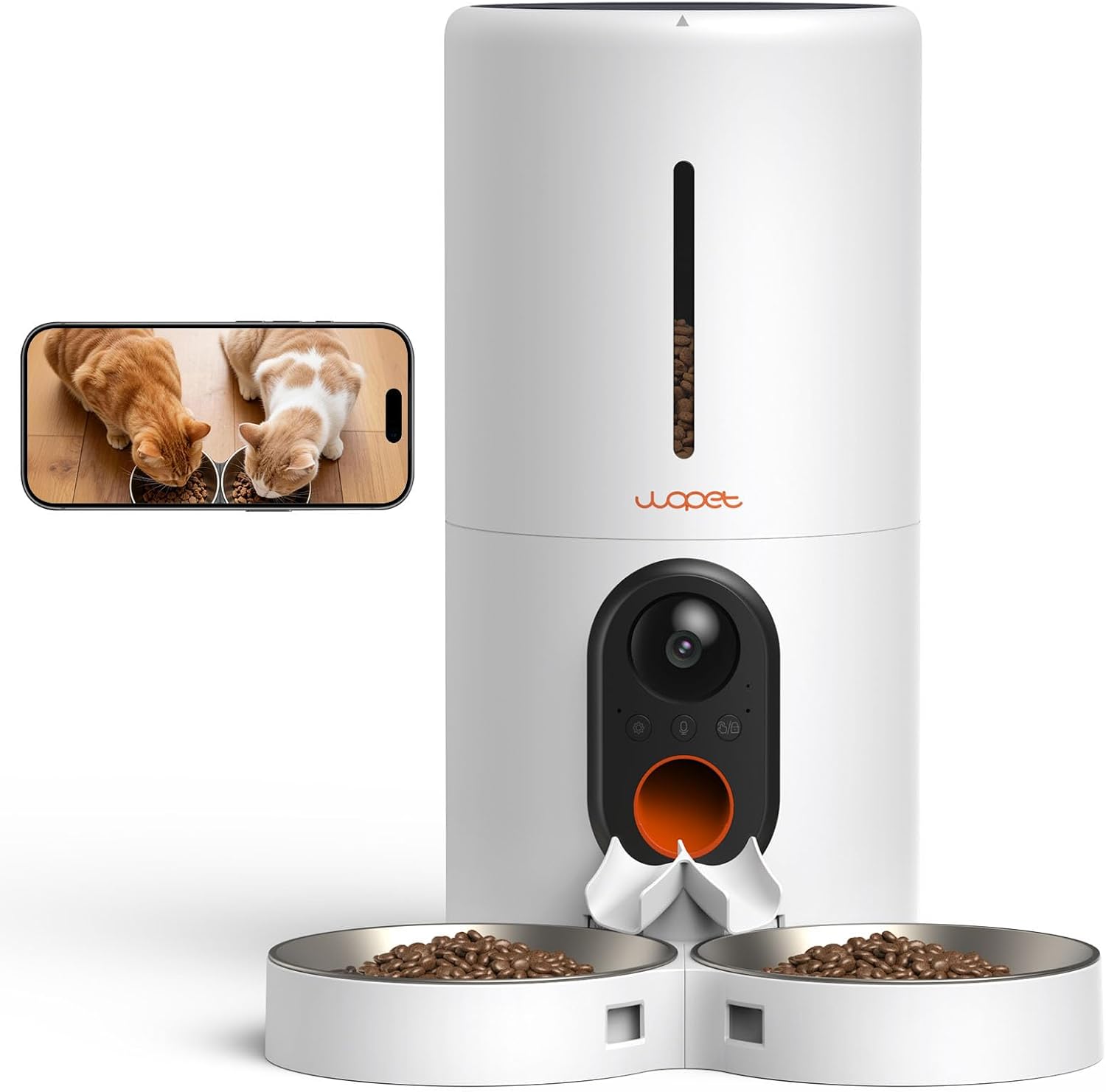
[WHITE] Heritage View 6L Cat Feeder Dual Bowls For Two Cats
Model: HV10DP-white
$114.99
$134.99

DOWNLOAD APP

WOpet life




Copyright © 2026 WOPET. All Rights Reserved.