Sep 01, 2026
Author:Amanda Lyu
Quick Answer
Green growth can develop in a cat fountain, especially when water and residue are exposed to strong light and warmth. However, color alone cannot confirm that the material is algae or tell you whether it is harmful. Stop the fountain, give your cat a clean bowl of water, discard the water, and clean every approved water-contact part. Do not add pool chemicals, aquarium algaecides, or essential oils.
Is Every Green Spot in a Cat Fountain Algae?
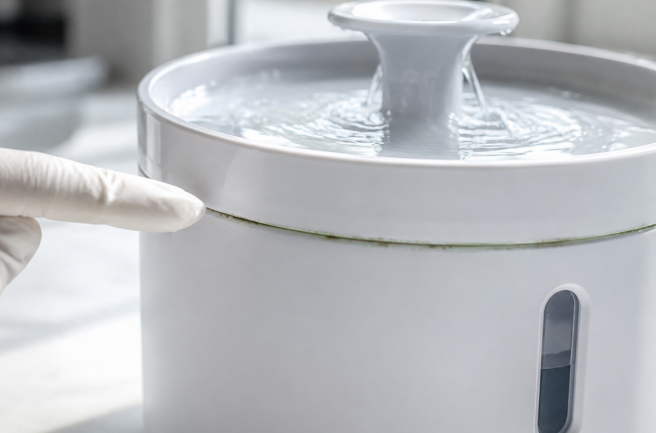
No. Green material may be algae, but it could also be biofilm, food residue, mineral deposits mixed with debris, dye transferred from an object, or another contaminant. A photo or color description cannot identify the organism.
Treat any unexplained green, blue-green, brown, pink, or black buildup as a reason to stop and clean the fountain. Do not sniff it closely, touch it with bare hands, or let your cat continue drinking while you investigate.
Outdoor harmful algal blooms and a household fountain are different situations. The EPA notes that some algae and cyanobacteria can produce toxins under certain conditions, but appearance cannot show whether household buildup is one of them. Treat the material as unidentified, remove it, and correct the conditions that allowed it to grow.
Why Can Green Buildup Develop?
Direct sunlight
Algae use light for photosynthesis. A fountain positioned in a sunny window may receive hours of light each day, while the water and surfaces provide a place for growth to start.
Move the fountain to a bright but shaded indoor location. A darker placement will not replace cleaning, but it removes one favorable condition.
Warm conditions
Warm rooms and sun-heated surfaces can make buildup return faster. Fountains near radiators, heat vents, ovens, or hot windows may need more frequent inspection and water changes.
Nutrients in the water
Food crumbs, saliva, dust, and other organic material can add nutrients. Placing the fountain directly beside a feeding station also makes food contamination more likely.
Incomplete cleaning
A quick basin rinse may leave growth in the pump chamber, filter compartment, seams, spout, tubing, or underside of the lid. Once the fountain restarts, water passes through those areas again.
Repeated topping off
Topping off replaces evaporated or consumed water but leaves older water and residue behind. Change all the fountain water daily and sooner when it becomes dirty.
What Should You Do If the Fountain Turns Green?
Stop use and provide fresh water
Turn off and disconnect the fountain according to the manual. Offer a clean, separate bowl of fresh drinking water. Empty the fountain completely.
Discard the filter
If unexplained green material has reached a disposable filter, replacement is generally more practical than trying to disinfect porous filter media. Follow the manufacturer’s directions; do not wash an activated-carbon filter with soap or bleach.
Clean all washable parts
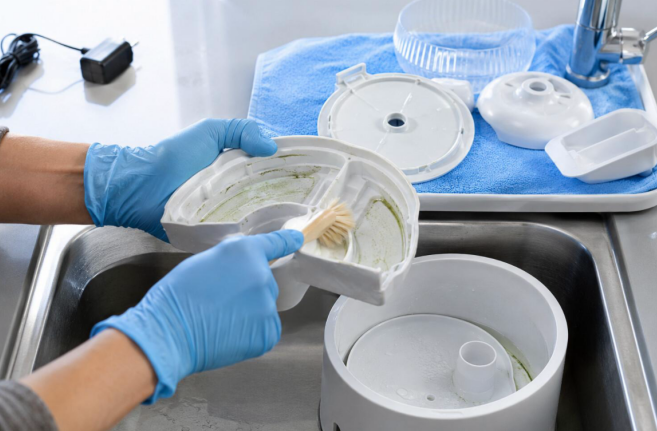
Wear household gloves if the buildup is heavy or unknown. Remove the basin, lid, pump cover, impeller, filter housing, spout, seals, and other washable parts only as the model permits. Clean visible material with the approved cleaner and a dedicated brush.
WOPET's guide on how to clean a cat water fountain explains the general process. For narrow pump areas, use the separate cat fountain pump-cleaning guide.
Rinse and dry
Rinse until no residue or cleaner remains. Dry the parts completely before inspection and reassembly. If discoloration remains in a crack, scratched porous surface, inaccessible channel, or deteriorated seal, replace the affected component.
Clean the surrounding area
Wipe the mat, floor, wall, and nearby surfaces using a product suitable for those materials. Keep the cat away until everything is rinsed or dry as required by the product label.
Can You Kill Algae With Bleach?
Bleach can disinfect some hard pet items, but it may damage metals, seals, coatings, pumps, or battery-related parts. Use it only when the manufacturer confirms that the specific part is compatible and the product label or your veterinarian provides the method.
Remove visible buildup first. Keep bleach away from powered components, never mix it with vinegar, ammonia, or another cleaner, and rinse and dry the treated part as directed. If compatibility is unclear, contact WOPET support instead of improvising a chemical treatment.
Can You Add an Algaecide to a Cat Fountain?
No. Pool and pond treatments are not intended to be casually added to a pet's drinking water. Aquarium products may be labeled for a specific species, tank volume, and use case; that does not make them appropriate for a cat fountain. Essential oils, copper products, peroxide, and homemade “natural” treatments can also create exposure risks.
Remove the growth physically, clean the equipment correctly, replace contaminated porous parts, and correct the conditions that allowed it to return.
How Can You Help Prevent Green Growth?
• Keep the fountain out of direct sunlight and away from heat sources.
• Replace all water daily instead of repeatedly topping it off.
• Remove food, hair, and litter debris promptly.
• Place the fountain a practical distance from food and litter boxes.
• Clean the full water path, including the pump and underside of the lid.
• Prepare and replace the filter on schedule.
• Use only fresh drinking water from a safe source.
• Let cleaned parts dry fully before storage.
• Inspect pale seams and hidden corners, where early discoloration is easier to see.
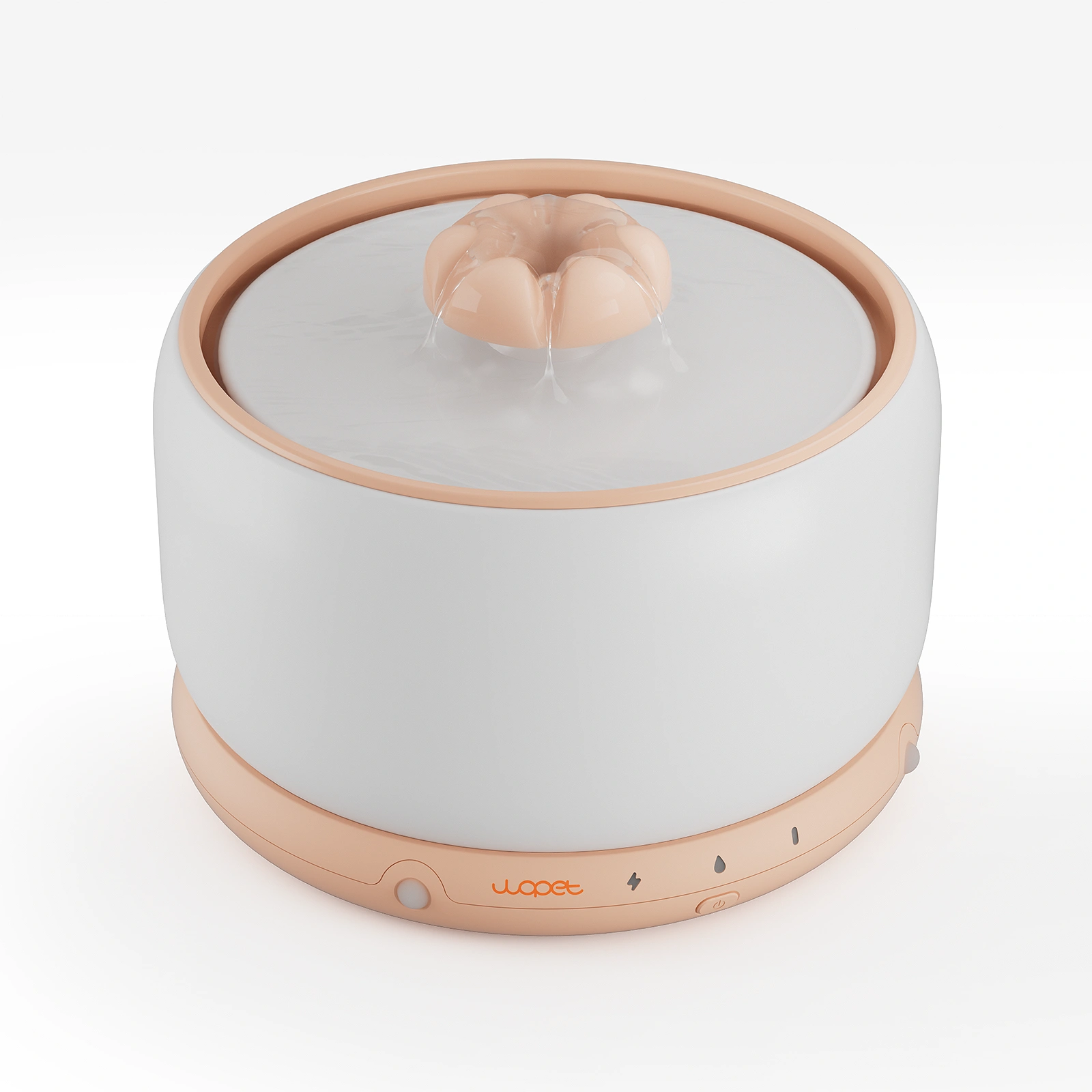
Owners using the WOPET W03 Ceramic Wireless Pet Water Fountain can place its removable ceramic bowl in the dishwasher. Other parts have separate care requirements, so do not put the pump, powered base, or filter in the dishwasher unless their instructions explicitly allow it.
When Should You Replace the Fountain or Call a Veterinarian?
Replace a part when growth remains embedded in cracks, scratches, swollen seals, or inaccessible areas after correct cleaning. Stop using the fountain if a sealed electrical component has taken on water, the pump is damaged, or green material keeps returning despite fresh water and complete maintenance.
Contact your veterinarian if your cat drank from visibly contaminated water and then develops vomiting, diarrhea, drooling, weakness, tremors, loss of appetite, or unusual behavior. Save a photo and note when the exposure occurred, but do not delay care while trying to identify the growth at home.
Frequently Asked Questions
How quickly can algae grow in a cat fountain?
There is no reliable universal timeline. Light, temperature, nutrients, cleaning, water changes, and the fountain's design all affect growth. Inspect the fountain daily rather than relying on a fixed number of days.
Will a filter prevent algae?
No. A filter may collect debris or help with taste and odor, but it does not block all light, sterilize the system, or replace cleaning.
Is green slime always algae?
No. Color and texture cannot confirm algae, mold, bacteria, or another substance. Treat it as unknown buildup and remove the fountain from use.
Can I put the fountain in the sun to dry it?
Short-term drying of compatible parts may be acceptable, but long-term operation in direct sun can encourage green growth and warm the water. Follow the manual and keep powered components away from moisture and excessive heat.
Why does the green buildup keep coming back?
A hidden part may still contain residue, the filter may be contaminated, the fountain may remain in strong sunlight, or a damaged surface may be difficult to clean. Recheck the full water path and replace affected parts when needed.
Editorial Method and Sources
This article does not use color to diagnose an organism. It applies general environmental evidence about light, nutrients, and algae while keeping the household recommendation conservative: stop use, clean physically, avoid unapproved chemicals, and escalate when exposure symptoms occur.
• EPA: Learn About Harmful Algae, Cyanobacteria, and Cyanotoxins
Label:
Popular Post
Top 10 Most Expensive Cat Breeds in The World
May 07, 2025
The Ultimate Guide to Tabby Cats: Patterns, Personalities, and More
Mar 27, 2025
Can Cats Have Ice Cream? Dangers, Safe Flavors & Healthy Cat Treats
Sep 02, 2025
My Cat Only Eats A Little at A Time - What to Do?
Feb 27, 2023
Top 8 Reasons Why Does My Cat Sleep Between My Legs?
Mar 03, 2025
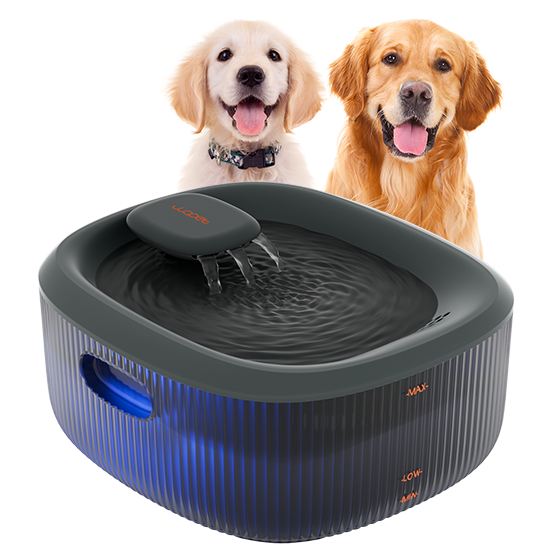
Basin Pet Water Fountain-W600
Model: W600
$43.99
$69.99
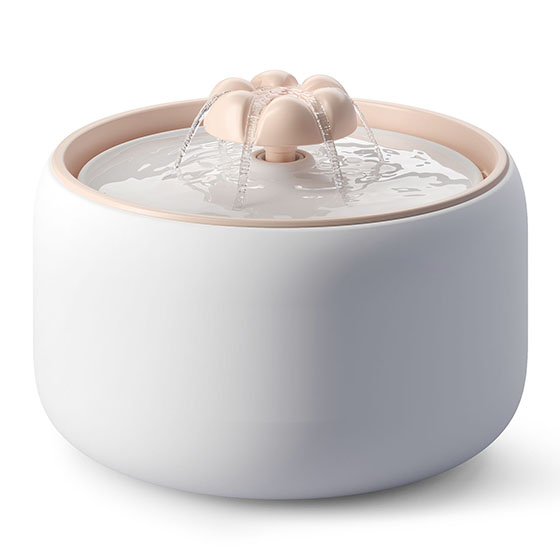
[Basic] Ceramic Pet Water Fountain with Power Cable
Model: W03L
$59.99
$99.00
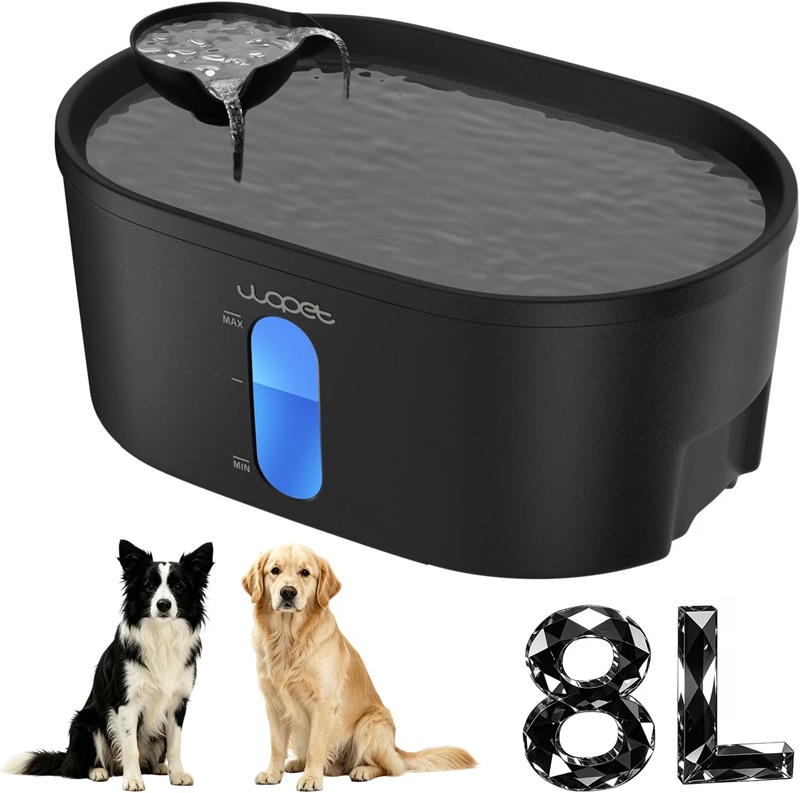
WOPET 8L Pet Water Fountain For Multiple Cats or Large Dogs A08
Model: A08
$49.99
$59.99
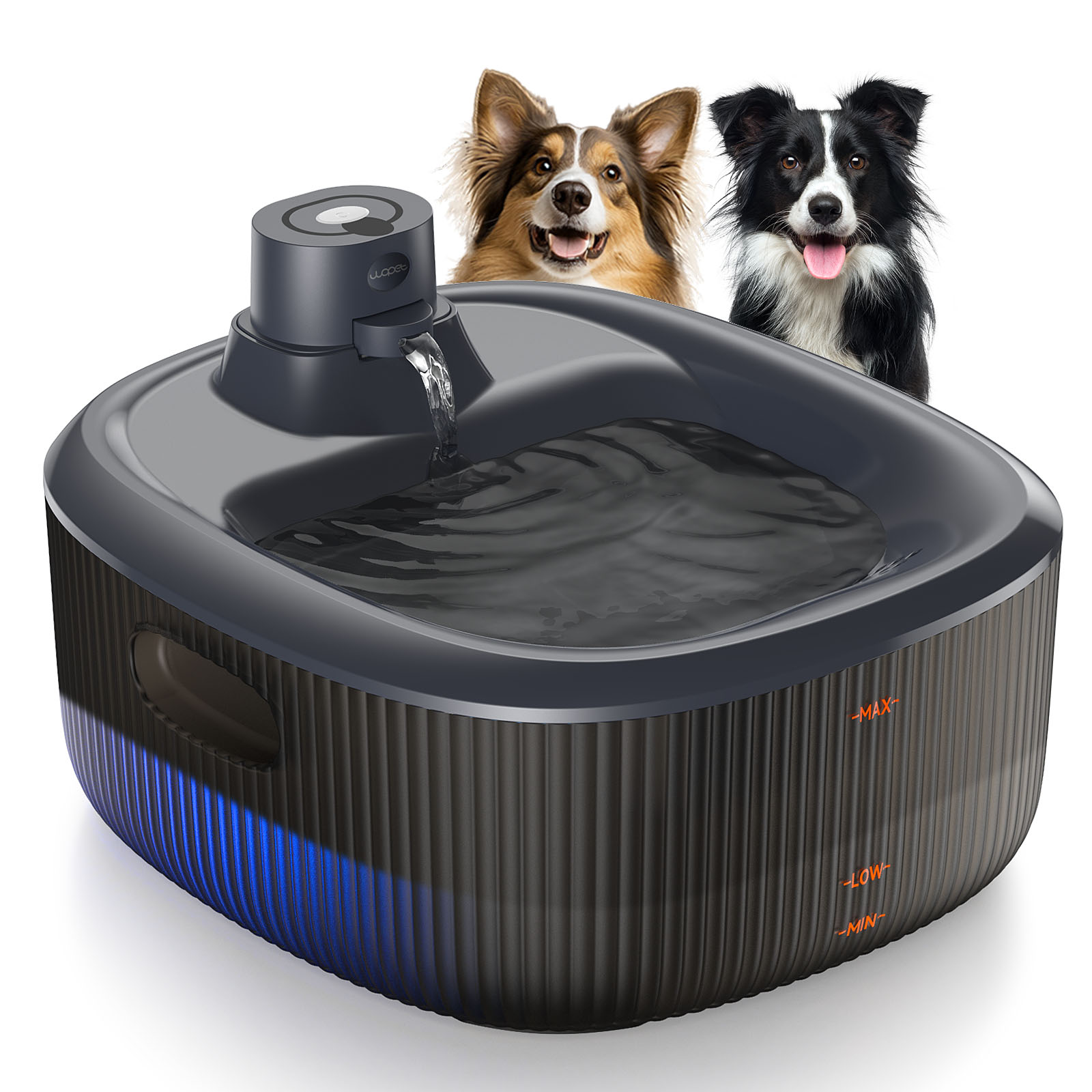
[Upgrade] Basin Wireless Pet Water Fountain
Model: W600 Pro
$69.99
$89.99
Heritage View Pet Feeder Dual Bowls For Two Cats
Model: HV10DP
$119.99
$149.99
[New] Ceramic Wireless Pet Water Fountain W03
Model: W03
$89.99
$129.00

DOWNLOAD APP

WOpet life




Copyright © 2026 WOPET. All Rights Reserved.